August 18 — One Last Day in Wine Country
Sans an early-morning agenda, we seized the opportunity to sleep in a little. We had a wine tour scheduled for 3:30 and a couples spa treatment at 5:30, so for once there was absolutely no reason to rush.
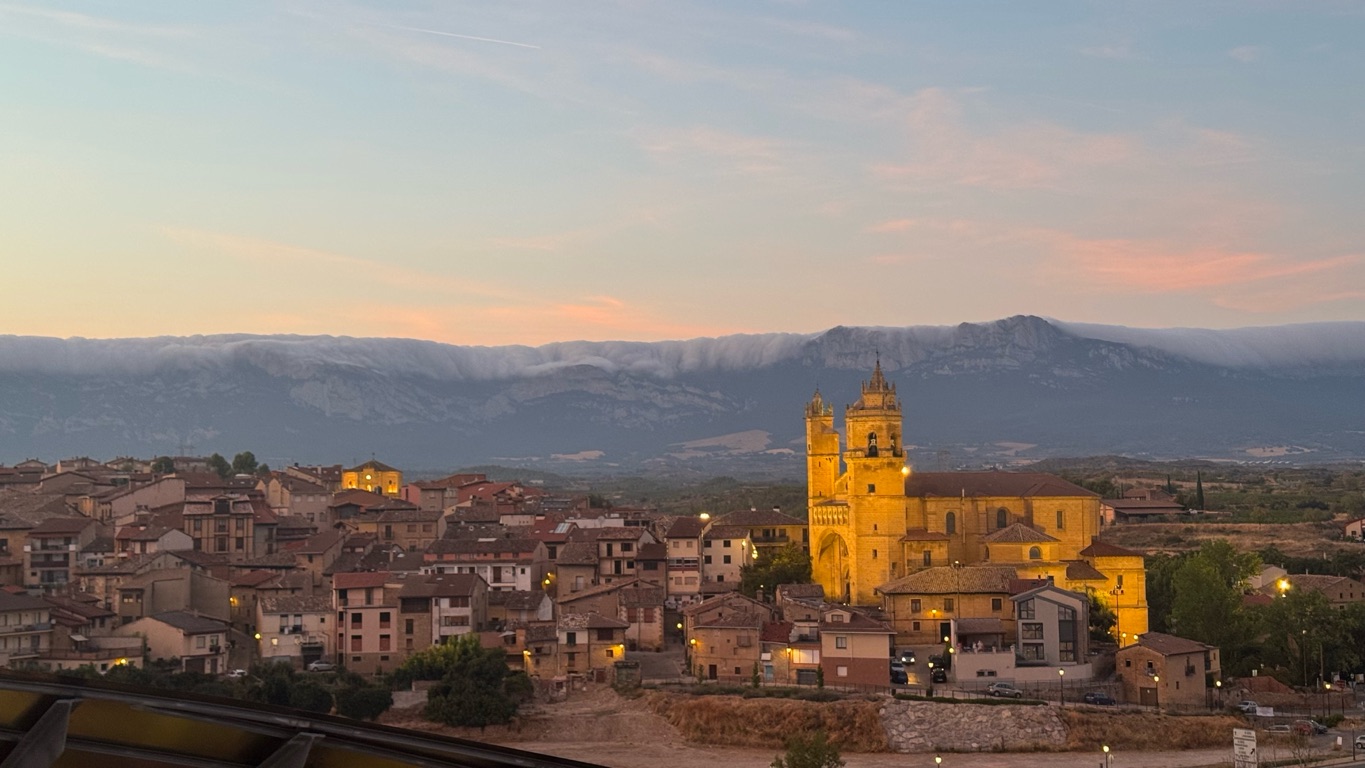
After breakfast, we strolled into the lifeless town of Elciego. A few brave souls ventured out to the scorching heat of the plaza, but most stayed in door avoiding the morning heat: no wonder they have dinner at 10:00P. After returning to the hotel, we headed down to the hotel pool where we spent the late morning and early afternoon doing very little; it actually felt pretty damn good. Eventually, it was time to trade the pool for the vineyard and begin our tour of Marqués de Riscal.
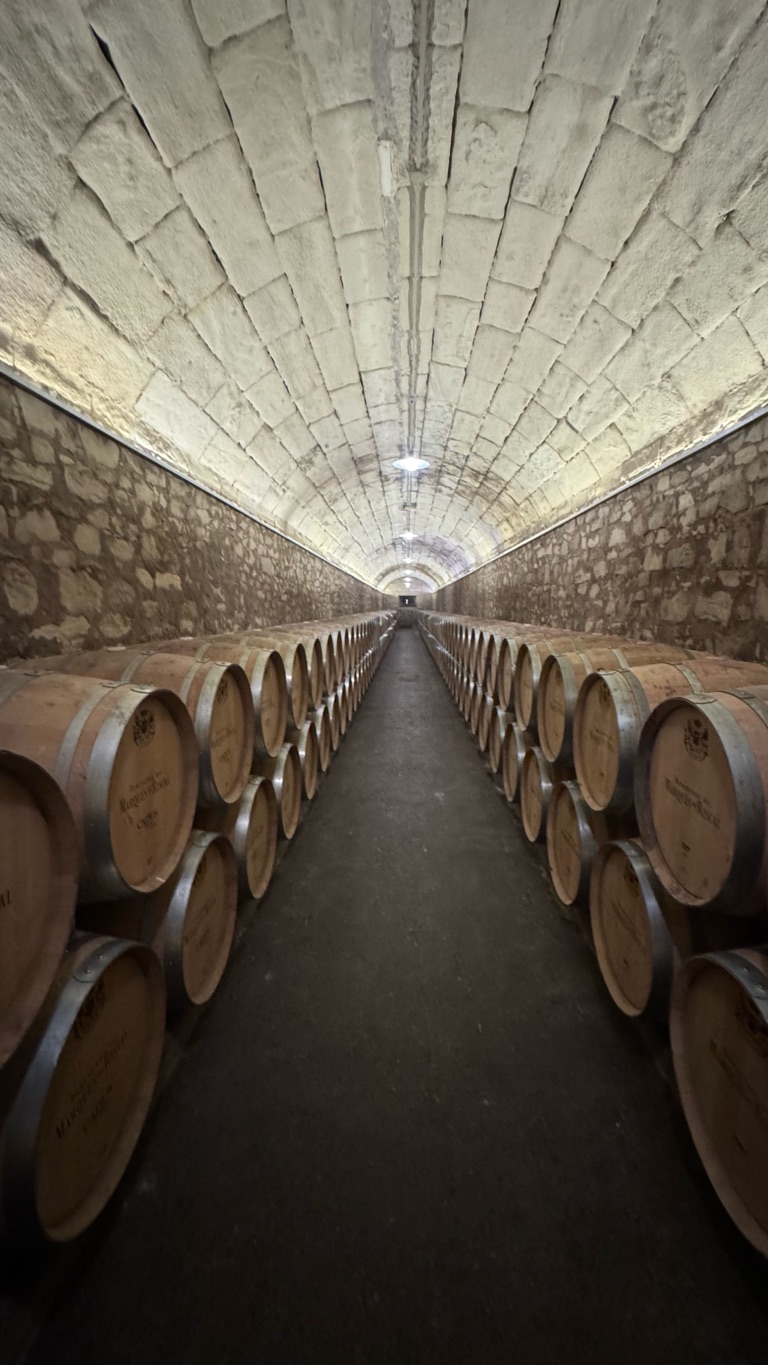
The winery tour and tasting were, in many ways, similar to tours we’ve taken in France, Italy and Sonoma: vineyards, barrels, cellars, winemaking techniques and, naturally, the reward at the end—a tasting. But what distinguished Marqués de Riscal was its remarkable history.
The winery was founded in 1858 by Guillermo Hurtado de Amézaga, the Marqués de Riscal, and its first wines were bottled in 1862. In fact, that 1862 vintage is considered the first bottled Rioja wine. Within just a few years, the wines were already receiving international recognition. Then, in 1895, Marqués de Riscal became the first non-French wine to receive the prestigious Diploma of Honor at the Bordeaux Exhibition—quite an achievement at a time when France considered itself, with some justification, the center of the wine universe.
Perhaps the most fascinating part of the tour was La Botellería, the historic bottle cellar inside the original winery. More than 130,000 bottles are stored there, representing vintages stretching all the way back to that first bottling in 1862. Several bottles of the original vintage still remain—priceless little time capsules sleeping beneath the winery.
We had been told that seven bottles from that original vintage remain and that there had once been eight, with one opened for the hotel’s inauguration. We haven’t been able to confirm that particular detail, but the truth is impressive enough: bottles from 1862 really do remain in the cellar, alongside an extraordinary collection of virtually every vintage produced since.
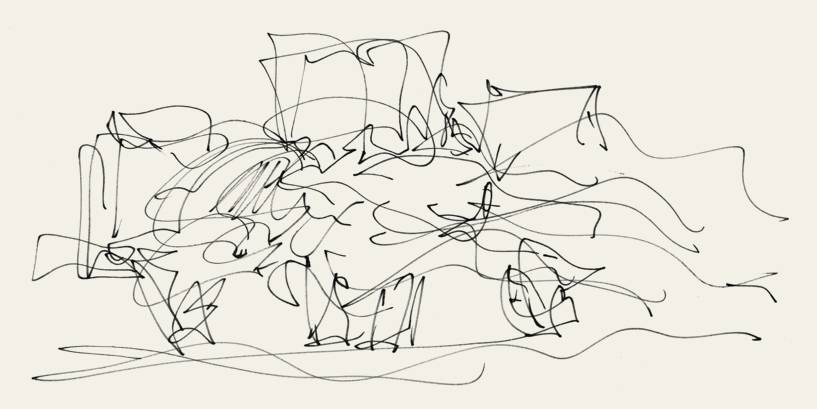
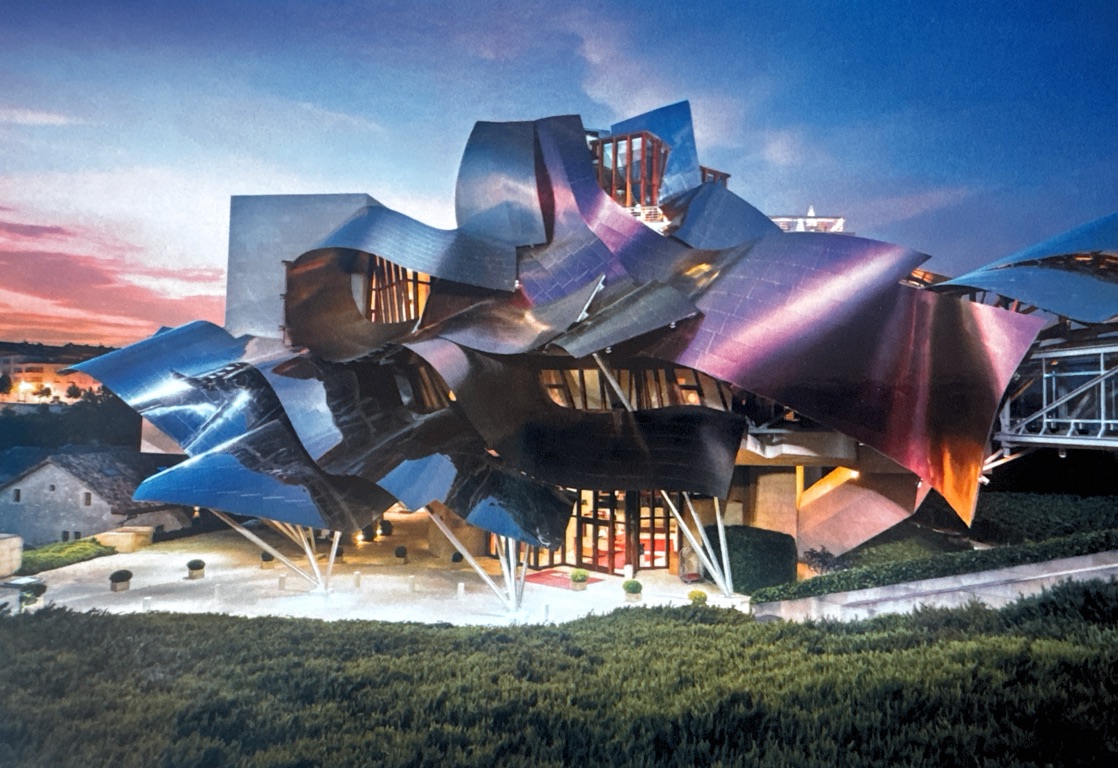
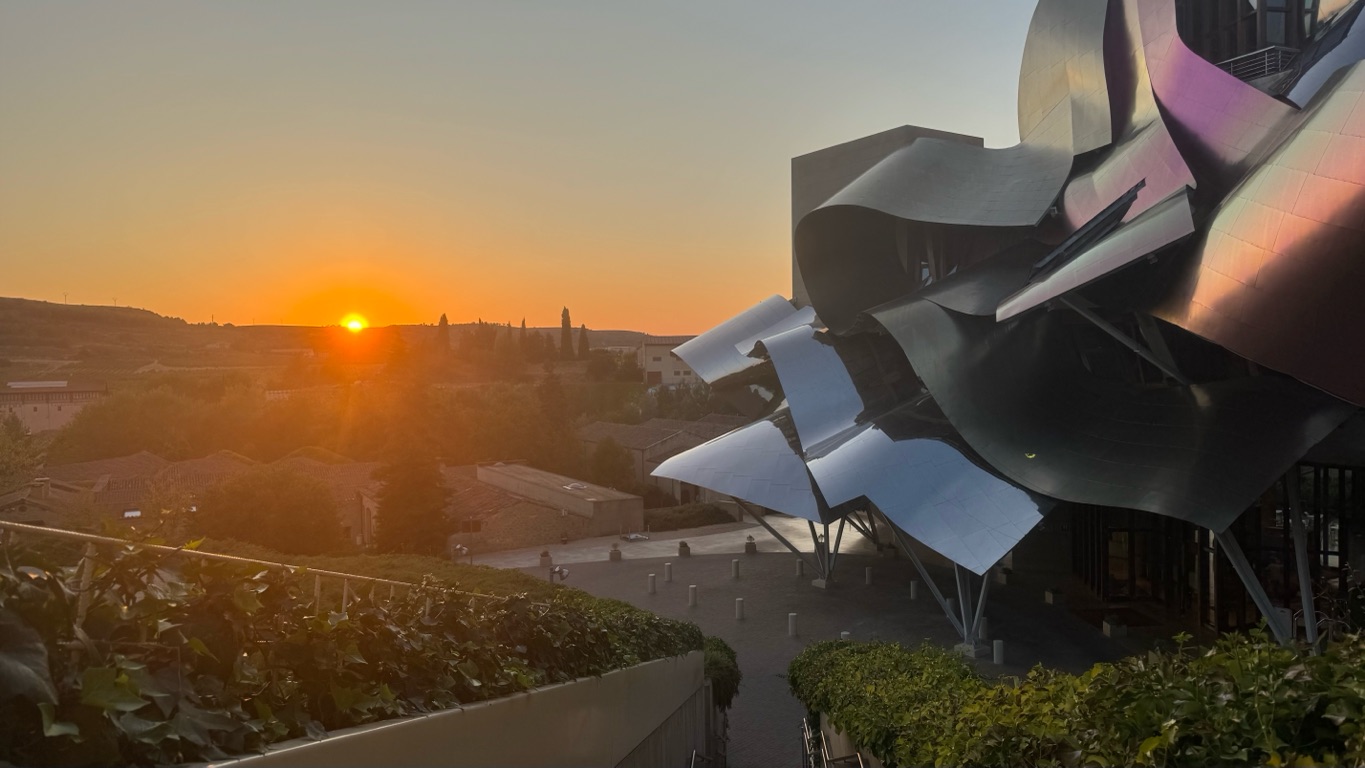
We also learned more about the spectacular Frank Gehry building towering above the old winery. The story we’d heard—that it had originally been intended as part of the winery or a warehouse before someone realized it was too beautiful not to become a hotel—turns out to be more legend than fact. The building was deliberately conceived as the centerpiece of Marqués de Riscal’s ambitious City of Wine, with Gehry commissioned to create something radically modern amid the traditional vineyards and 19th-century stone buildings.
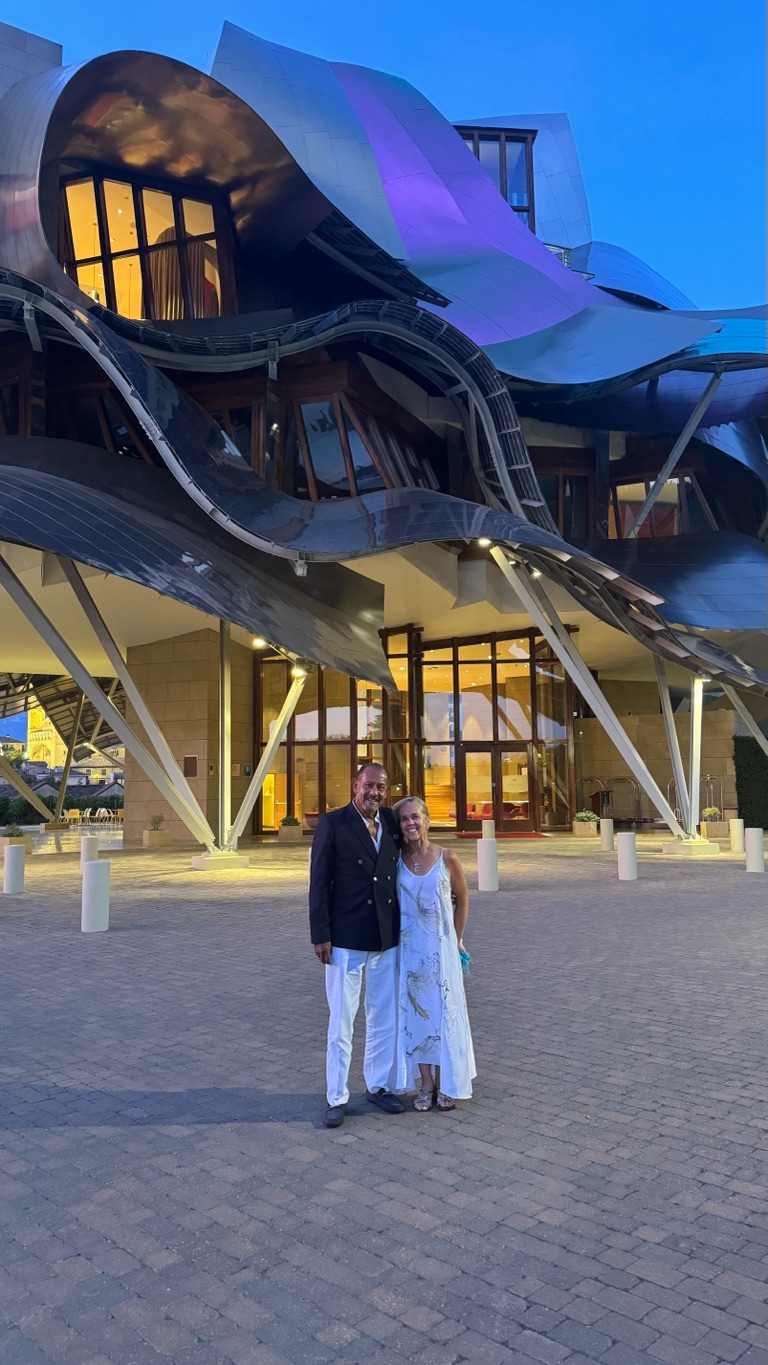
The result was the Hotel Marqués de Riscal, inaugurated on October 10, 2006. Its flowing ribbons of titanium and steel were intended from the beginning to house a luxury hotel and serve as an architectural symbol of the winery’s leap into the 21st century.
There is, however, a wonderful wine story associated with Gehry. When Marqués de Riscal was courting him for the project, he was reportedly served a bottle from 1929—Gehry’s birth year. Apparently, if you’re trying to persuade Frank Gehry to design you a hotel, a really good bottle of his birth-year Rioja doesn’t hurt.
The inauguration itself did indeed have royal credentials. King Juan Carlos I of Spain attended the opening, toured the historic cellar and the new Gehry building, and unveiled a commemorative plaque.
History lesson completed, it was time for something entirely different: our couples spa treatment.
The experience was…intriguing, and definitely interesting. It started with a 15 minute barrel bath, like a small hot tub in a large oak wine barrel. The massages were Lucious, and as we have discovered from massages outside of the US, they are not constrained by our quasi puritanical rules. The end result is a relaxing and enjoyable experience. Apparently, staying at a vineyards, relaxation inevitably involves grapes and wine.
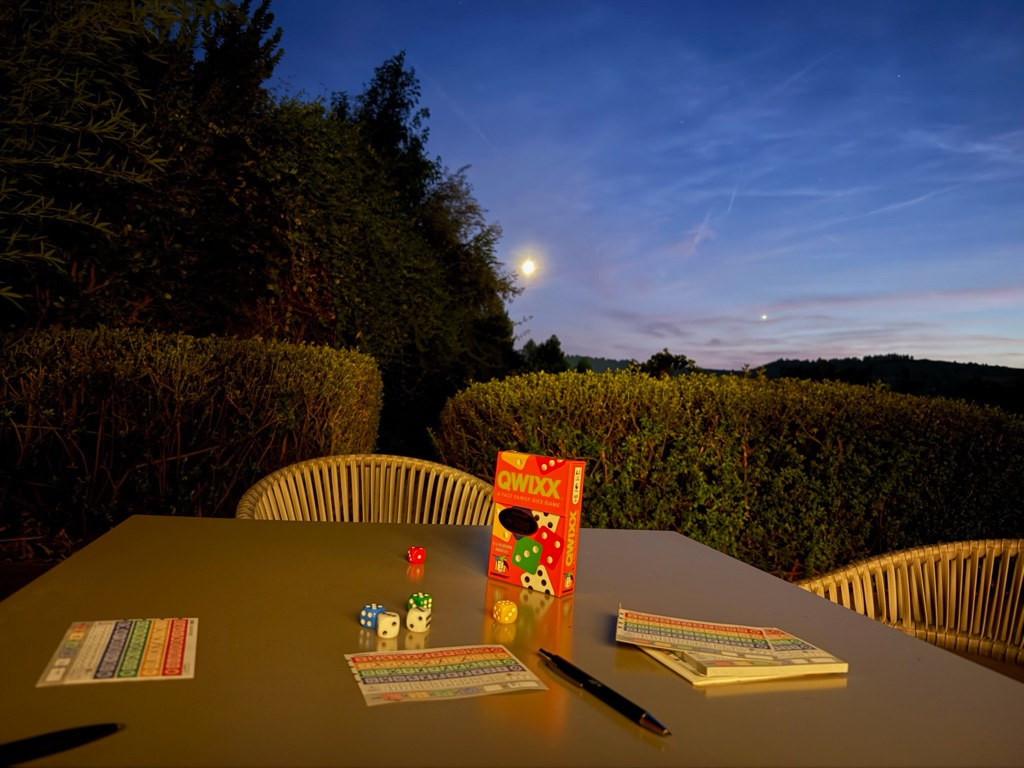
Afterward, thoroughly relaxed—and perhaps slightly amused—we took our books up to the bistro. There, overlooking the vineyards, we ordered a nice glass of wine, settled into our chairs and quietly brought our final full day in Spanish wine country to a close.
It seemed appropriate.
August 19 — Back to Madrid
We were up early, packed and on the road toward Madrid by 10:00 a.m.
The drive was nearly four hours, but with the occasional rest stop and the comfort of our vehicle, the miles slipped by effortlessly. By 1:35 p.m., we were back in Madrid.
After checking into the hotel and dropping off our luggage, there was really only one logical destination: Mercado de San Miguel.
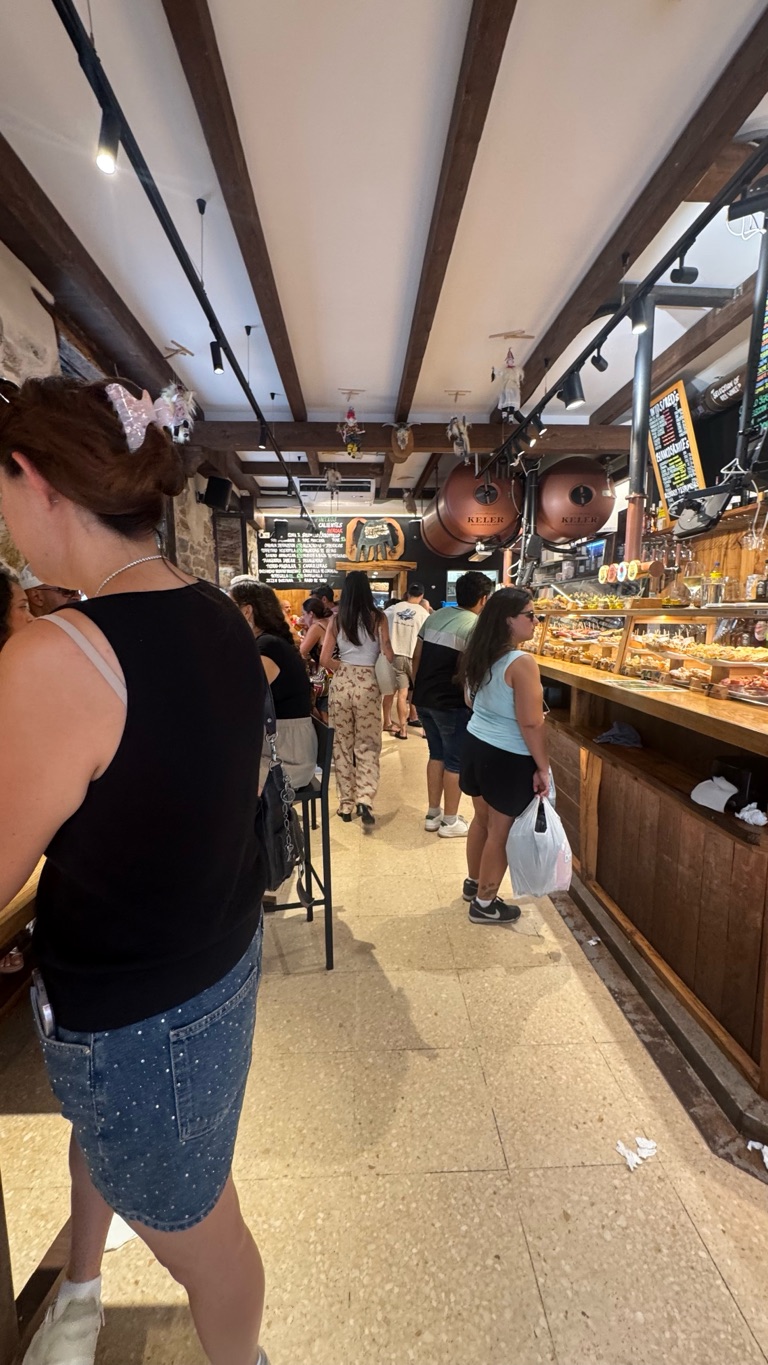
When we were last in Madrid in 2020 (just before the world locked down), we went to Mercado de San Miguel nearly every day. It had become one of our favorite places in the city—a bustling collection of seafood, jamón, cheeses, pastries, great wines and just about every kind of tapa imaginable.
Six years later, it has certainly become more touristy, but enough of its old personality remains. The place still buzzes with conversation and clinking glasses, while counters overflow with things that make it nearly impossible to simply walk past without ordering something. And so, naturally, we didn’t.
On the way back to the hotel, we darted in to El Corte Inglés, a huge shopping complex, we’d heard carried official Adidas World Cup merchandise. Sure enough, we scored a couple of official FIFA shirts for our friends Mary and Chris, both of whom have Spanish roots. Mission accomplished.
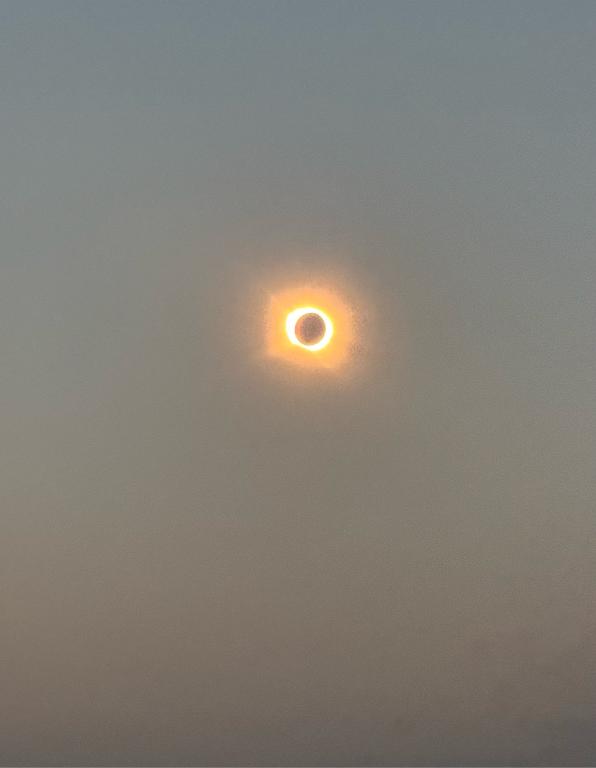
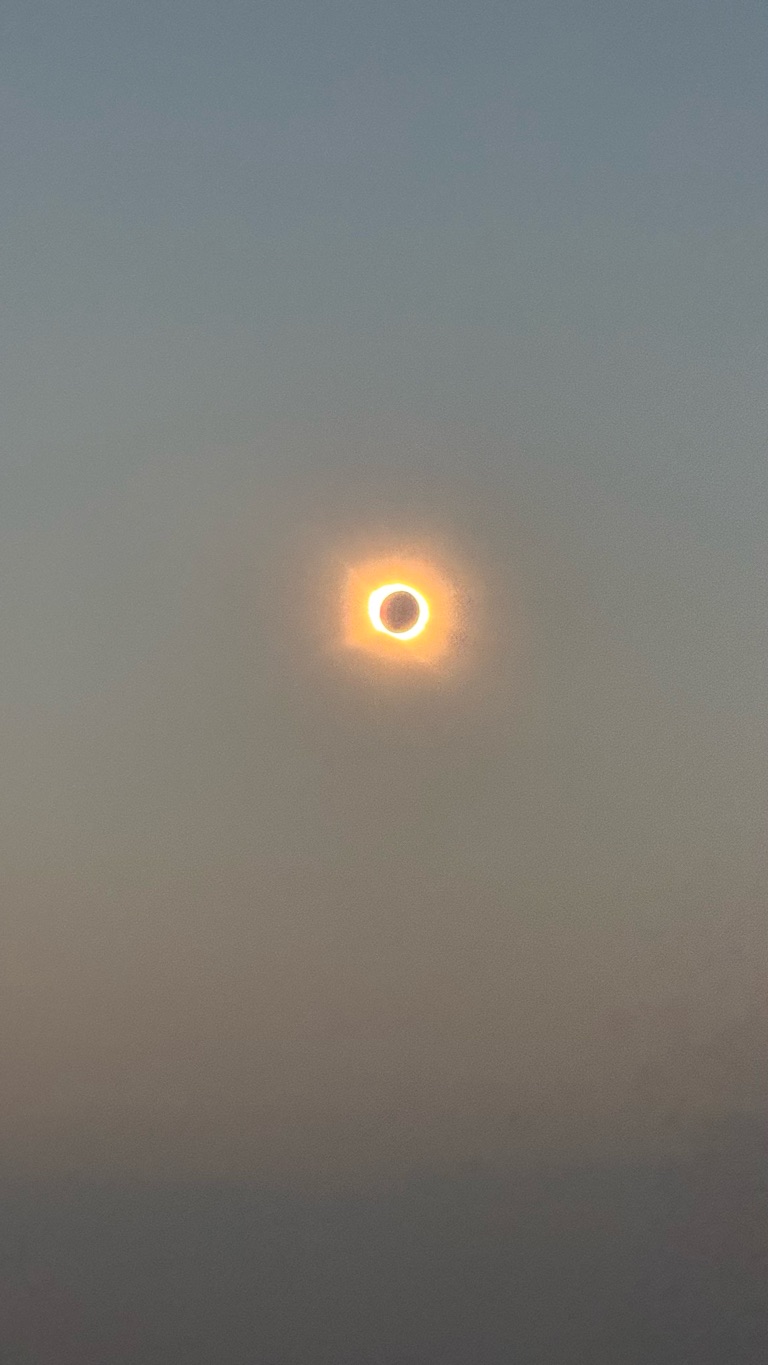
That evening, rather than embark on one last culinary expedition, we stayed close to home and had a relaxing dinner at the hotel’s Peruvian restaurant. After all the driving, the eclipse, sightseeing, pintxos, wine, museums, beaches, vineyards, mountains and tiny Spanish roads we’d squeezed an SUV through, a quiet dinner seemed like exactly the right way to end the trip.
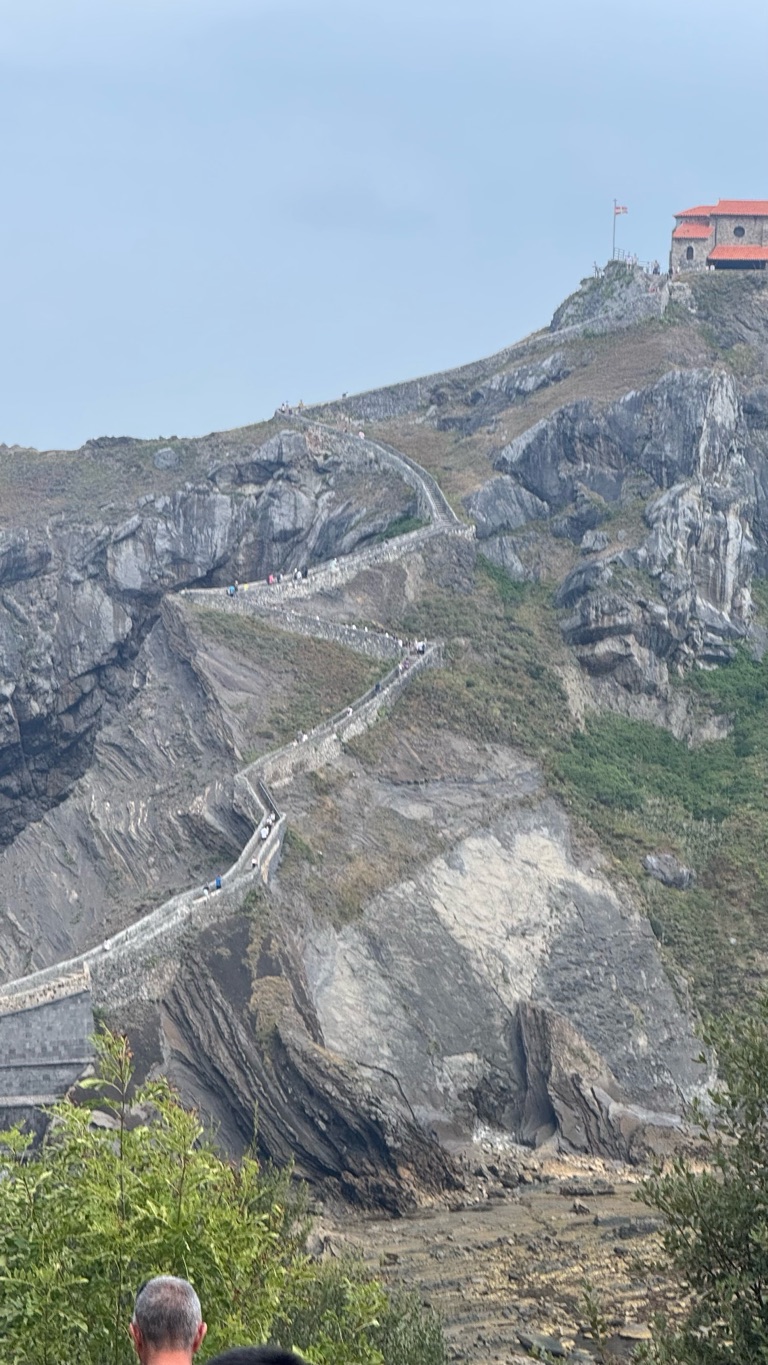
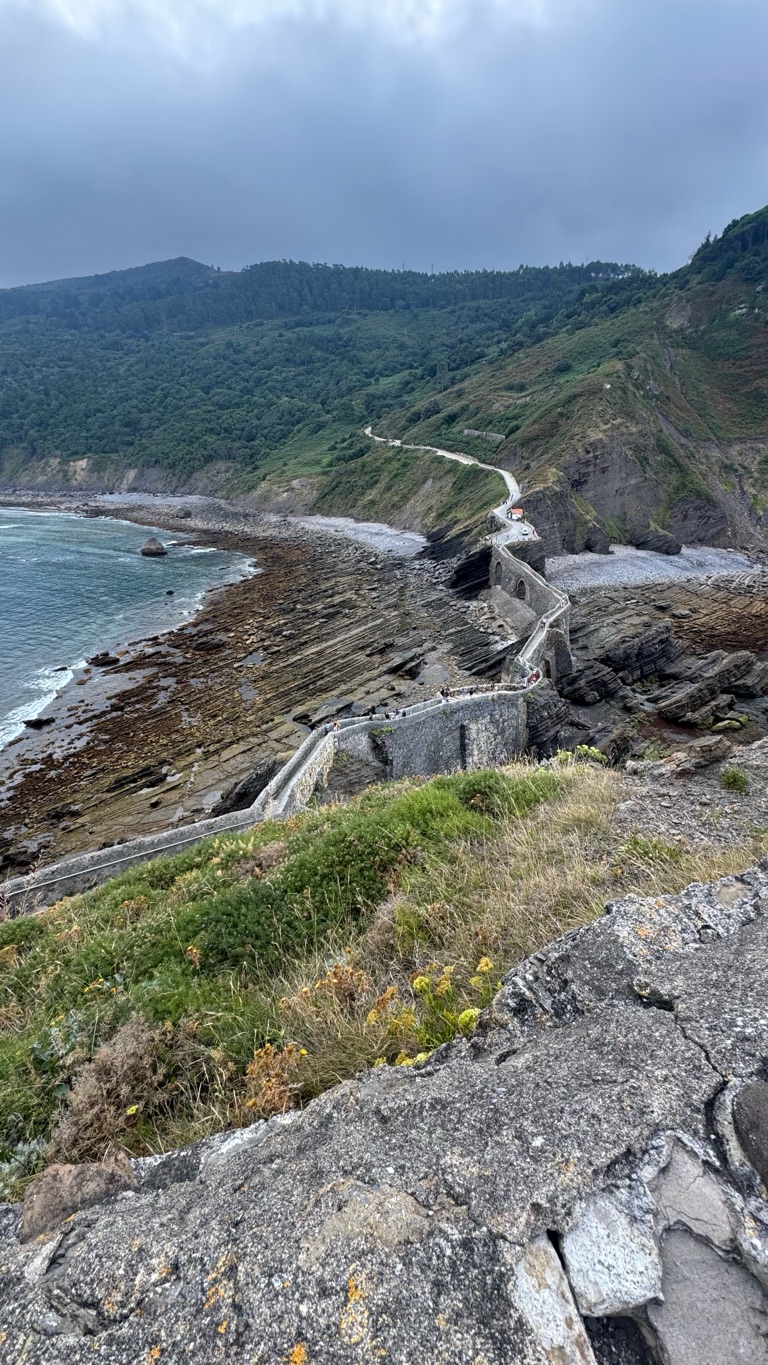
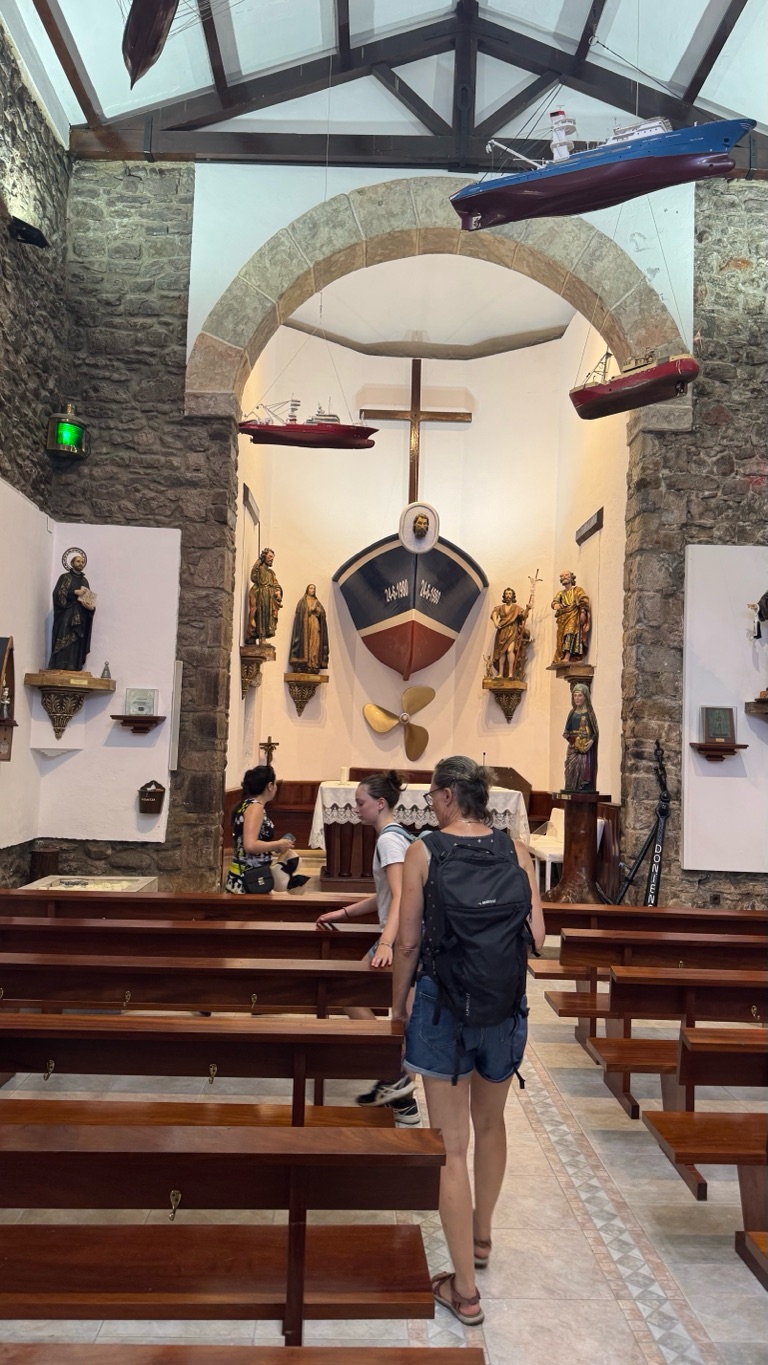
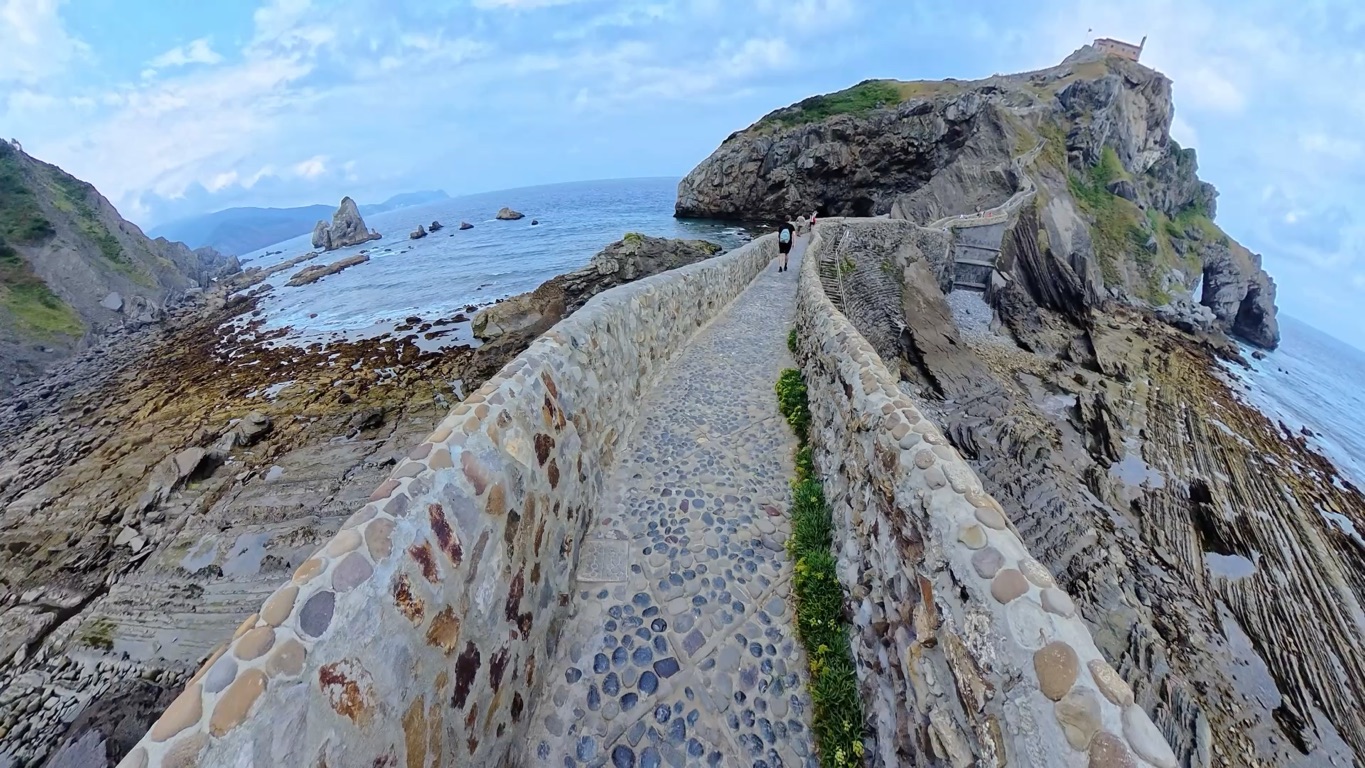
Inevitably, we began talking about our favorite parts of the trip. We both agreed that, after the eclipse, San Juan de Gaztelugatxe—the “Dragonstone” of Game of Thrones—was one of the unquestionable highlights. The climb, the scenery, the coastline and the sheer drama of the place made it unforgettable.
Then there was the food.
San Sebastián routinely makes an extraordinary claim to culinary fame: depending upon exactly how the geography and restaurants are counted, it is described as having either the highest or one of the highest concentrations of Michelin stars per capita in the world. Even official Basque tourism sources have described it as number one, while others have ranked it second only to Kyoto. Whatever statistical measuring stick you choose, the point remains the same: for such a small city, San Sebastián’s concentration of extraordinary restaurants is almost absurd.
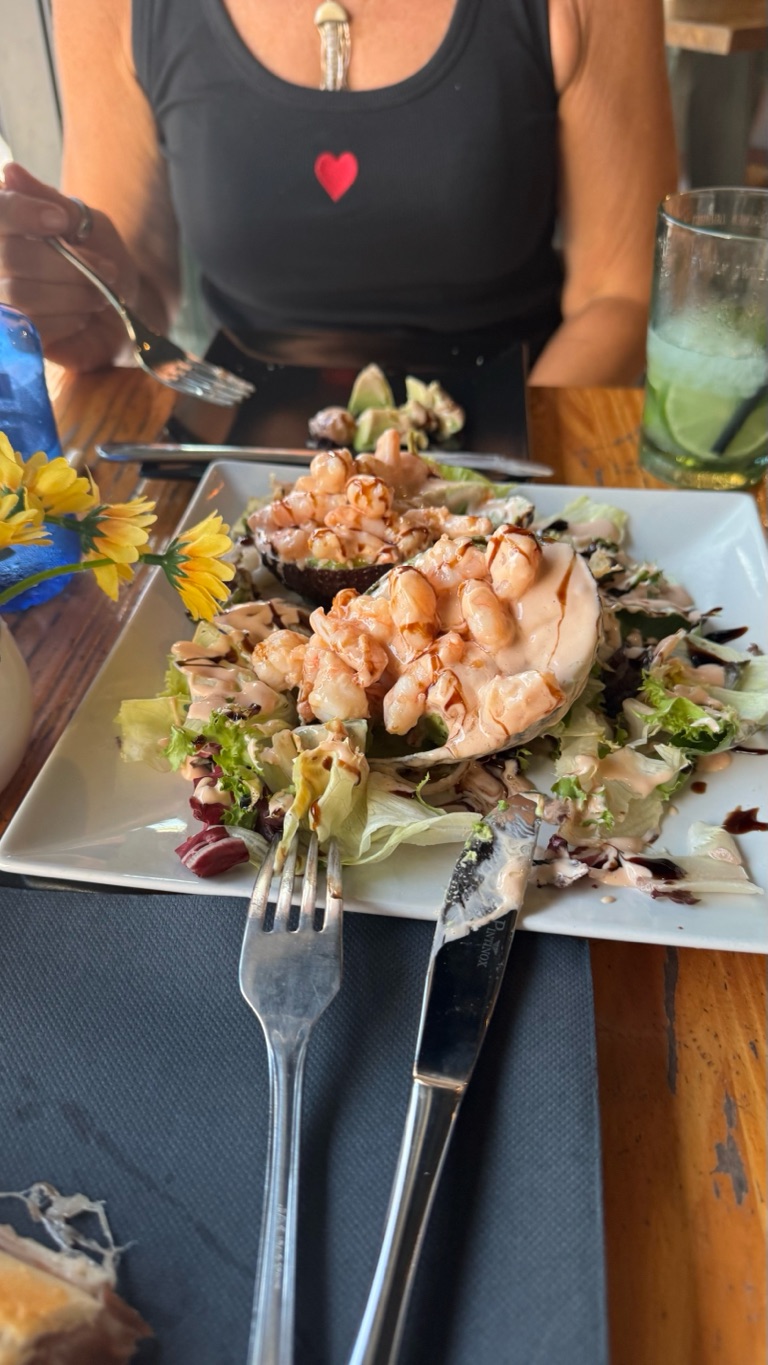
And yet, with all those Michelin stars surrounding us, our favorite meal wasn’t in one of those famous restaurants, It was Idoia, the little restaurant we stumbled upon in Zumaia.
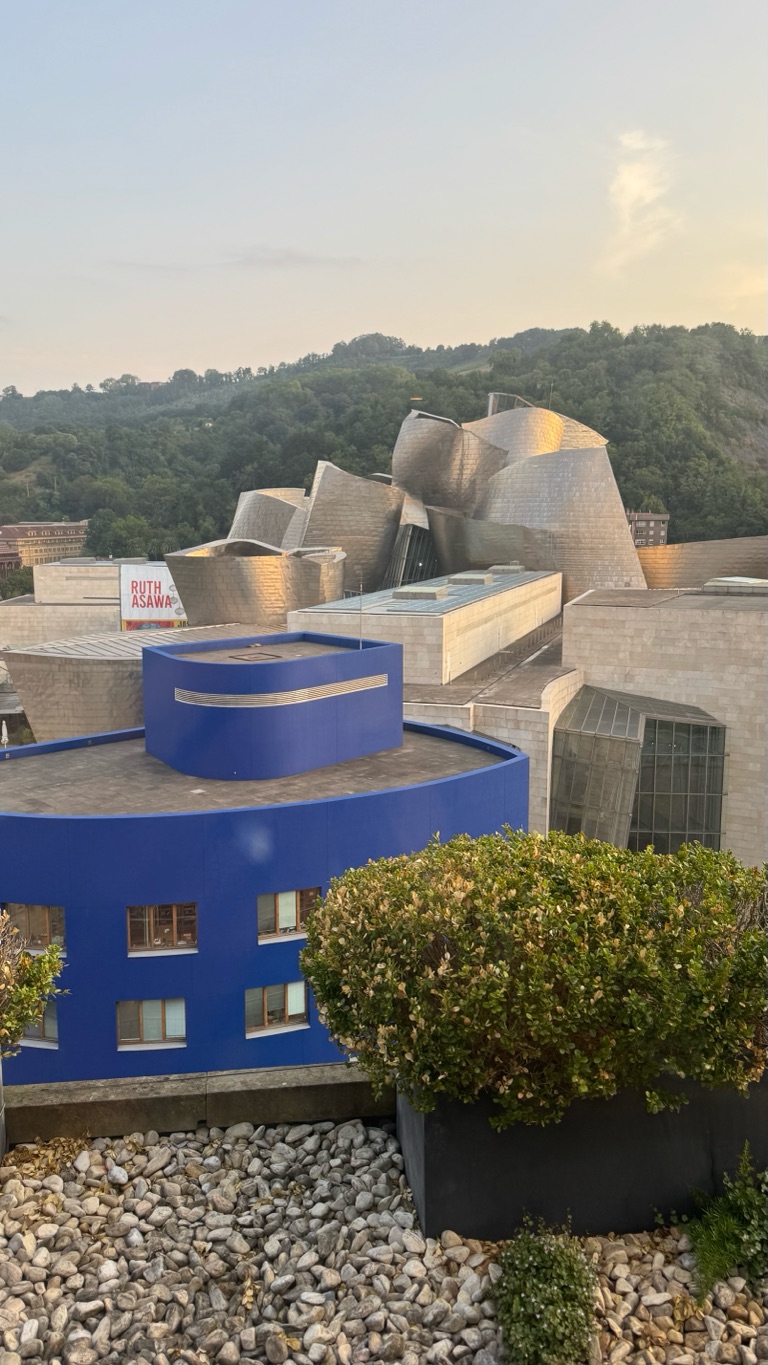
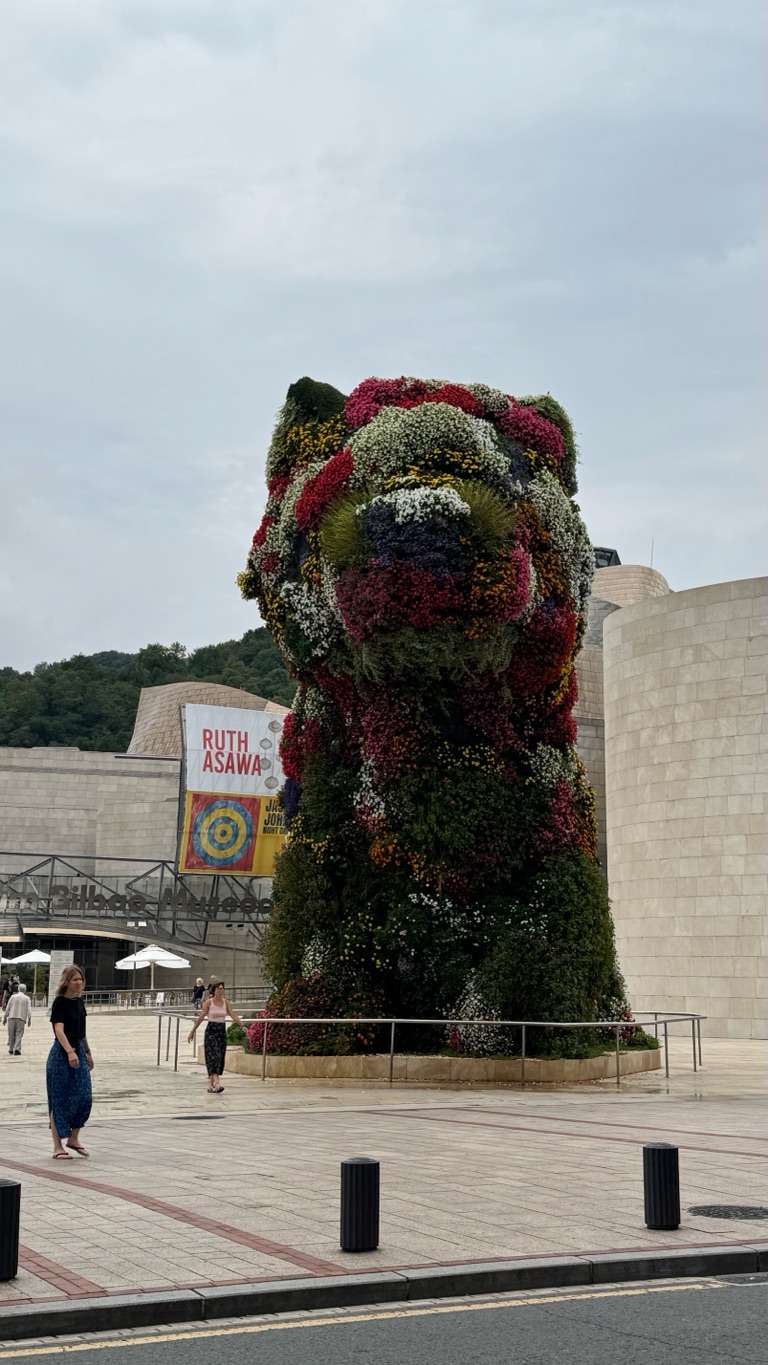
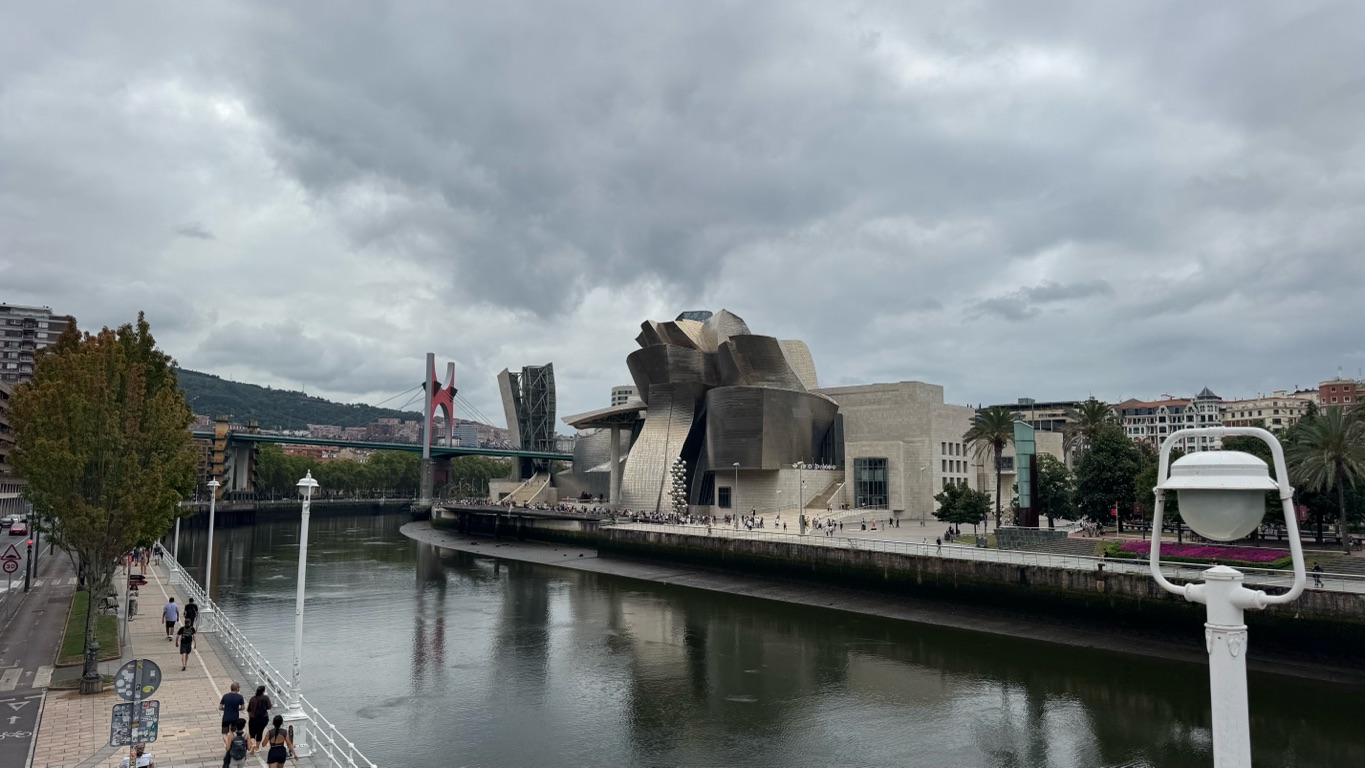
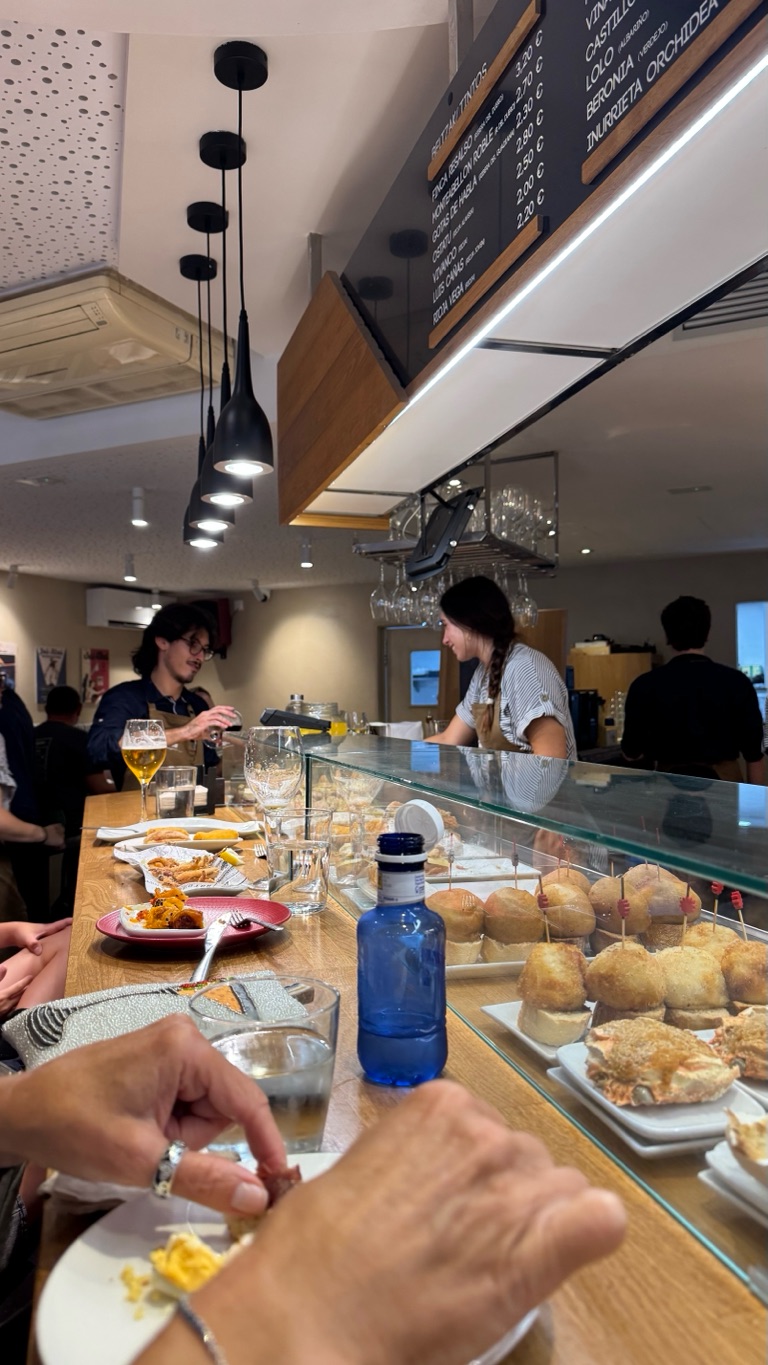
Maybe that’s the best explanation of this entire trip. When we think back on our Spanish road trip, experiencing the eclipse, Madrid, León, Bilbao, San Sebastián and Elciego will certainly stand out. So will the Guggenheim, Gaztelugatxe, Marqués de Riscal, the beaches, the pintxo bars and all those wonderful glasses of Rioja.
But strangely, the destinations themselves weren’t always the highlights. It was what happened between them.
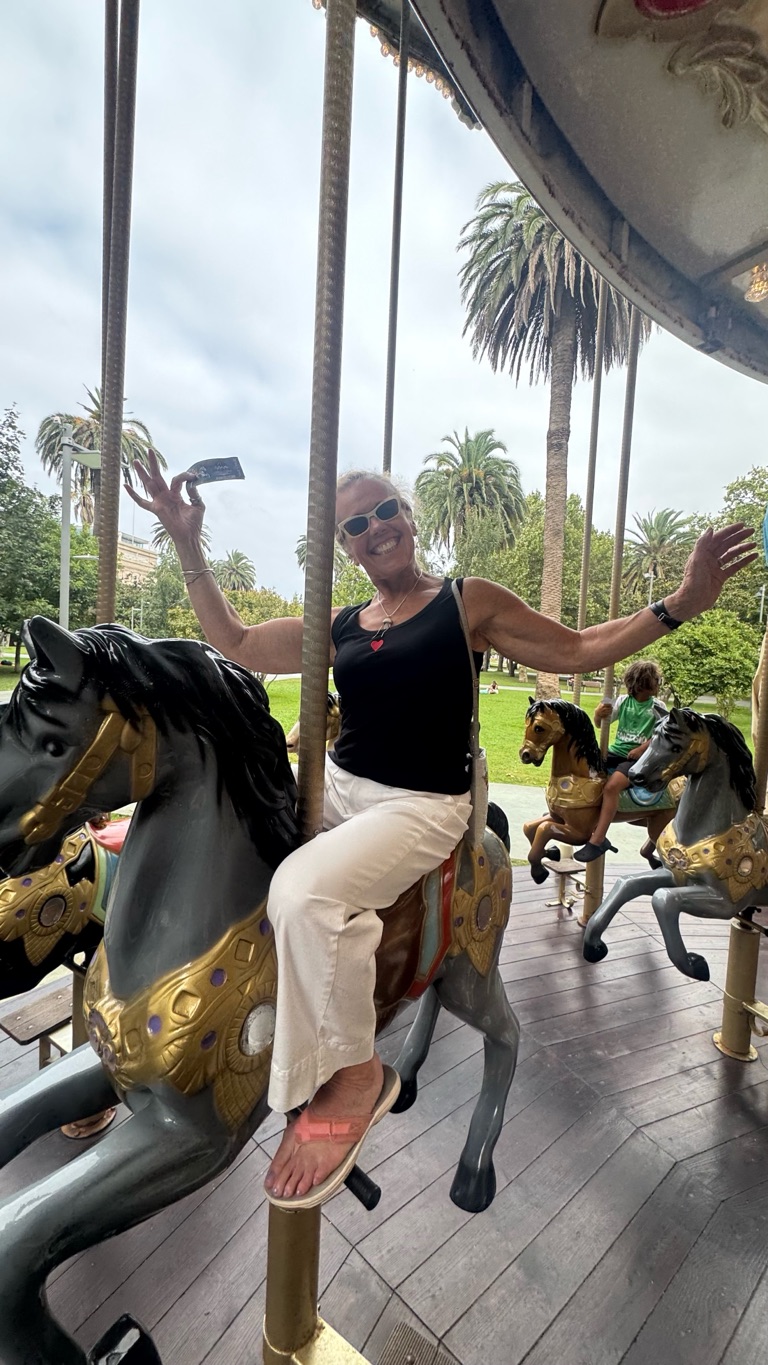
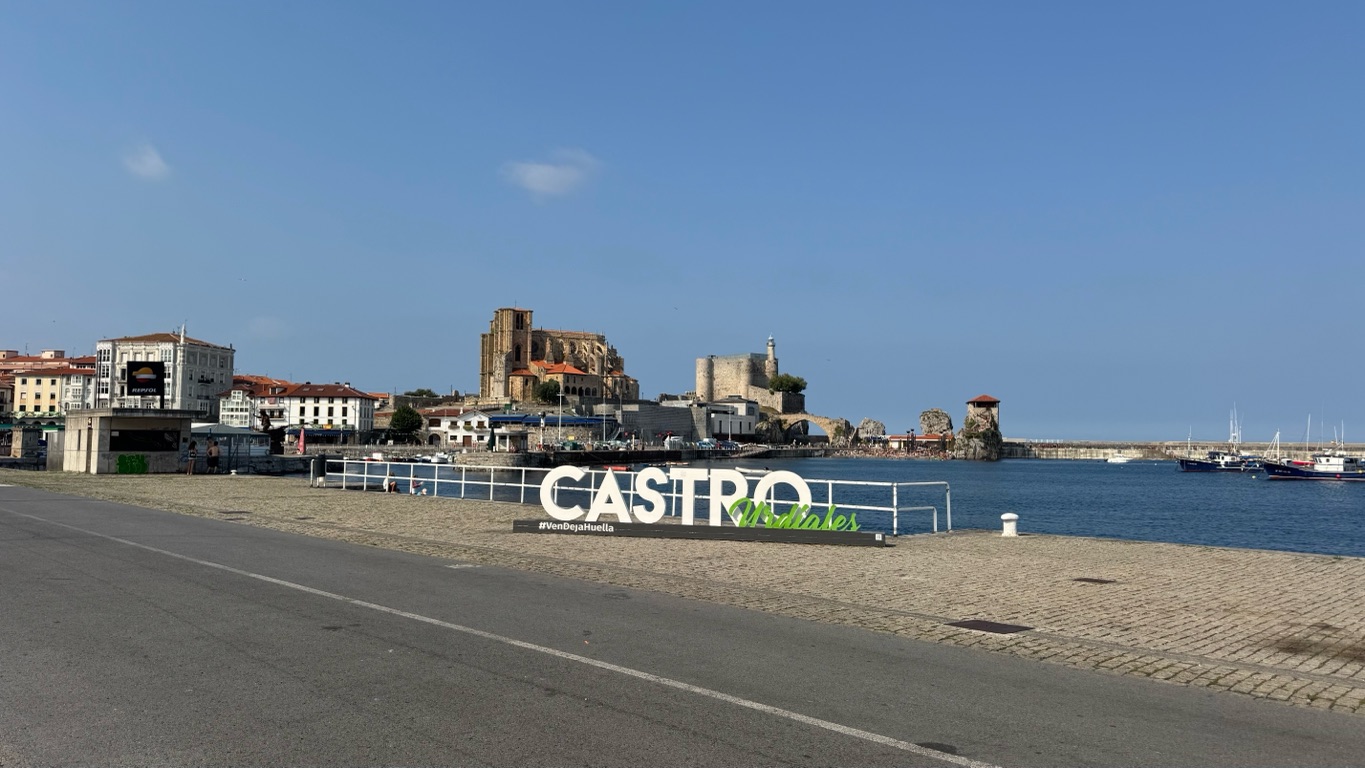
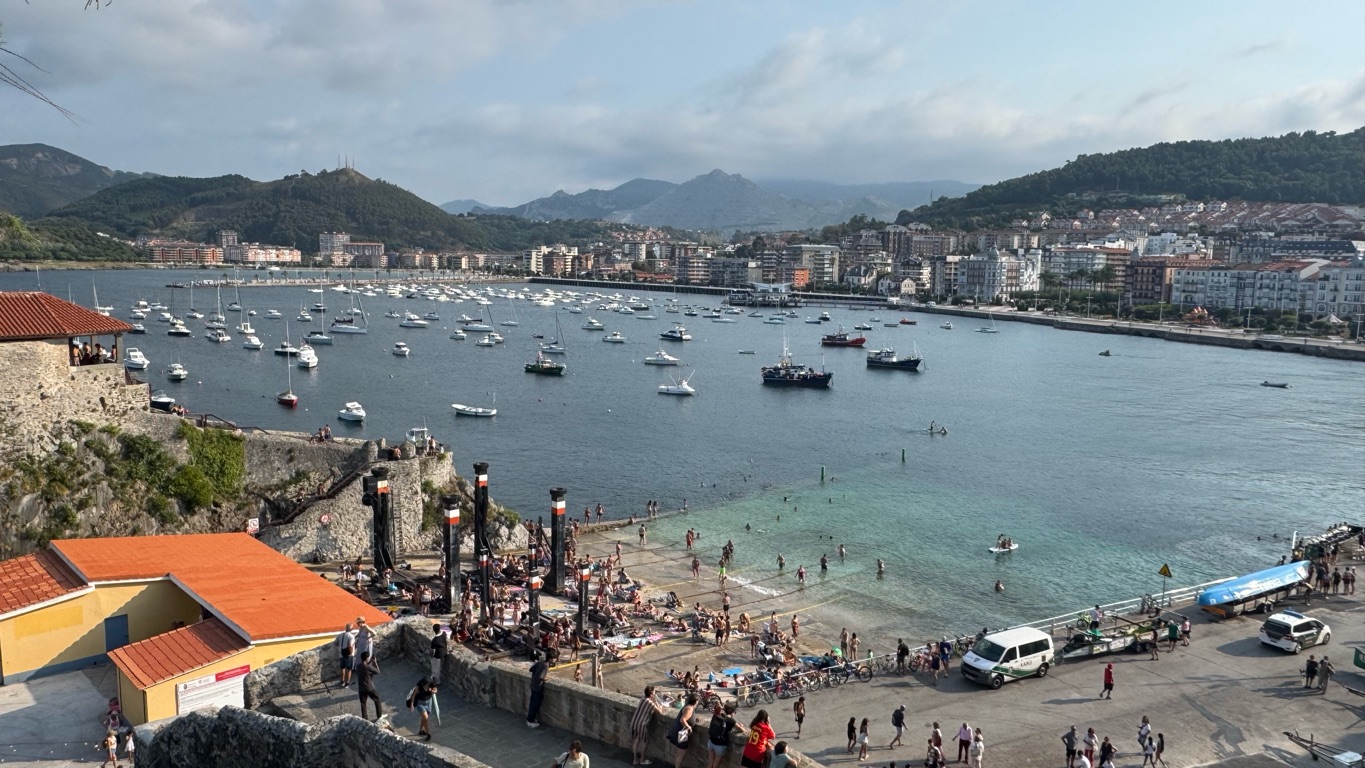
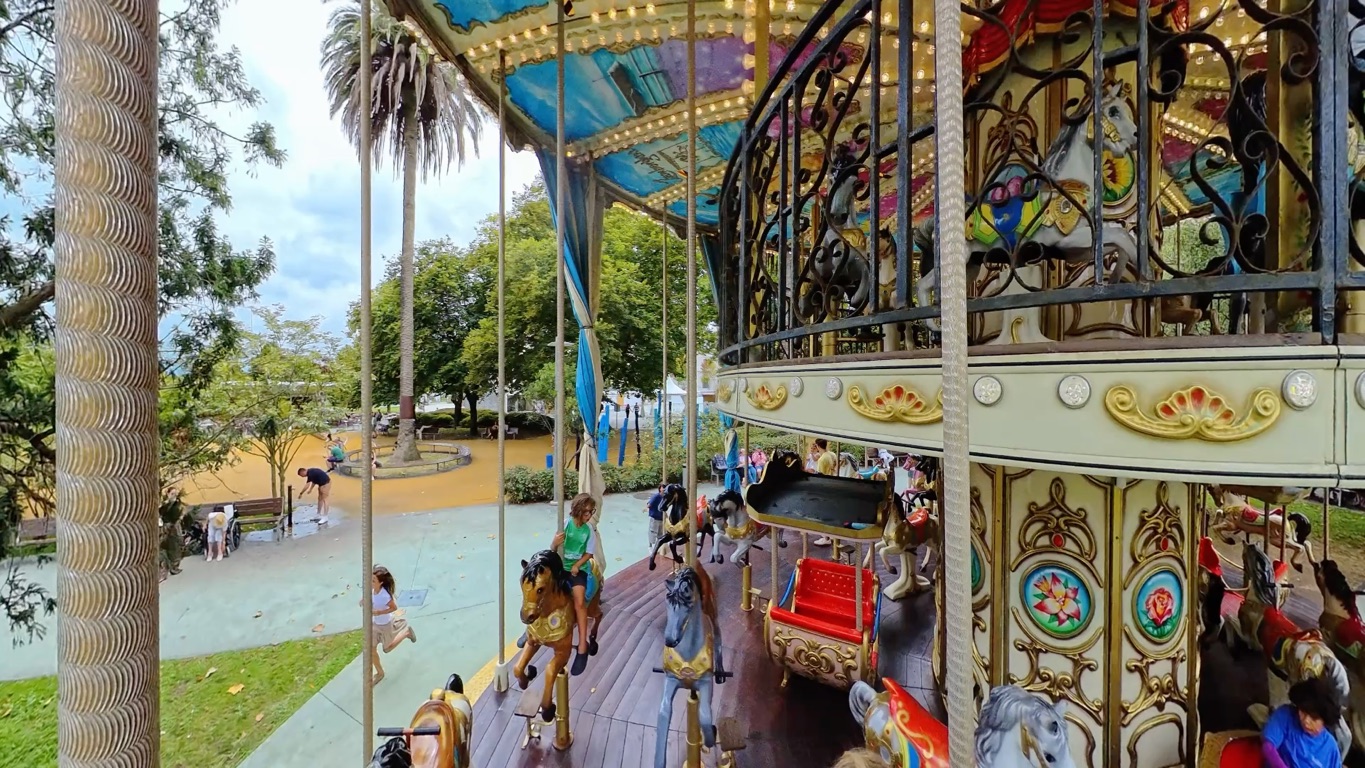
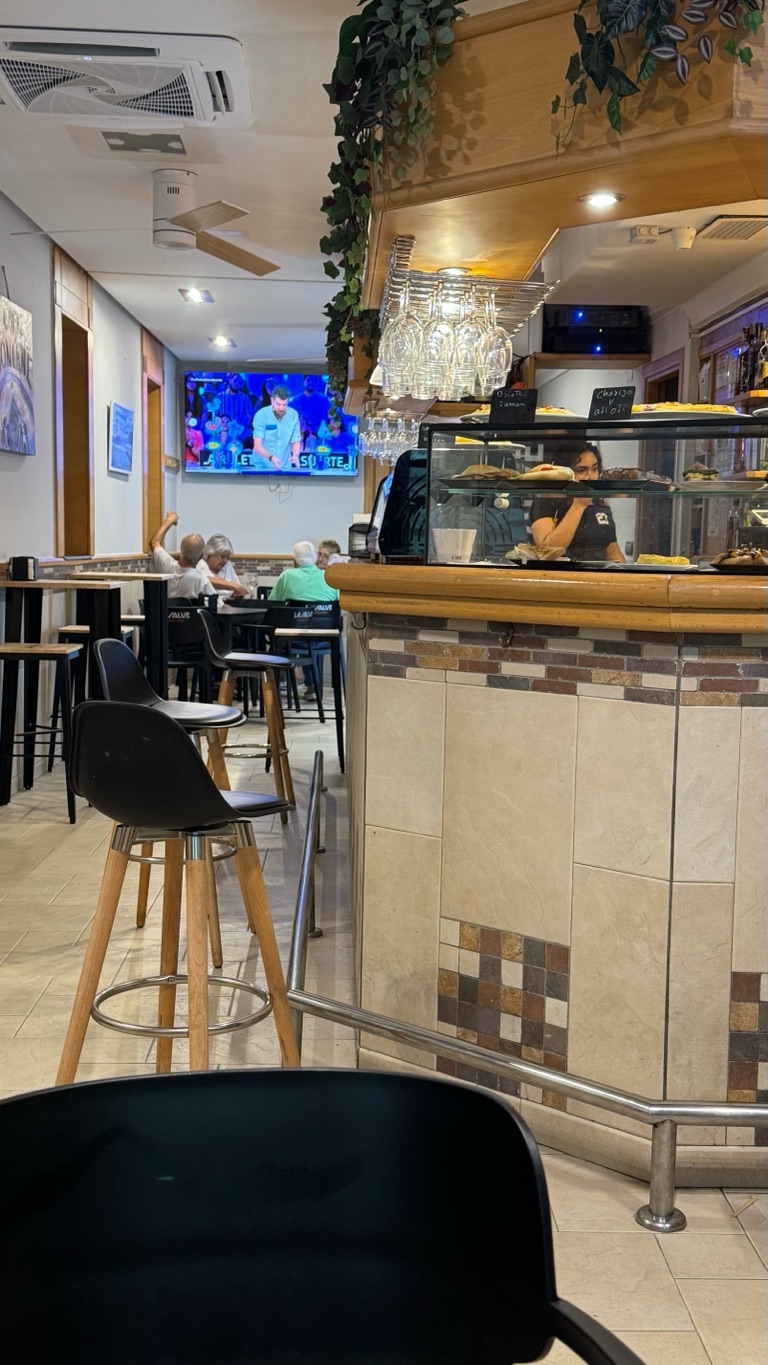
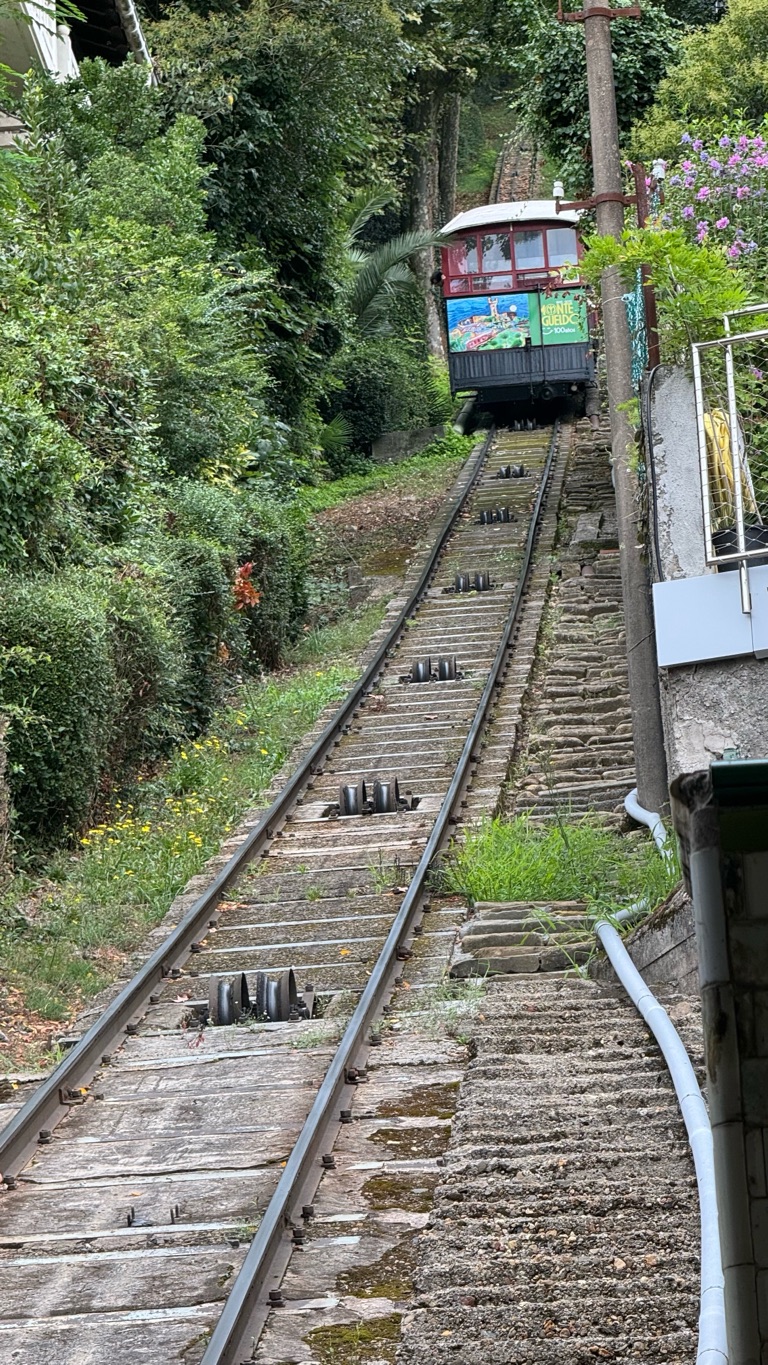
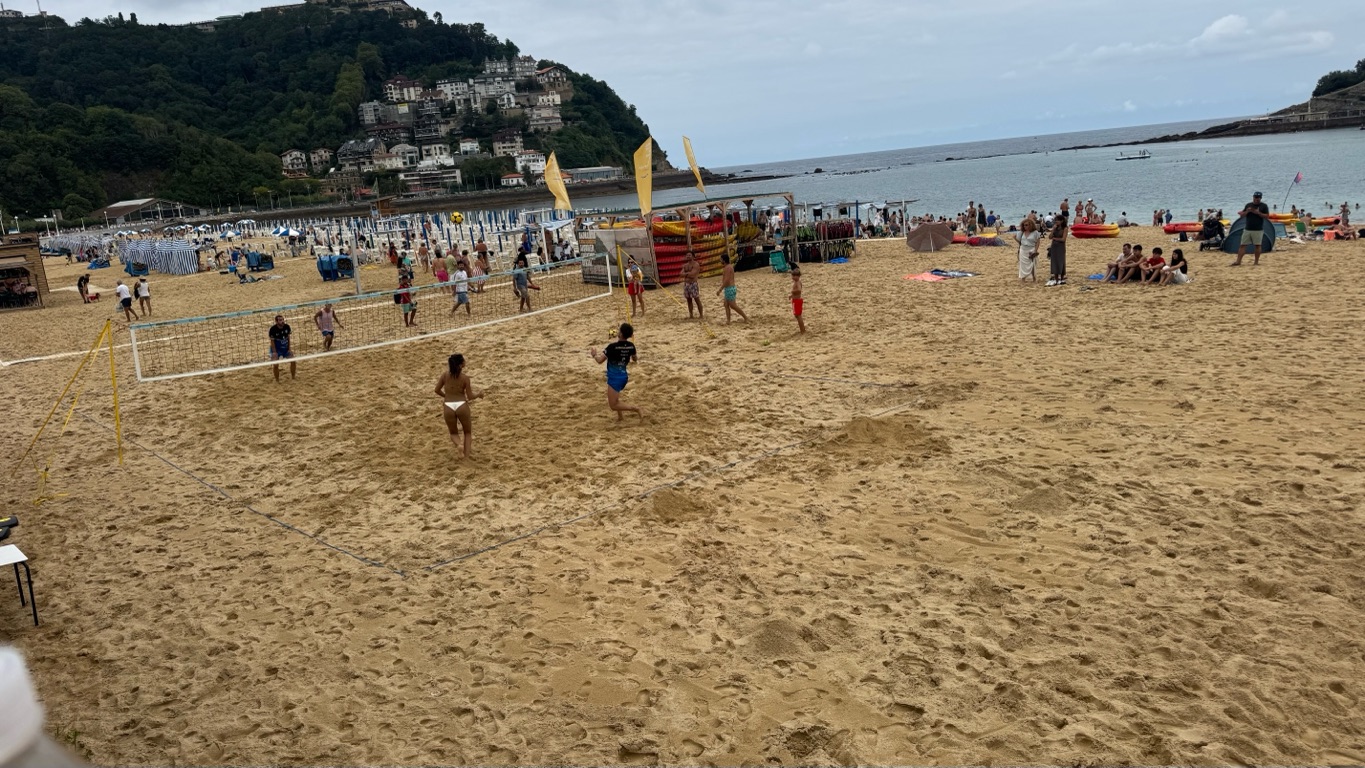
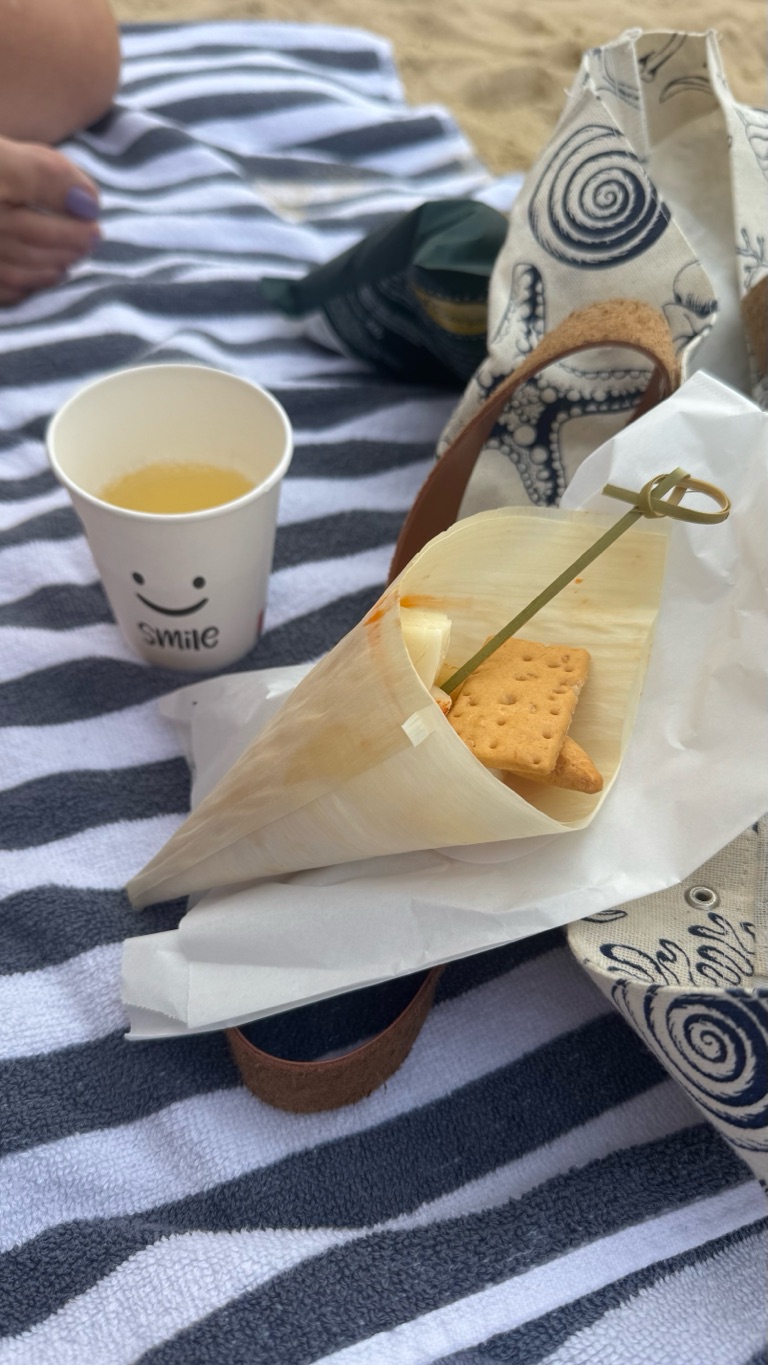
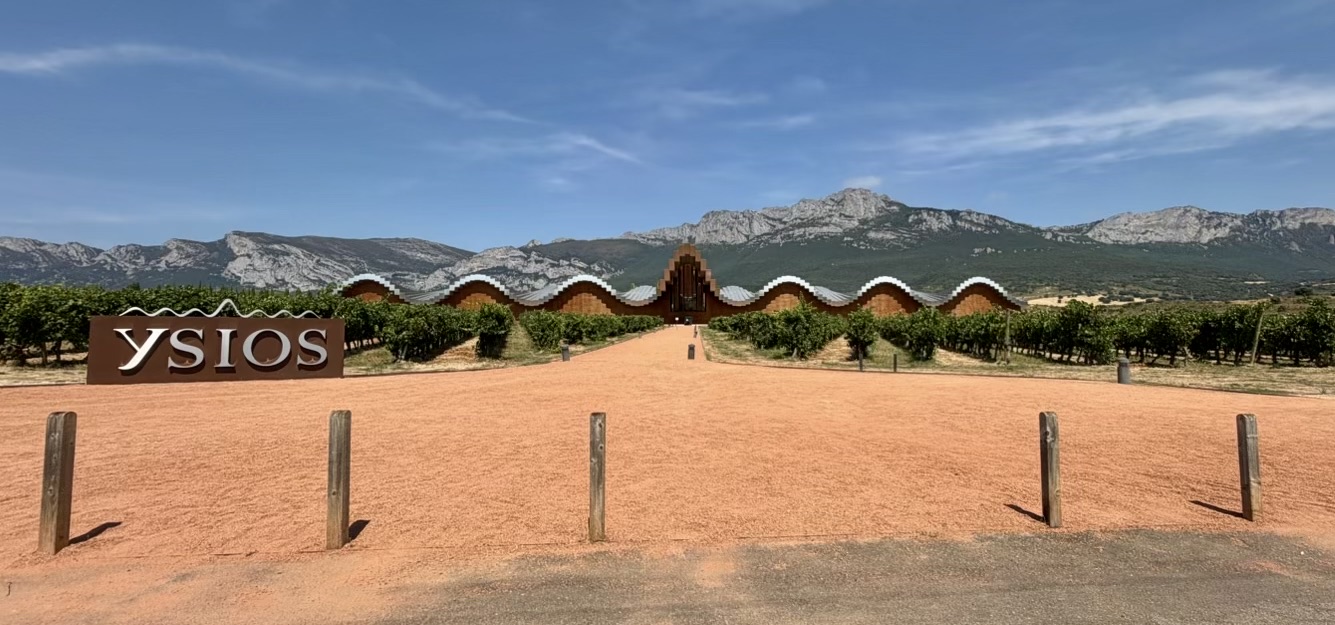
It was stopping at a tiny coastal town because it looked interesting. It was getting lost on roads barely wide enough for our behemoth SUV. It was finding a restaurant we hadn’t planned on visiting and discovering our favorite meal of the trip. It was seeing kids jumping from the rocks into impossibly blue water, stopping at wineries simply because the architecture caught our eye, wandering through old towns, riding funiculars and carousels, eating sandwiches on the beach and watching northern Spain unfold through the windshield.
That’s the thing about a road trip.
You begin by drawing a line between destinations on a map and assuming those places are the reason you’re going.
Then somewhere along the way, you realize the line itself was the best part.
And we guess that’s the joy of a road trip.