




No entries have been mapped yet.


OR
Copy the link to @TyB Journo below
Feb 18 2026
We flew to North Vancouver to visit with the Barr’s
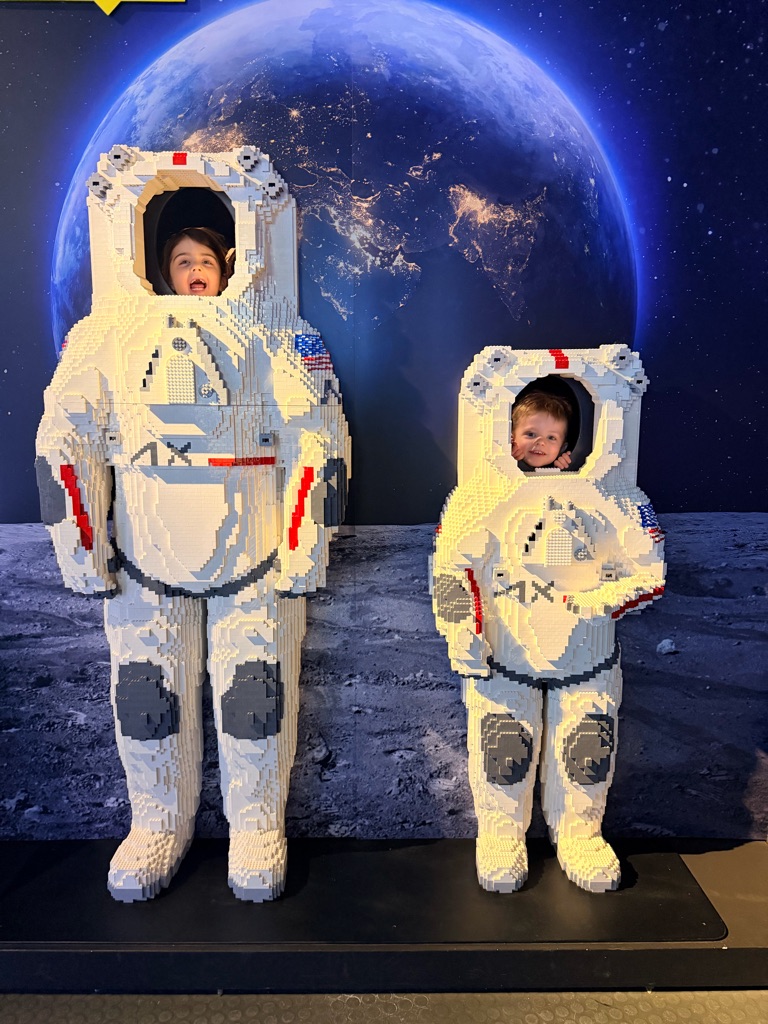
Visited Science World with Andrea Addy and Brody
OR
Copy the link to @TyB Journo below
Feb 19 2026
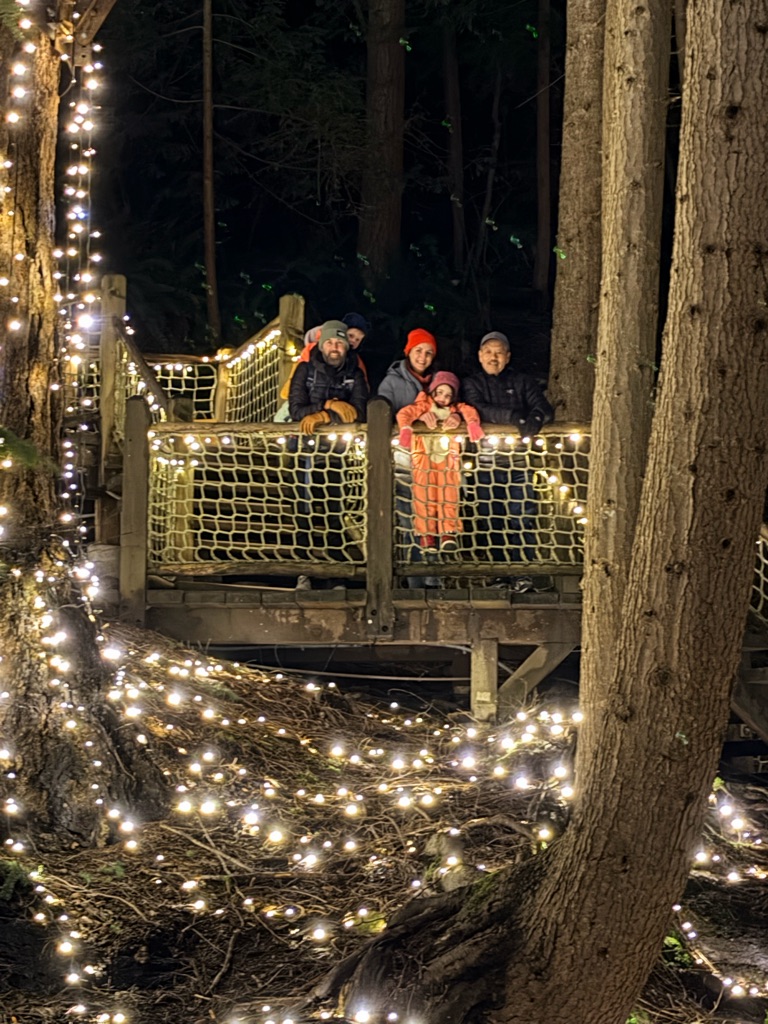
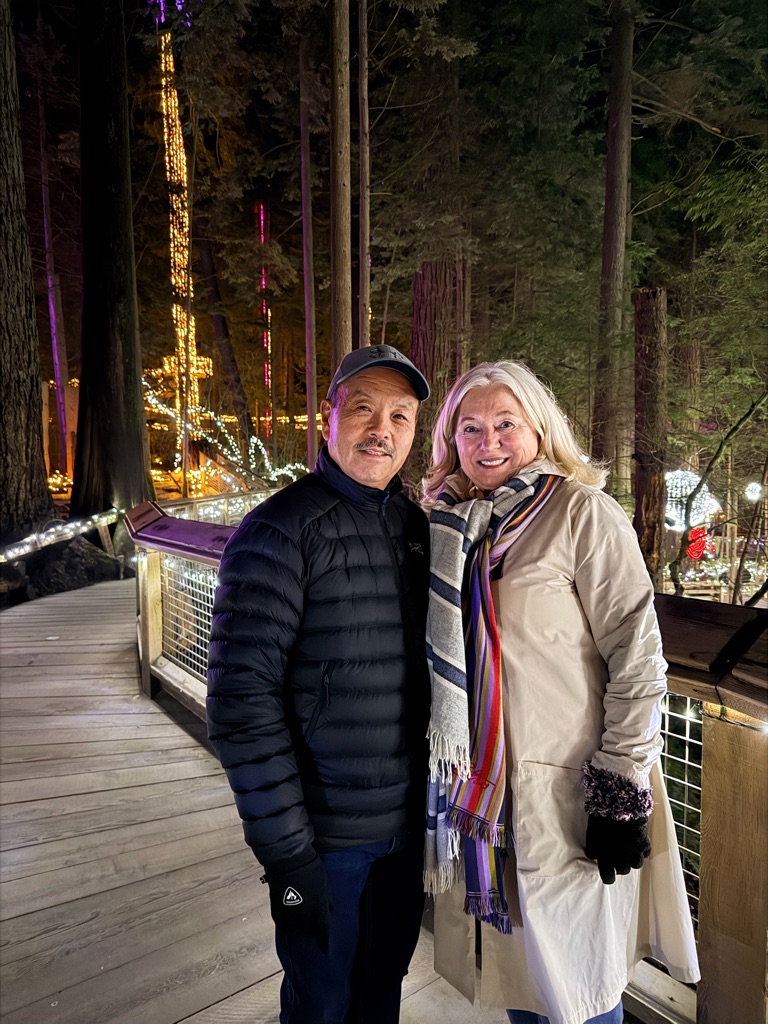
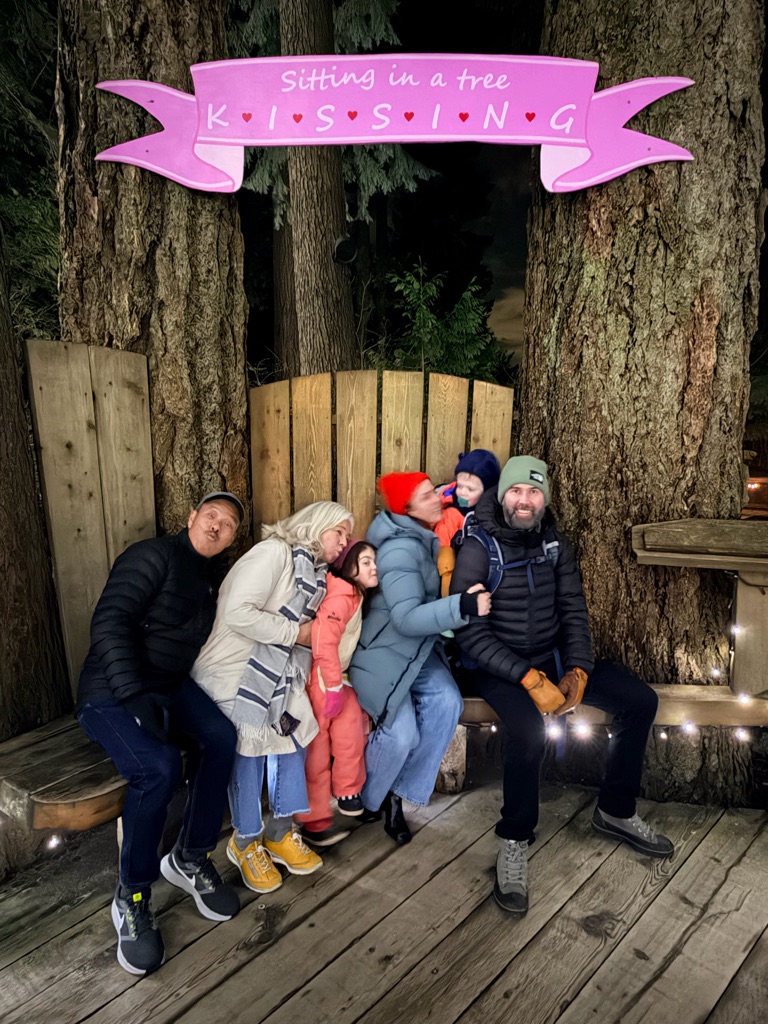
Fun walk through the Canyon Lights at \240the Capilano Suspension Bridge
OR
Copy the link to @TyB Journo below
Feb 20 2026
Great flight and settled in to hotel. Looking forward to seeing Beijing tomorrow.
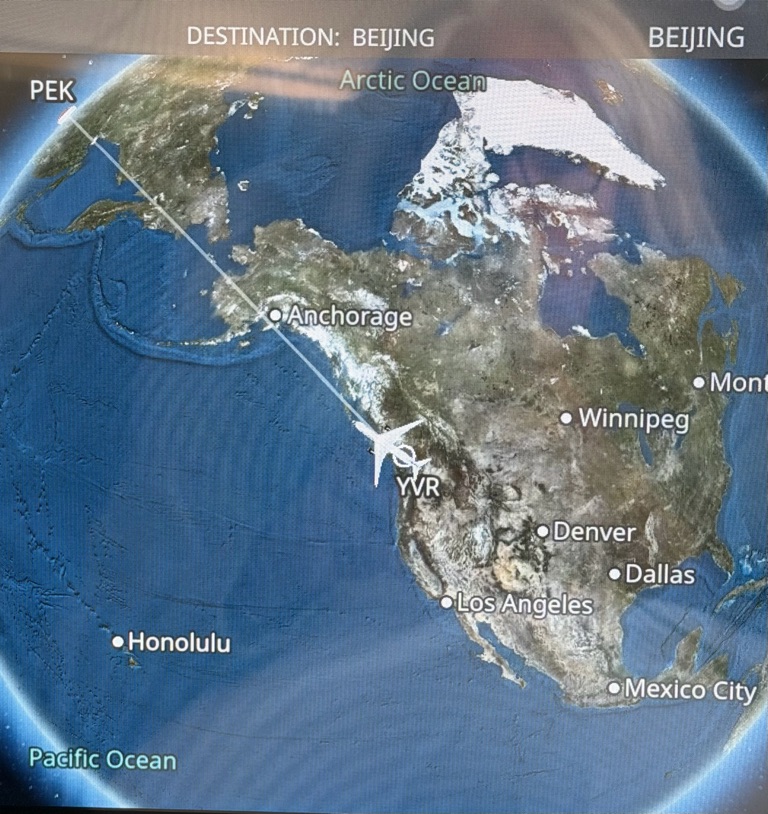
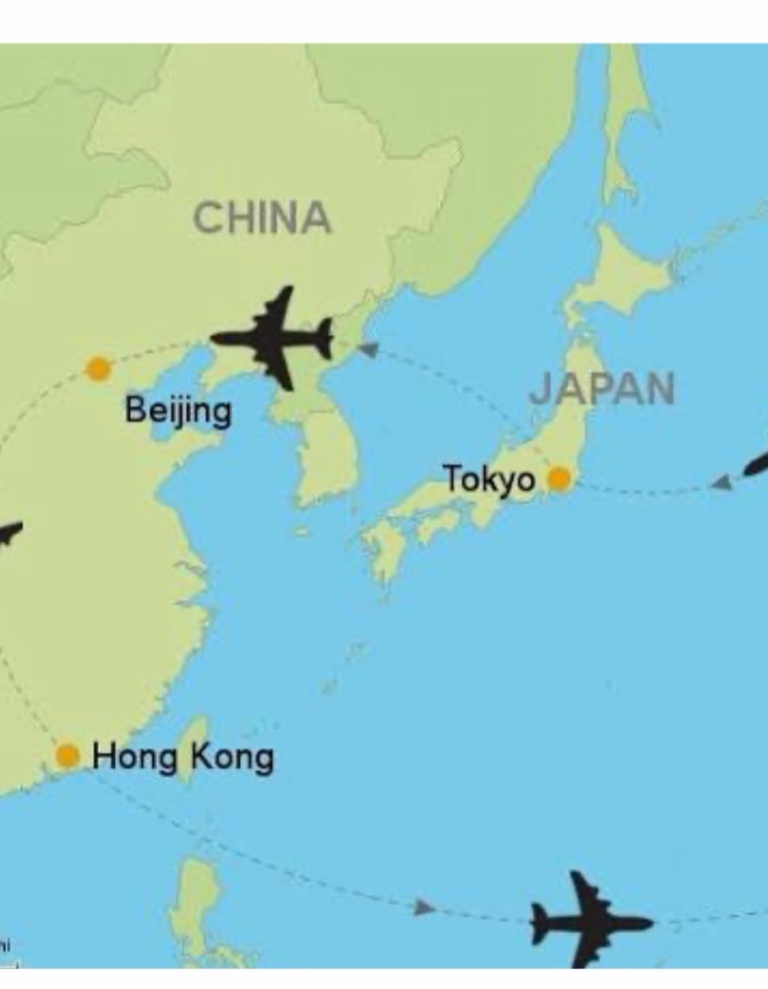
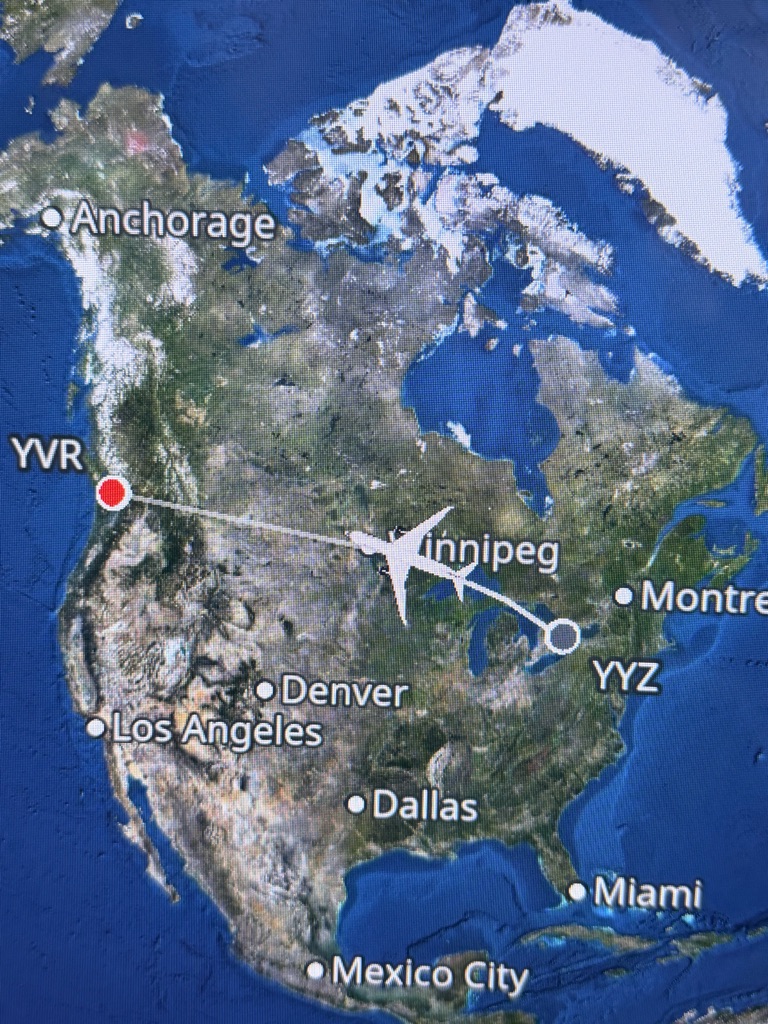
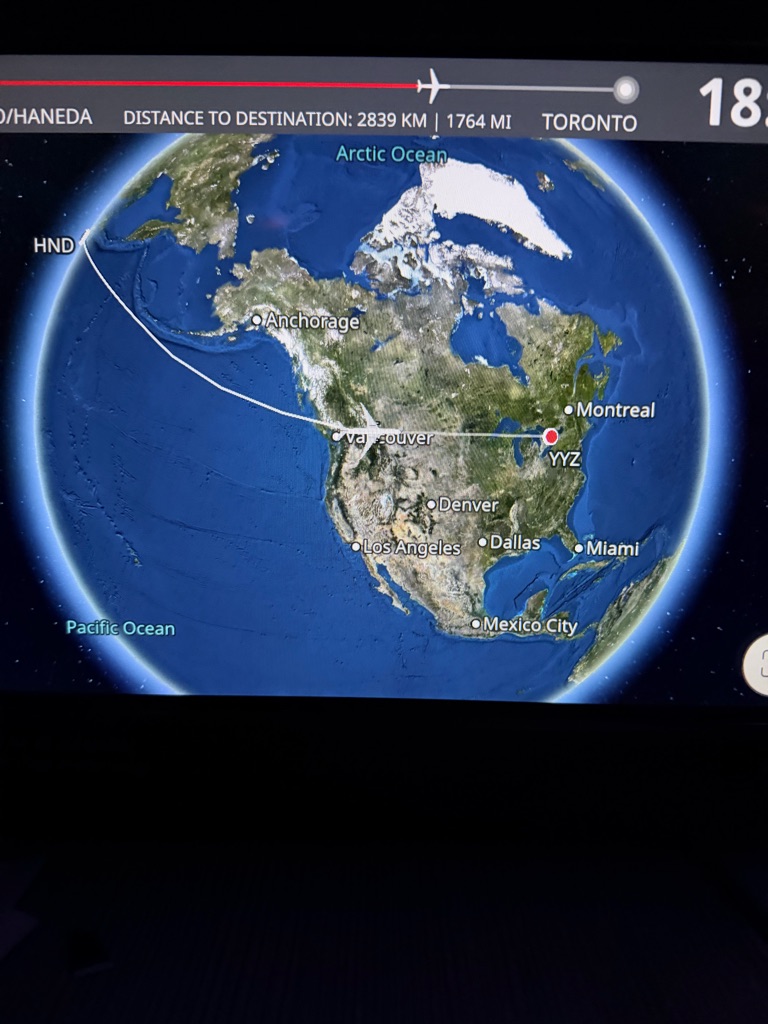
The flight plan.
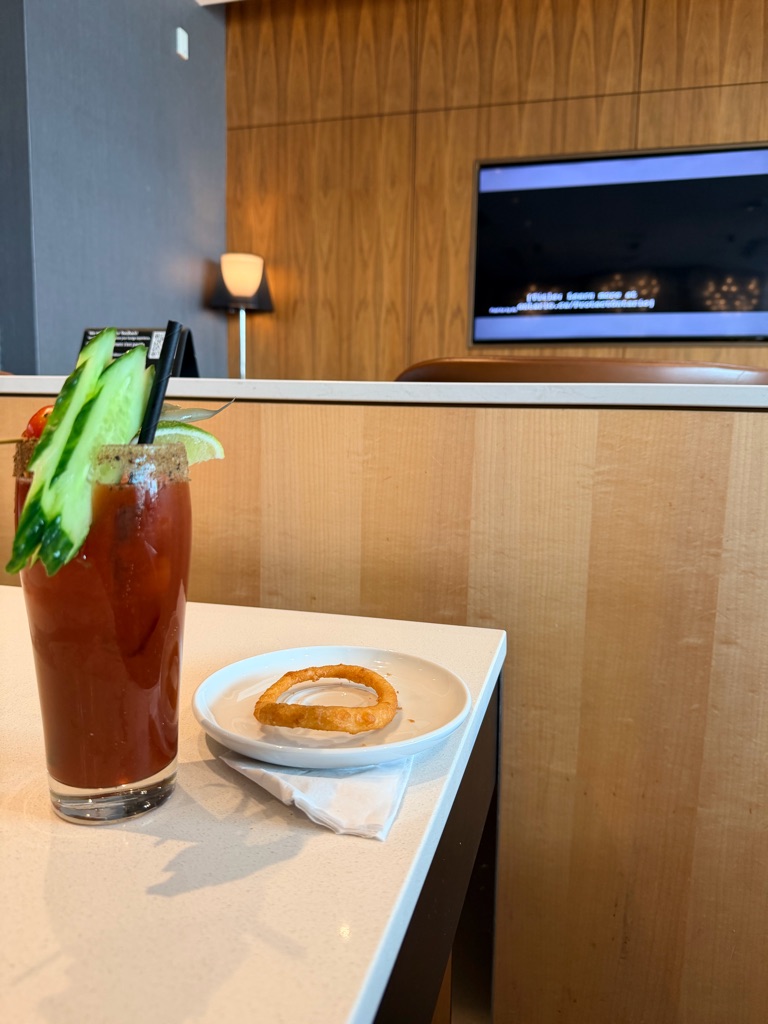
Virgin Caesar whole watching the Olymoics women’s hockey game.
OR
Copy the link to @TyB Journo below
Feb 20 2026
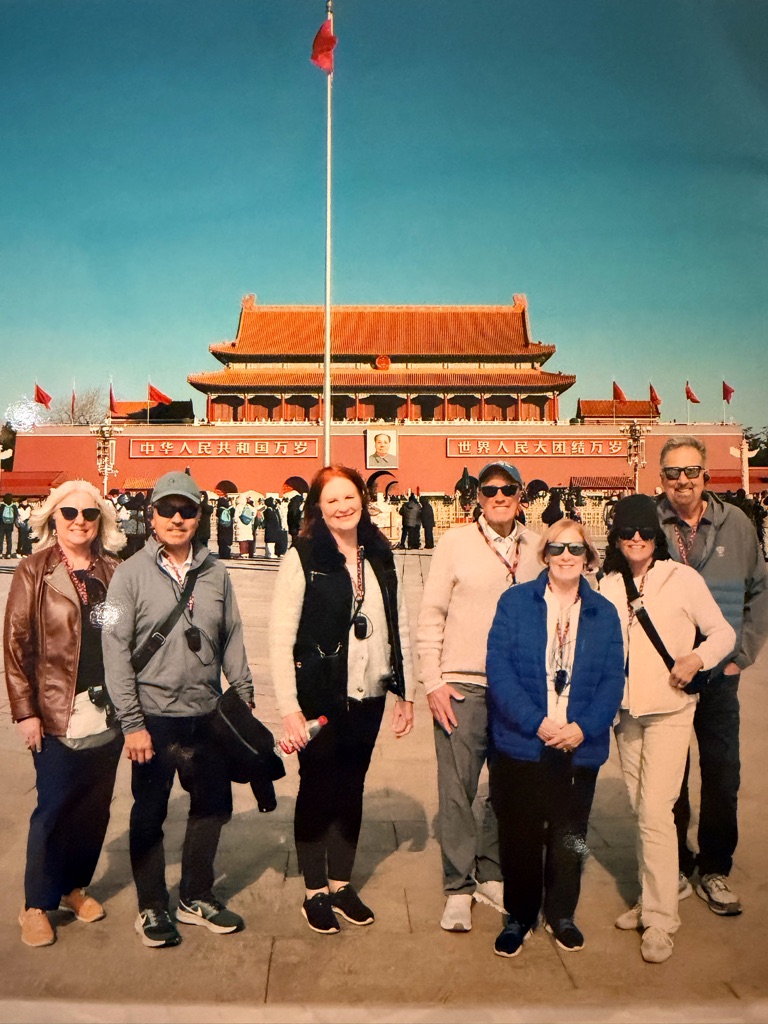
Our group in front in Tiannamen Square
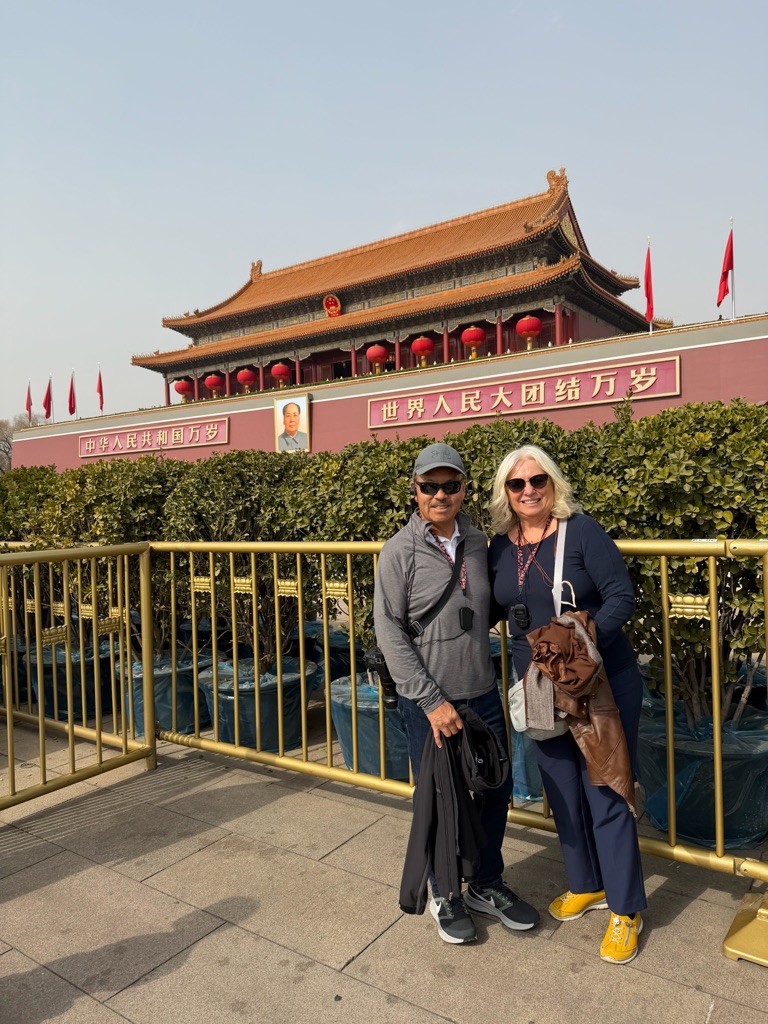
Tiananmen Square
Tiananmen Square and the Forbidden City, located in the heart of Beijing, are iconic, adjacent landmarks representing China's political and imperial history. As the world's largest public square, Tiananmen leads directly into the Forbidden City, a UNESCO-listed palace with 600+ years of history, requiring advance booking.
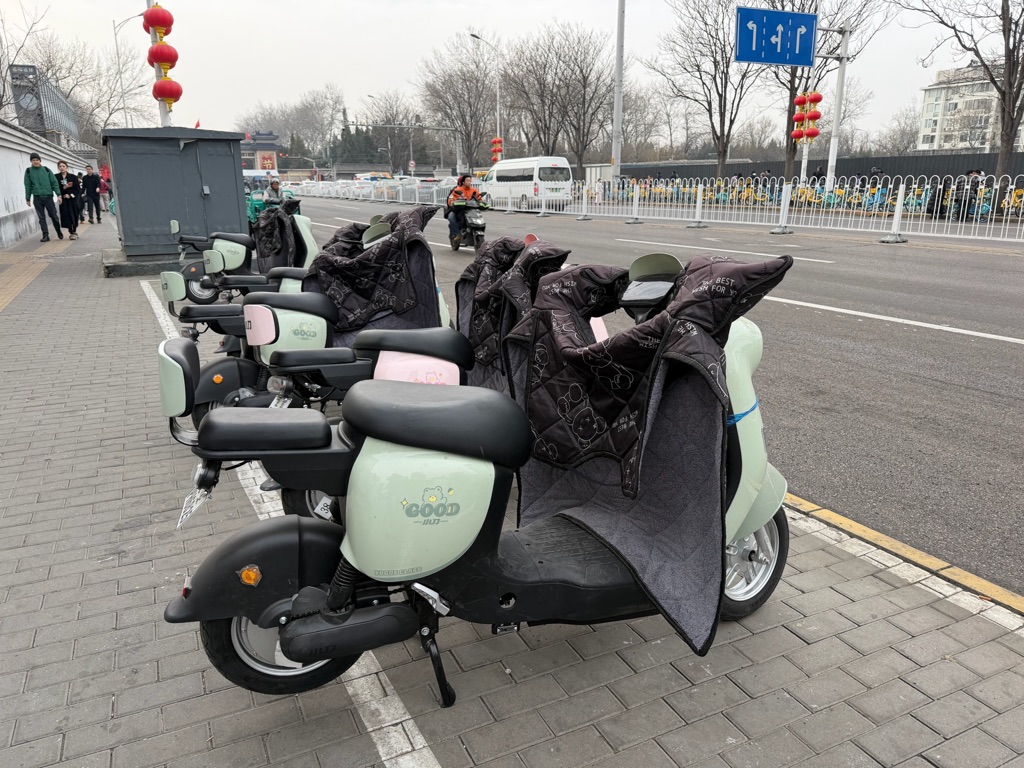
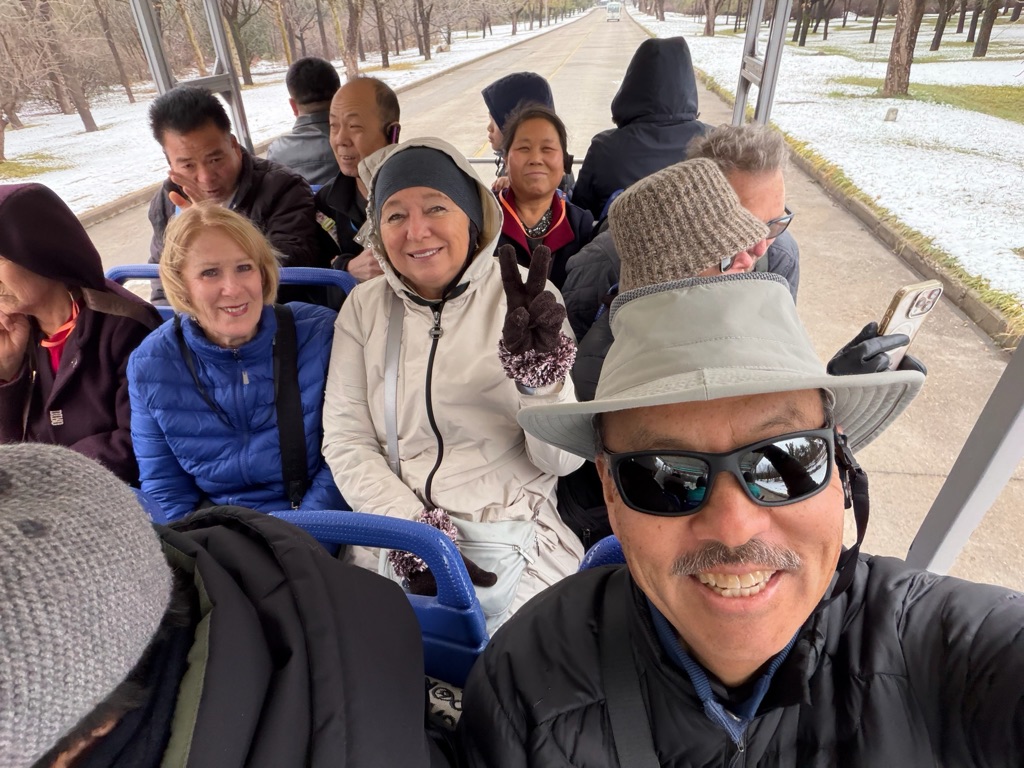
Keeping warm on the electric scooters
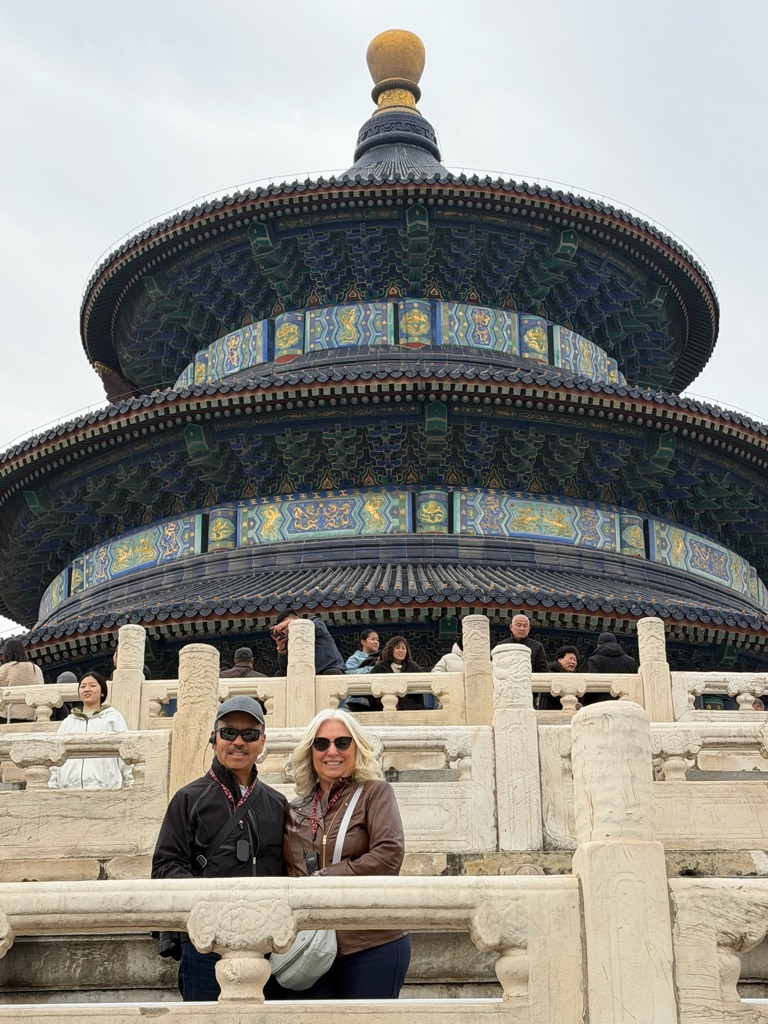
The Temple of Heaven
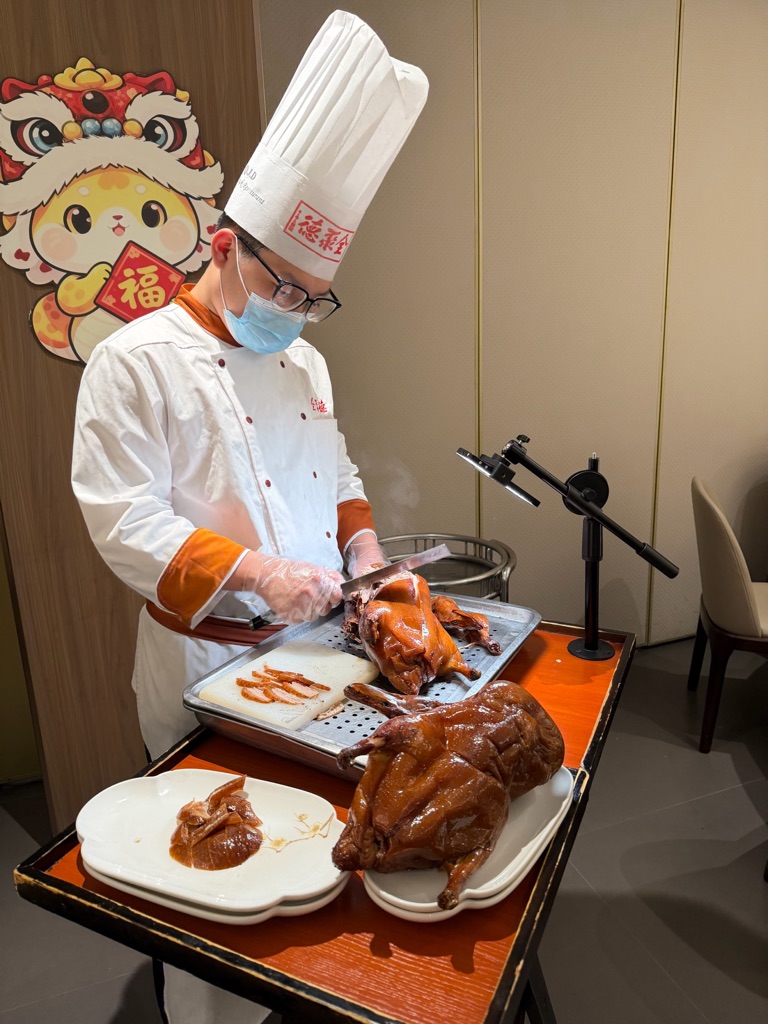
Peking duck for dinner
OR
Copy the link to @TyB Journo below
Feb 21 2026
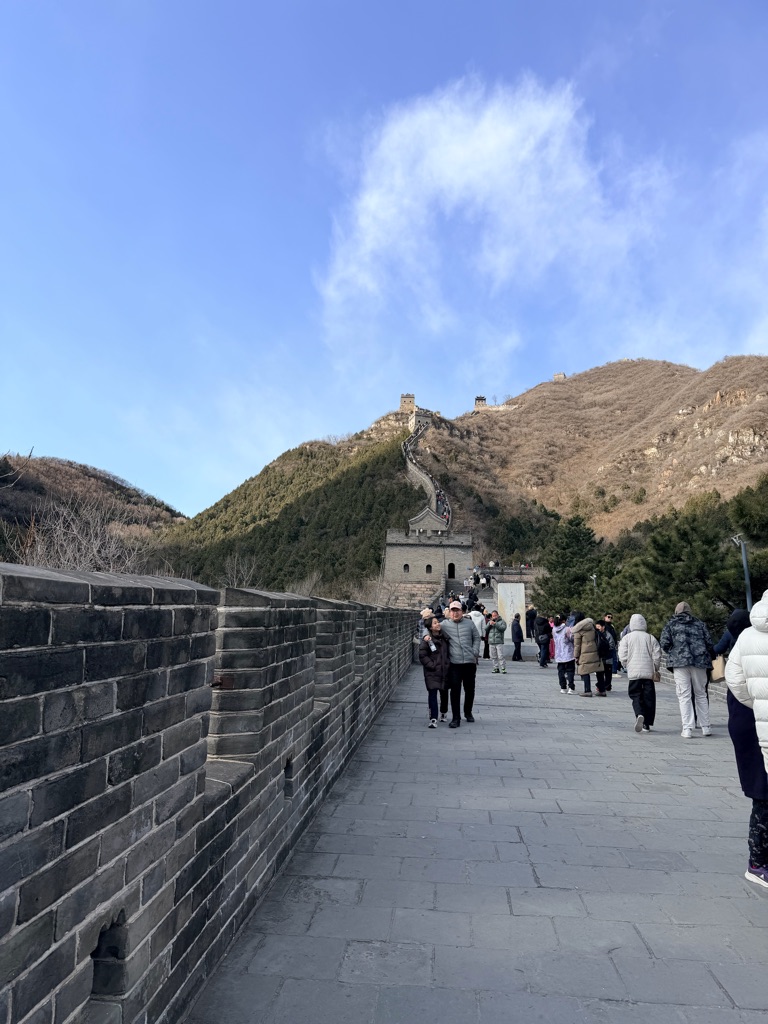
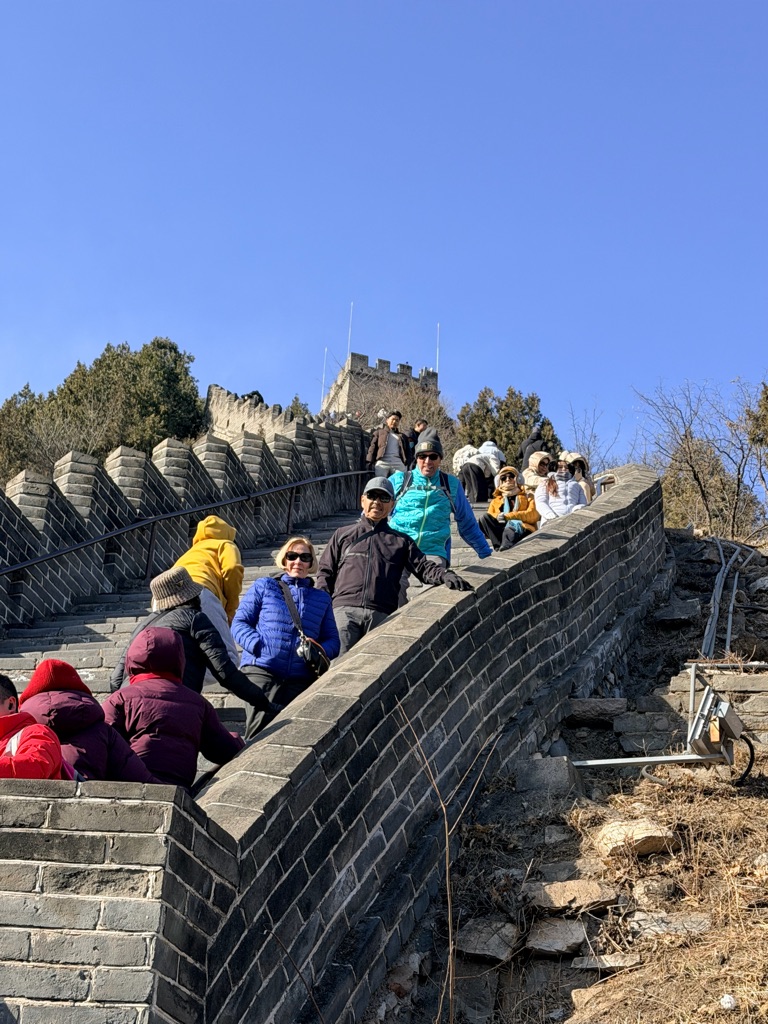
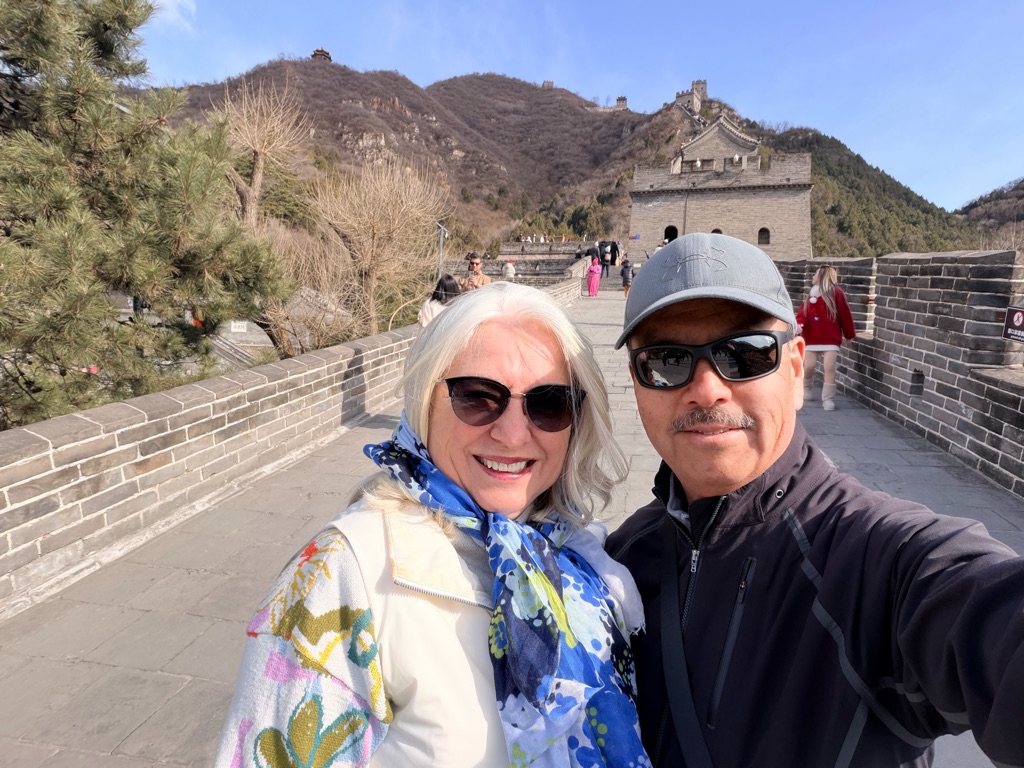
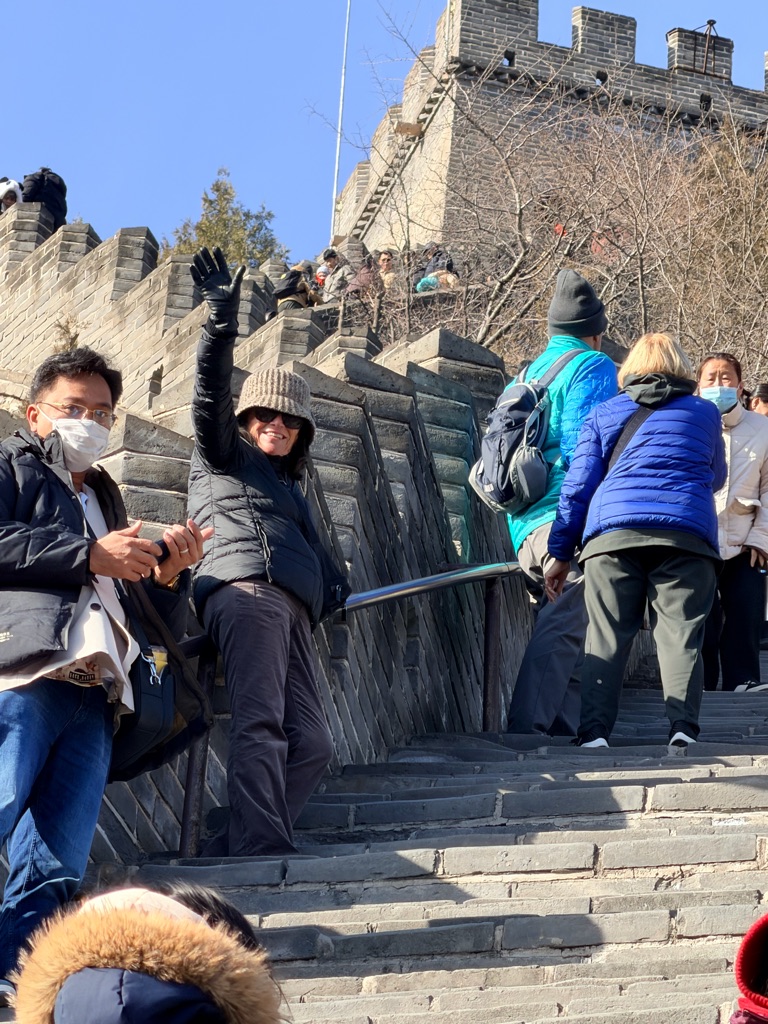
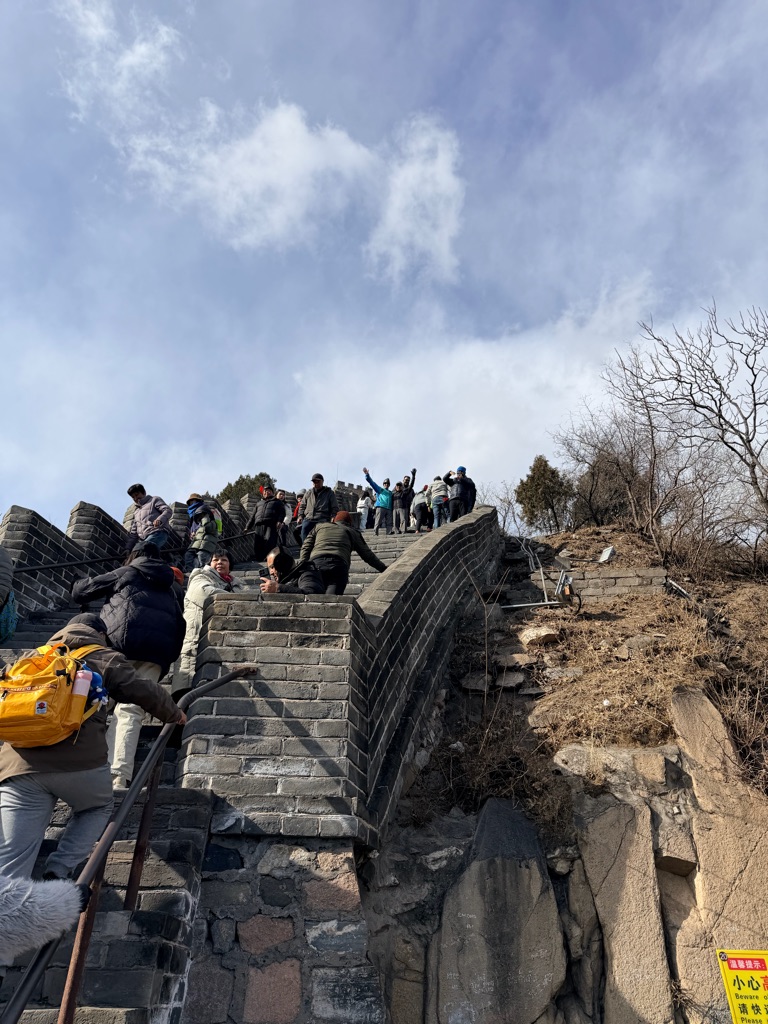
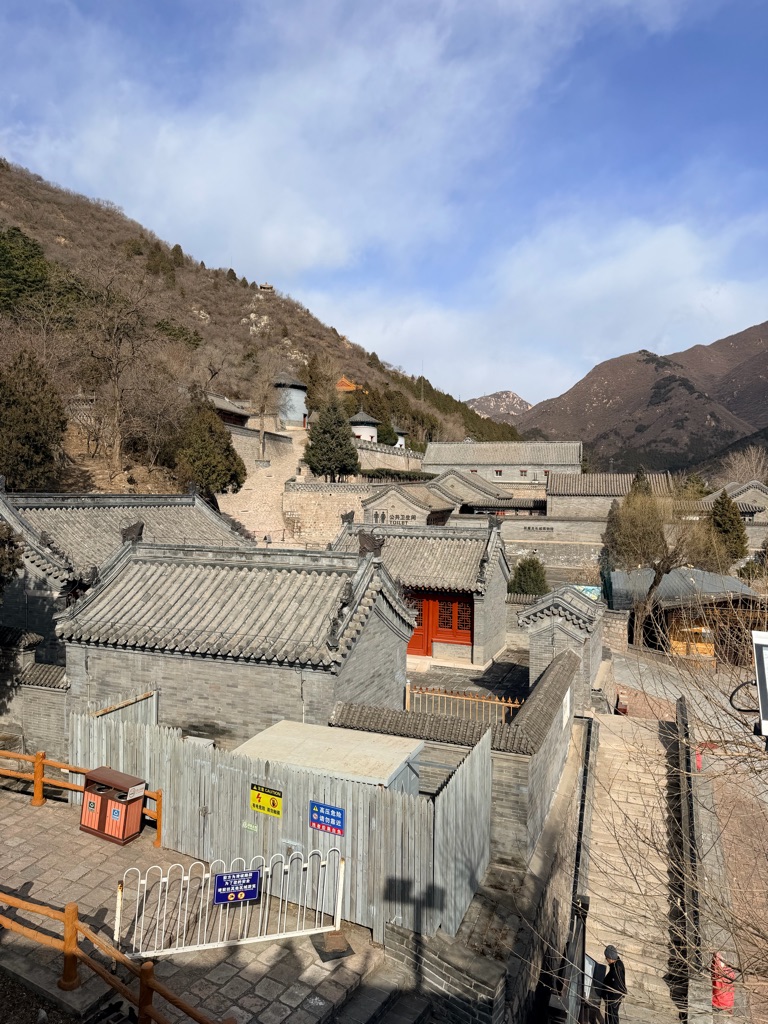
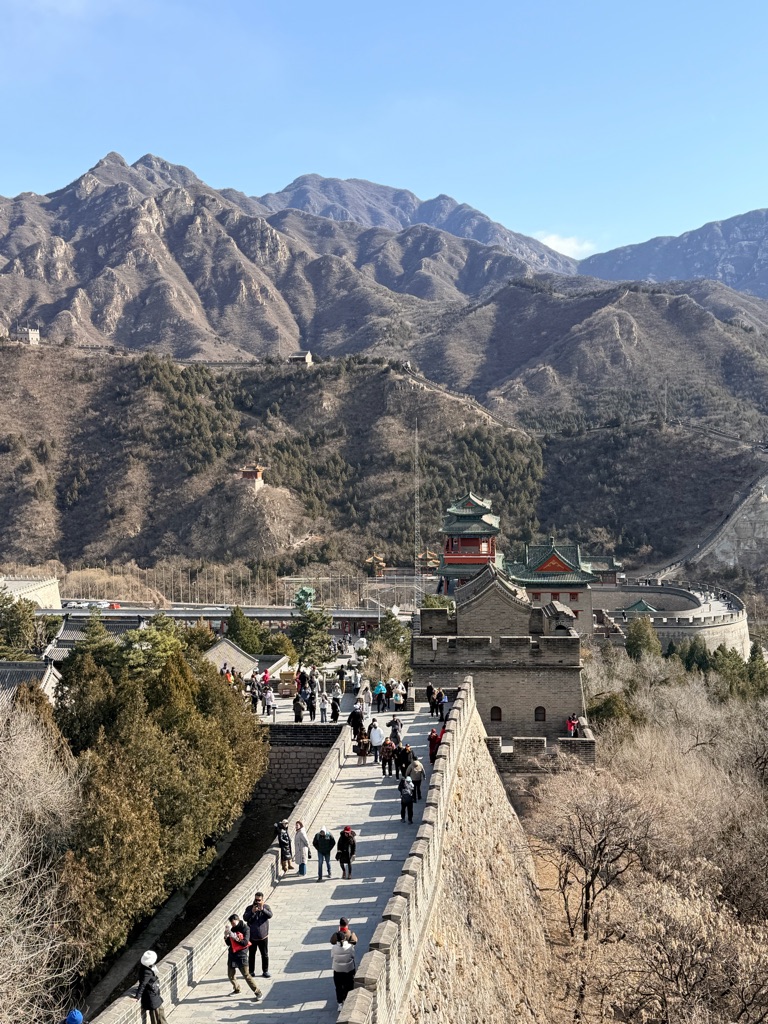
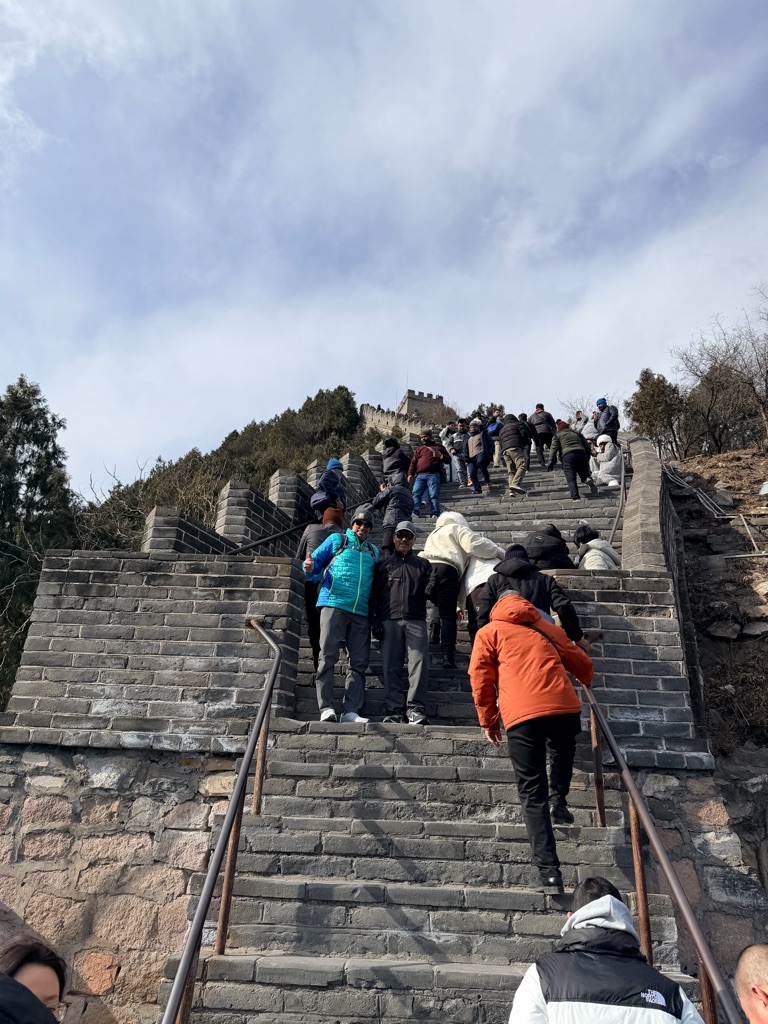
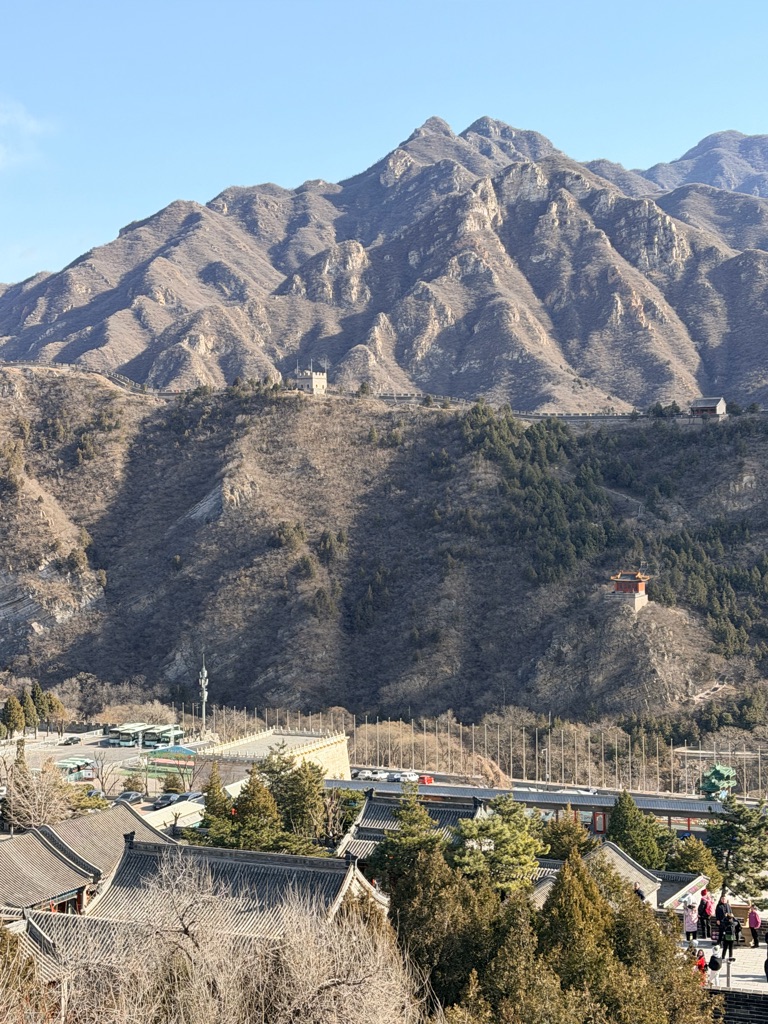
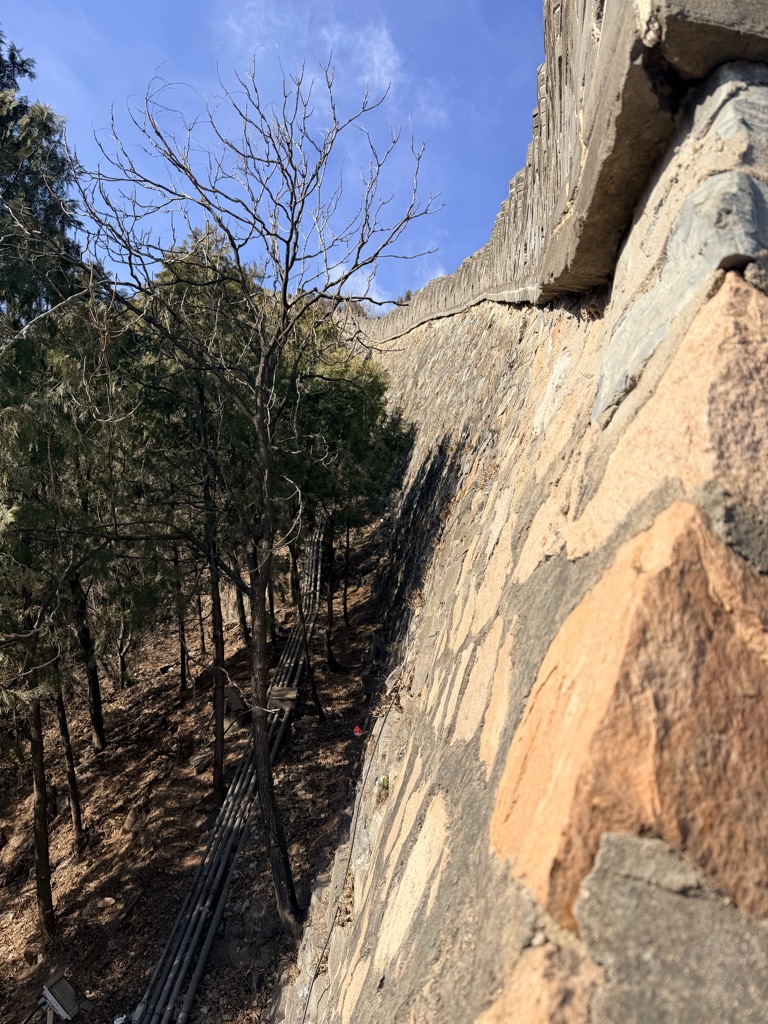
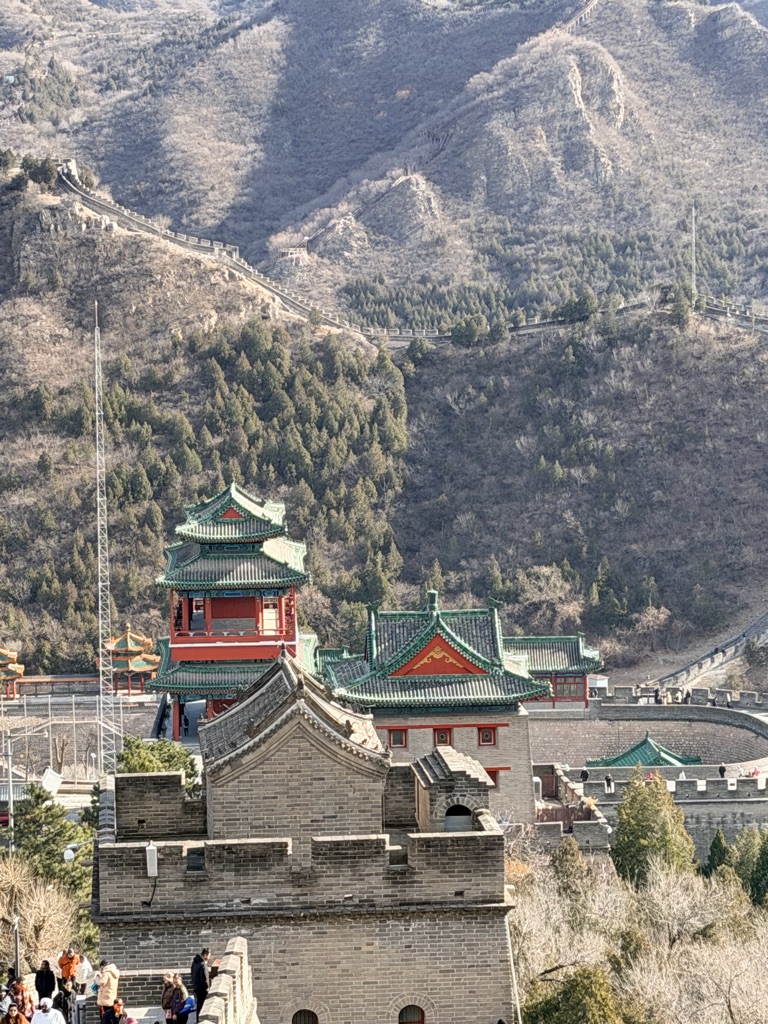
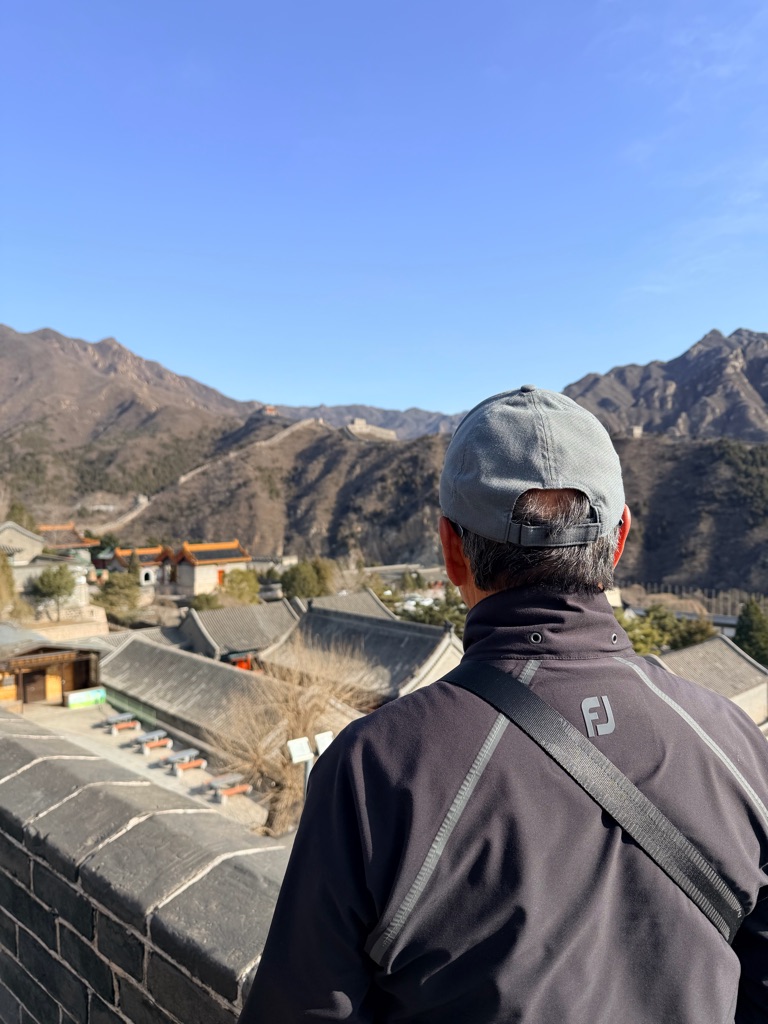
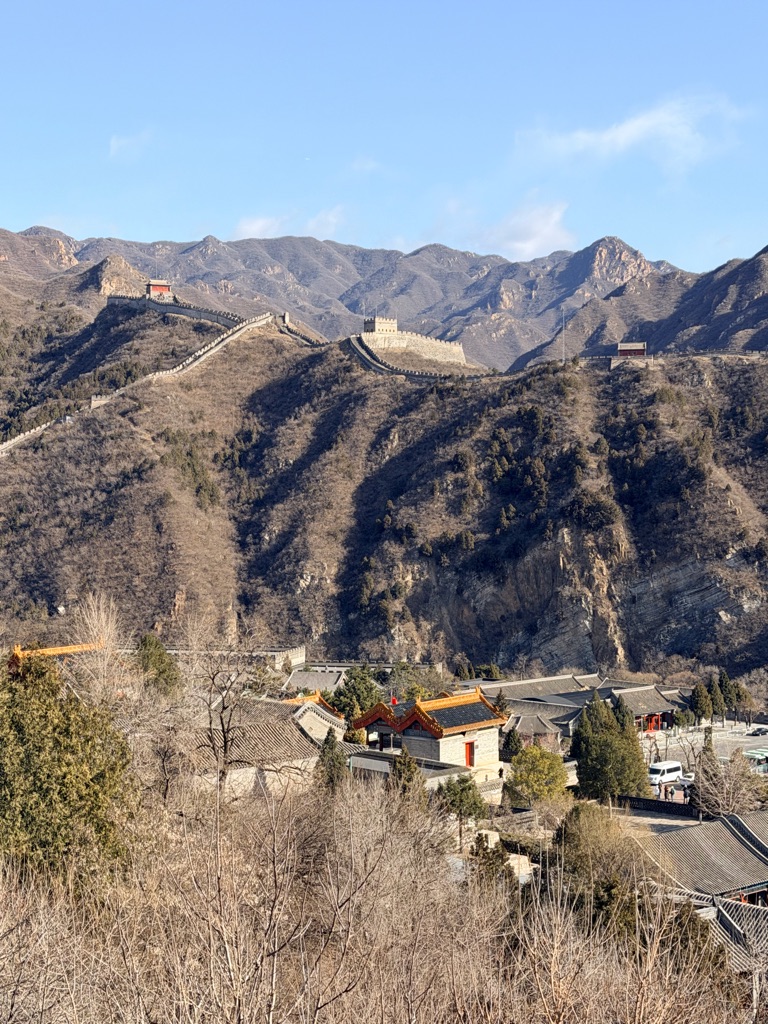
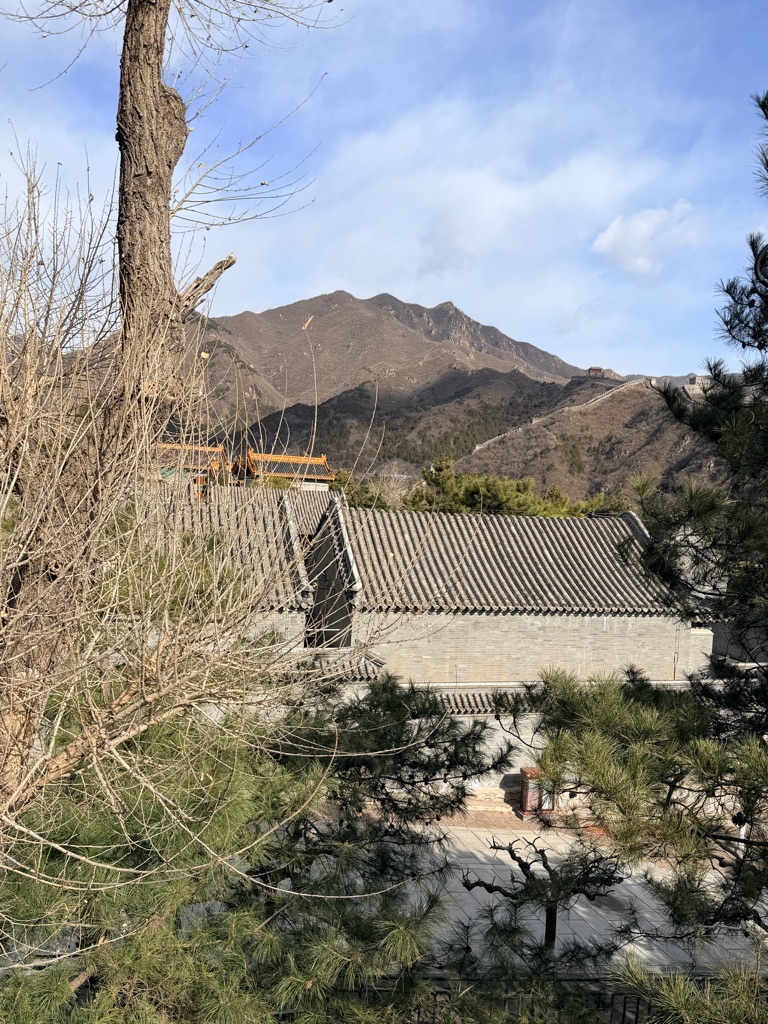
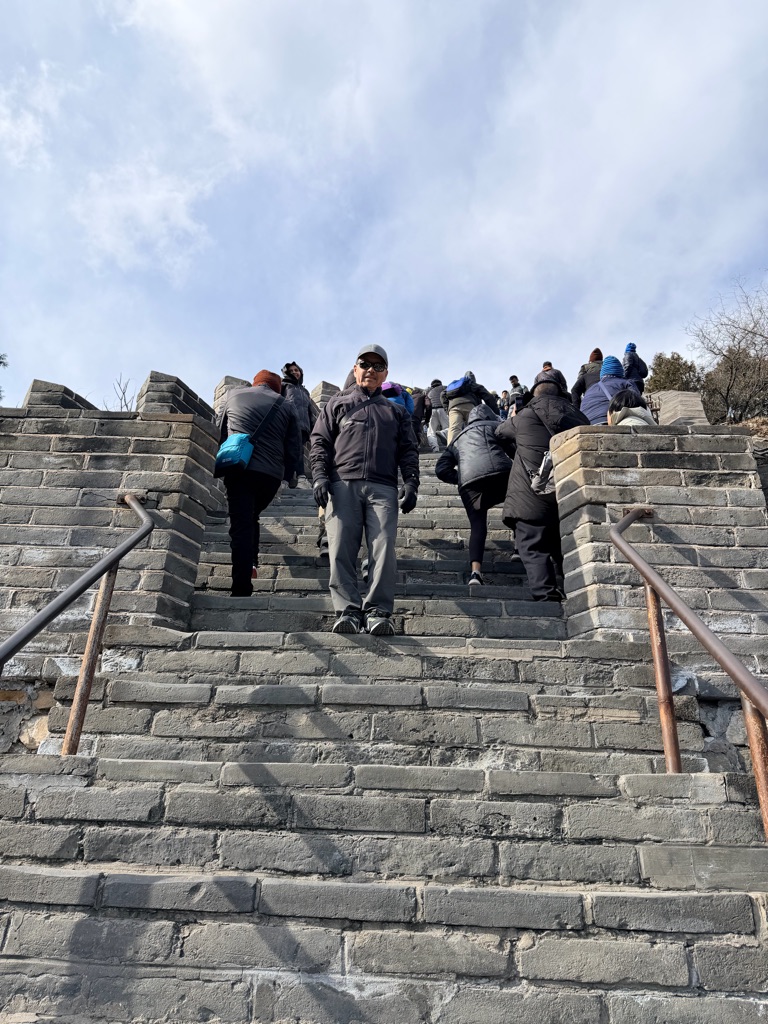
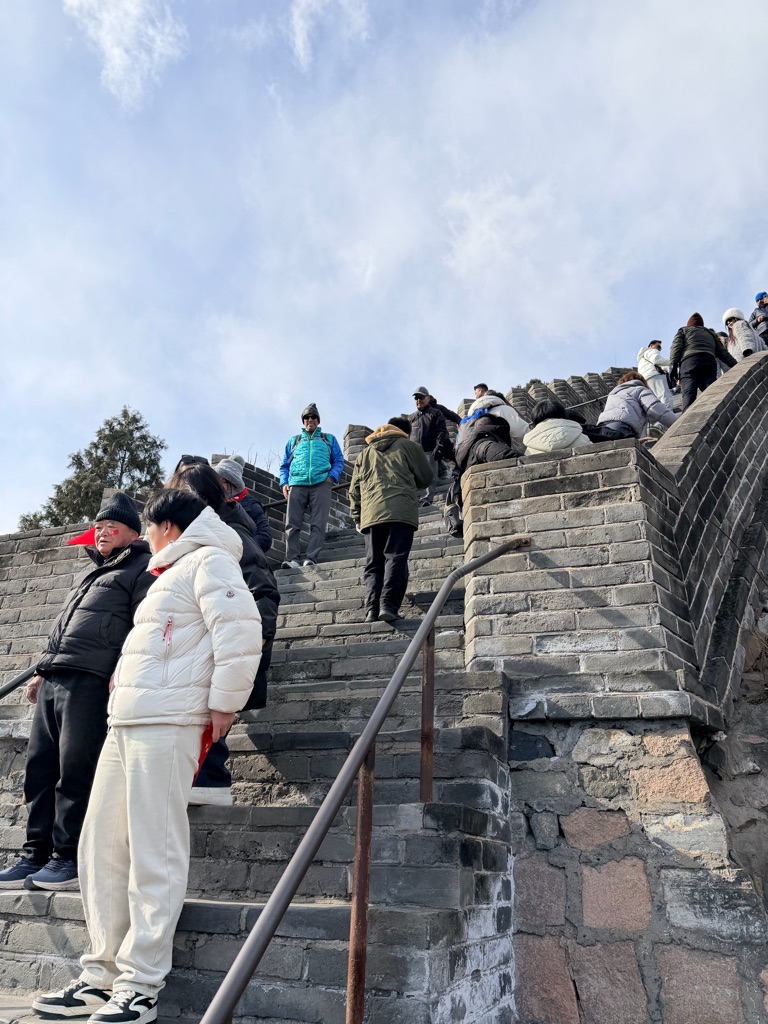
The Great Wall was continuously built from the 3rd century BC to the 17th century AD on the northern border of the country as the great military defence project of successive Chinese Empires, with a total length of more than 20,000 kilometers. The Great Wall begins in the east at Shanhaiguan in Hebei province and ends at Jiayuguan in Gansu province to the west. Its main body consists of walls, horse tracks, watch towers, and shelters on the wall, and includes fortresses and passes along the Wall.
The Great Wall reflects collision and exchanges between agricultural civilizations and nomadic civilizations in ancient China. It provides significant physical evidence of the far-sighted political strategic thinking and mighty military and national defence forces of central empires in ancient China, and is an outstanding example of the superb military architecture, technology and art of ancient China. It embodies unparalleled significance as the national symbol for safeguarding the security of the country and its people.
OR
Copy the link to @TyB Journo below
Feb 23 2026
We flew to Xian this morning.
Xi'an is one of the oldest cities in China.[7] Known as Chang'anthroughout much of its history, Xi'an is one of China's Four Great Ancient Capitals, having held the position under several of the most important dynasties in Chinese history,[8] including the Western Zhou, Qin, Western Han, Sui, Northern Zhou and Tang.[8] Xi'an is now the second-most popular tourist destination in China.[9] The city was one of the terminal points on the Silk Road during the ancient and medieval eras, as well as the home of the 3rd-century BC Terracotta Army commissioned by Emperor Qin Shi Huang—both of which are listed as World Heritage Sites by UNESCO.[10]
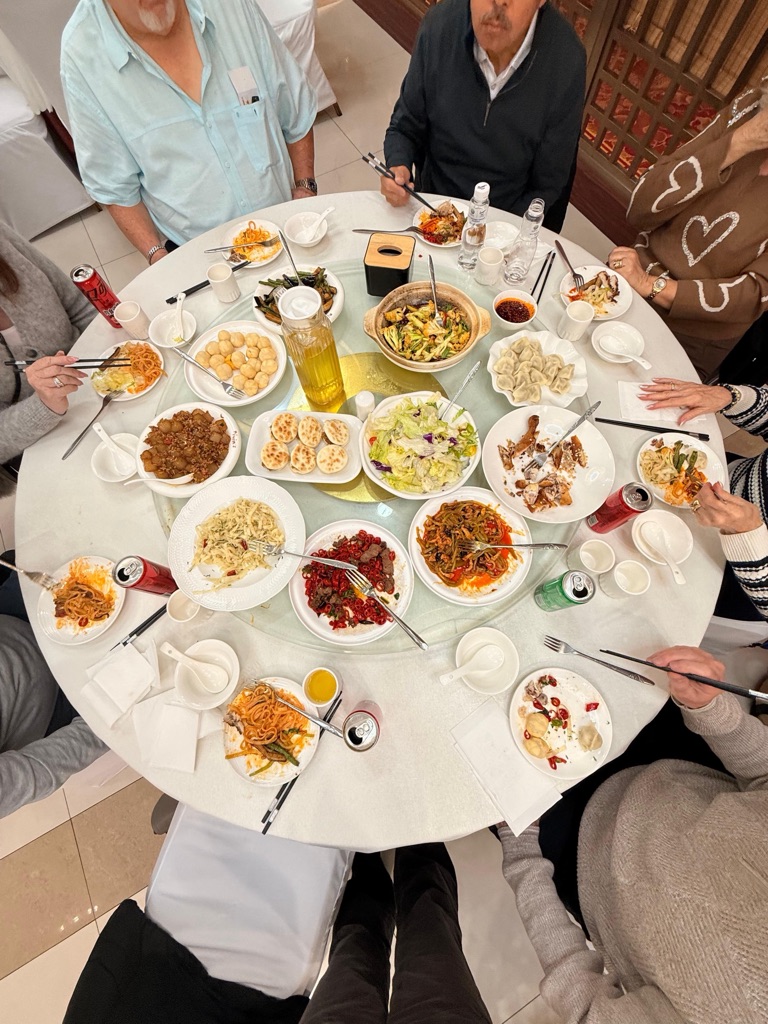
Arrived and \240had lunch:
Then visited The Wild Goose Pagoda:
It was raining and cold so we didn’t get many pictures.
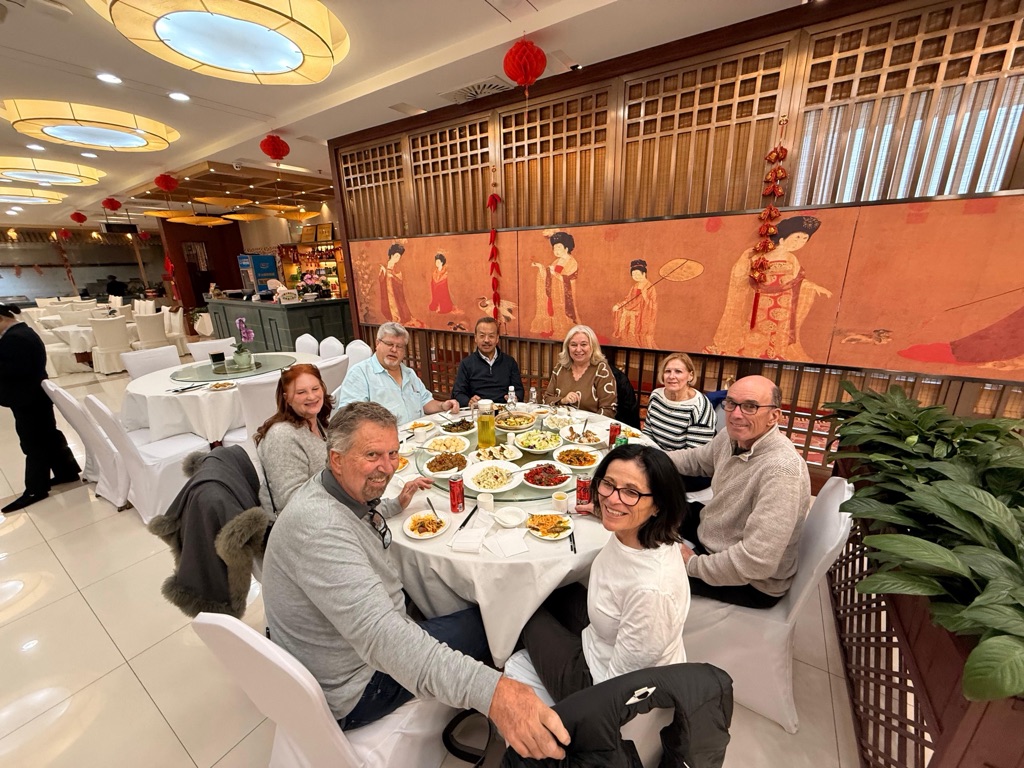
We went to dinner and a dance show. Very beautiful.
OR
Copy the link to @TyB Journo below
Feb 23 2026
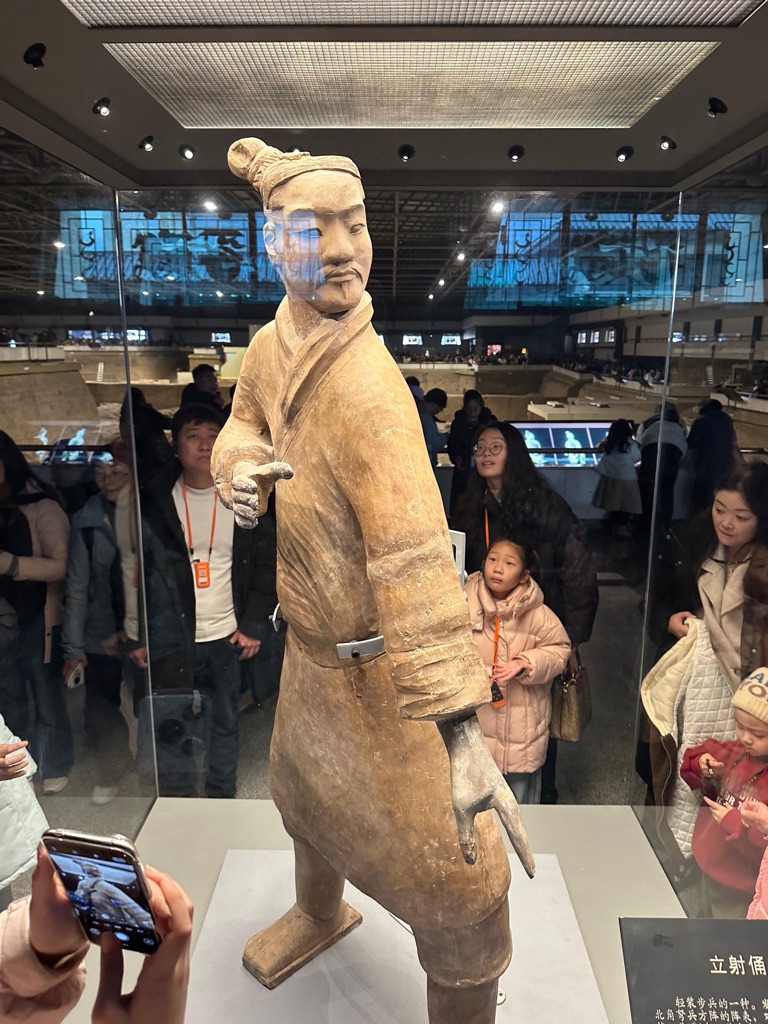
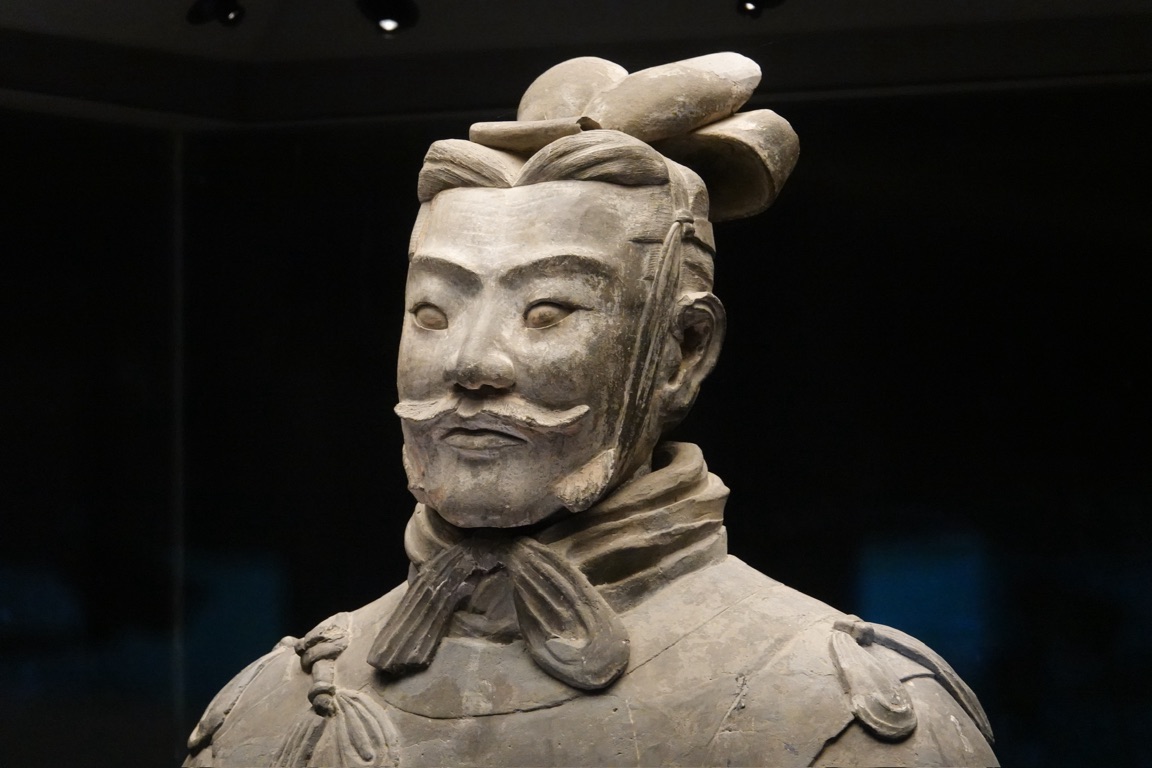
The Terracotta Army is a collection of thousands of unique, life-sized clay sculptures buried with Qin Shi Huang, the first emperor of China, around 210–209 BCE. Located near Xi'an, these figures were created to protect the emperor in the afterlife. Discovered in 1974, they are a major archaeological find and UNESCO World Heritage site.
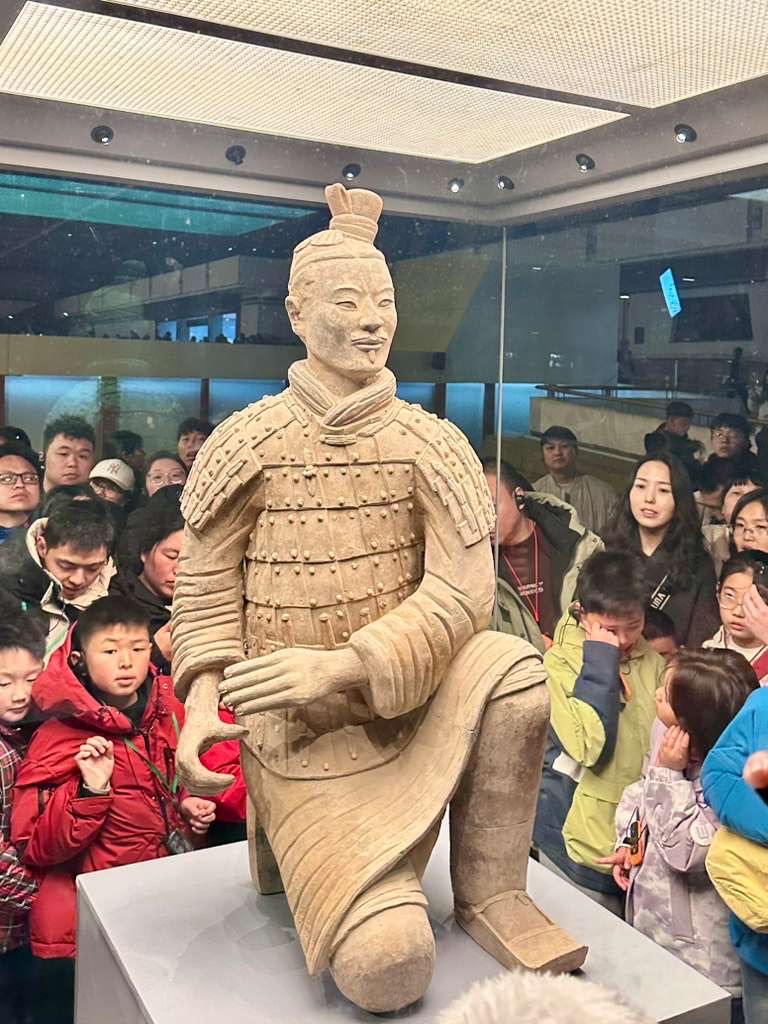
This is the only warrior that was found undamaged \240The rest of the thousands of warriors were destroyed and left in pieces. Archeologists have been painstakingly \240putting them back together.
He is called \240the Kneeling Archer.
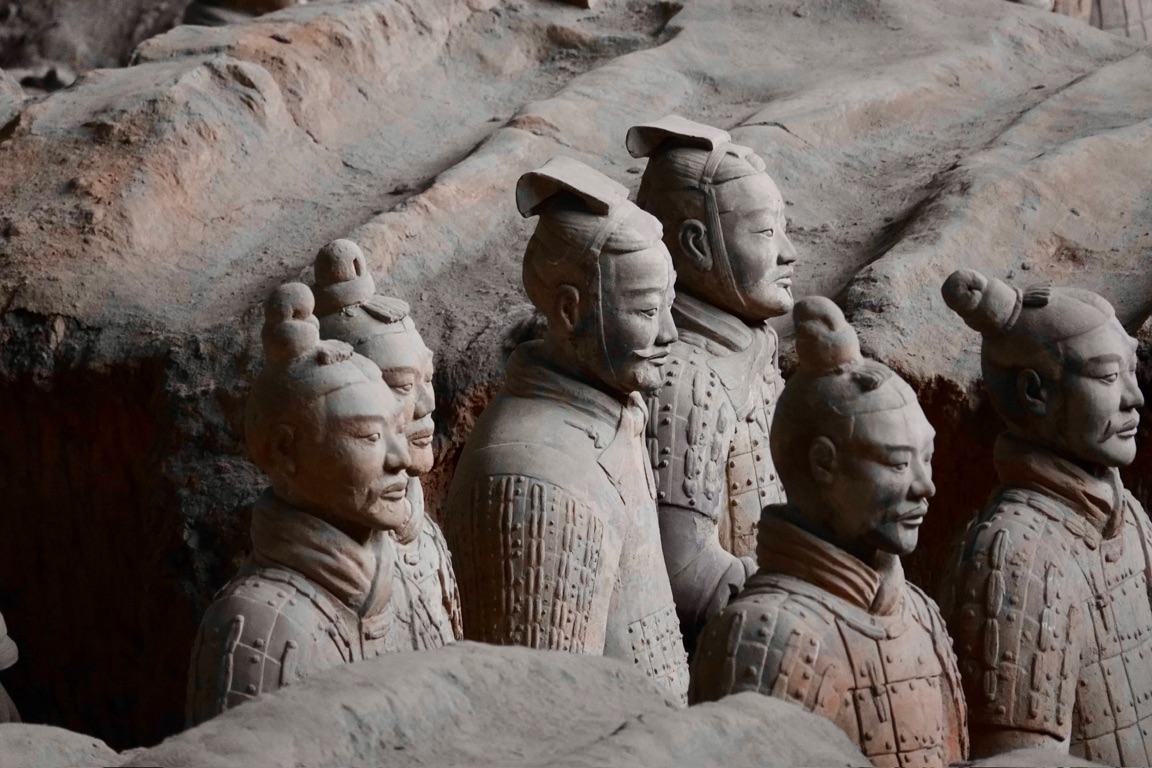
Each warrior has different expressions, body types and feeling of character. They are all incredibly unique.
- Purpose & Origin: Commissioned by Qin Shi Huang to guard him in death, representing his imperial army. The practice replaced the older custom of burying living people with the deceased.
- Scale & Appearance: Estimated at over 8,000 soldiers, plus chariots and horses. Figures are 1.75 to 1.90 meters tall, with unique facial features, hairstyles, and uniforms.
- Location: Found in pits near the Mausoleum of the First Qin Emperor in Shaanxi Province.
- Discovery: Discovered accidentally in 1974 by local farmers digging a well.
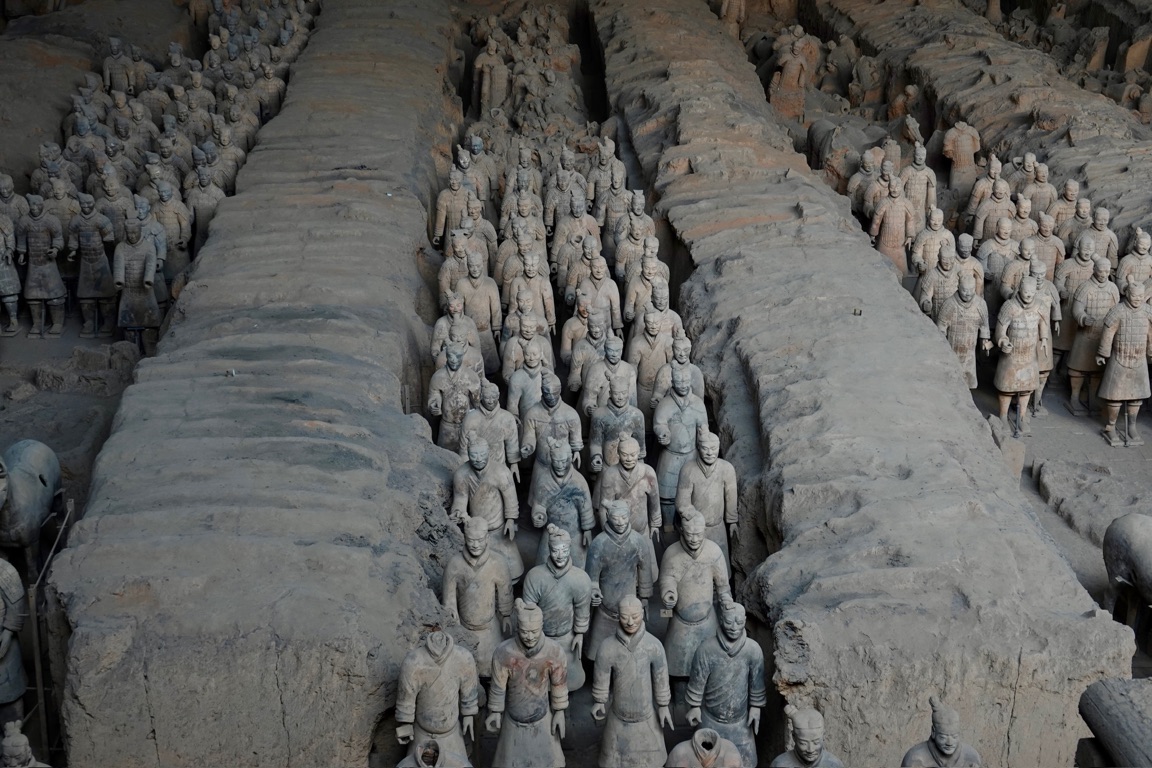
- Structure: The army is arranged in battle formation, featuring infantry, archers, and cavalry.
- Condition: Originally painted in bright colors, which peeled upon exposure to air. Only about one-fifth of the army has been excavated so far. YouTube +4
- The site, often called the Eighth Wonder of the World, provides insight into the military, art, and burial customs of the Qin Dynasty.
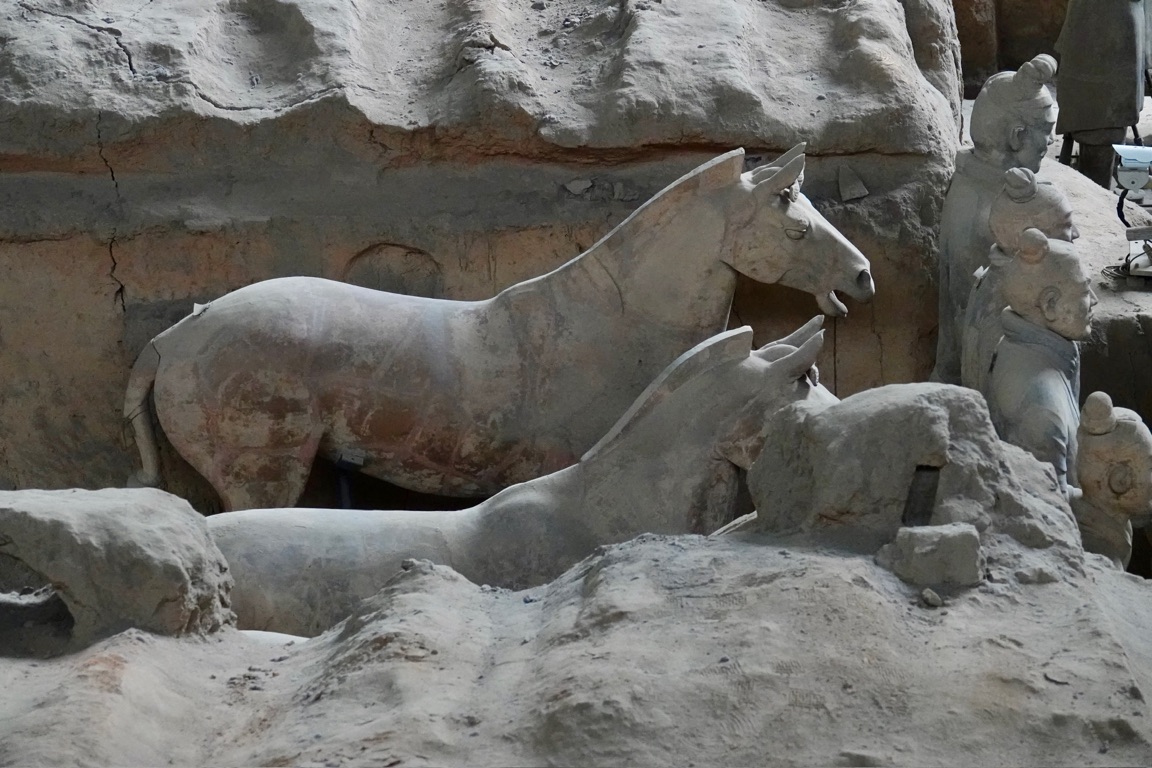
They are very small horses, they say, because the horses from Mongolia were a smaller size.
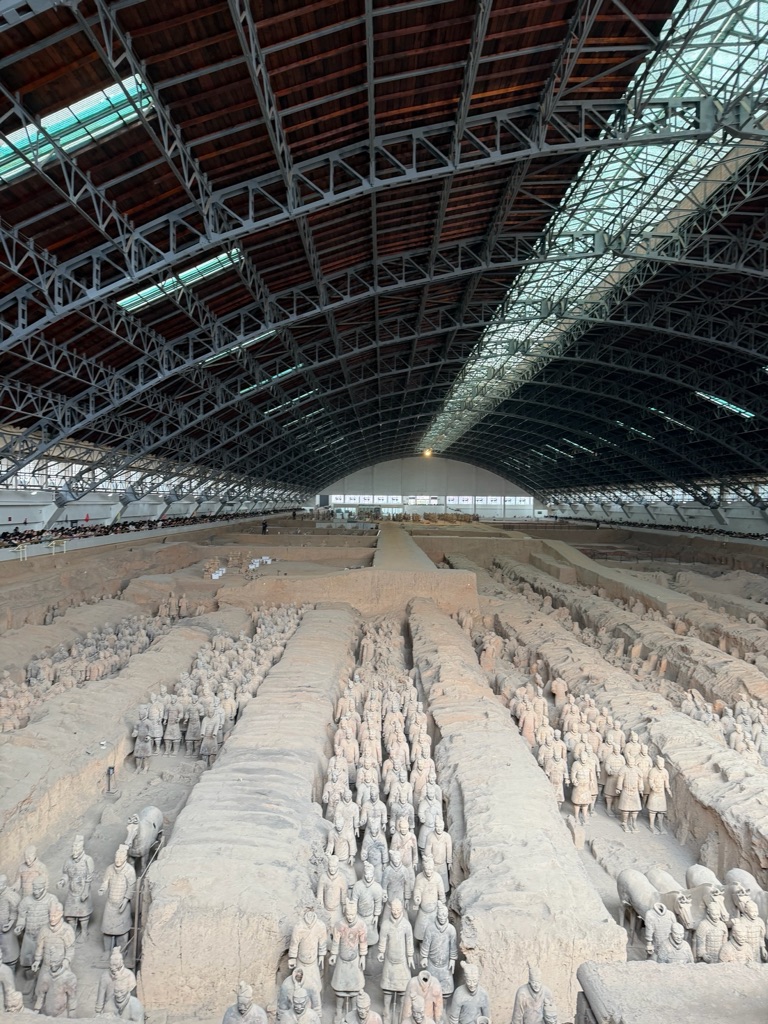
This is the warehouse one where hundreds of the 6000 warriors were discovered.
These have all been masterfully put back together piece by piece.
OR
Copy the link to @TyB Journo below
Feb 25 2026
Flew to Hong Kong today.
We went to a Buddhist ‘Nunnery’ before we checked into the hotel
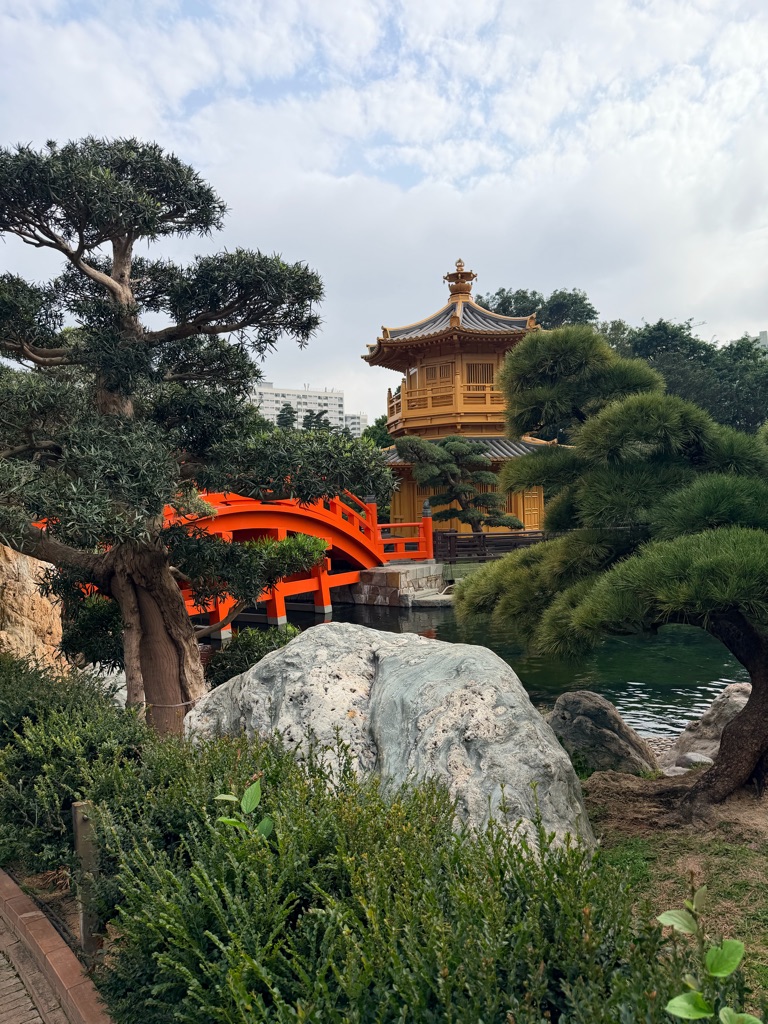
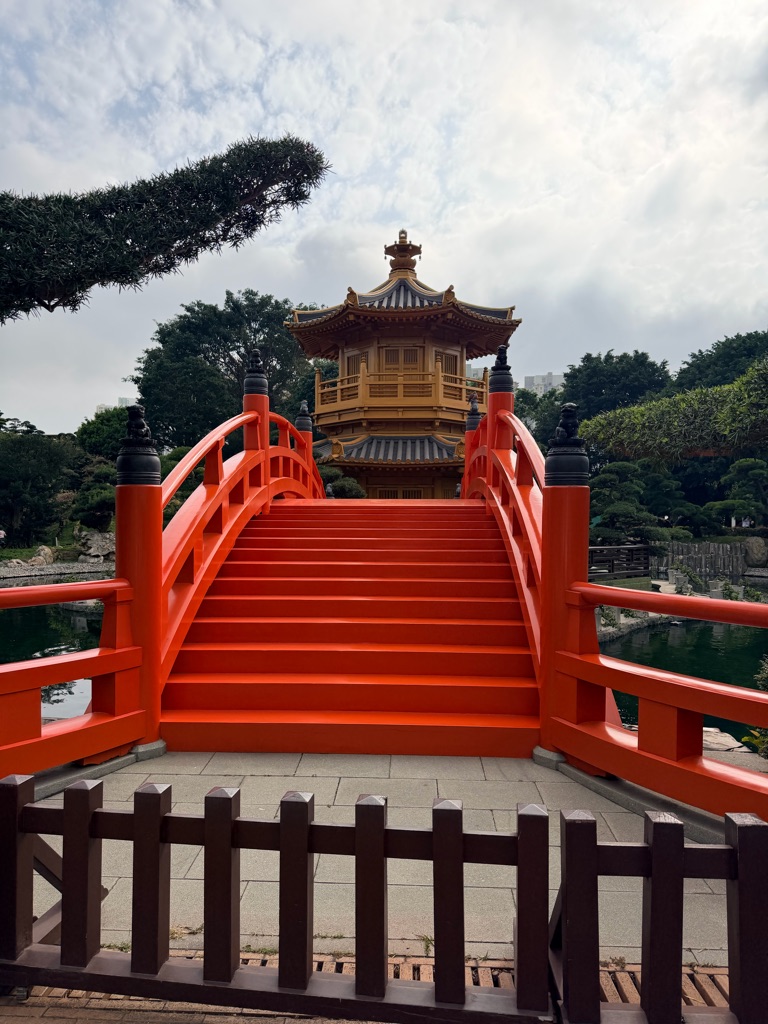
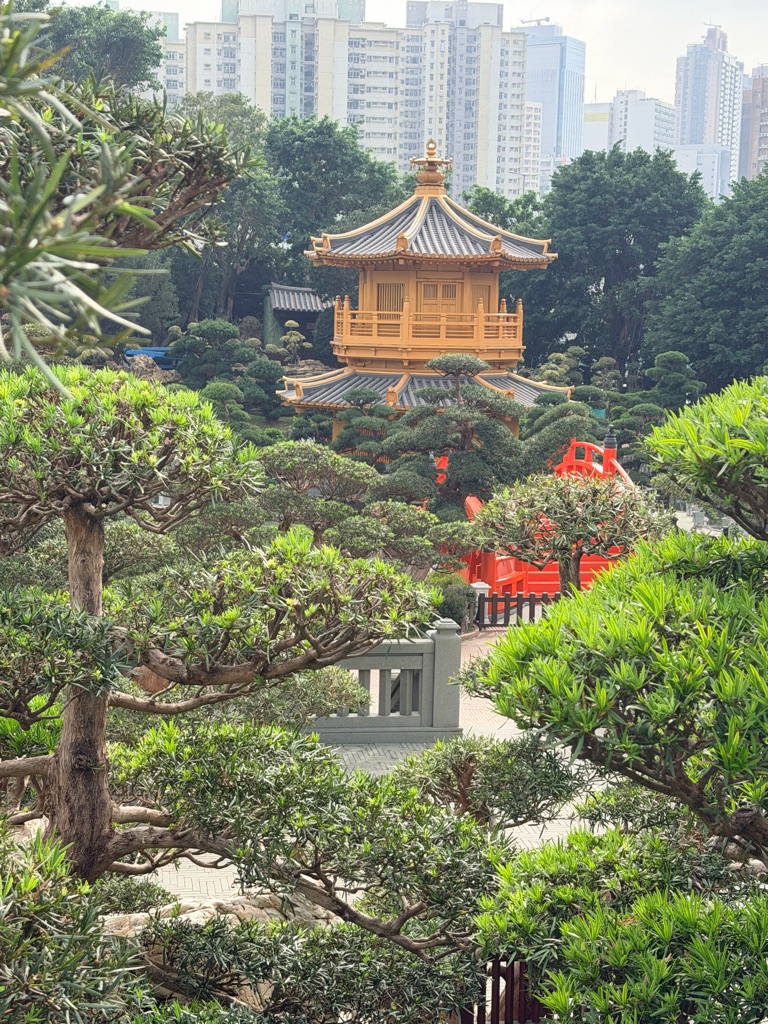
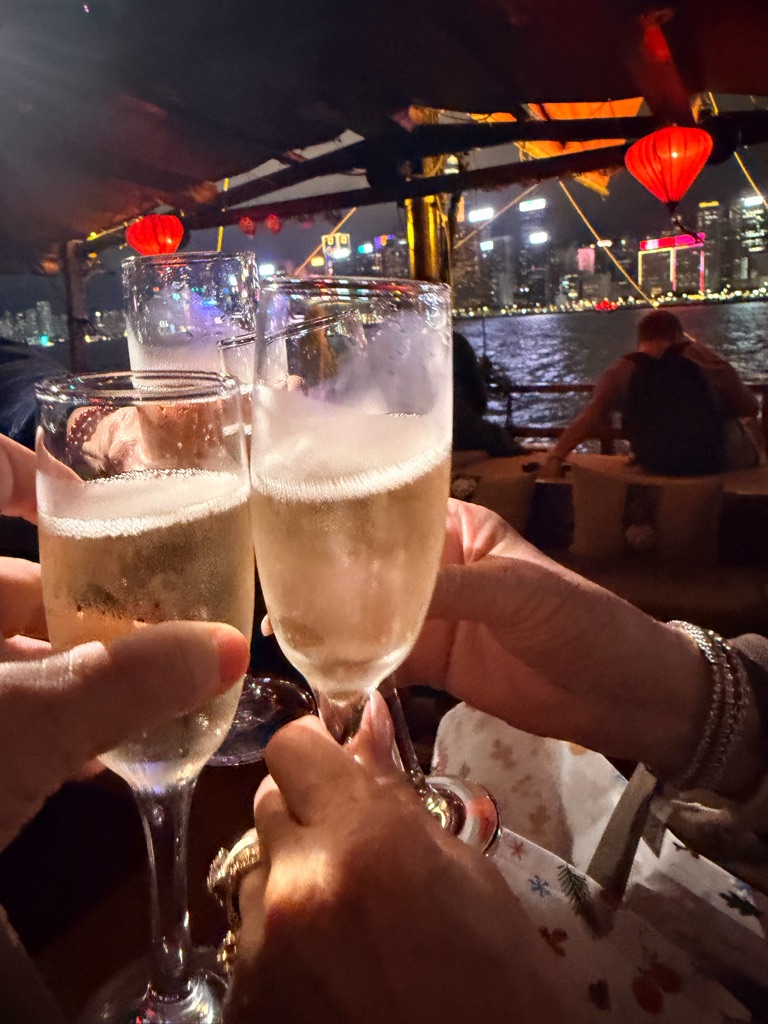
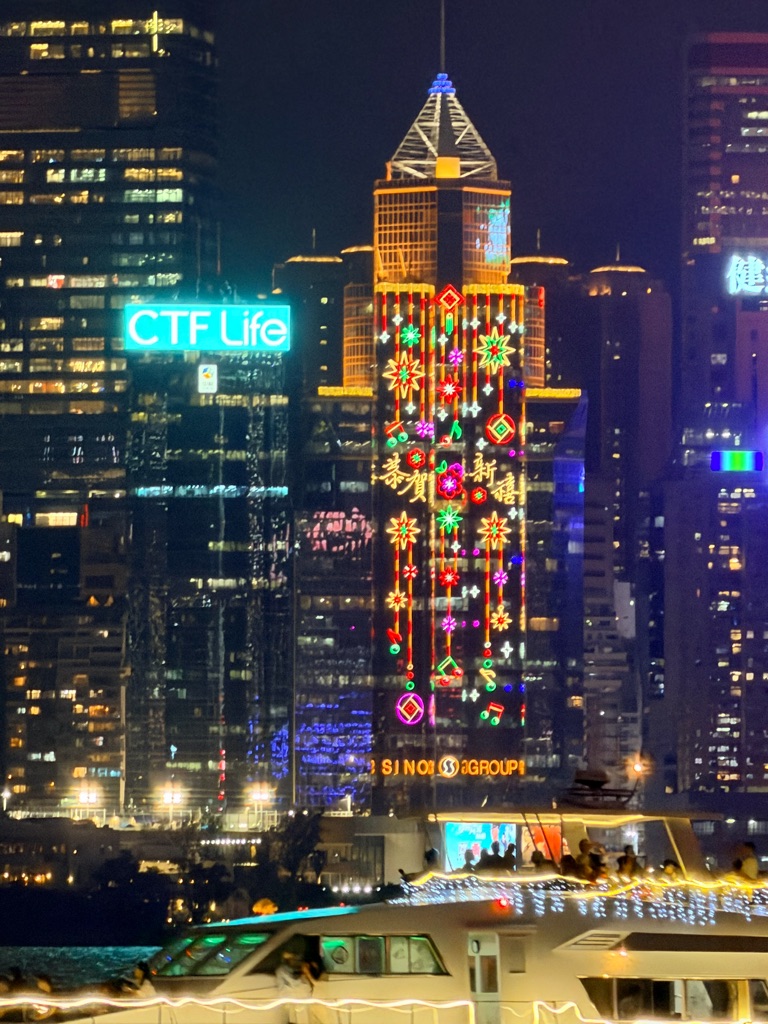
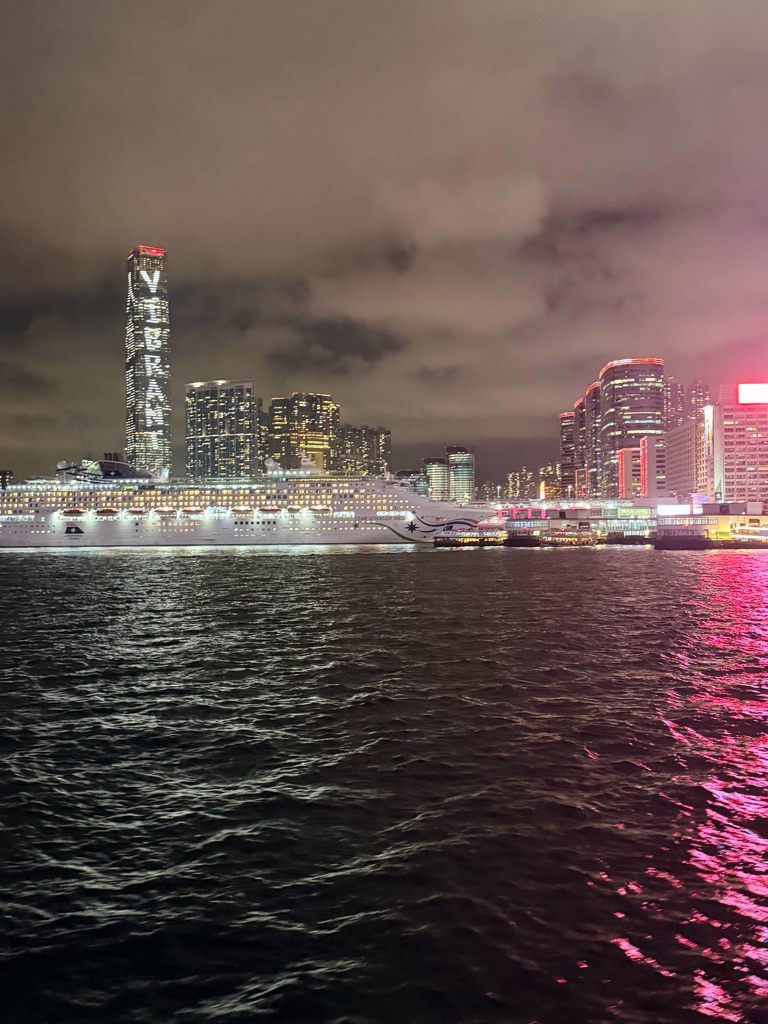
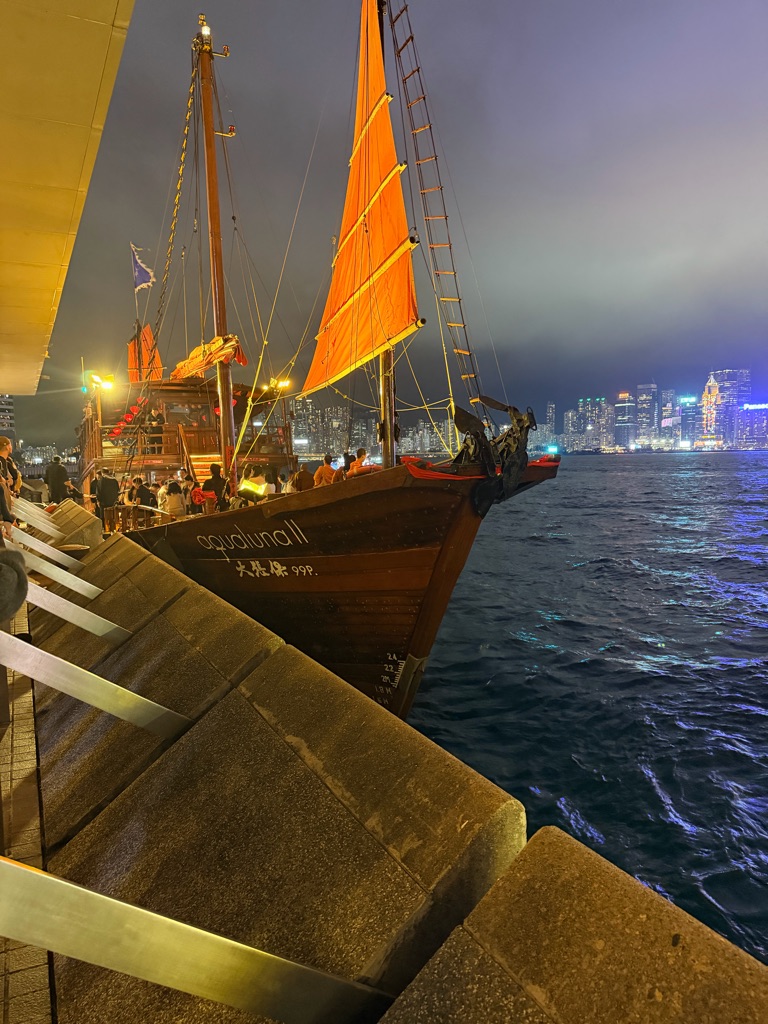
In the evening we journeyed on a ‘Junk’ and enjoyed the laser light show that the high rises set off.
OR
Copy the link to @TyB Journo below
Feb 27 2026
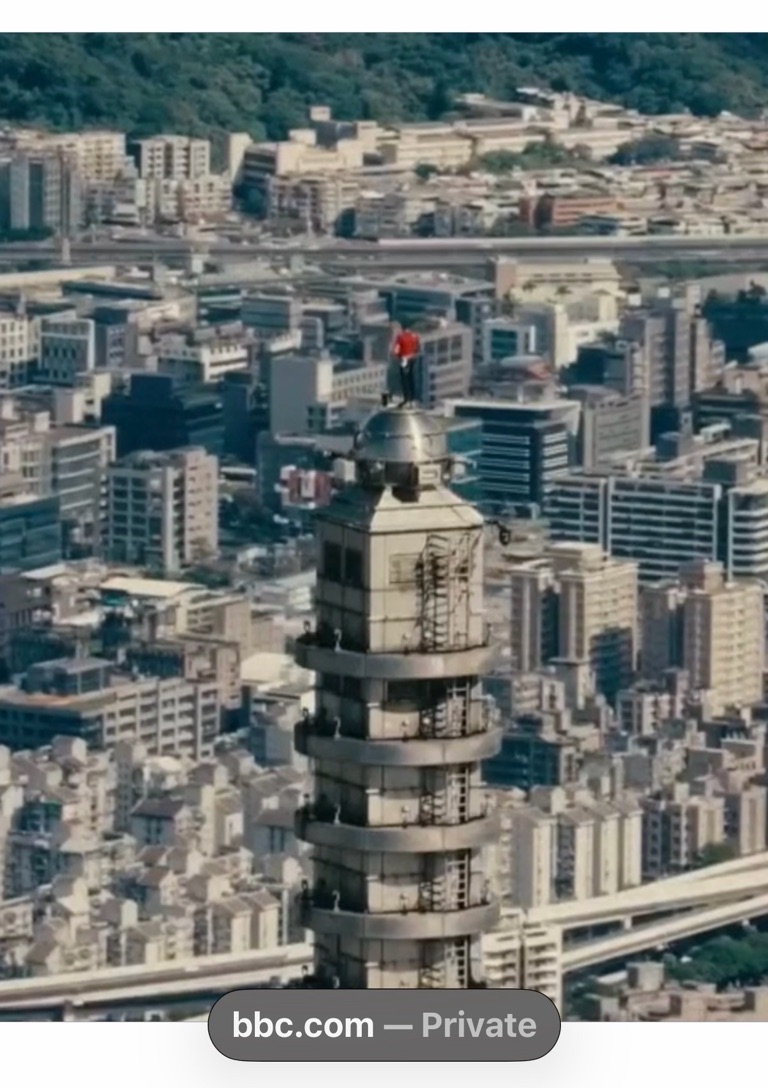
Taipei, the capital of Taiwan, is a vibrant, modern metropolis of roughly 2.6 million people (with a, 7 million+ metro area) located in a northern basin. It serves as the nation's political, economic, and cultural center, famous for the bamboo-shaped Taipei 101 skyscraper, bustling night markets (like Shilin), and a mix of Japanese-colonial lanes, ancient temples, and, lush, surrounding mountains.
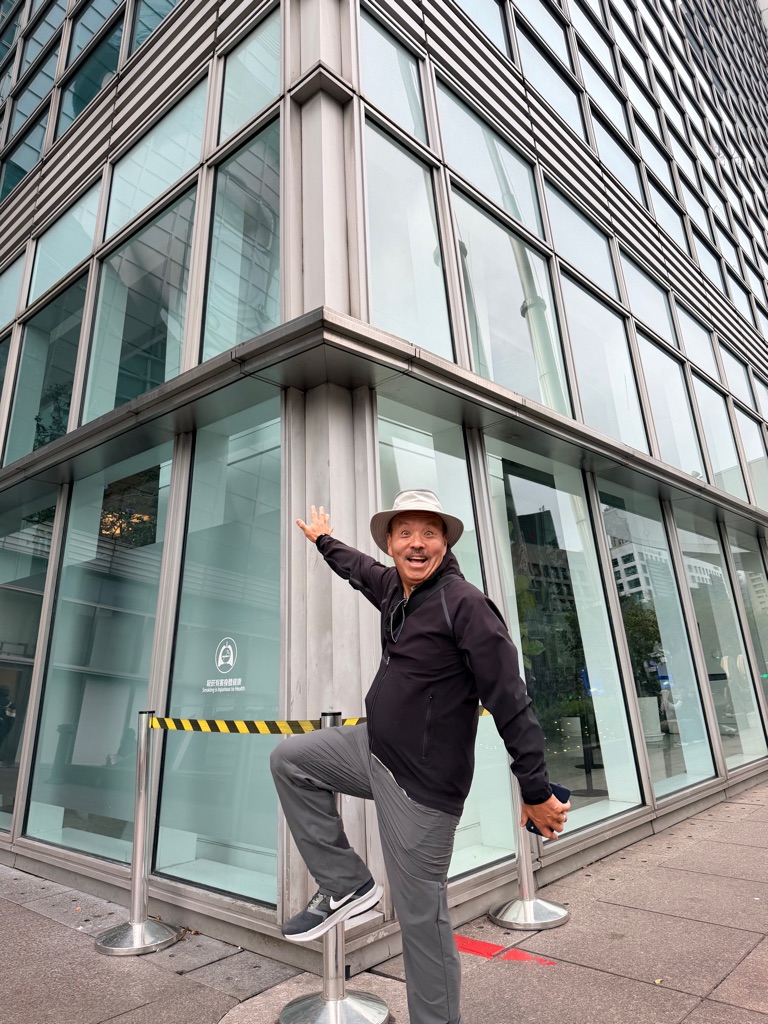
Randy climbing Taipei 101!!
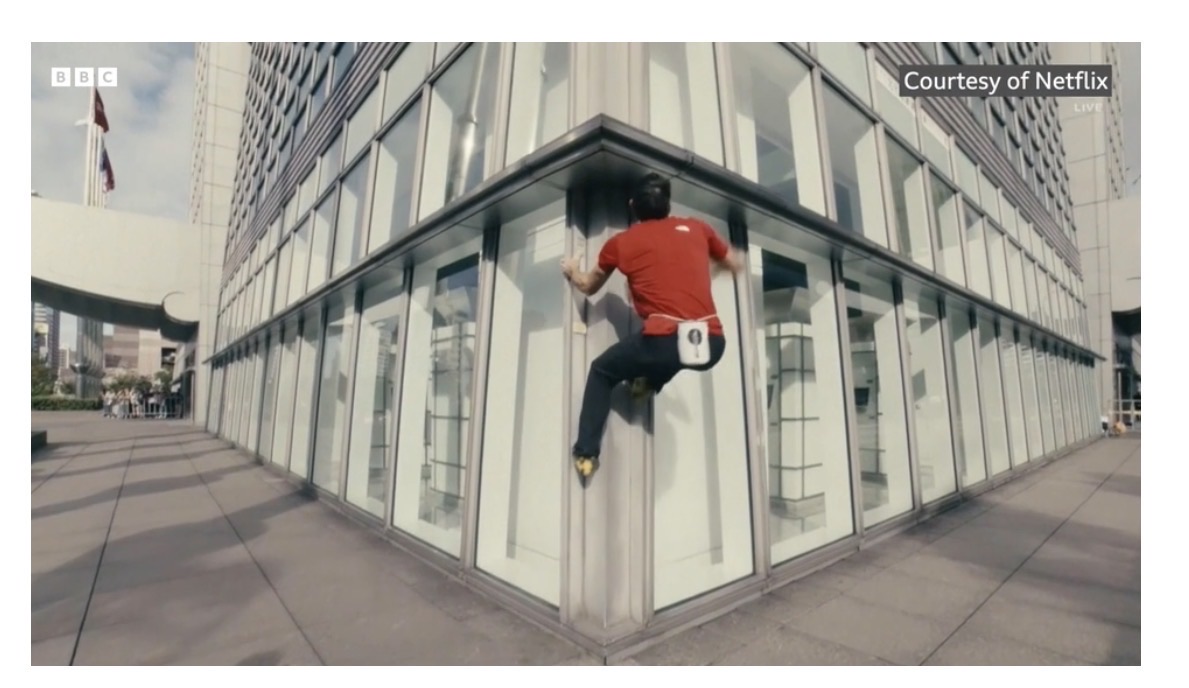
American rock climber Alex Honnoldsuccessfully free-solo climbed the 101-story Taipei 101 skyscraper in Taiwan without ropes or safety gear on January 25, 2026
Taipei 101, located in Xinyi District, Taipei, is a 101-story landmark skyscraper rising 508 meters, renowned for its bamboo-inspired design. Formerly the world's tallest building (2004–2010), it features a massive 660-ton wind damper, high-speed elevators, and a premier observation deck offering panoramic city views.
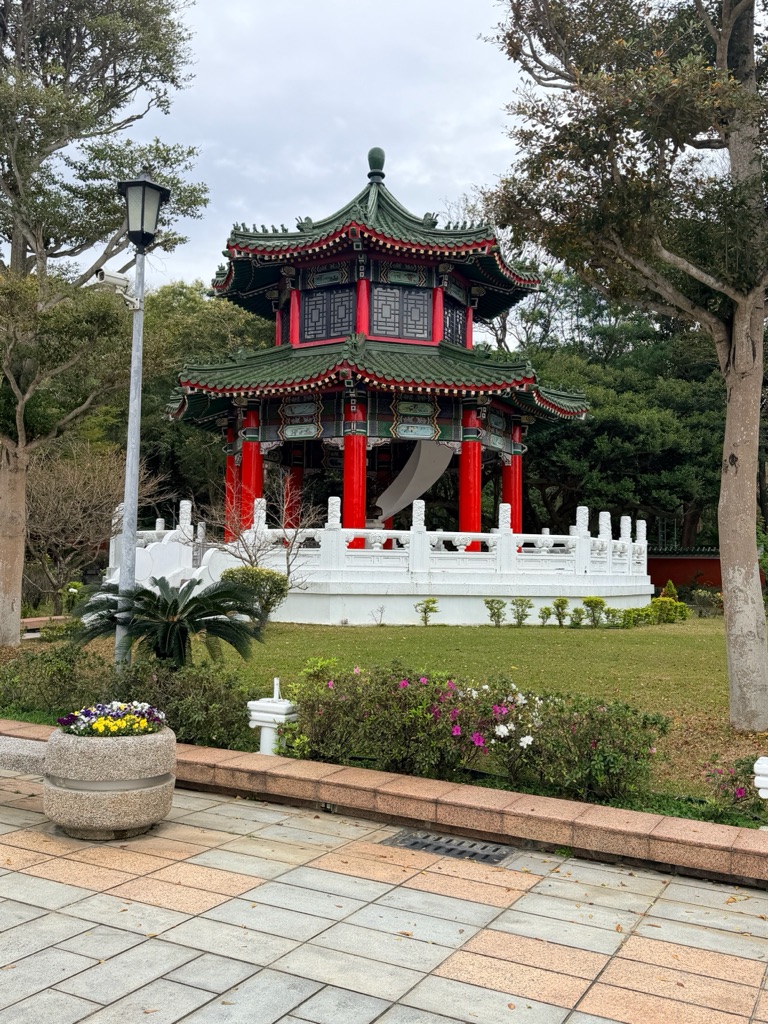
Zhongshan District
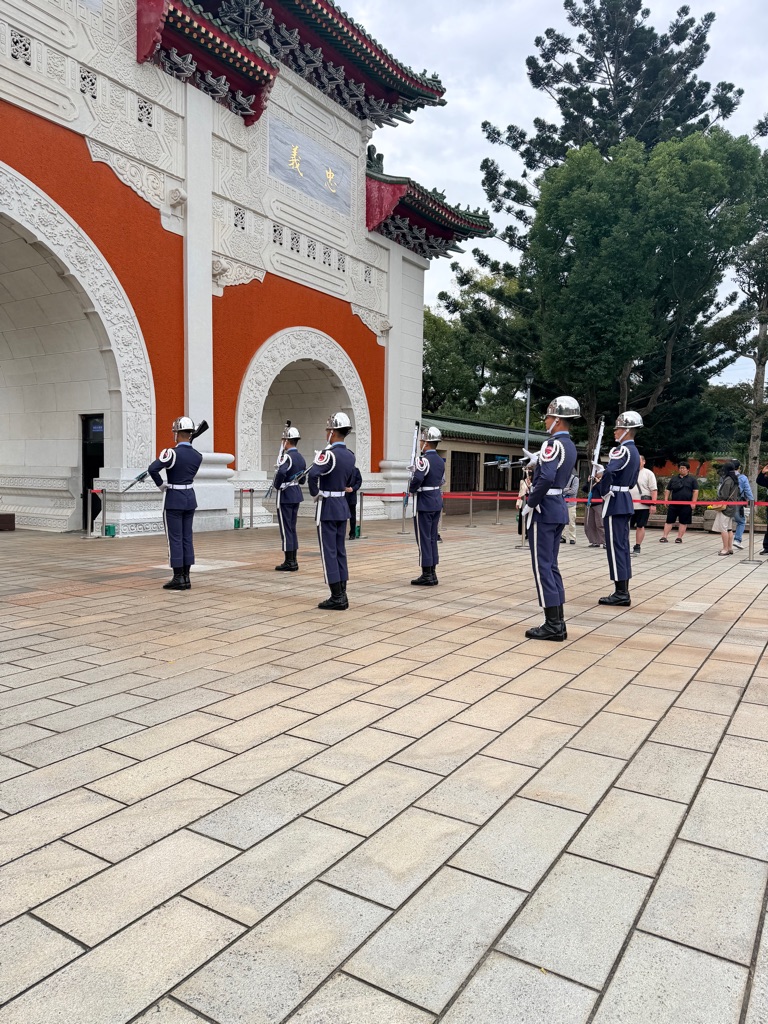
Changing of the guard
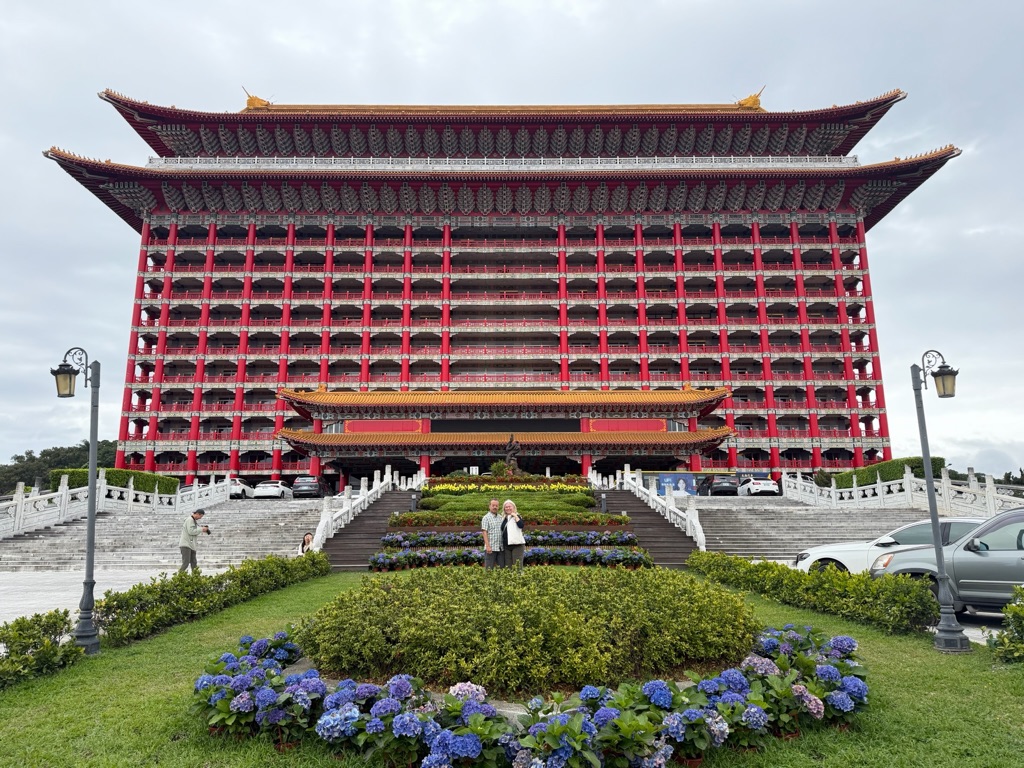
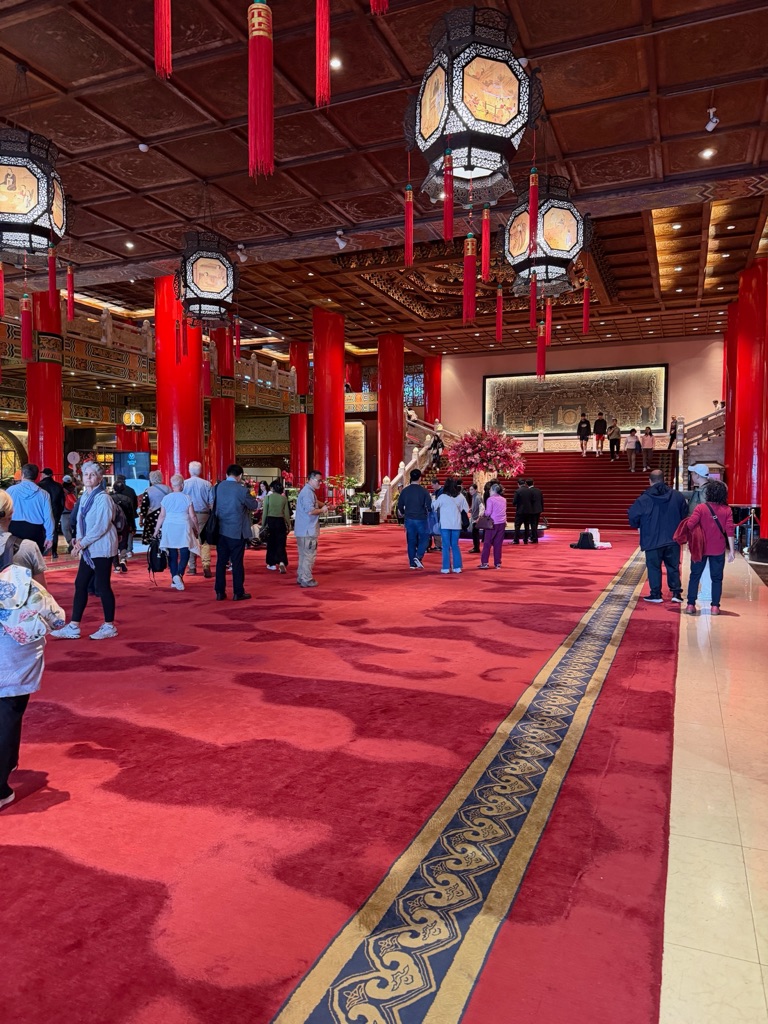
Grand Hotel.
OR
Copy the link to @TyB Journo below
Mar 03 2026
Incheon[a] is a city located in northwestern South Korea, bordering Seoul and Gyeonggi Province to the east. Inhabited since the Neolithic, Incheon was home to just 4,700 people when it became an international port in 1883. As of February 2020, about 3 million people live in the city, making it South Korea's third-most-populous city after Seoul and Busan.
After the \240Korean War, South Korea was the poorest country in the world.
Many Countries donated a lot of flour.
They didn’t know what to do with the flour— they are not bakers. They use rice for everything. Thus they started using the flour for dumplings.
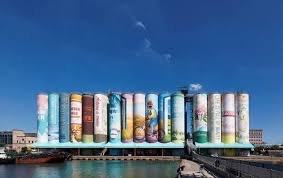
These murals/ on silos depicts a "Gigantic book and growth" theme, symbolizing a child's growth through seasons
These are the silos for the flour.
The Incheon Silos, located at Incheon Port's Pier 8, feature the world's largest outdoor mural, recognized by Guinness World Records.
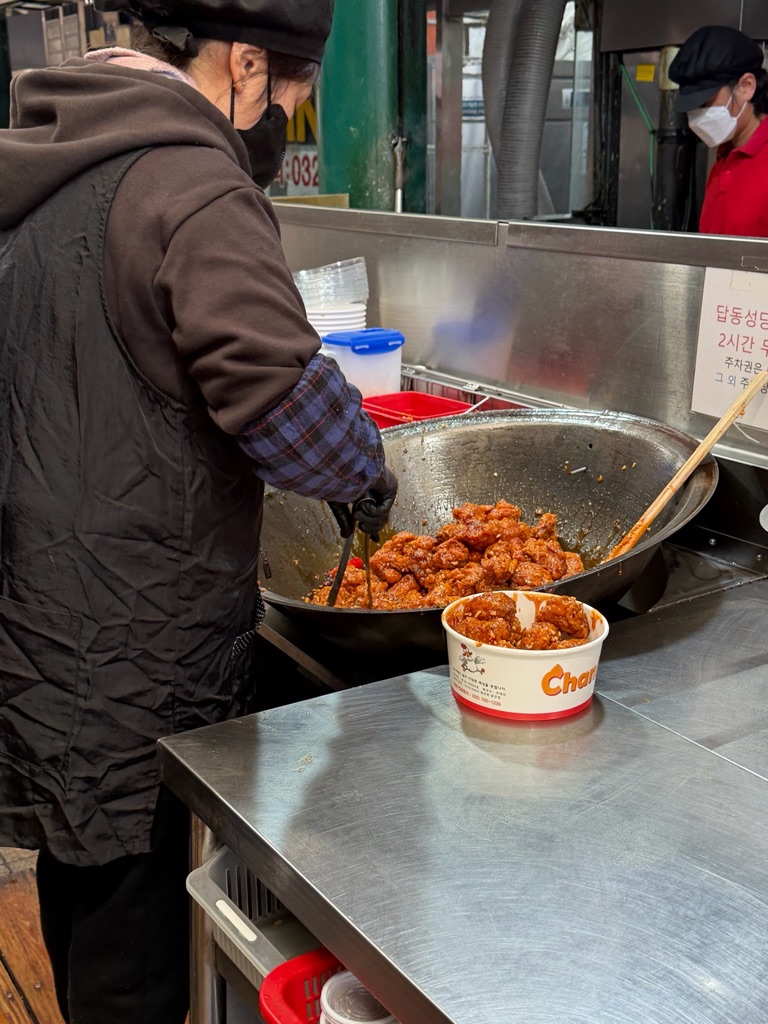
Yum Yum Chicken
Memorial Hall for Incheon Landing Operation is a museum commemorating the event where during the early stages of the Korean War (1950-1953), South Korean and UN forces, although initially pushed back by North Korean forces, landed in Incheon on September 15, 1950, under the command of General MacArthur (1880-1964), thereby reversing the tide of the conflict. The memorial hall features exhibitions related to the Korean War and sculptures depicting the Incheon Landing Operation. From the observatory, visitors can enjoy views of the Hwanghae Sea and the city of Incheon.
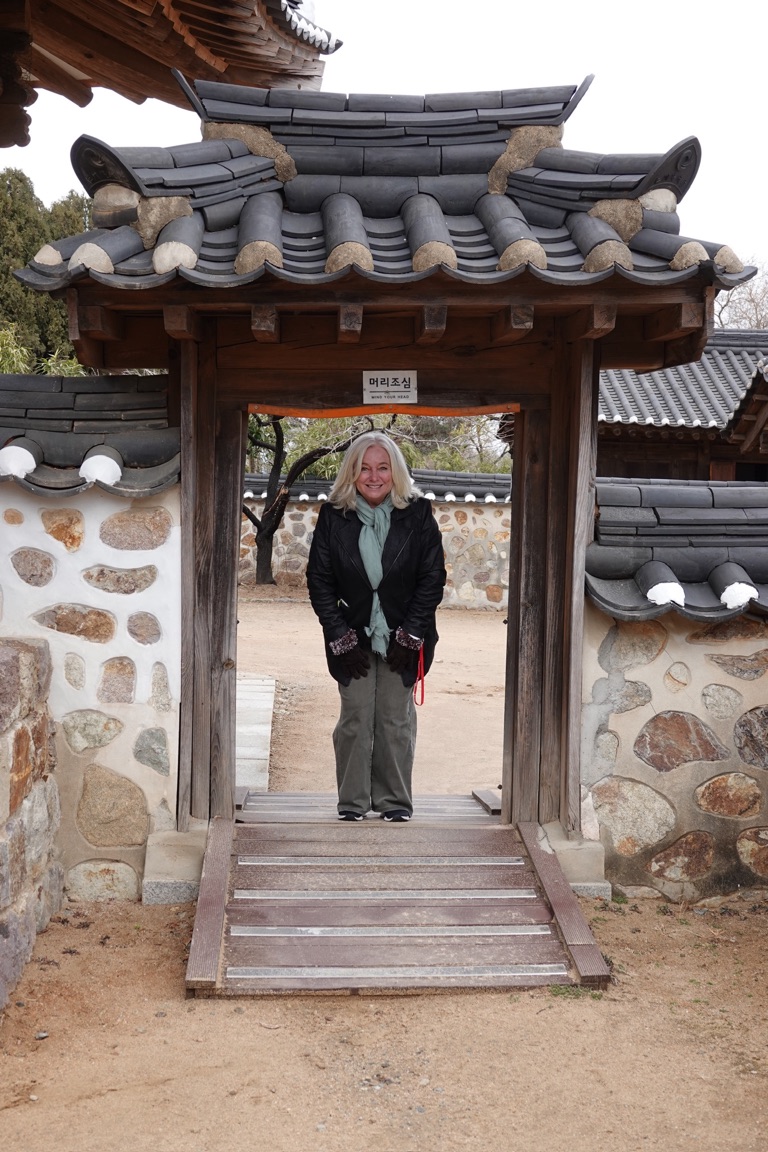
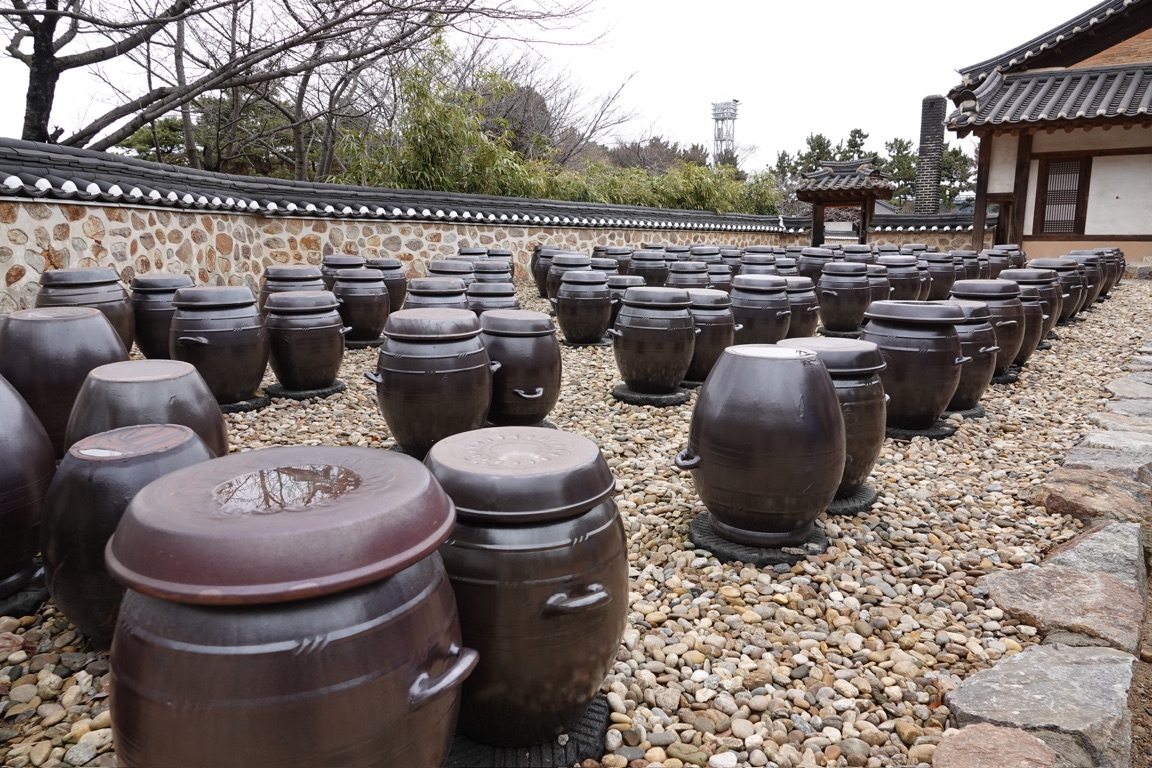
Ceramic pots for making Kimchi.
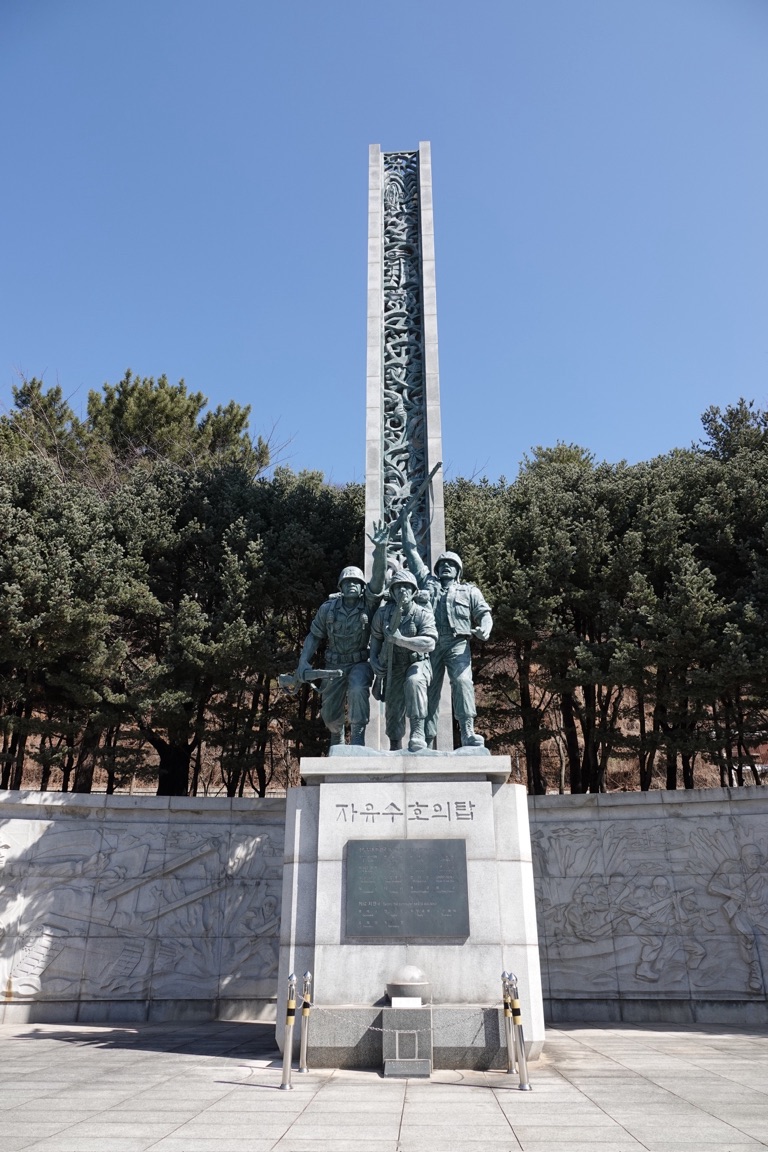
Beautiful museum of the history of the Korean War.
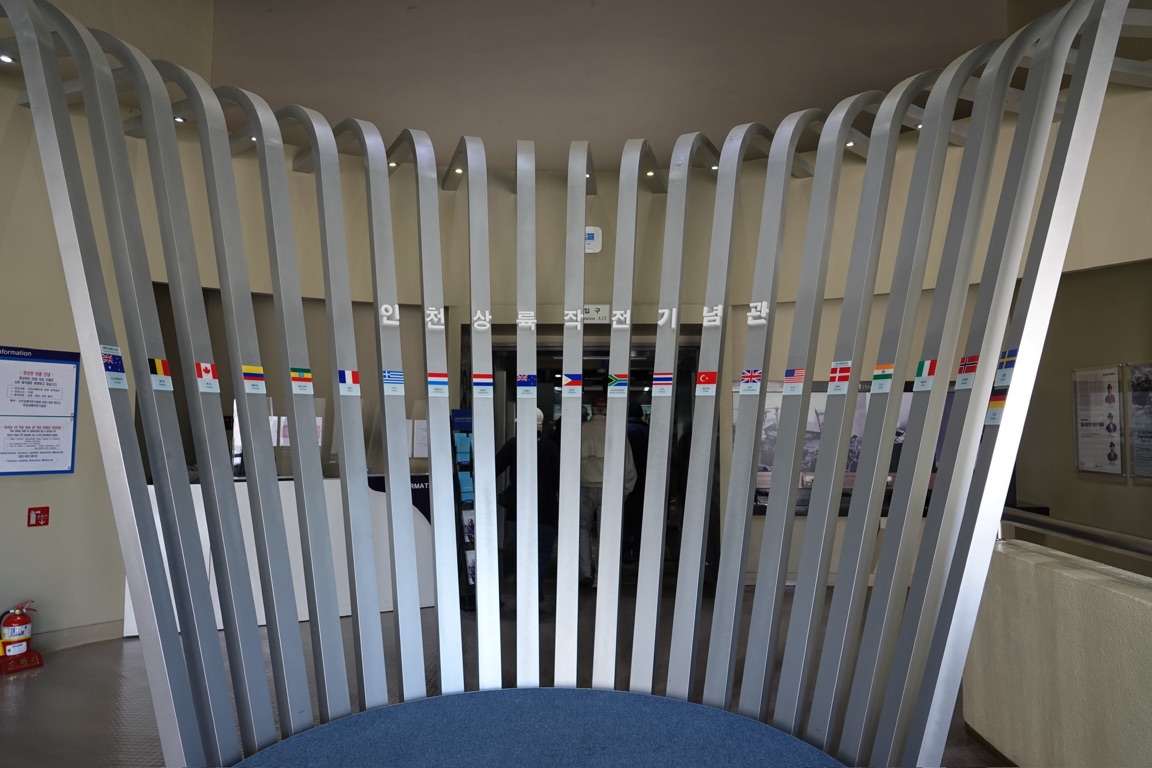
The 16 country flags that helped the South Koreans regain their land
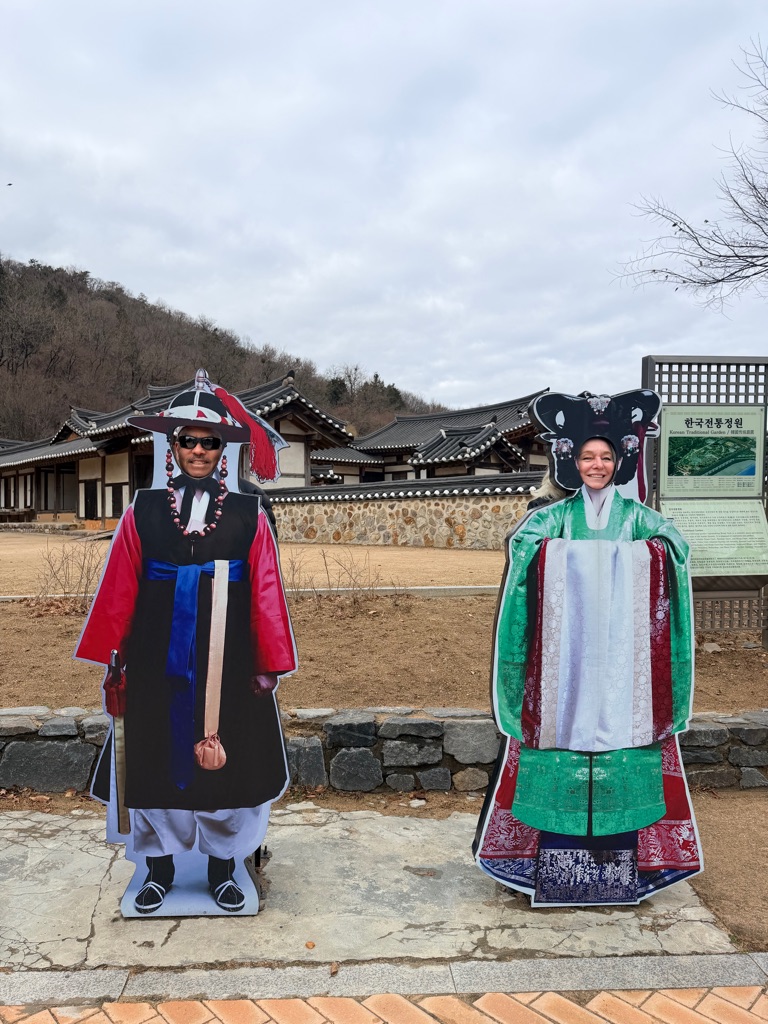
Gangwha History Museum
OR
Copy the link to @TyB Journo below
Mar 03 2026
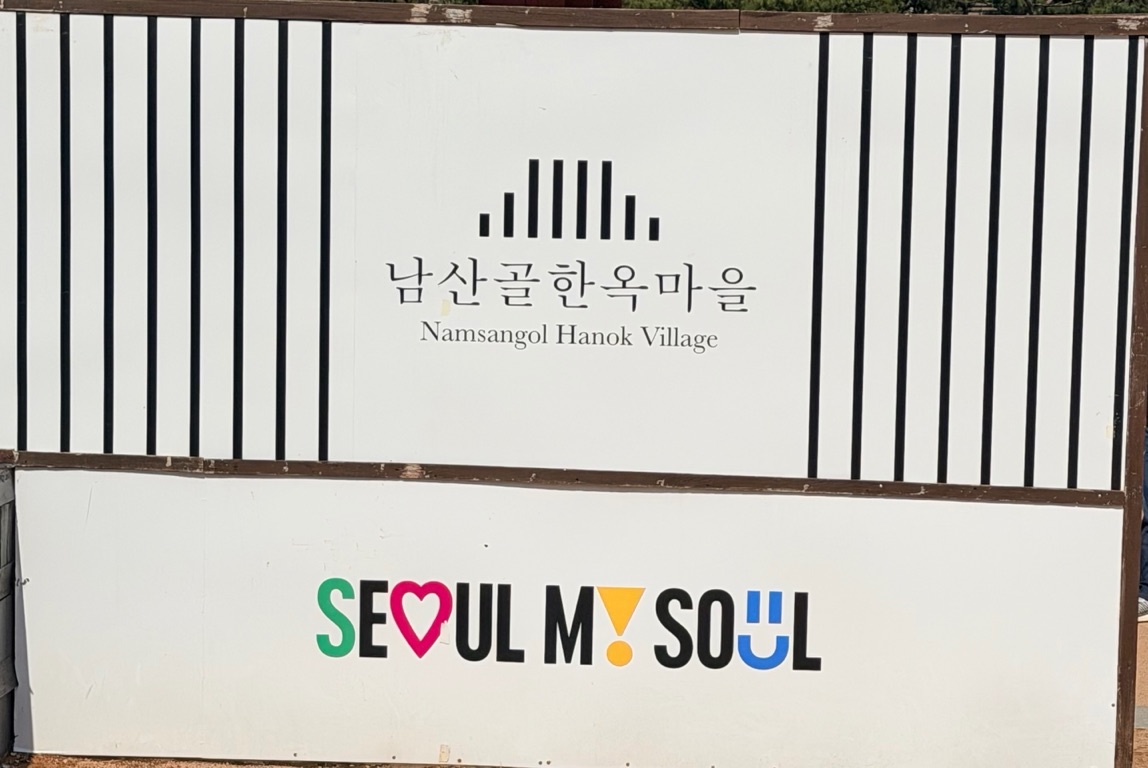
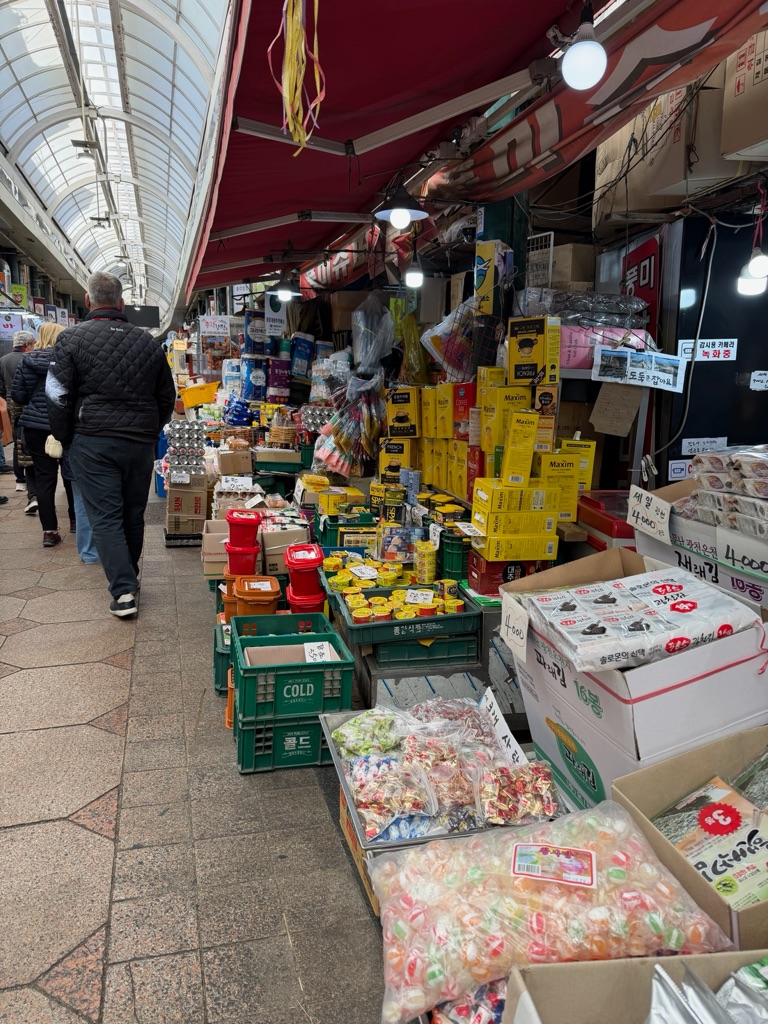
Seoul, the capital of South Korea, is a huge metropolis where modern skyscrapers, high-tech subways and pop culture meet Buddhist temples, palaces and street markets. Notable attractions include futuristic Dongdaemun Design Plaza, a convention hall with curving architecture and a rooftop park; Gyeongbokgung Palace, which once had more than 7,000 rooms; and Jogyesa Temple, site of ancient locust and pine trees.
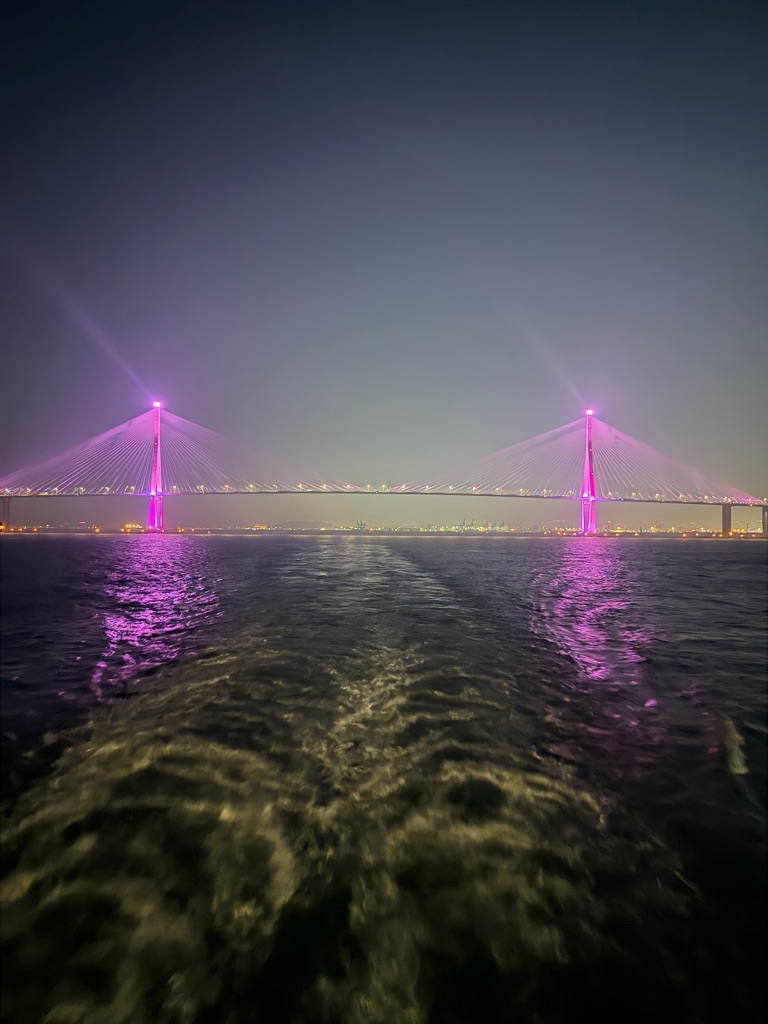
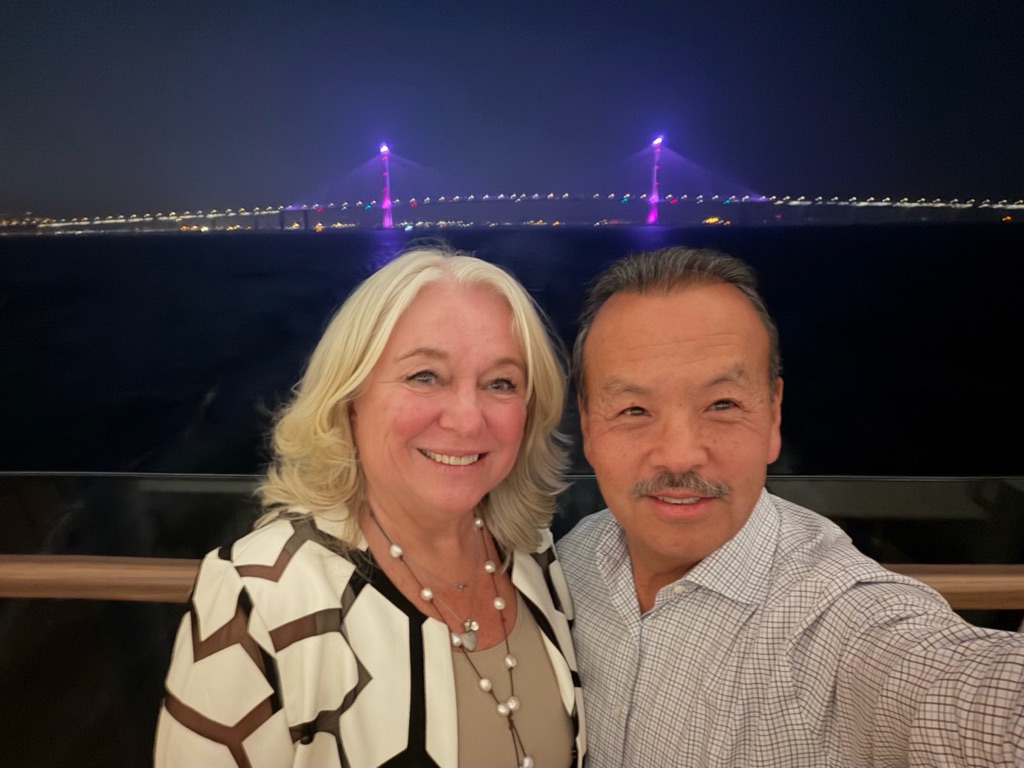
Sailing away from Seol.
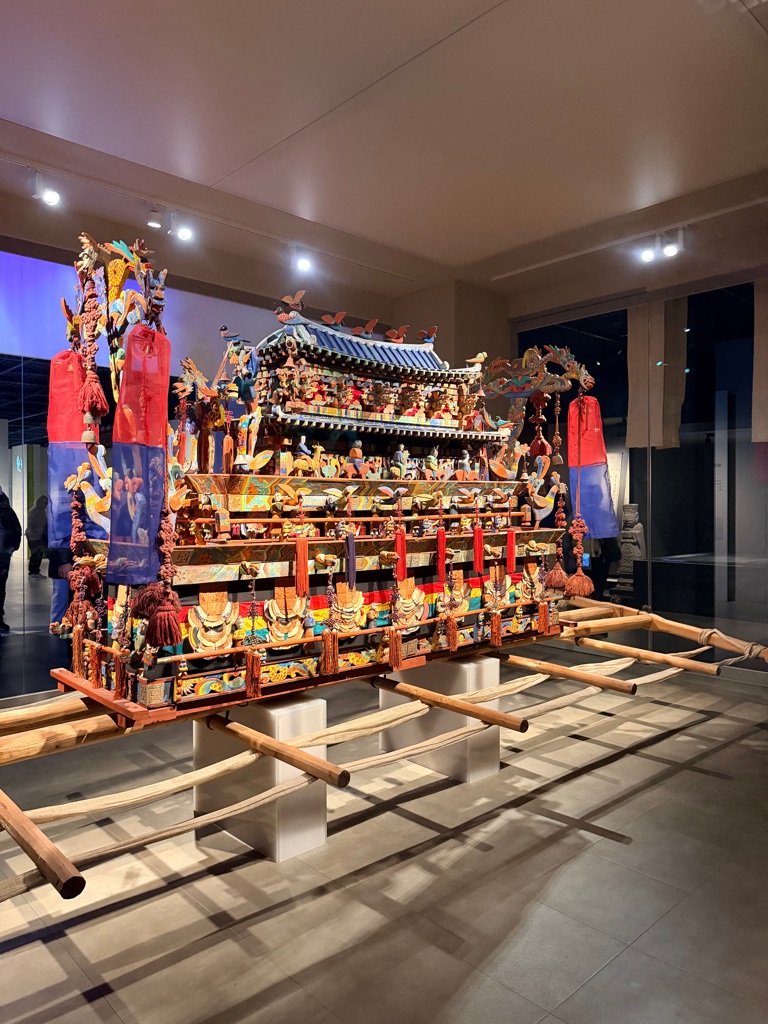
Hand carved wooden casket with symbols of Korean lives
The National Folk Museum of Korea is situated in the center of Seoul with the goal of becoming an educational venue where visitors can learn how Koreans lived from the past to present. The National Folk Museum of Korea investigates, researches, and acquires artifacts and various resources about the daily lives of Koreans in the past and present.
OR
Copy the link to @TyB Journo below
Mar 06 2026
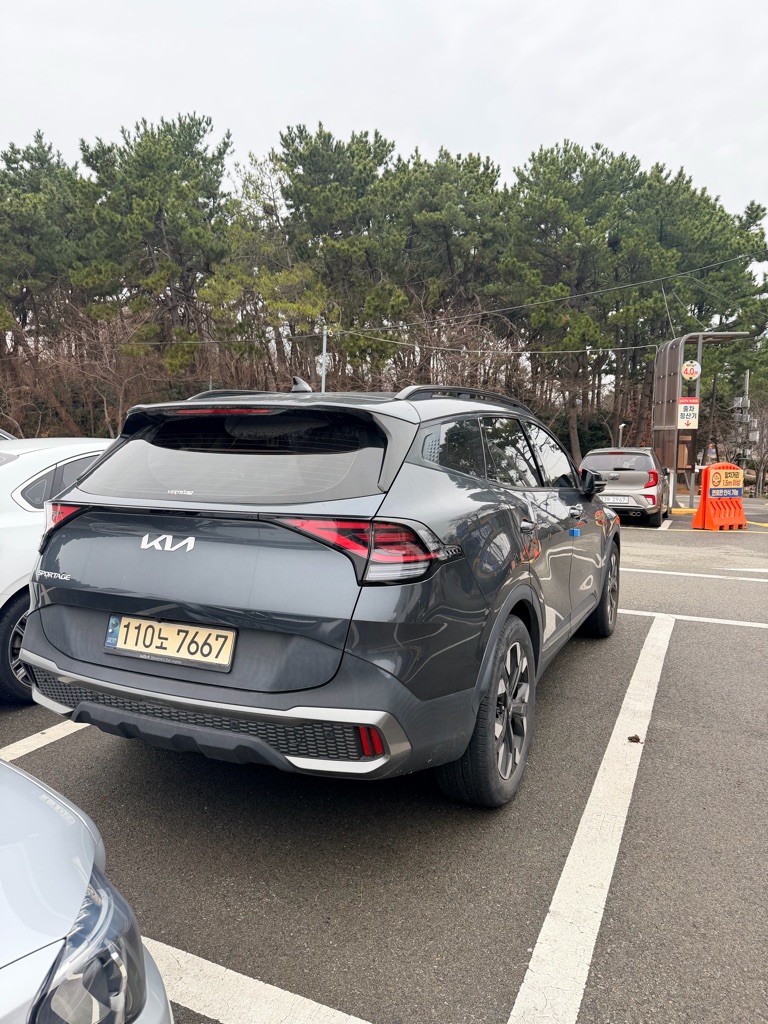
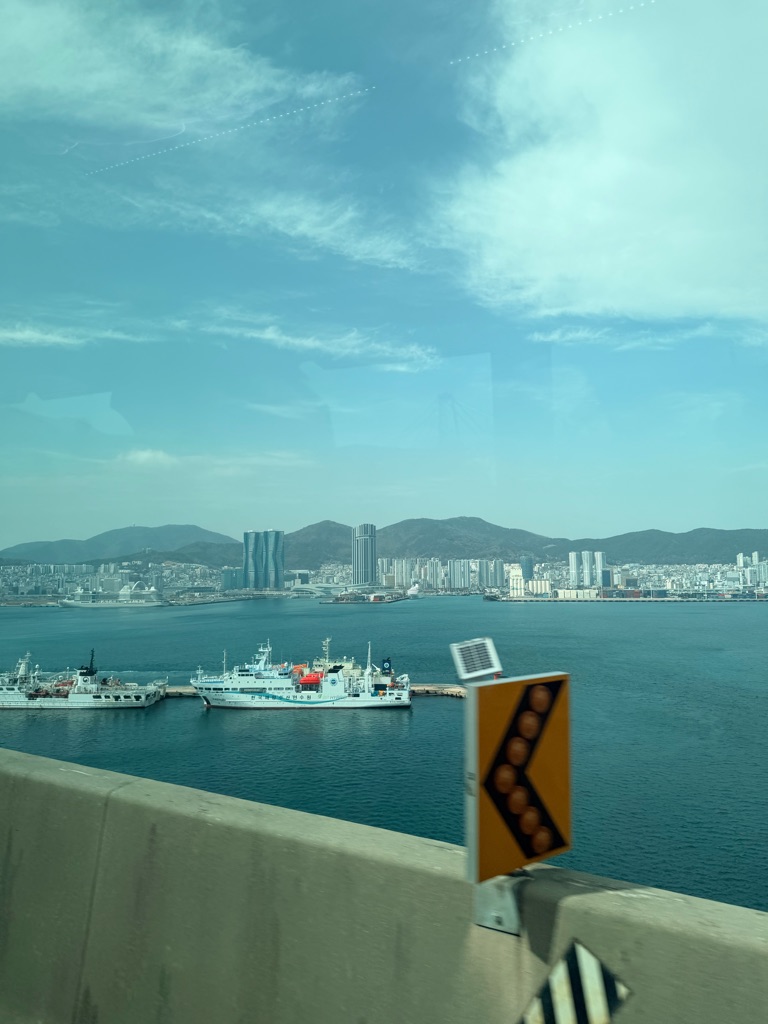
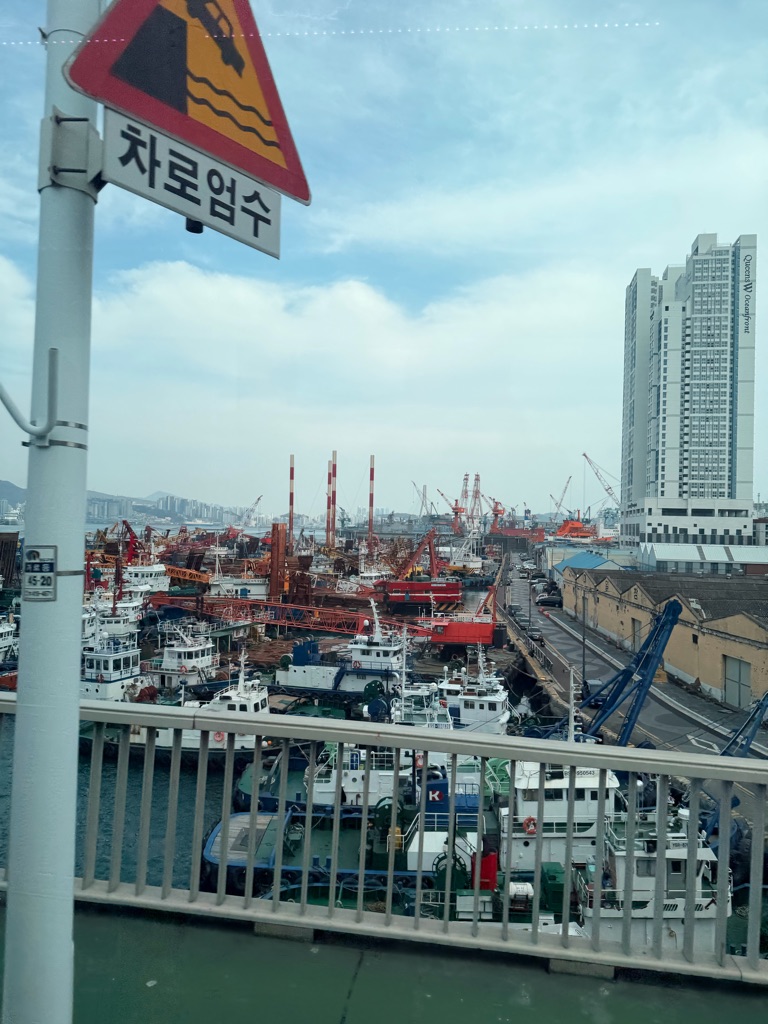
Kia’s and Hyundais everywhere
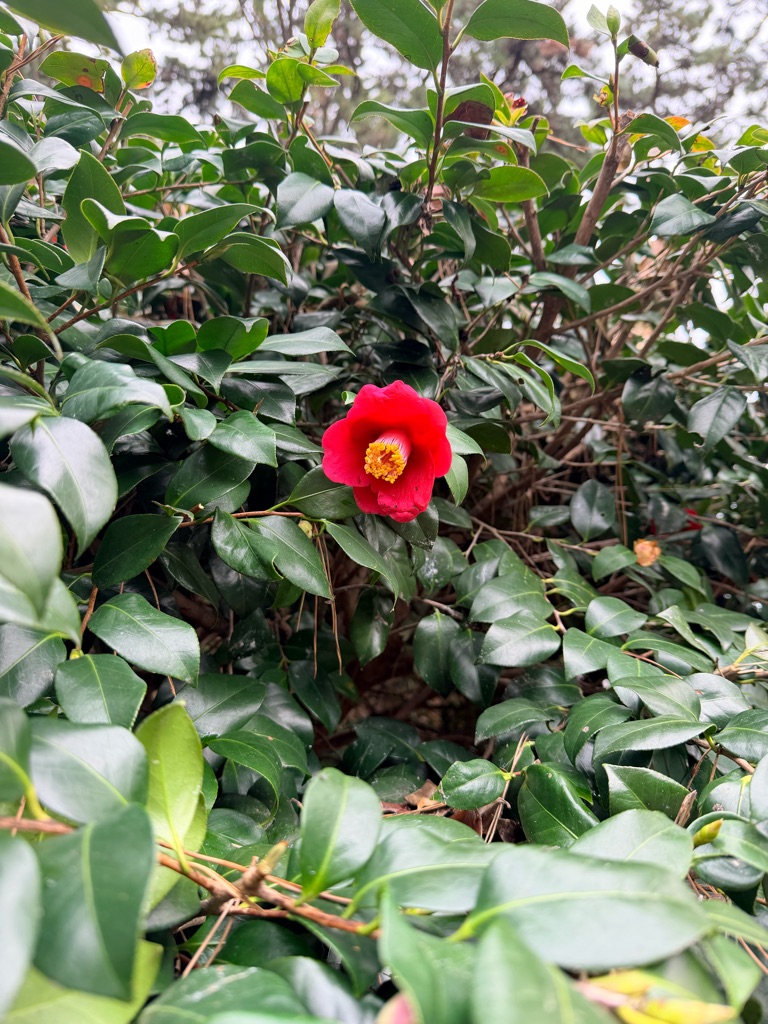
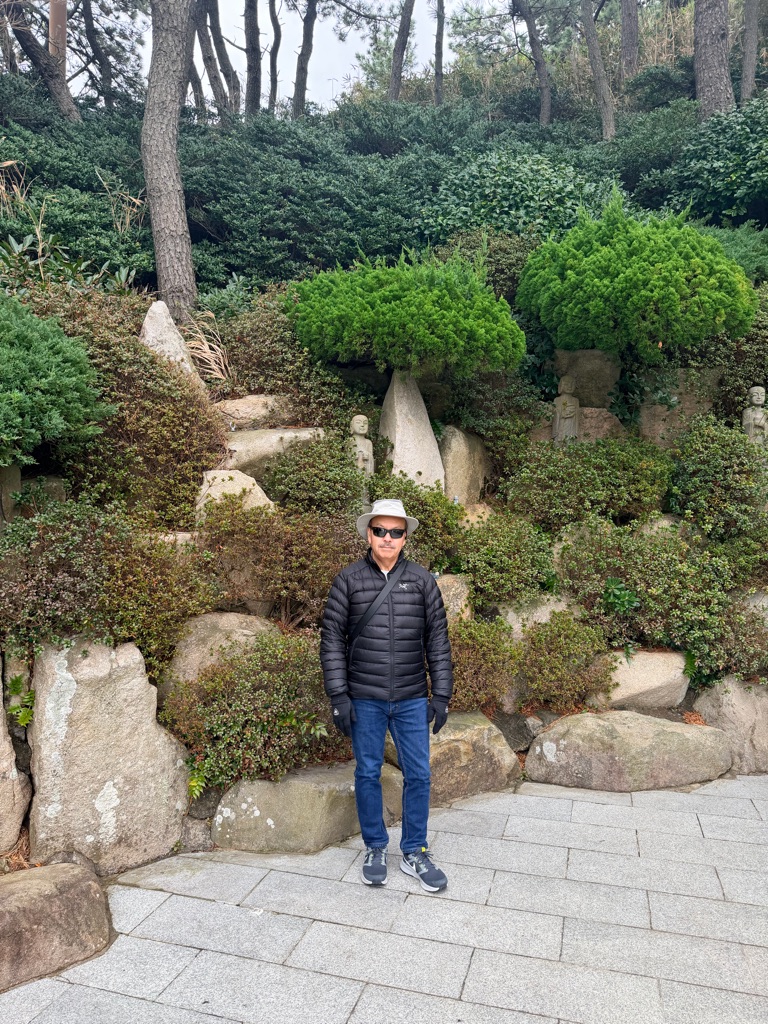
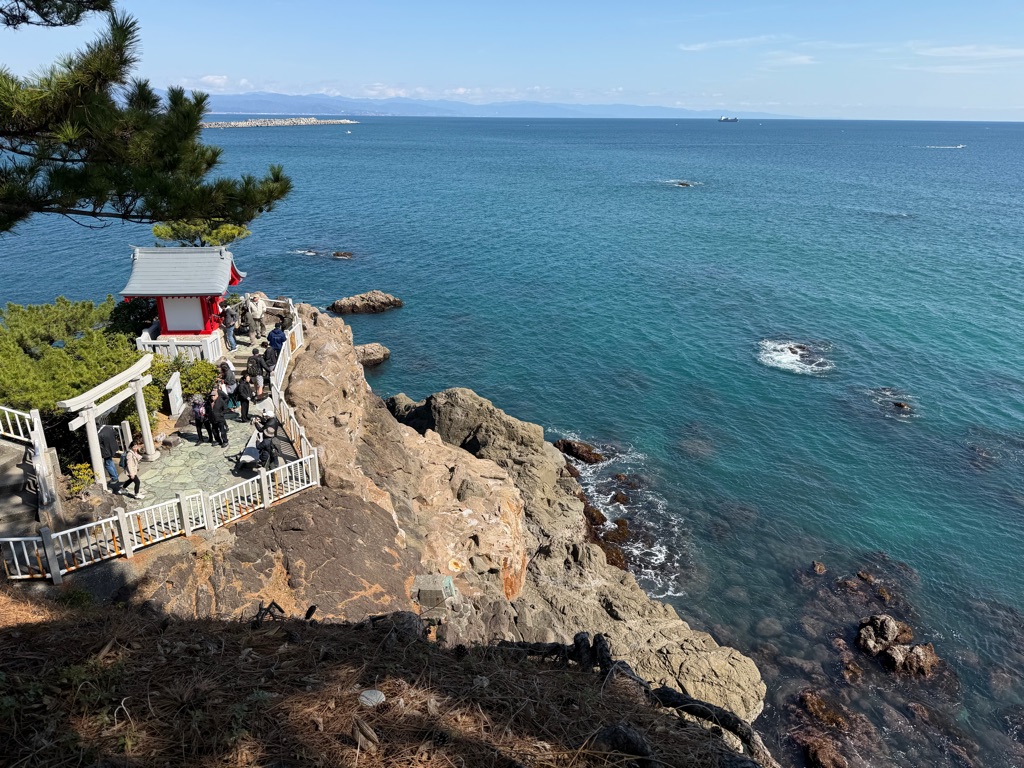
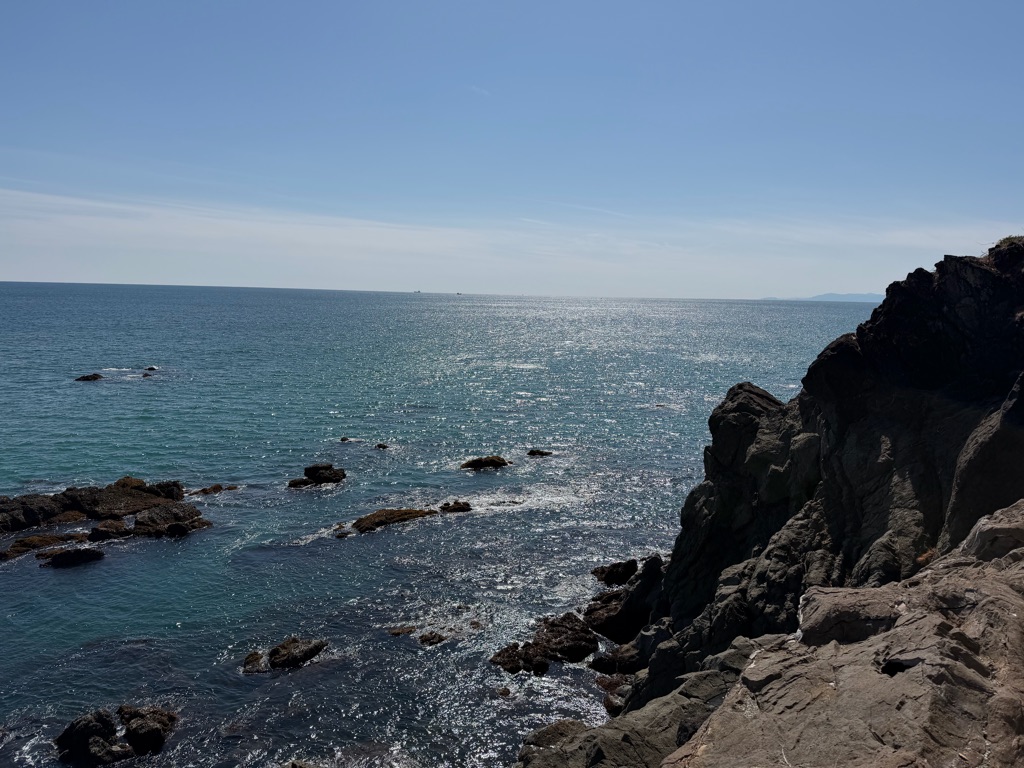
Located near the south end of Haeundae Beach, Dongbaekseom Island was designated as a park in September 1, 1966. The island is full of dongbaek and pine trees and is connected to the main land by a bridge.
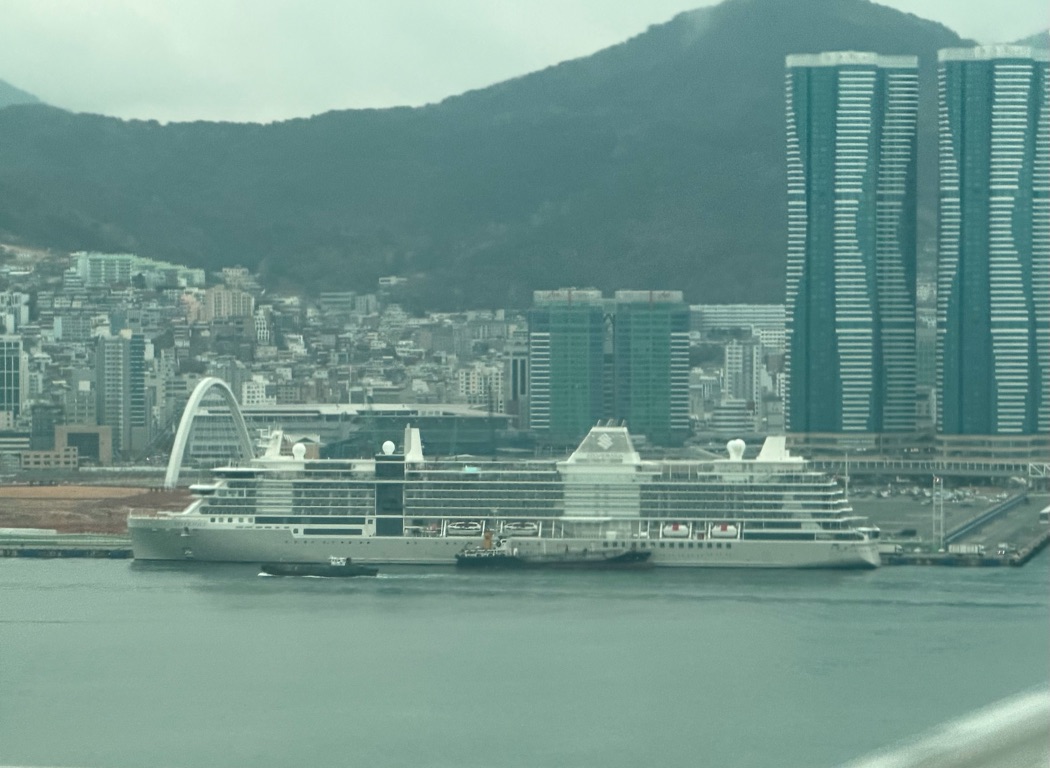
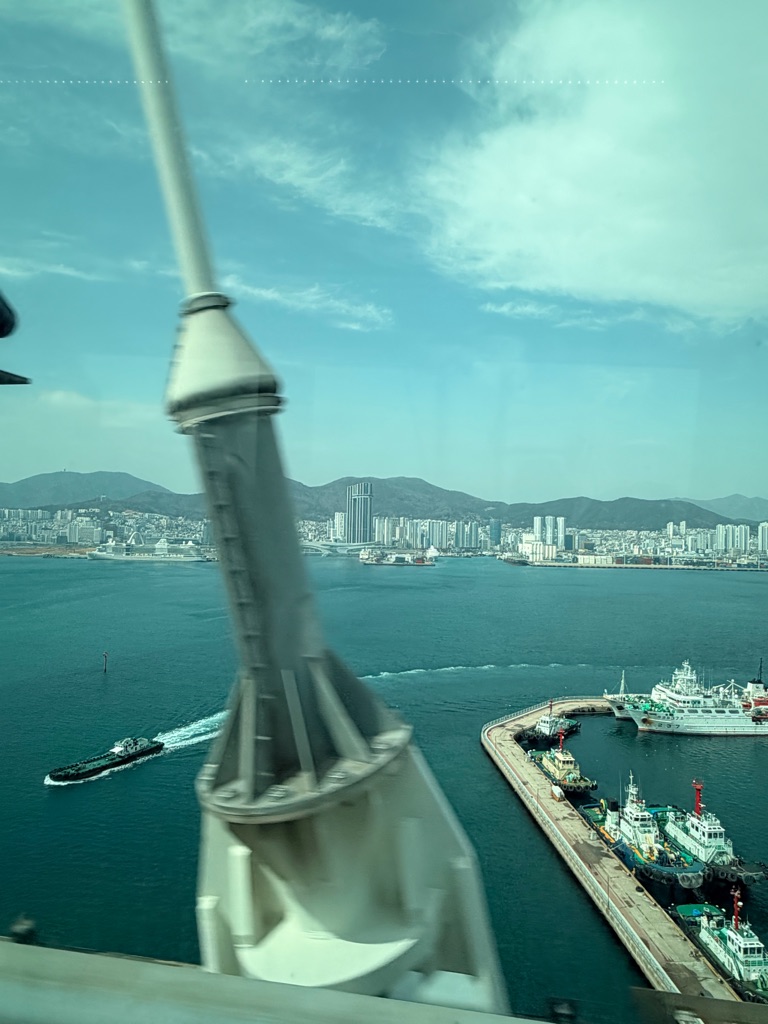
A cure of our ship from across the river.
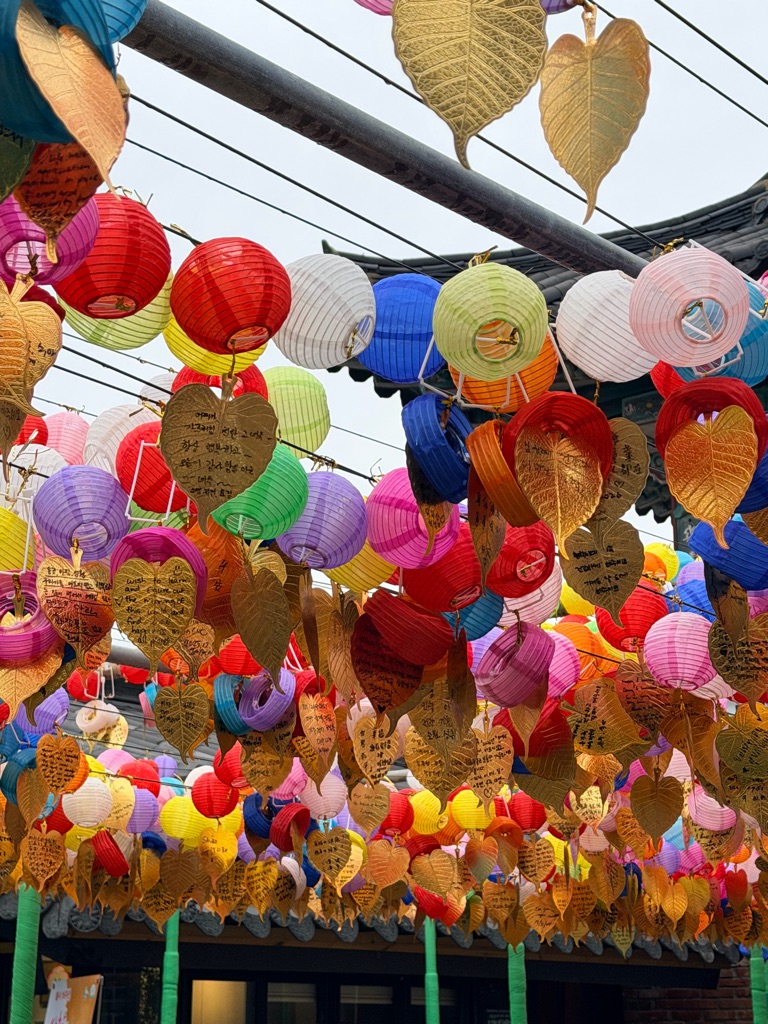
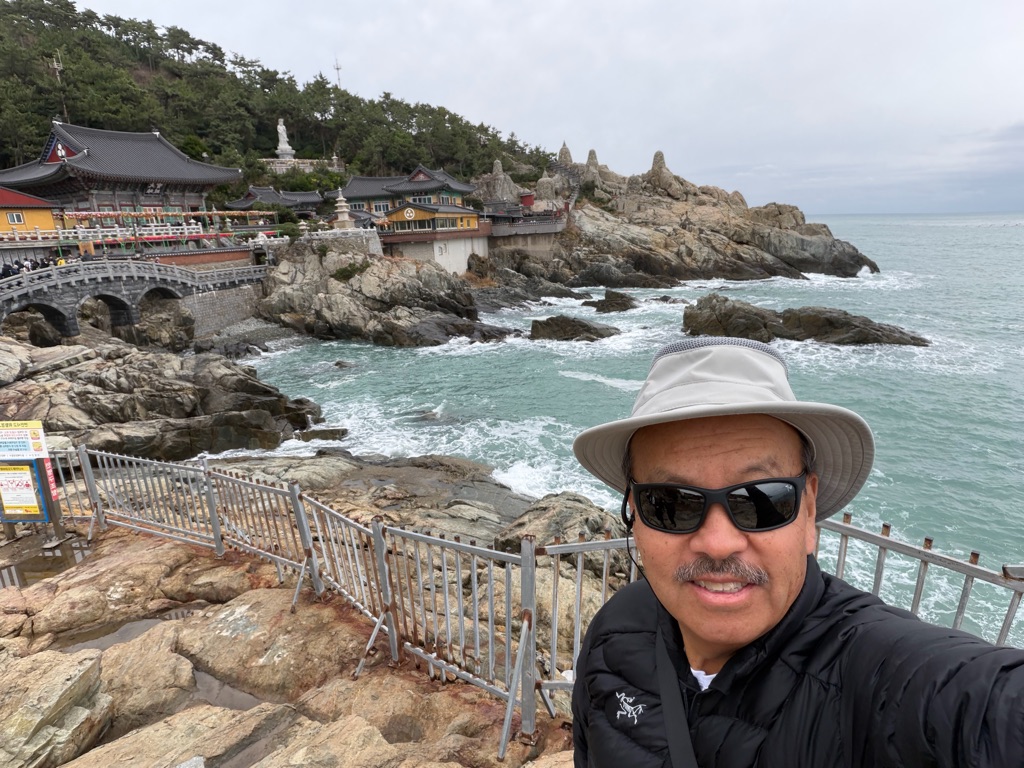
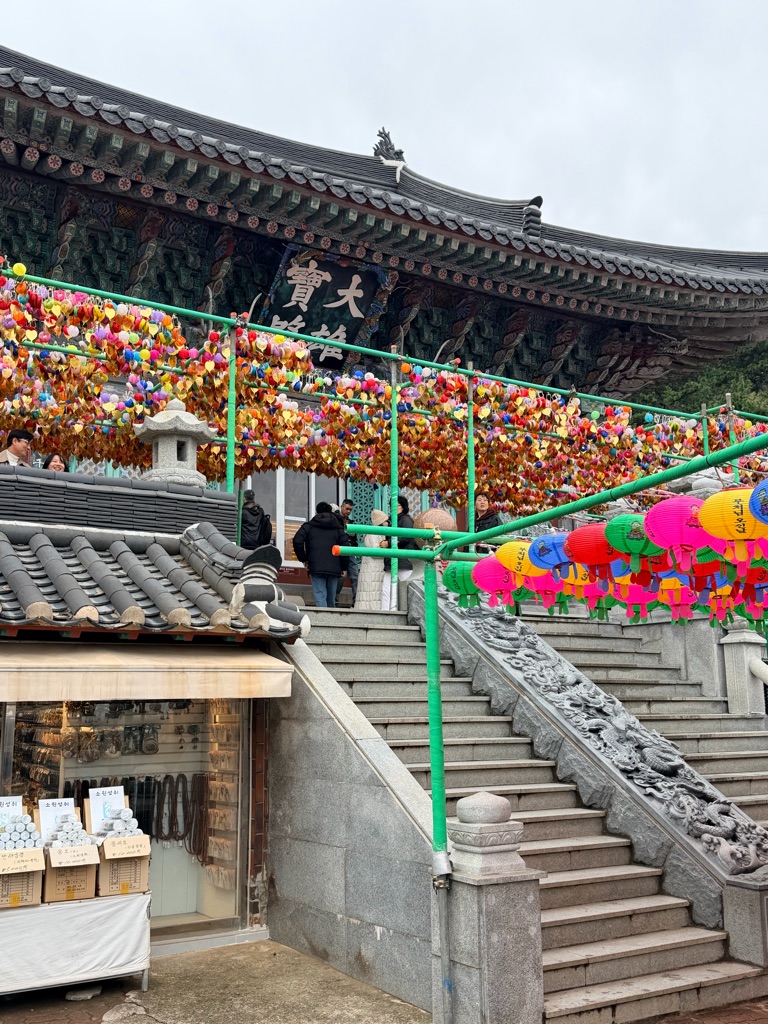
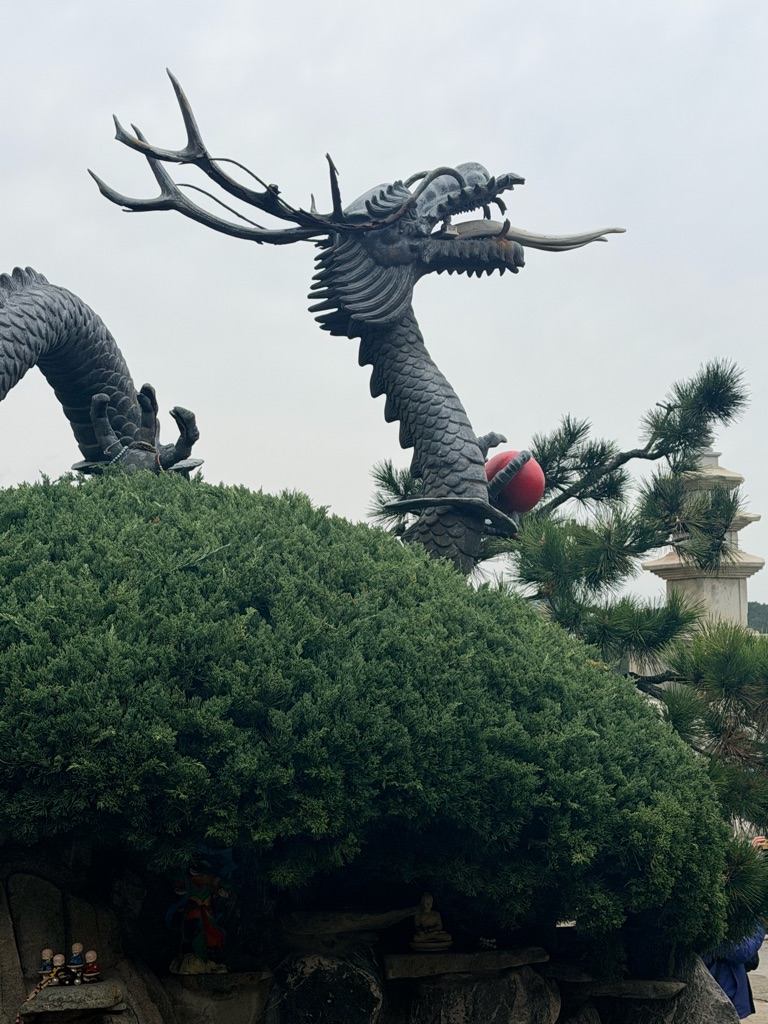
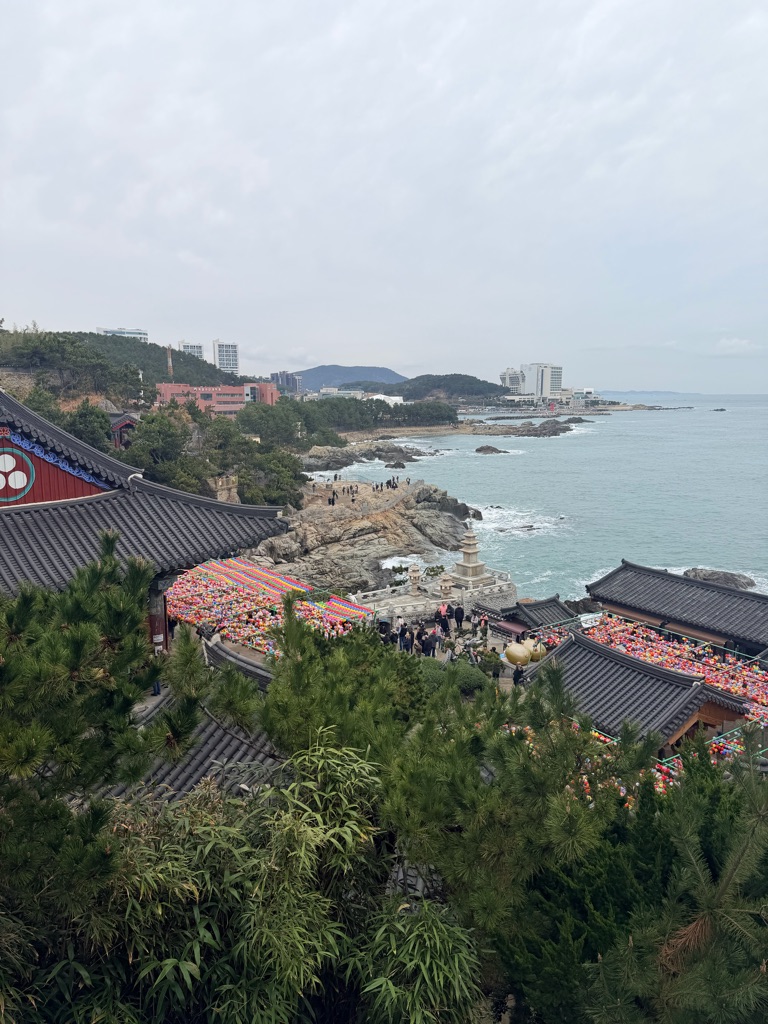
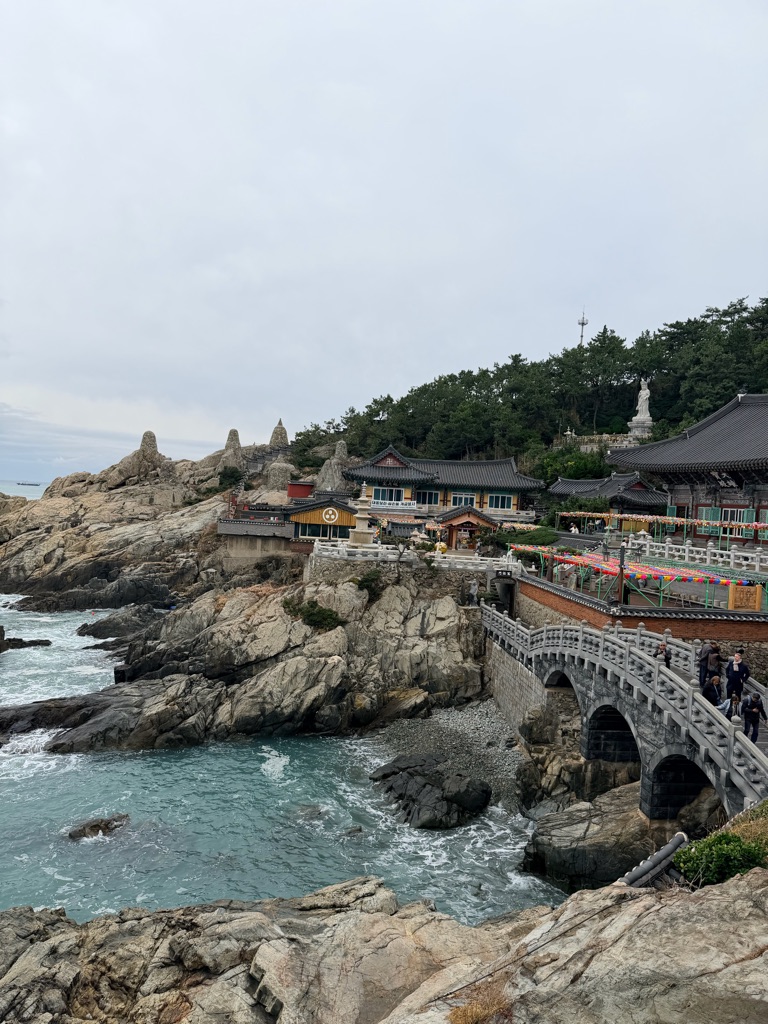
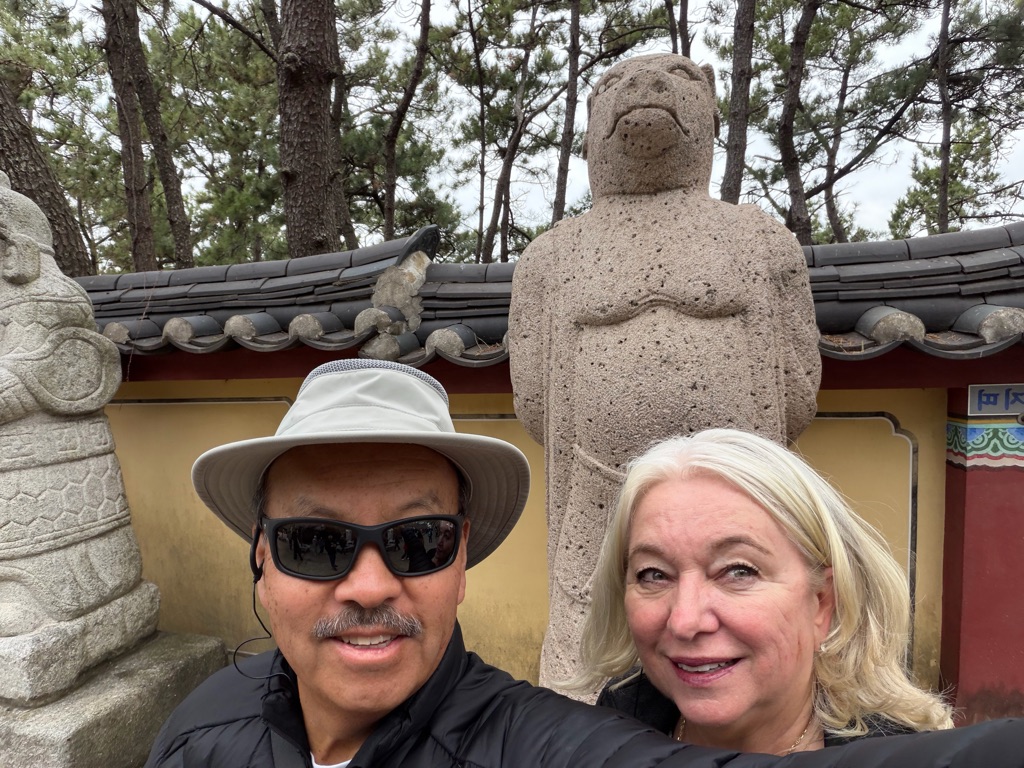
Headong Yonggung The temple claims it was first built in 1376, although this claim has been disputed.[2] The temple complex is a large one and one of few in Korea to be set on the seaside.[3] As such, combined with its proximity to Haeundae Beachand the east side of Busan, the temple is popular with sightseers, particularly during Buddha's Birthday celebrations when the complex is decorated with paper lanterns. It honors Haesu Gwaneum Daebul (海水觀音大佛), the Sea Goddess Buddha of Mercy, who is an aspect of Gwaneum (Guanyin).[4]
OR
Copy the link to @TyB Journo below
Mar 08 2026
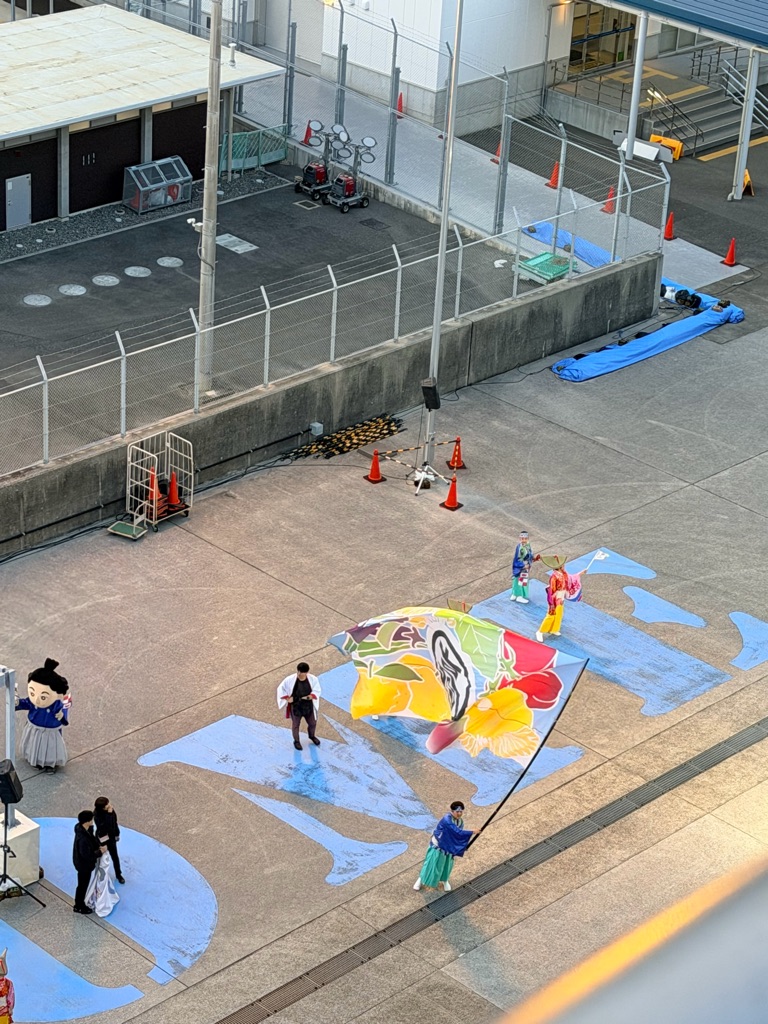
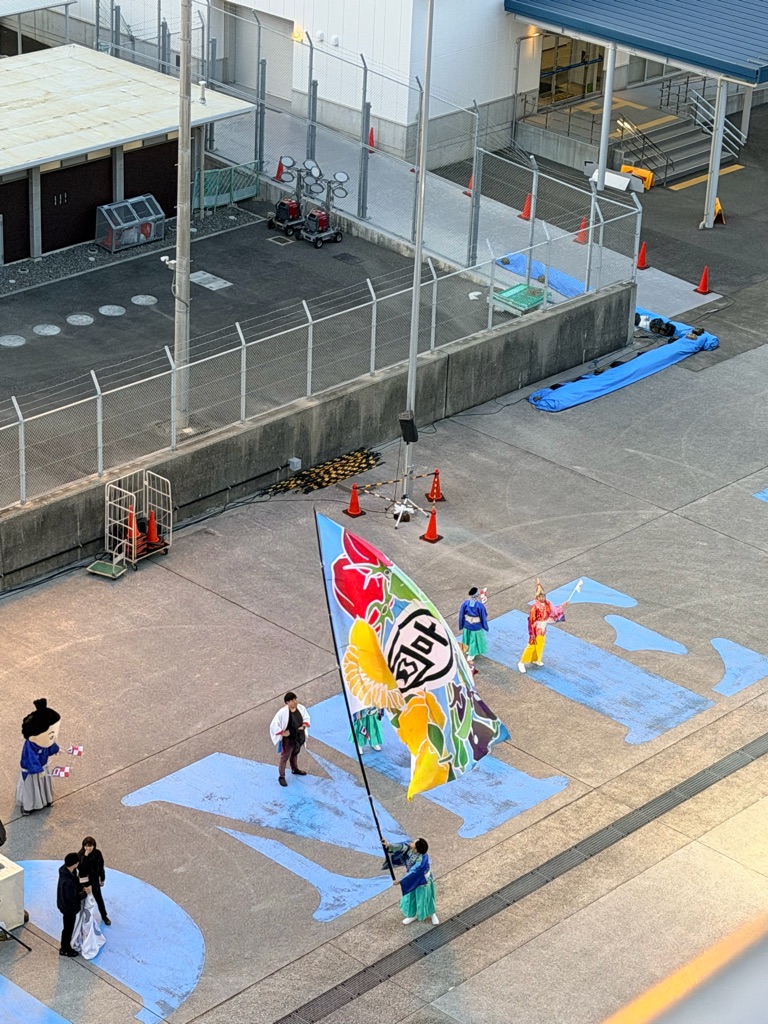
At every port we go to in Japan, there will be waving goodbye to us. Very sweet.
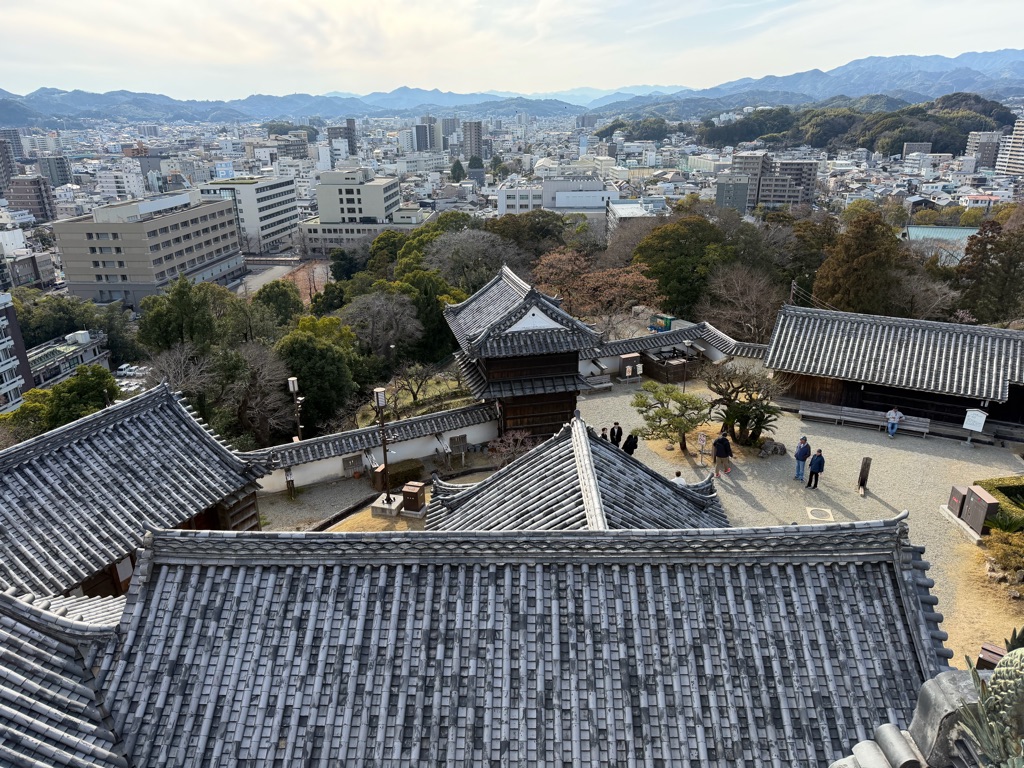
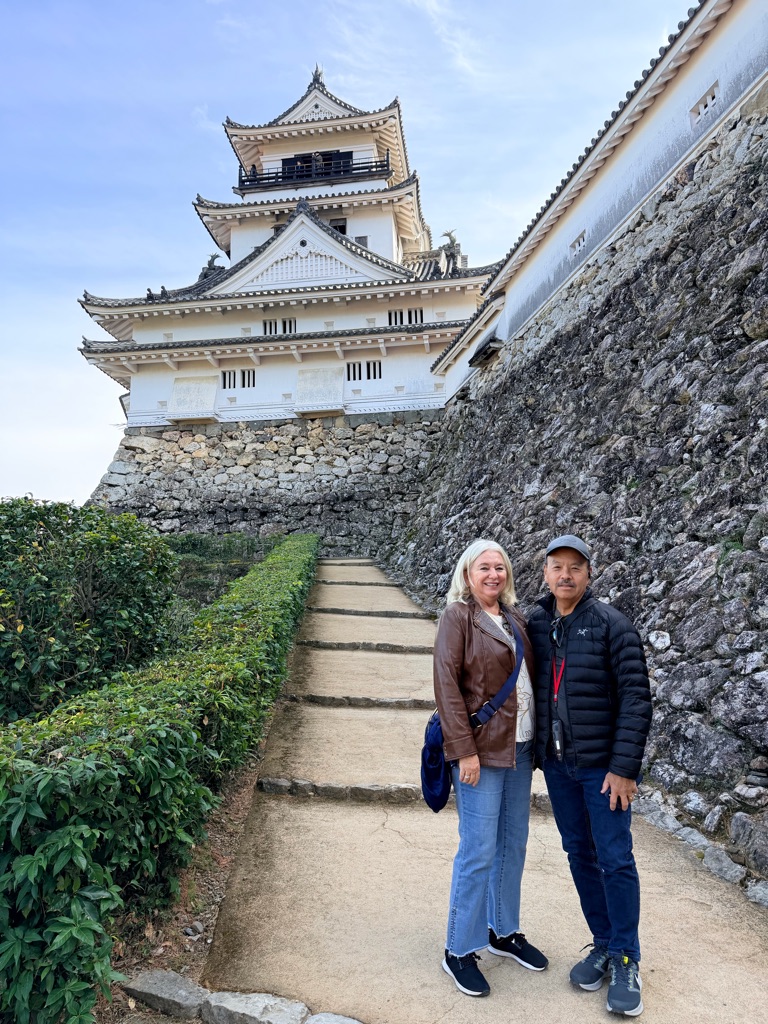
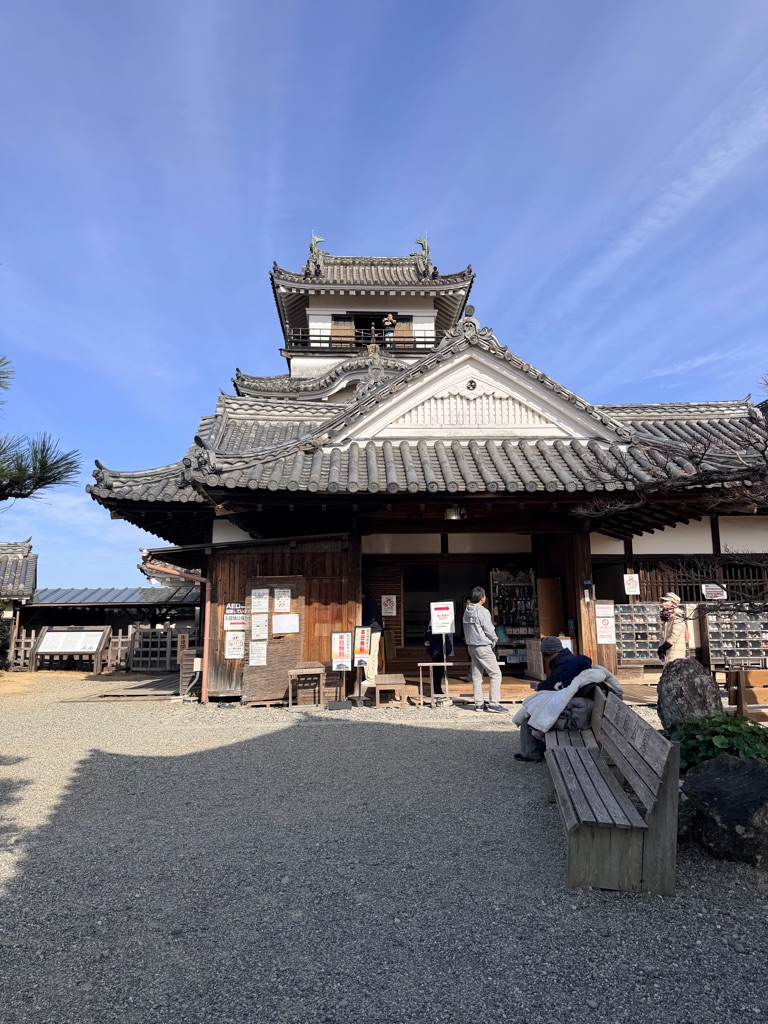
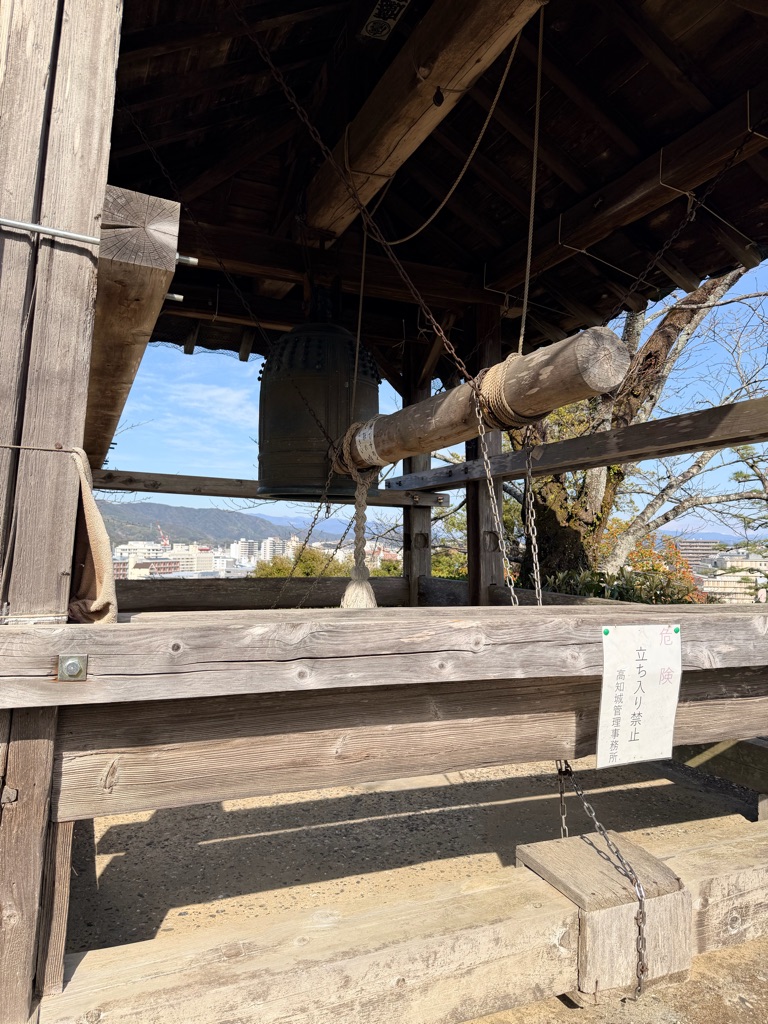
Kōchi Castle (高知城, Kōchi-jō) is an Edo Period Japanese castle in the city of Kōchi, Kōchi Prefecture, Japan. It is located at Otakayama hill, at the center of Kōchi city, which in turn is located at the center of the Kōchi Plain, the most prosperous area of former Tosa Province on the island of Shikoku. From 1601 to 1871, it was the center of Tosa Domain, ruled by the tozama Yamauchi clan under the Tokugawa Shogunate. The castle site has been protected as a National Historic Site since 1959, with the area under protection expanded in 2014.[1]
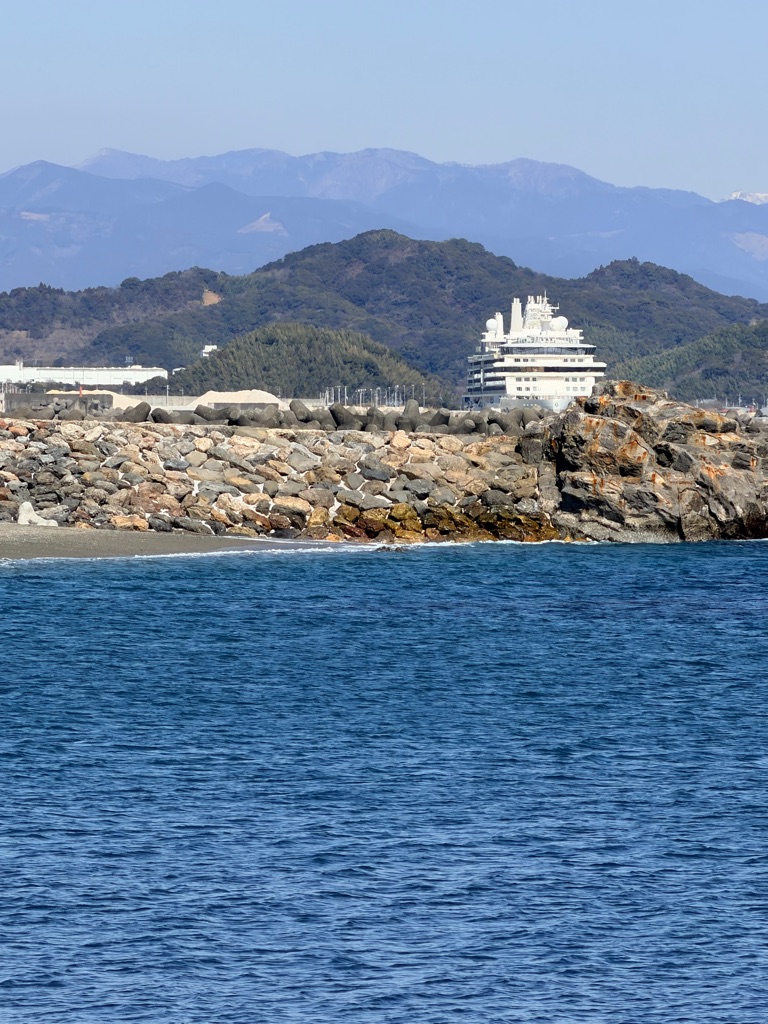
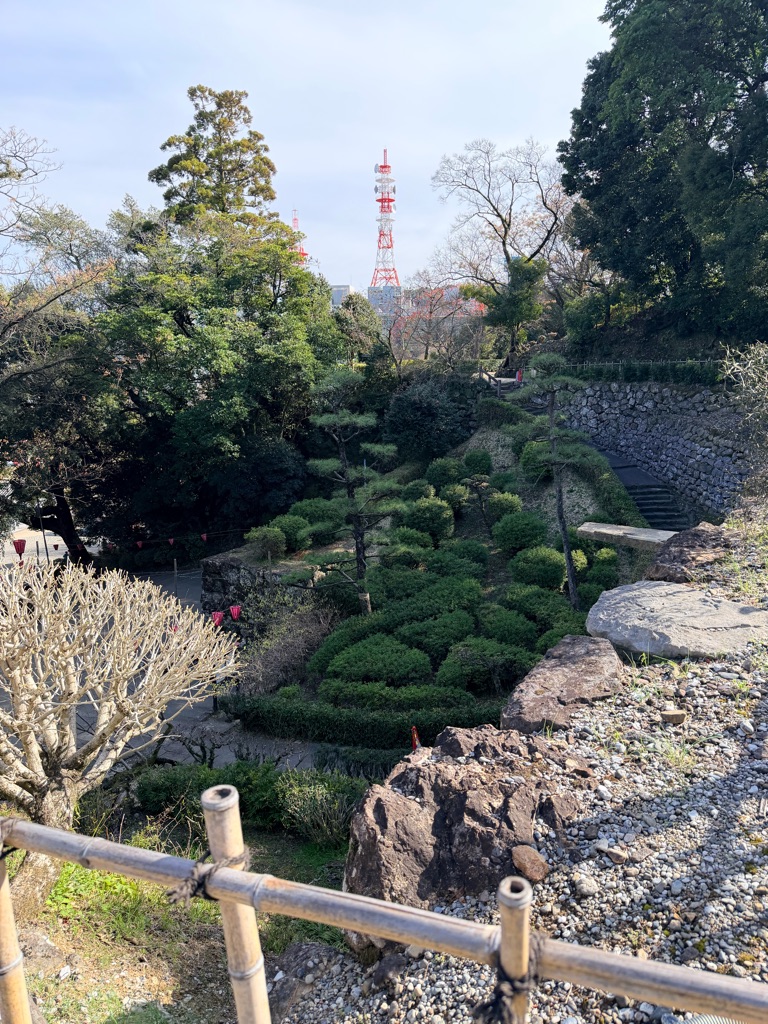
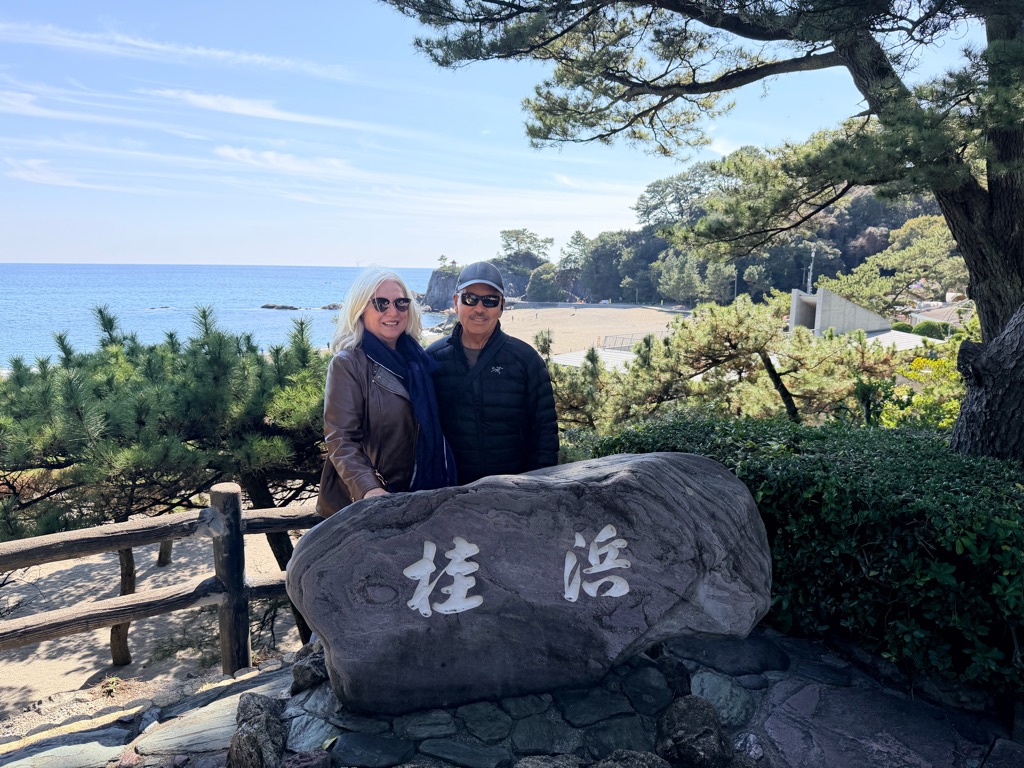
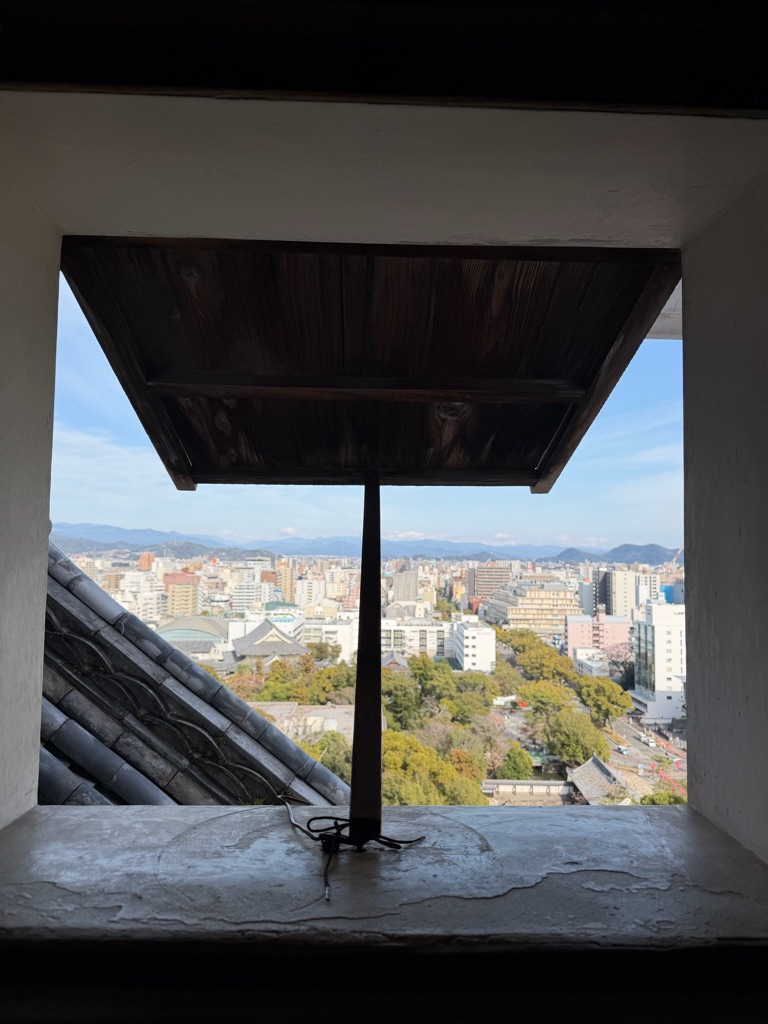
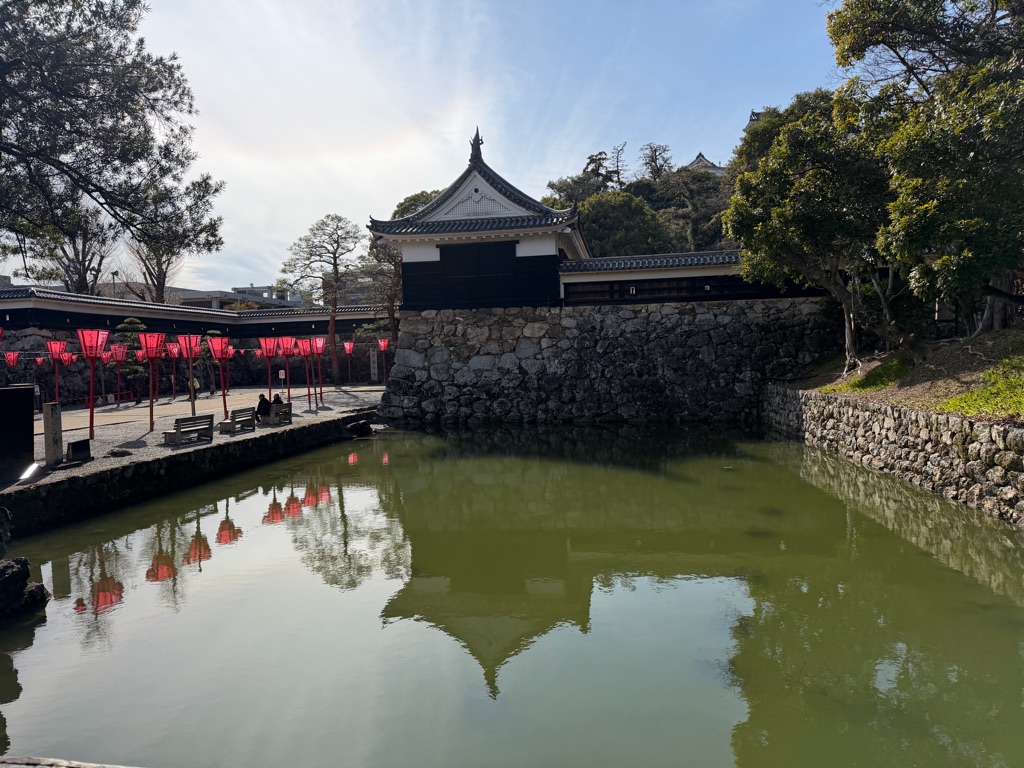
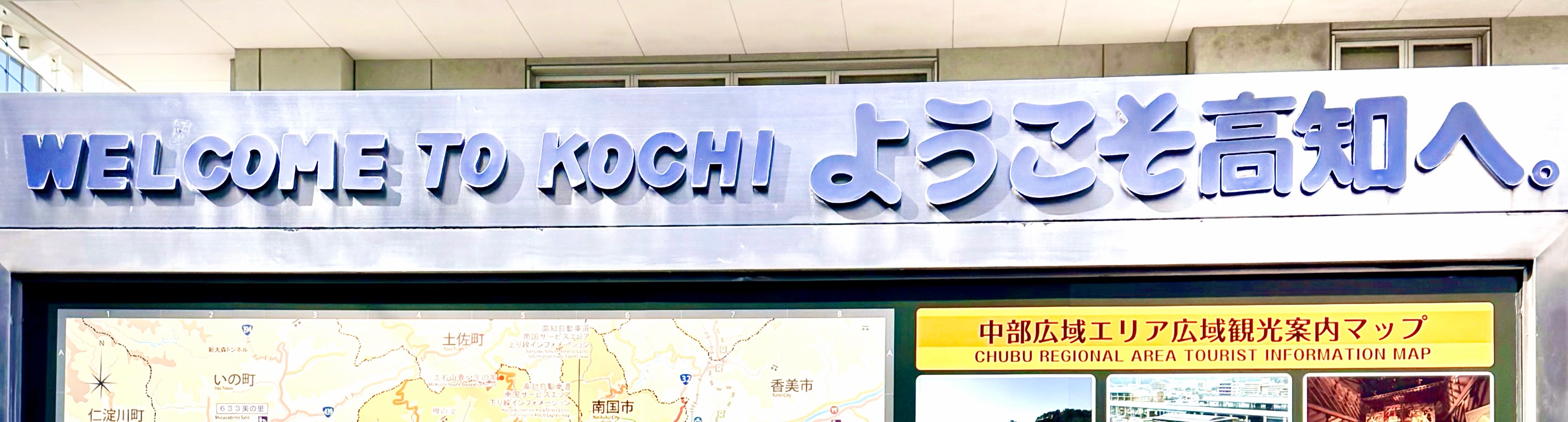
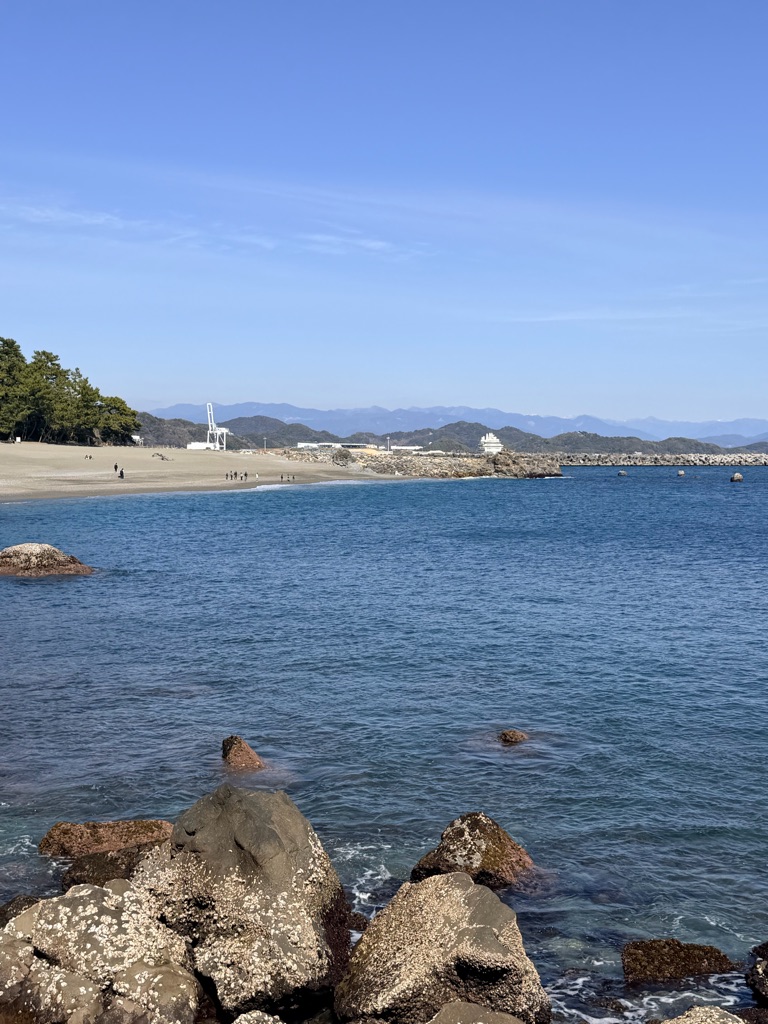
Kōchi (高知市, Kōchi-shi; Japanese pronunciation: [koꜜː.tɕi, koː.tɕi̥ꜜ.ɕi], locally [koː.tɕi][2]) is the capital cityof Kōchi Prefecture located on the island of Shikoku in Japan. With over 40% of the prefectural population, Kōchi is the main commercial and industrial centre and the "primate city" of the prefecture. As of 1 April 2023, the city had an estimated population of 311,224 in 163,479 households, and a population density of 1,000 persons per km2.[3] The total area of the city is 309.00 square kilometres (119.31 sq mi).
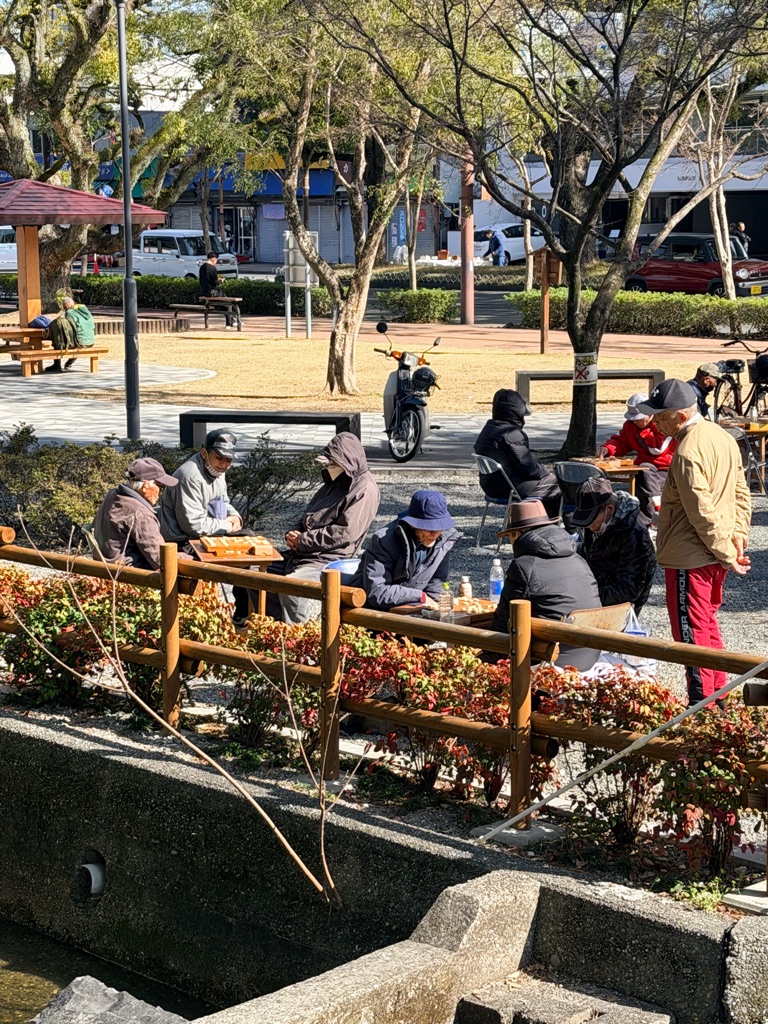
Men playing a game similar to chess.
OR
Copy the link to @TyB Journo below
Mar 09 2026
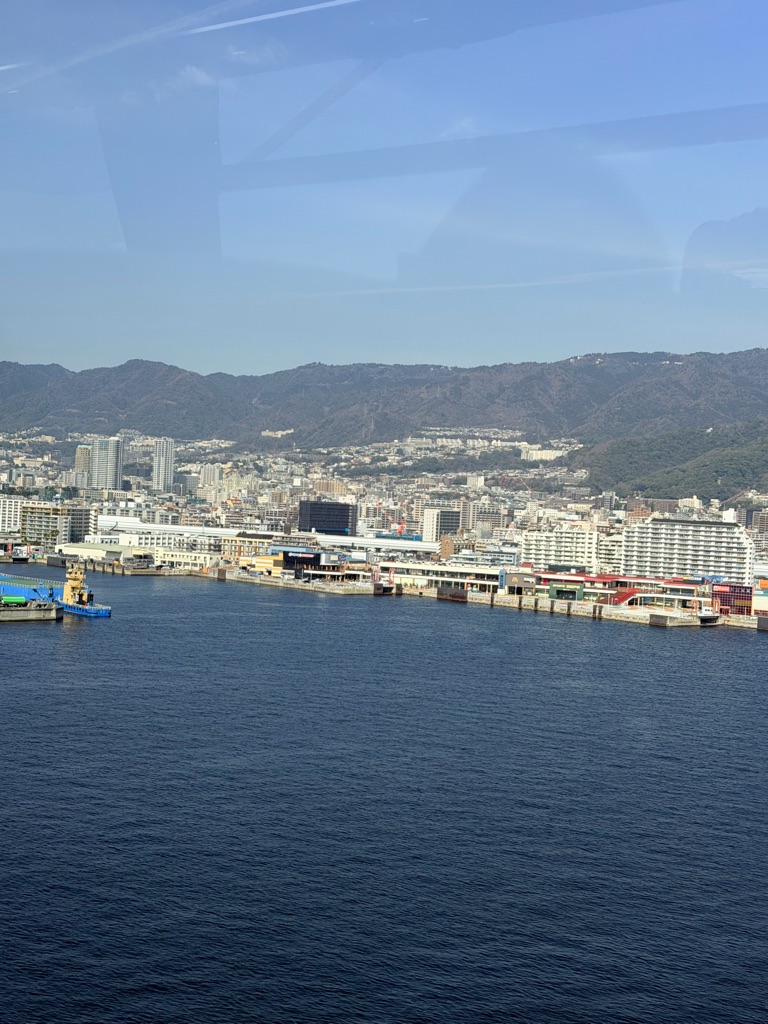
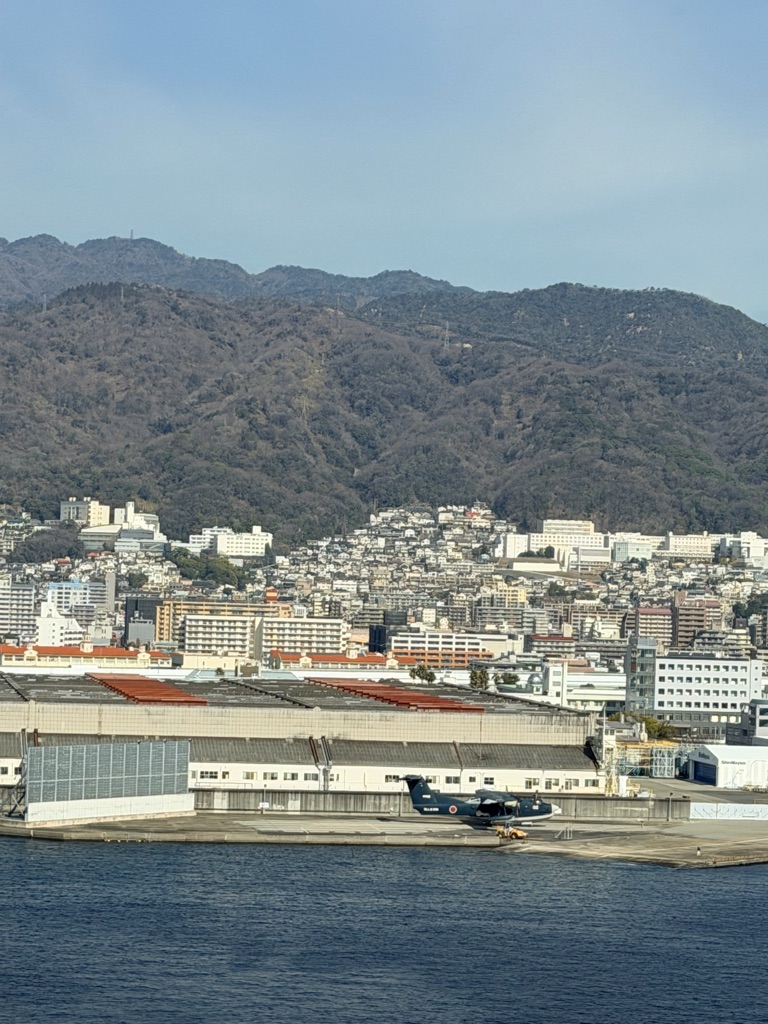
Osaka, Japan’s third-largest city, is a vibrant, modern metropolis renowned as the nation’s kitchen, famous for street food, friendly locals, and energetic nightlife, particularly in the Dōtonbori district. It is a major commercial hub offering iconic landmarks like Osaka Castle,
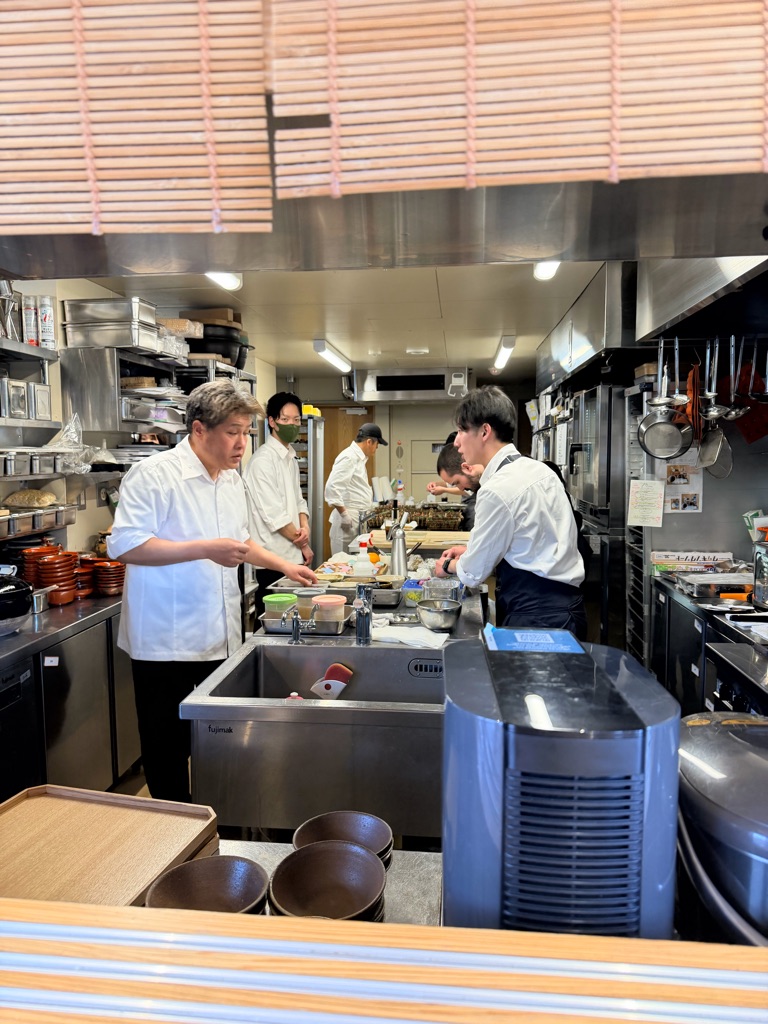
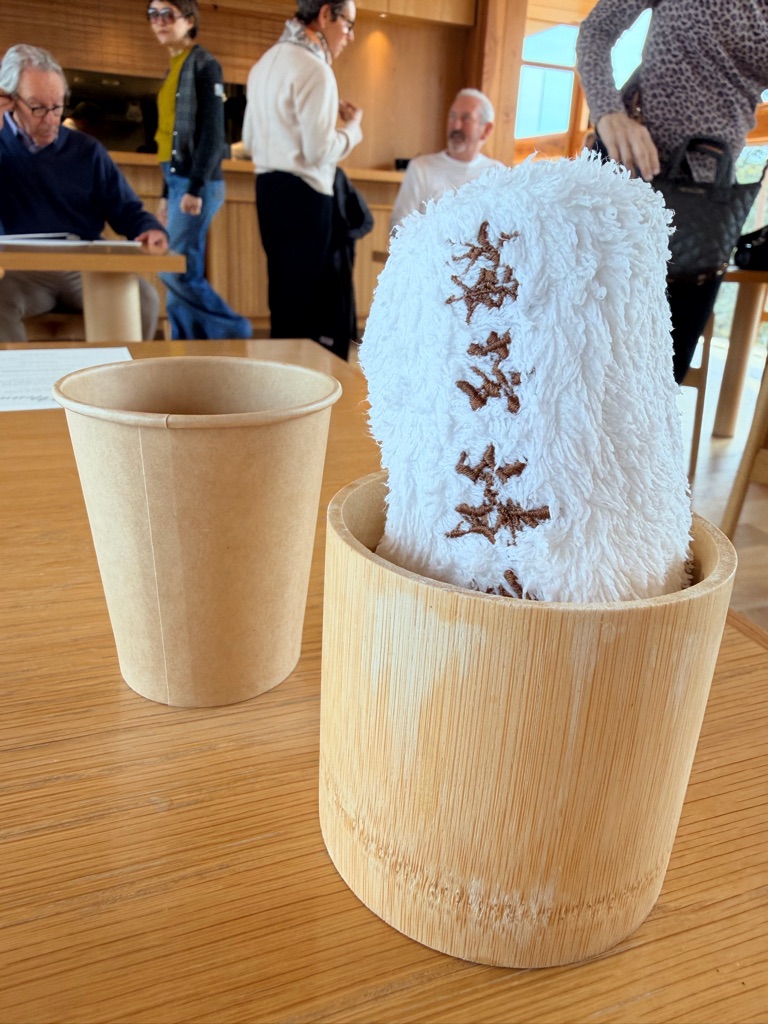
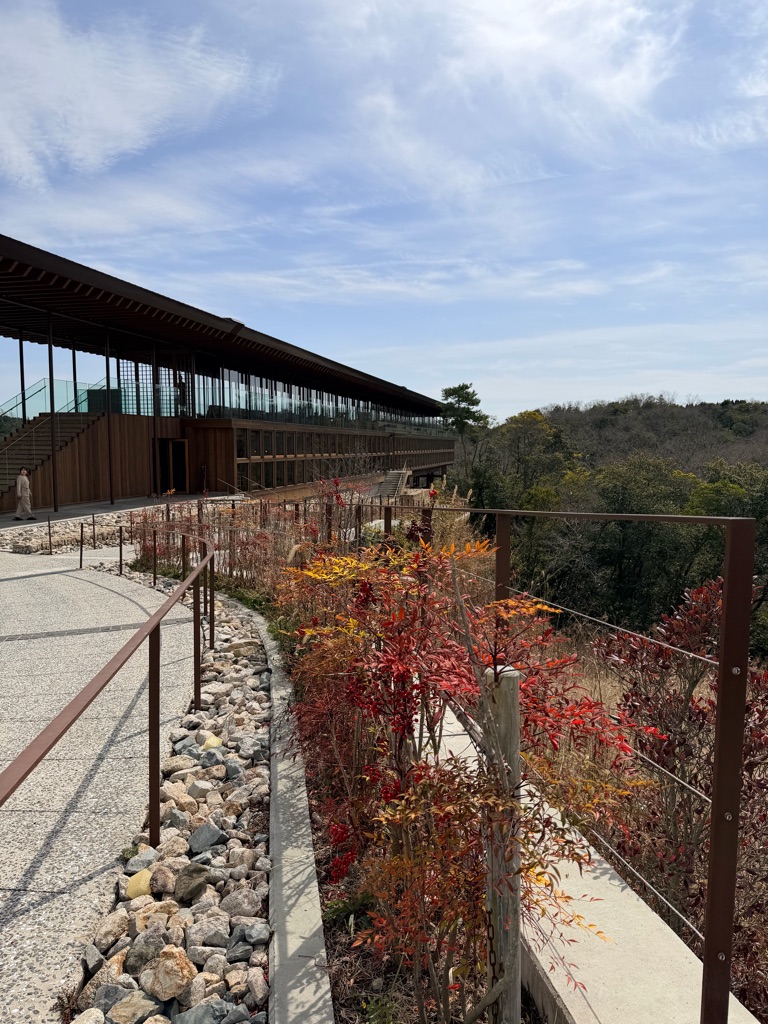
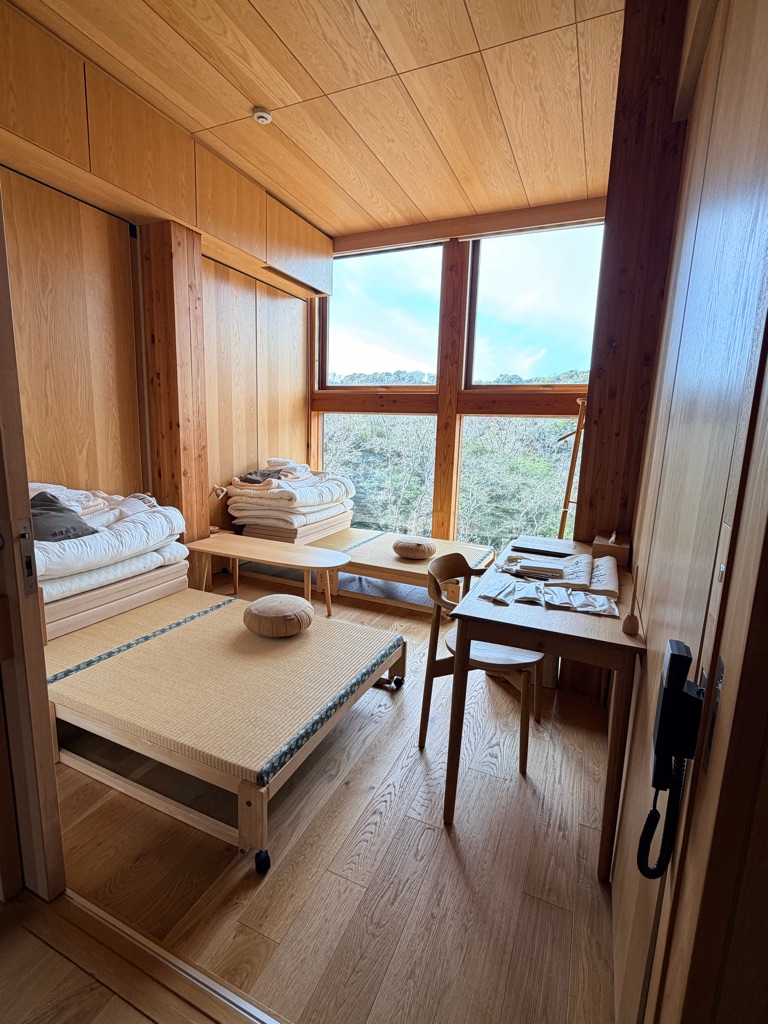
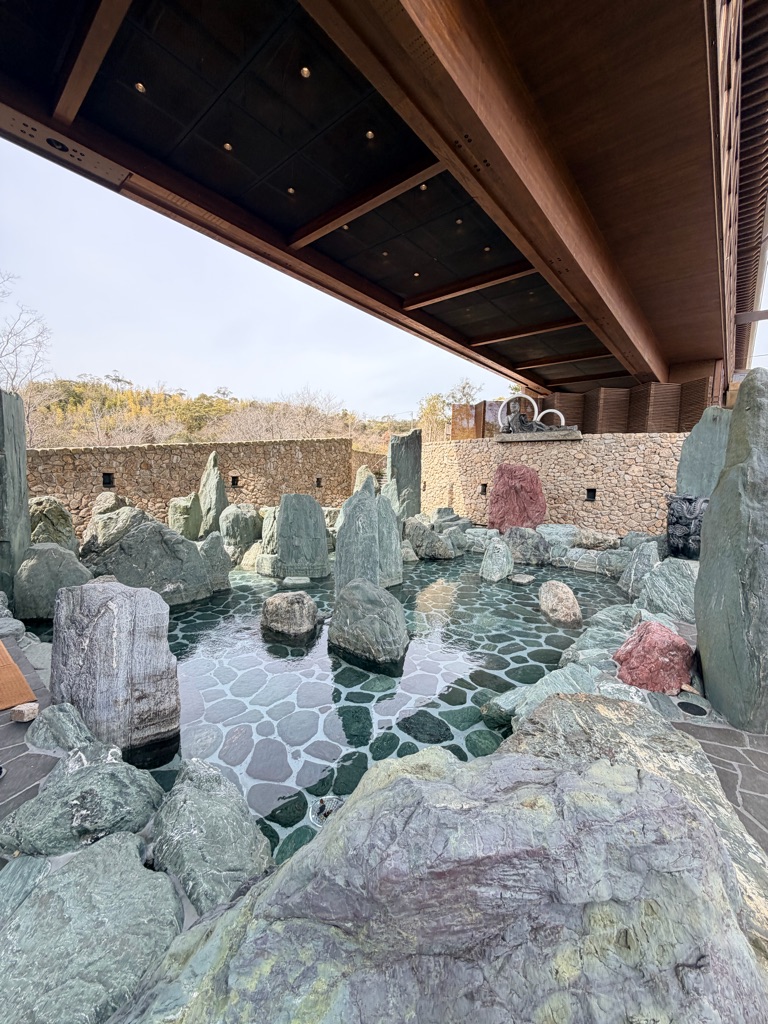
The heated ‘foot bath’
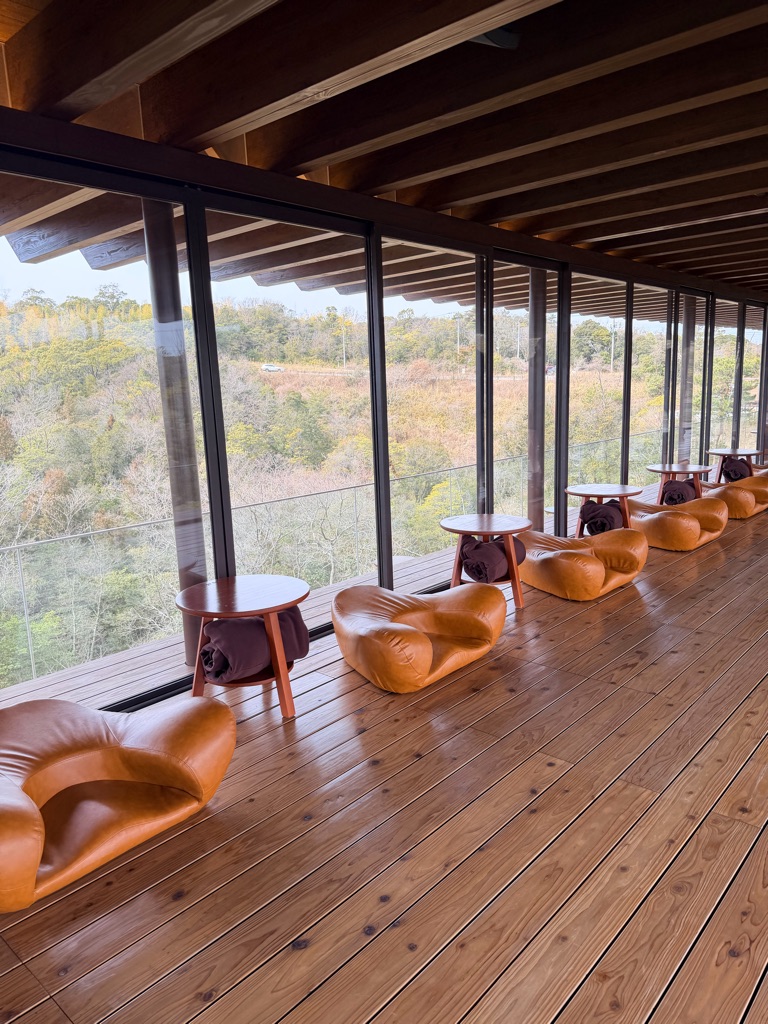
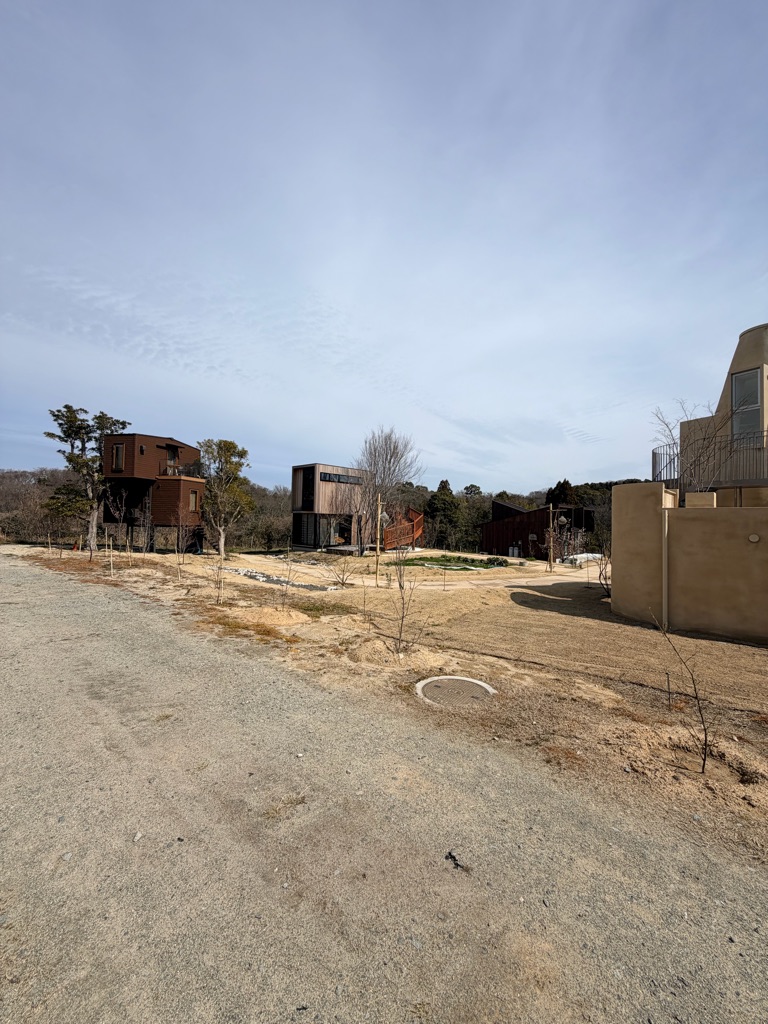
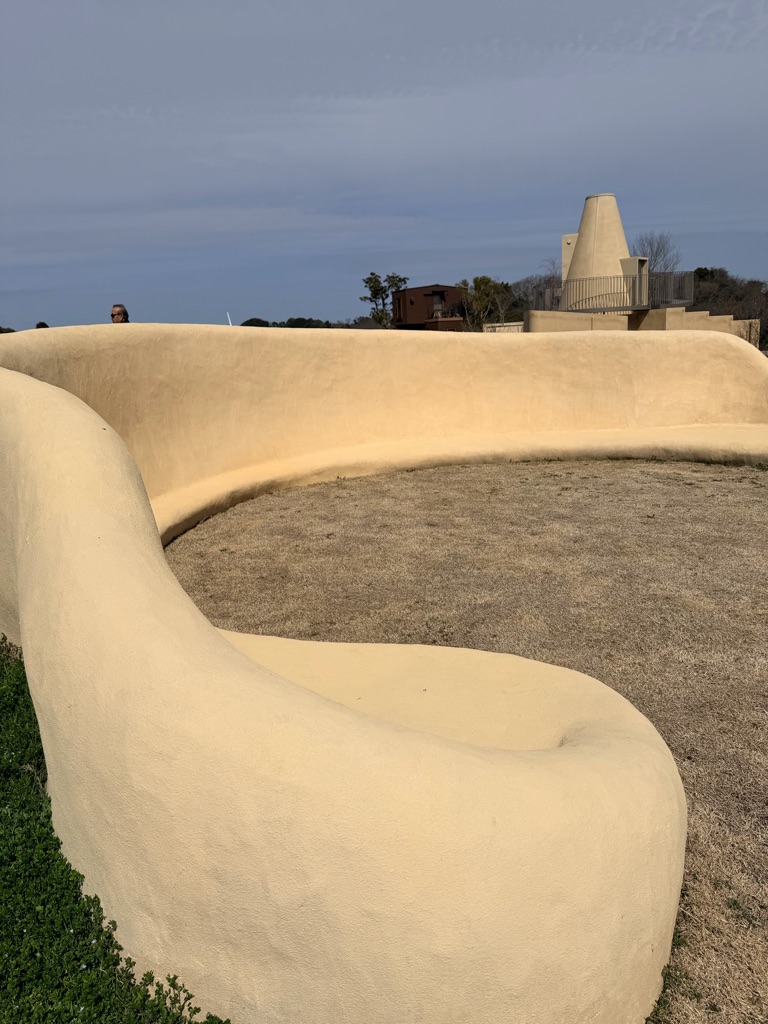
The organic farmer has had many architects design the ‘cabins’ \240for people to stay.
OR
Copy the link to @TyB Journo below
Mar 09 2026
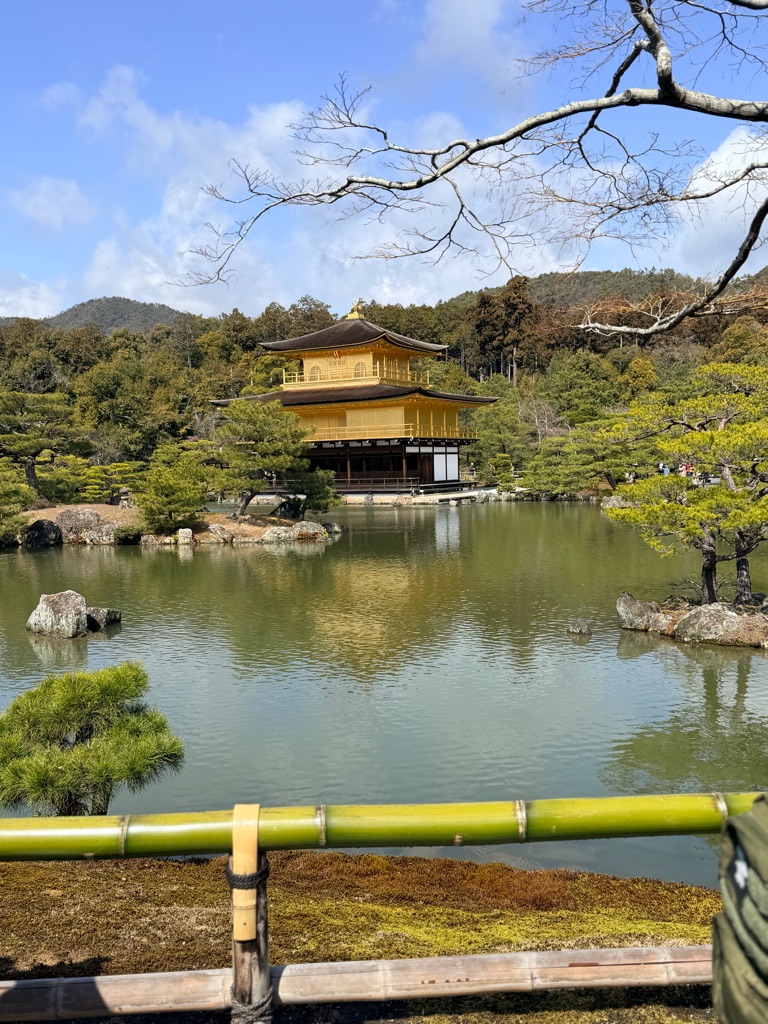
Kyoto, once the imperial capital of Japan for over 1,000 years, is the nation's cultural and historical heart, renowned for its thousands of classical Buddhist temples, Shinto shrines, traditional wooden houses, and, geisha culture. Situated in the Kansai region, this city of 1.46 million serves as a living museum of traditional Japan, featuring iconic sites like Fushimi Inari-taisha, Kinkaku-ji (Golden Pavilion), and the historic Gion district.
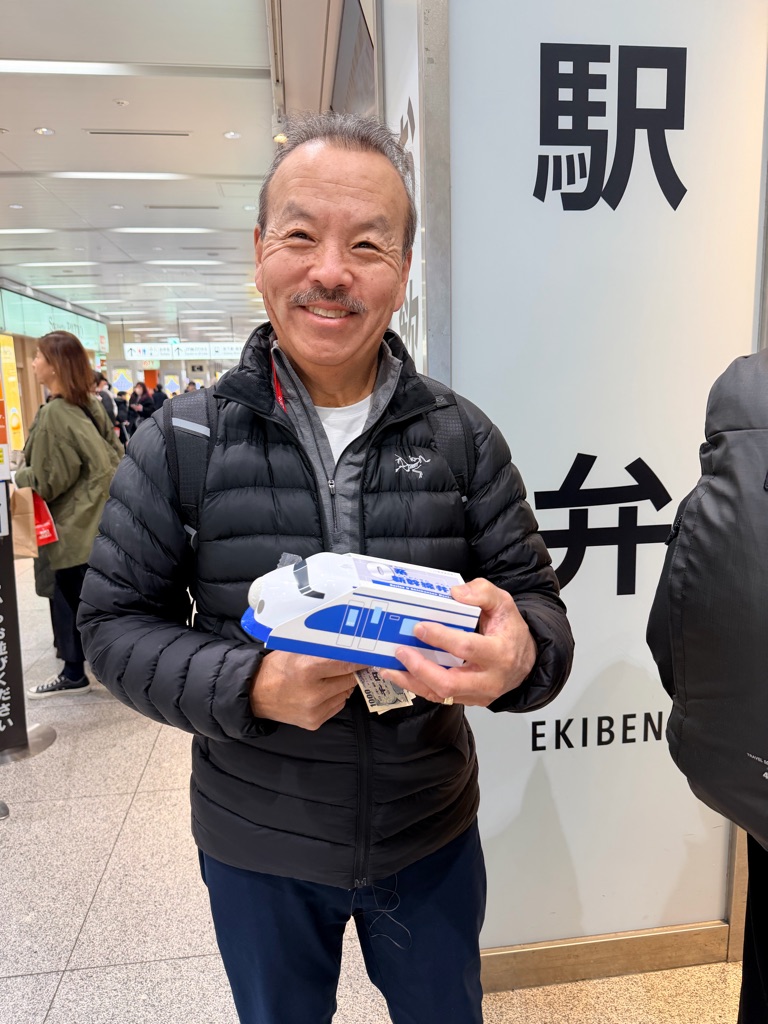
Randy has his ‘souvenir’ Bento Box ready for the 15 min ride to Kyoto.
Train will go up to speeds of 300km/hr
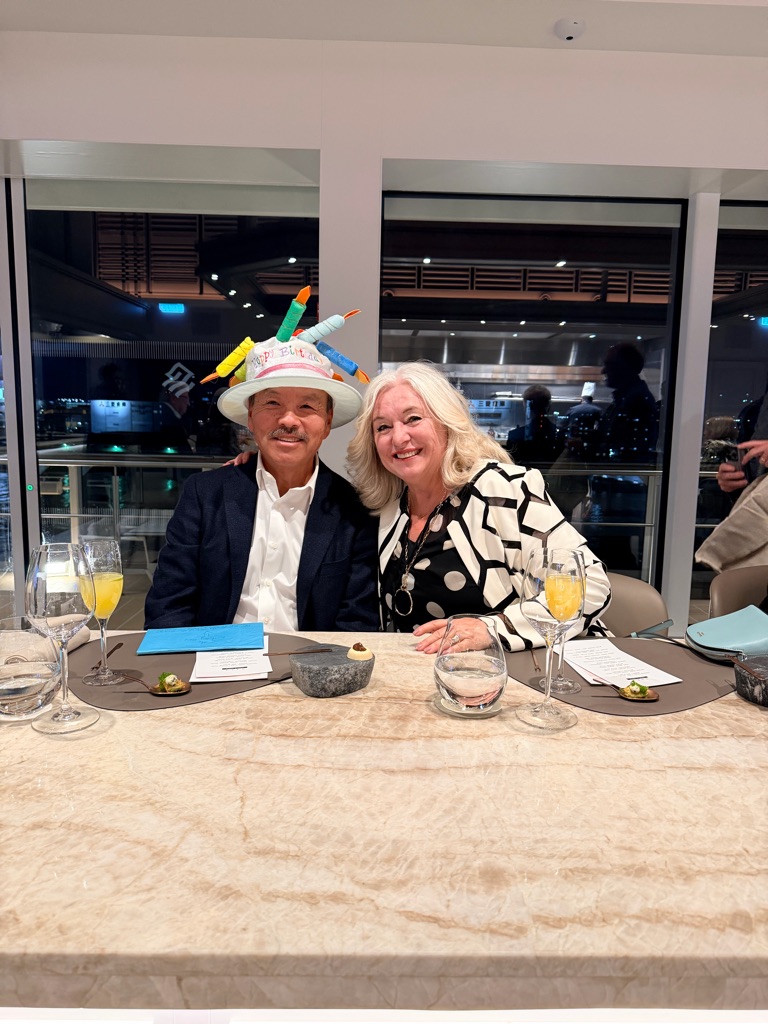
Happy Birtday Randy.
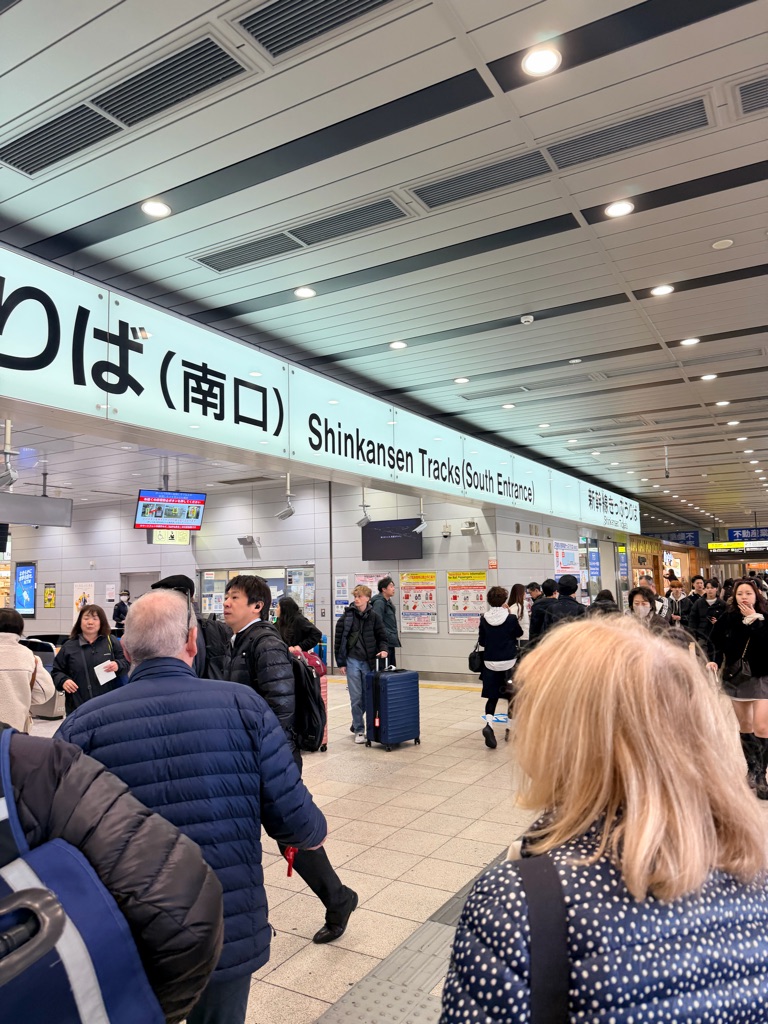
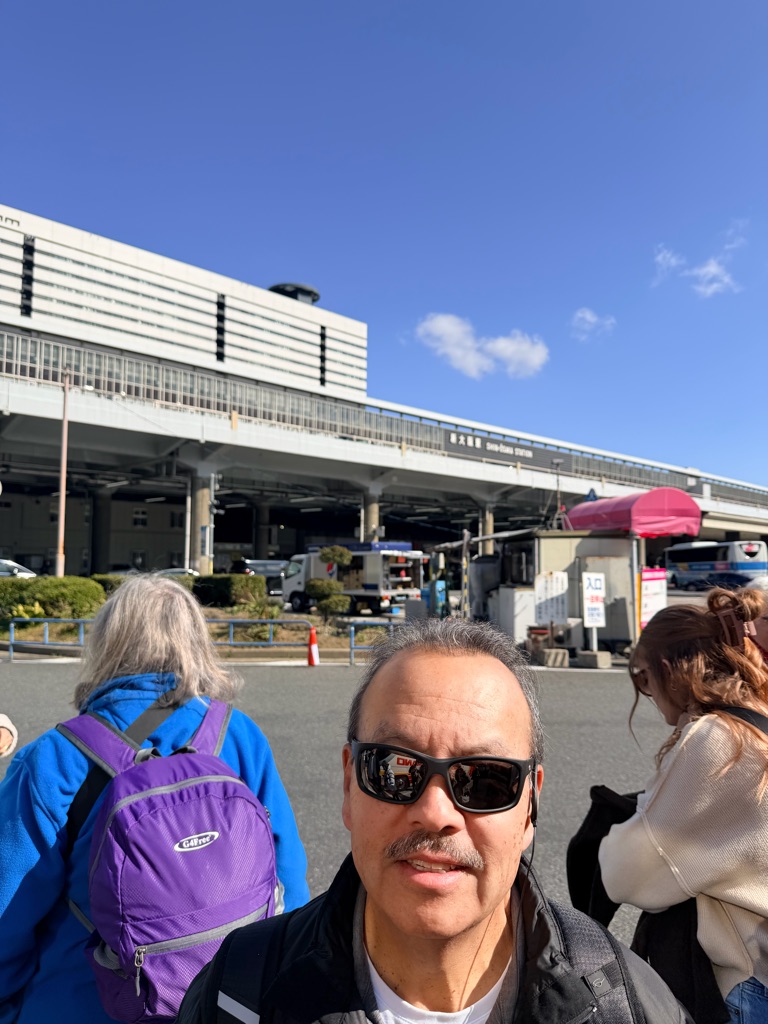
We took the Shinkansen- bullet train to Kyoto from Osaka.
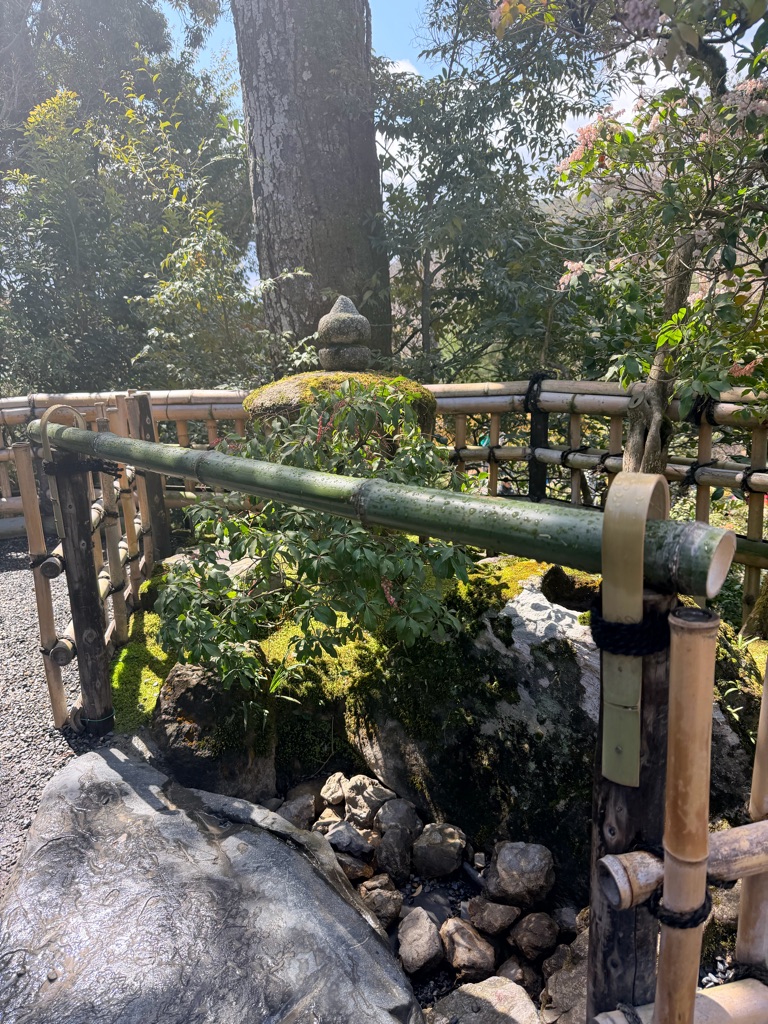
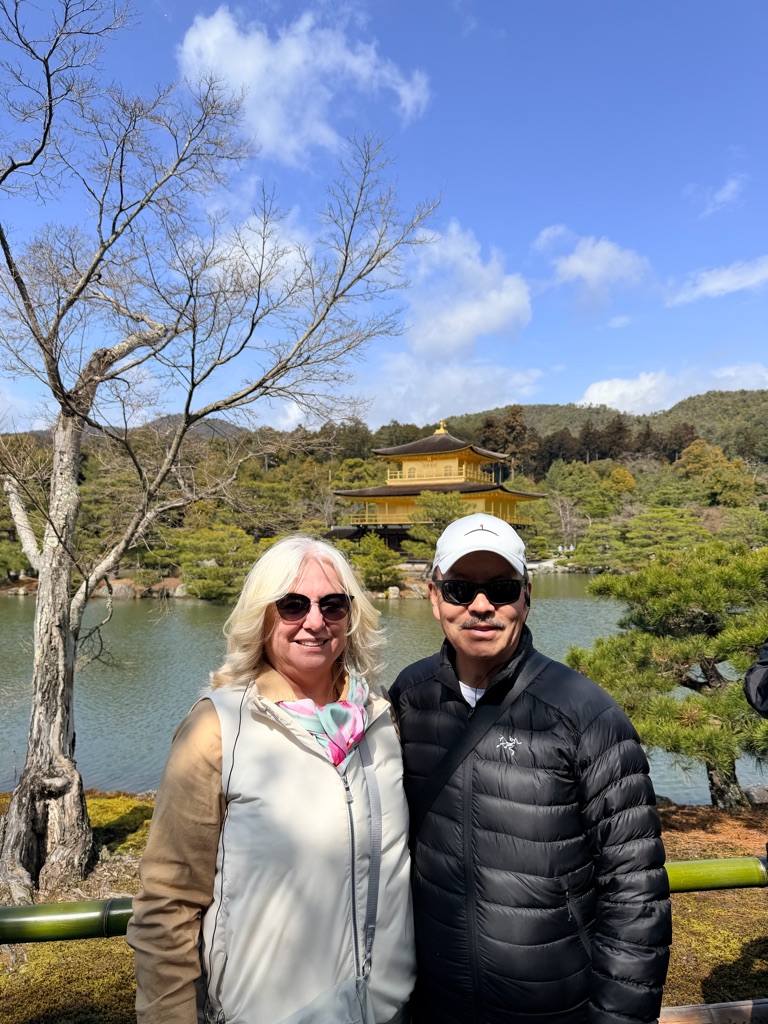
Golden pavilion
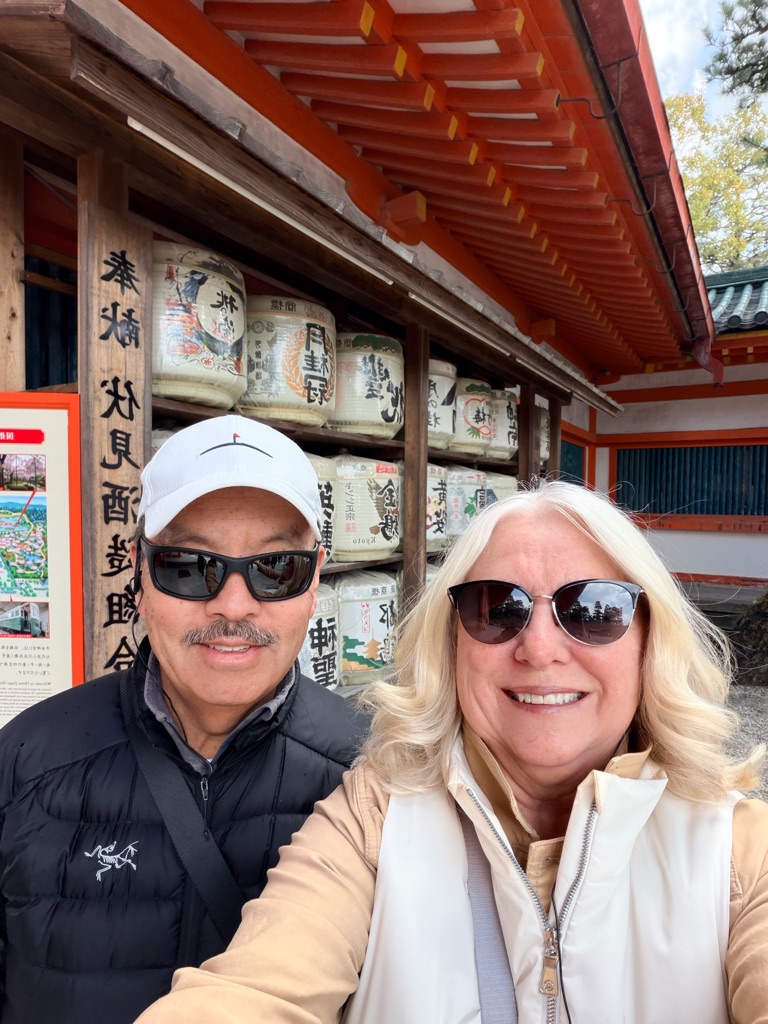
Sake barrels
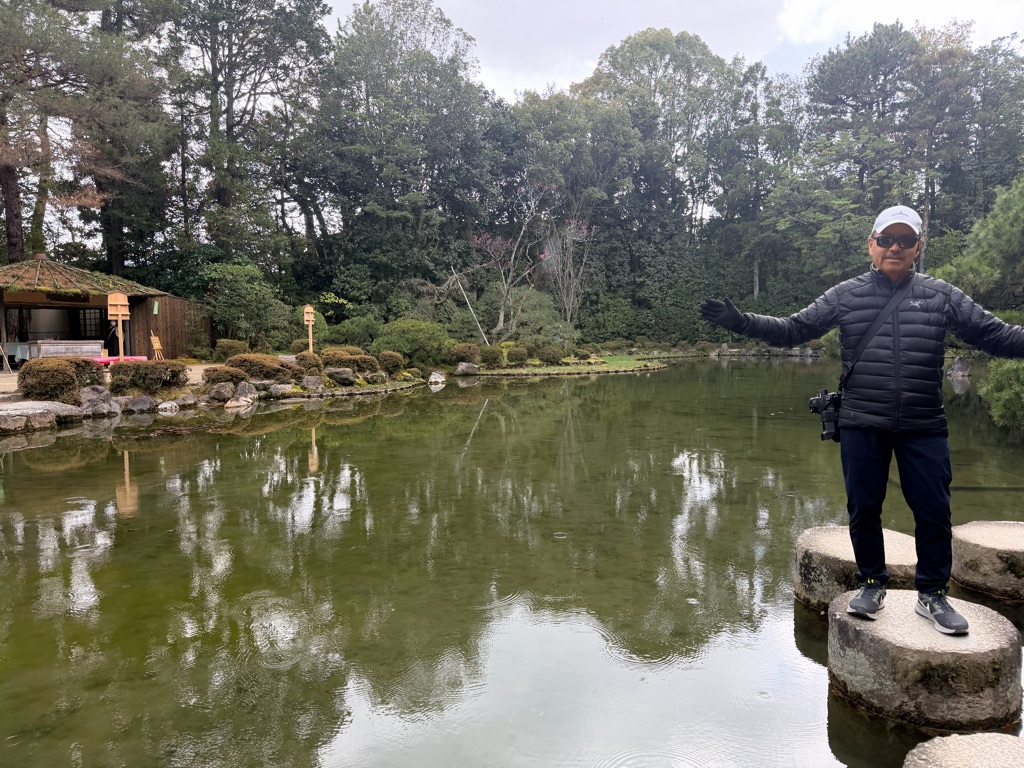
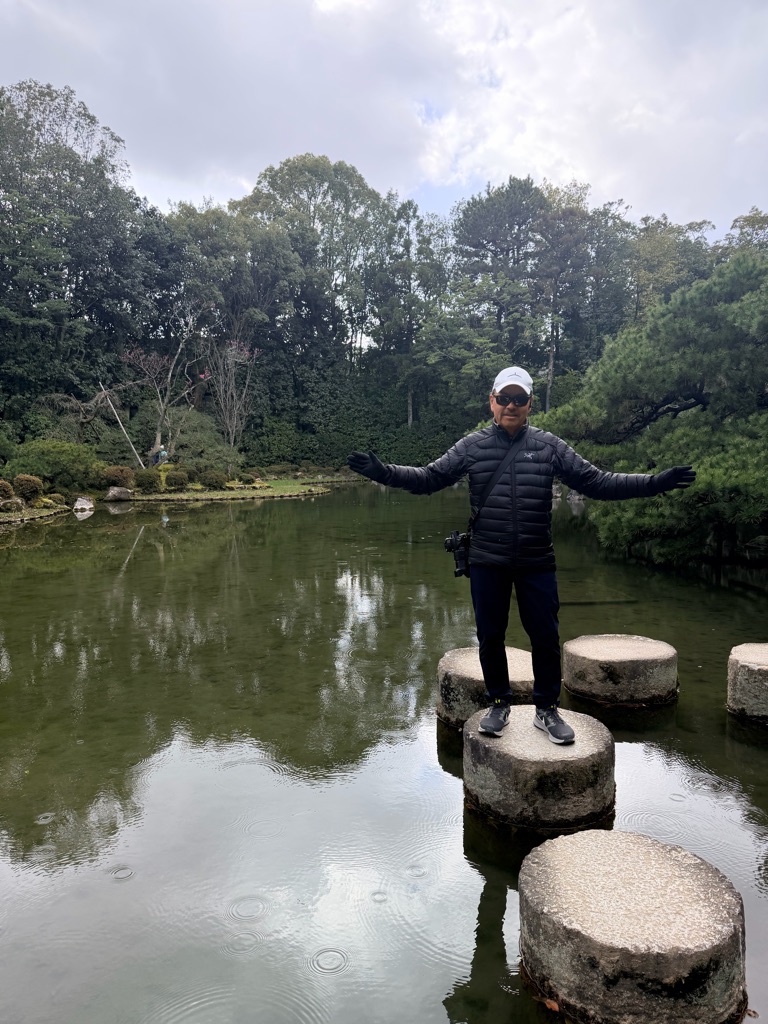
Stepping stones
OR
Copy the link to @TyB Journo below
OR
Copy the link to @TyB Journo below
OR
Copy the link to @TyB Journo below