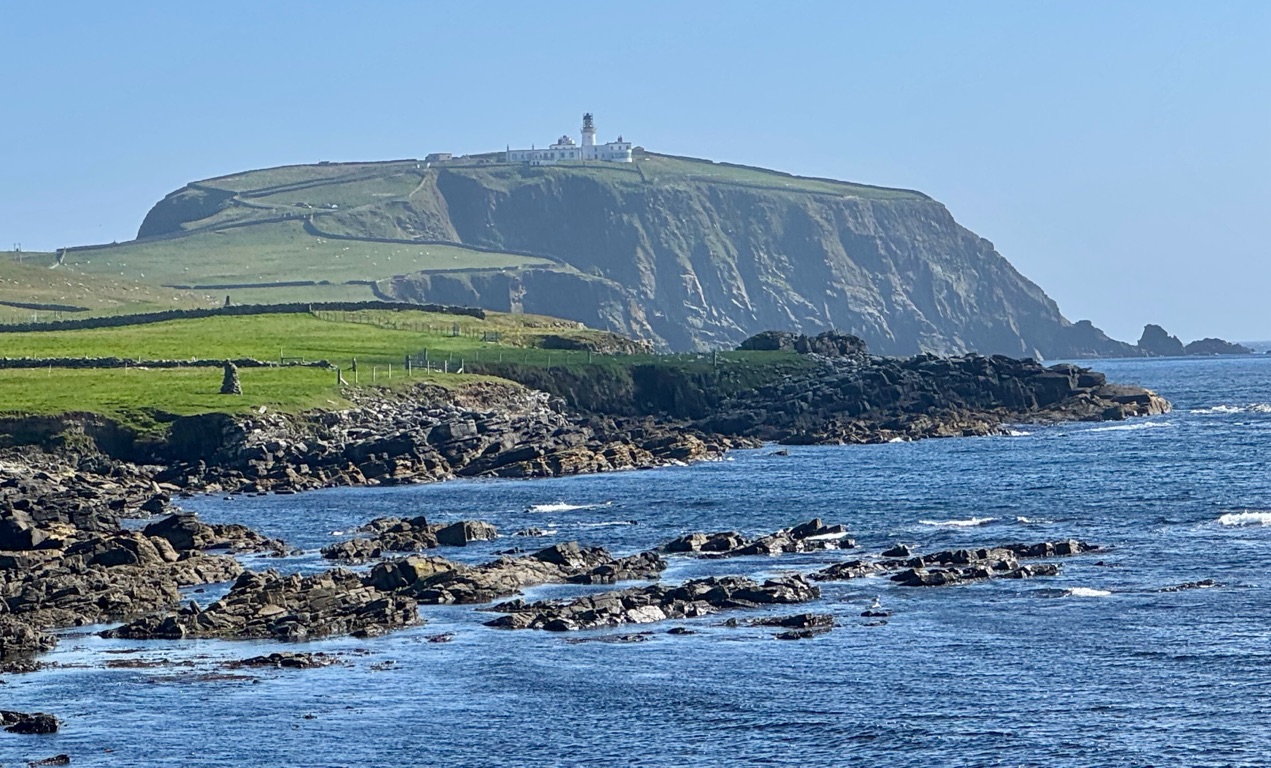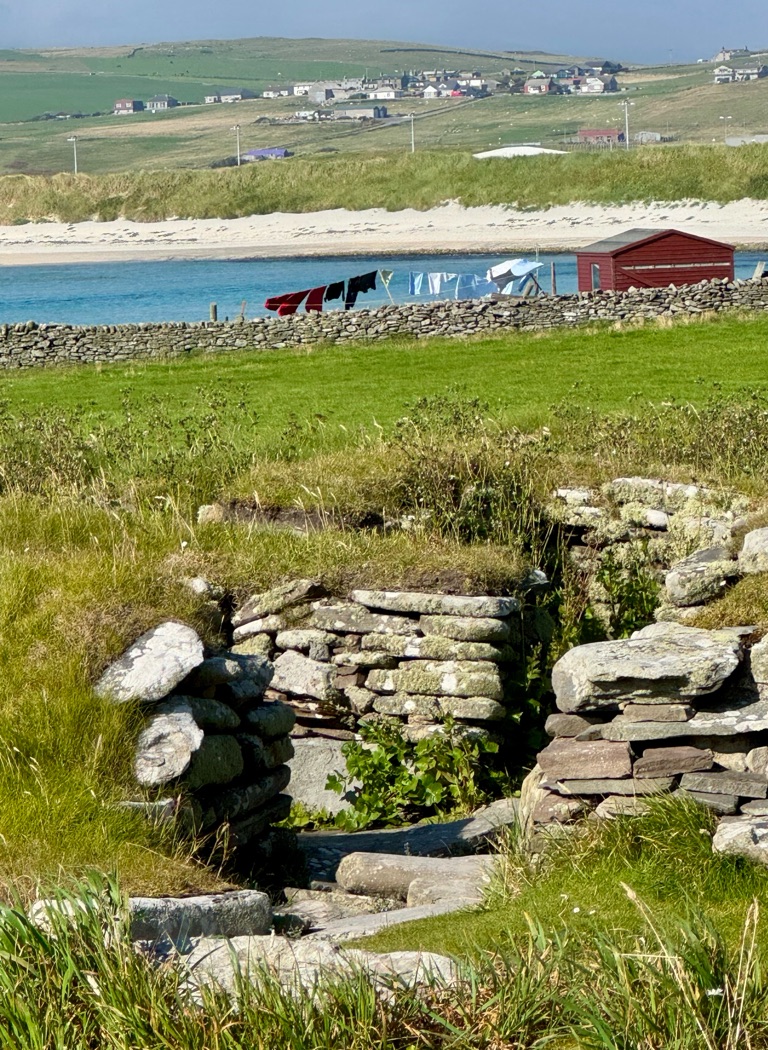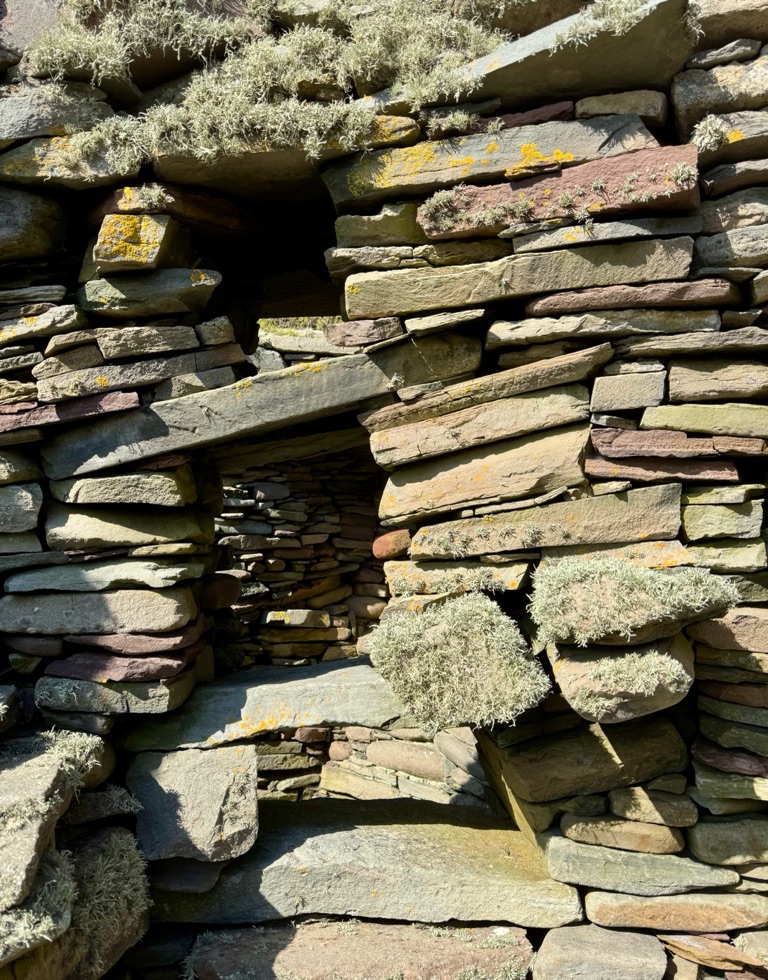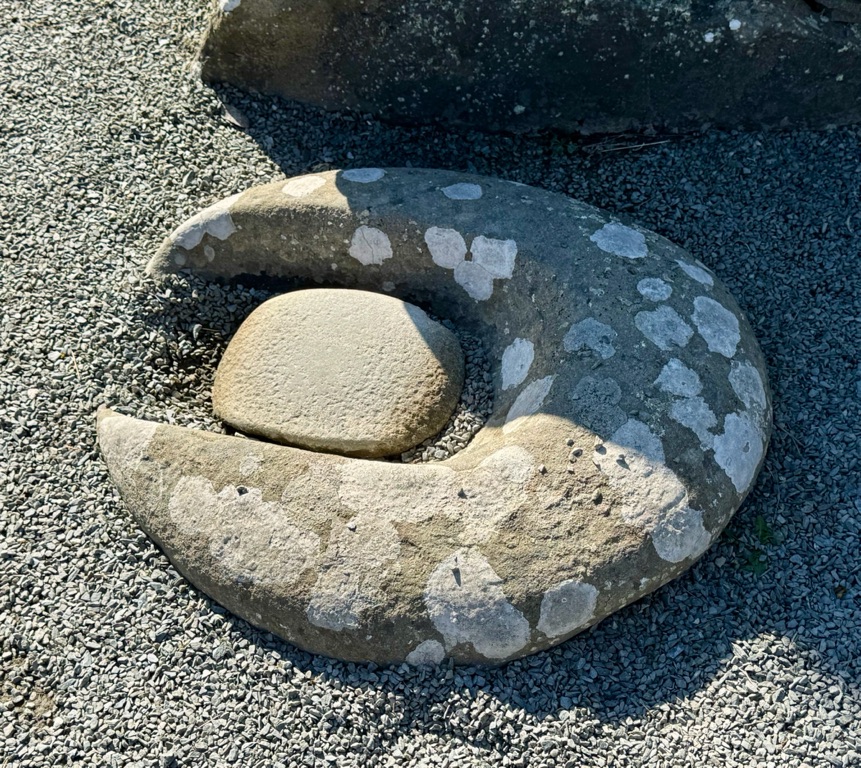
1
The Inverness Castle Experience

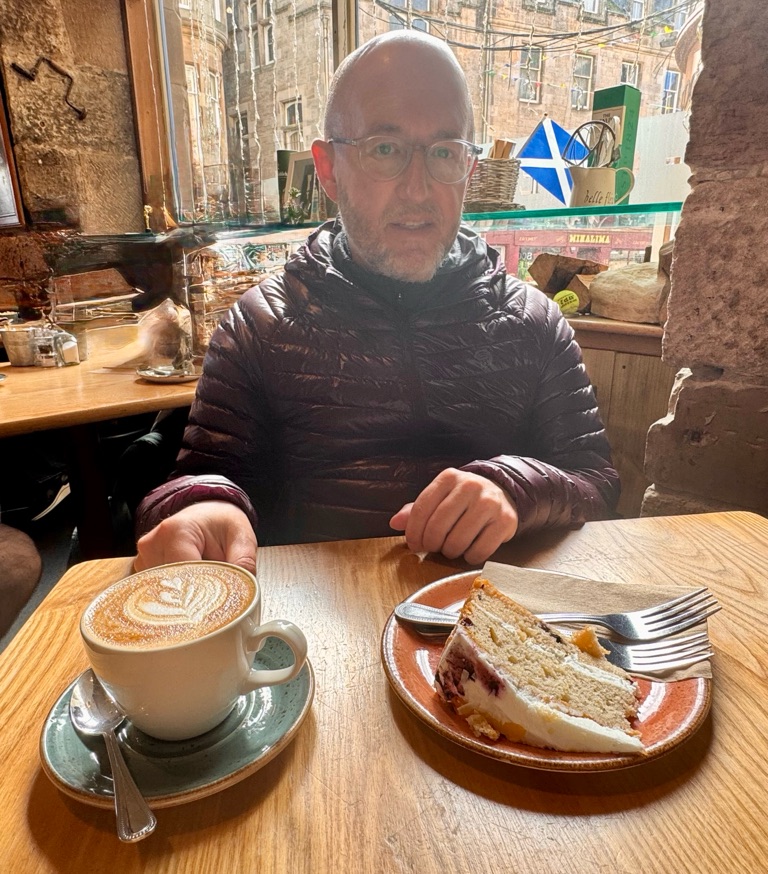
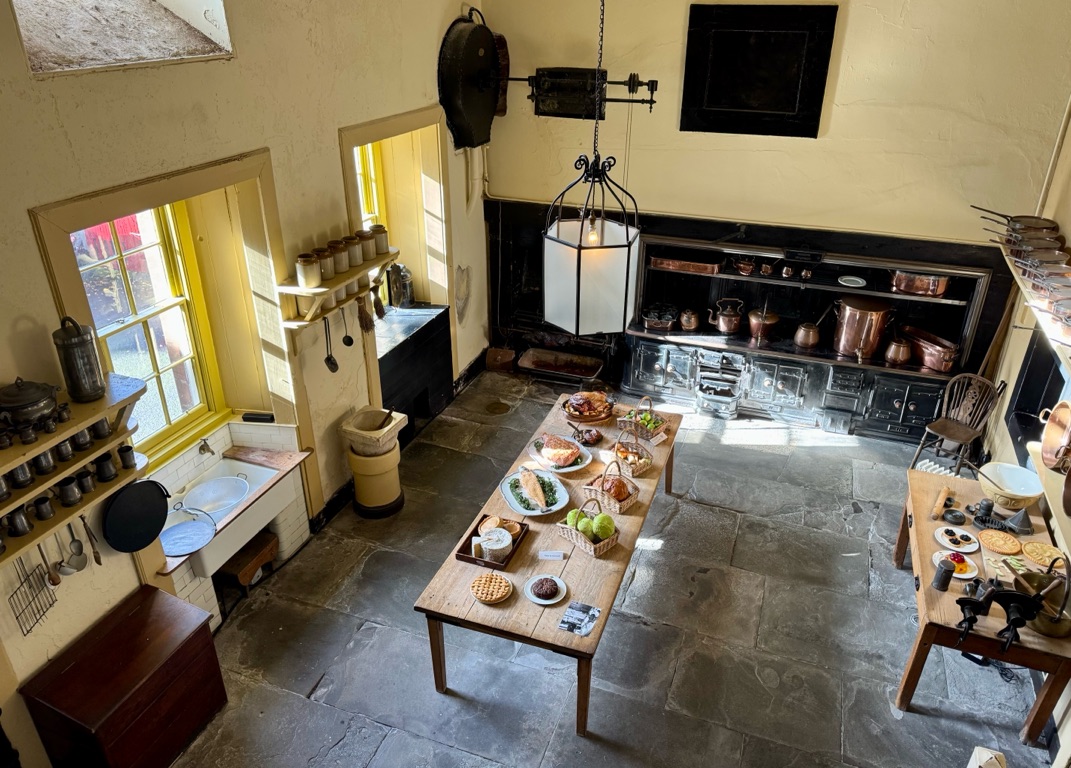
We’ve arrived in the UK! After a quick stop in London we took the train to Inverness in Scotland.

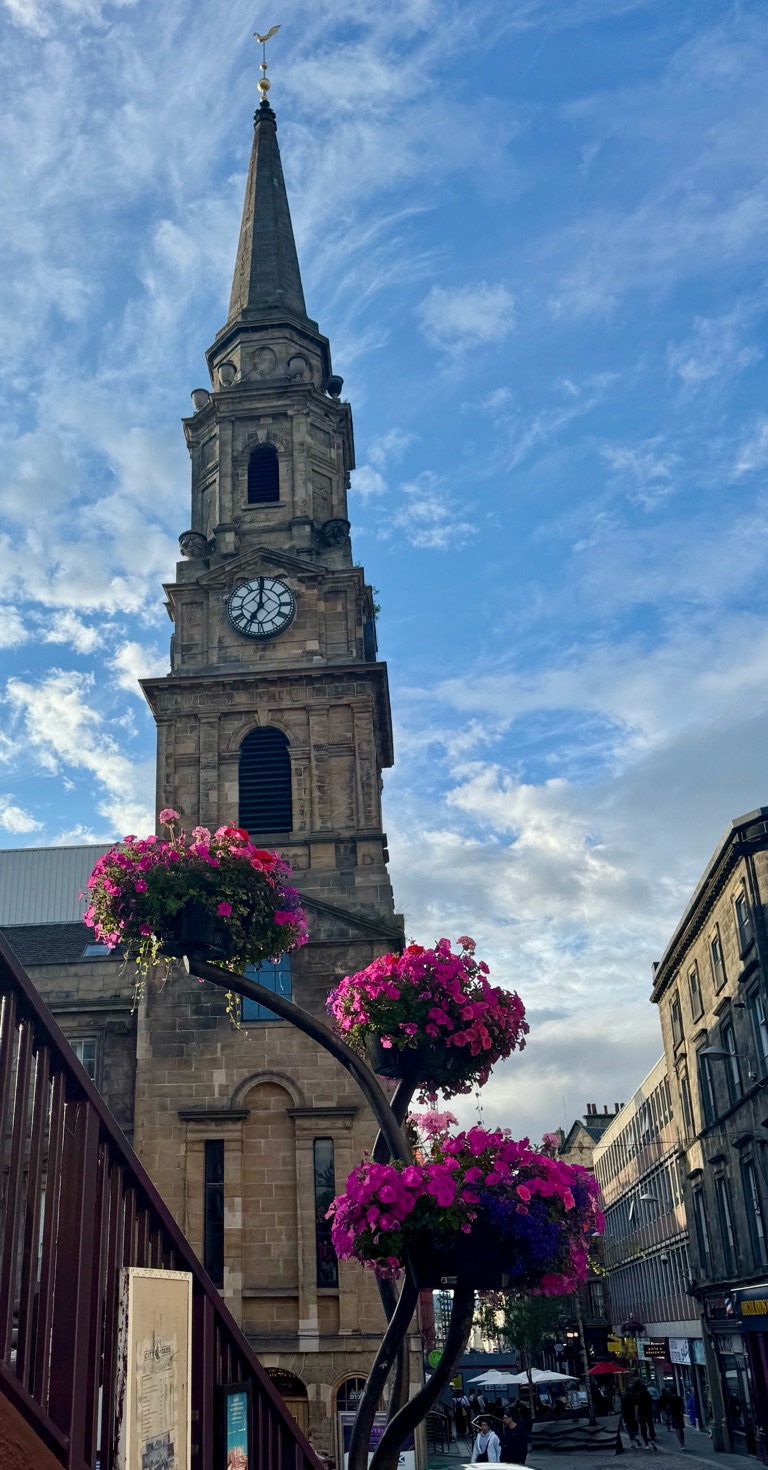
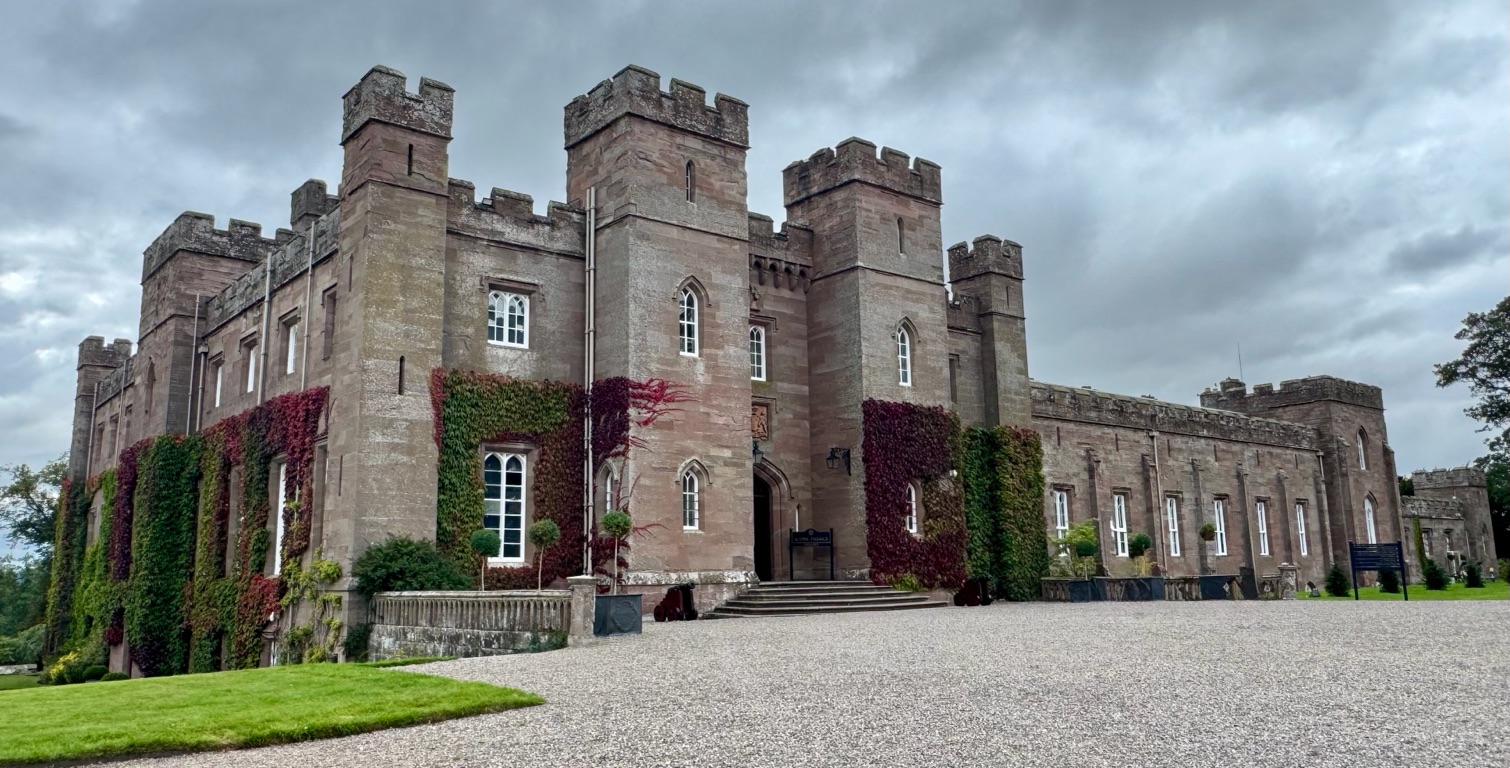
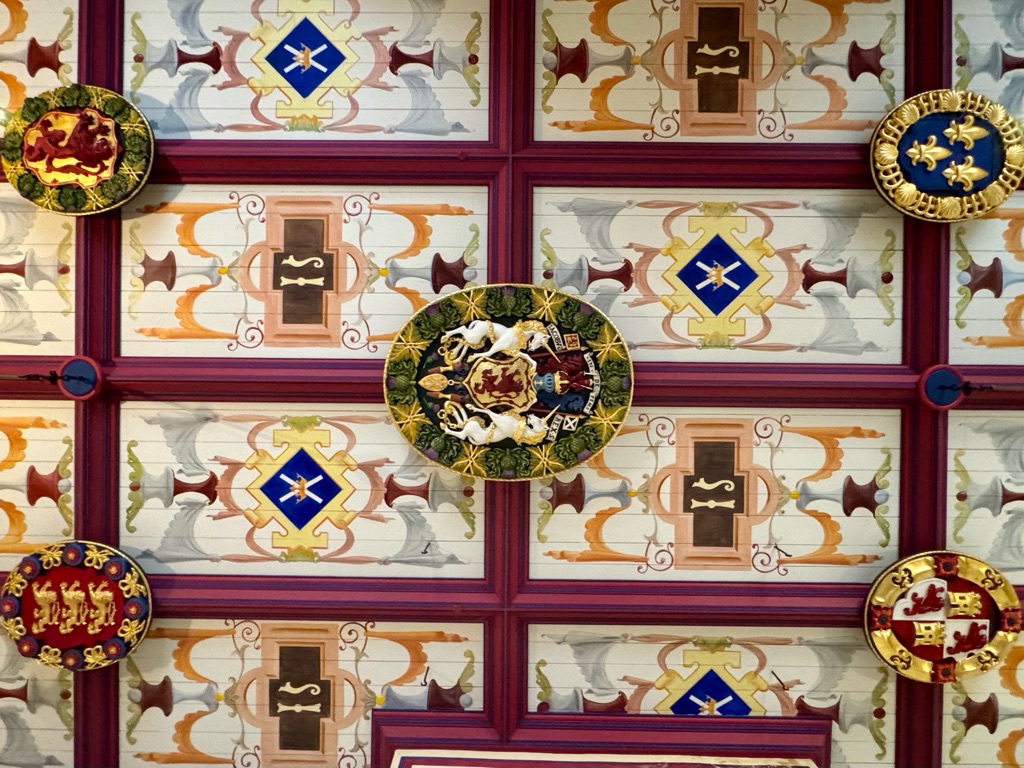
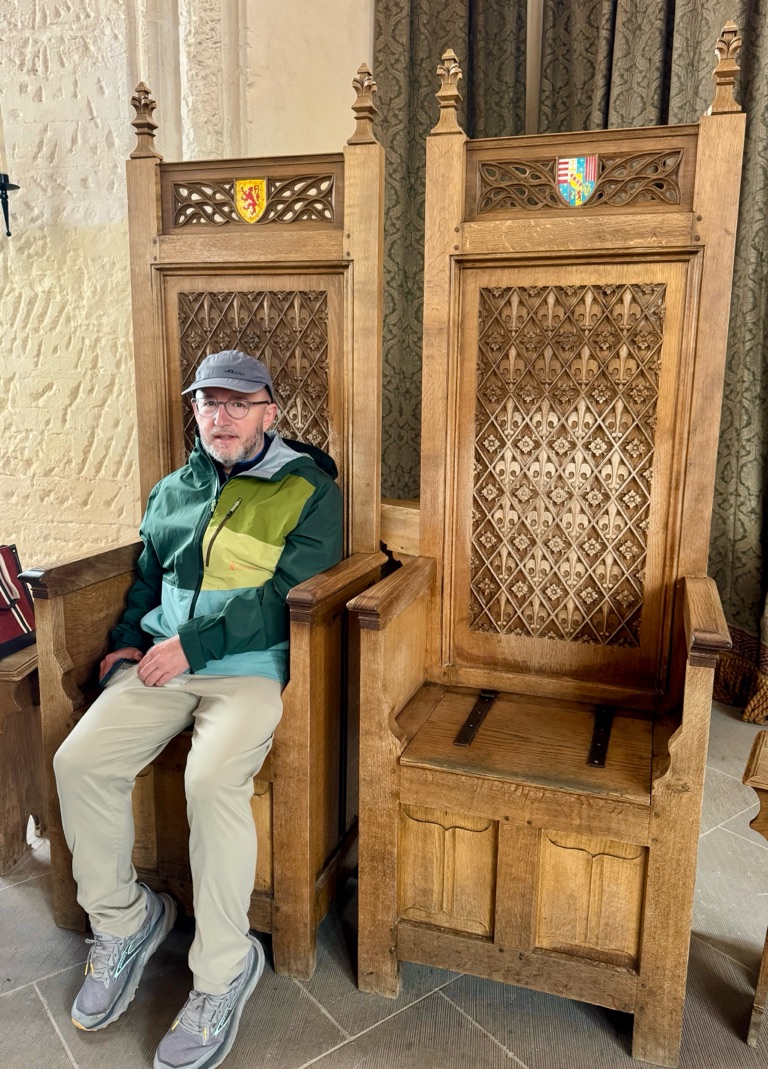
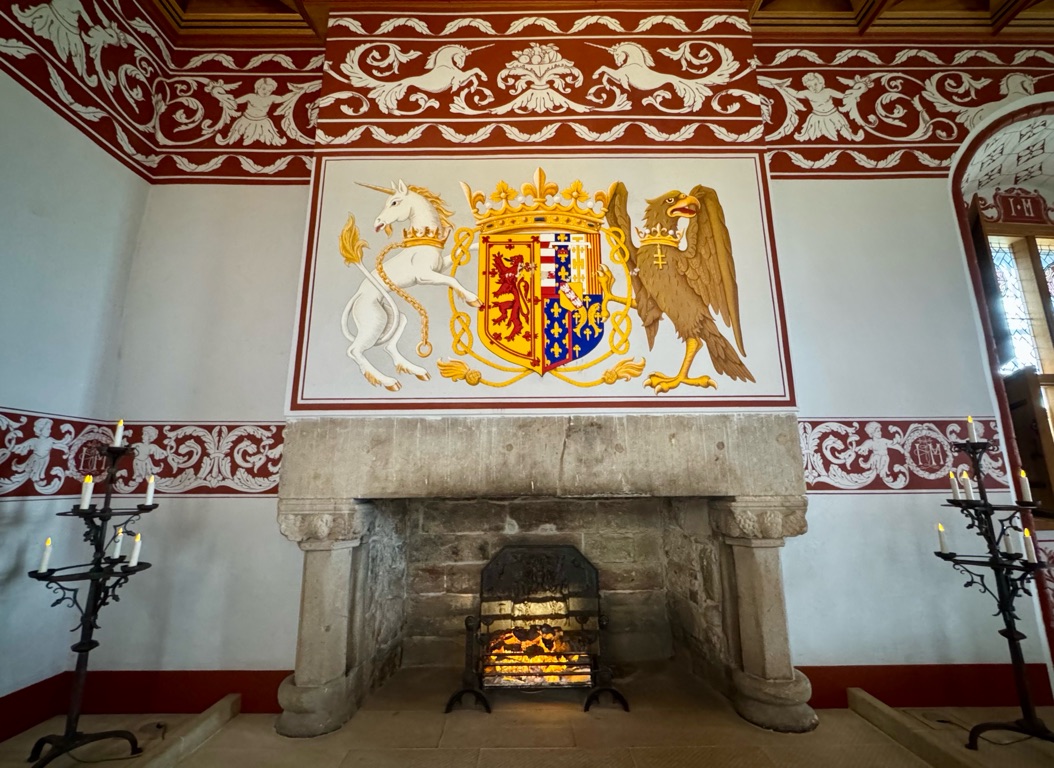
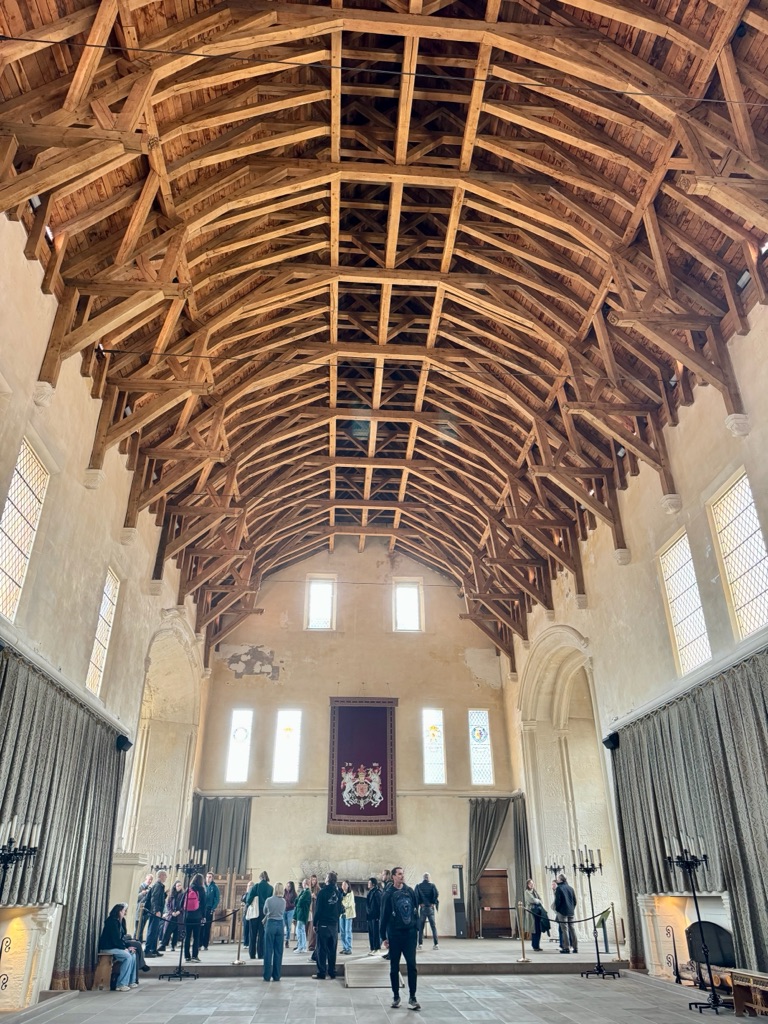
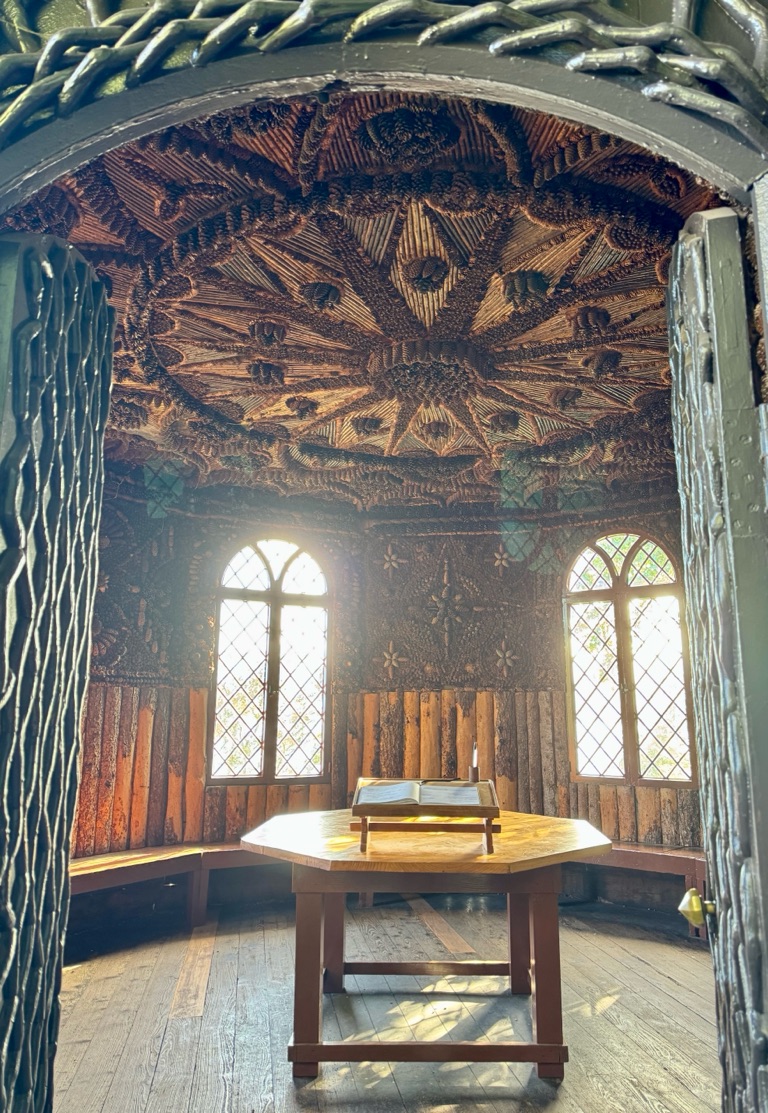
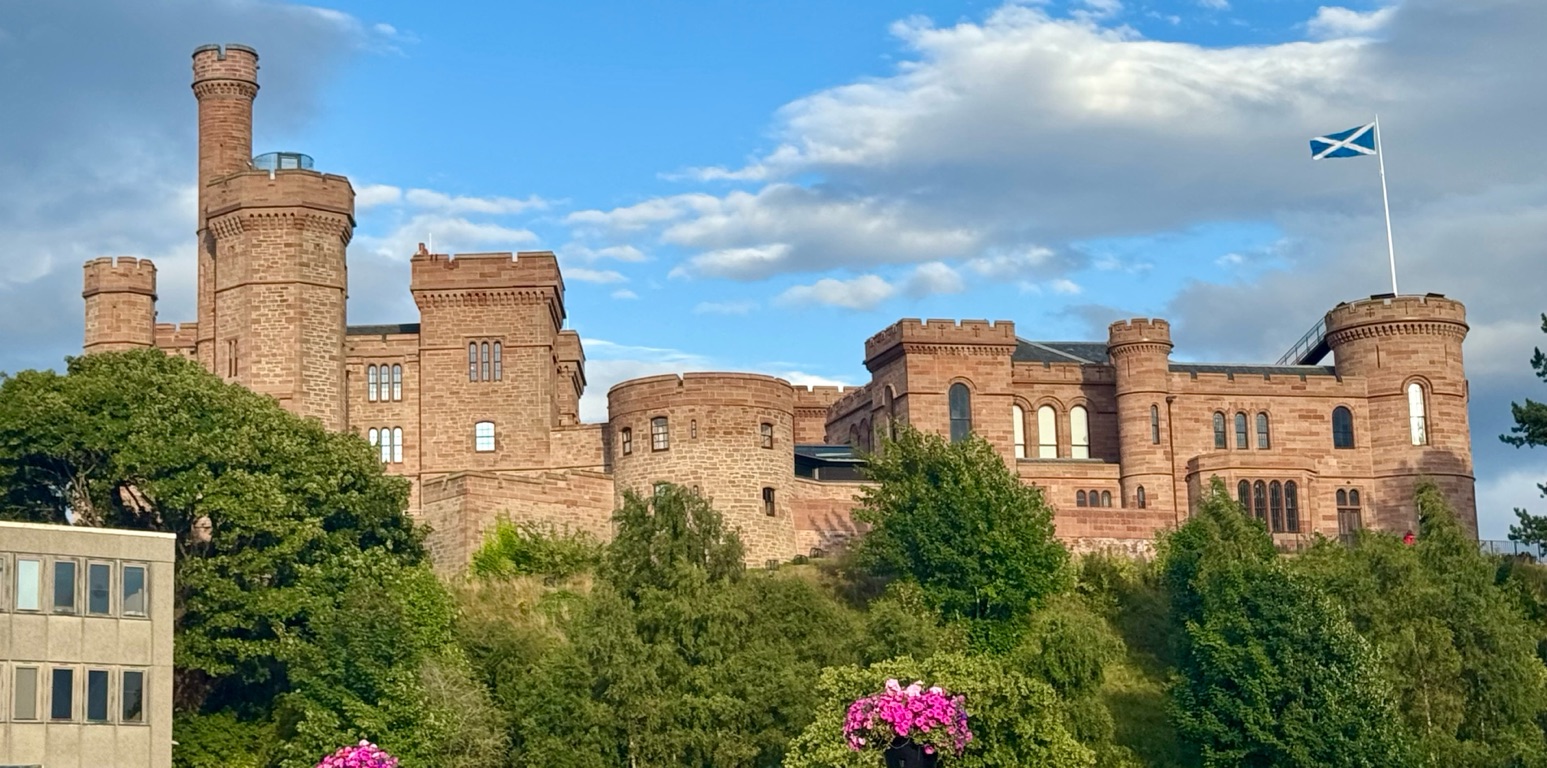
Inverness castle. It wasn’t built to be lived in. It was a courthouse up until about 5 years ago when they refreshed it and turned it into a Scottish highlands museum experience.
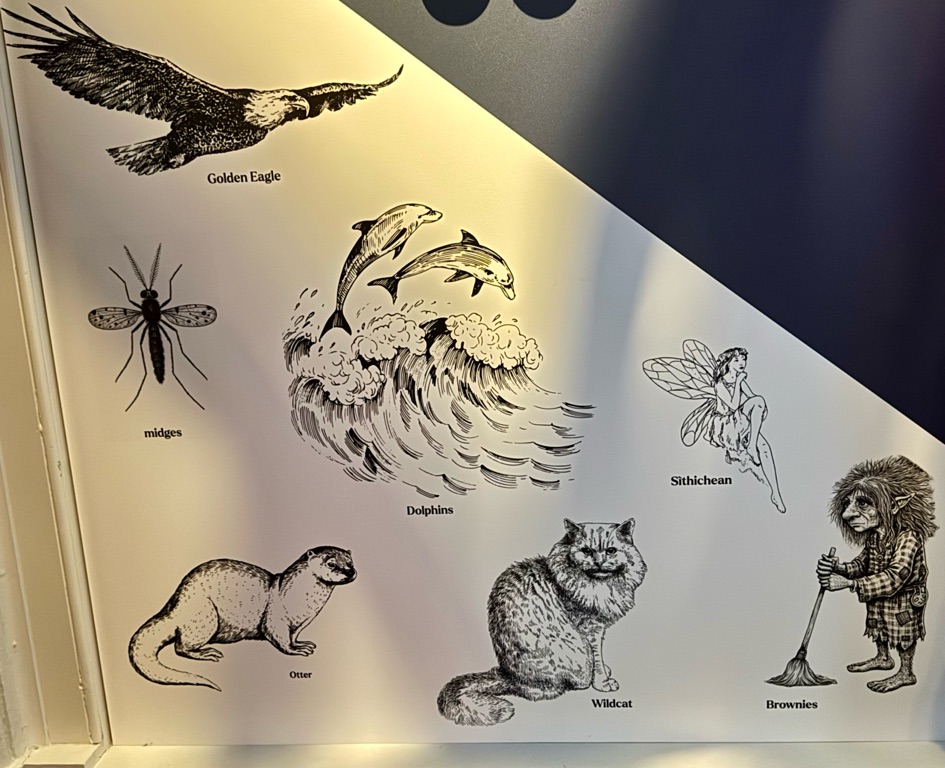
Love the inclusion of faries and brownies in an area about local fauna.
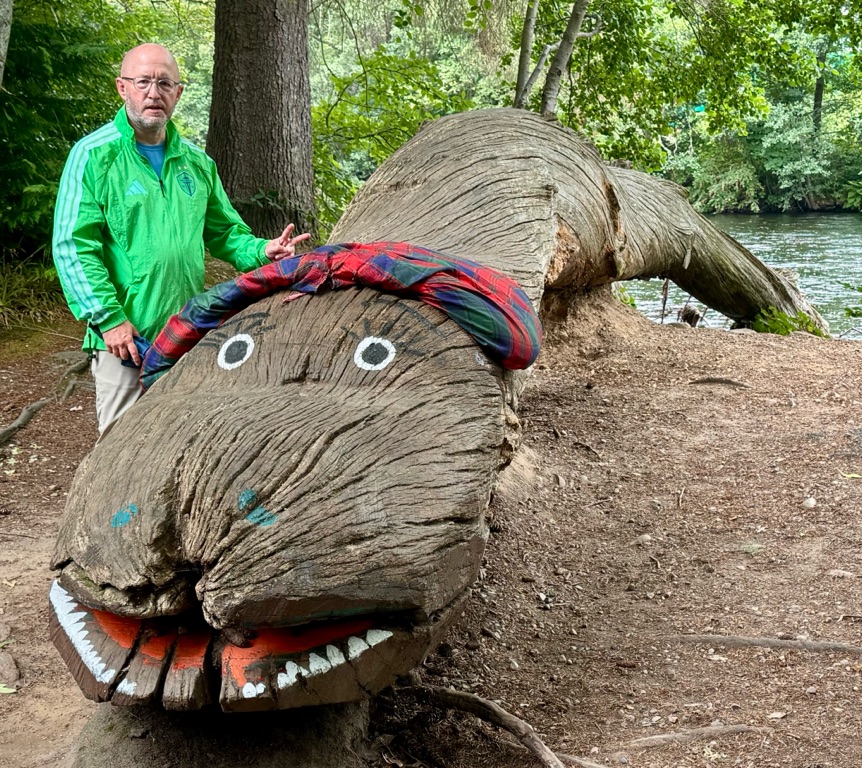
Someone had fun making this log look like the Loch Ness monster coming out of the Ness River.
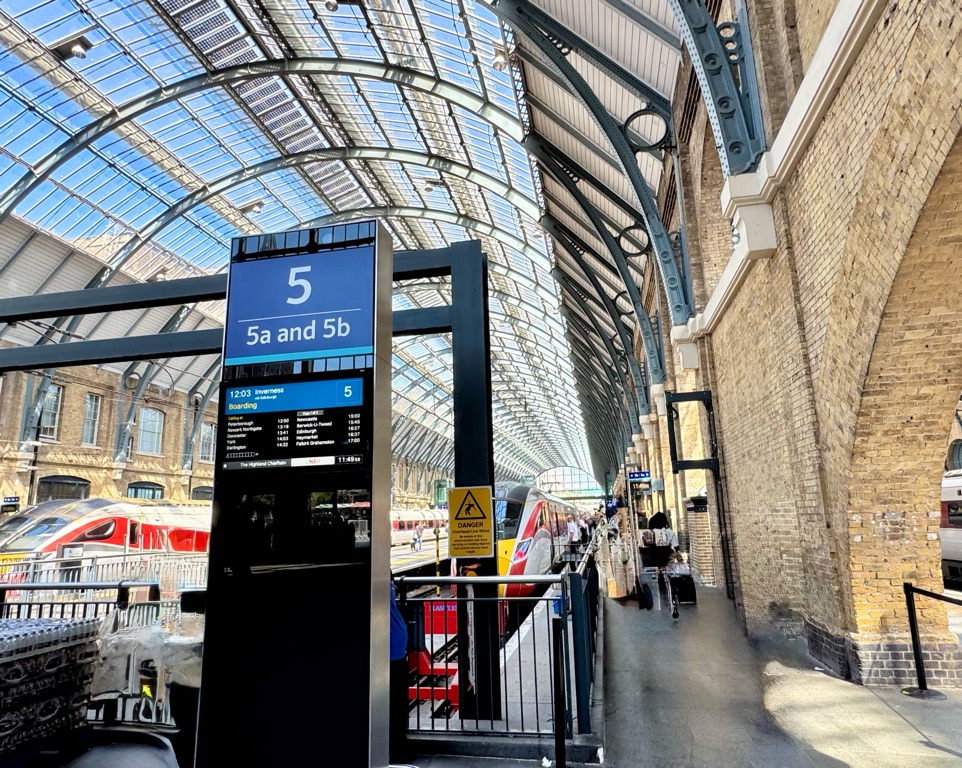
Kings cross station. Sadly, our train didn’t leave from platform 9 3/4.
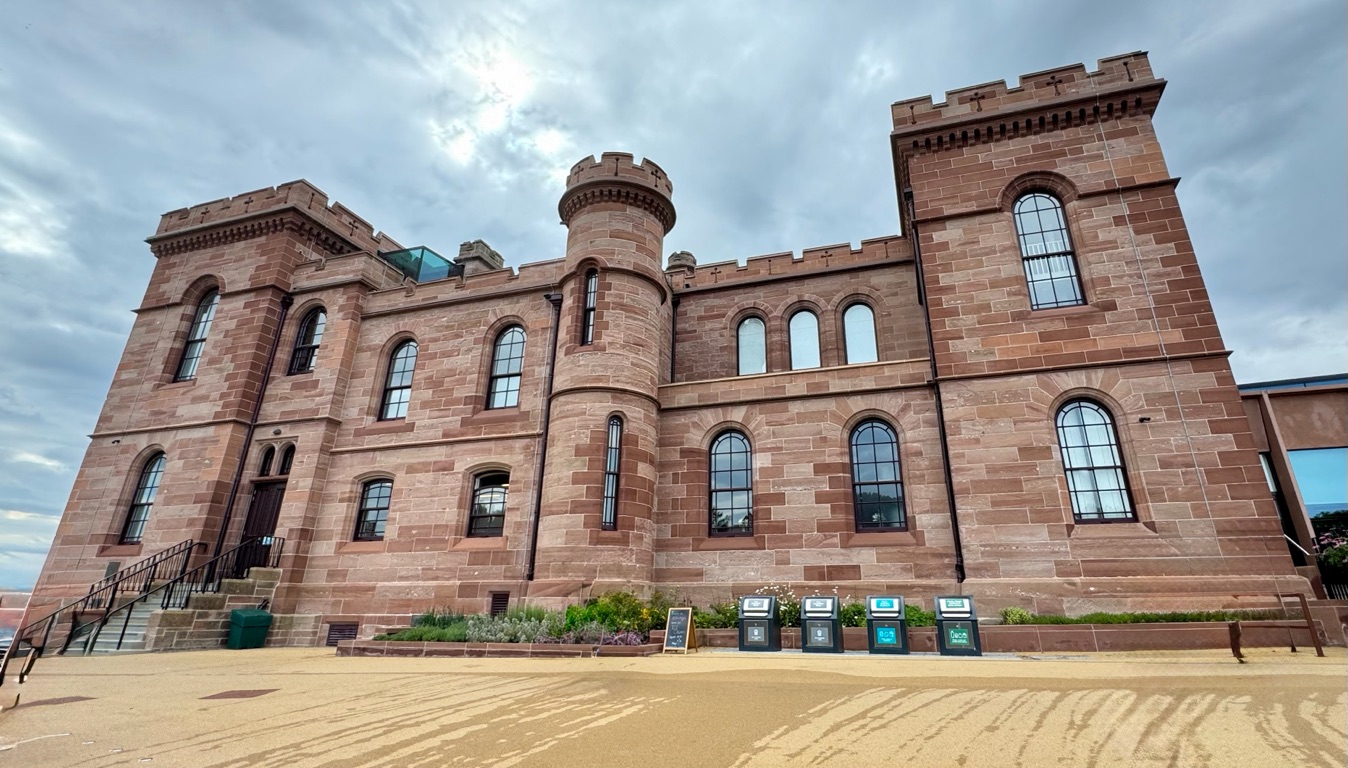
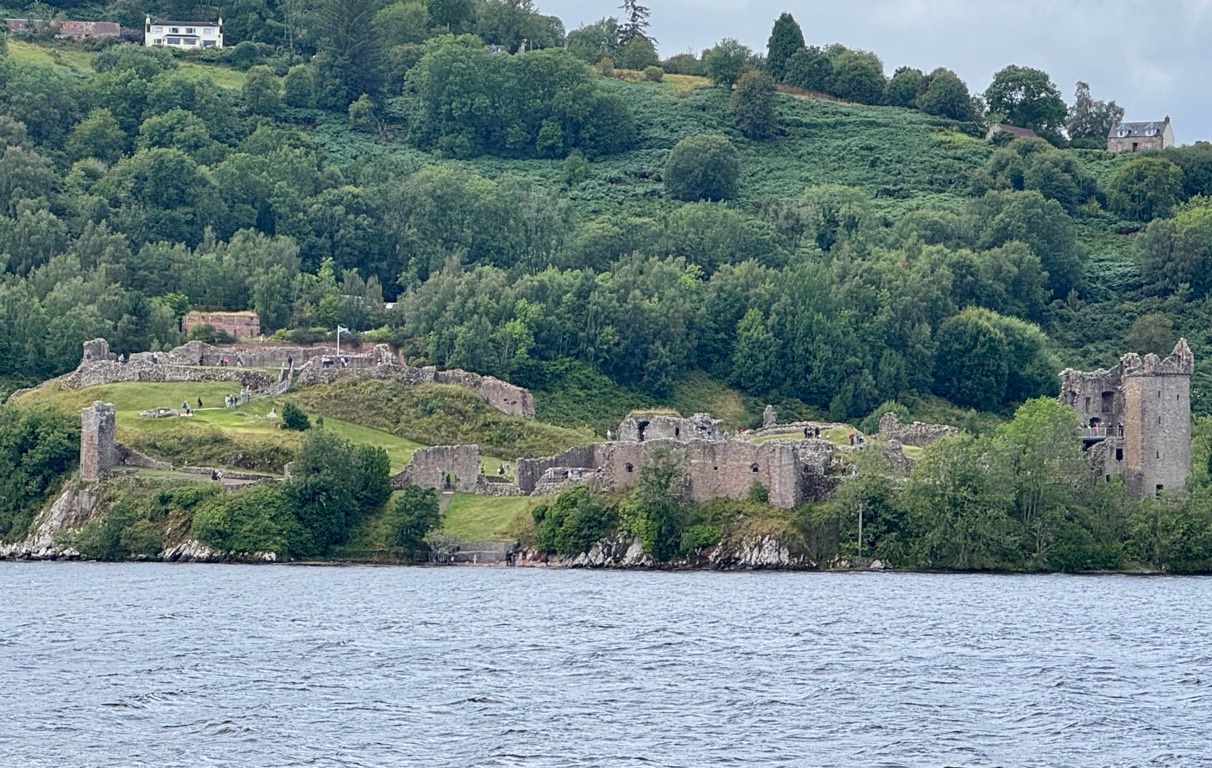
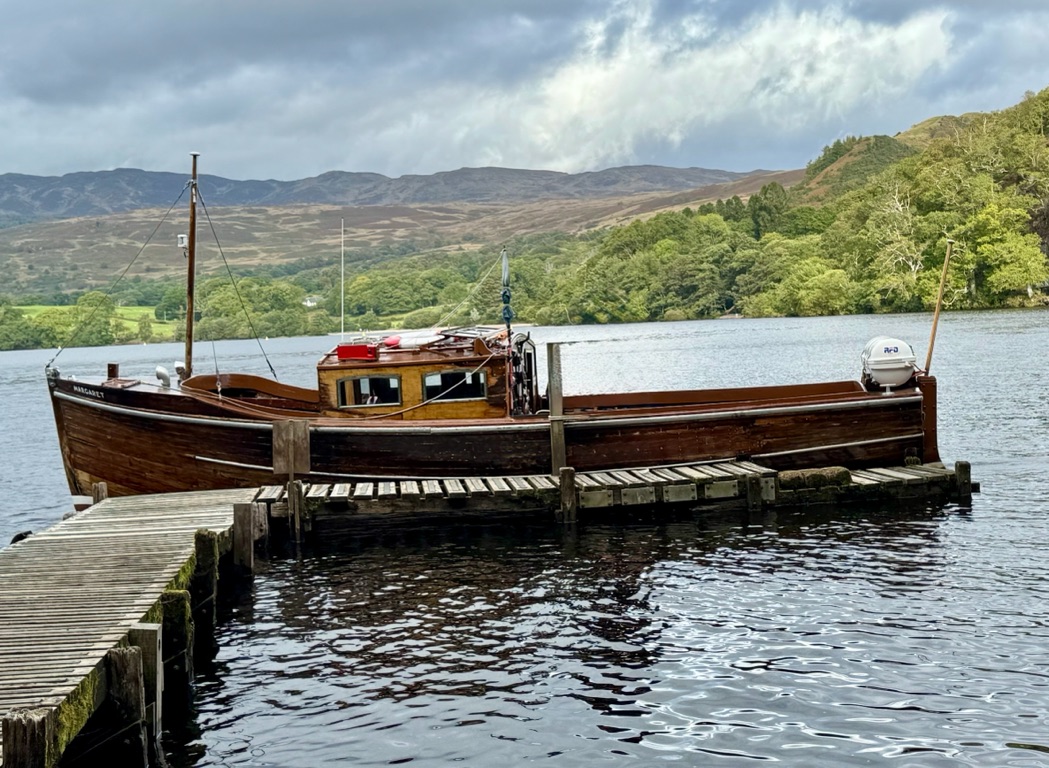
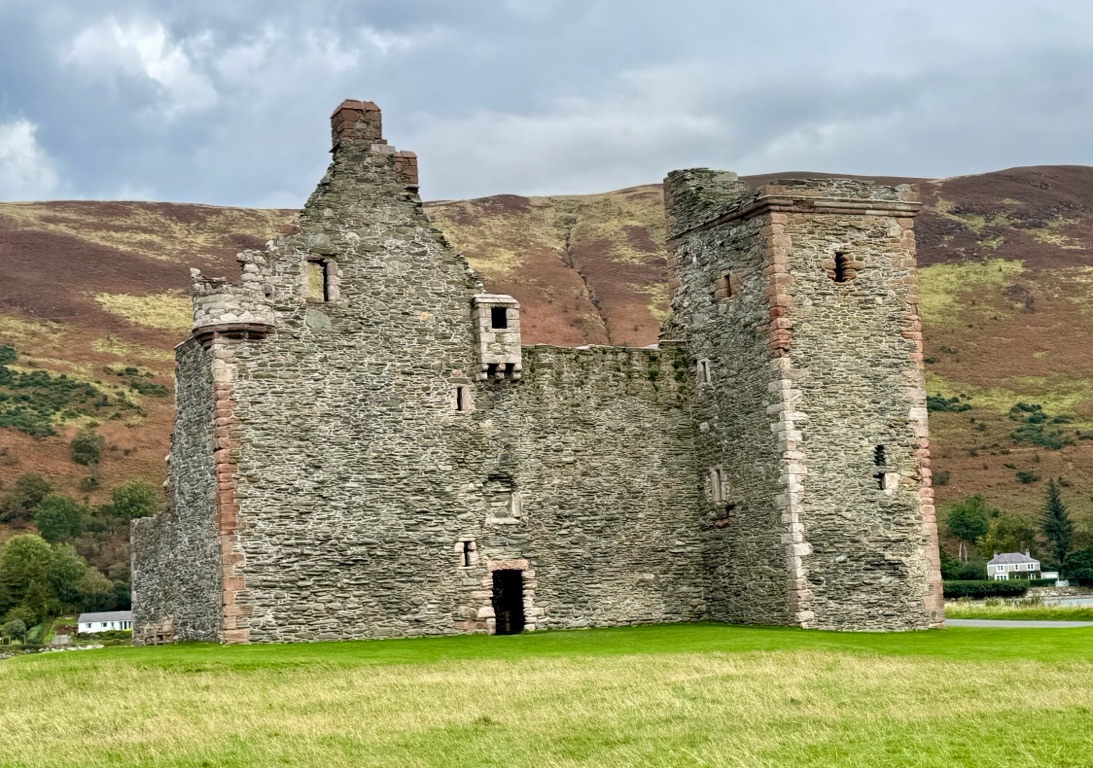
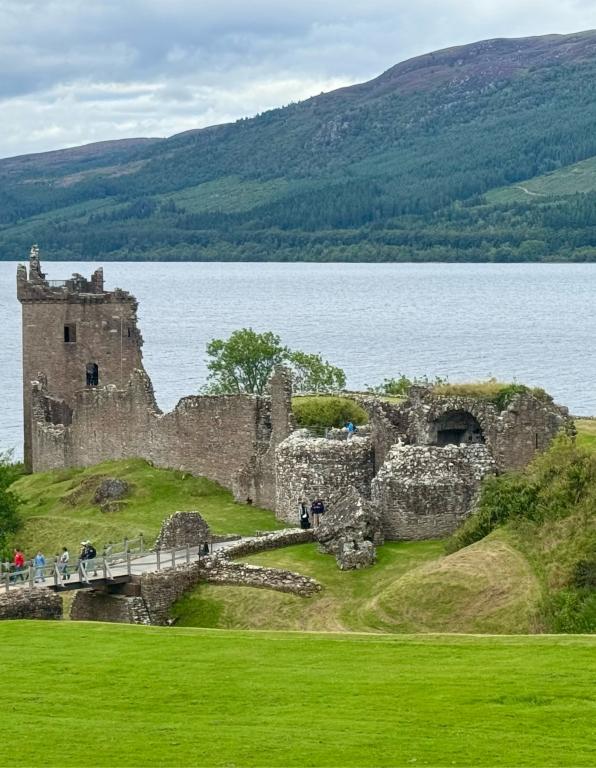
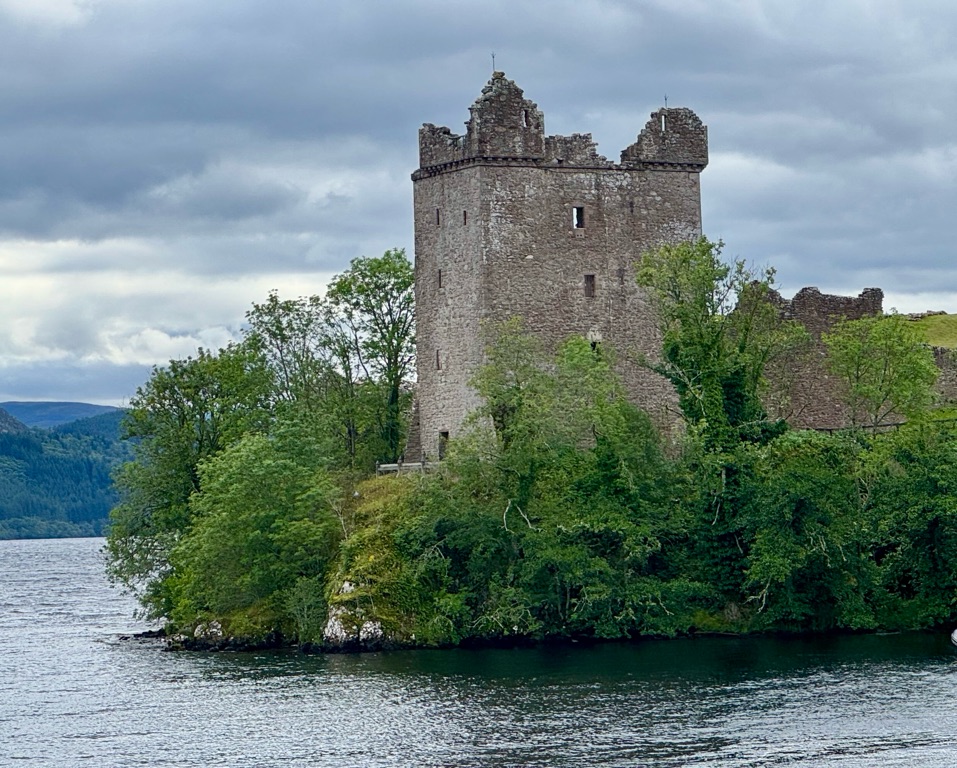
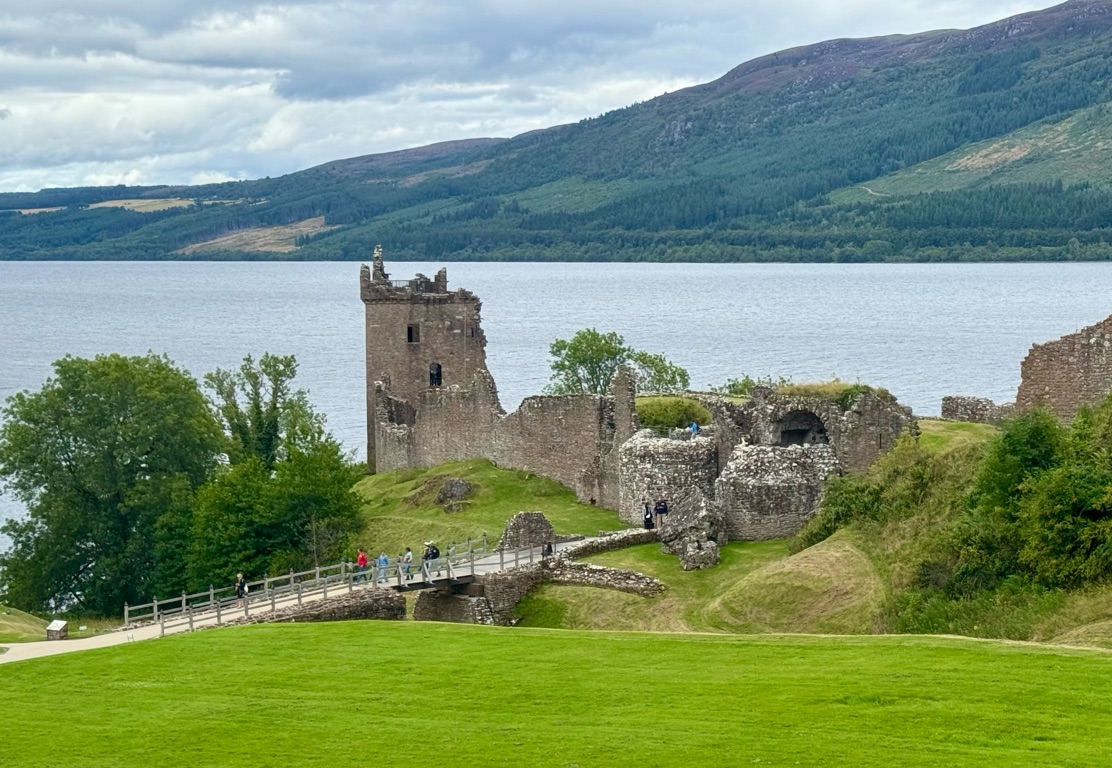
We took a boat trip on Loch Ness to Urquhart castle. It is mostly a ruin on a picturesque and strategic place in the loch.
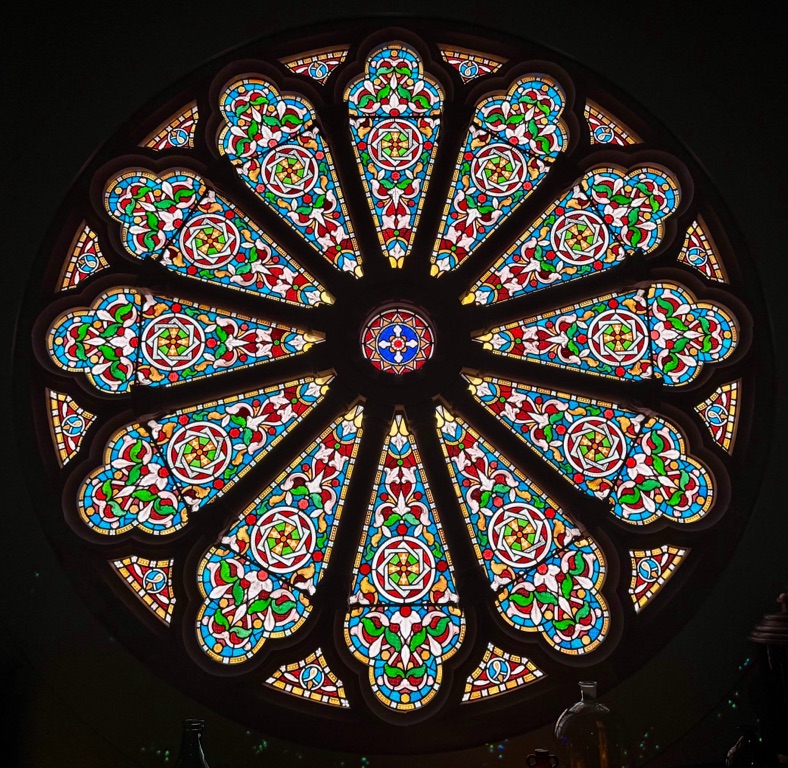
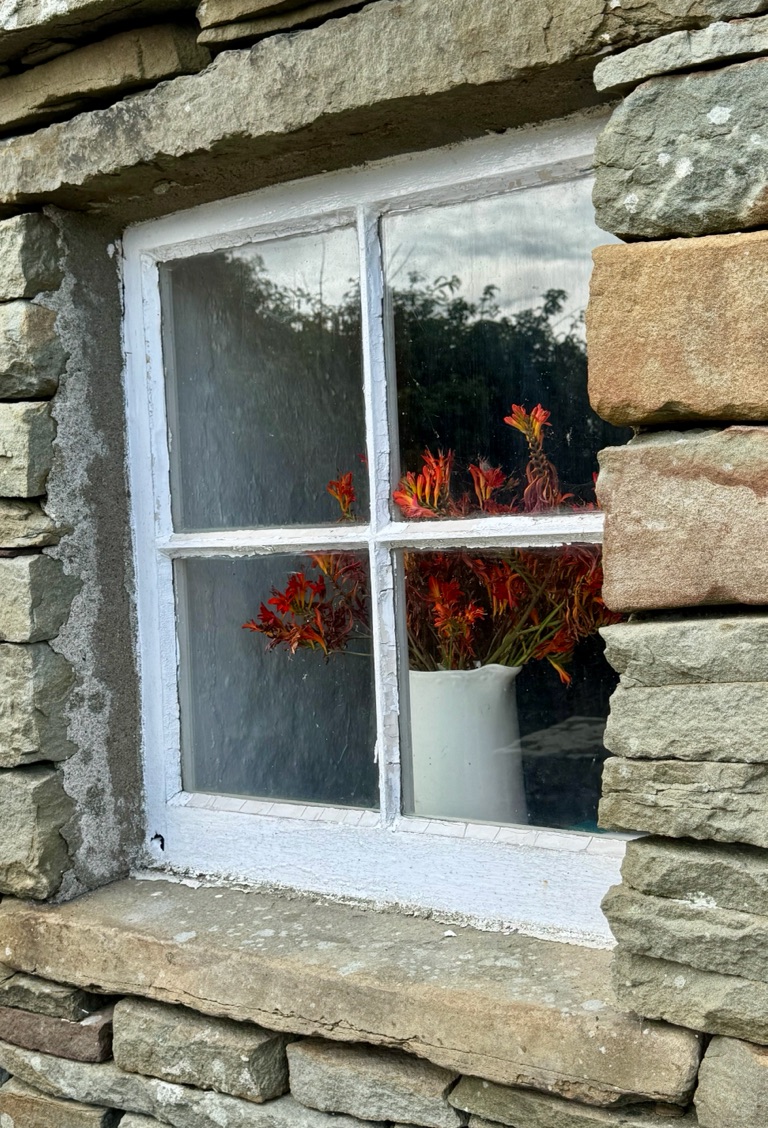
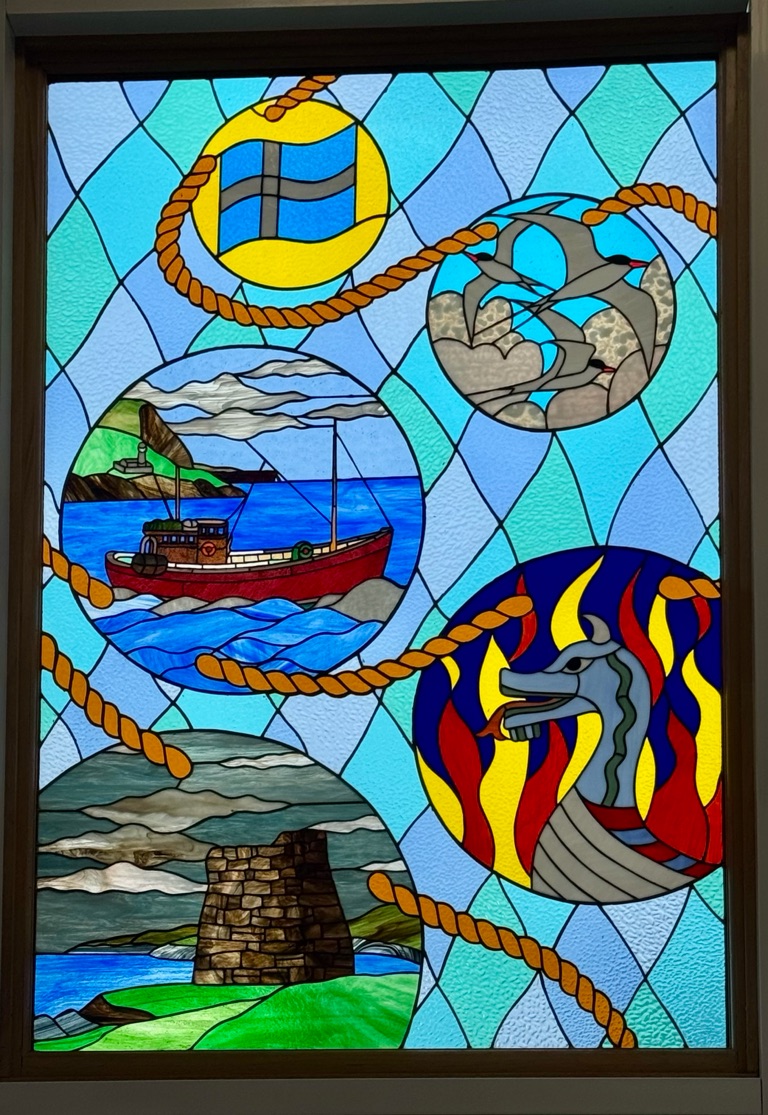
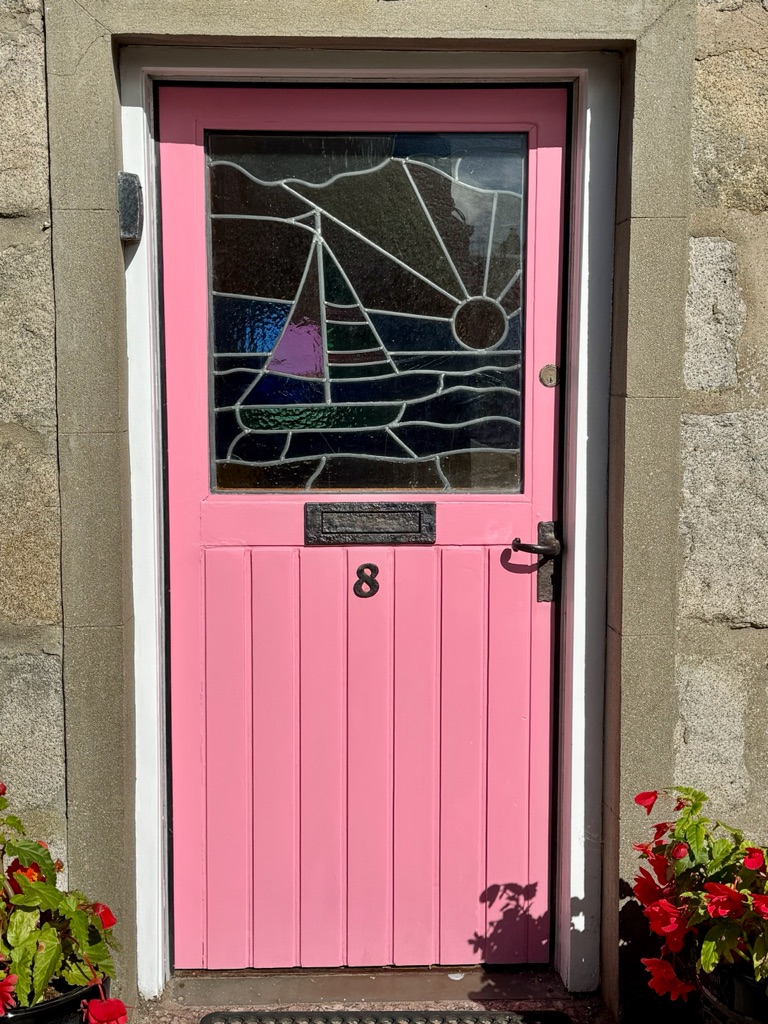
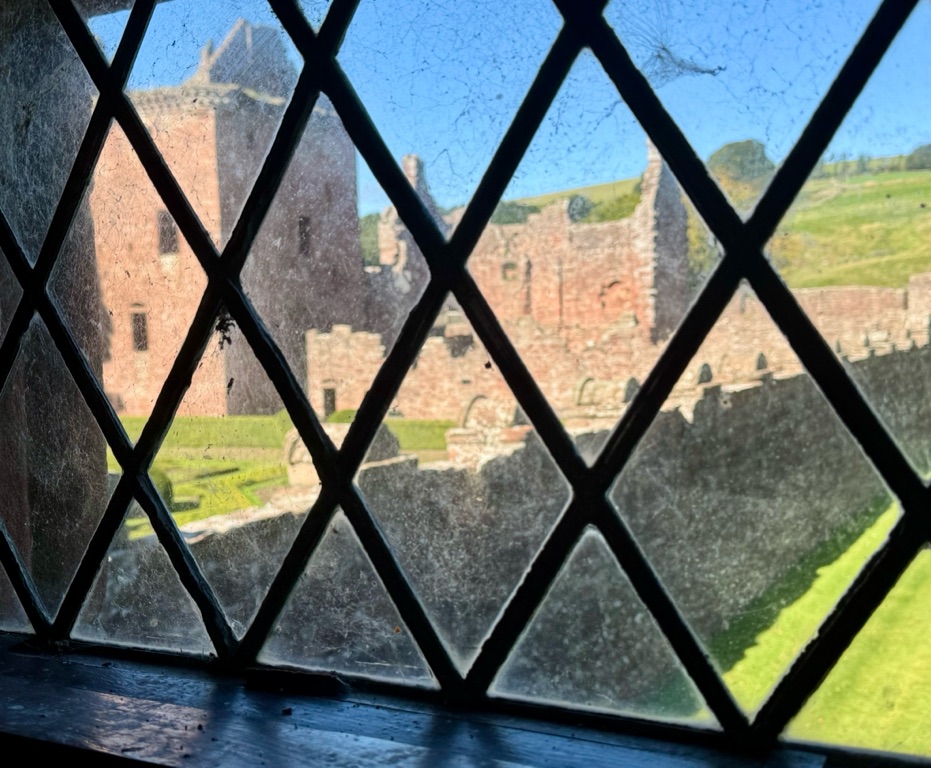
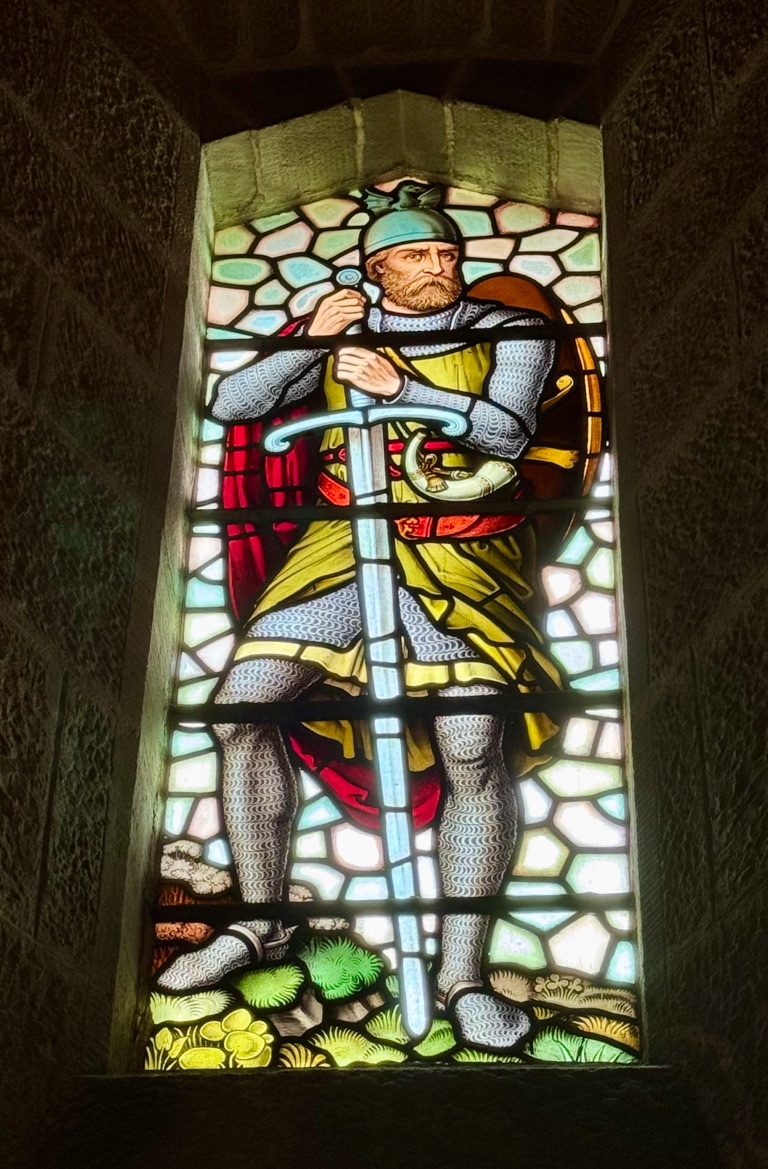
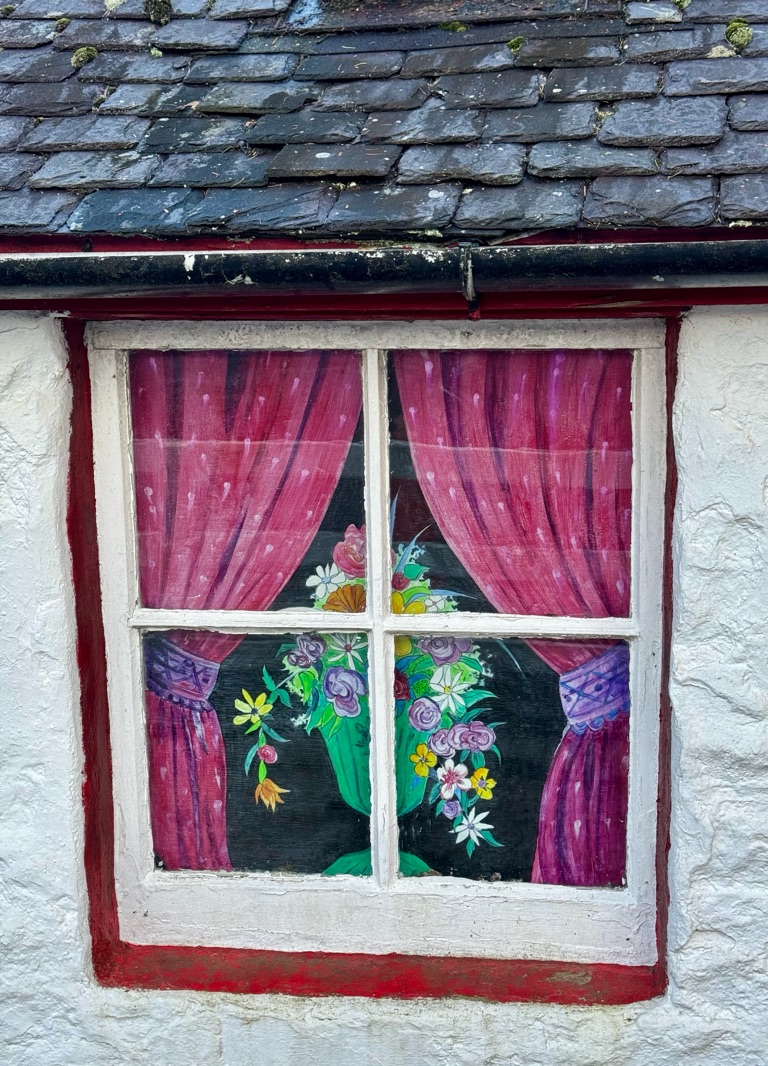
Rehabilitated church window at the castle.
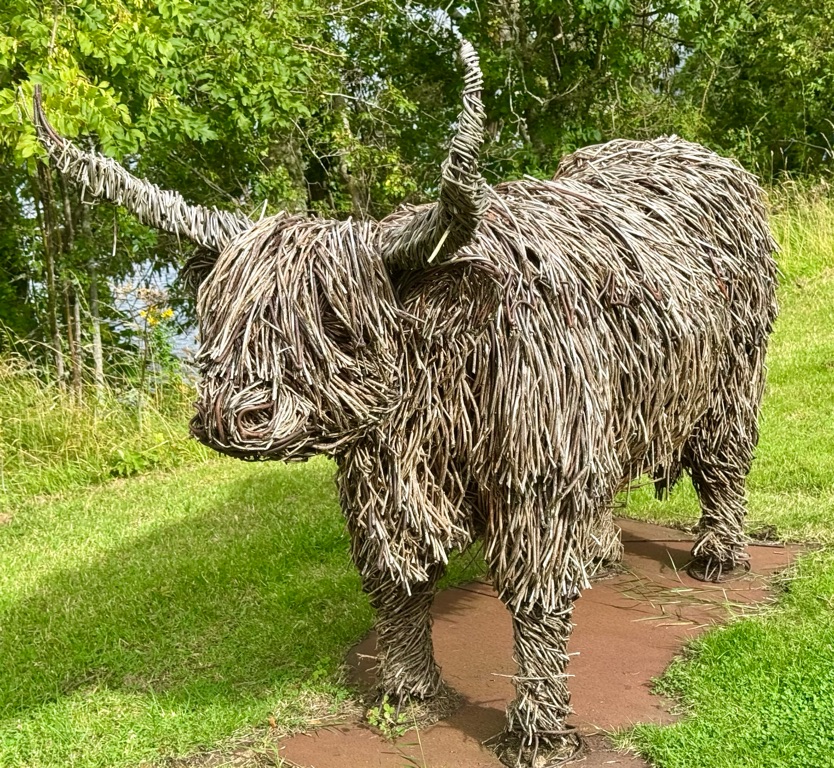
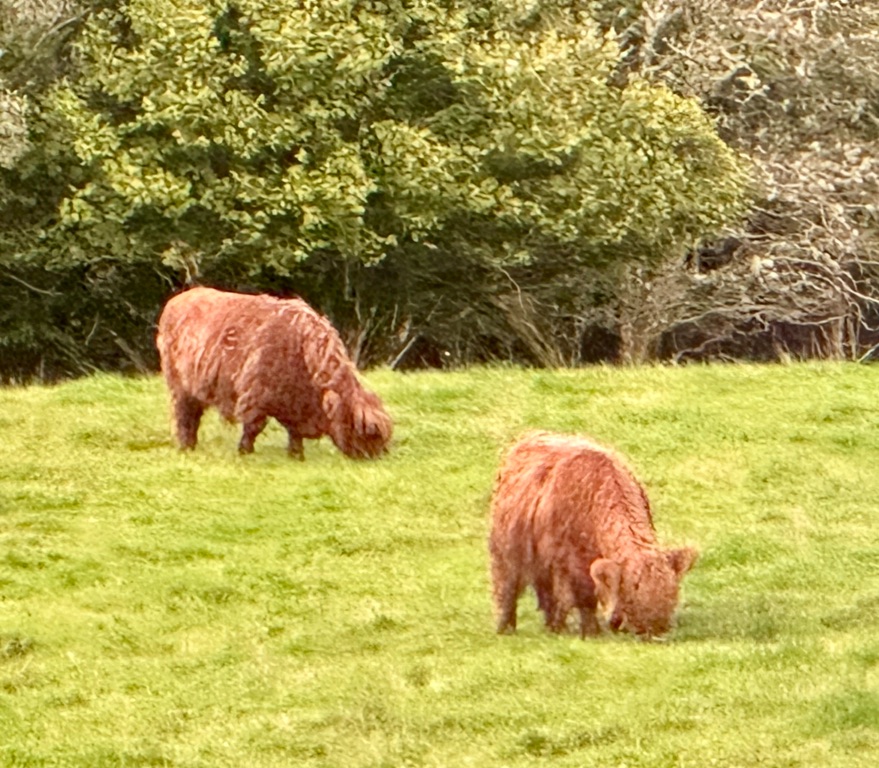
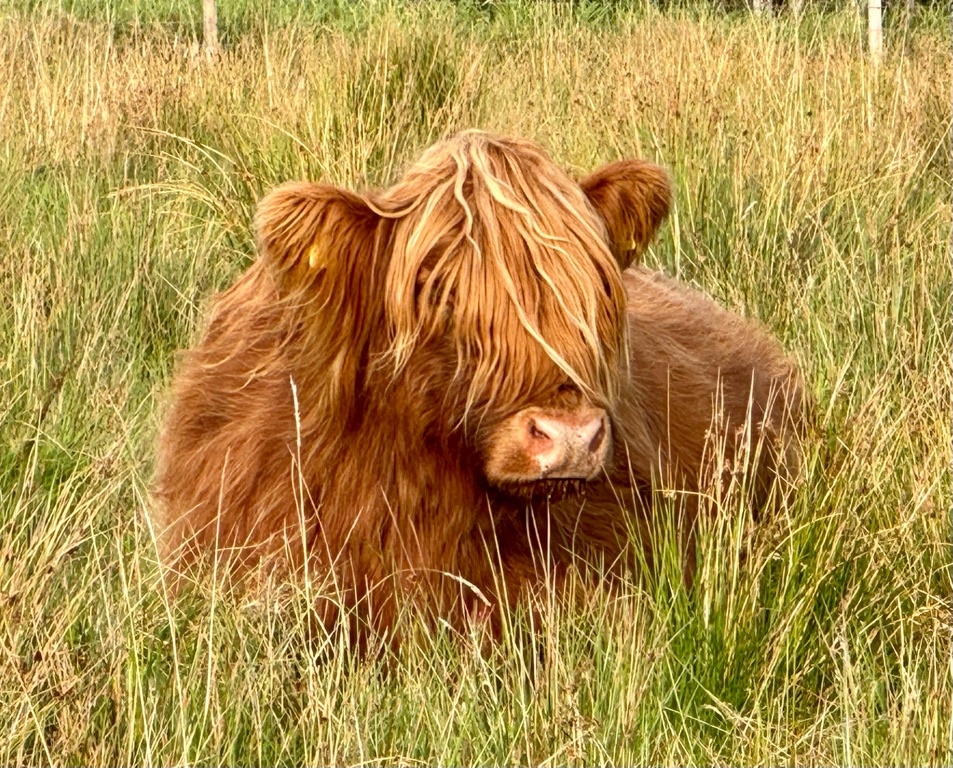
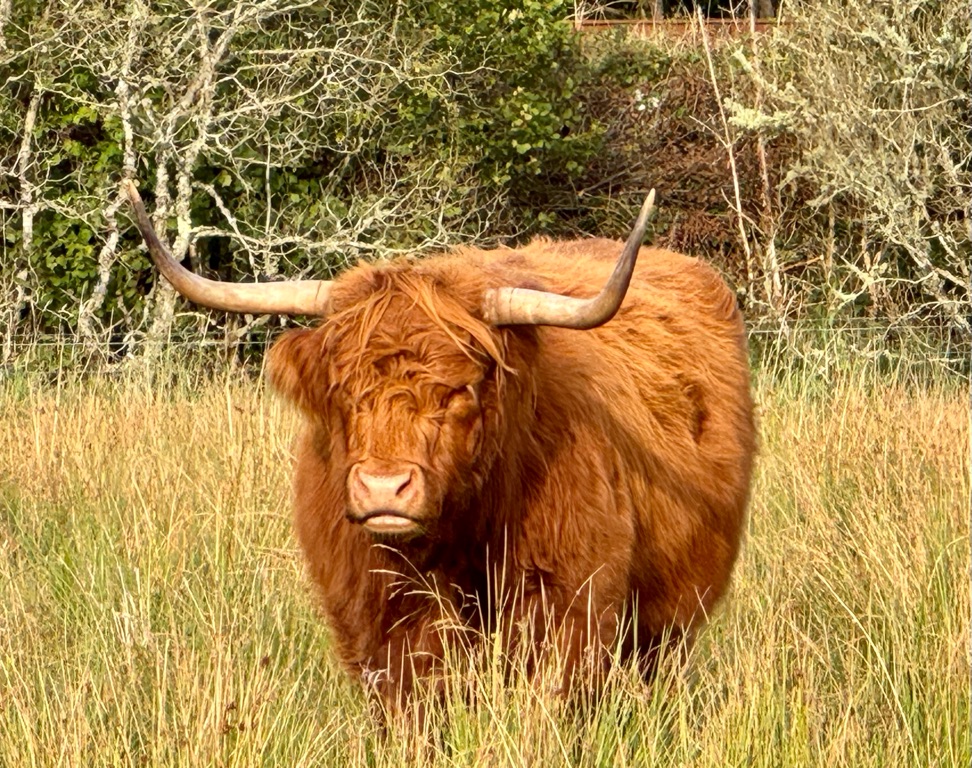
Highland coos are very popular!
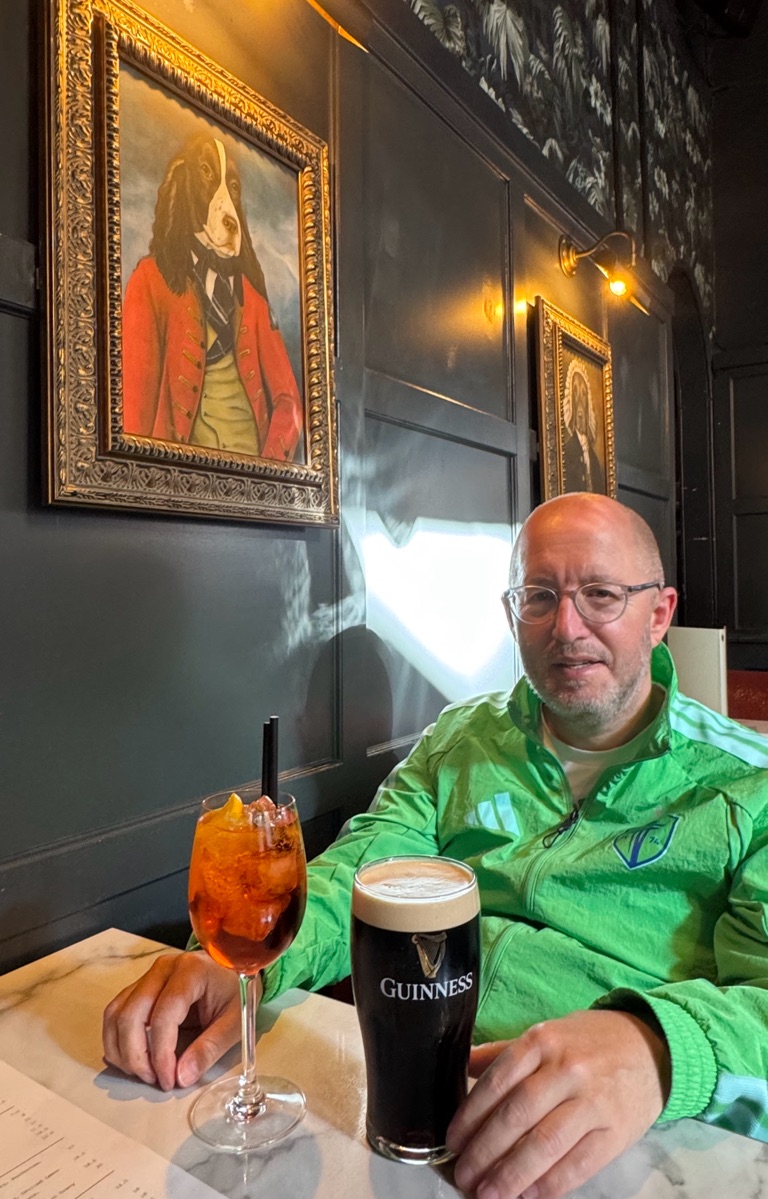
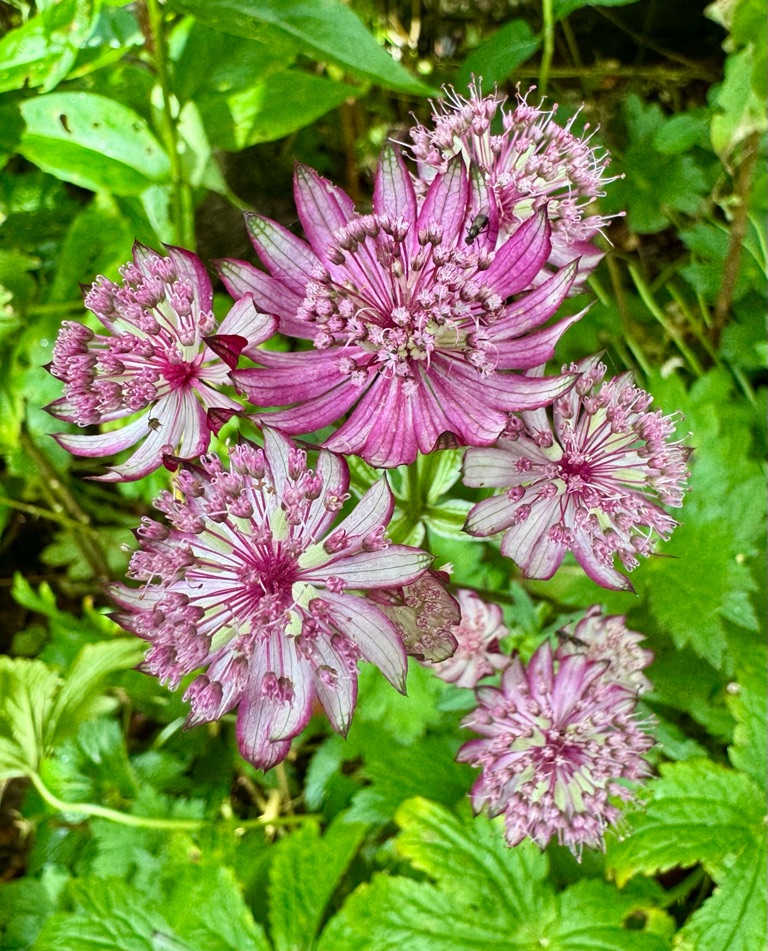
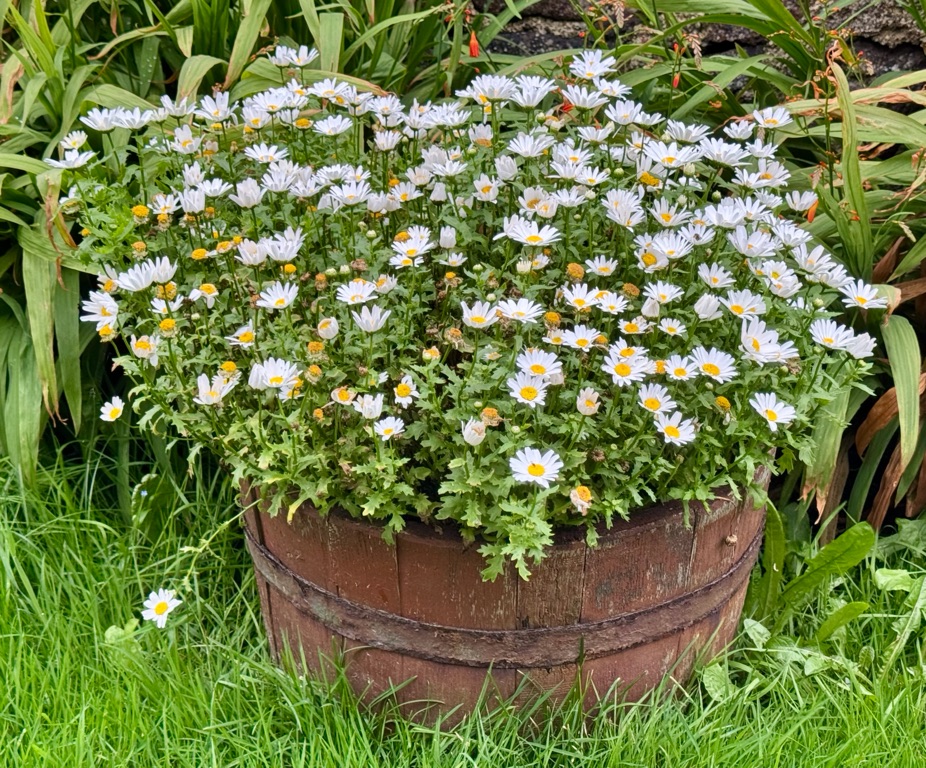
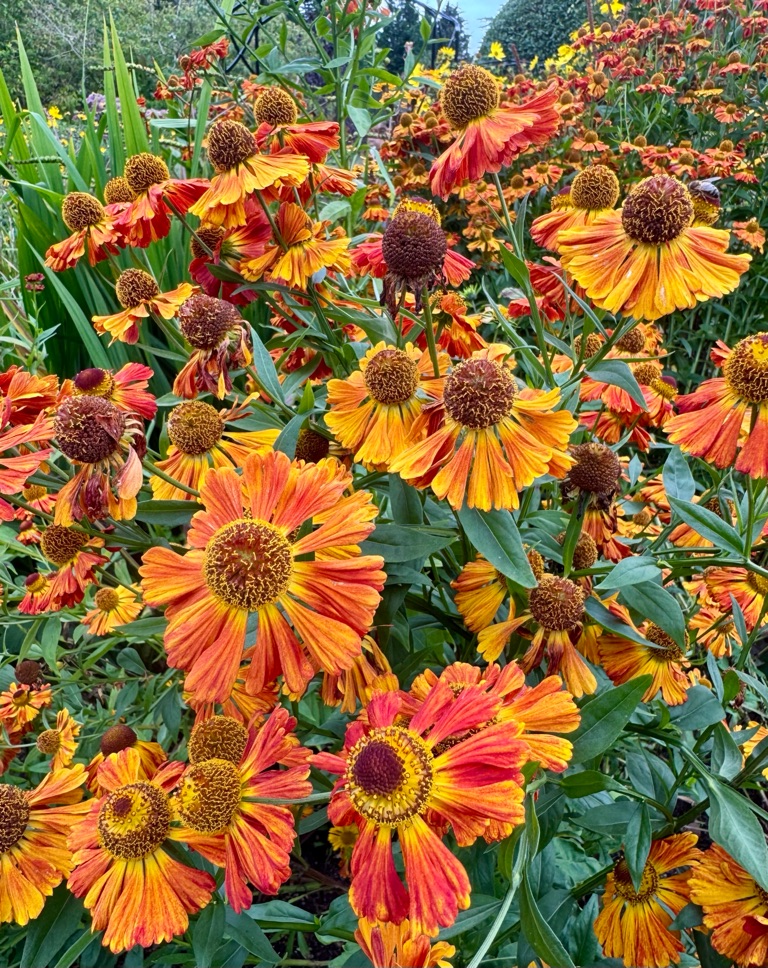
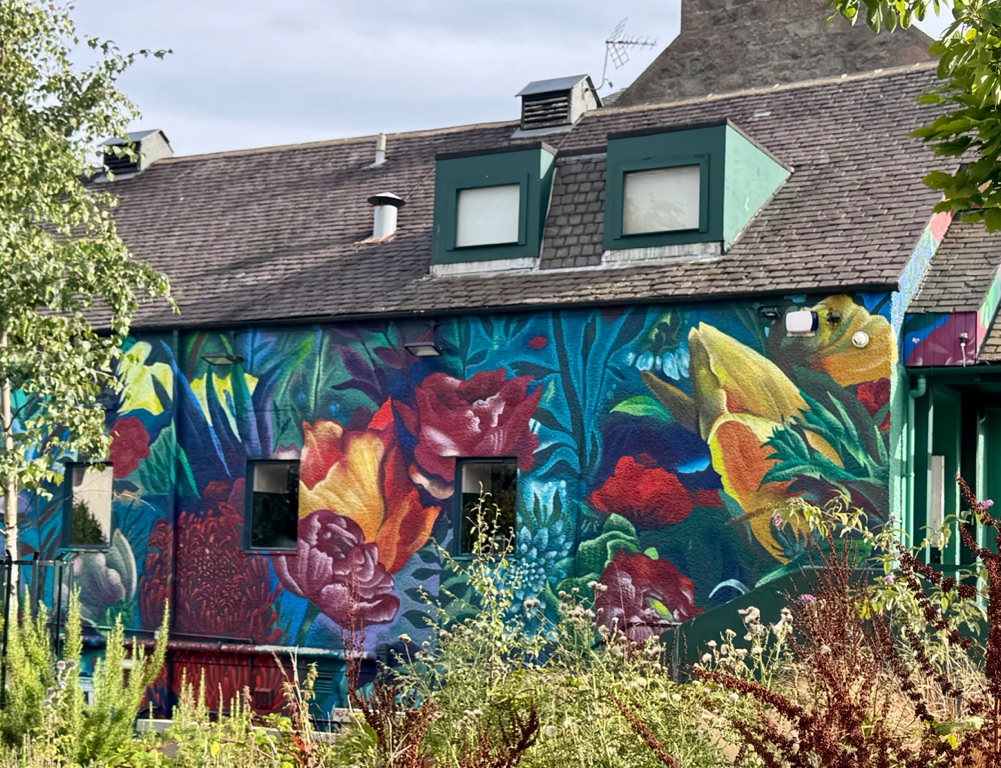
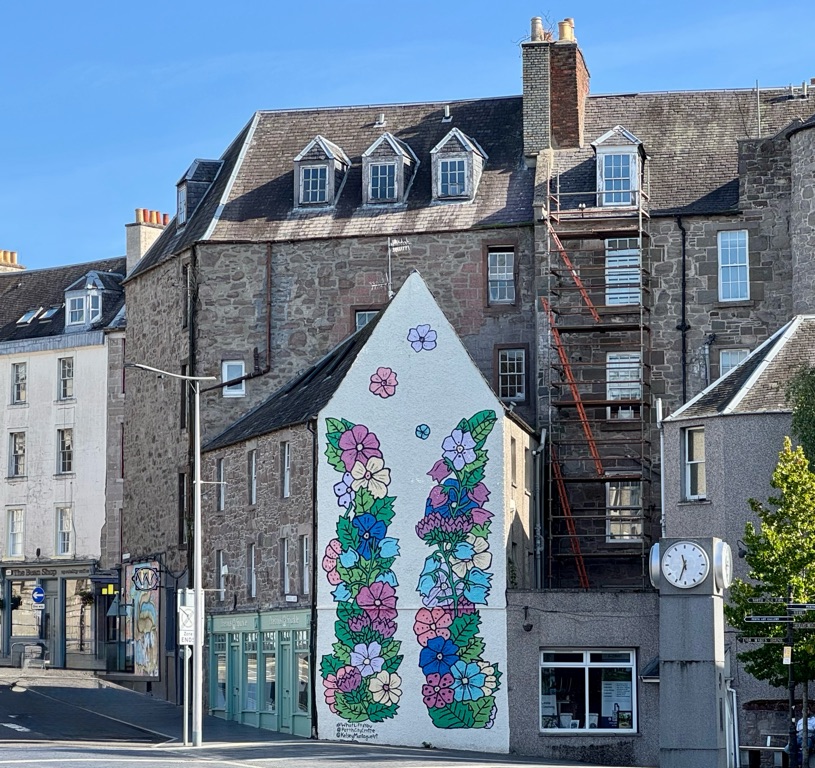
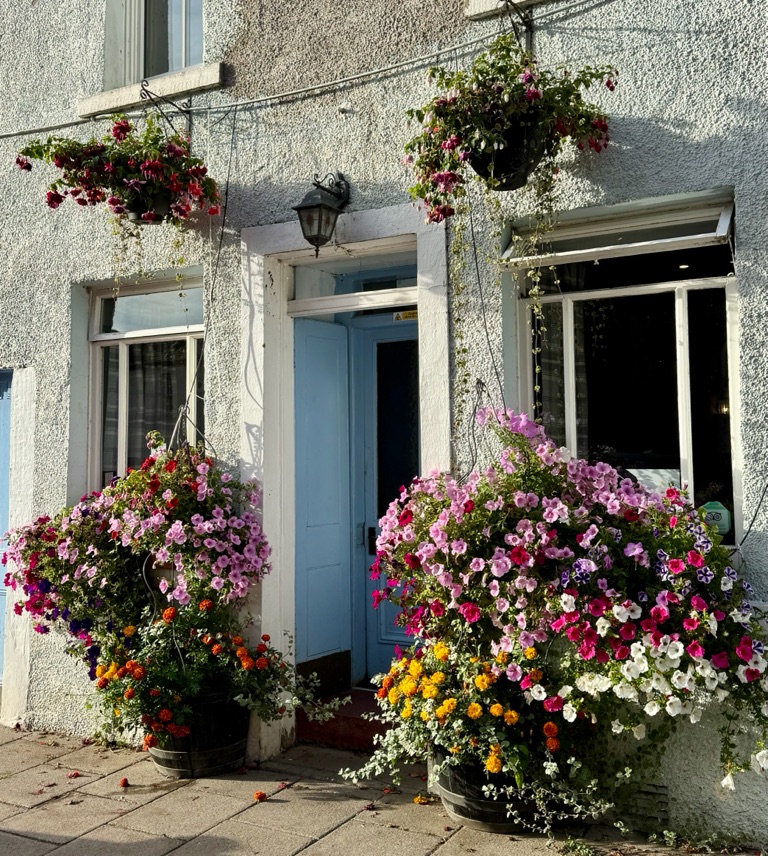
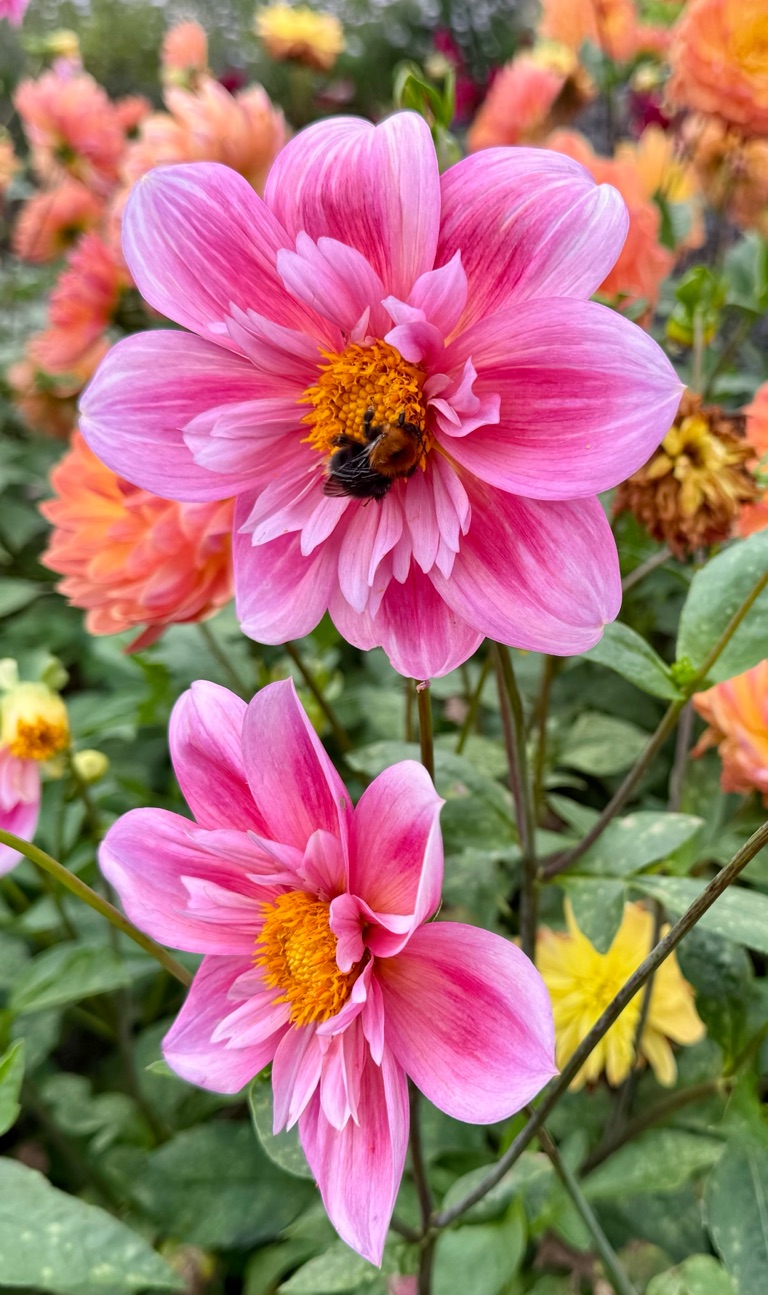
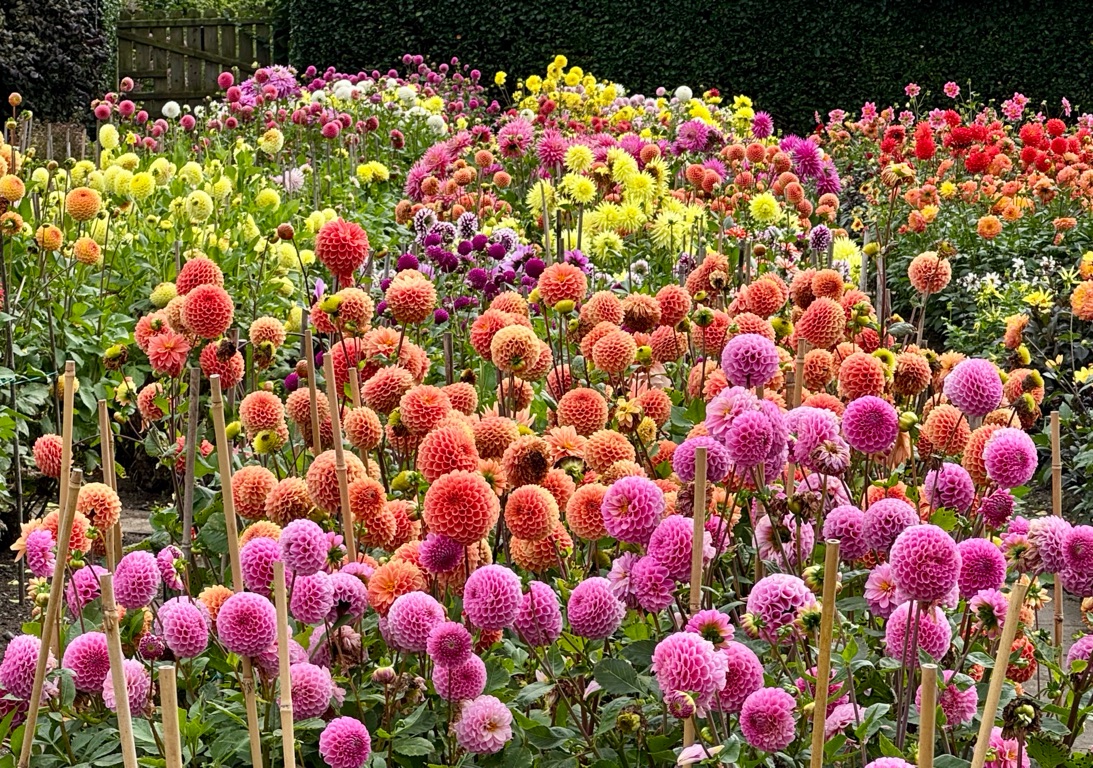
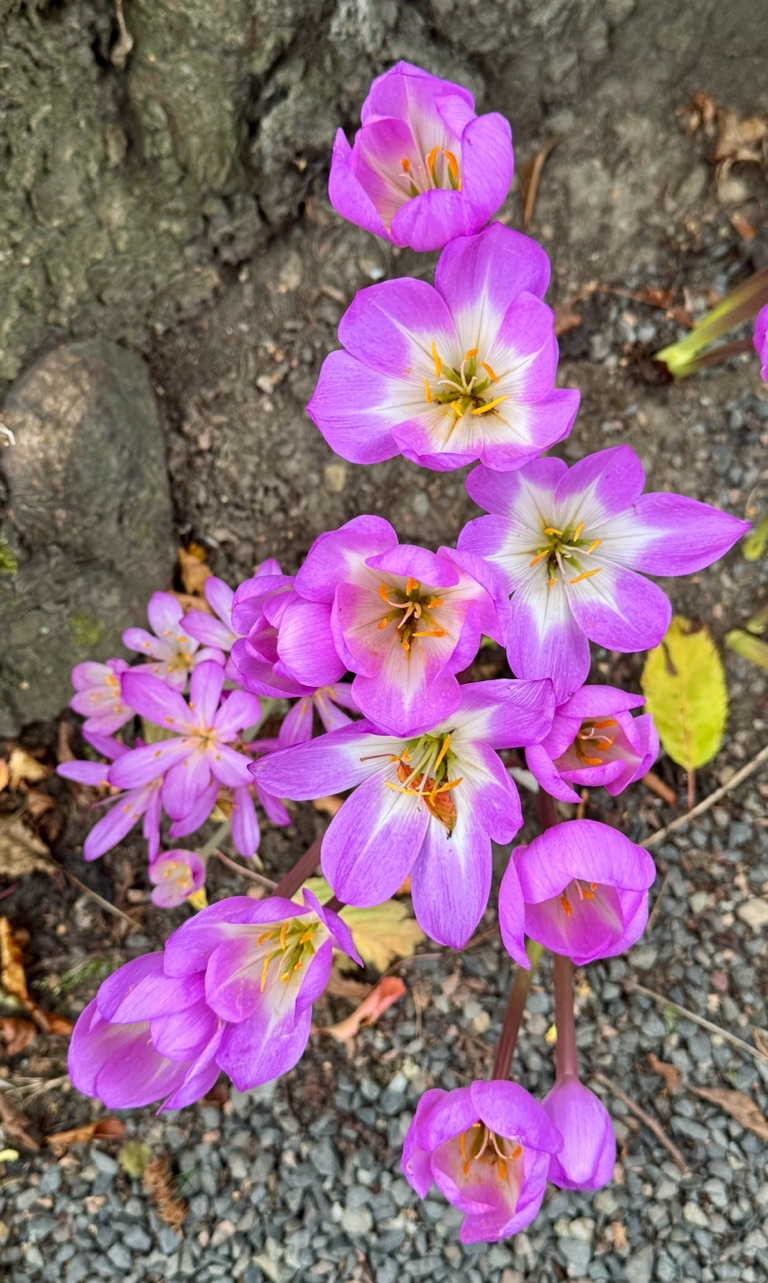
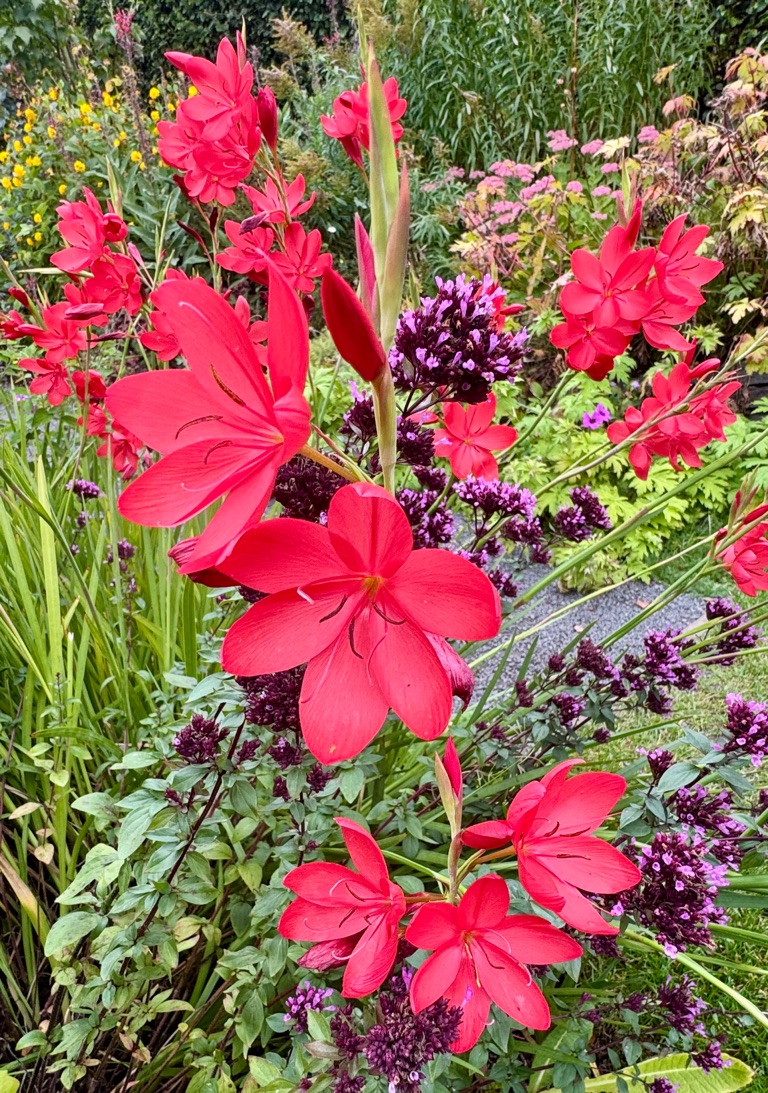
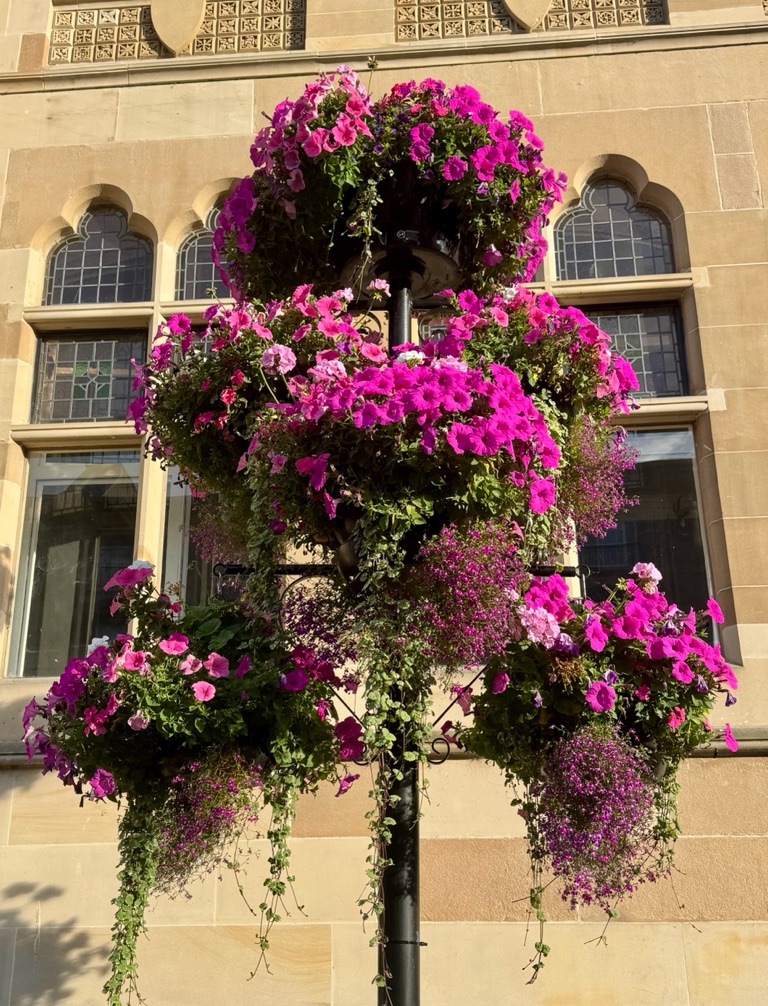
Bright flowers in the town center.
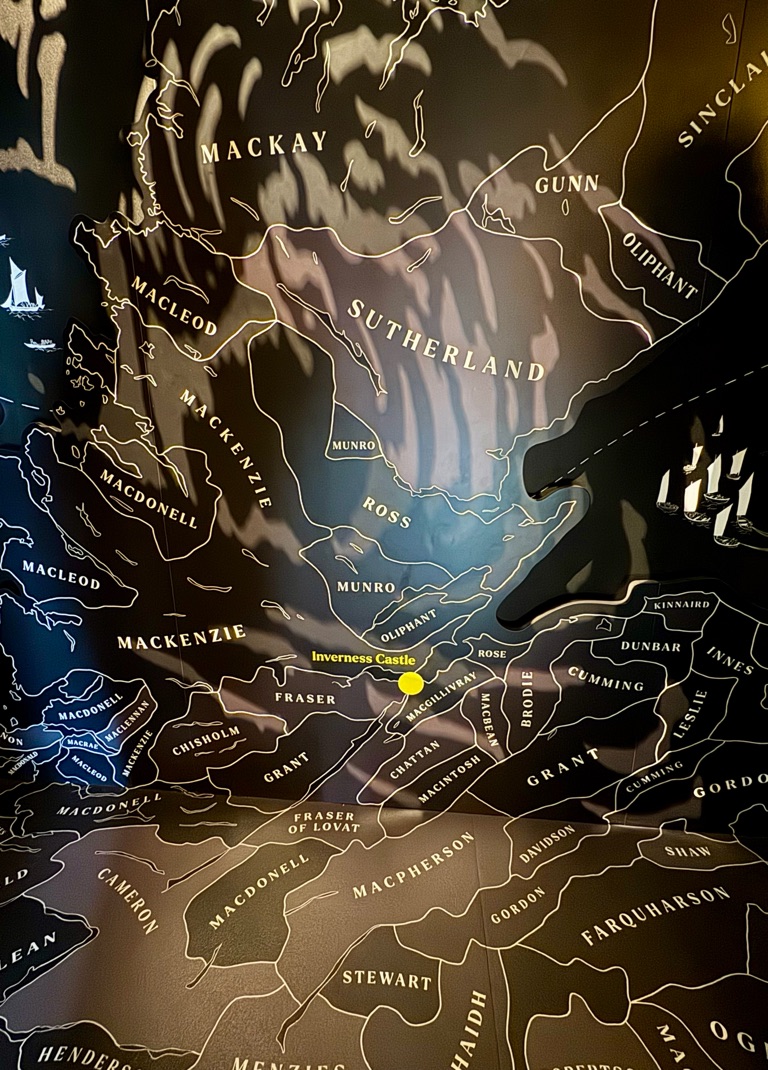
Map of Scottish clans. Zoom in on the yellow dot that is Inverness. MacGillivrays to the right!
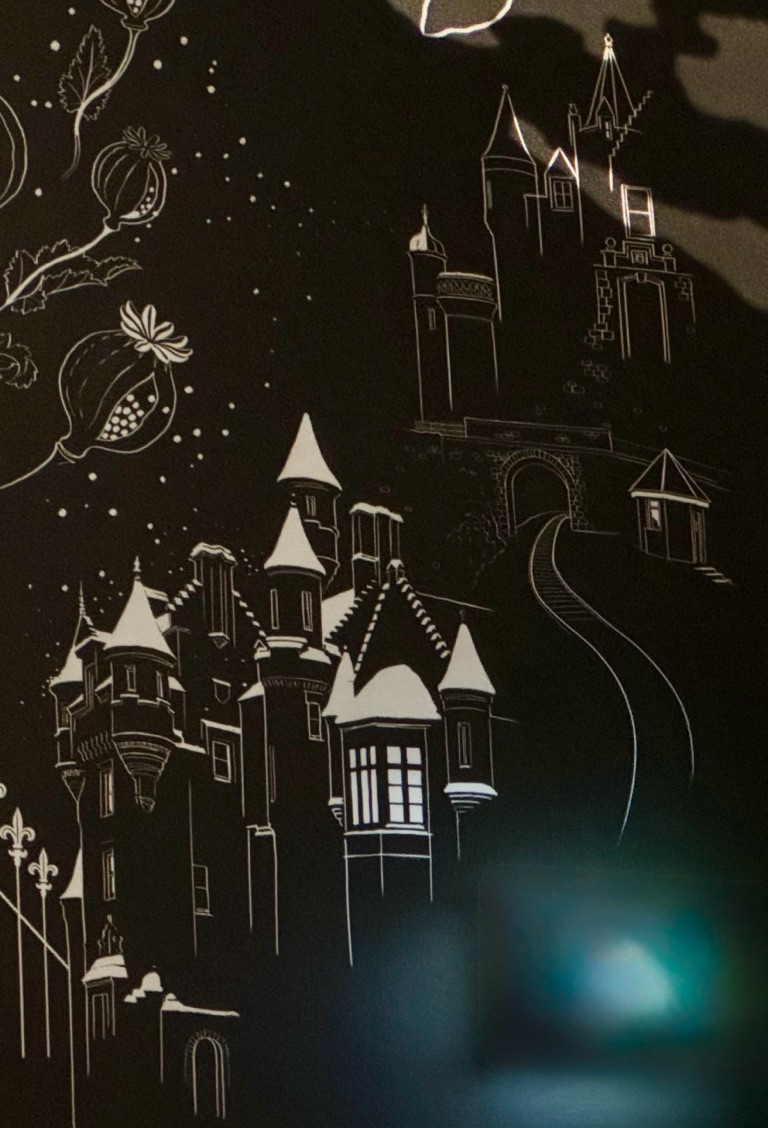
Hogwarts?
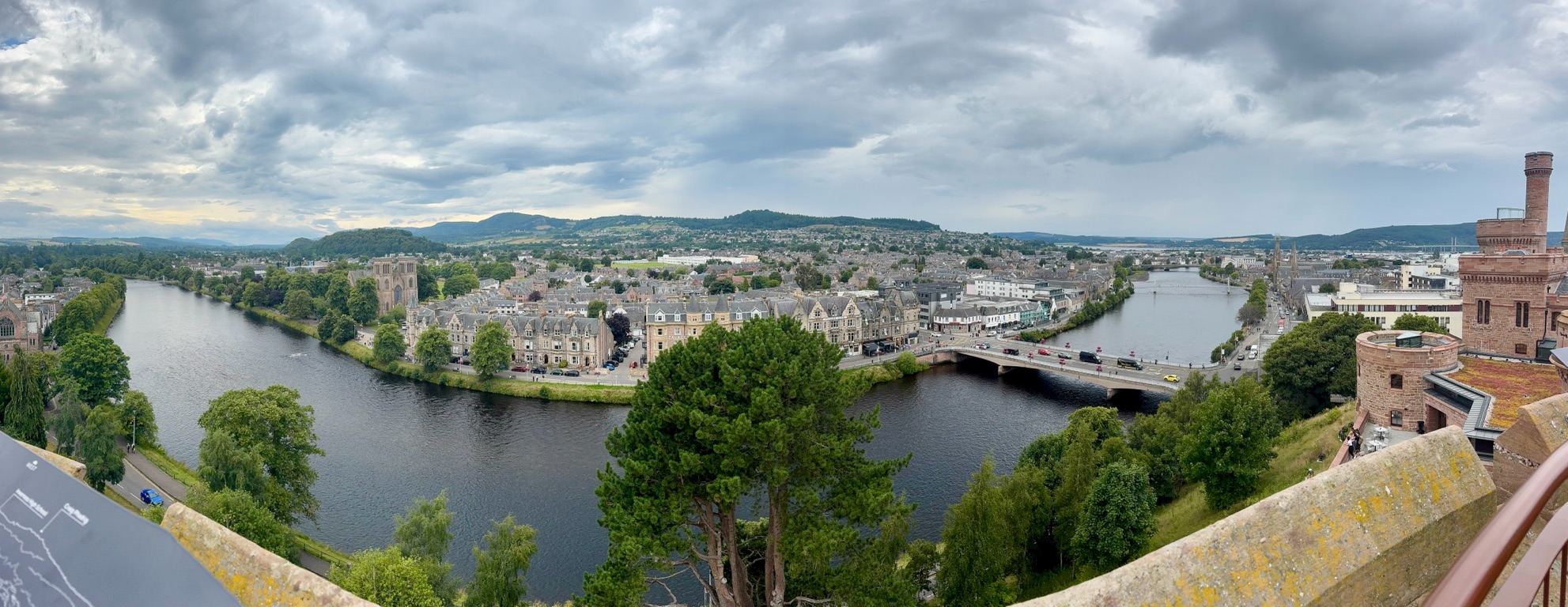
View of Inverness from one of the castle towers.
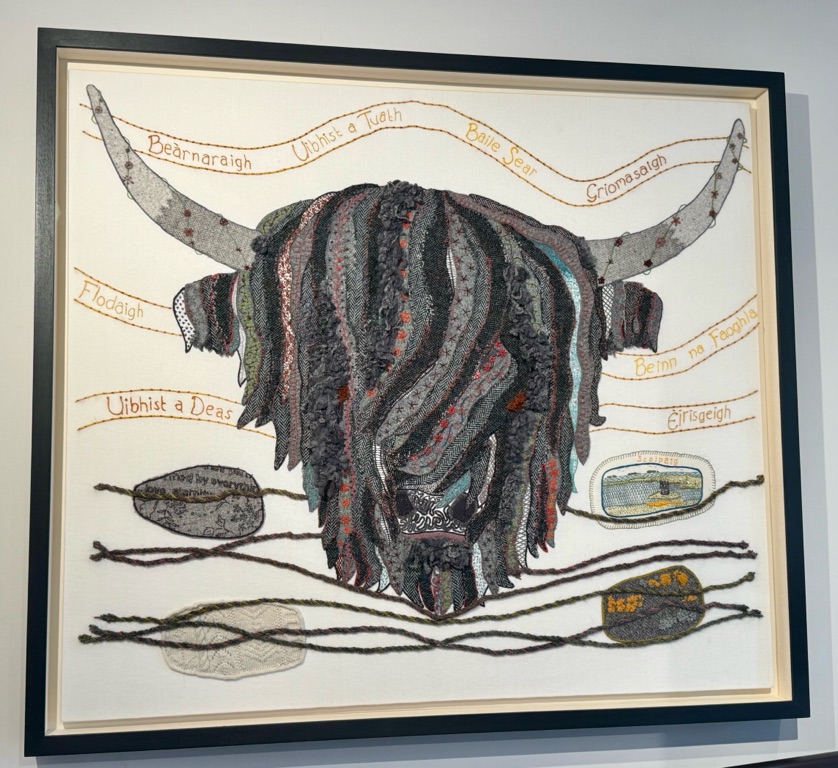
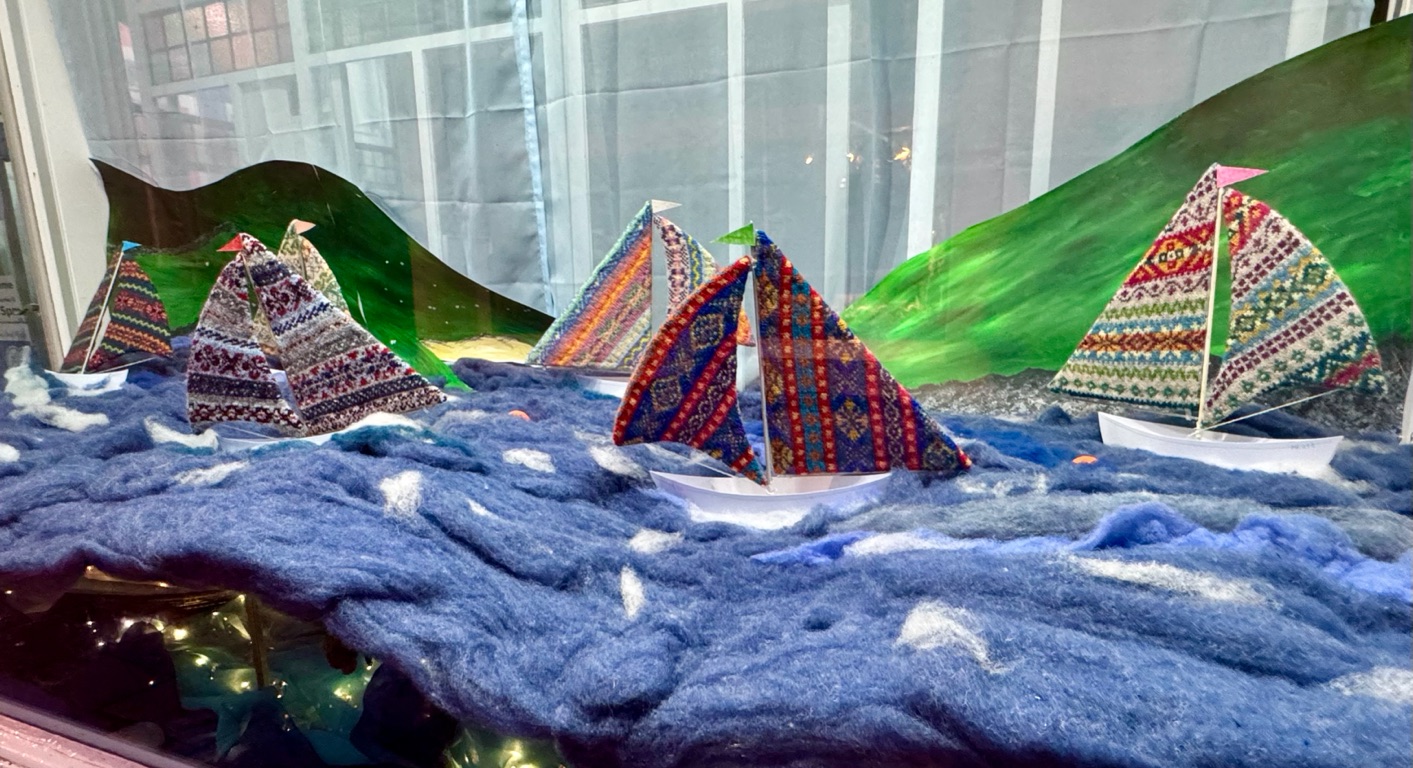
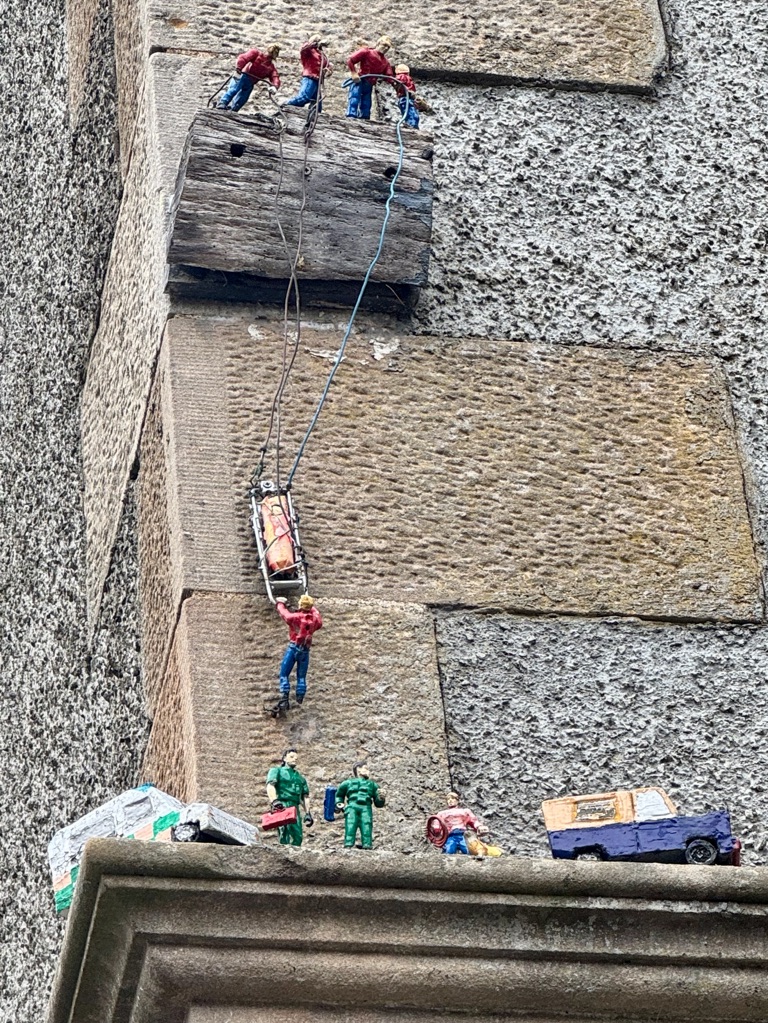
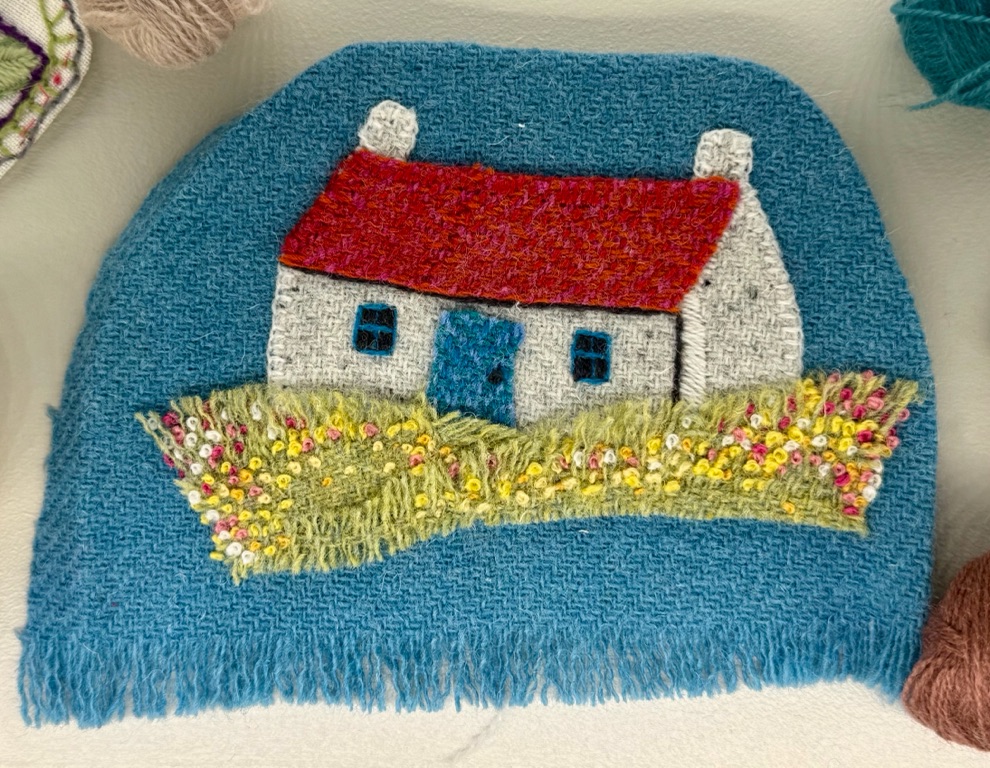
Fun part of a tapestry exhibit.
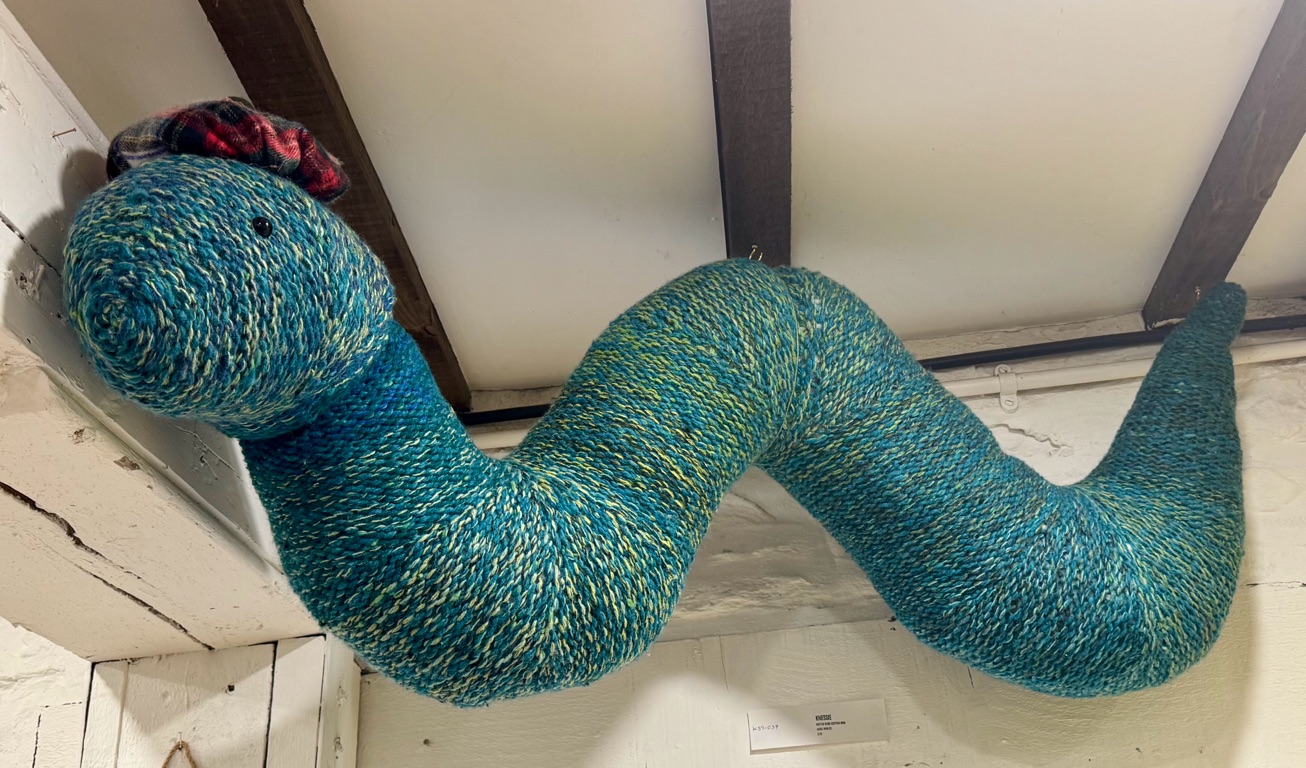
Nessie 🤪
2
Thurso

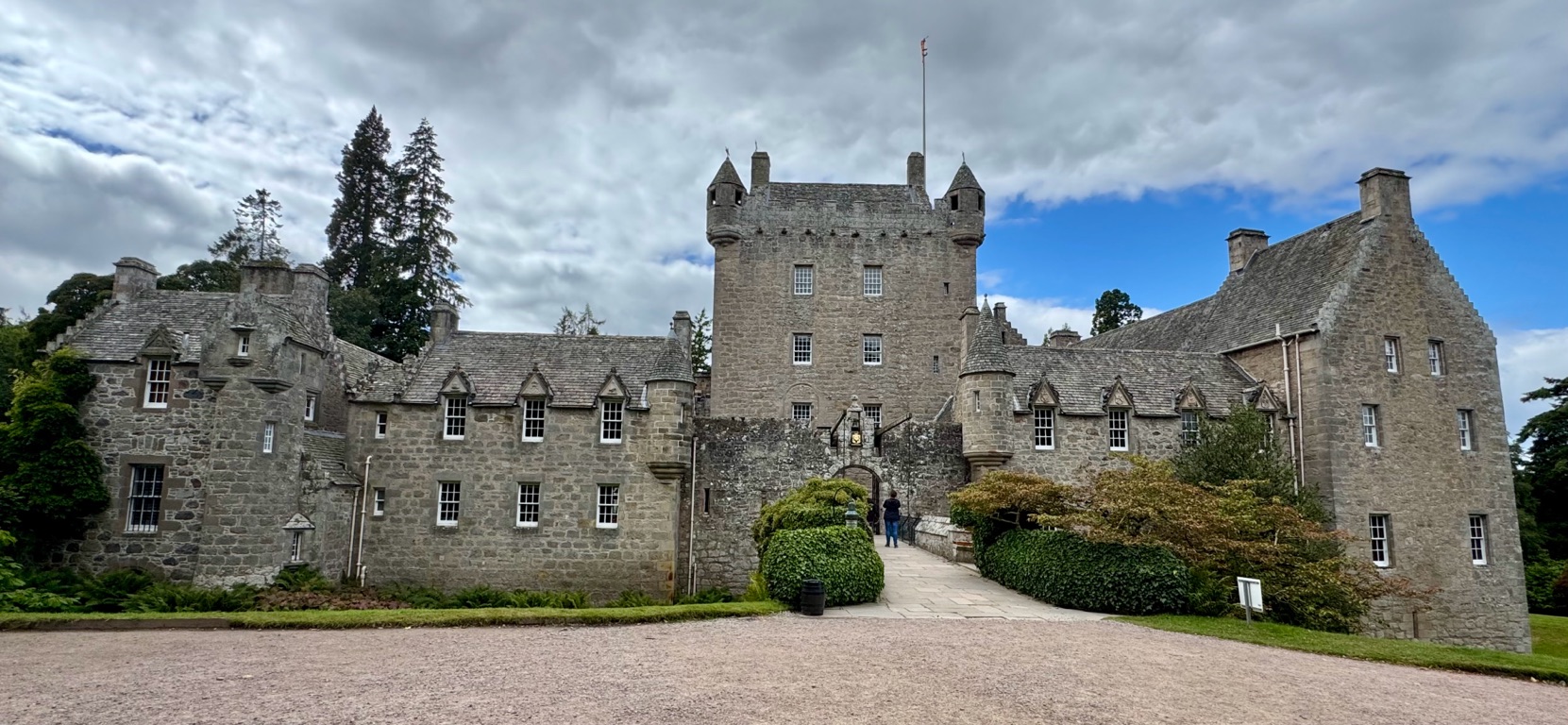
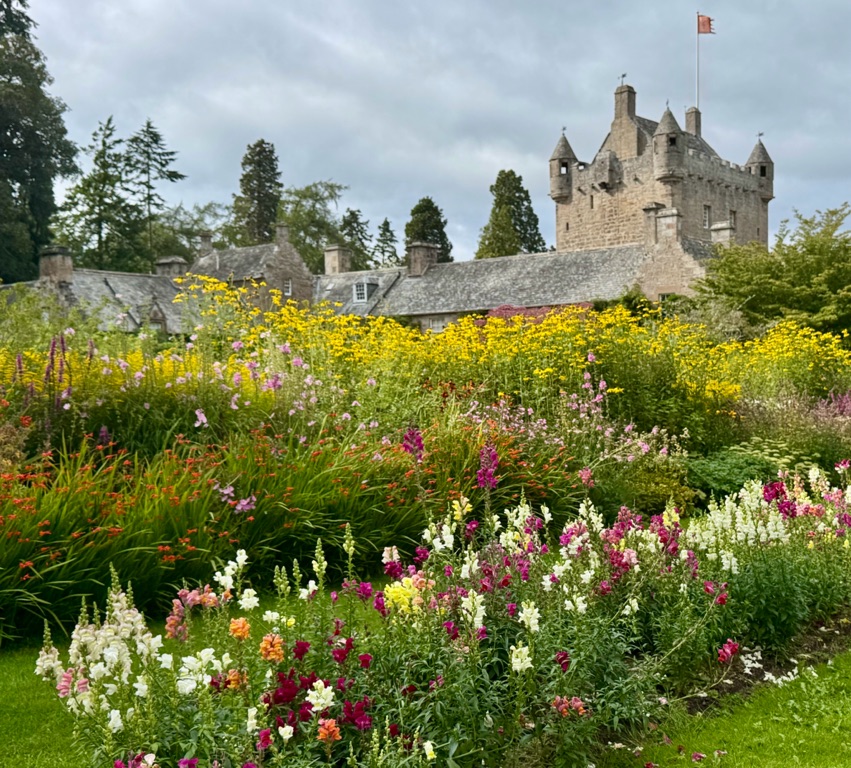
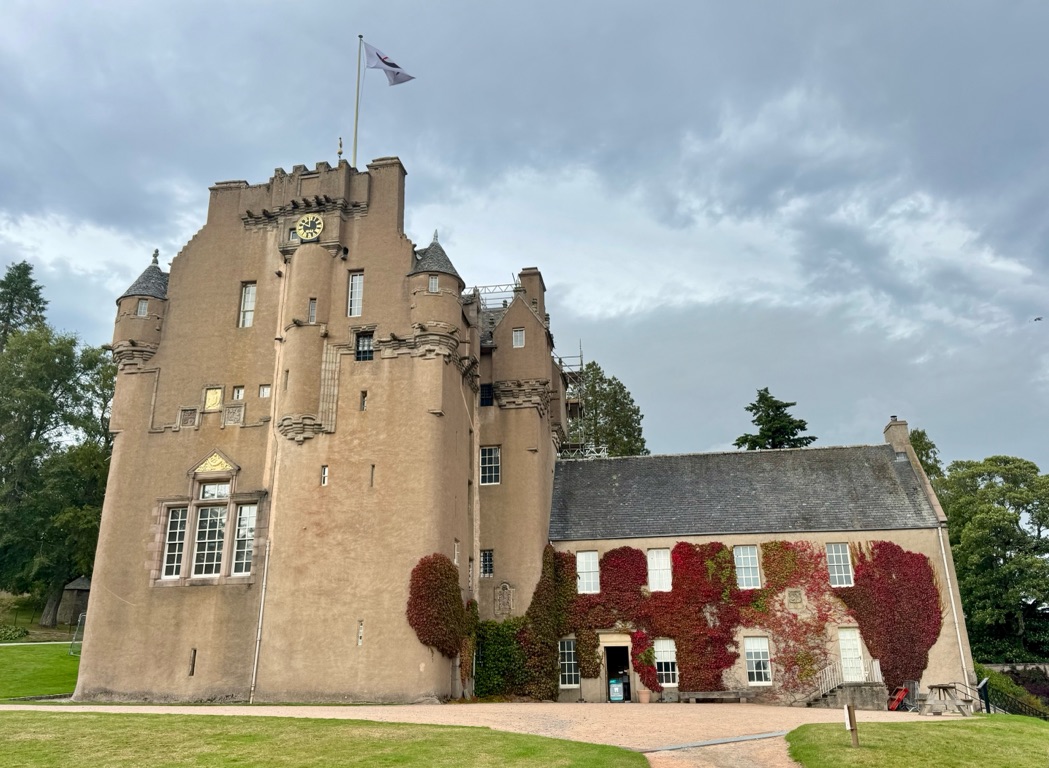
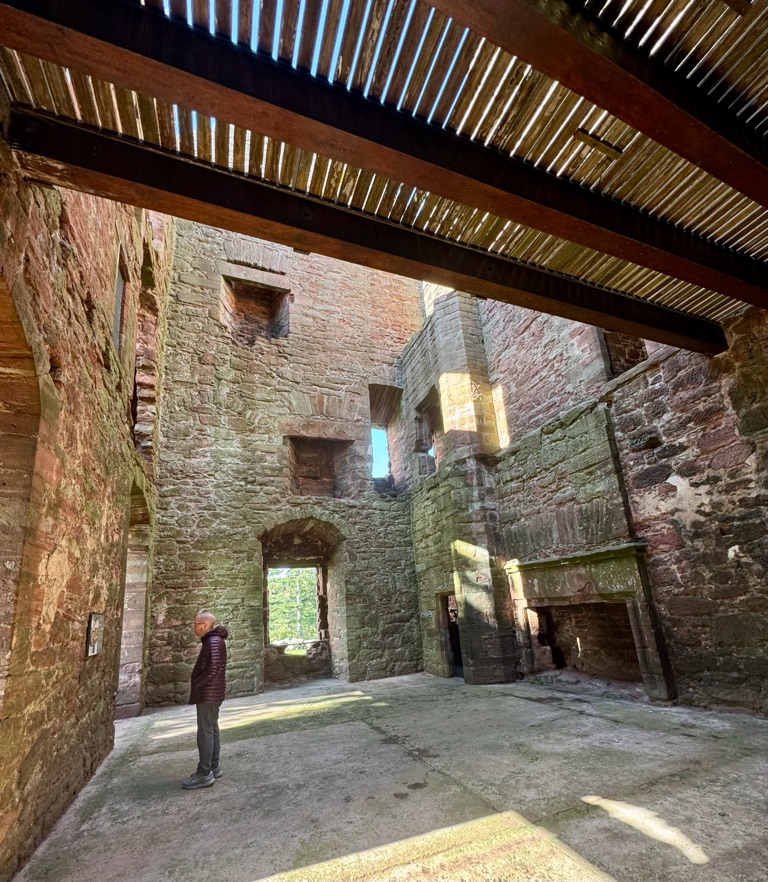
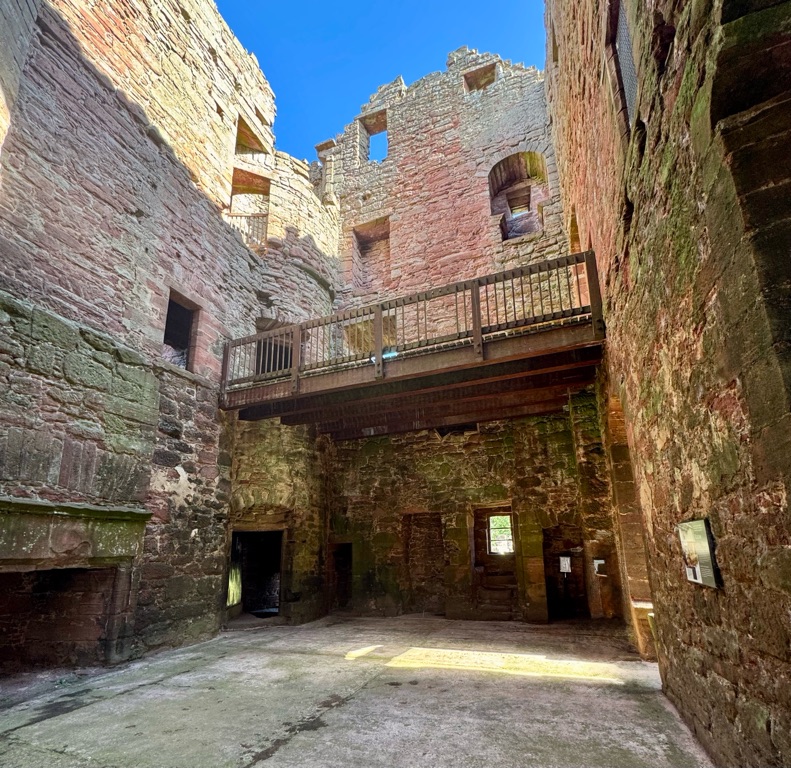
We wrapped up our time in Inverness at Cawdor Castle. The estate has been inhabited by members of the family for 600 years. They live there at times during the winter and open it for tours in the summer months.

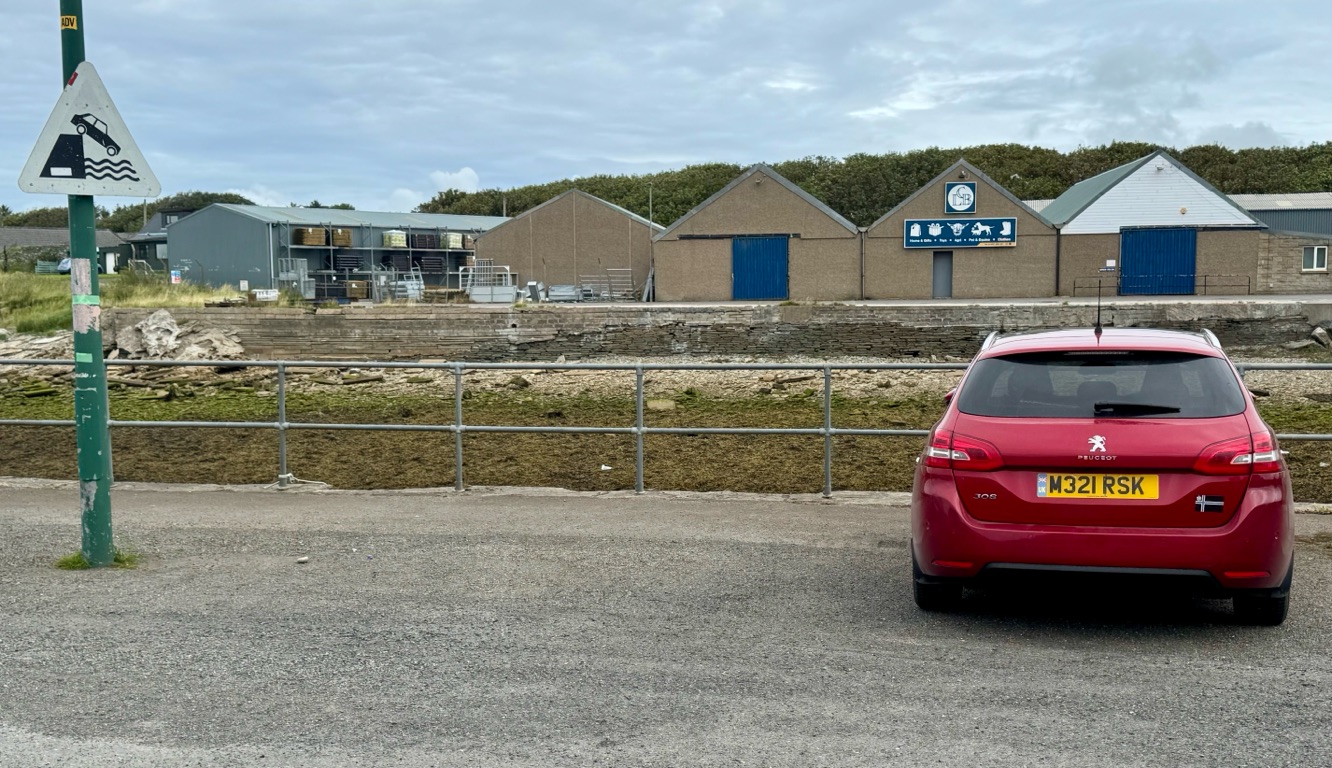
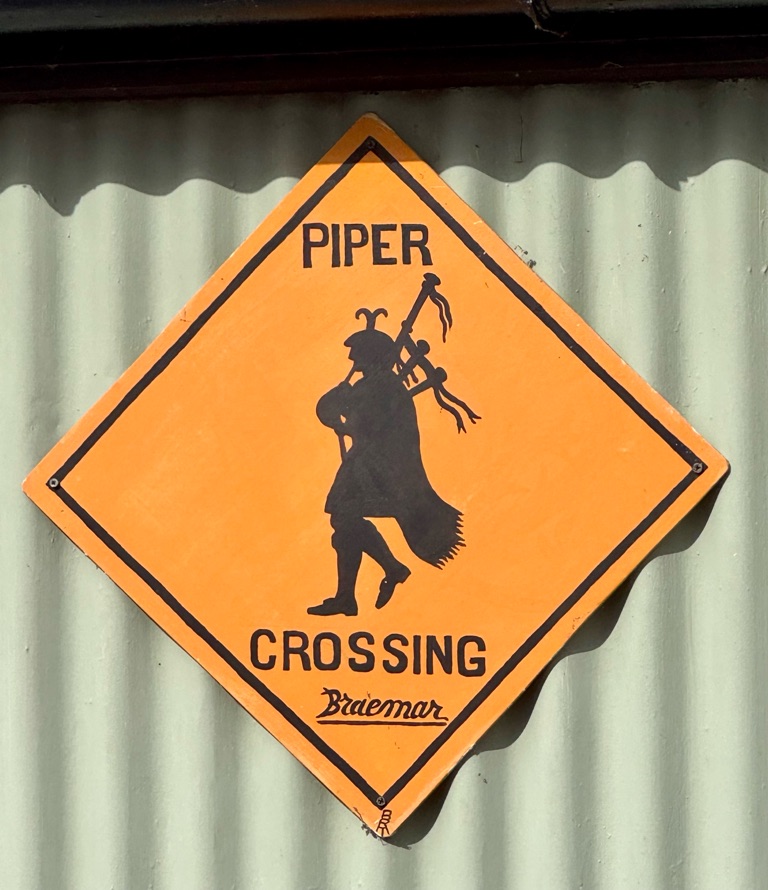
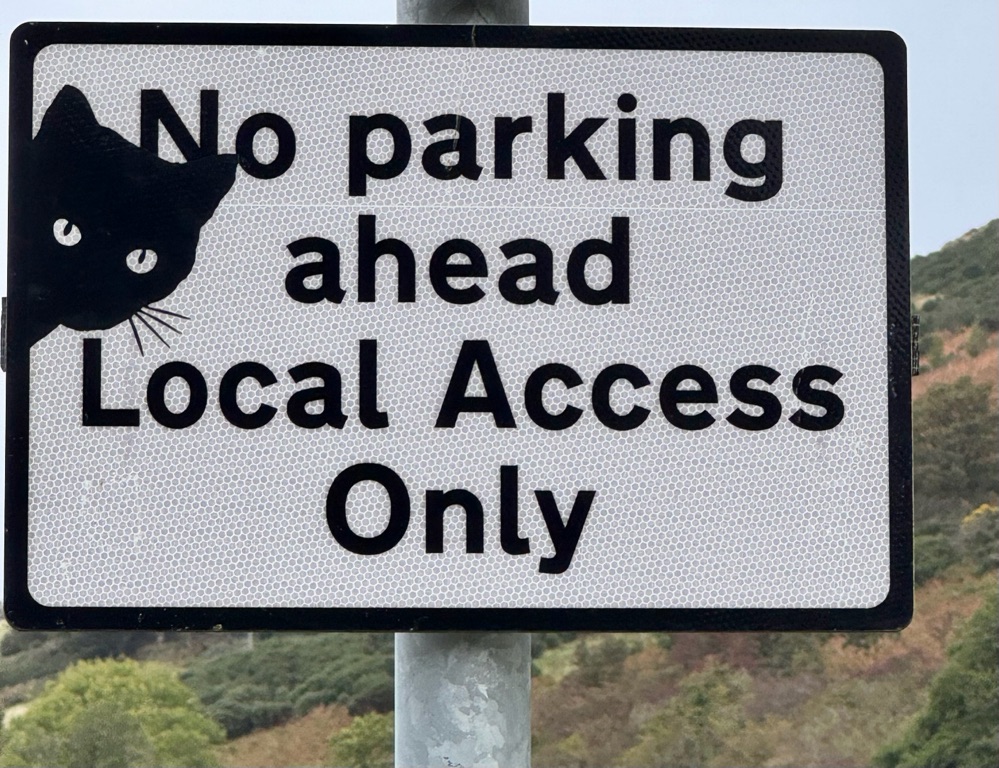
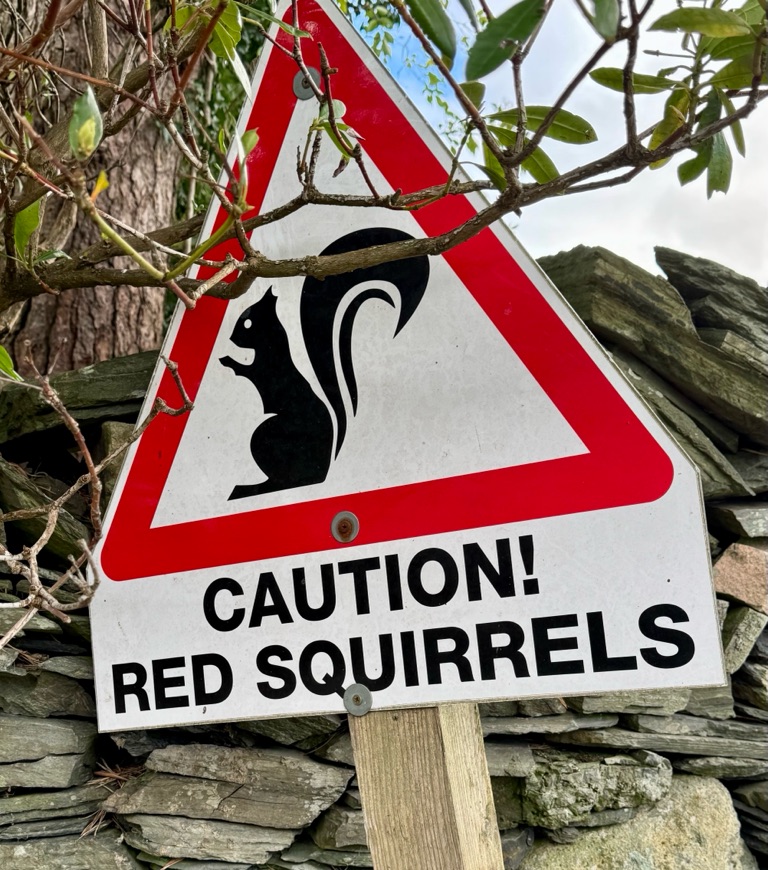
Funny sign.

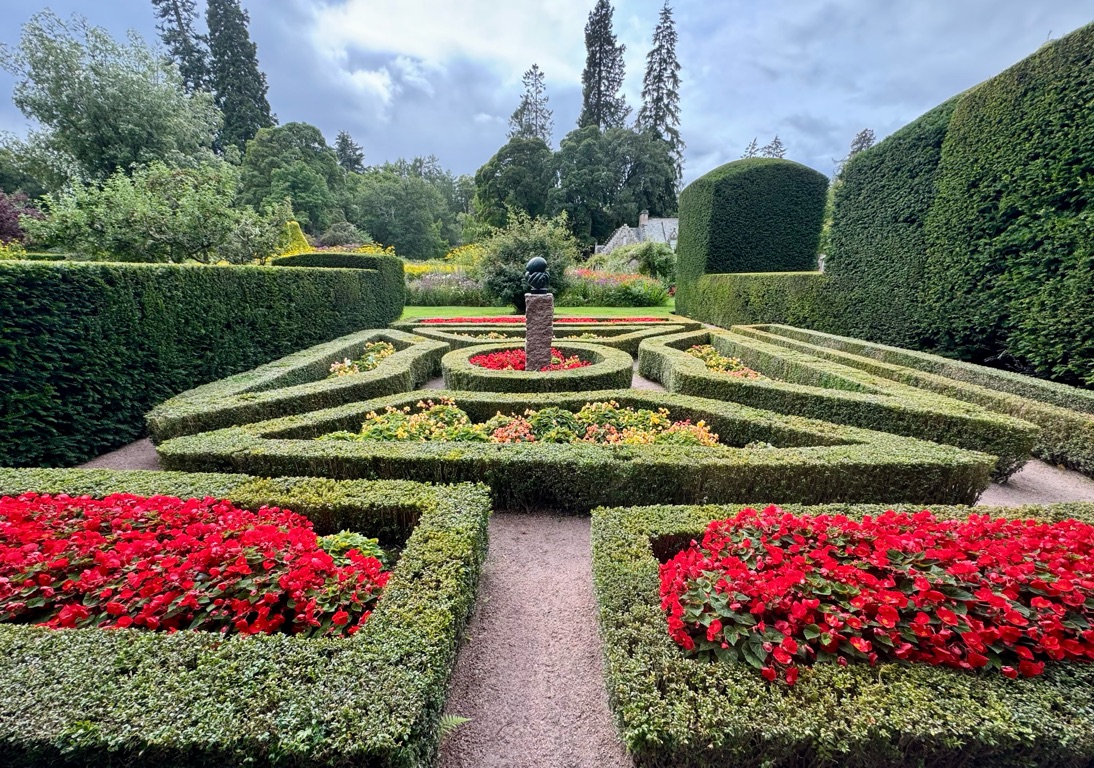
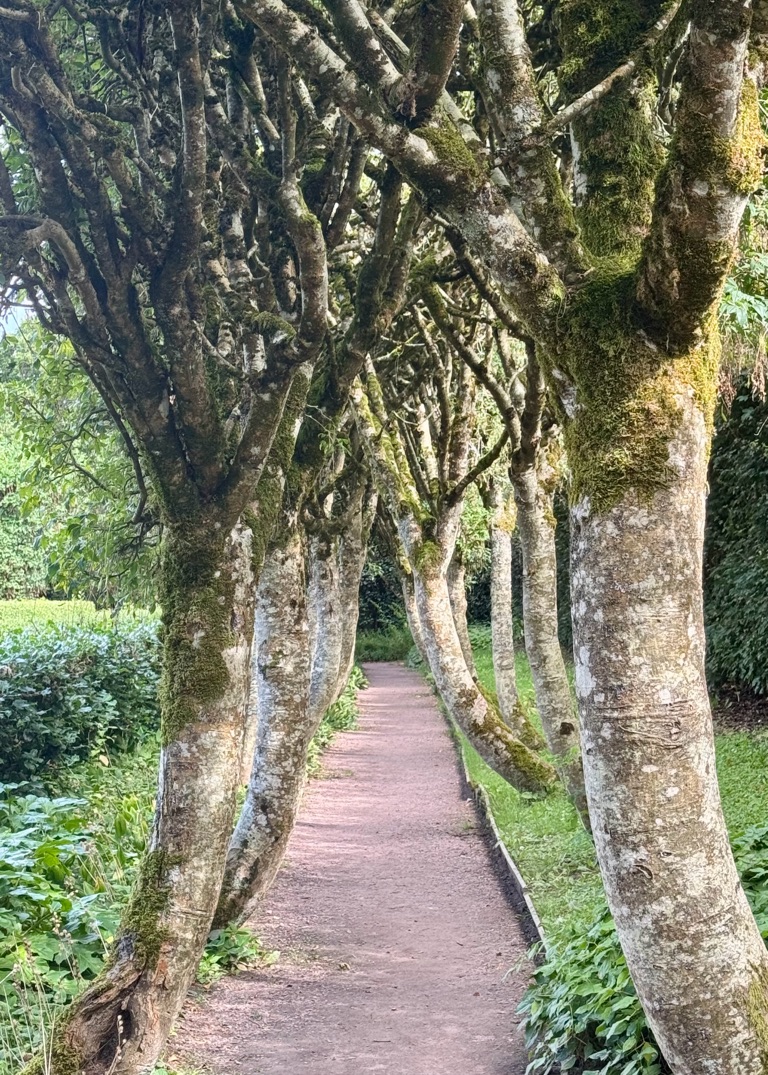
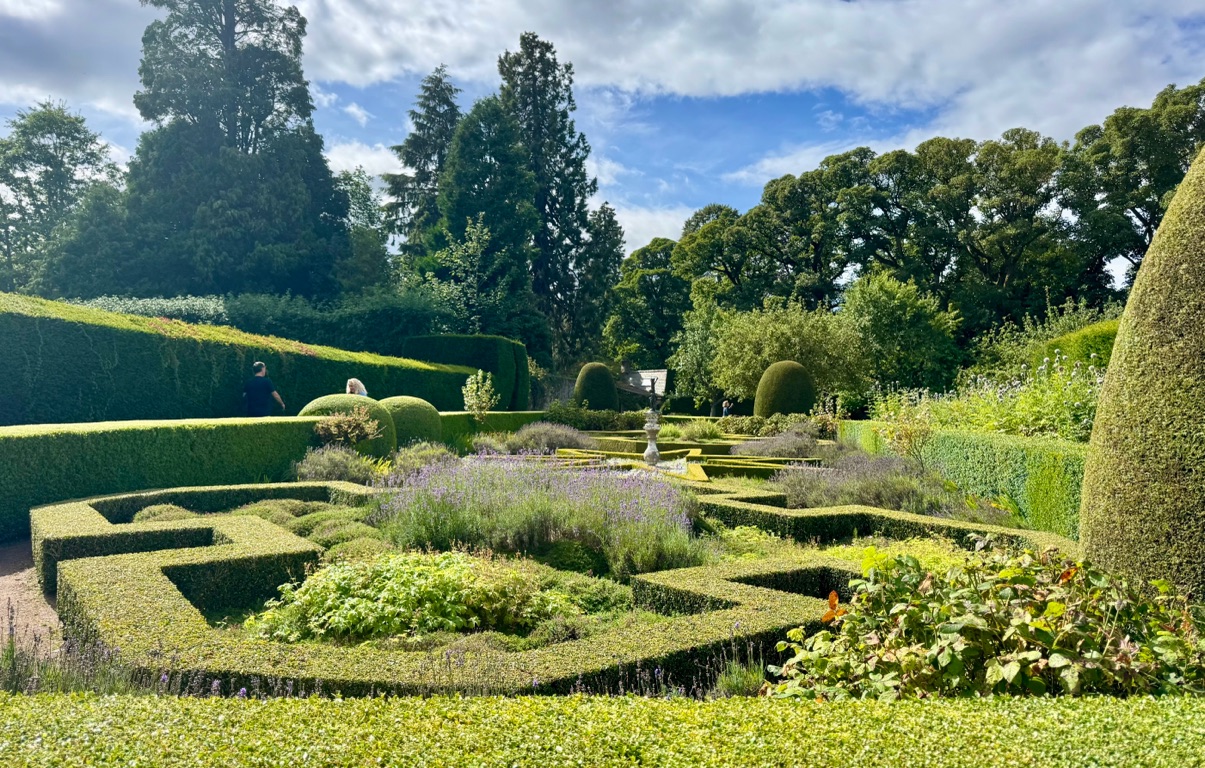
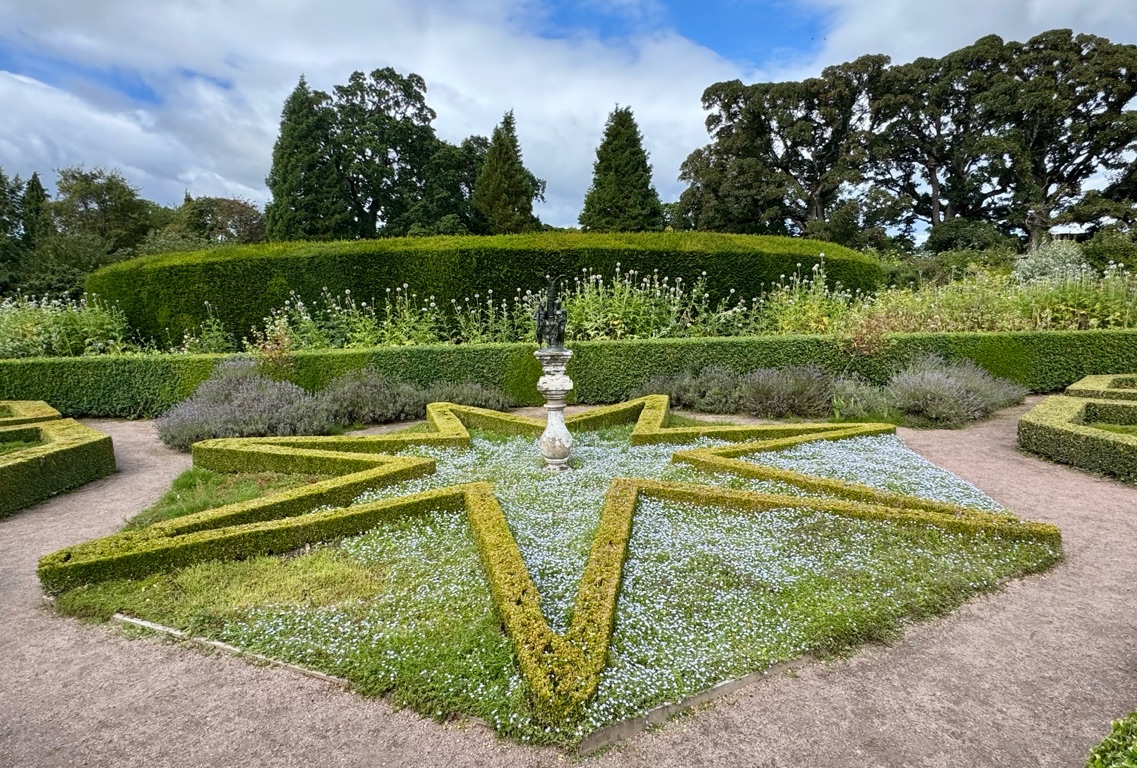
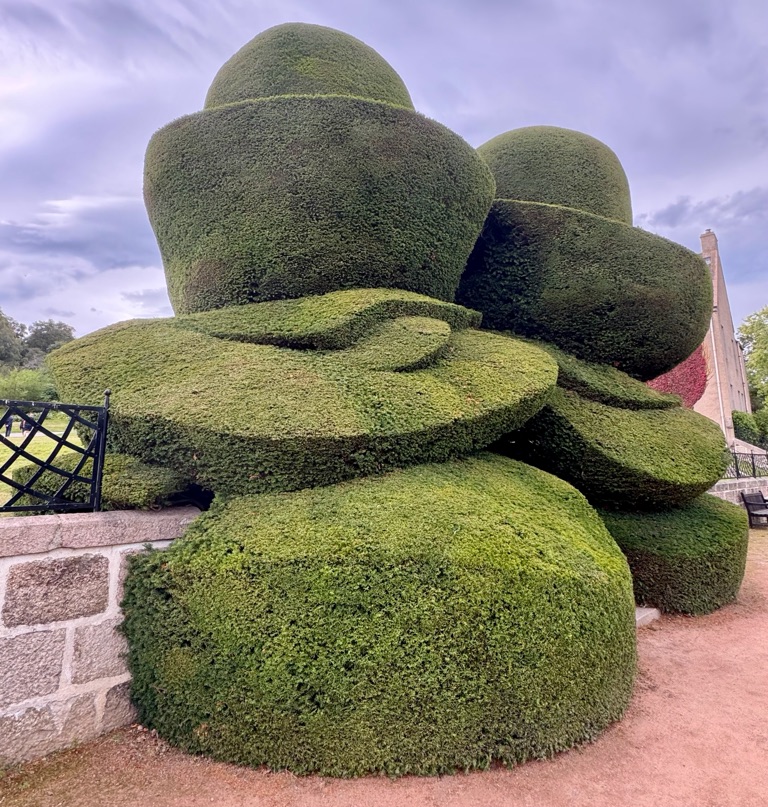
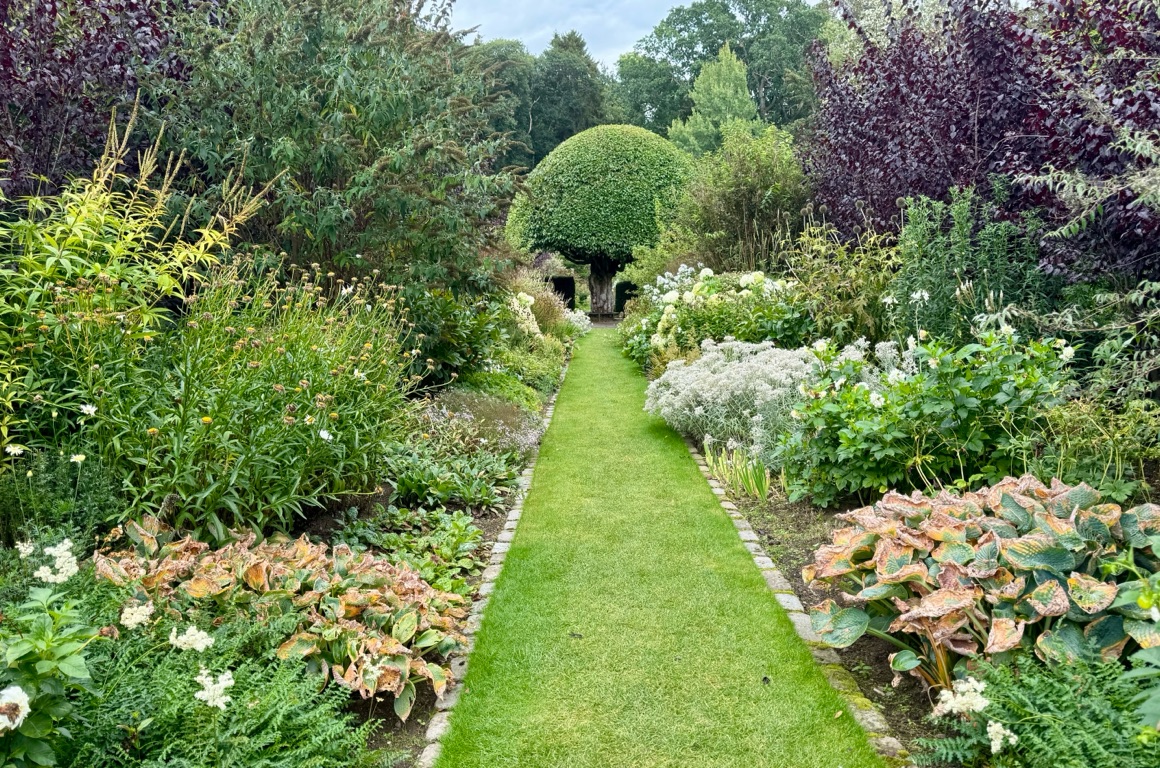
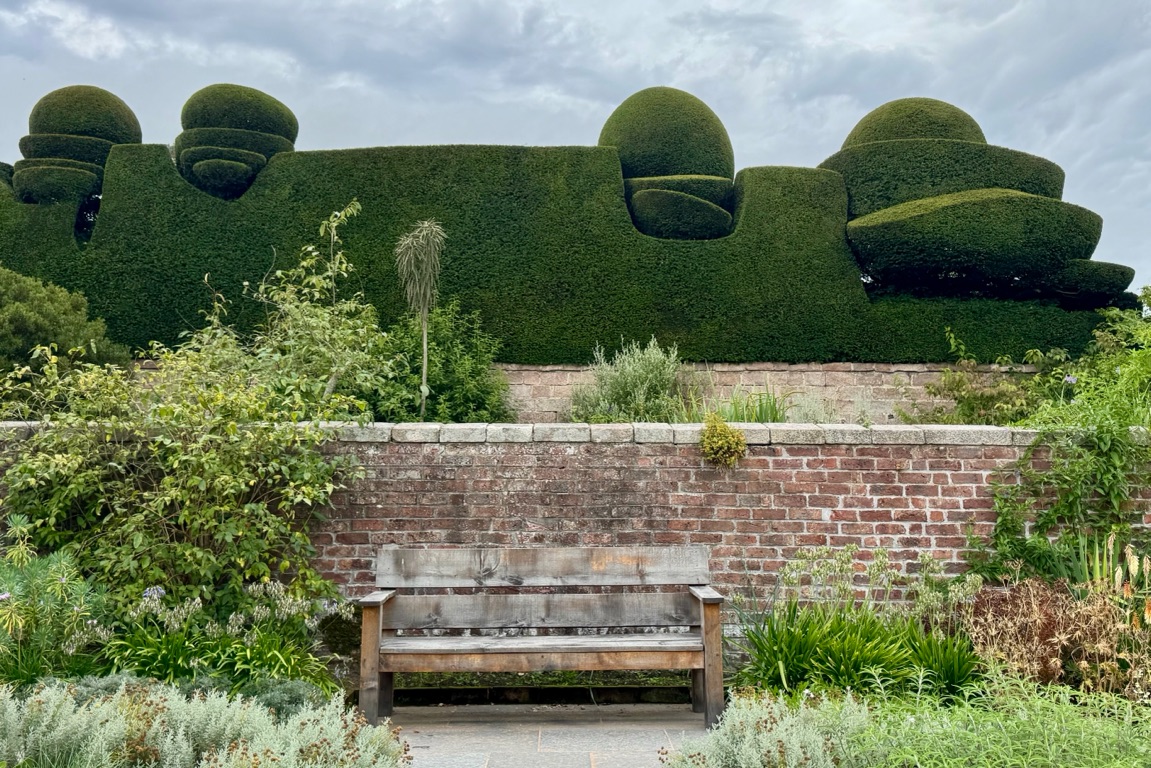
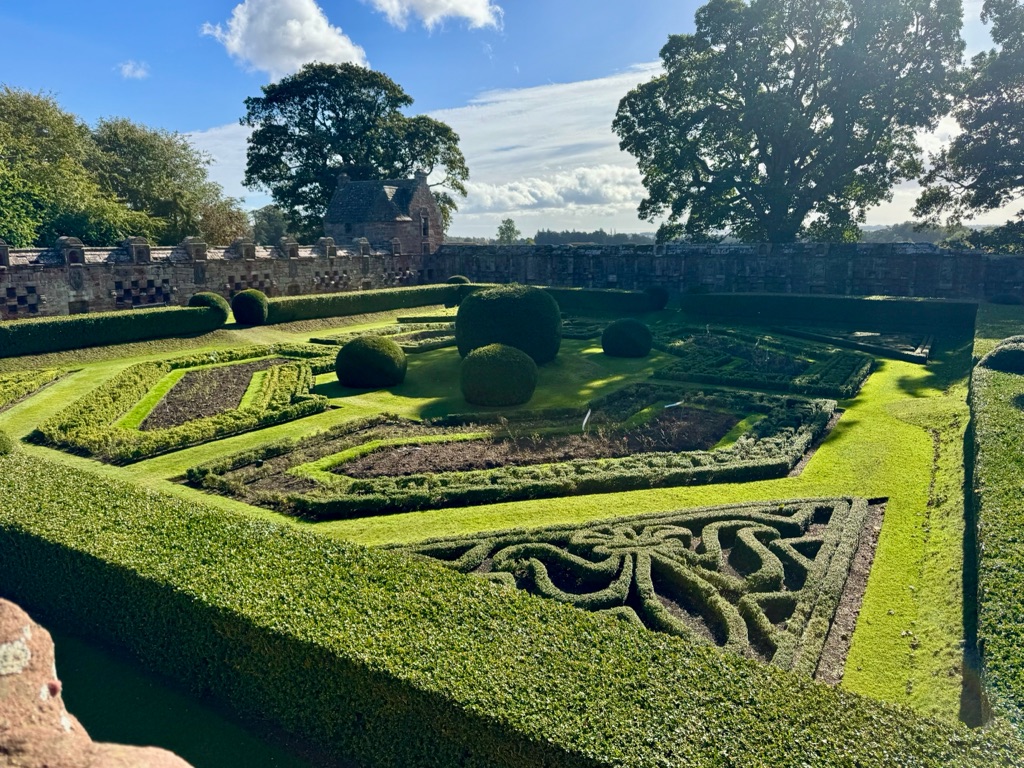
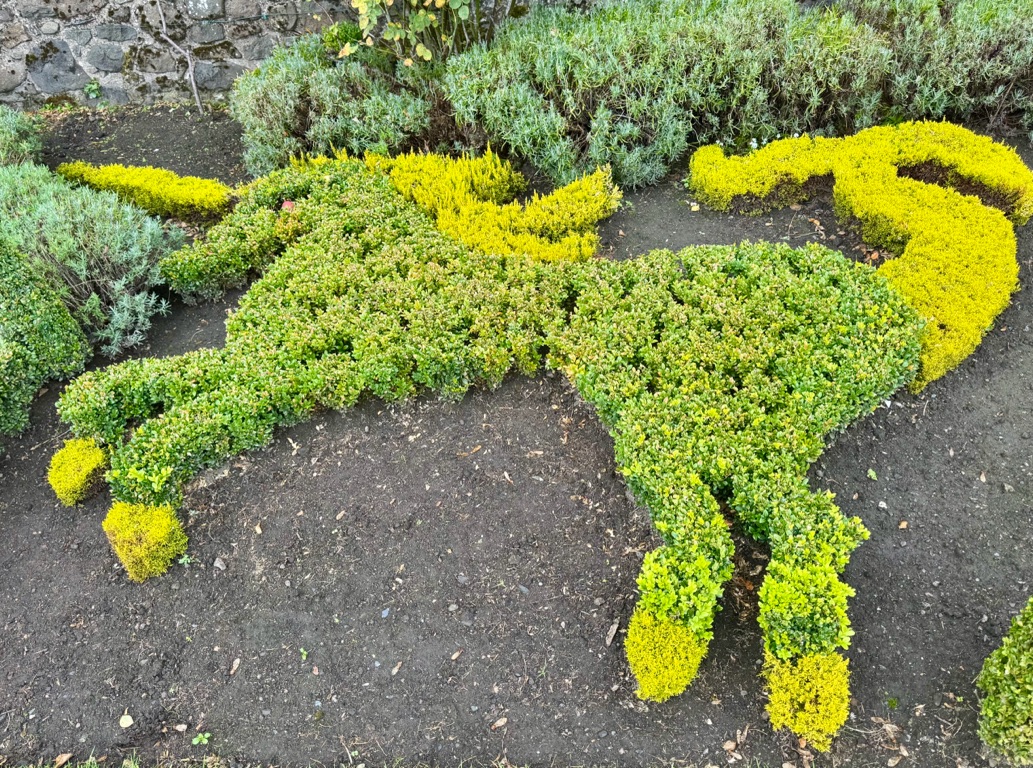
It has a beautiful garden with some meticulously trimmed hedges.

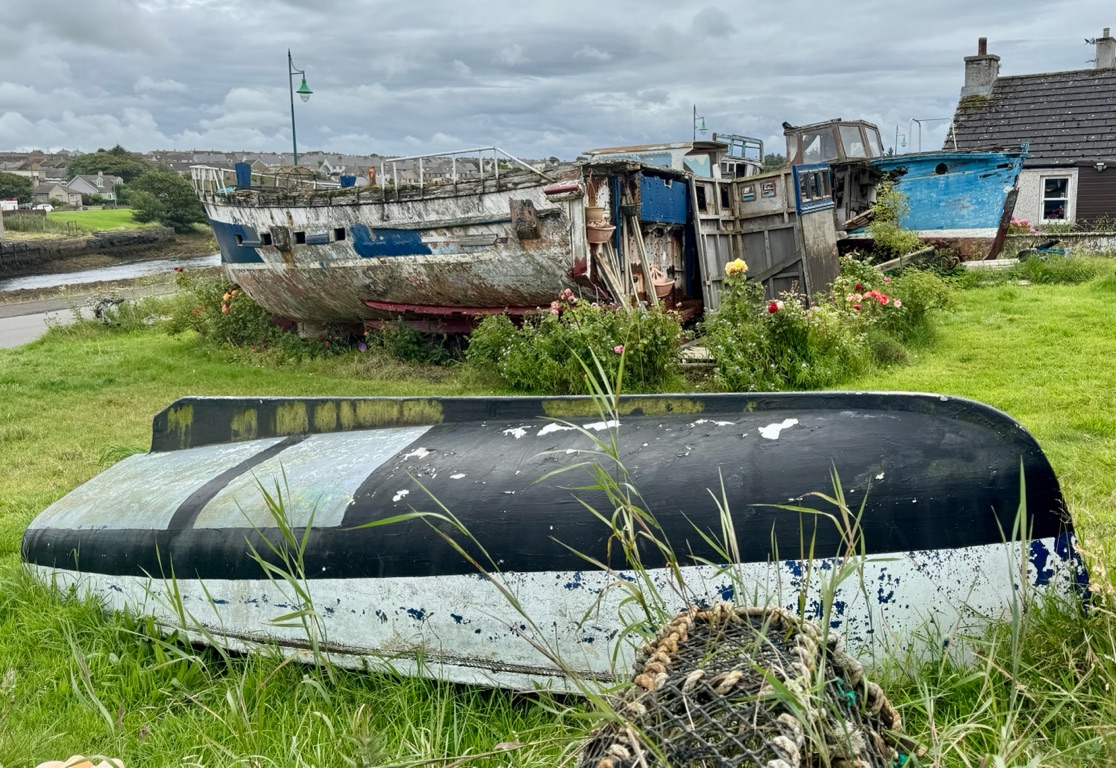
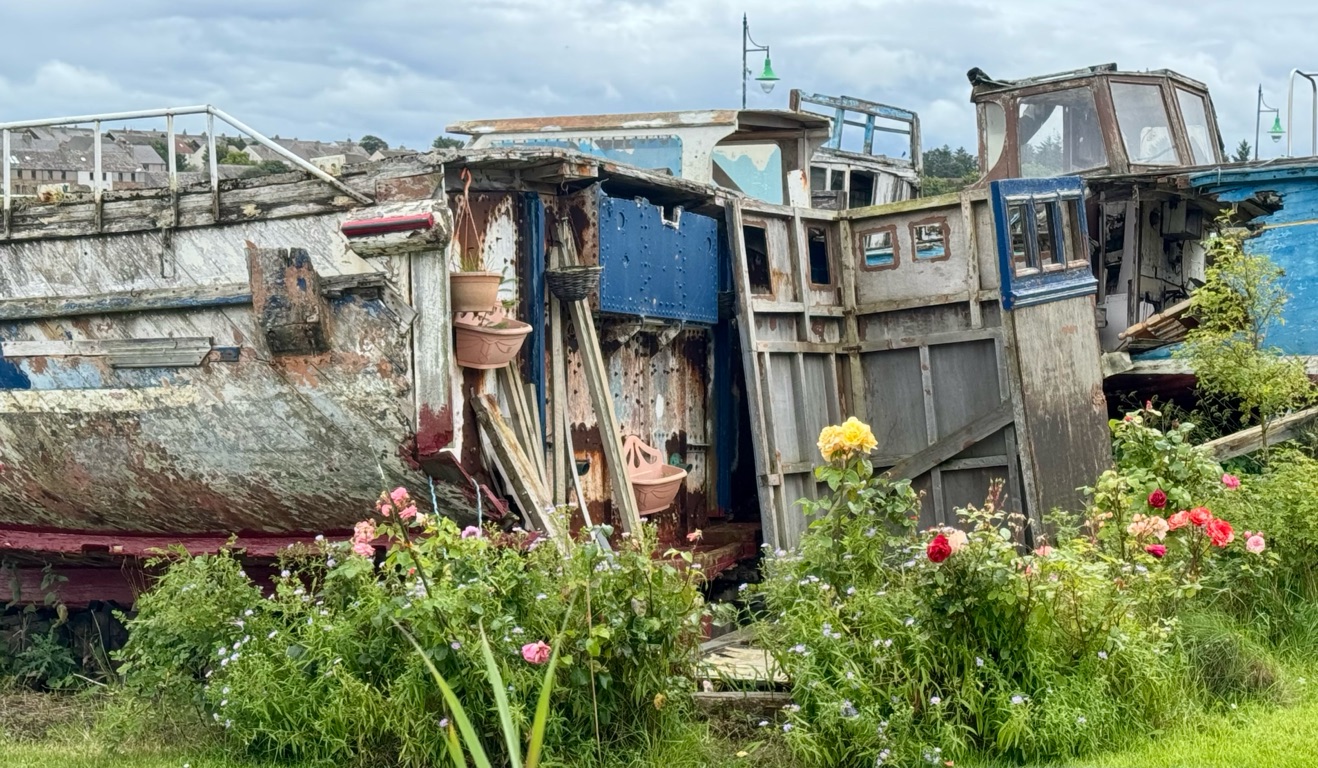
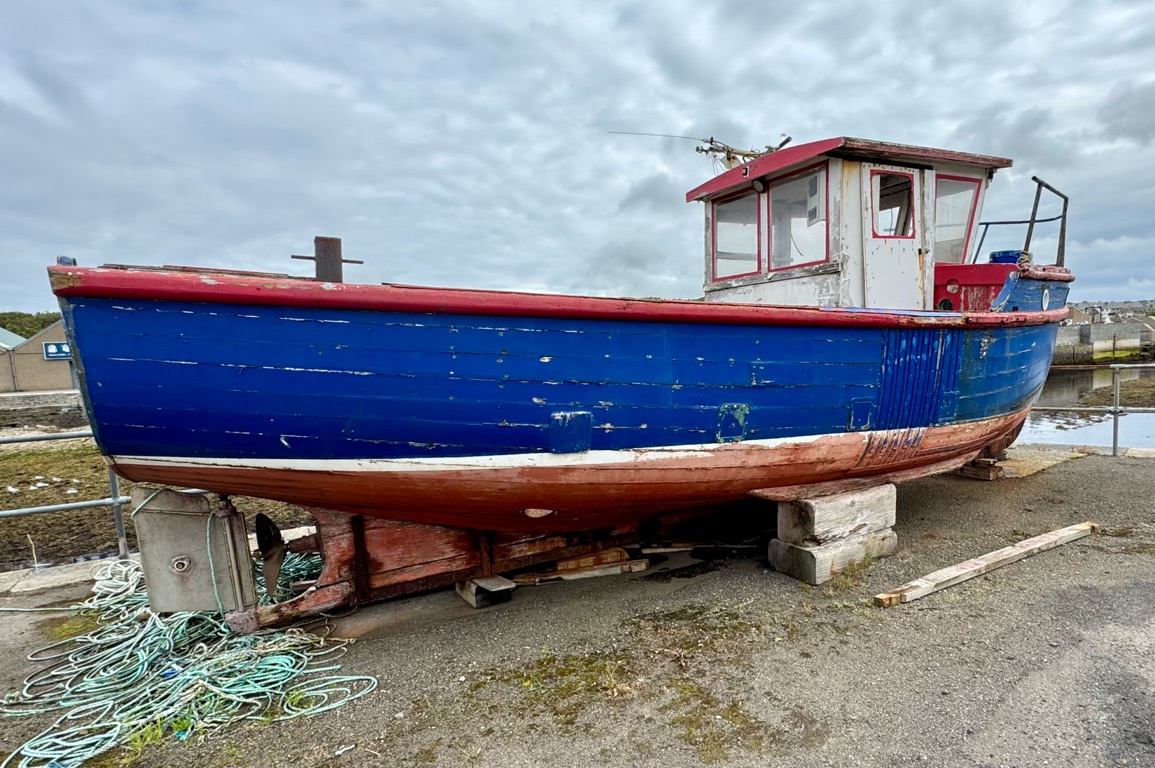
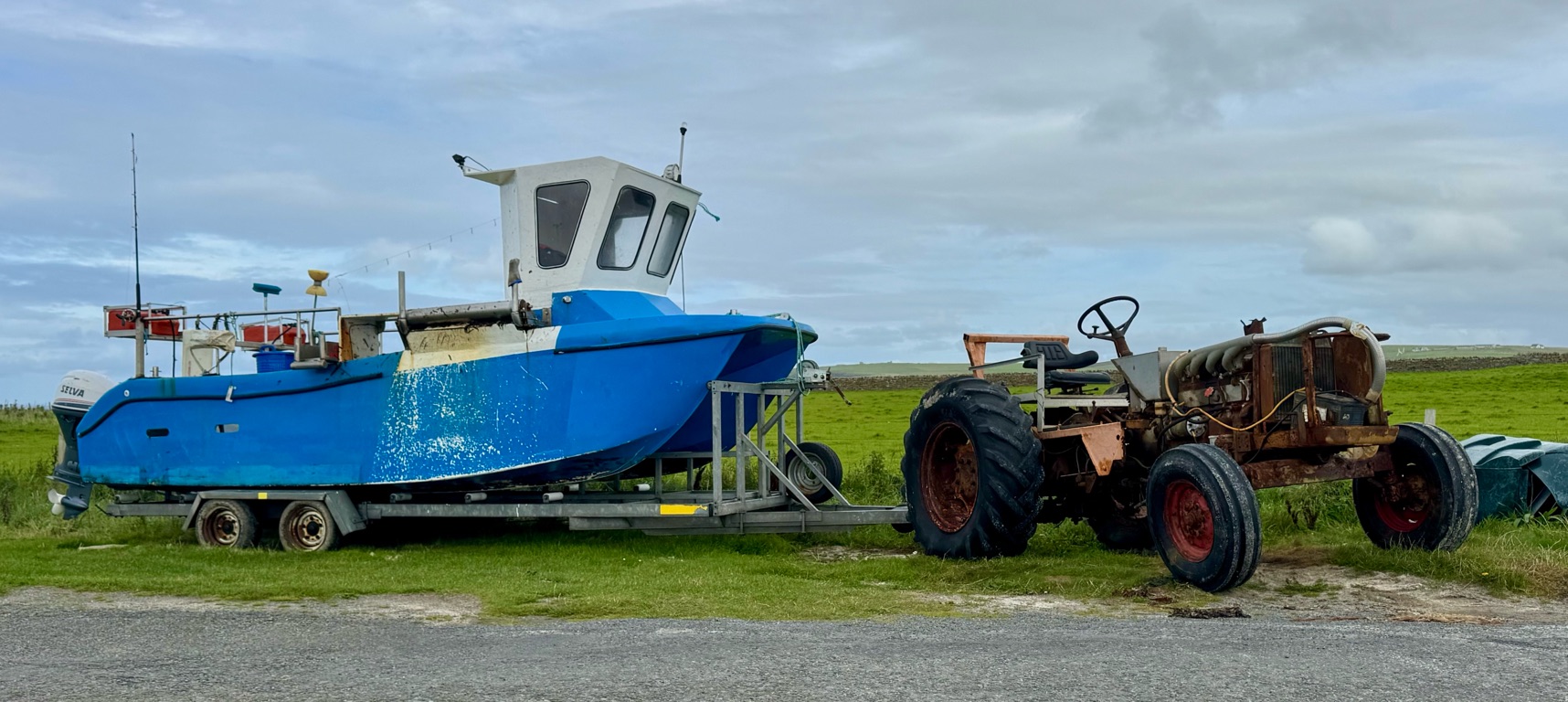
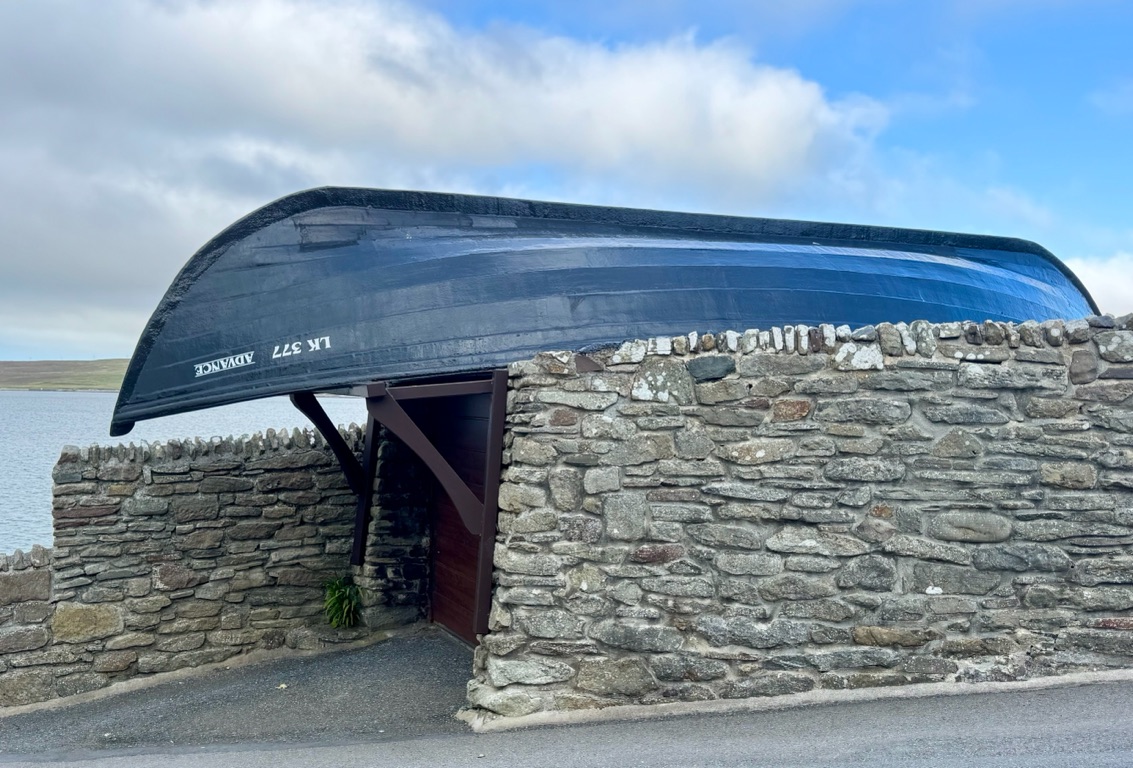
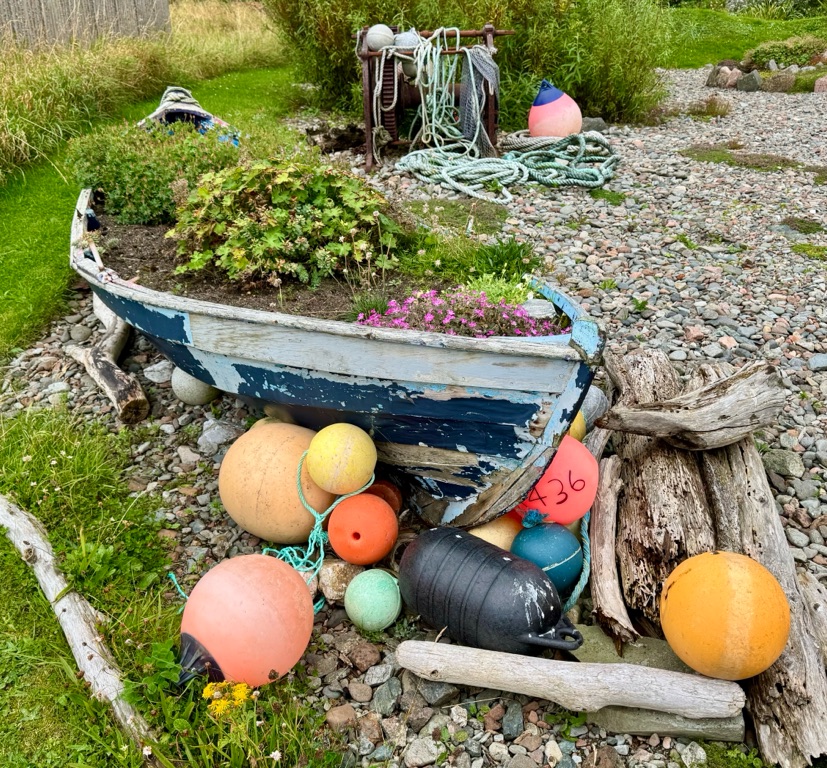
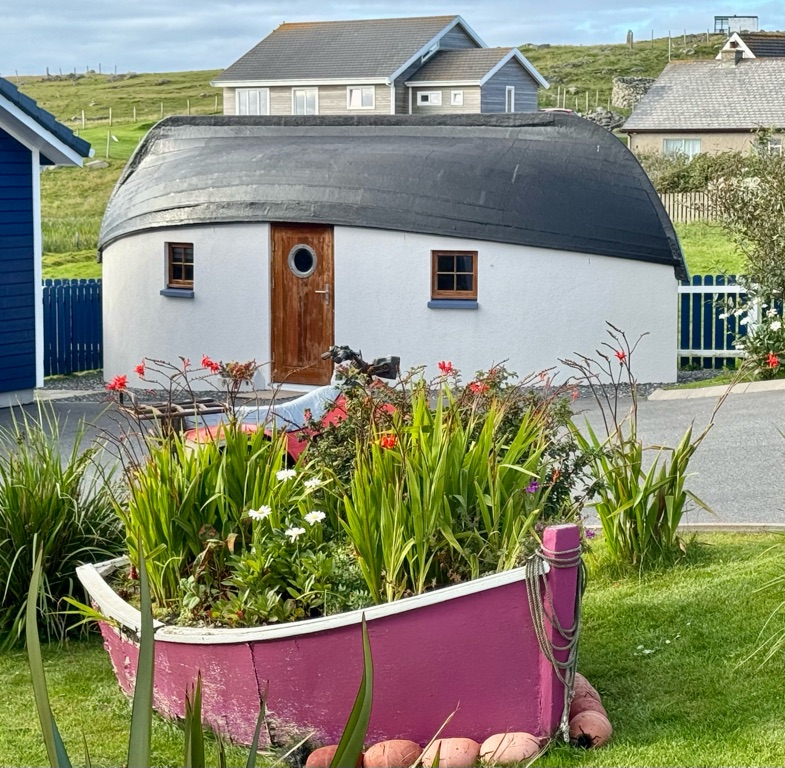
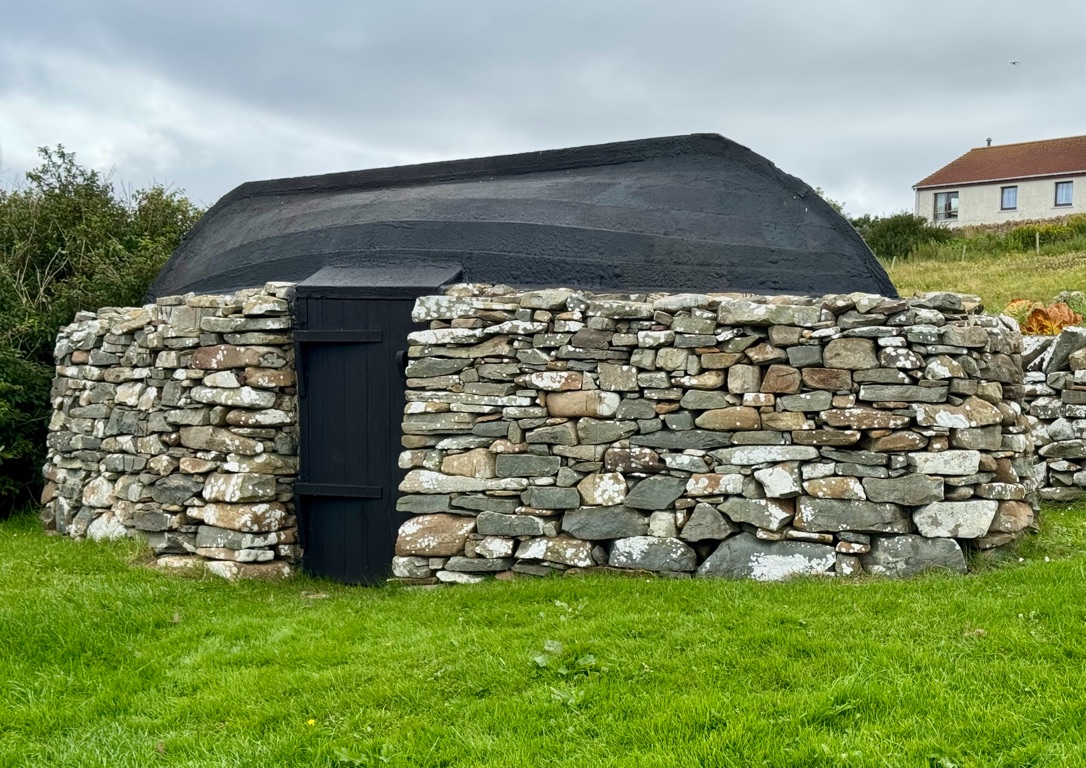
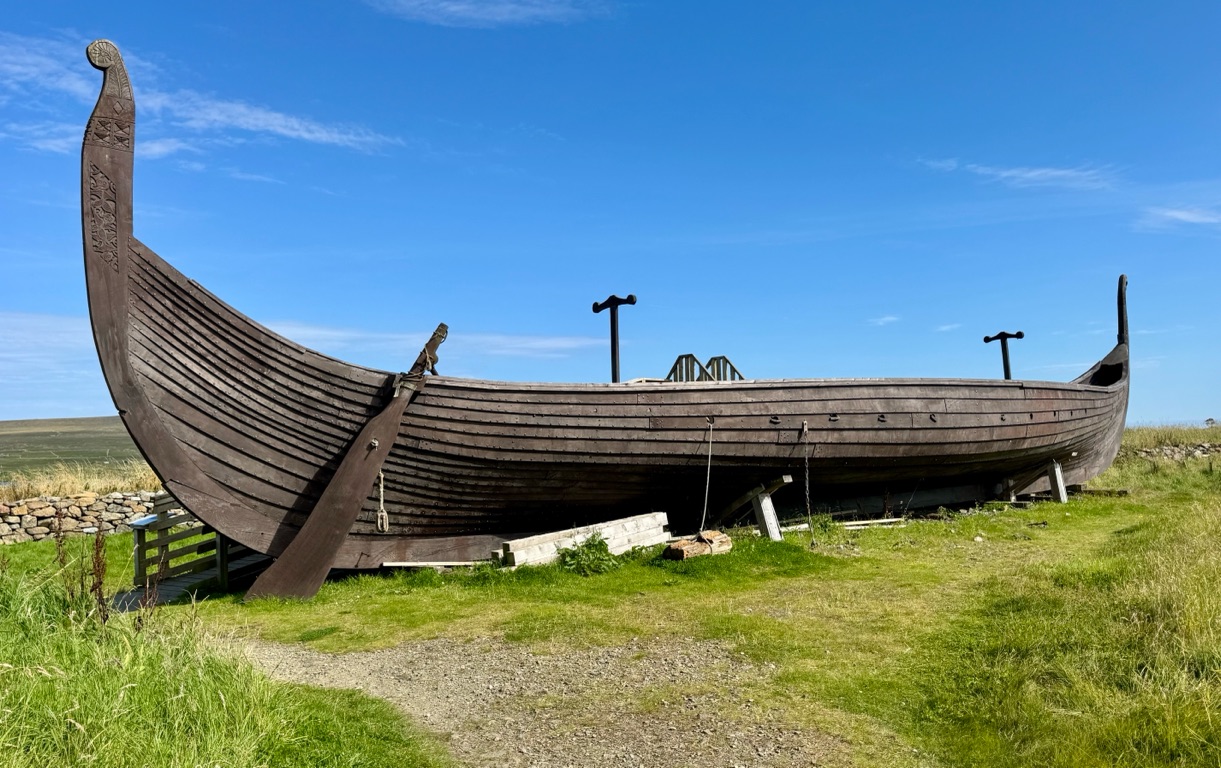
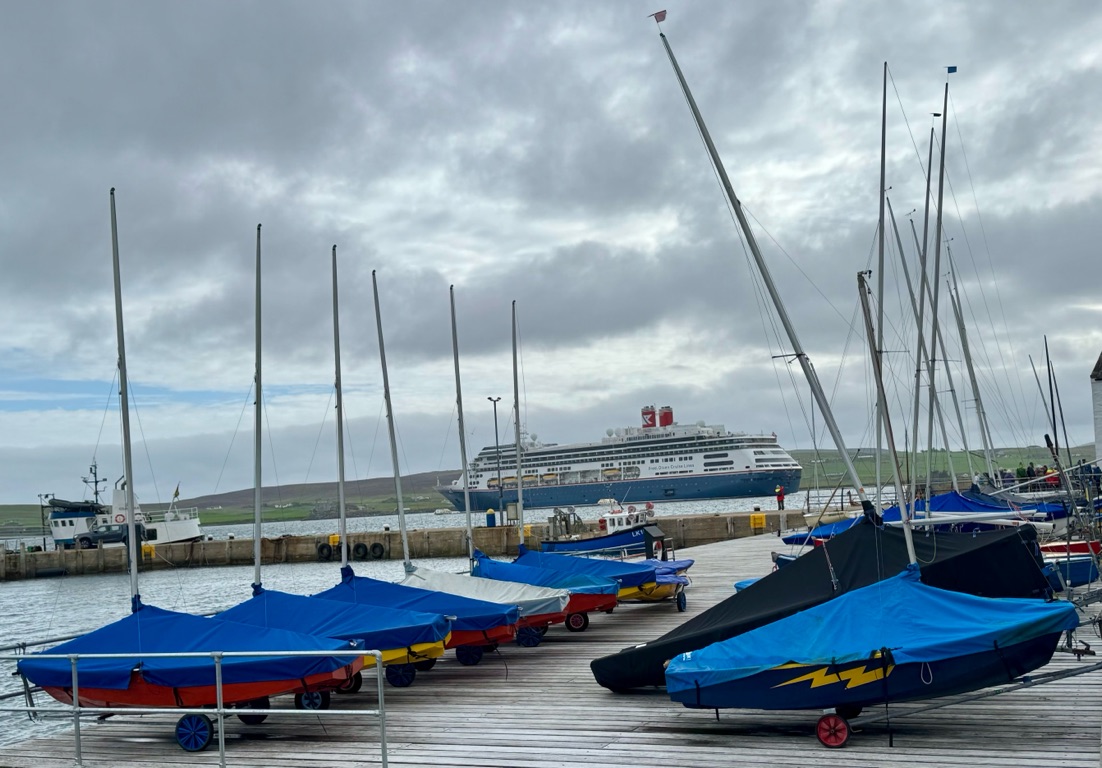
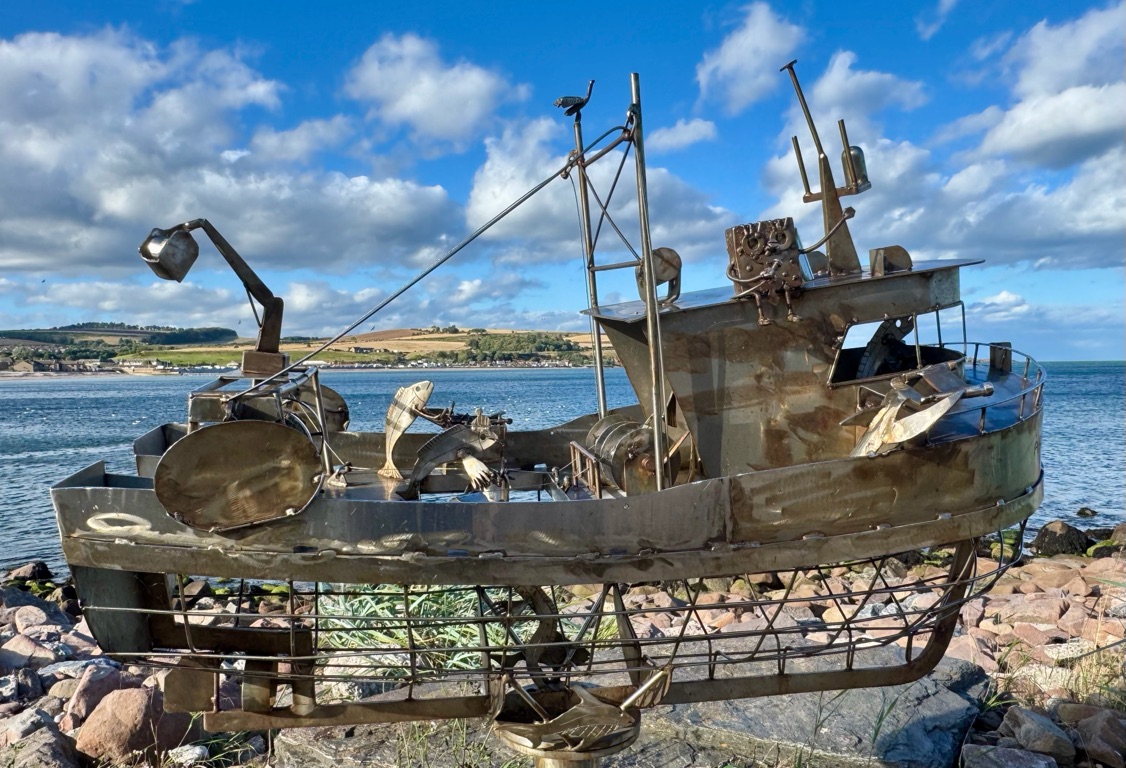
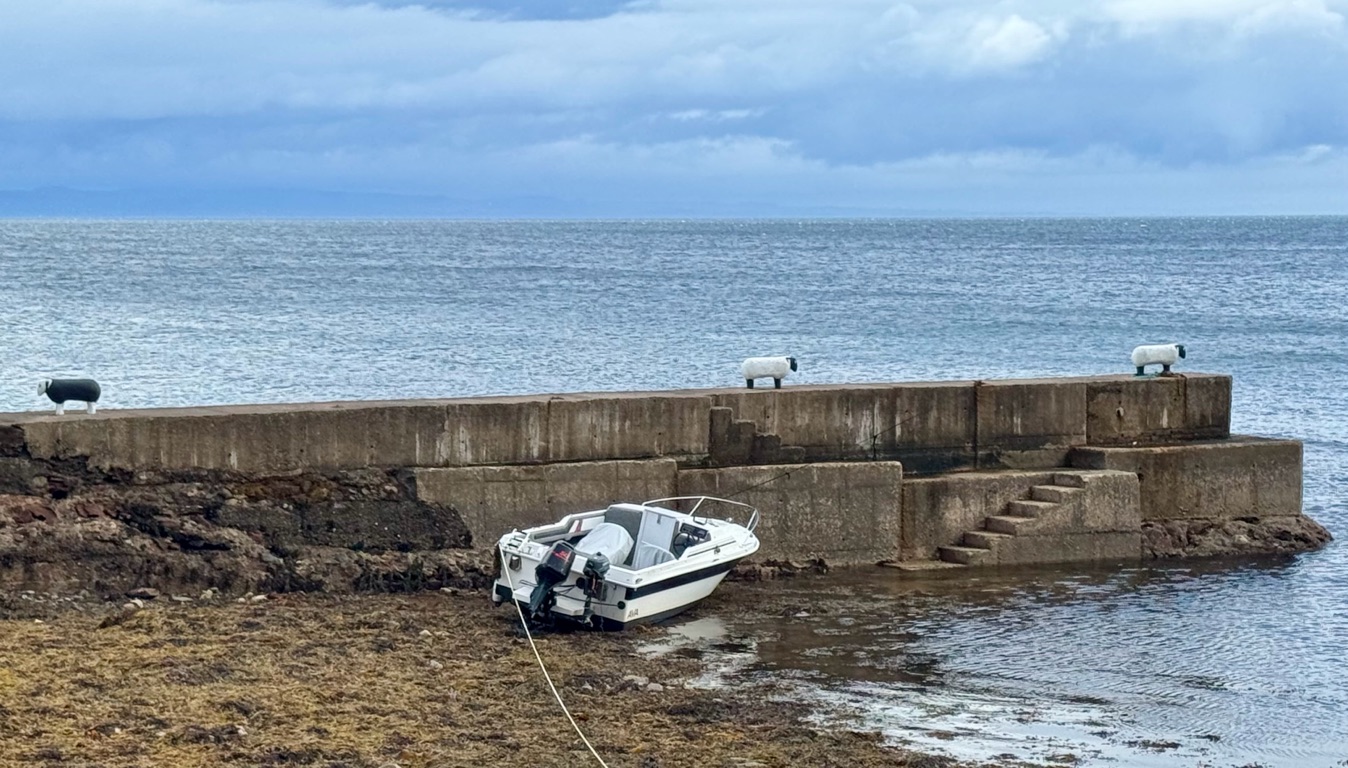
Boats unlikely to be in the water again.

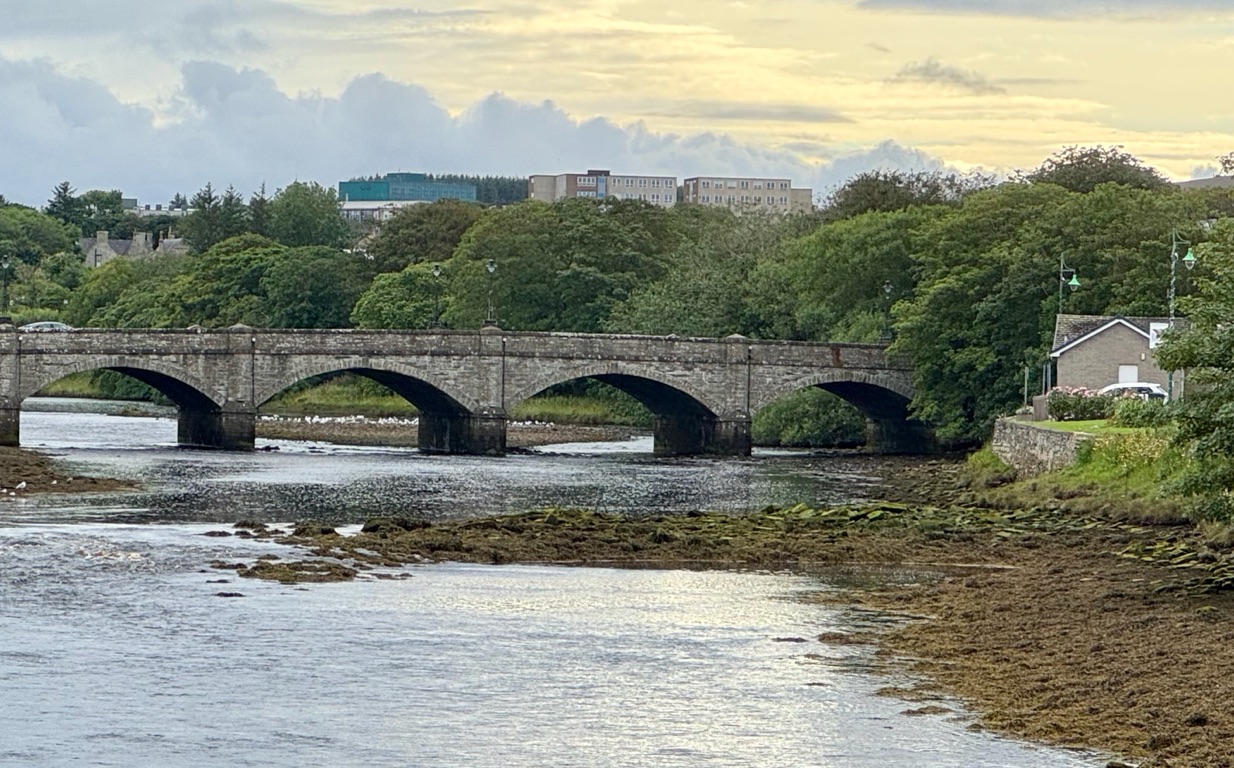
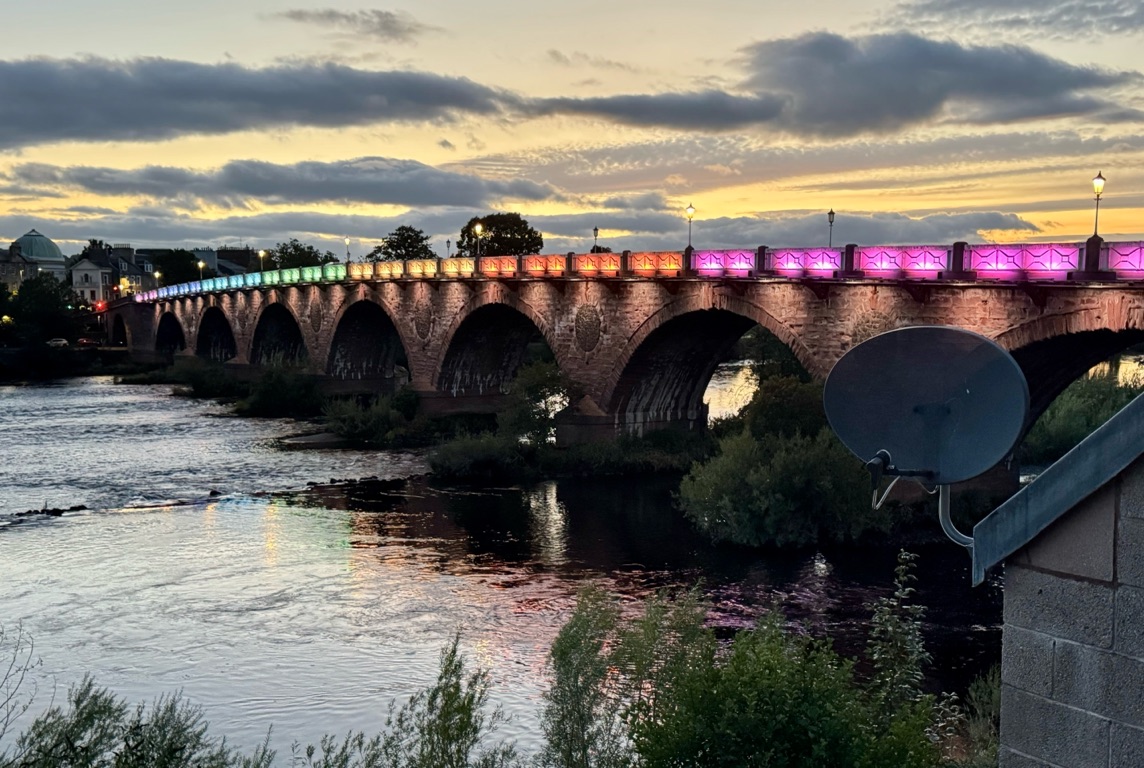
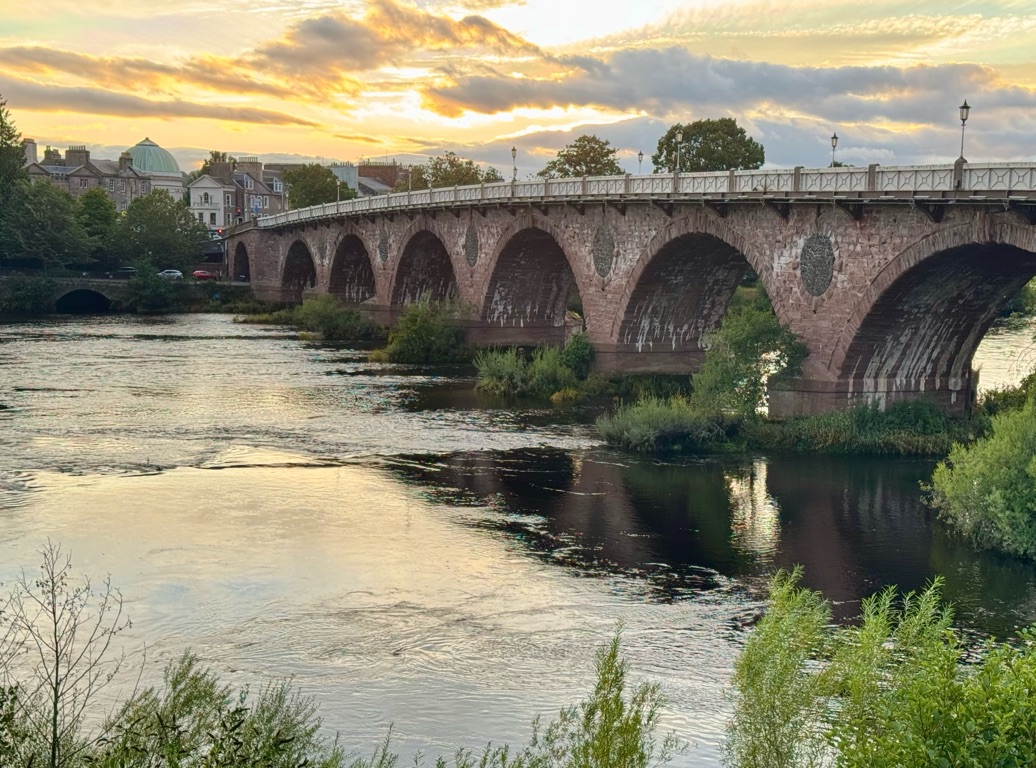
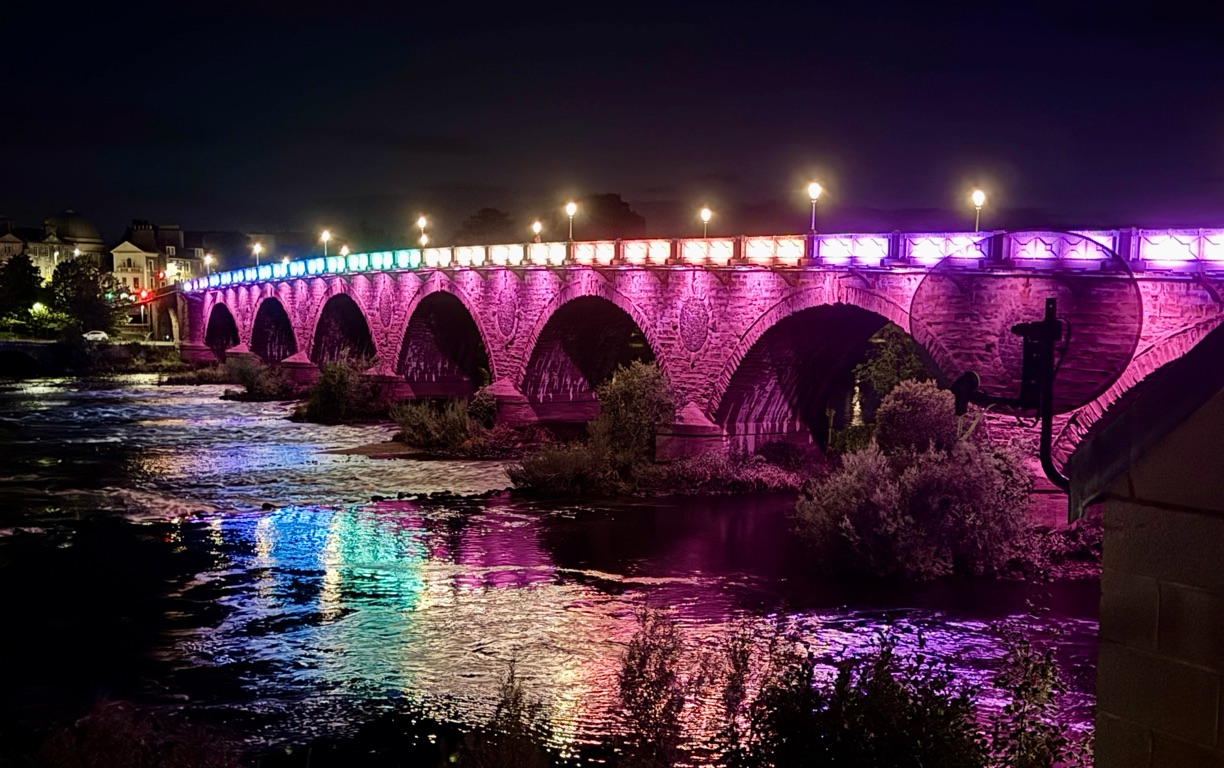
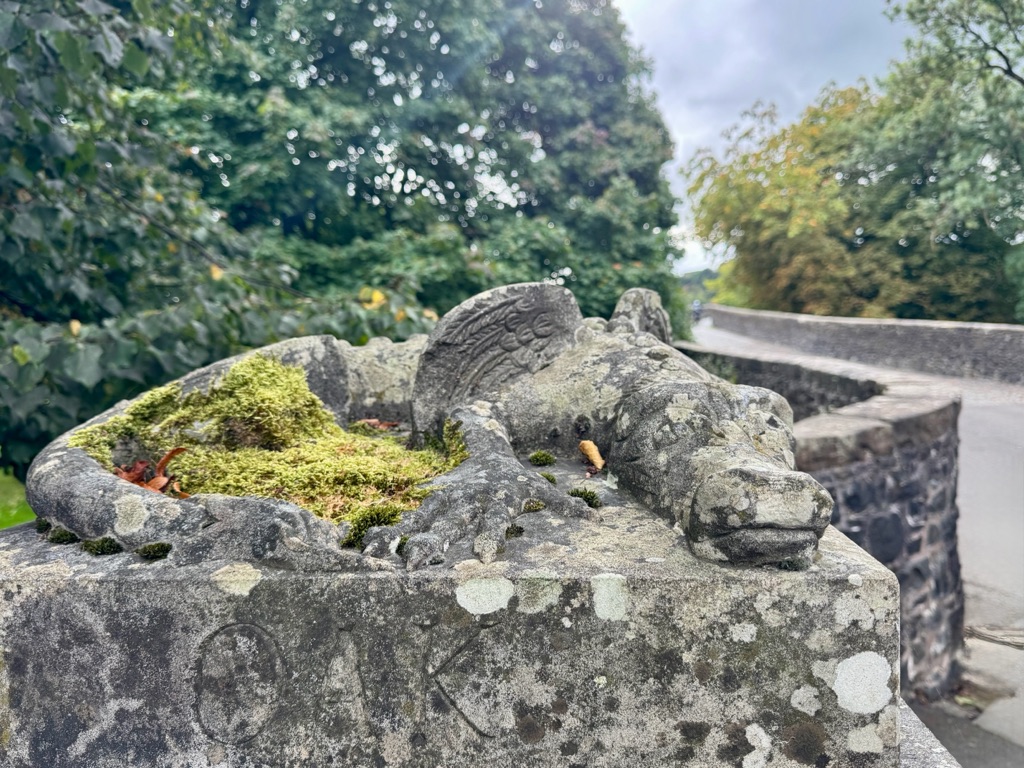
Thurso bridge.

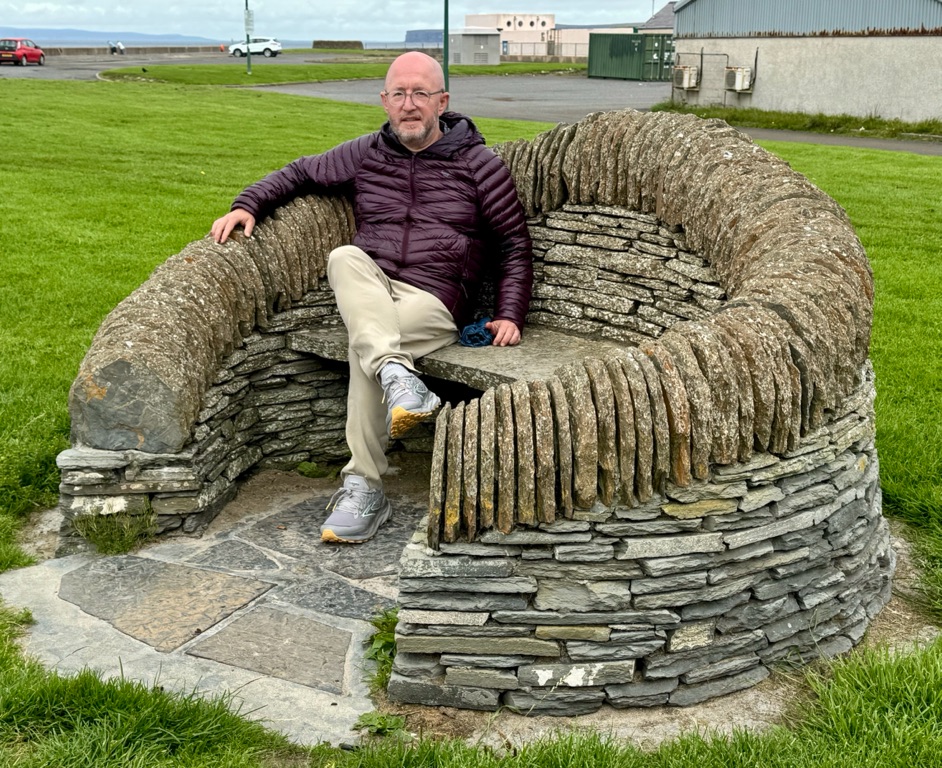
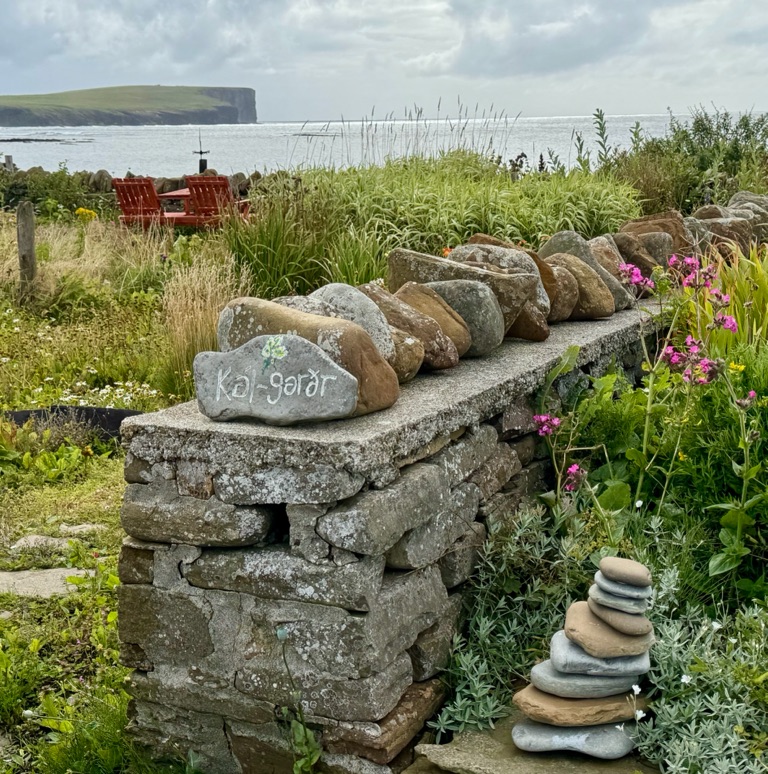
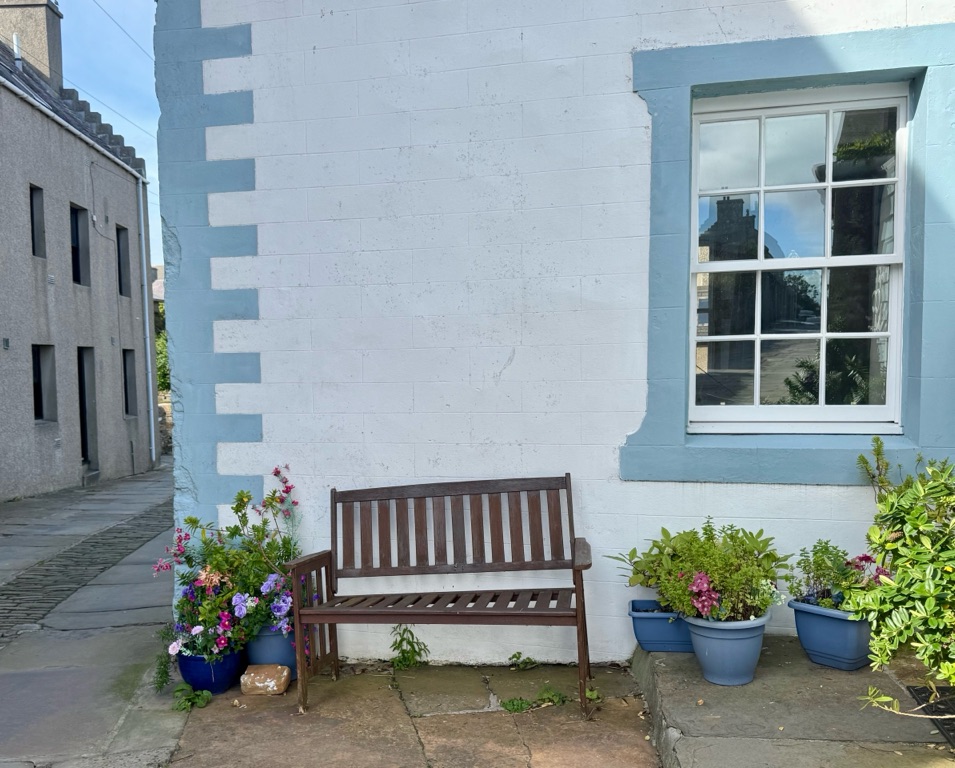
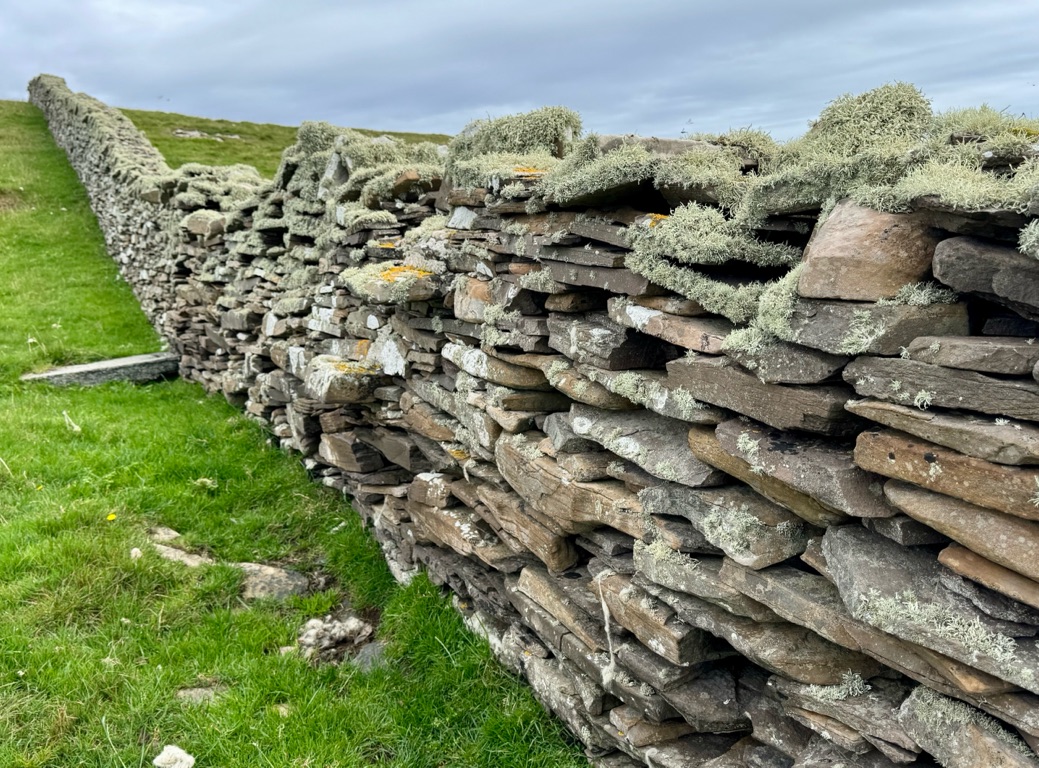
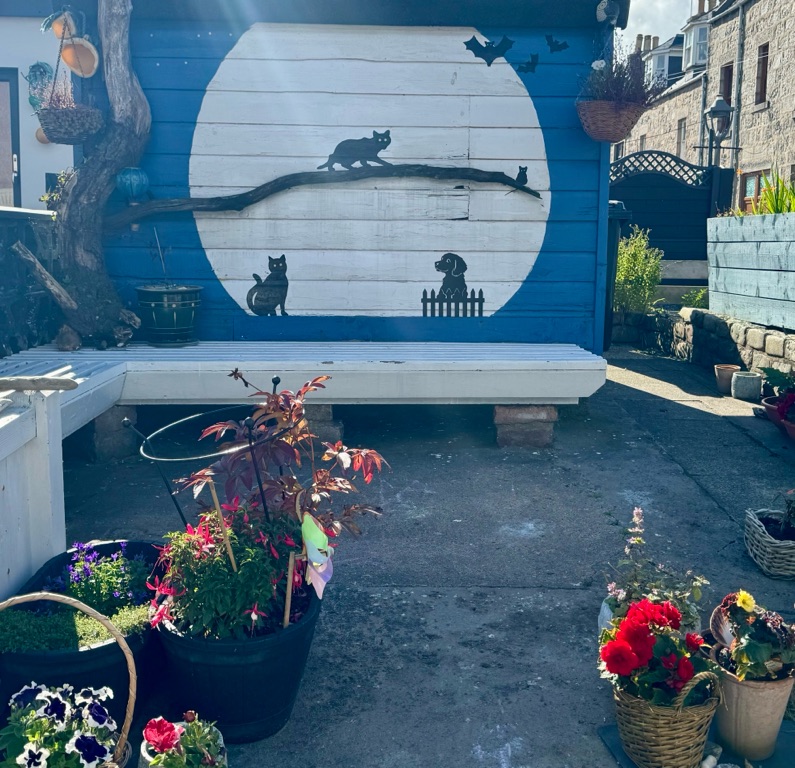
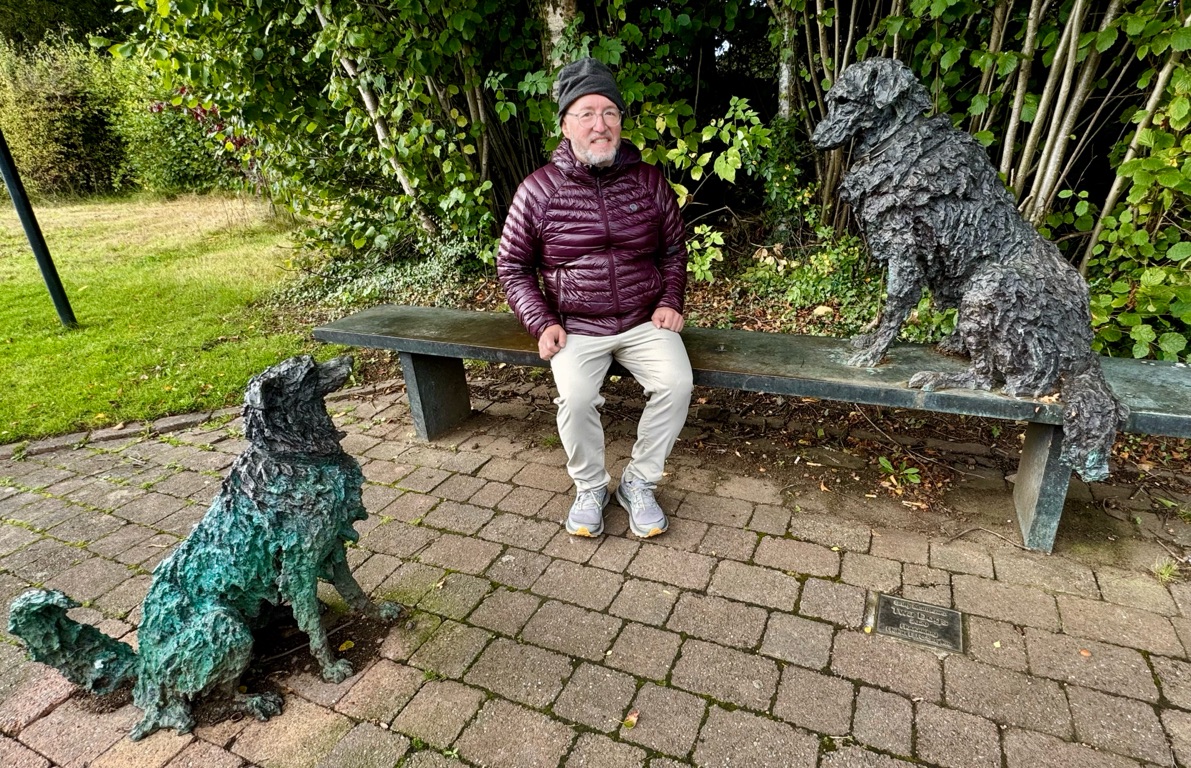
A cool bench made in a similar fashion to the walls that divide fields.

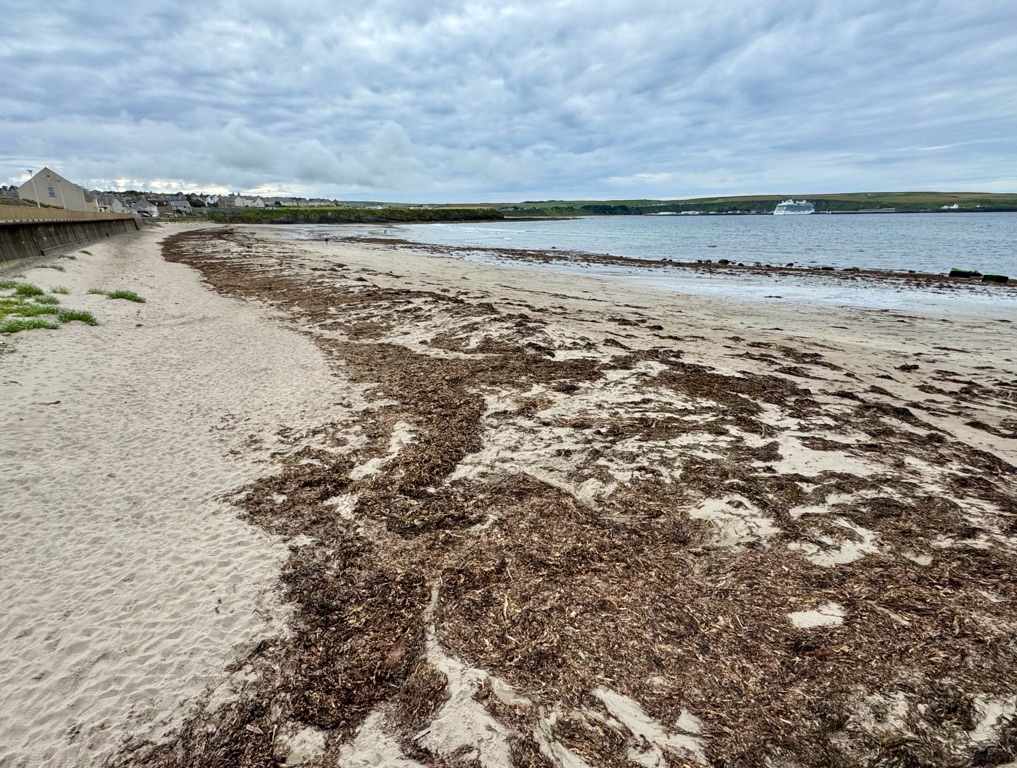
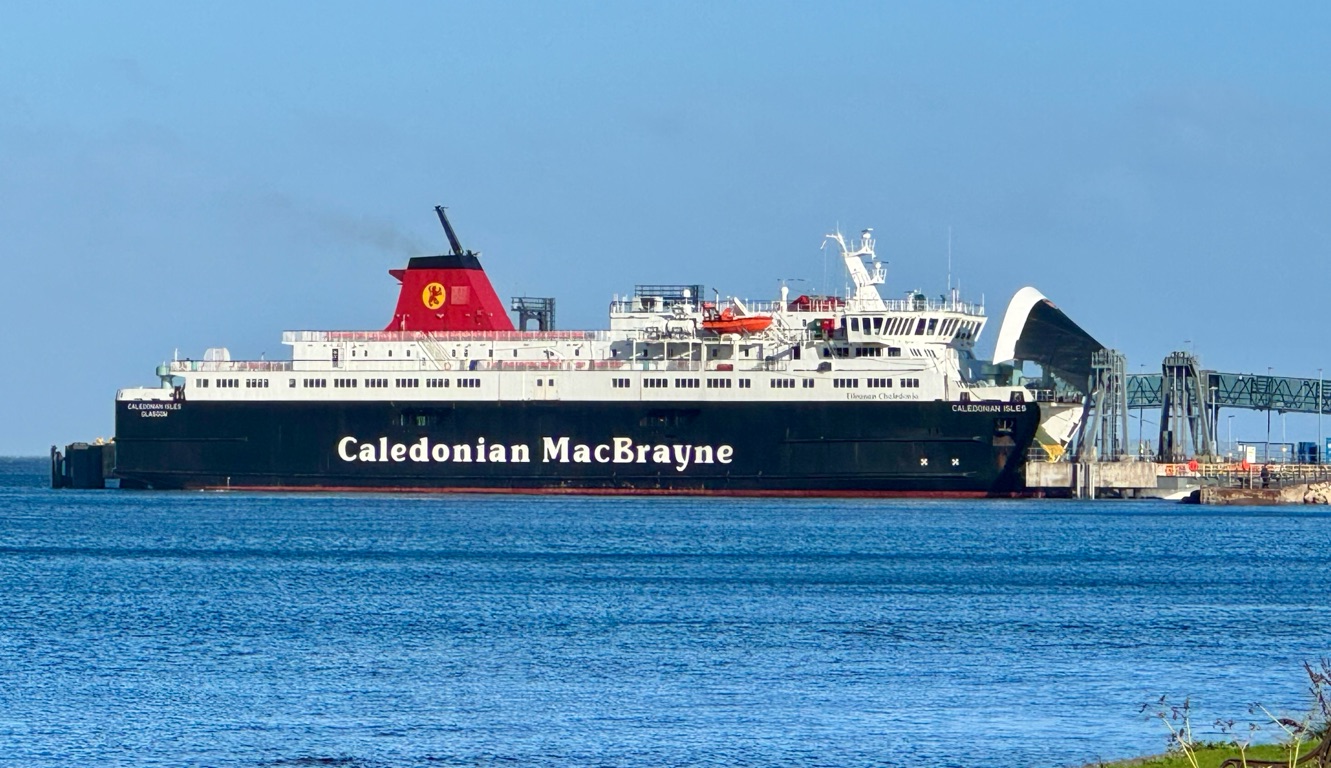
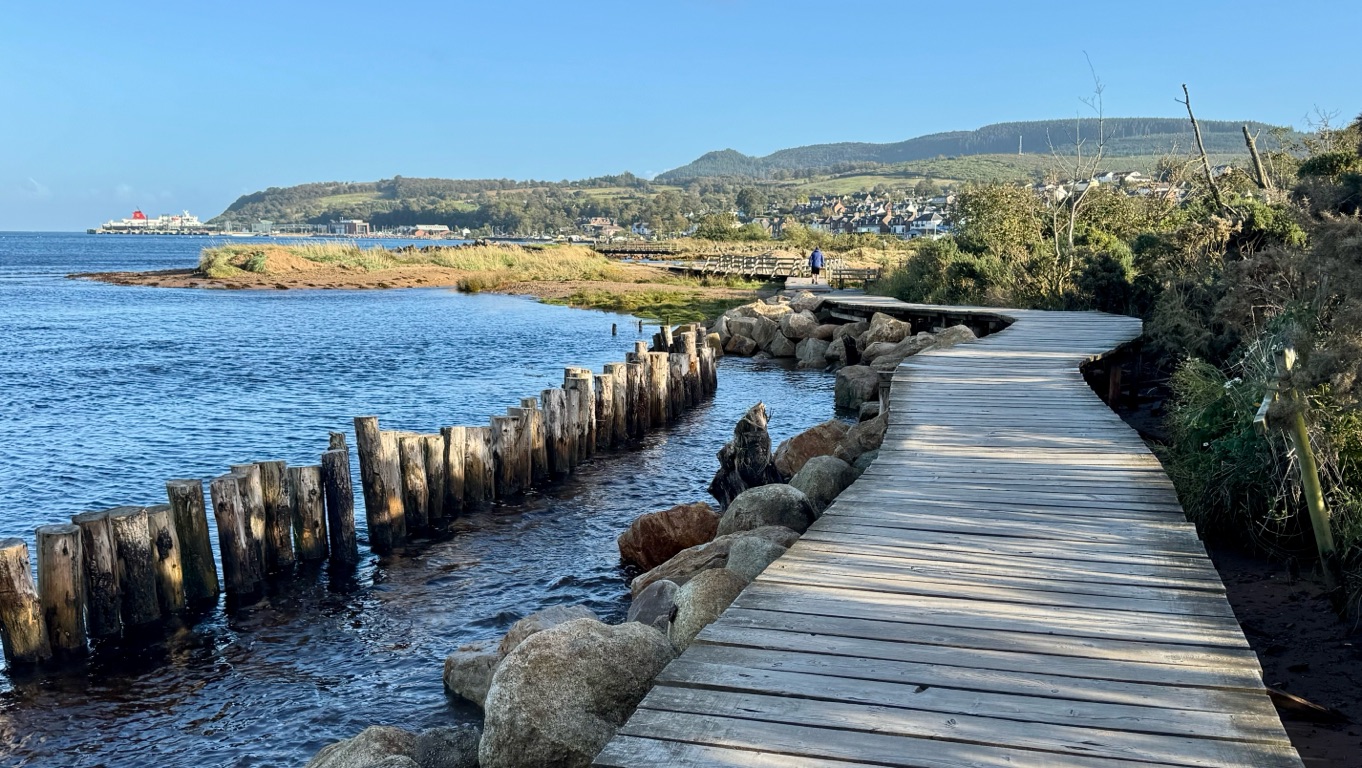
Thurso beach with a cruise ship parked where we’ll be catching the ferry tomorrow.

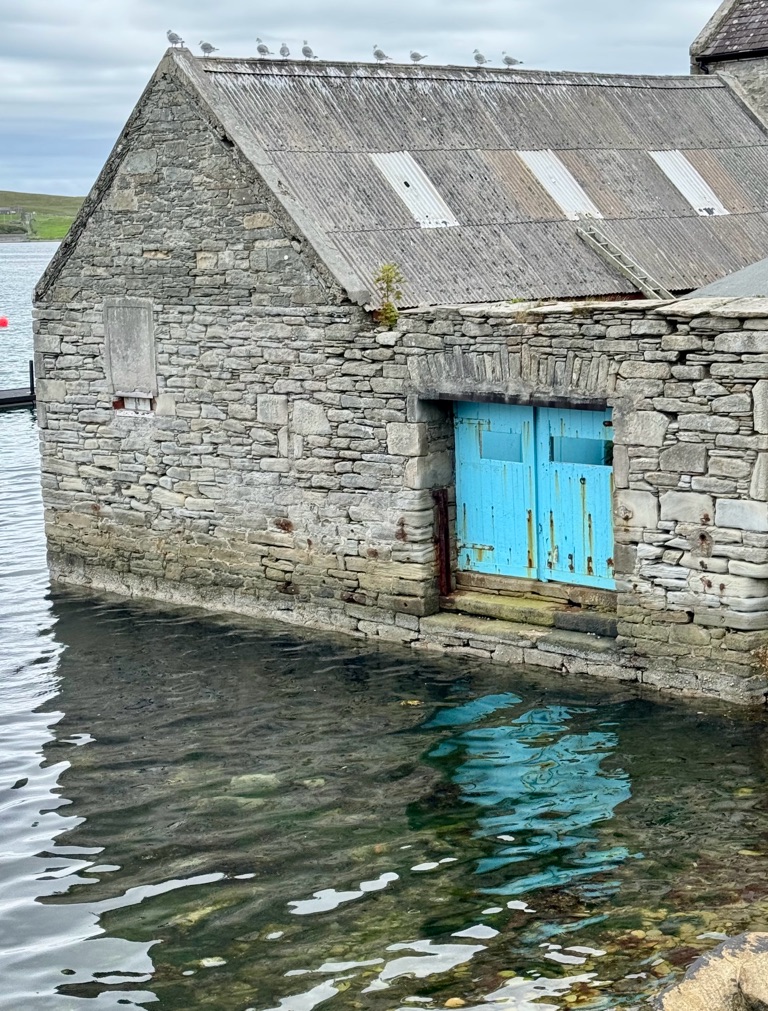
This one was repurposed to a garden shed.

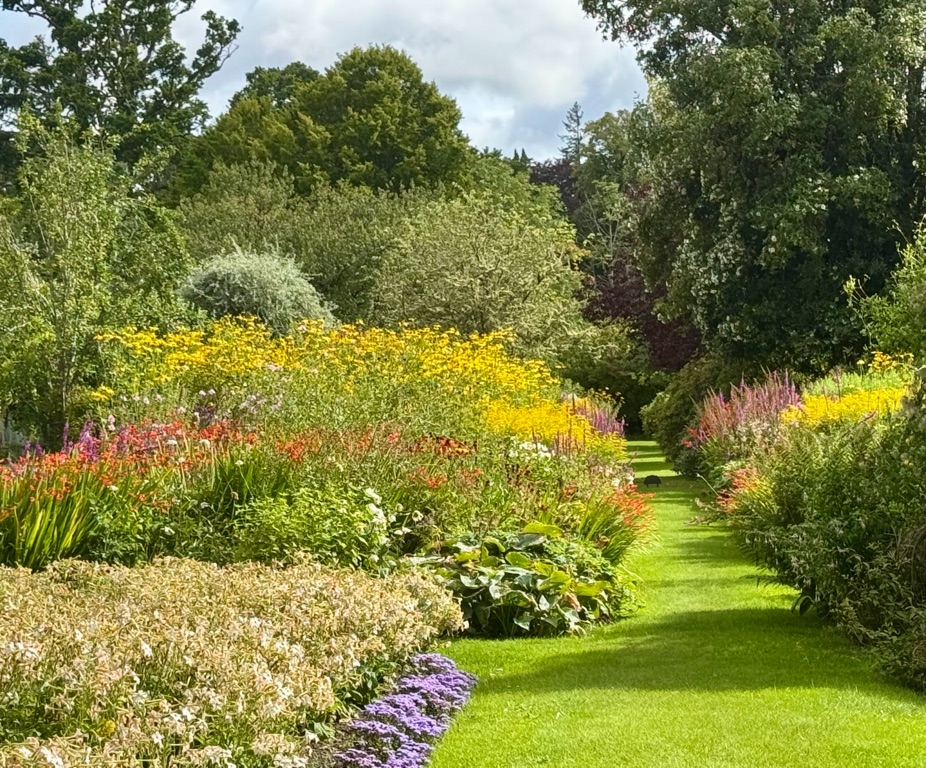
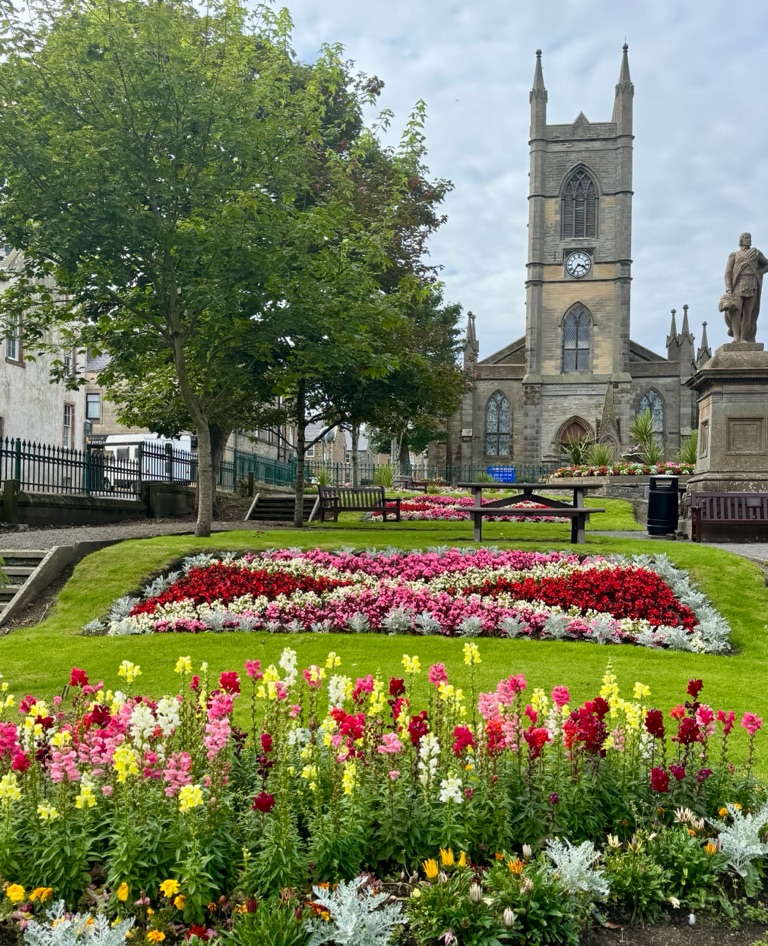
Fancy town flowers.

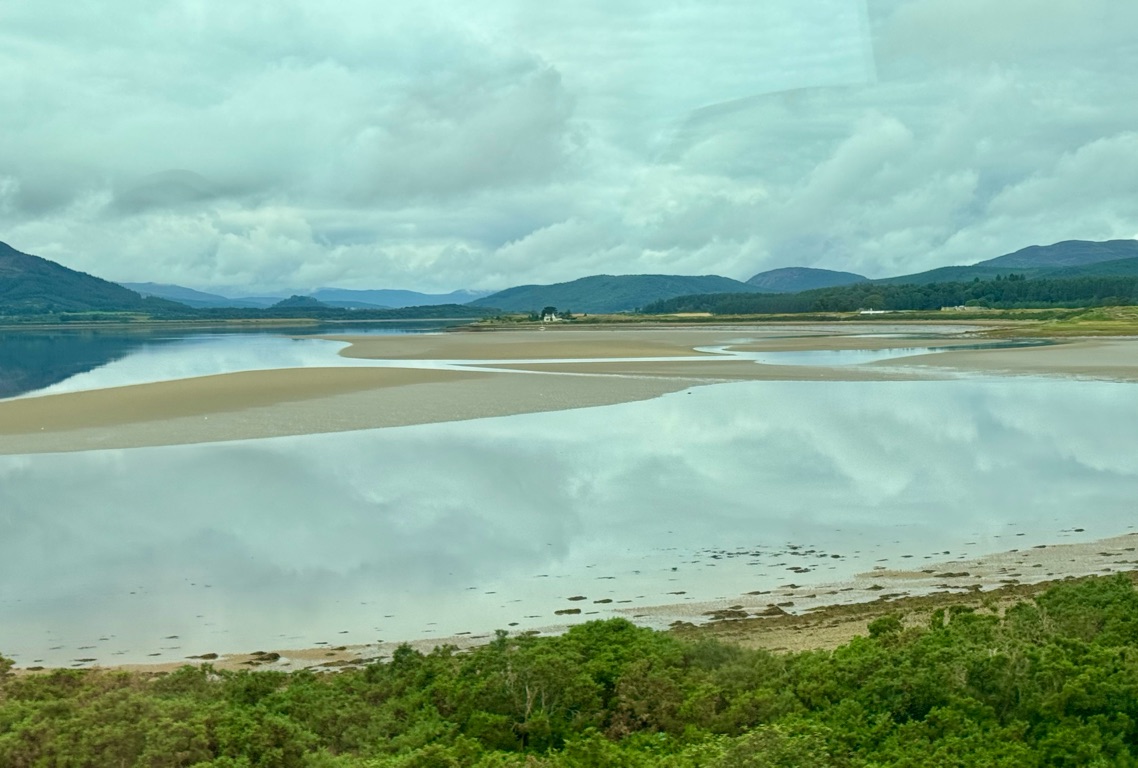
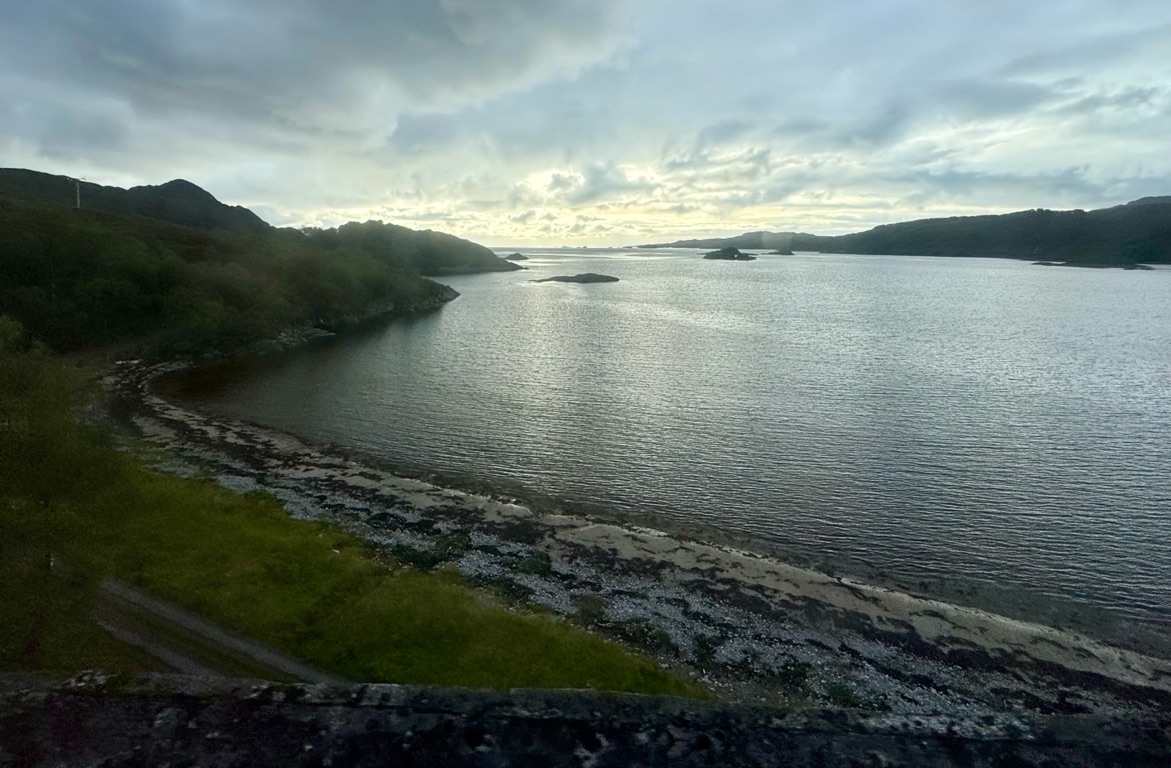
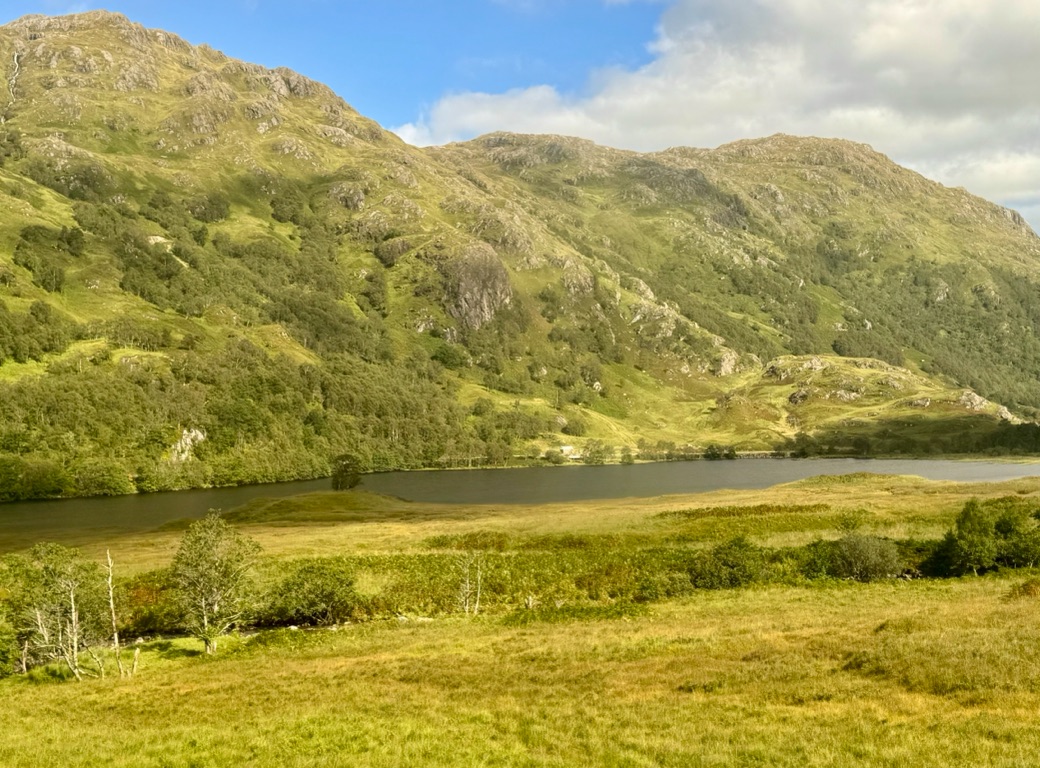
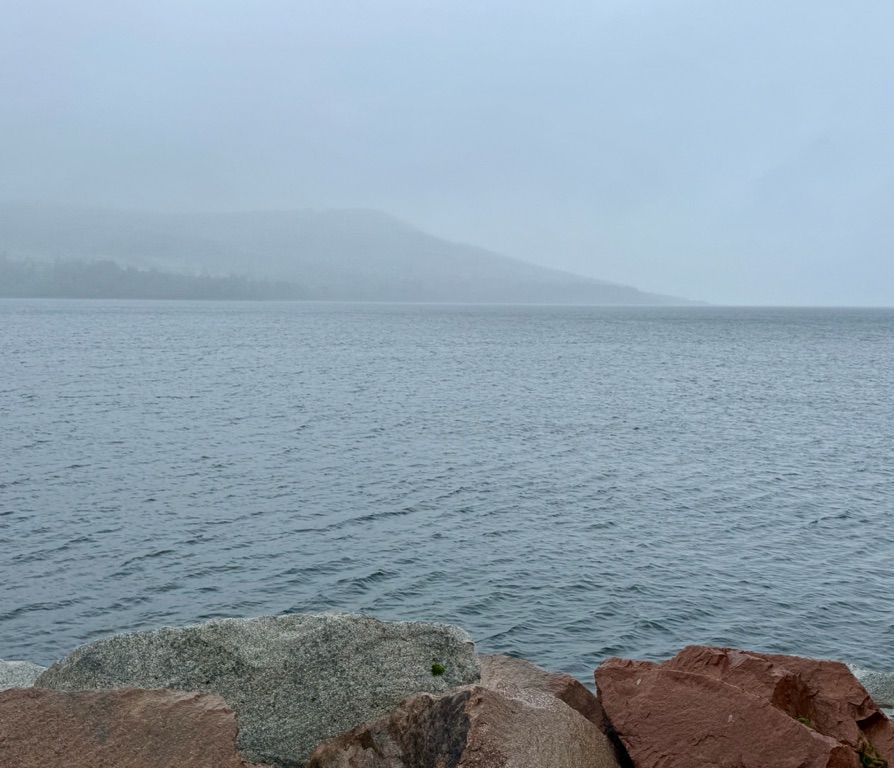
We have transitioned to Thurso for a night to catch the ferry to the Orkney islands. The scenery between Inverness and Thurso was beautiful. It was so calm the water was like glass.

3
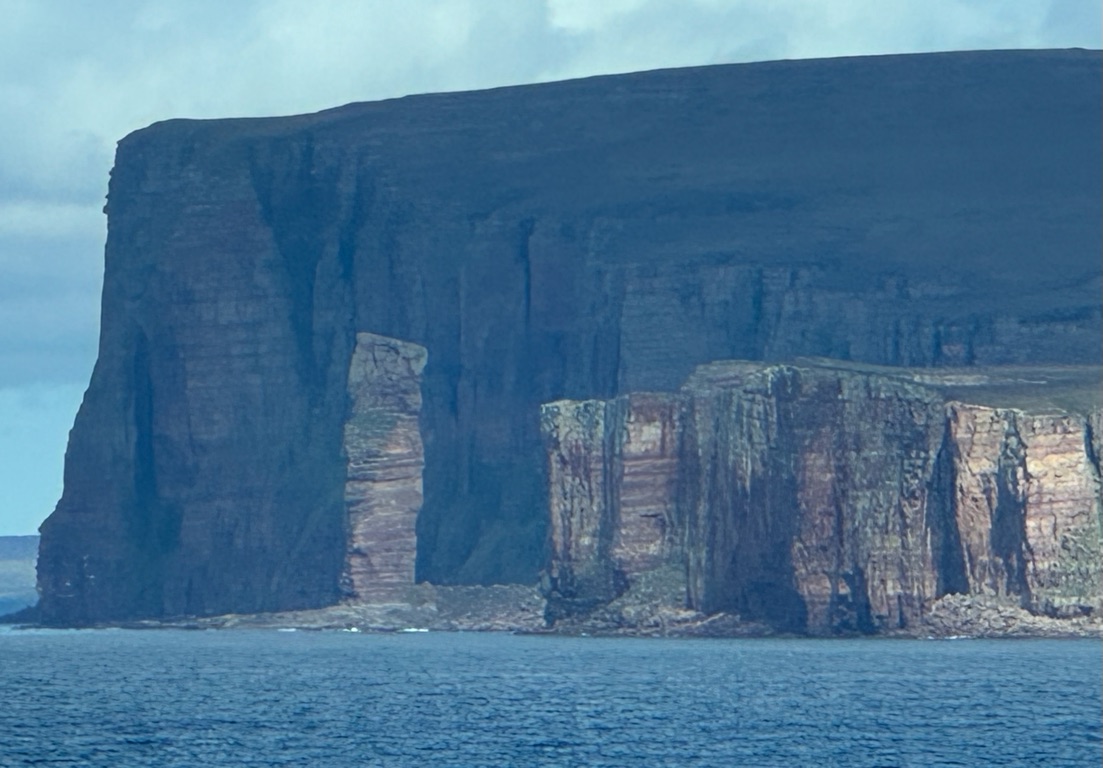
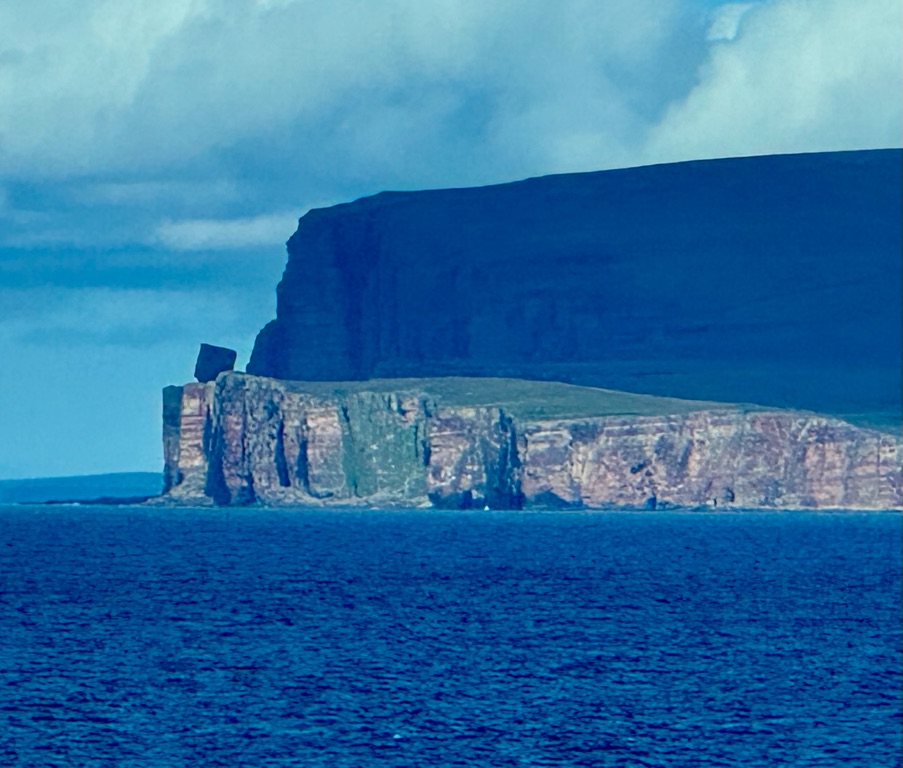
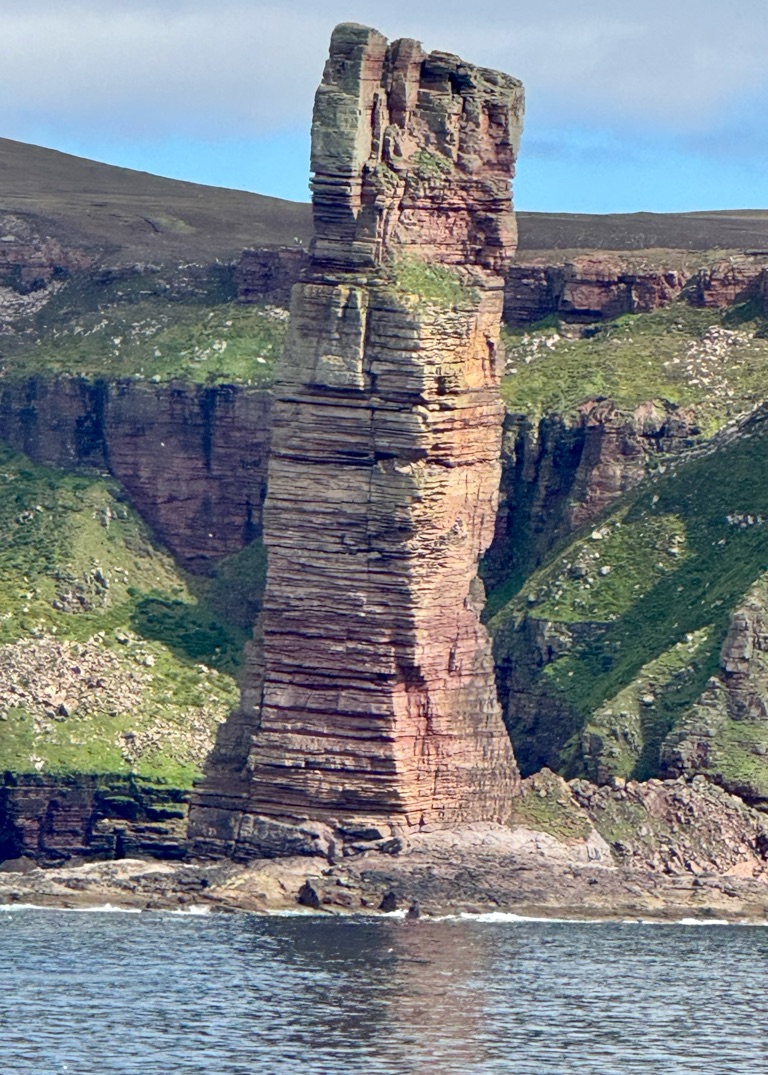
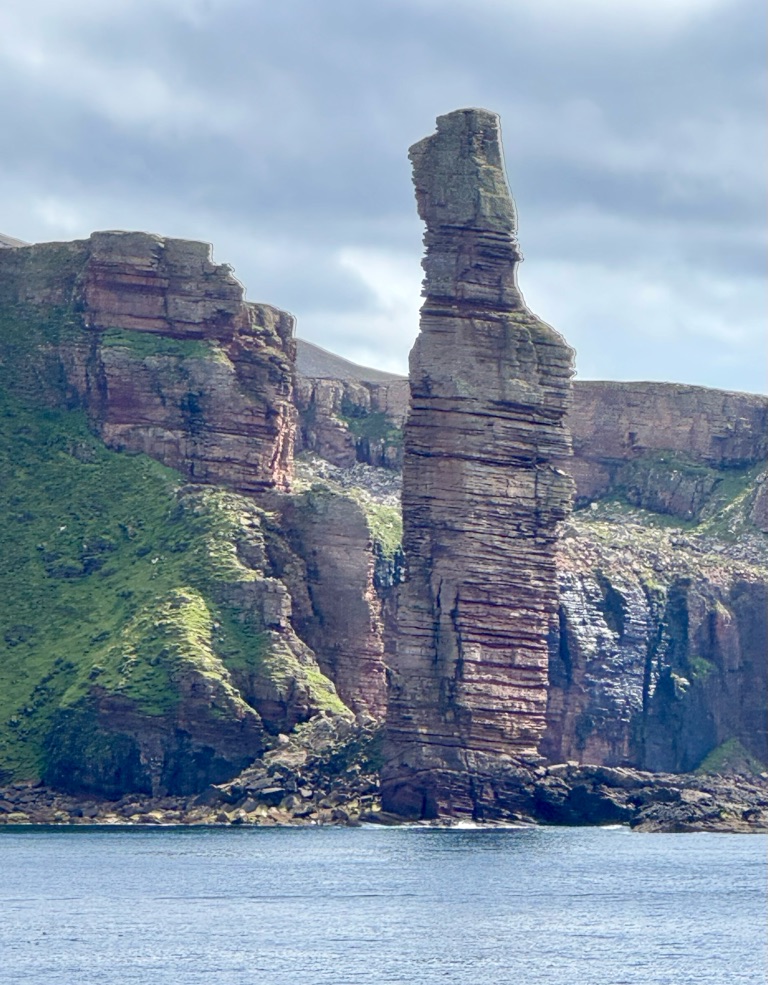
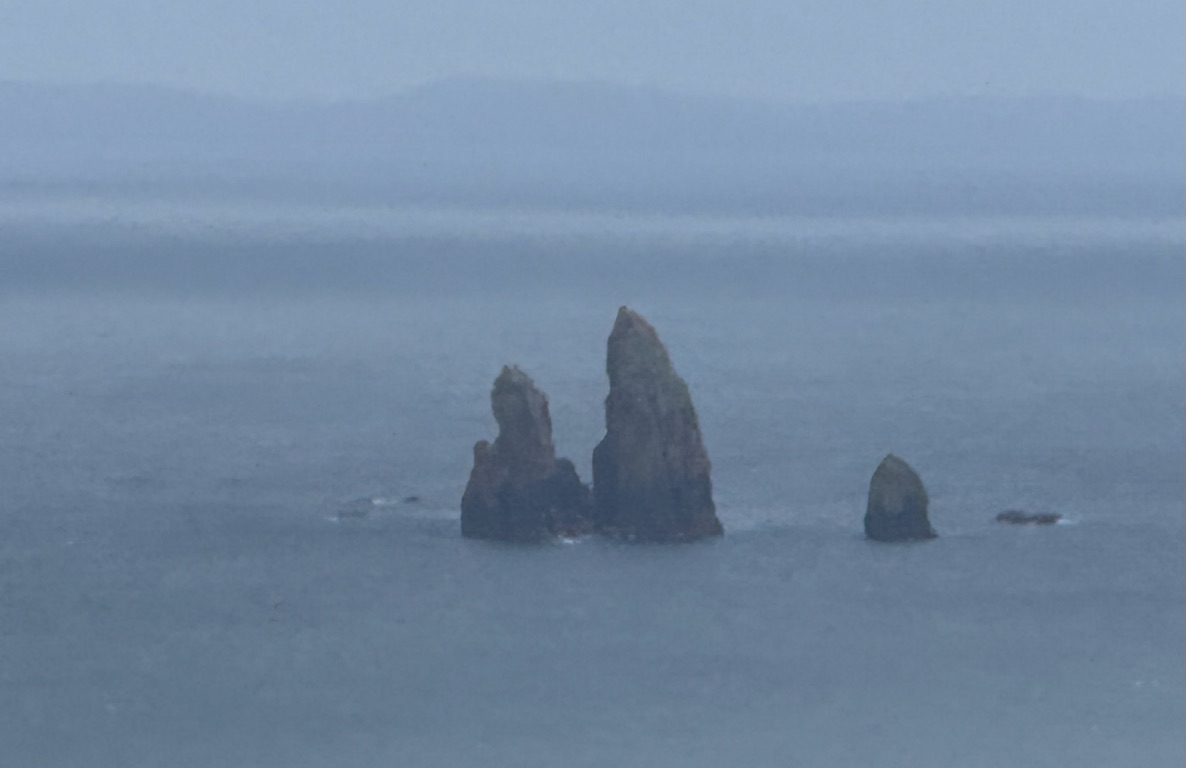
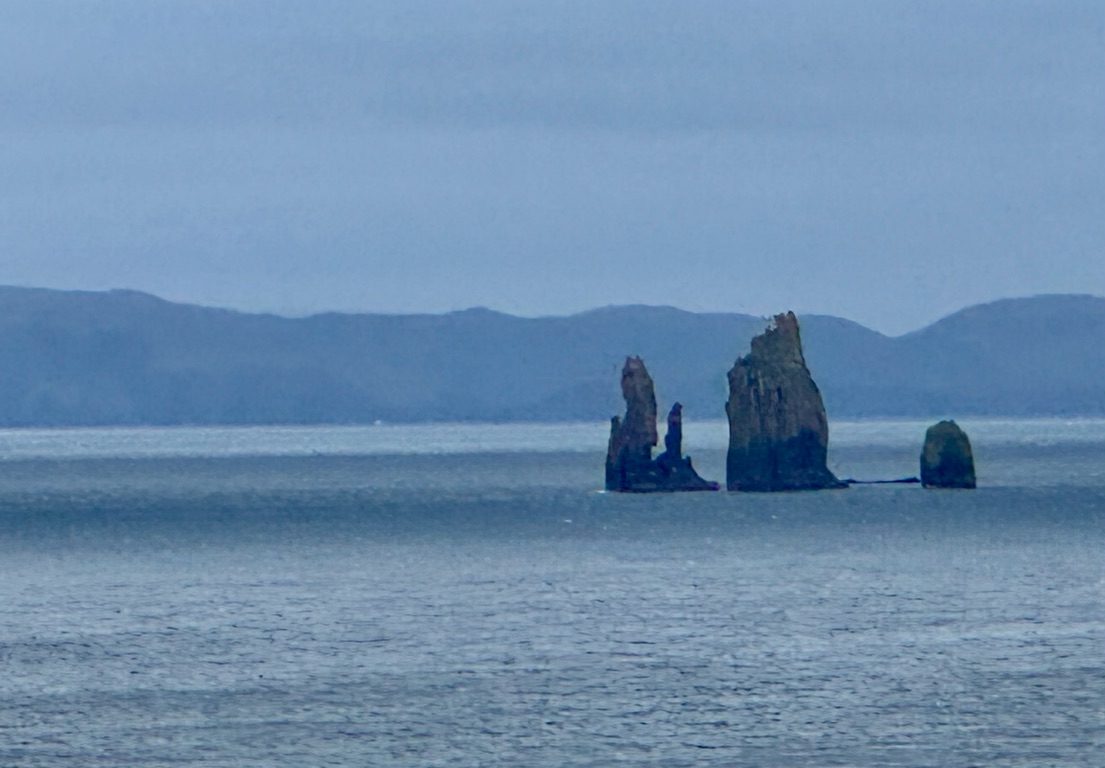
Old Man of Hoy

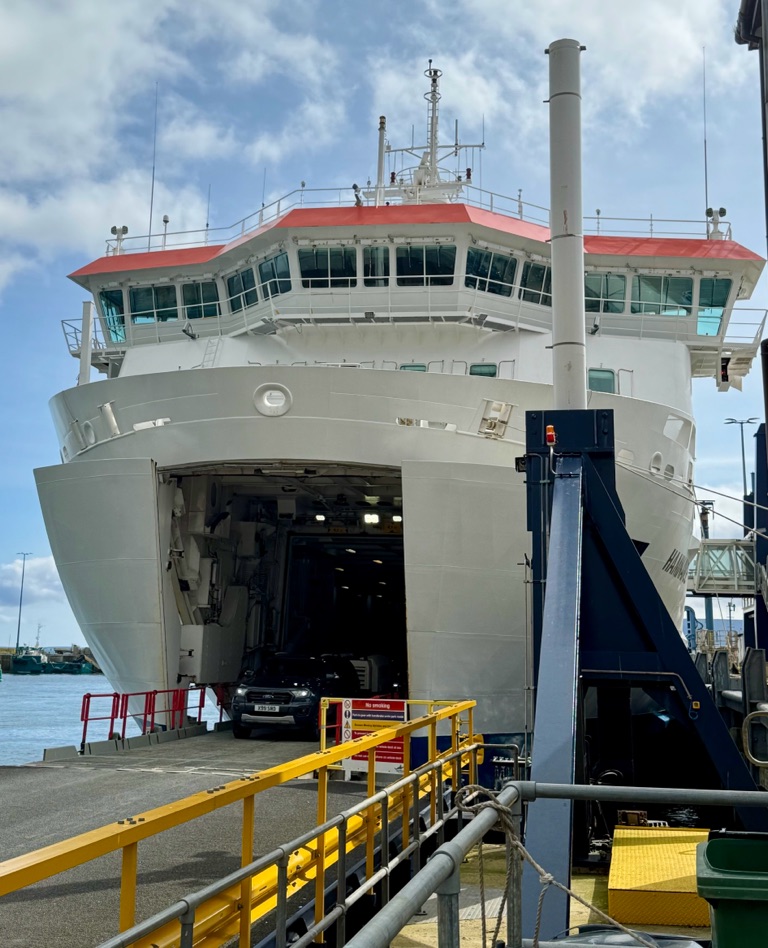
Today we transitioned from Thurso on mainland Scotland to Orkney Island.

I didn’t really see the old man in the pillar but it is impressive.

There is a distinctive pillar on the island of Hoy called the Old Man of Hoy. The ferry goes right past it.

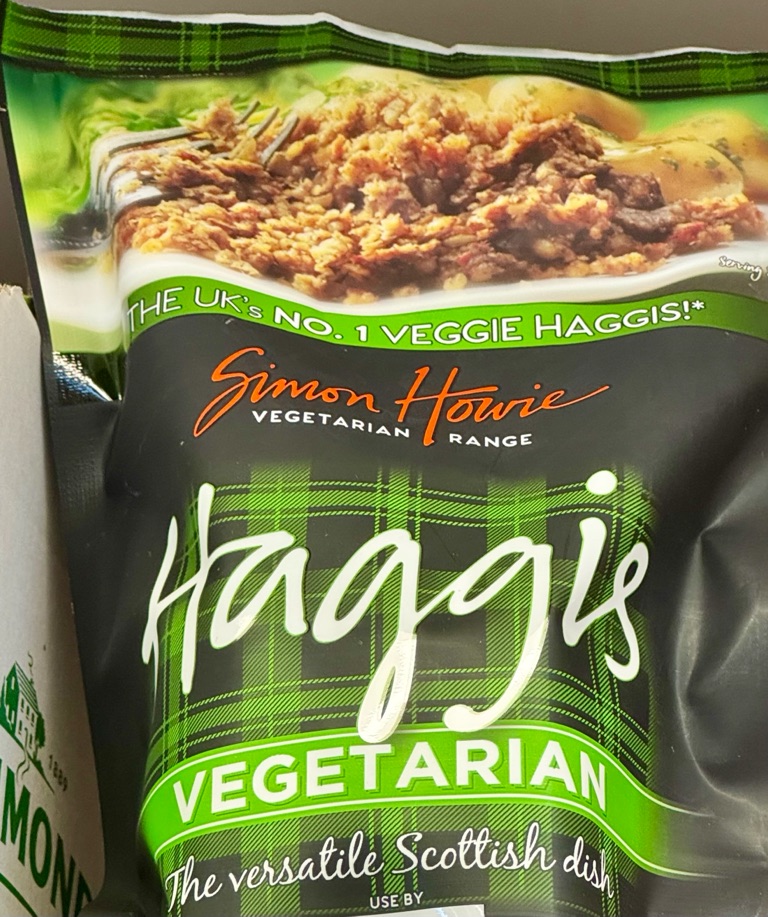
Haggis, let alone vegetarian a haggis, is not something you see at the grocery store every day 😀.

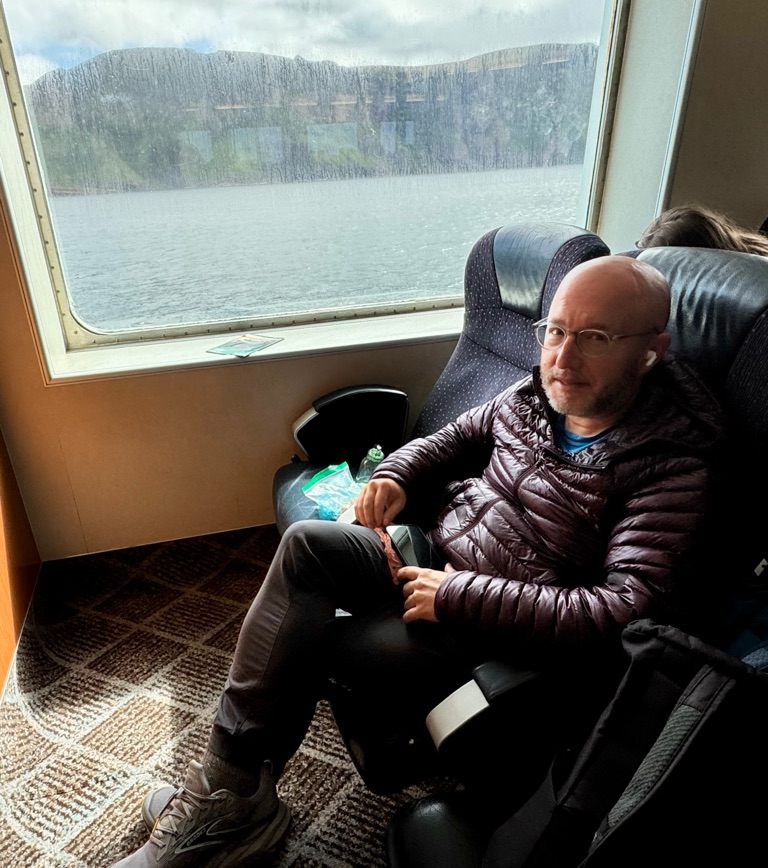
Jessee on the ferry.

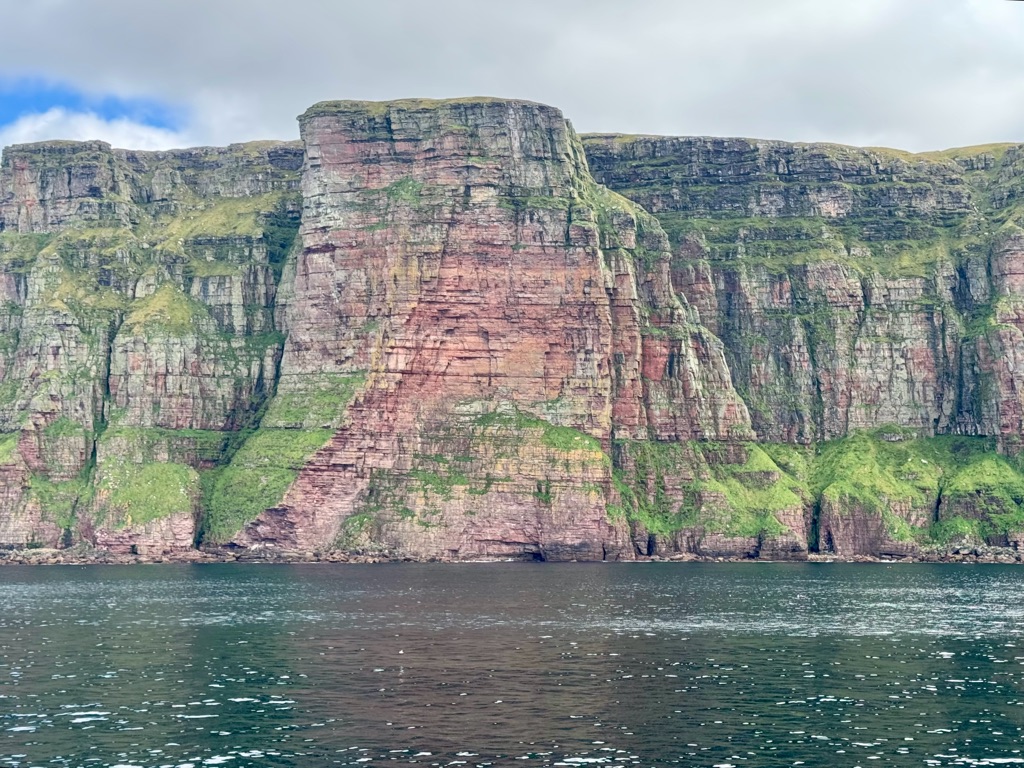
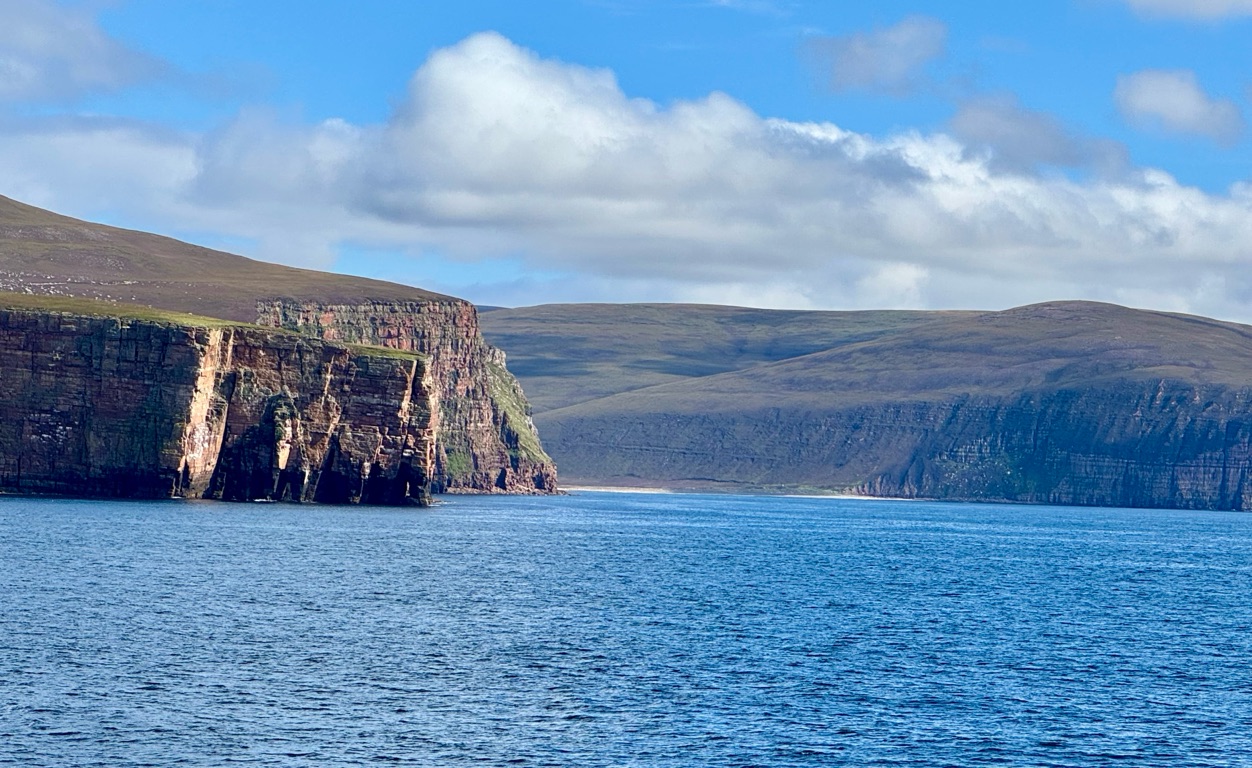
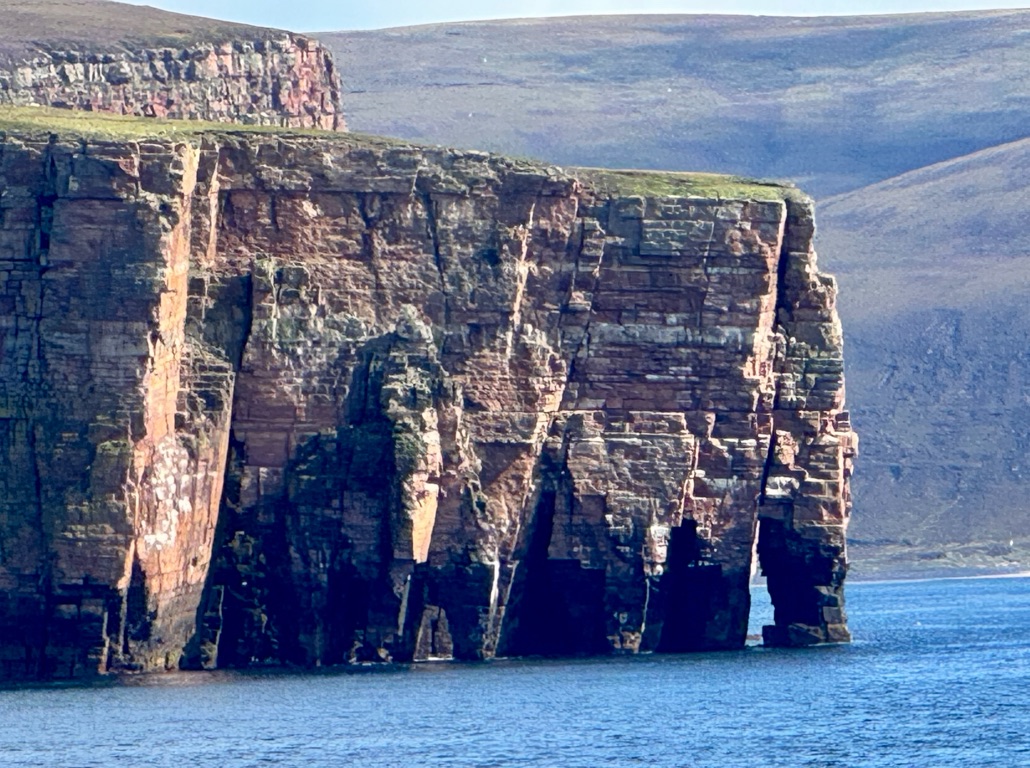
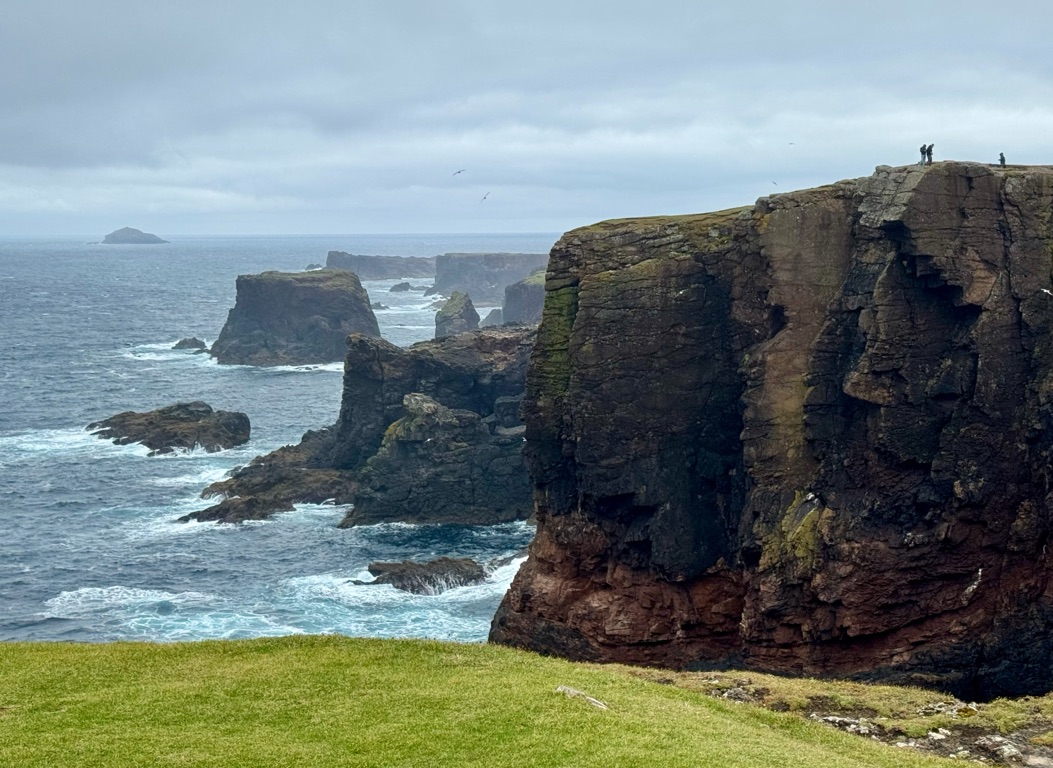
There are daunting cliffs.

It looks like a fist in salute from this view.

And future pillars.

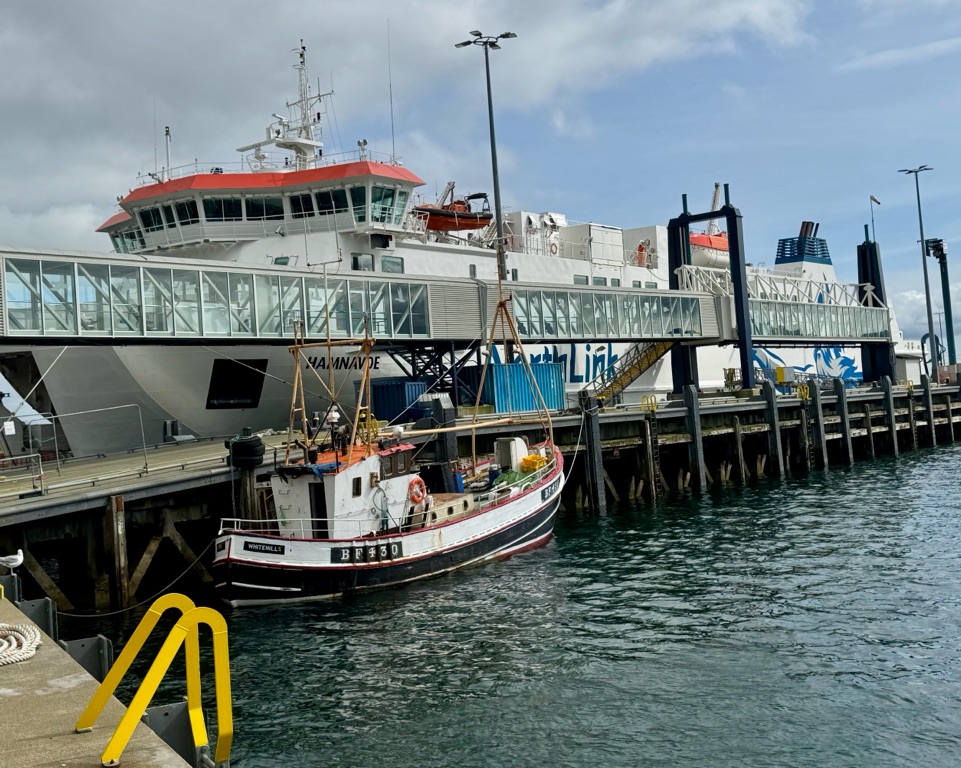
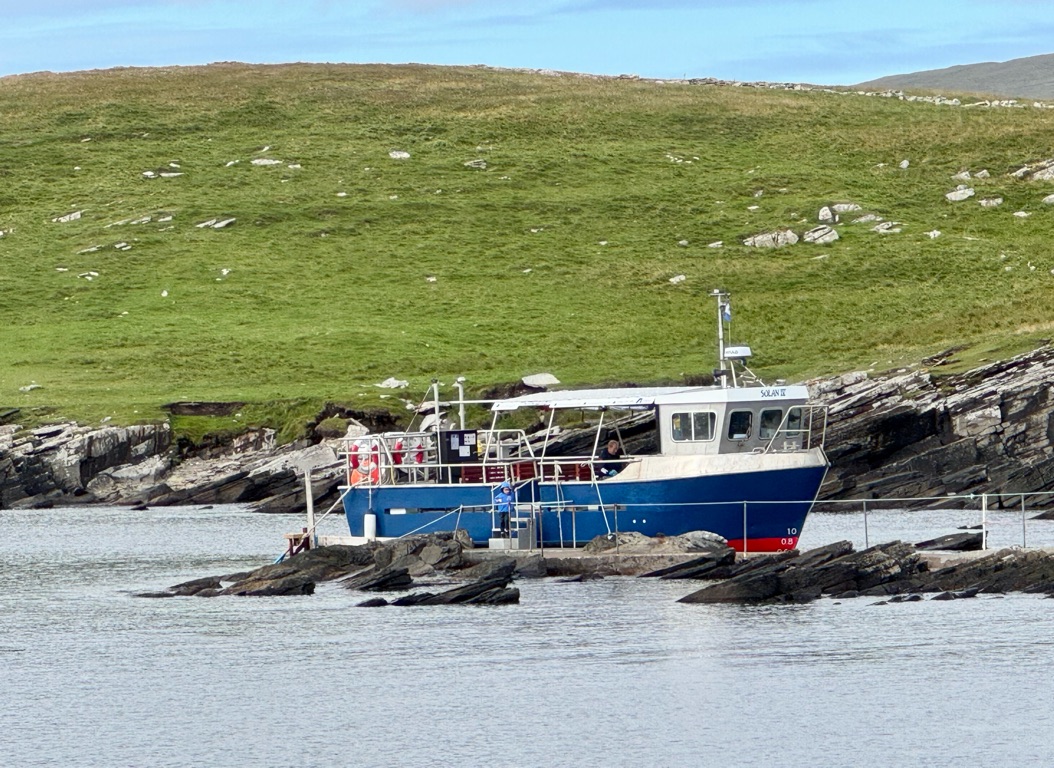
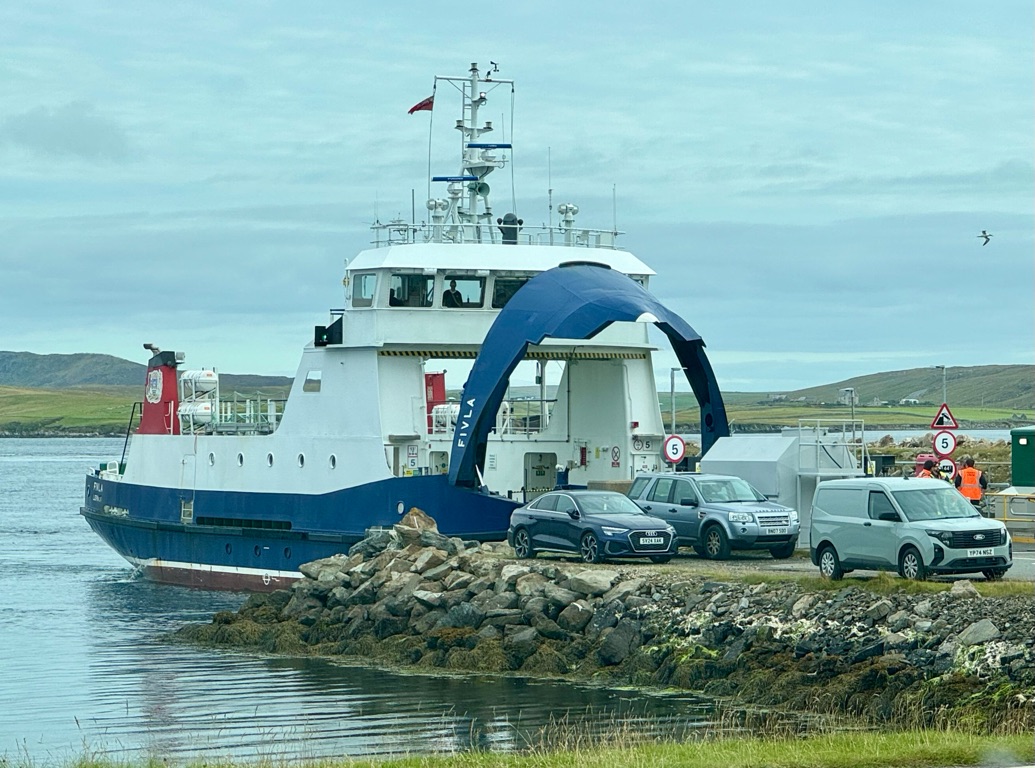
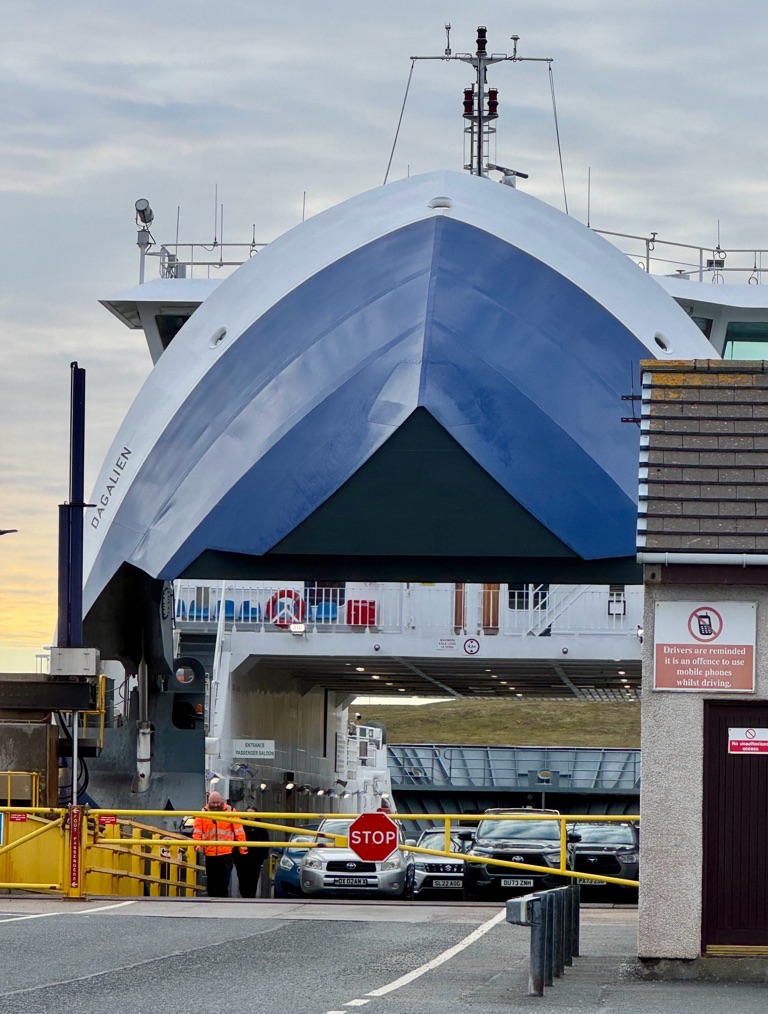
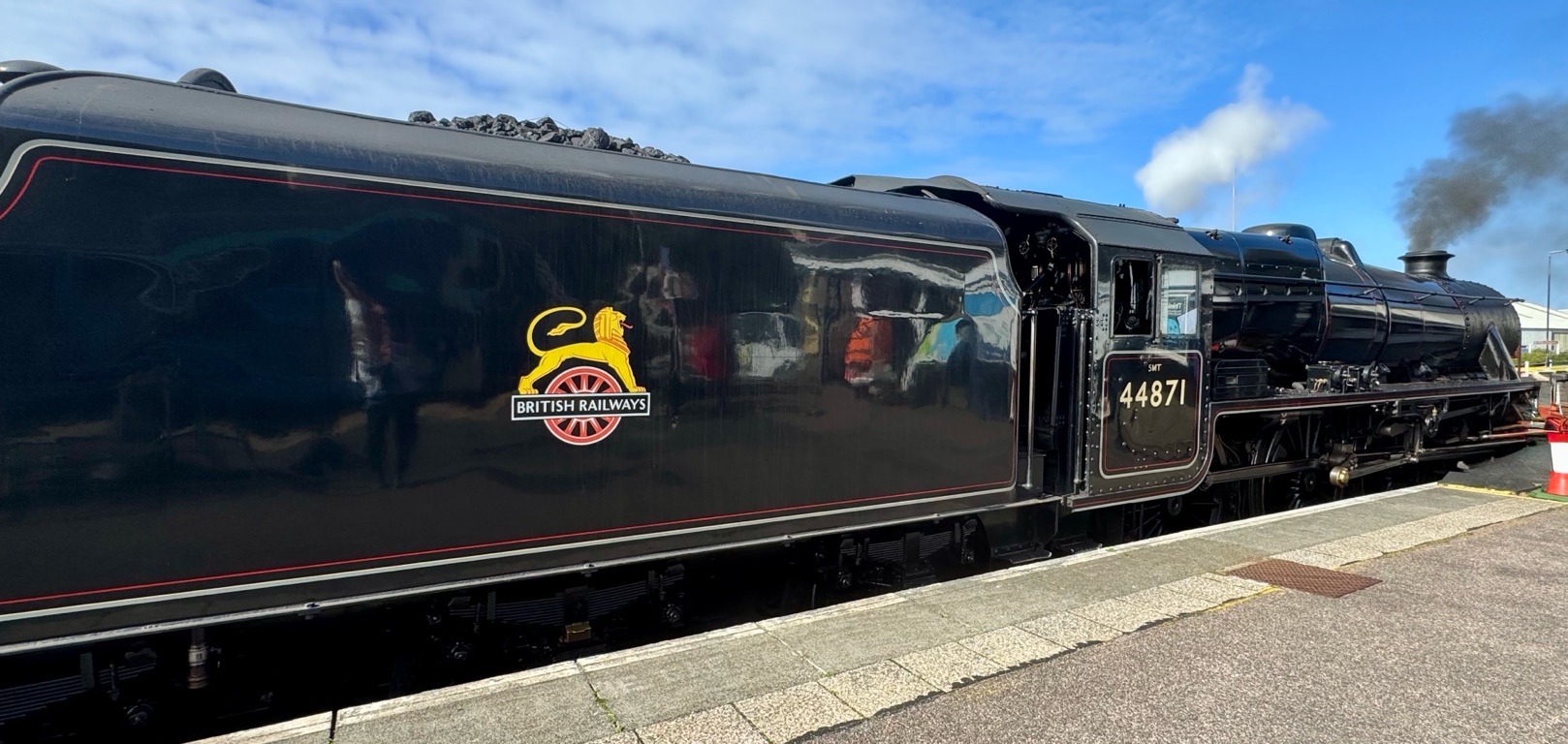
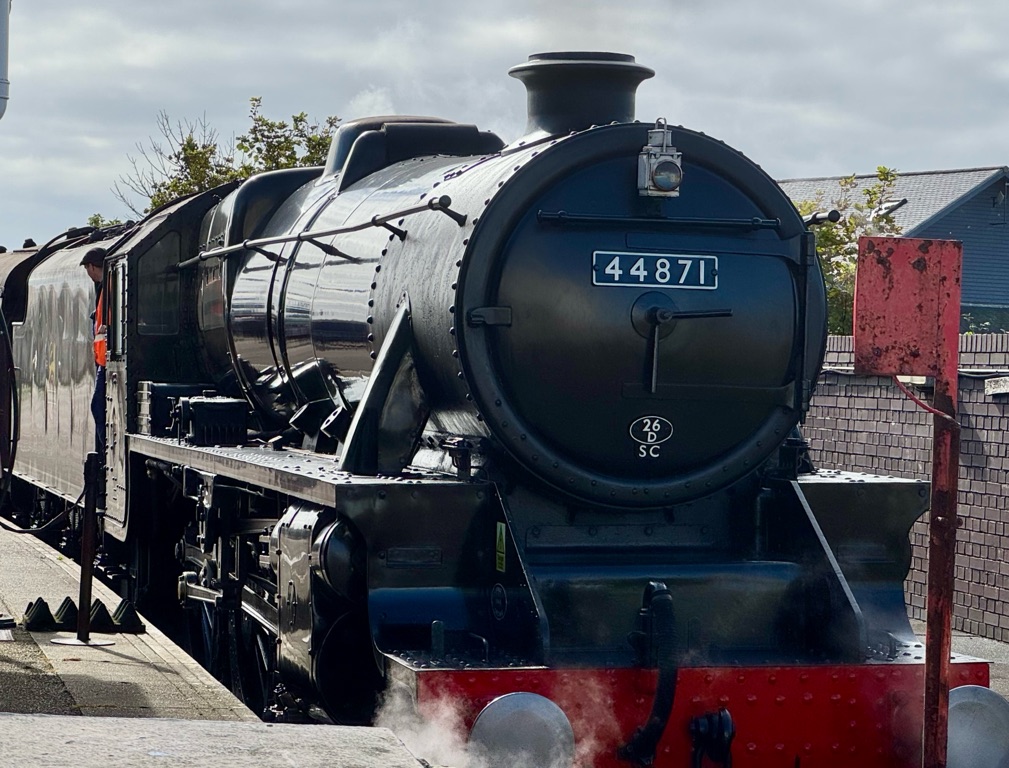
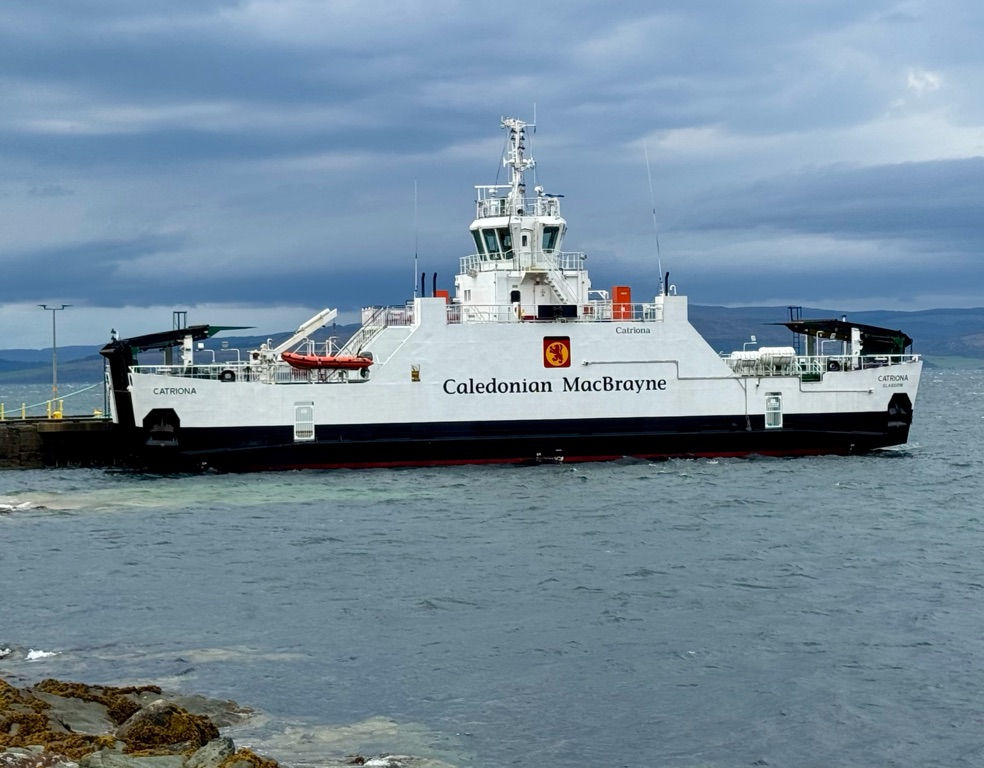
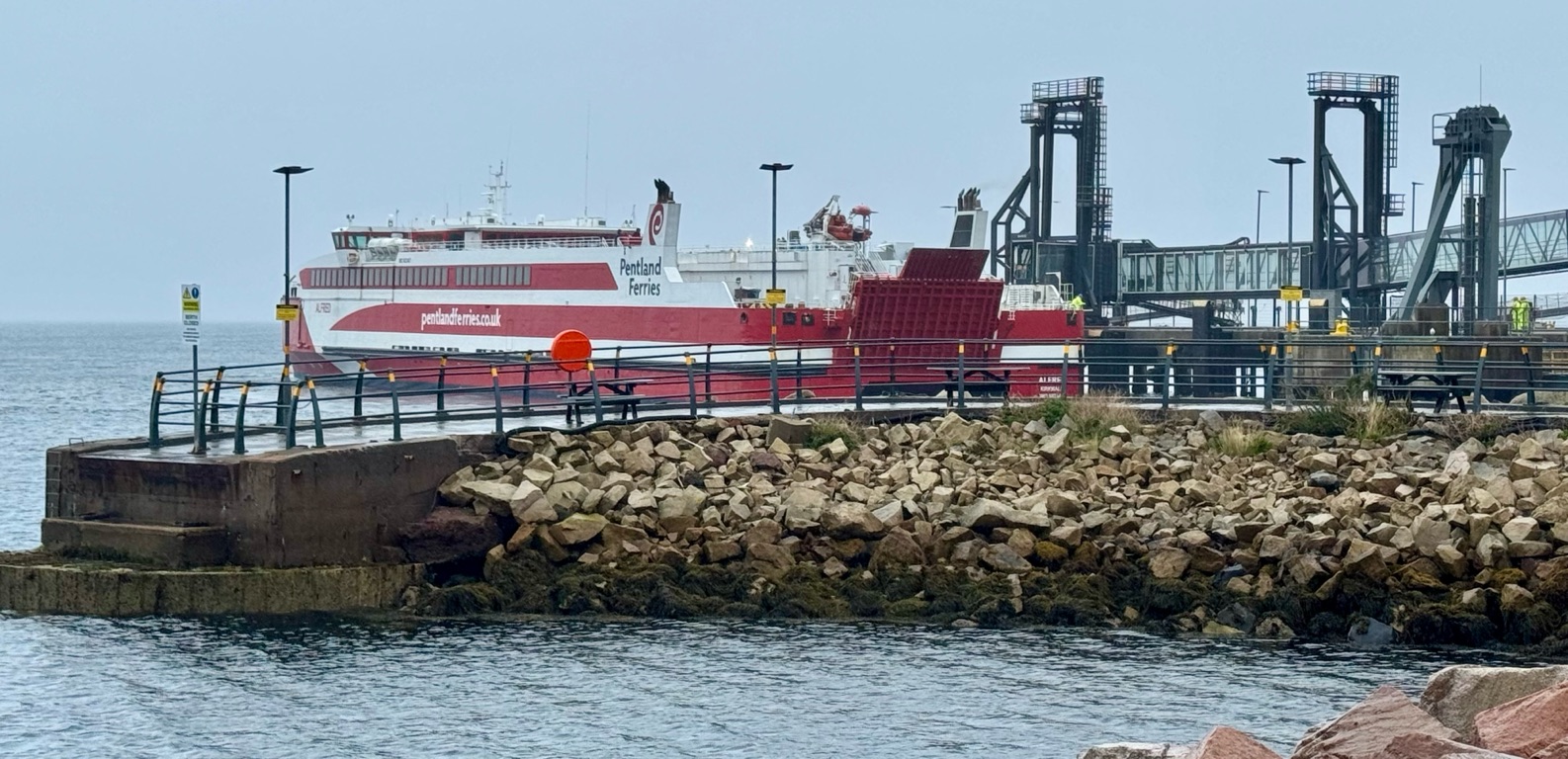
This is the ferry we took. It was about an hour and a half trip.

4
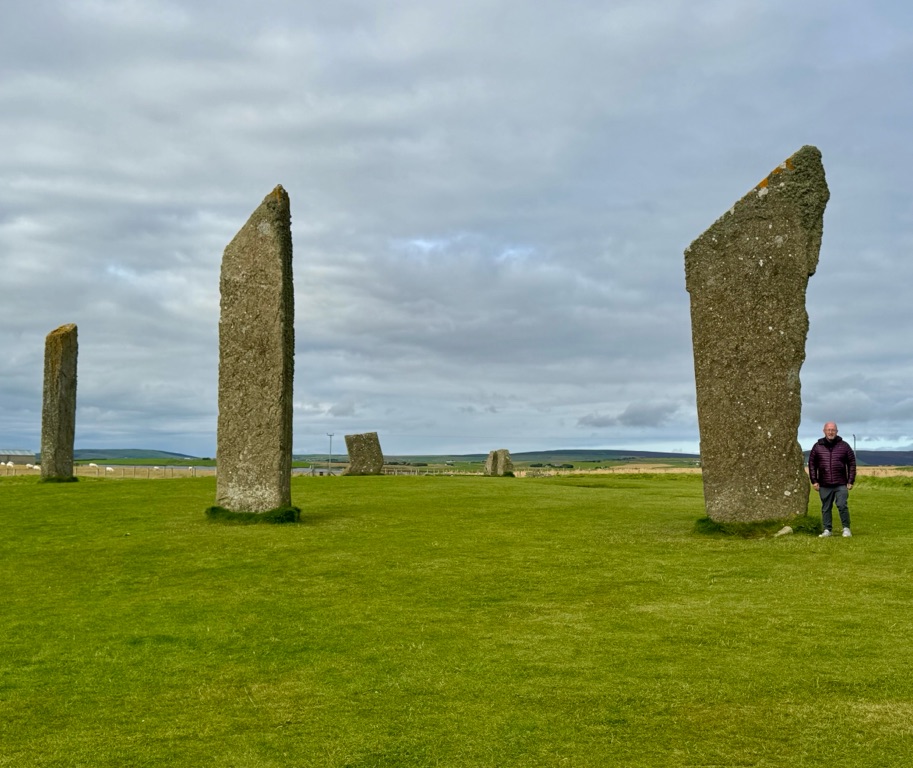
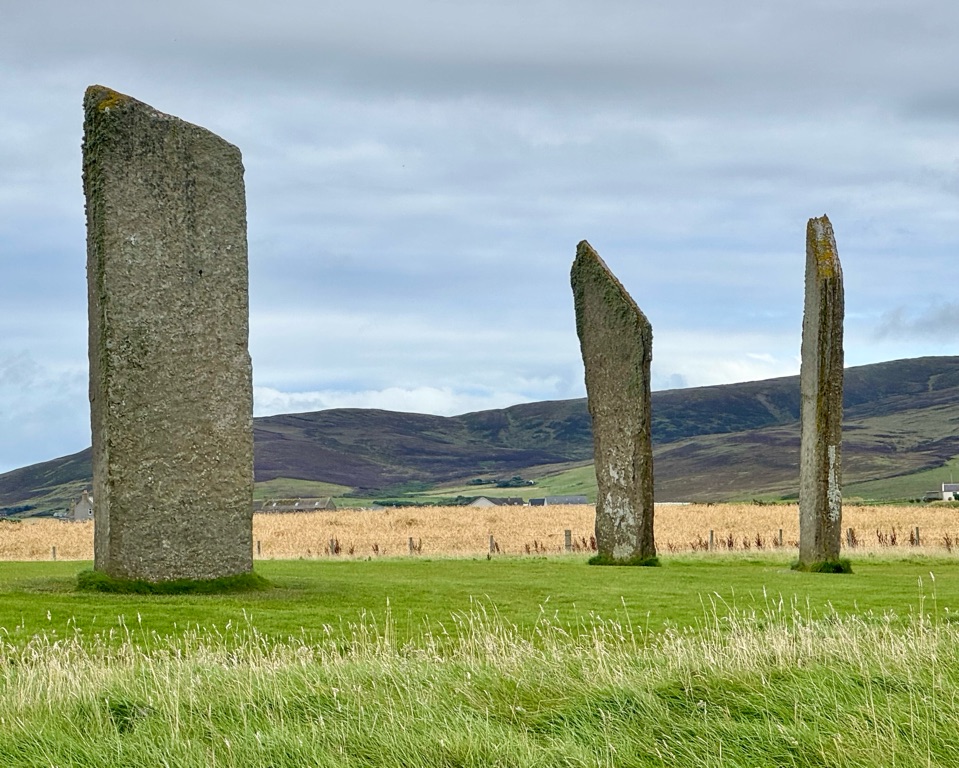
Ring of Brodgar

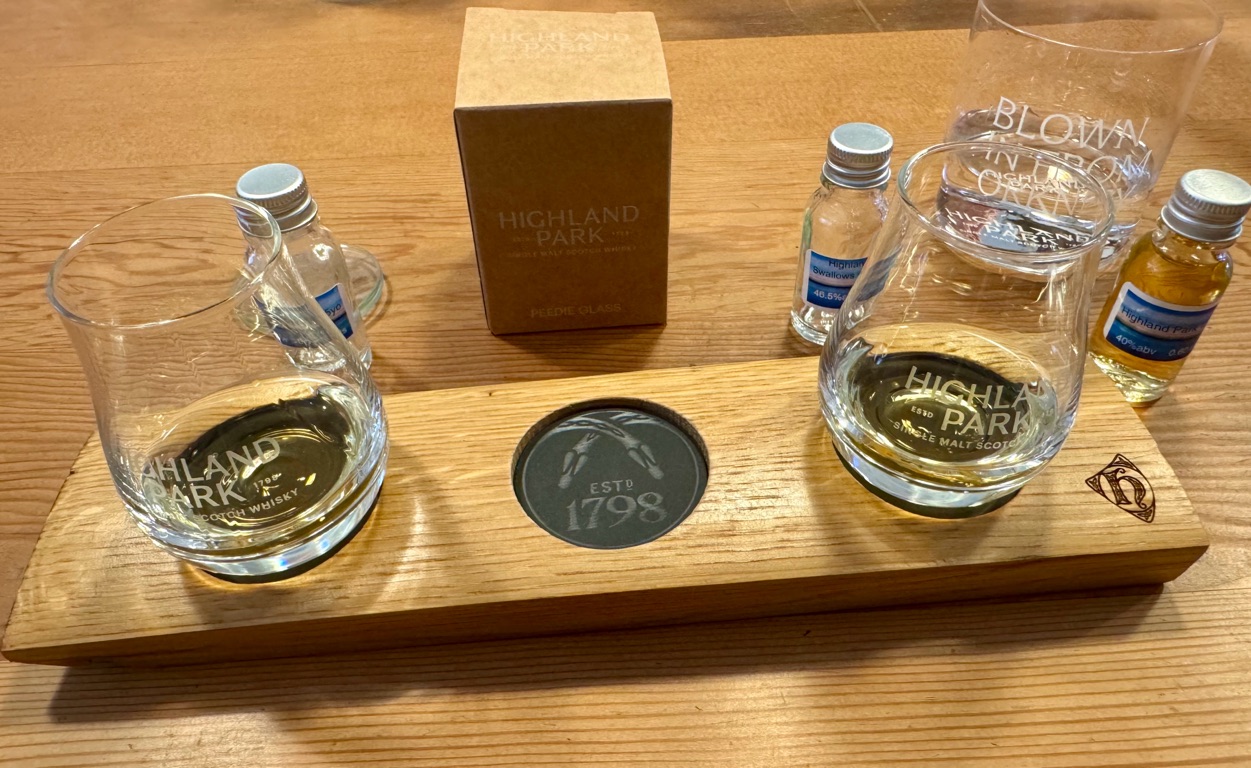
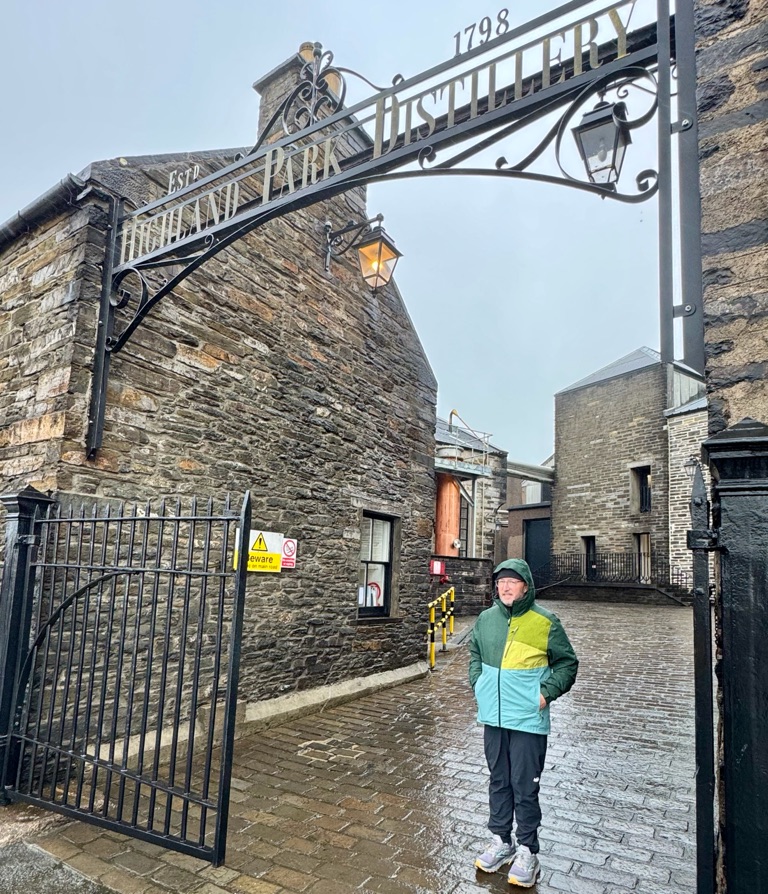
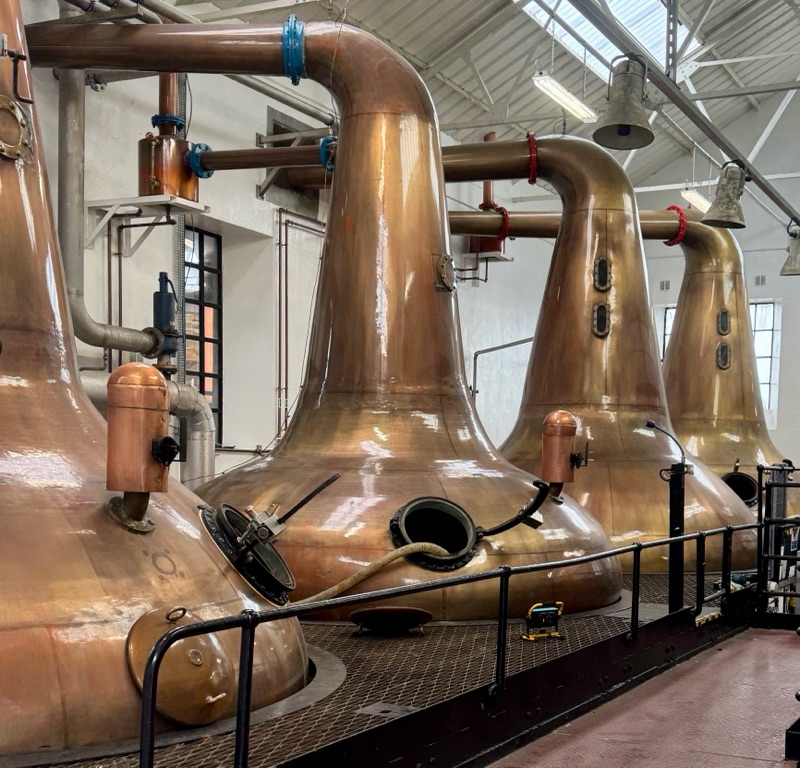
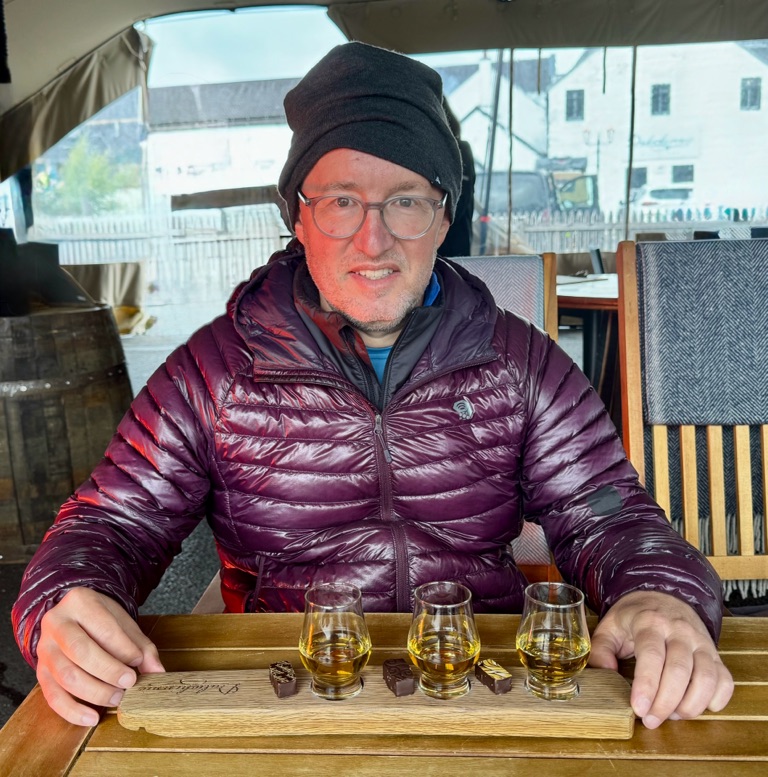
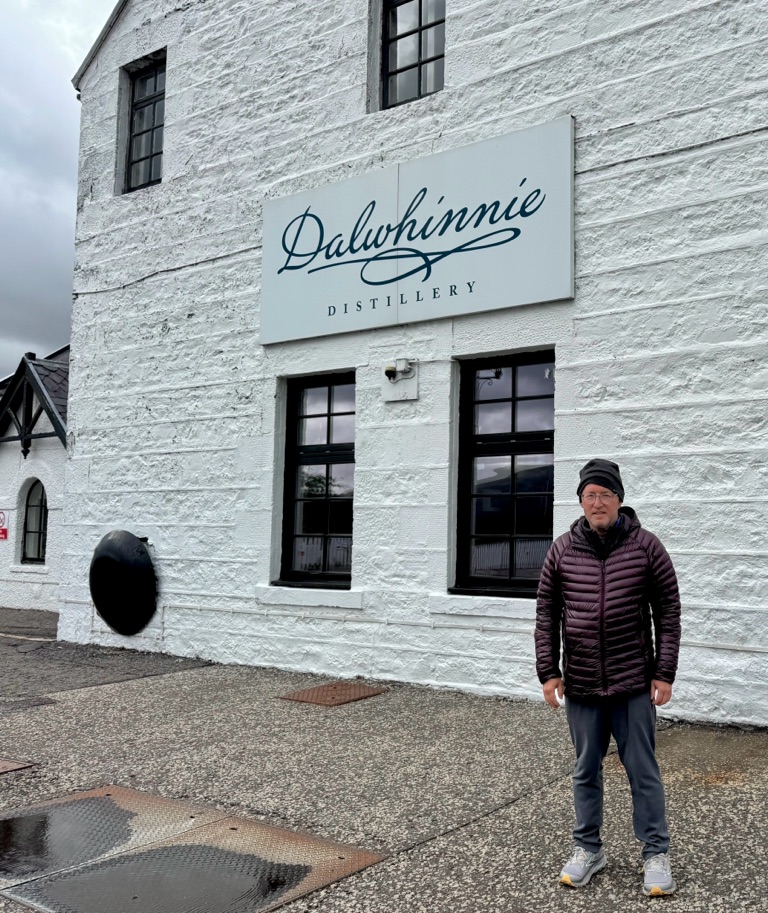
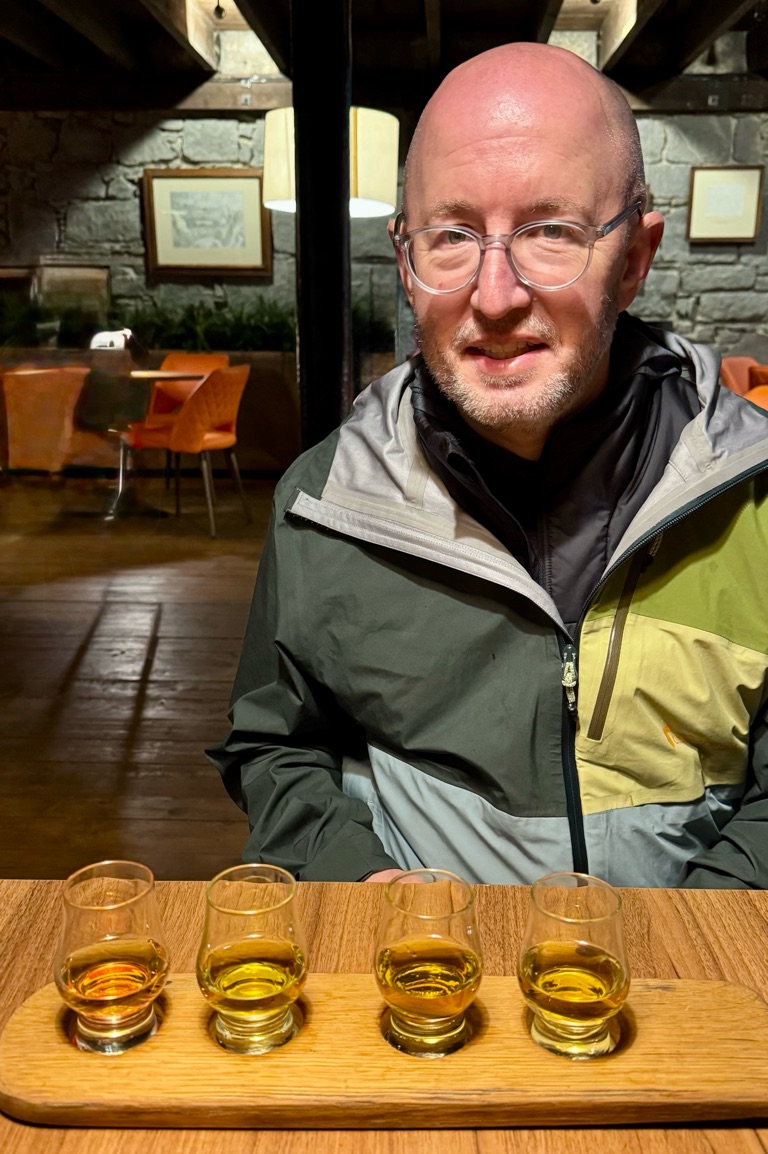
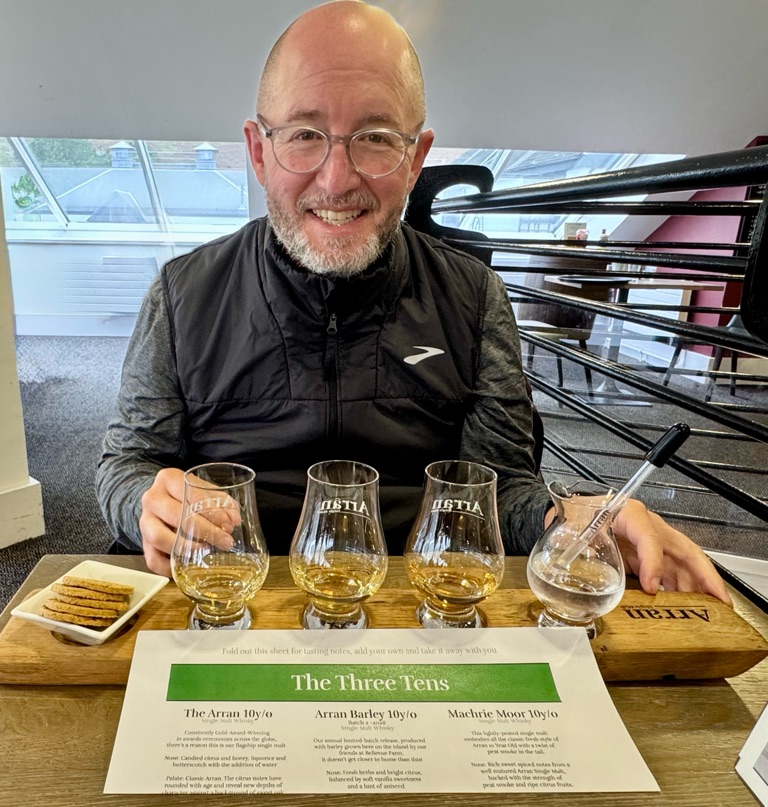
Our first day on Orkney was super rainy. So, we spent it inside on a distillery tour at Highland Park Distillery. They just make whiskey and they still do it in very traditional ways that not many distilleries follow any longer.

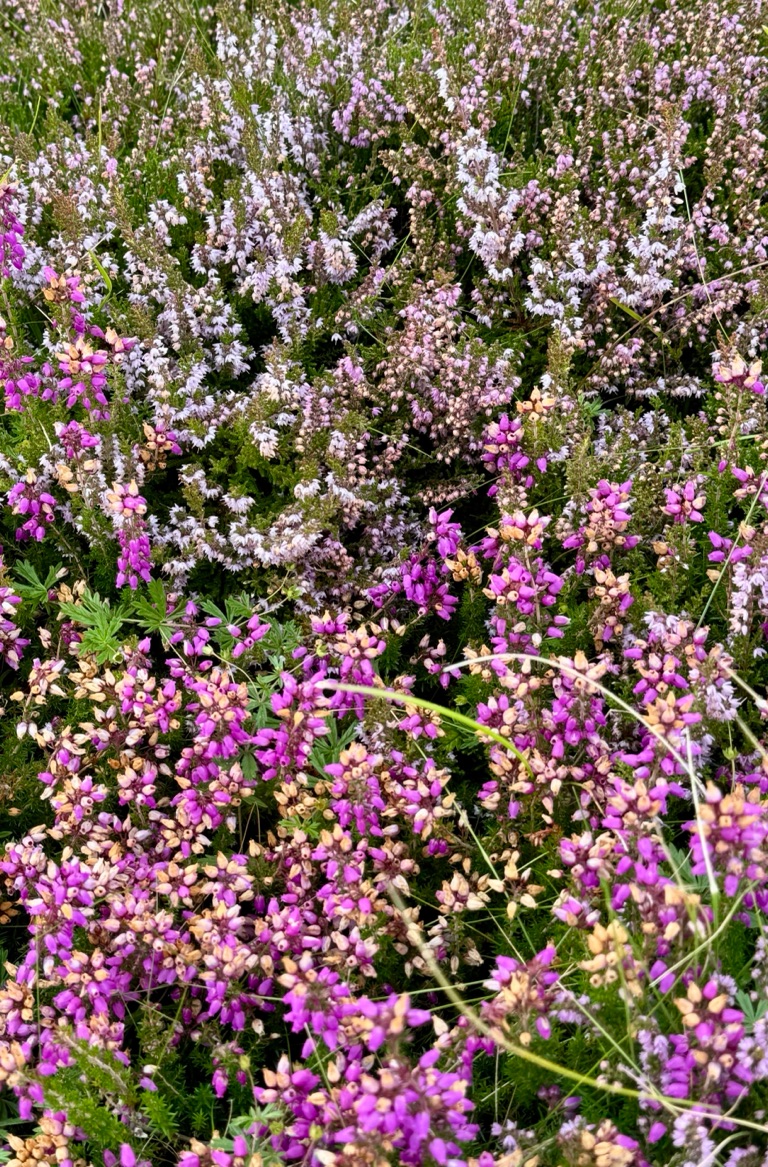
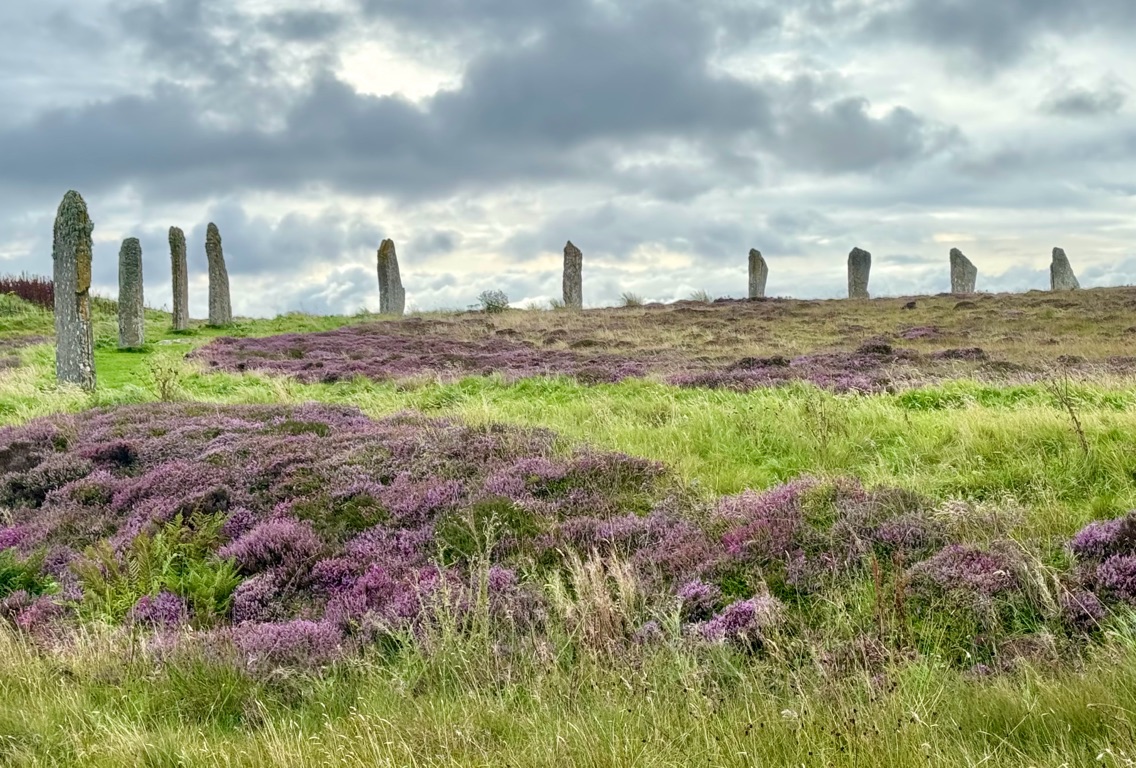
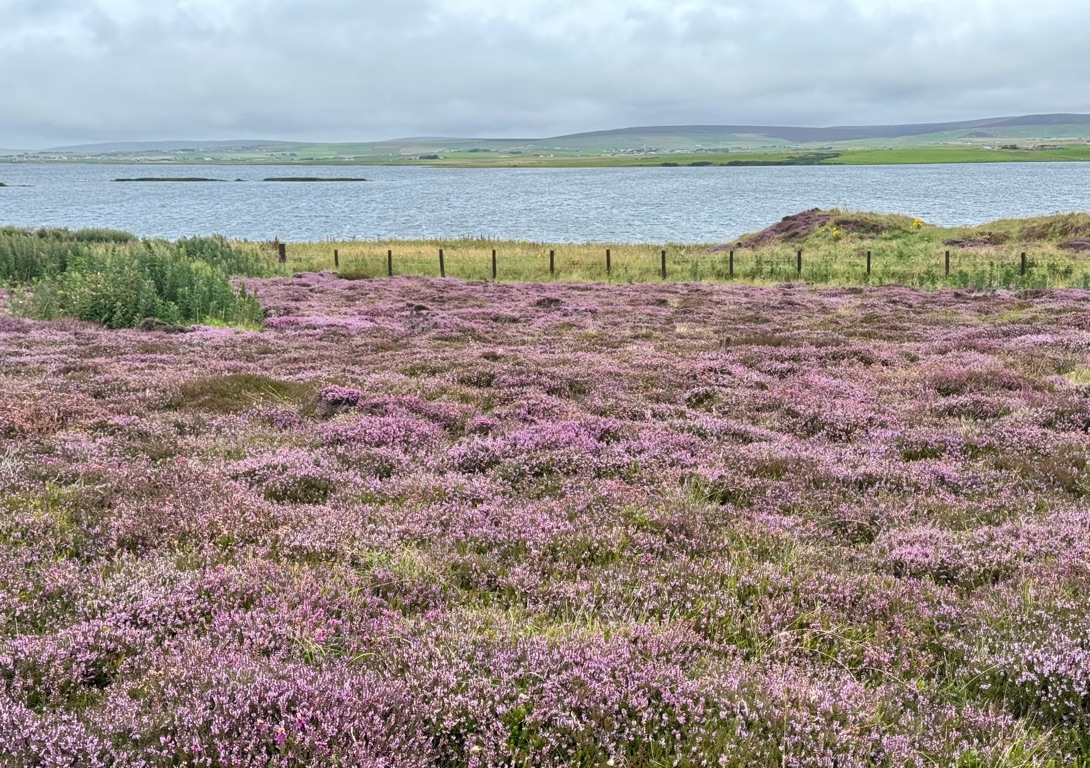
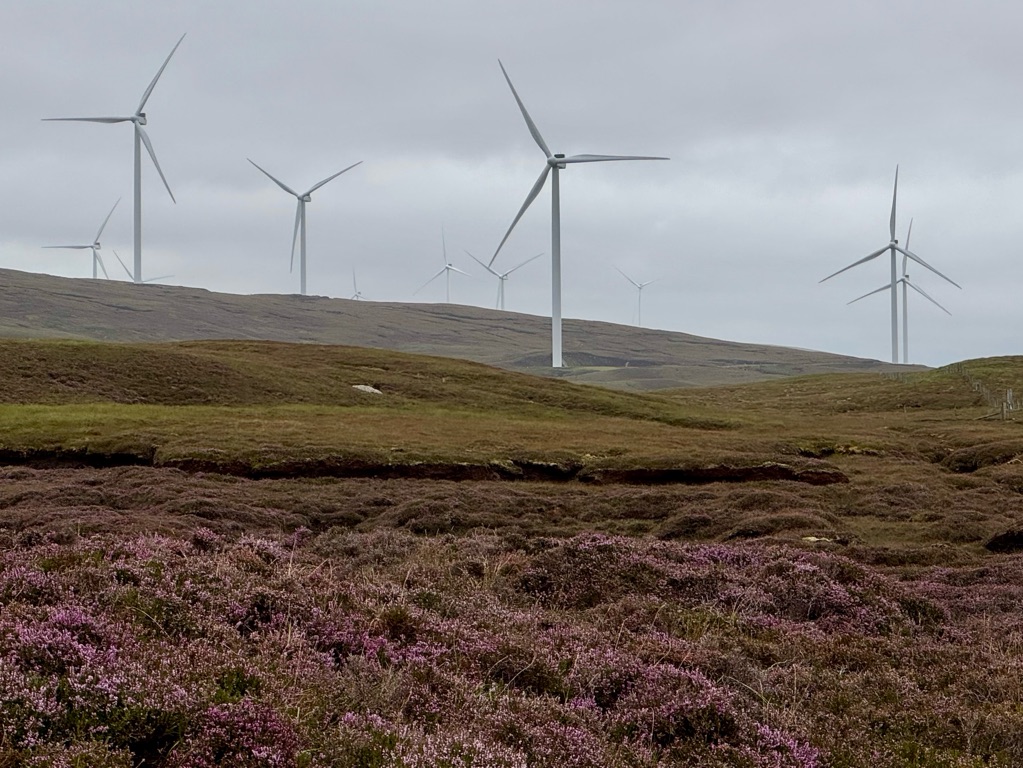
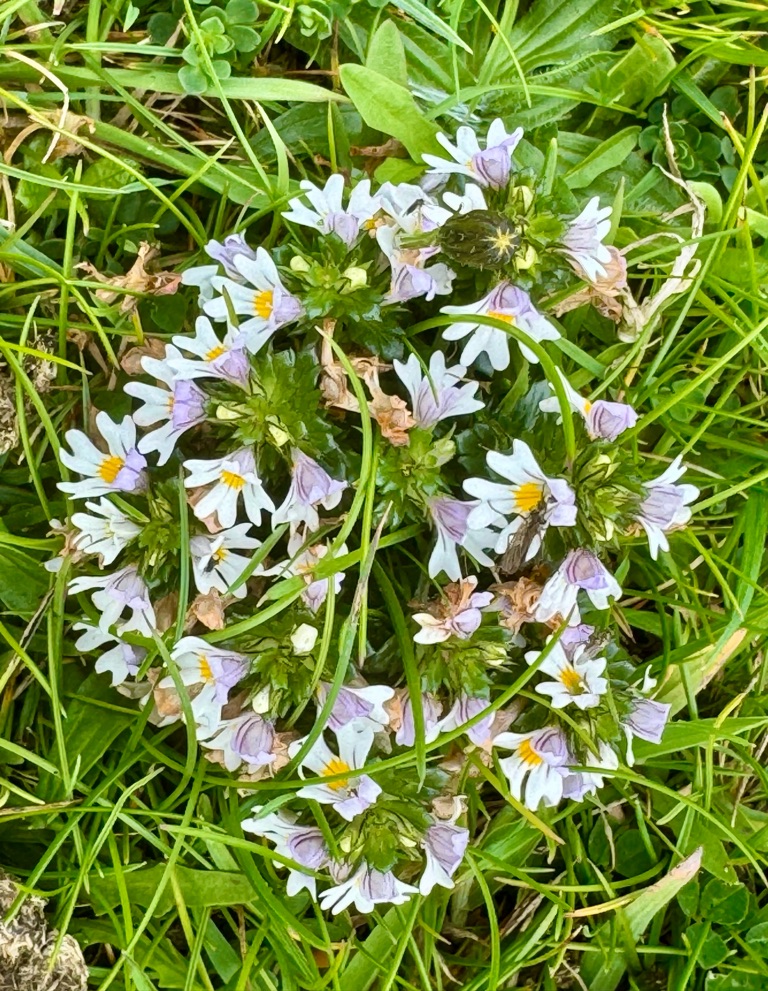
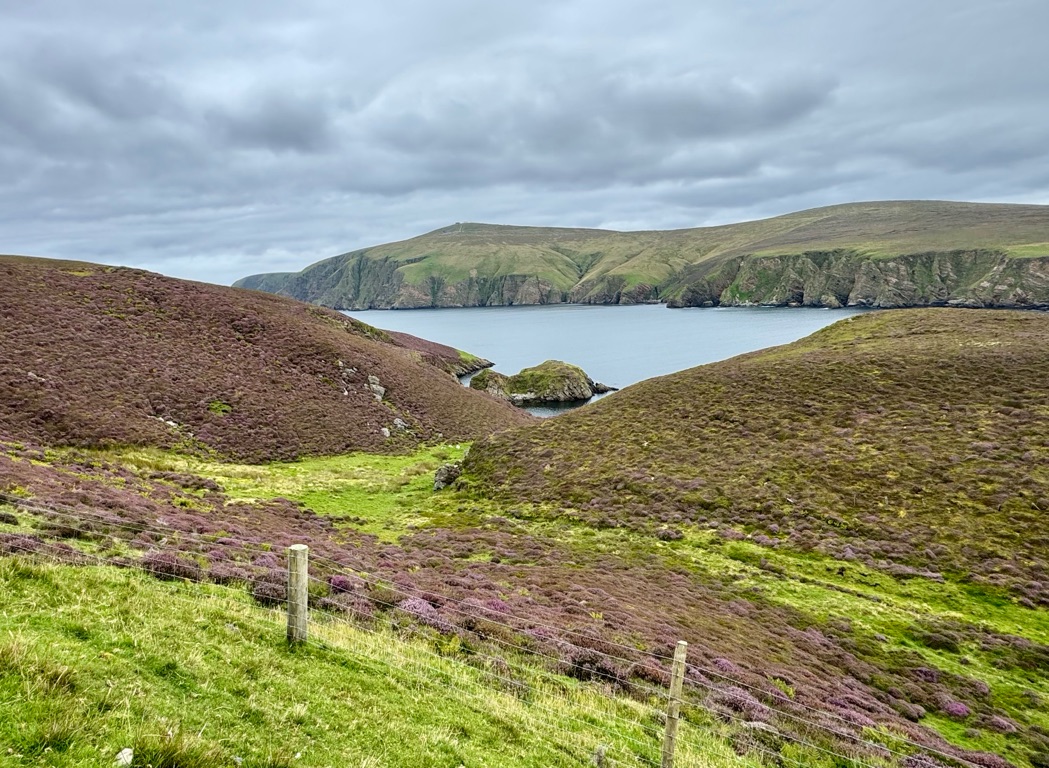
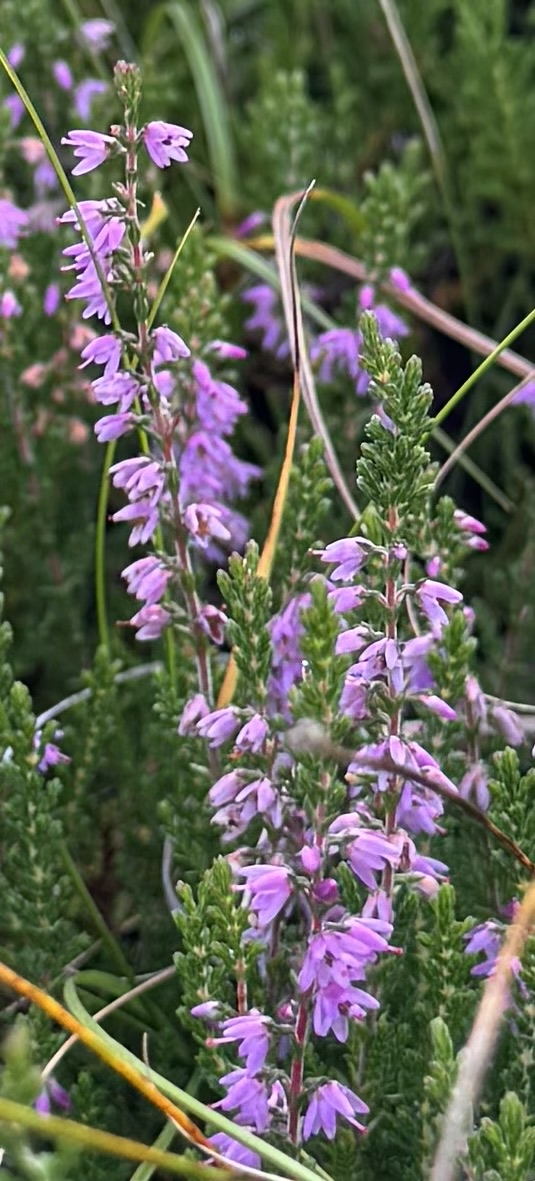
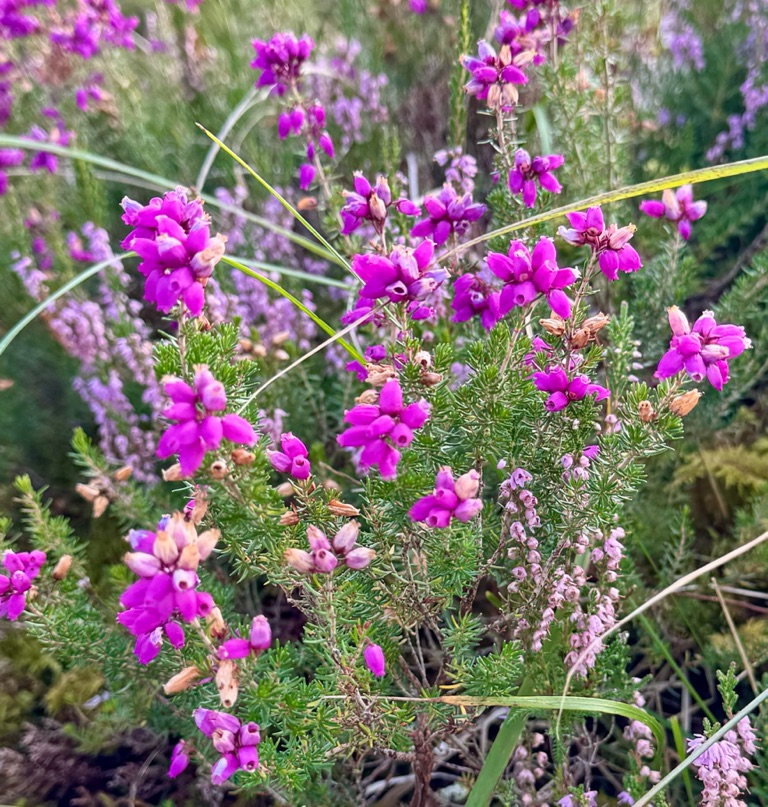
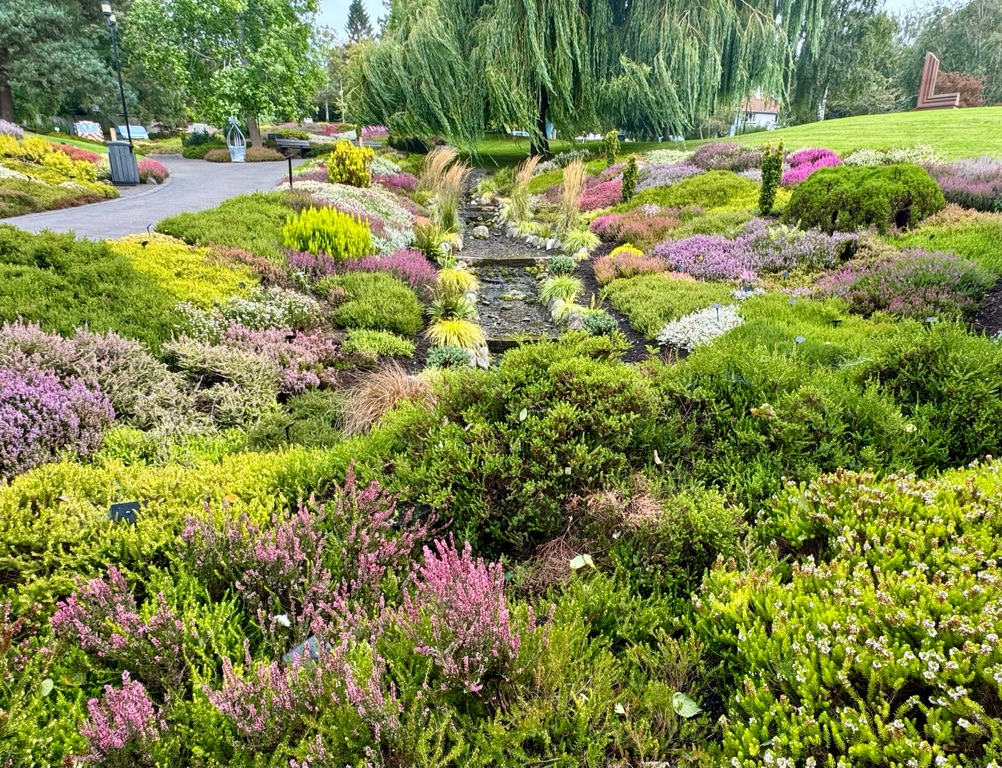
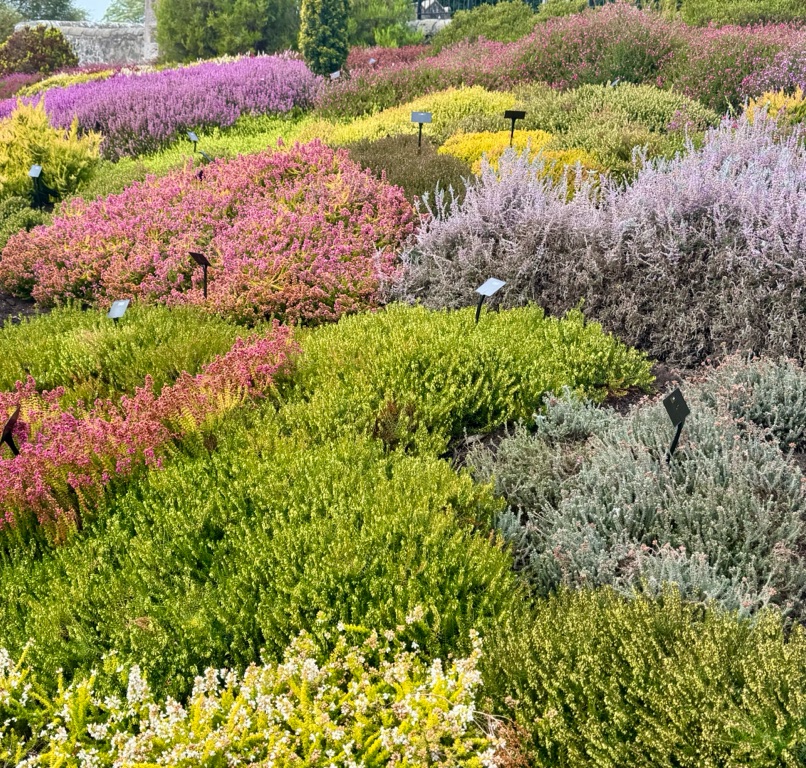
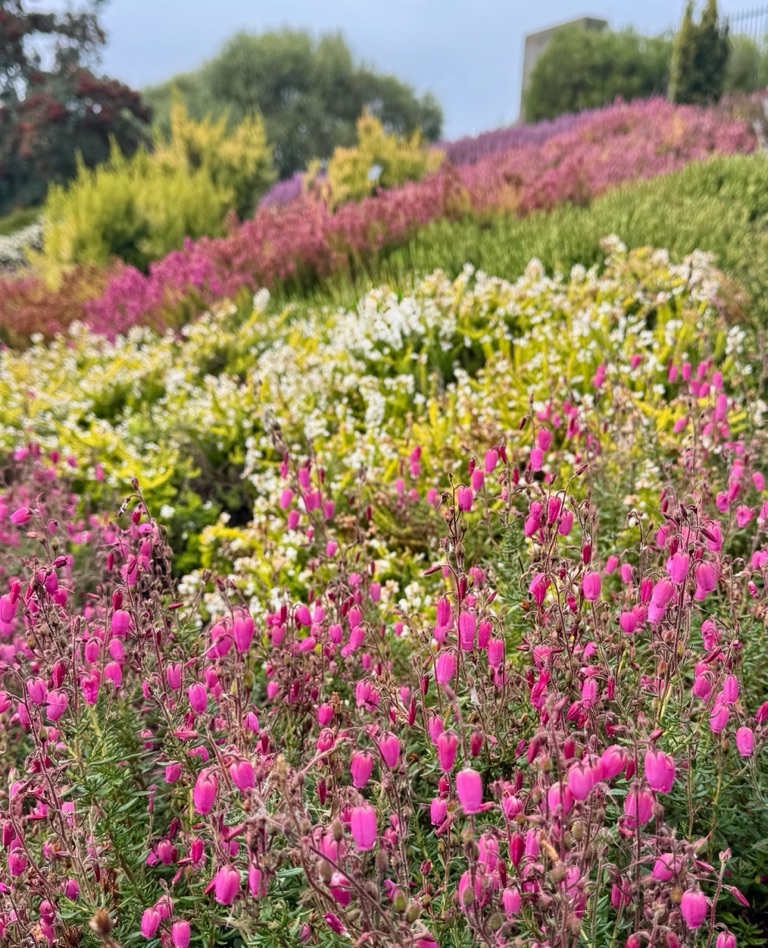
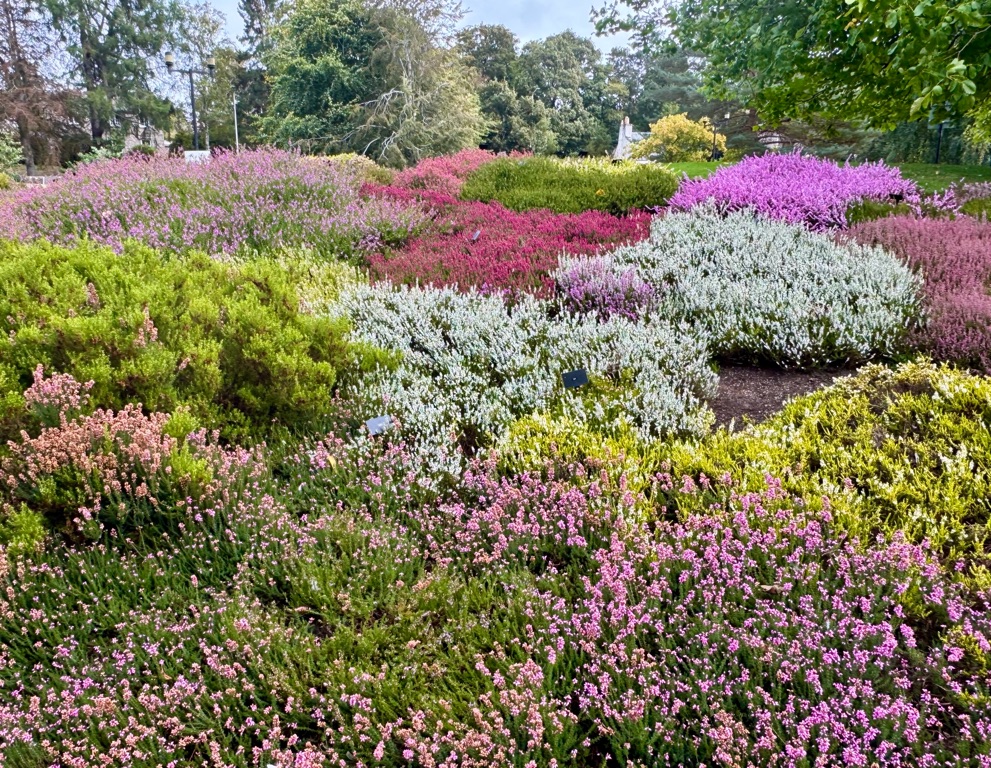
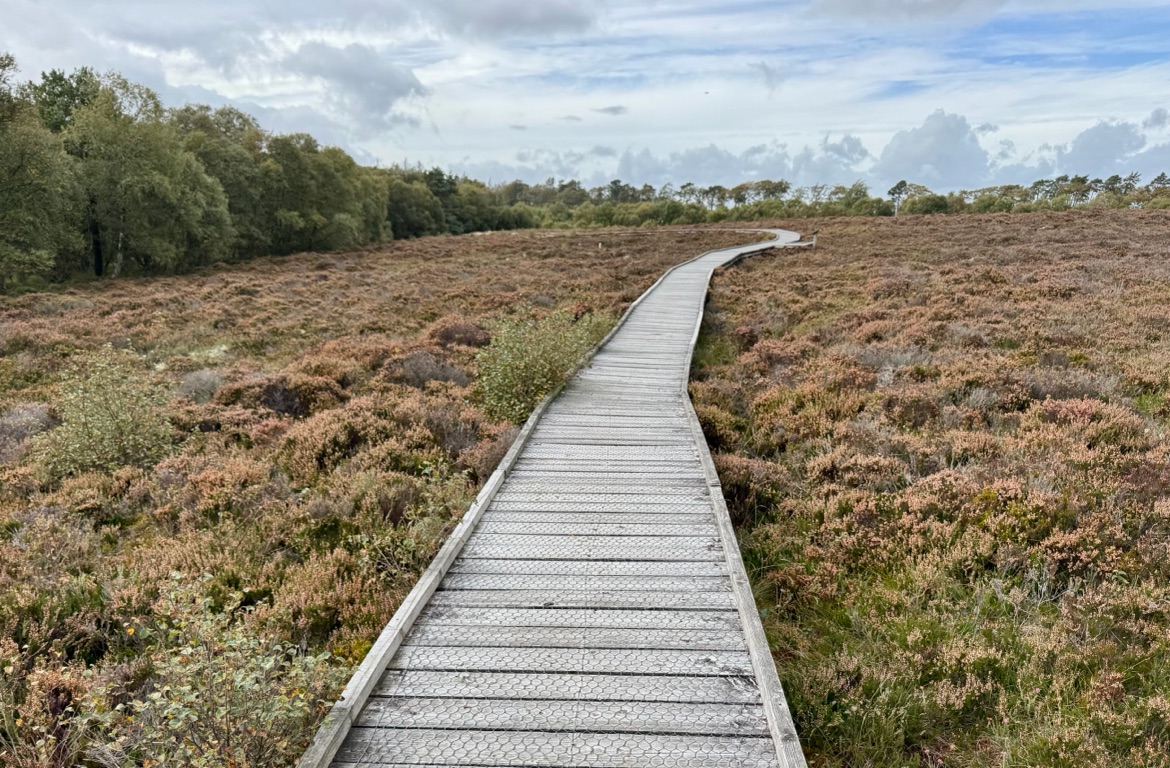
The heather is blooming!

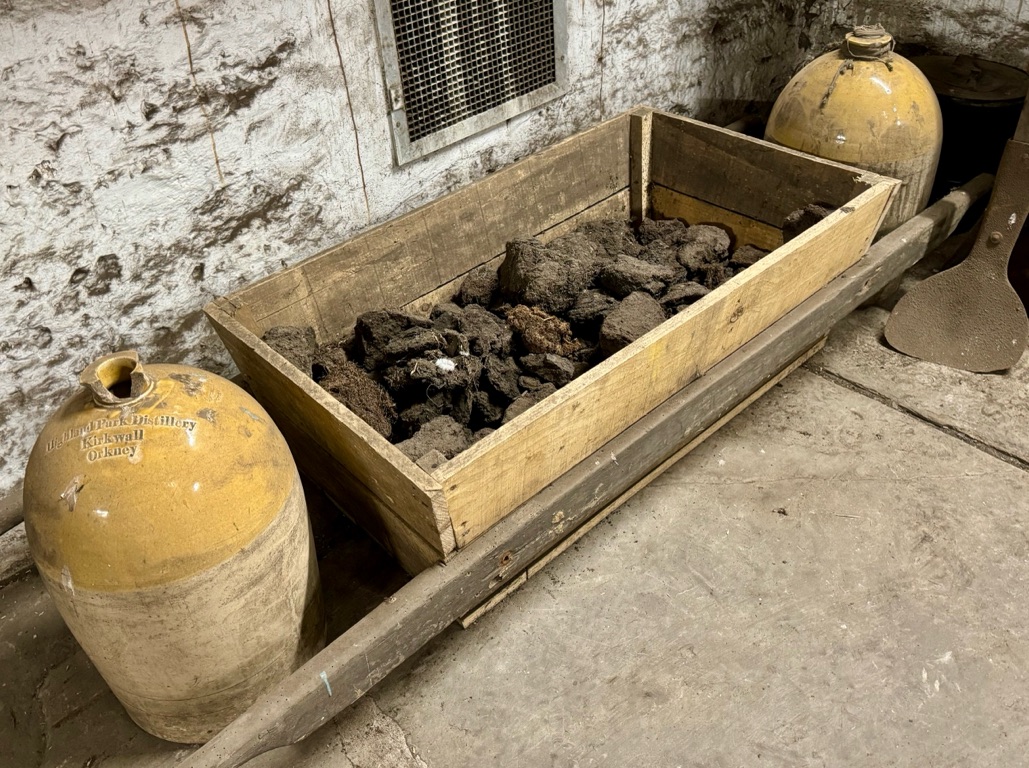
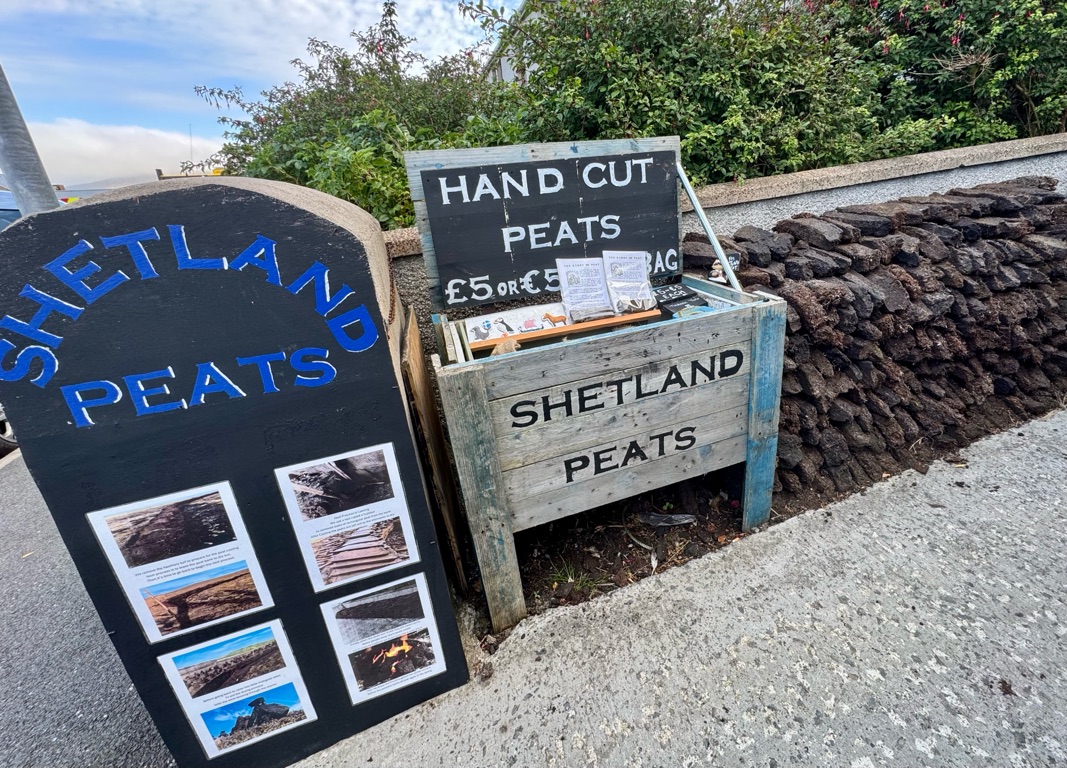
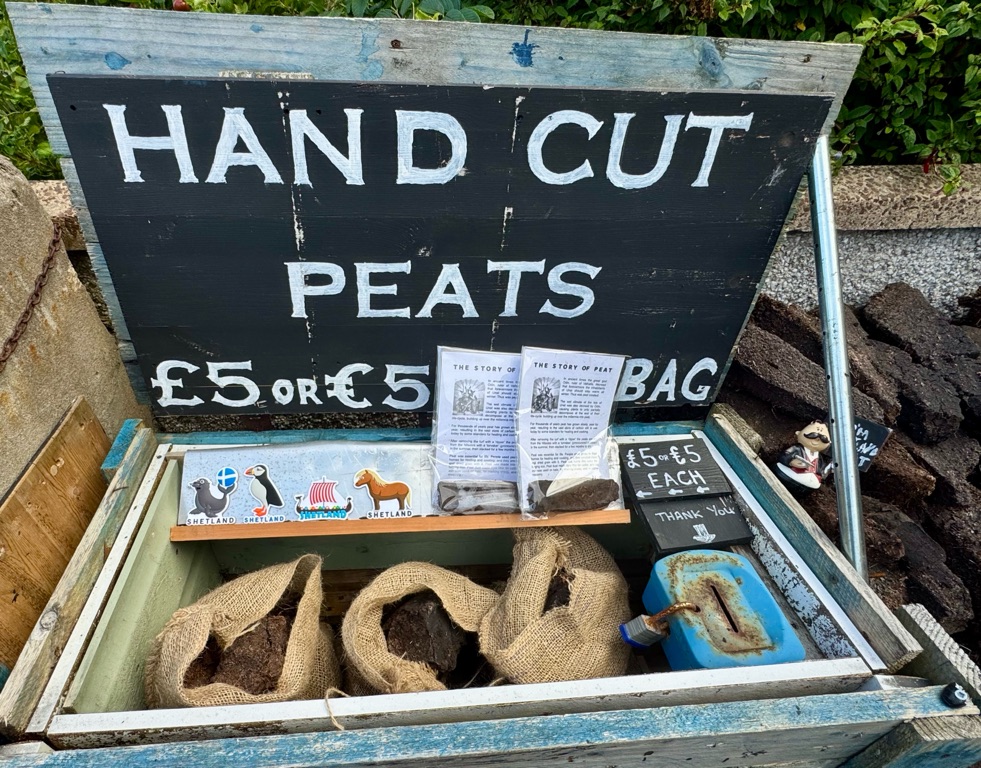
Peat. It’s largely made up of thousands of years of decaying heather.

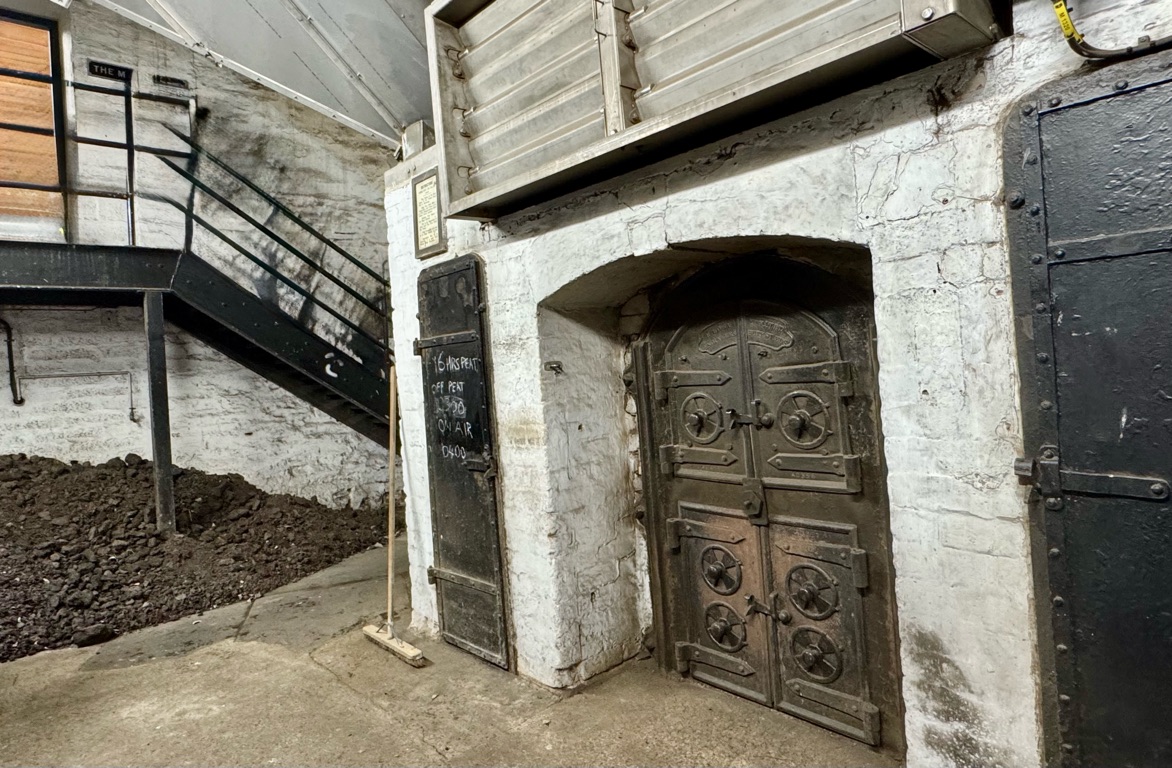
The oven where peat is burned to basically cold smoke the barley to add flavor.

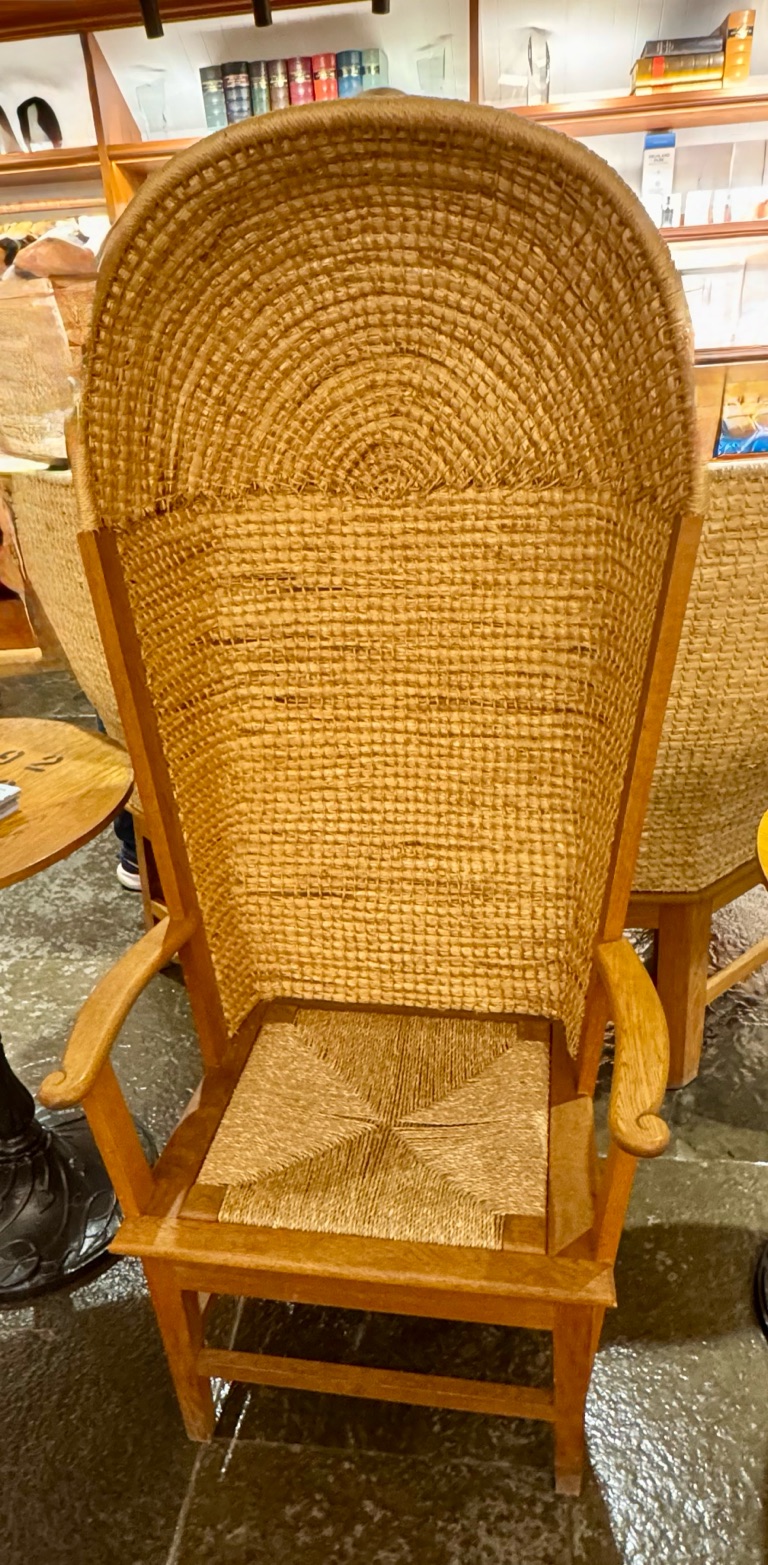
A very cool chair distinct to Orkney. The hood is made of woven grain stalks.

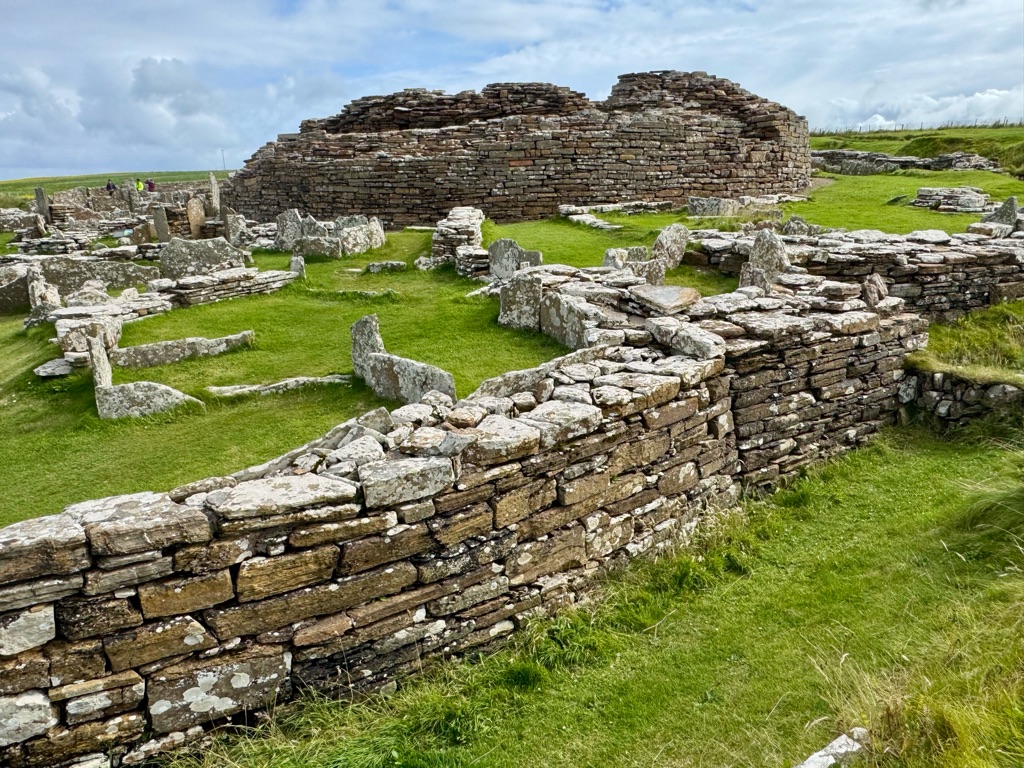
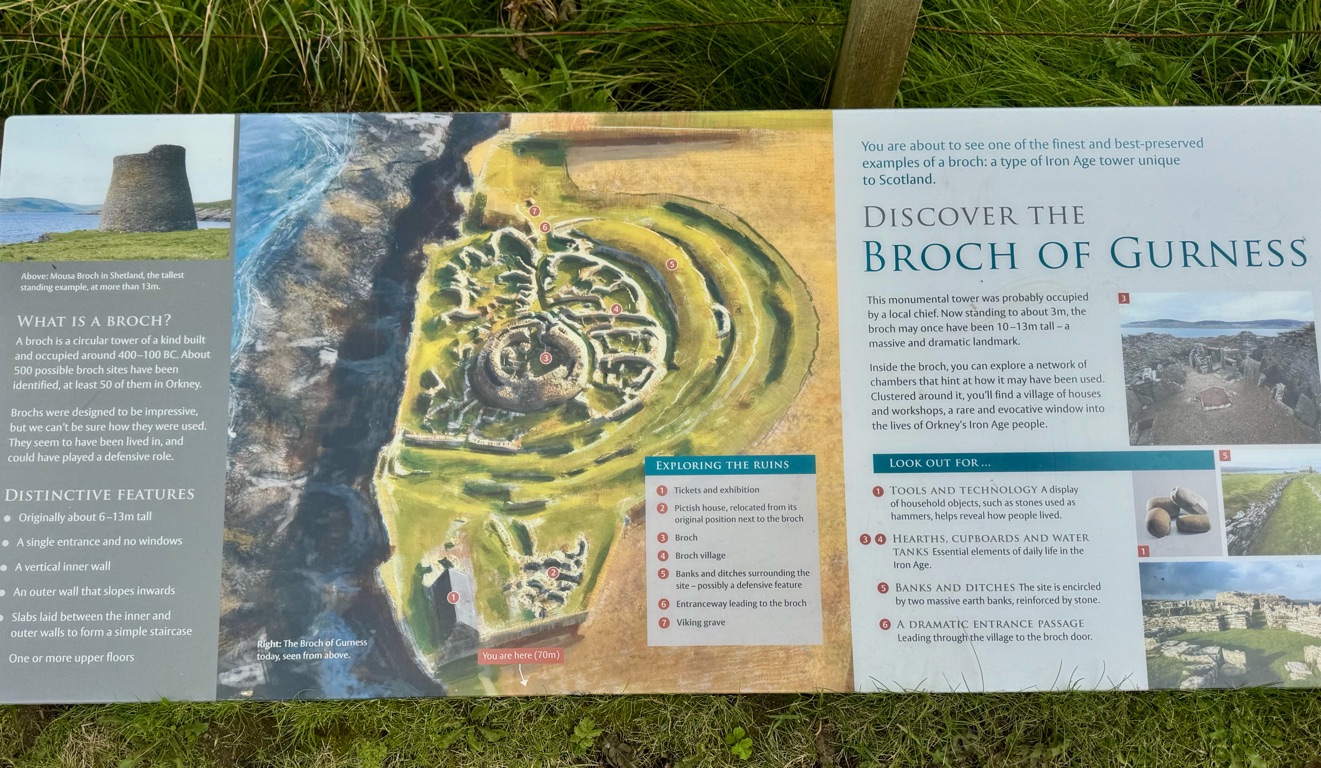
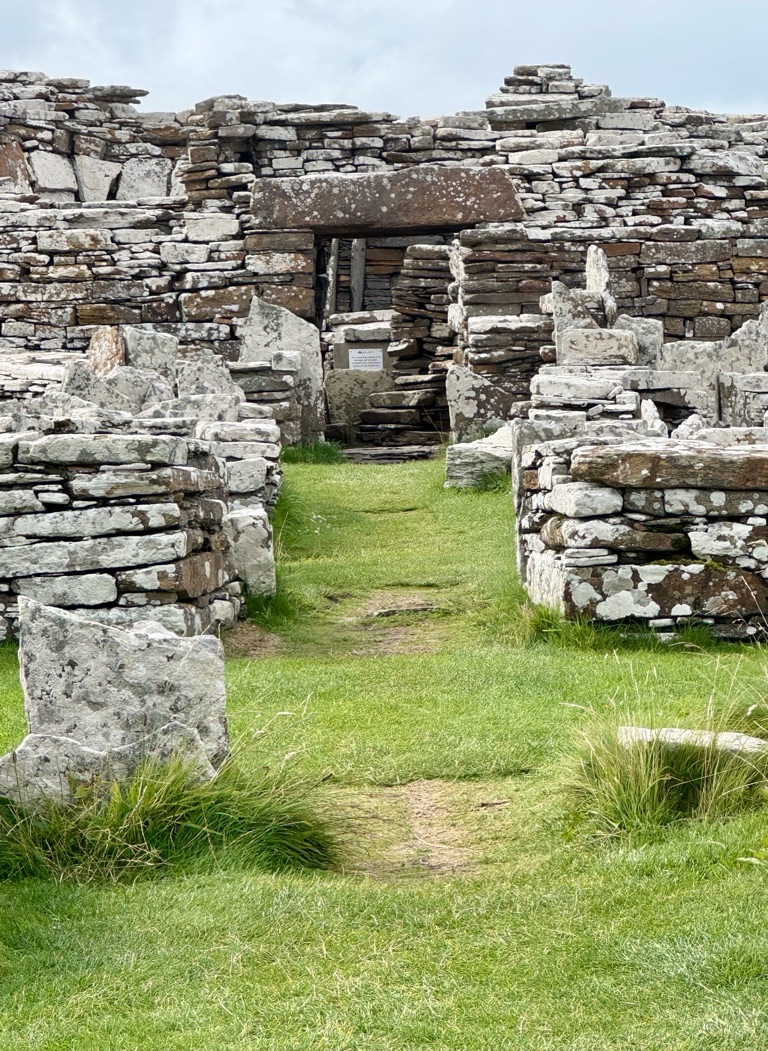
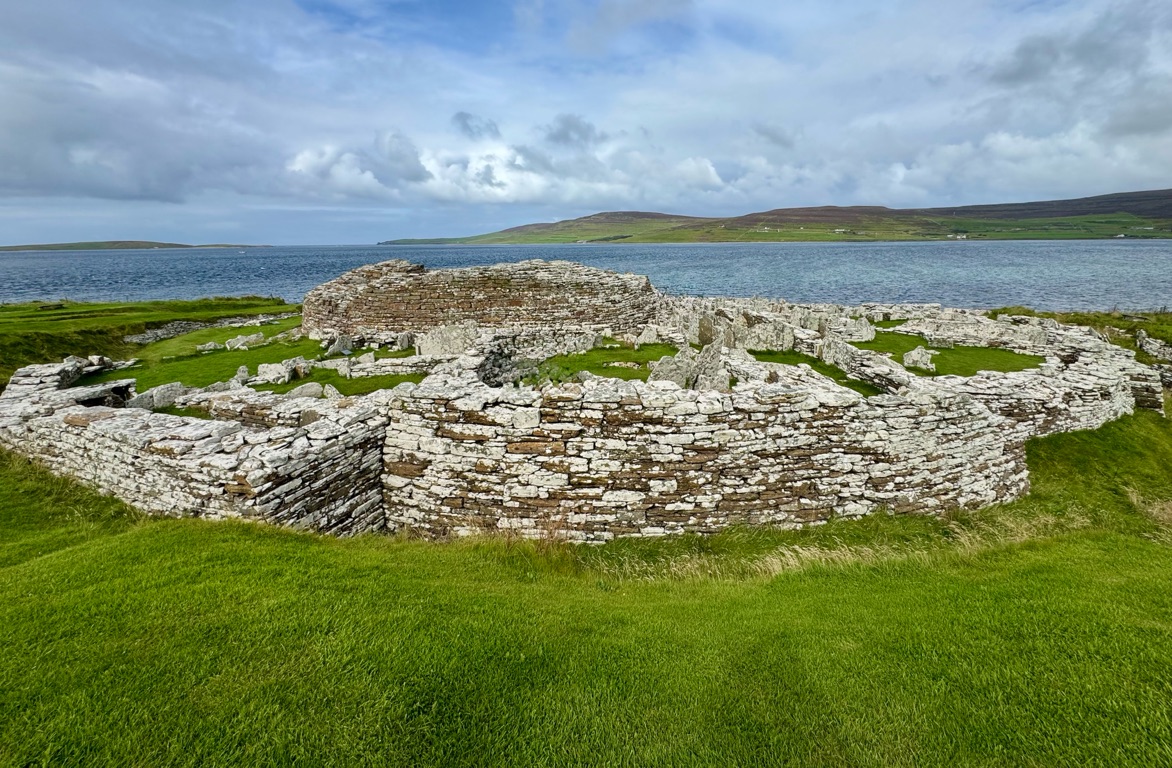
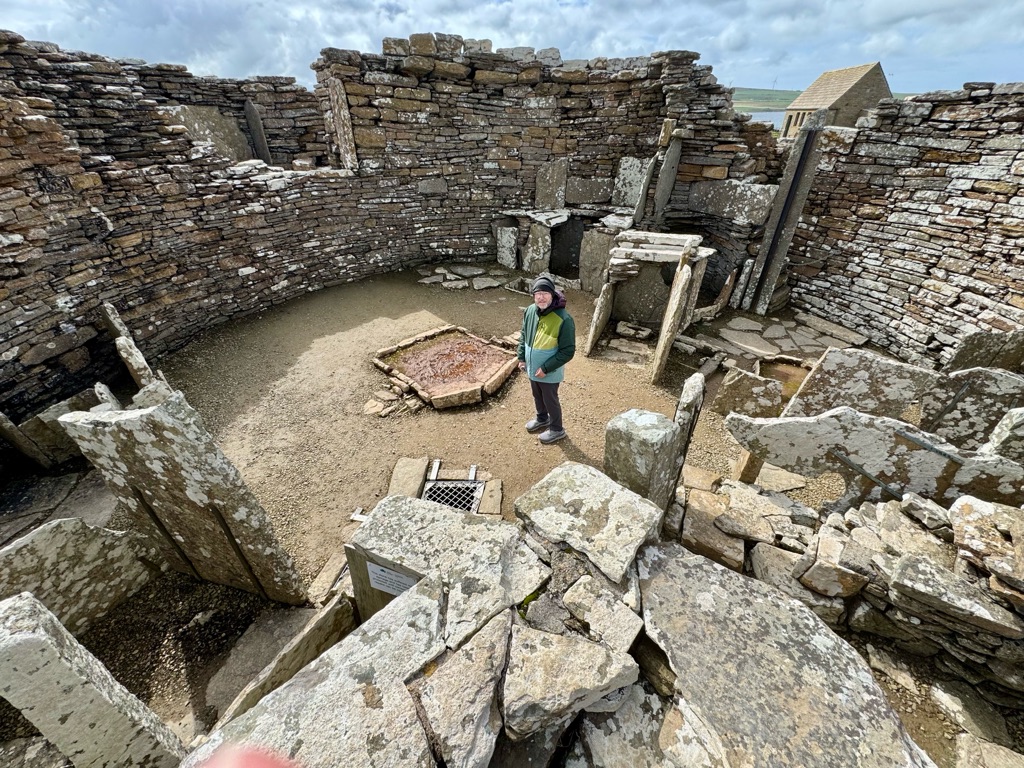
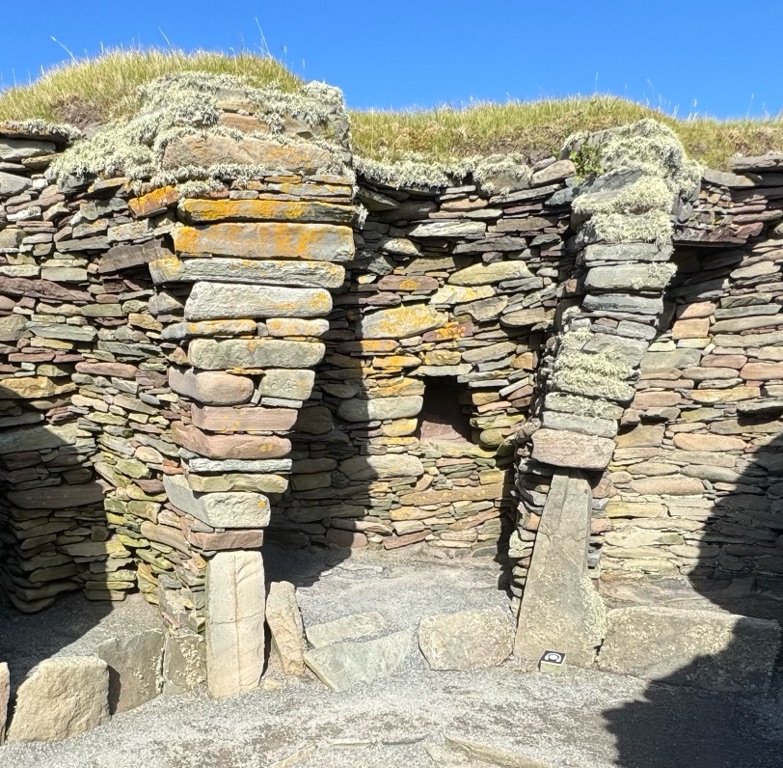
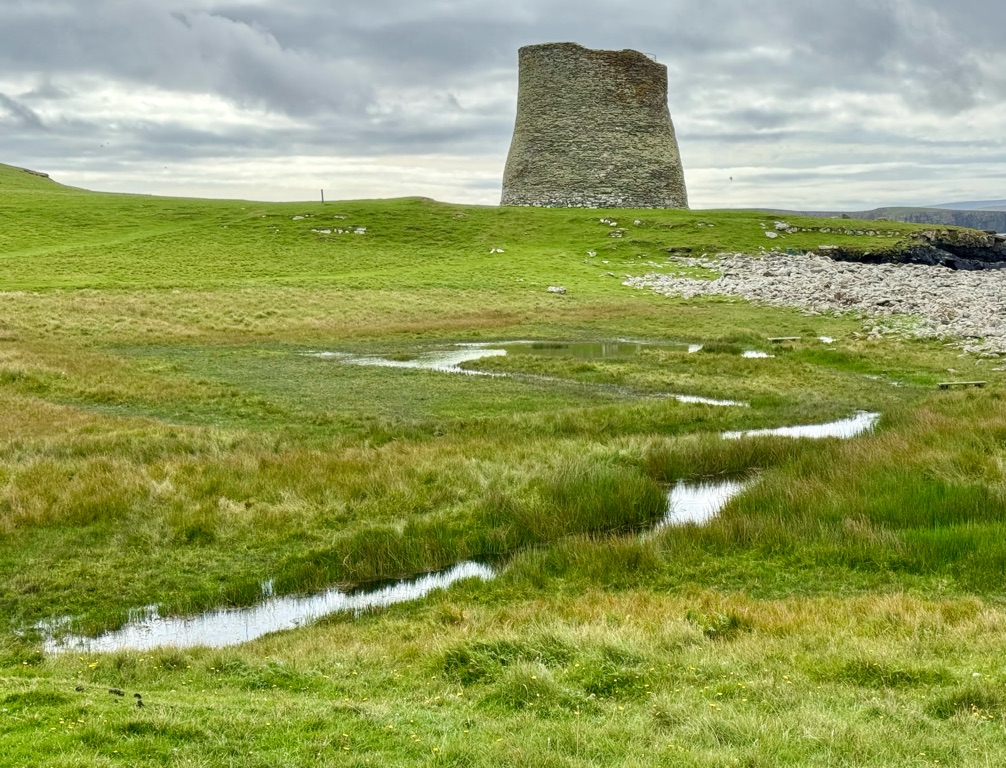
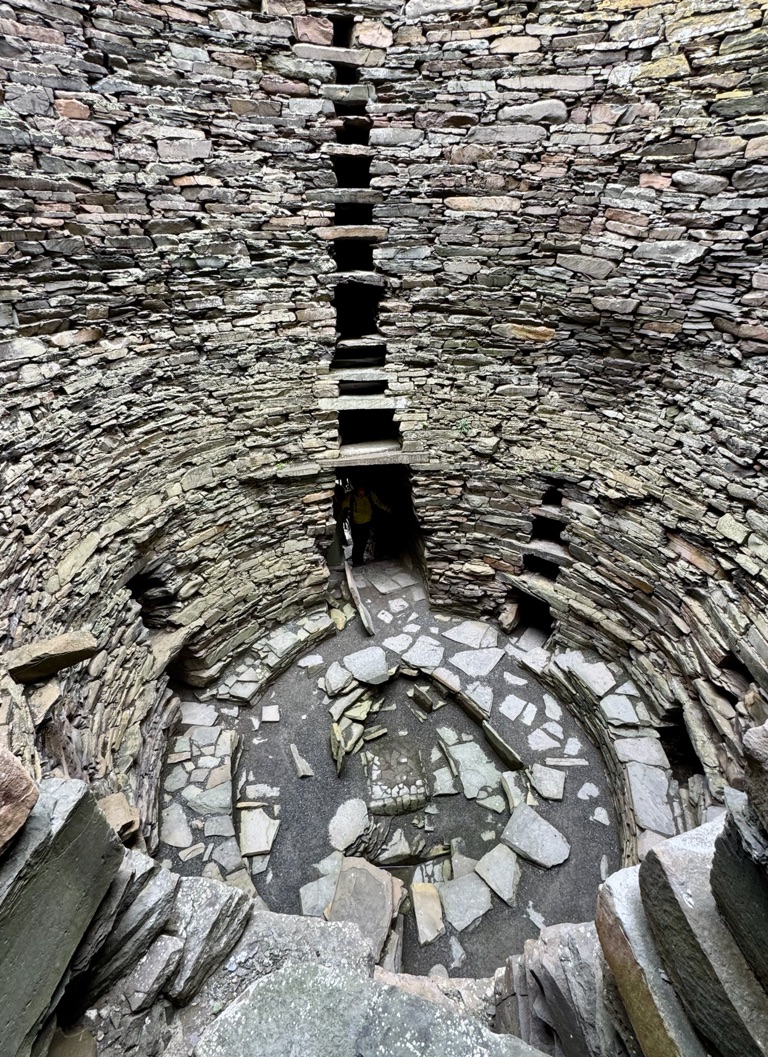
The first archaeological site we visited was the Broch of Gurness. The tower that the buildings center around was the Broch. A 40 or so foot tower. This was in 5000 BC. Hard to wrap my brain around.

A sampling.

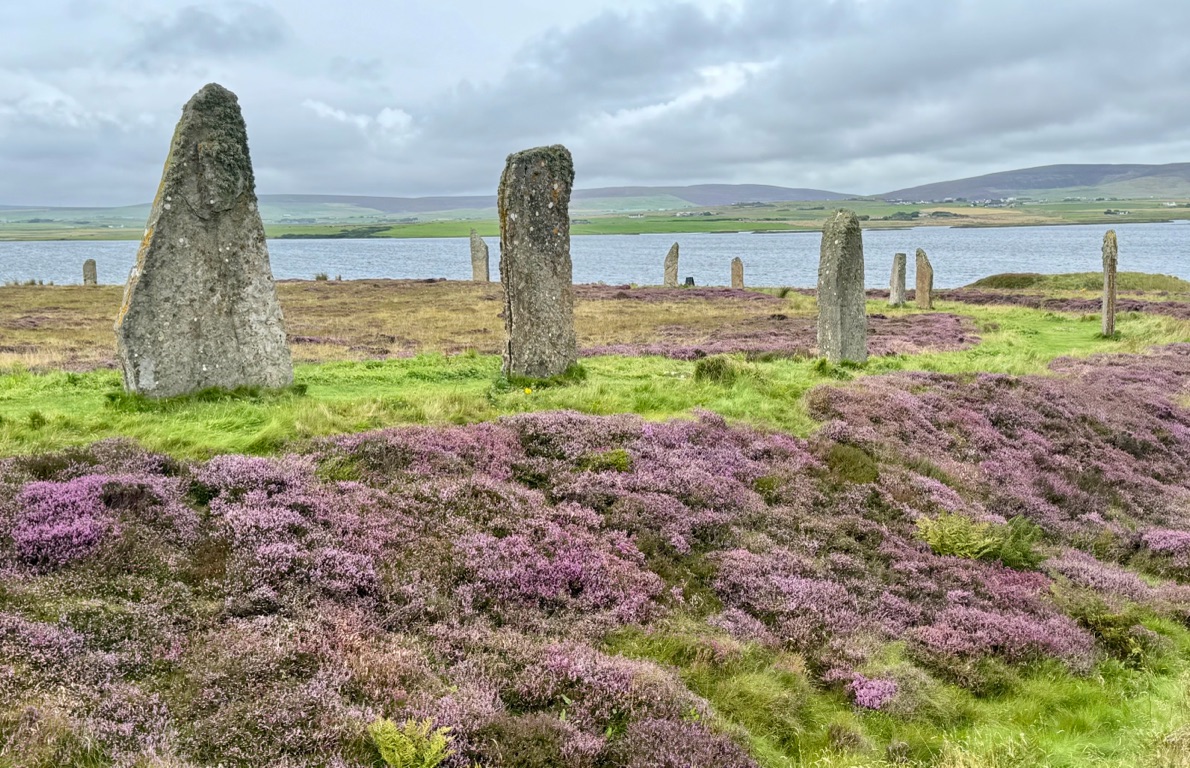
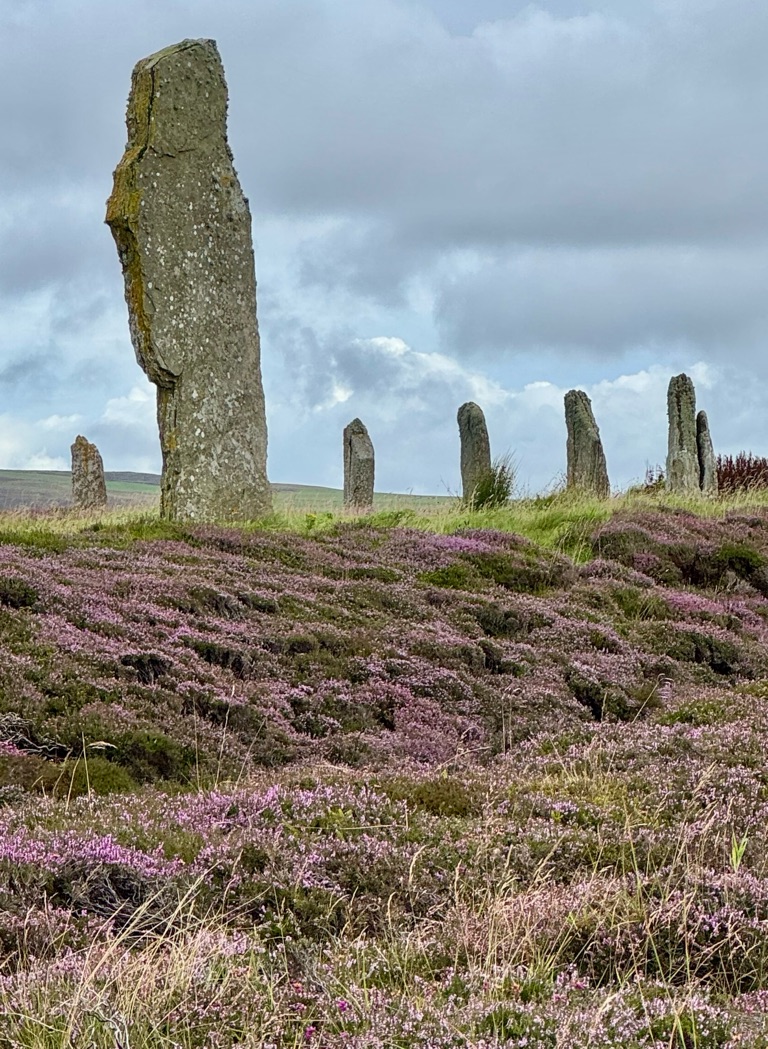
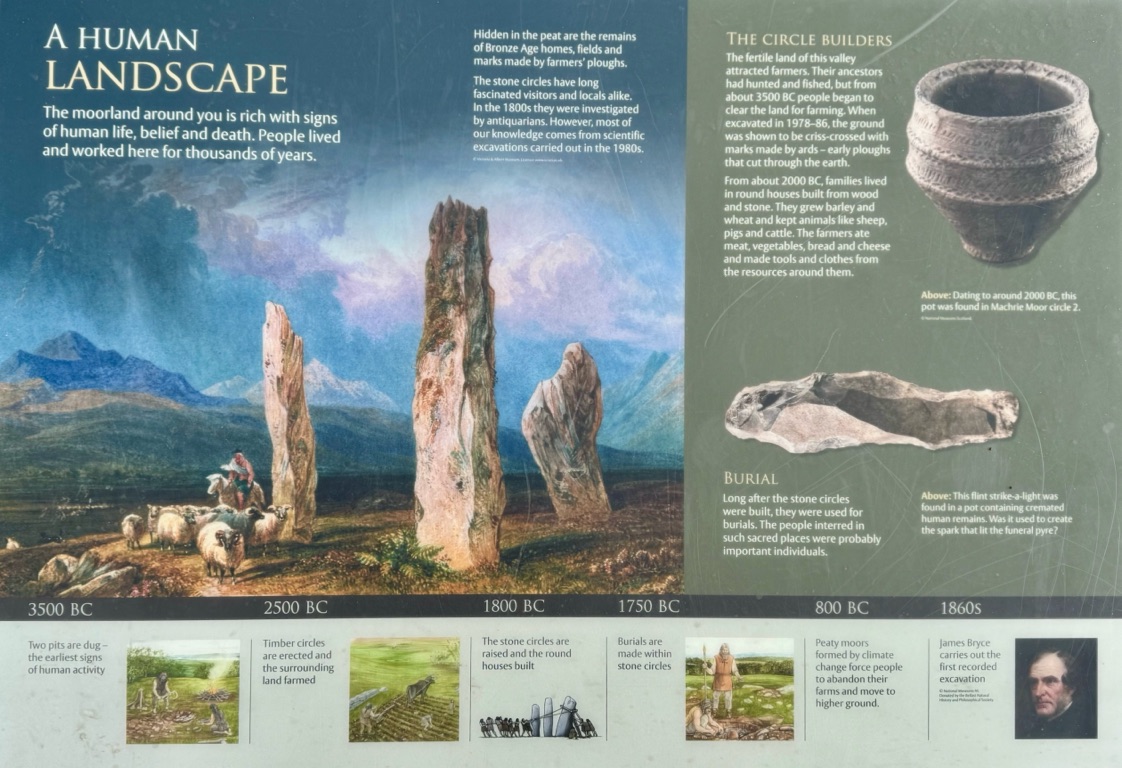
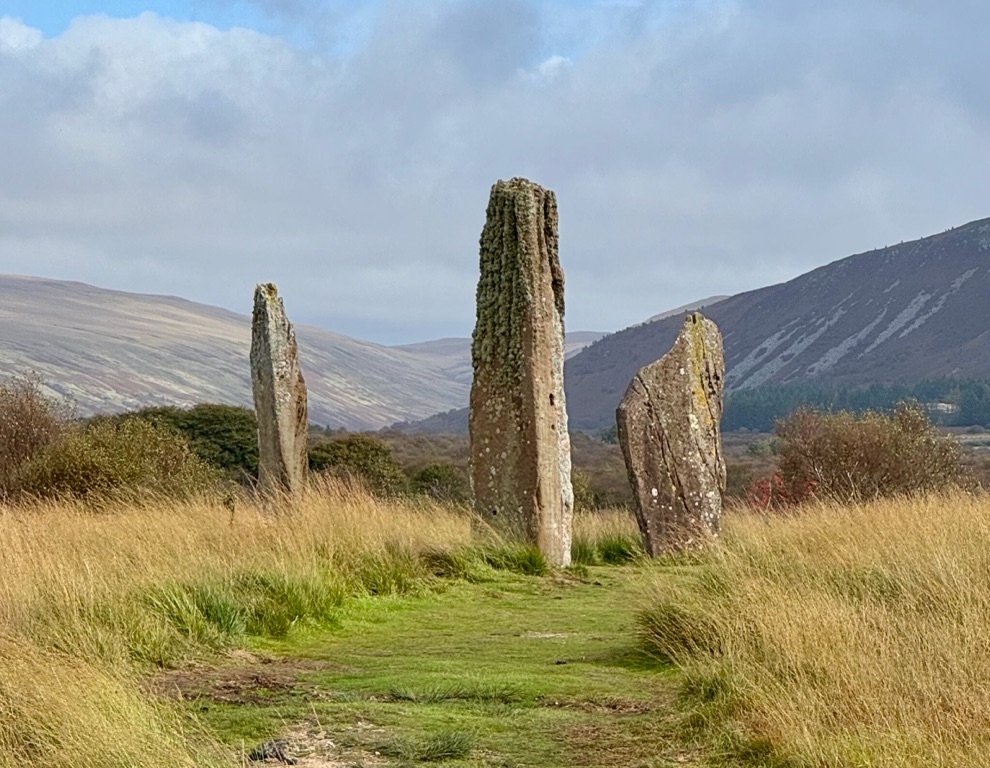
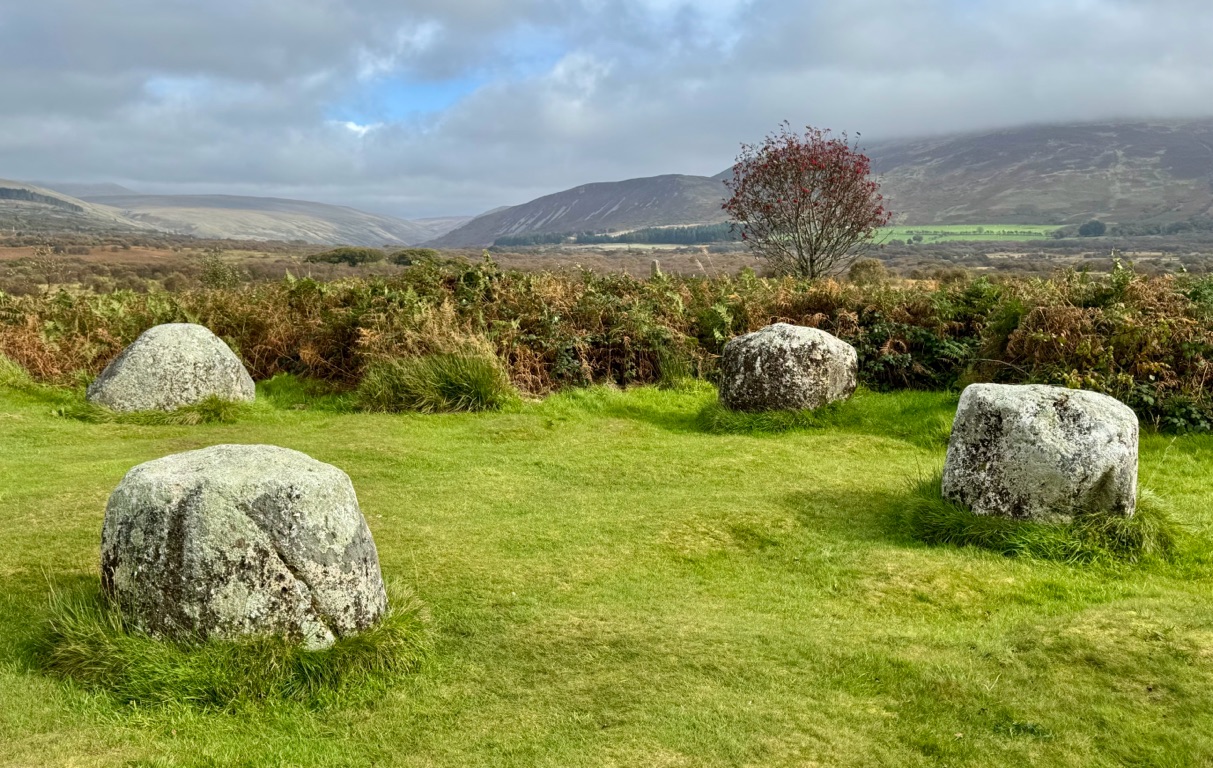
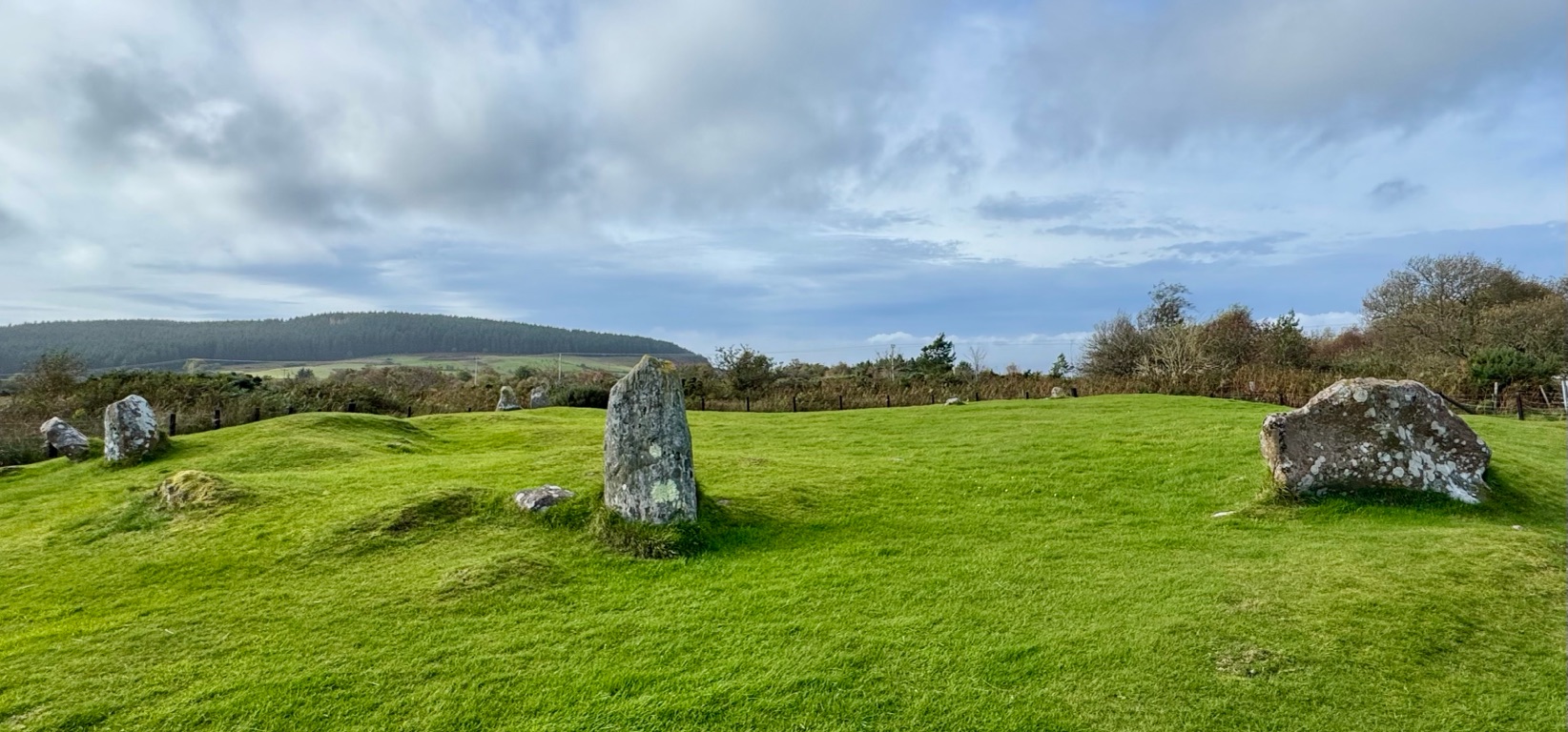
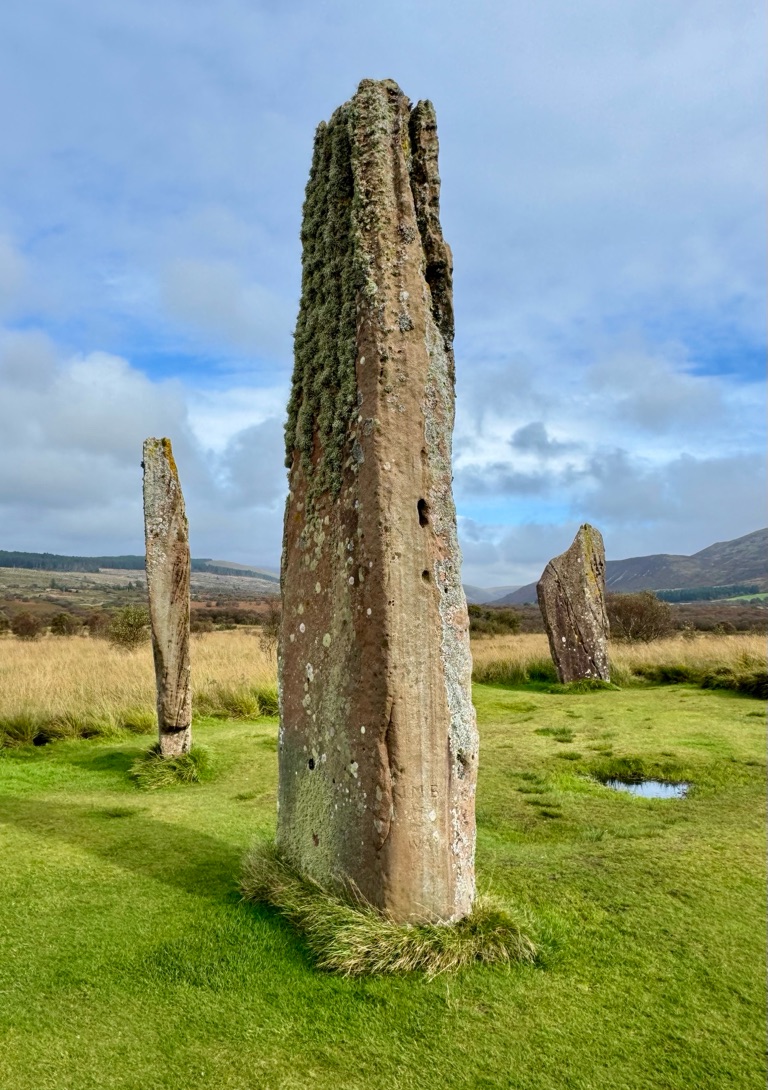
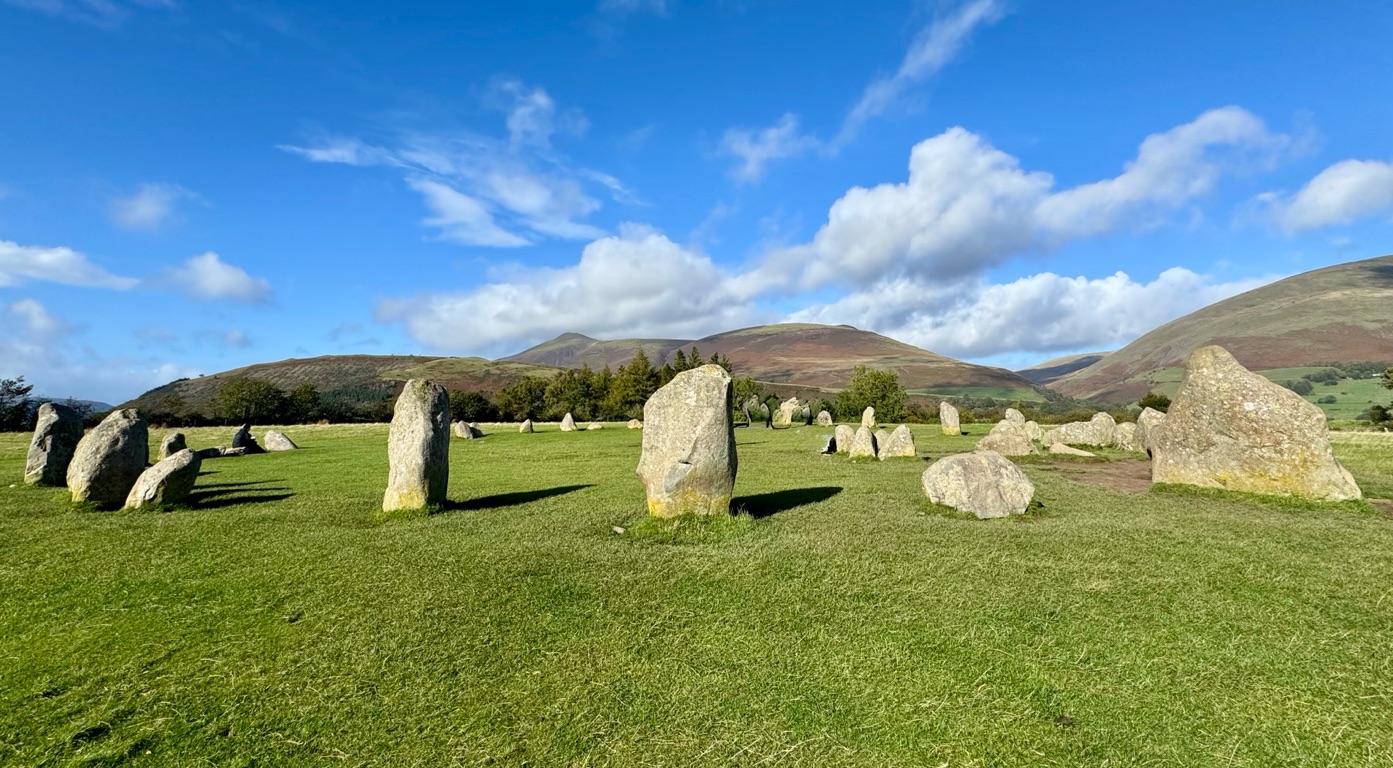
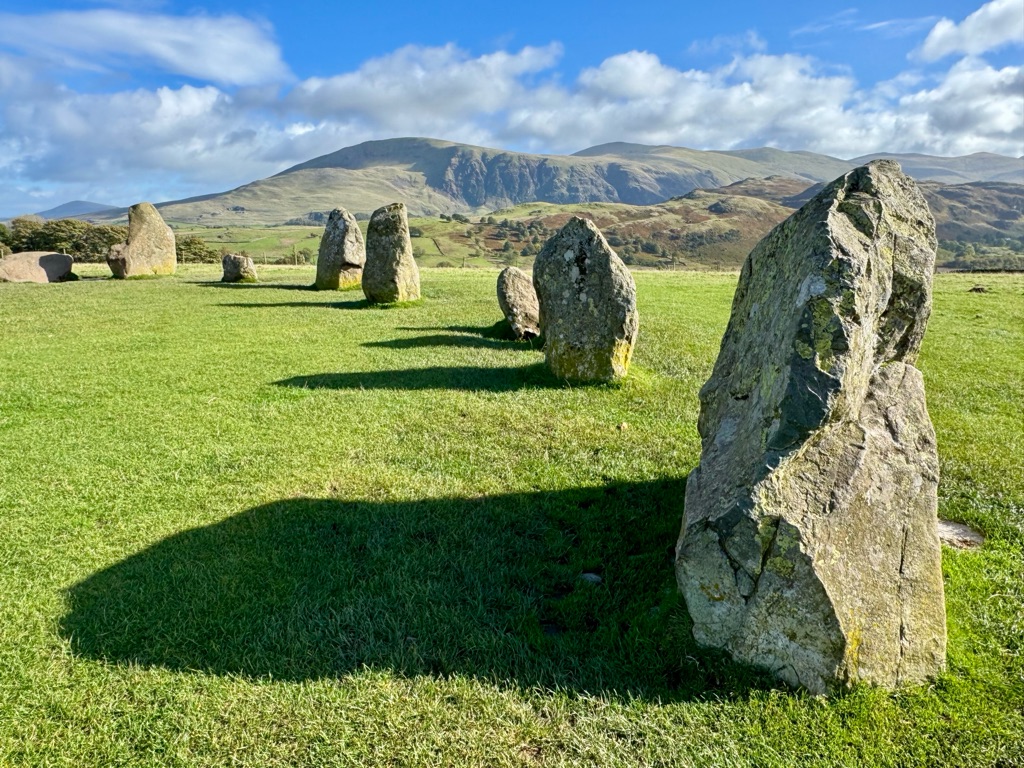
The exact purpose of the site is a mystery. It’s much older than Stonehenge.

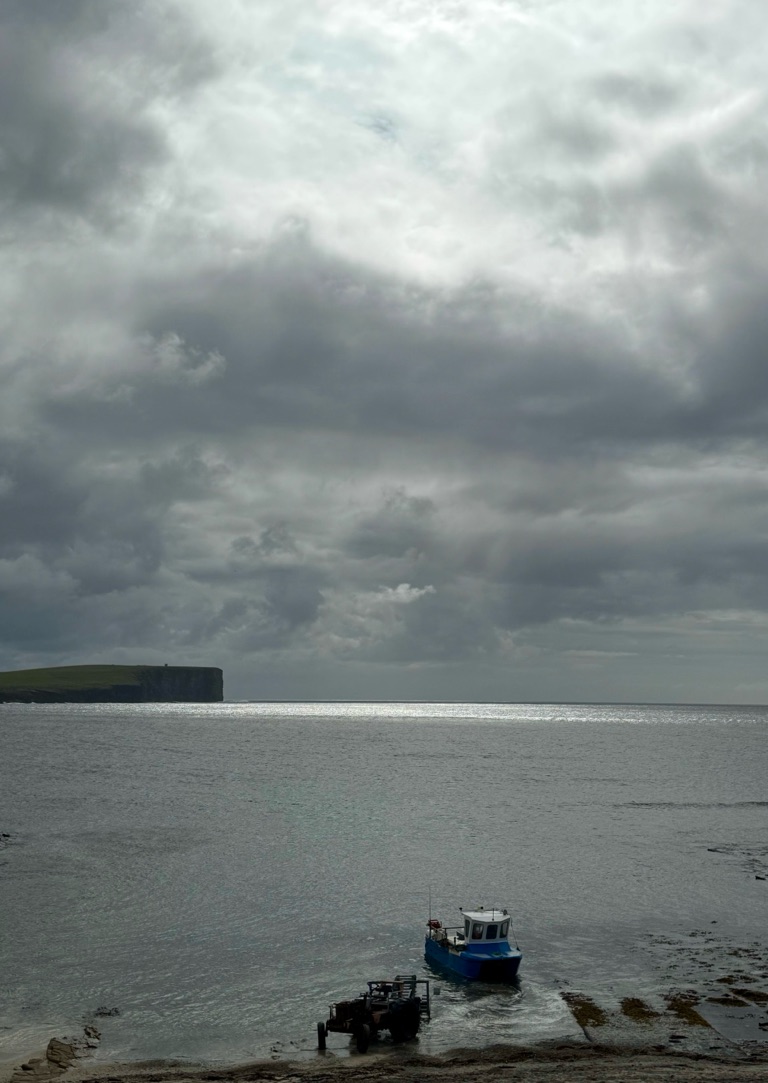
Light on the ocean while a boat was coming out of the water in a very high tech manner…

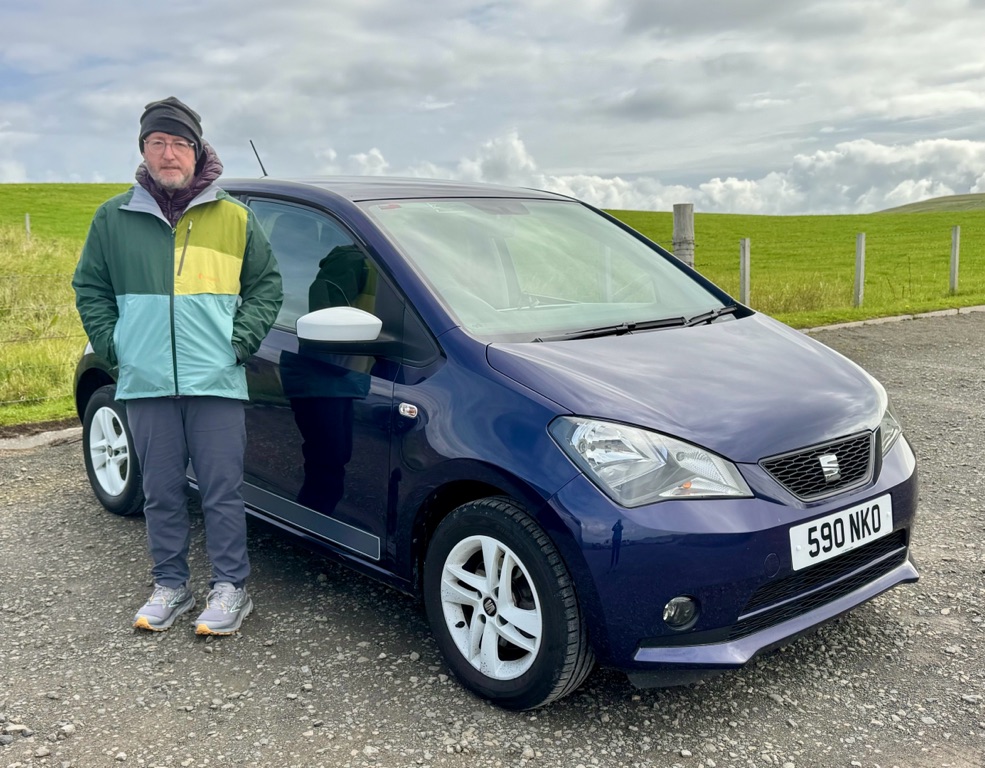
Our trusty car.

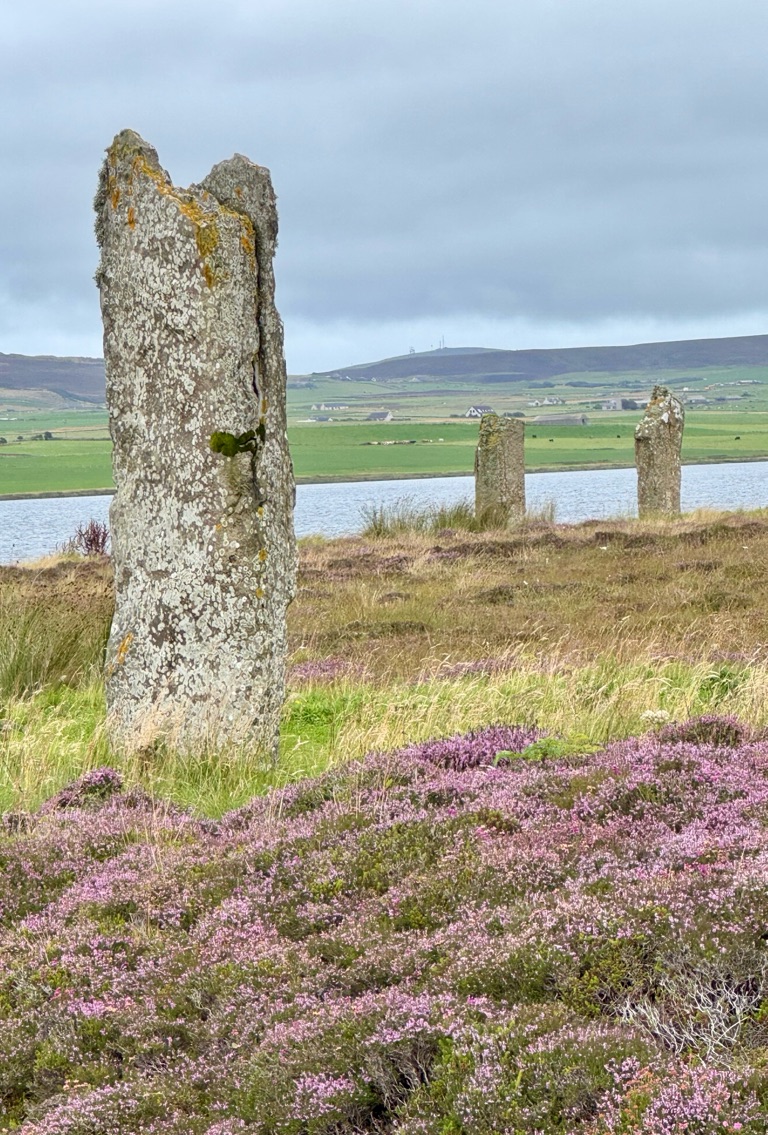
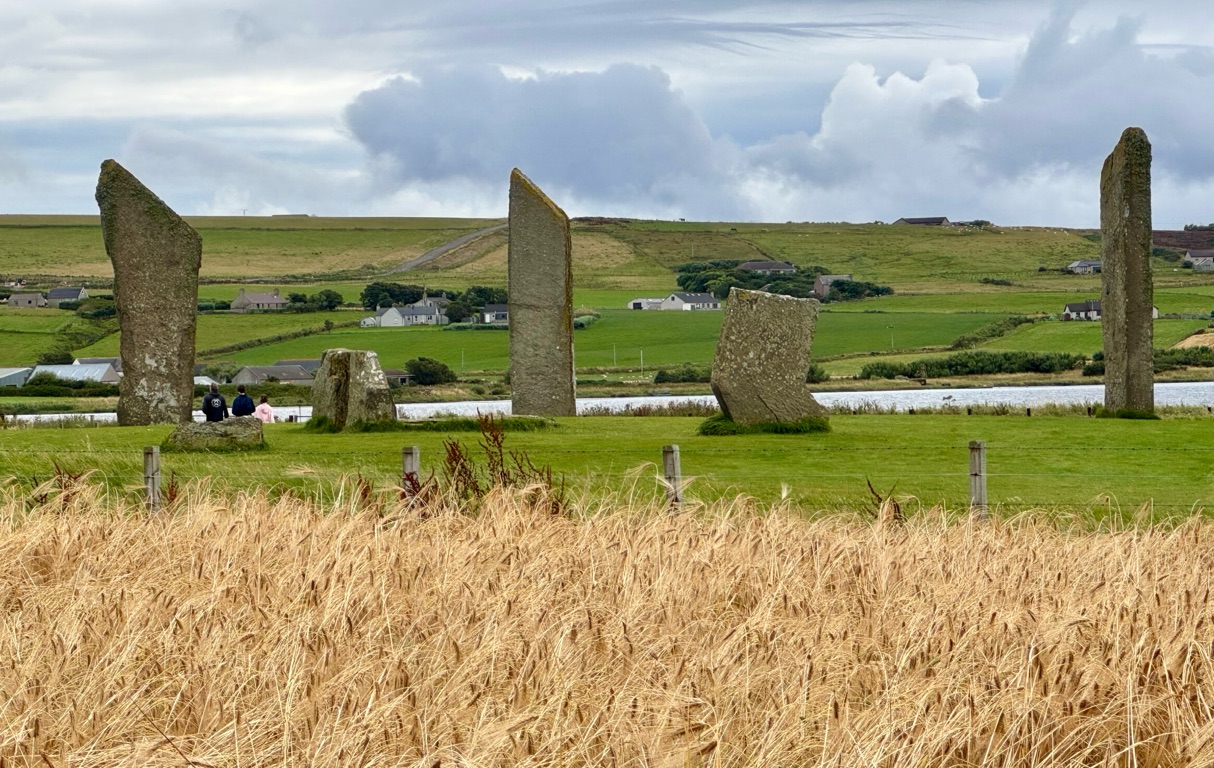
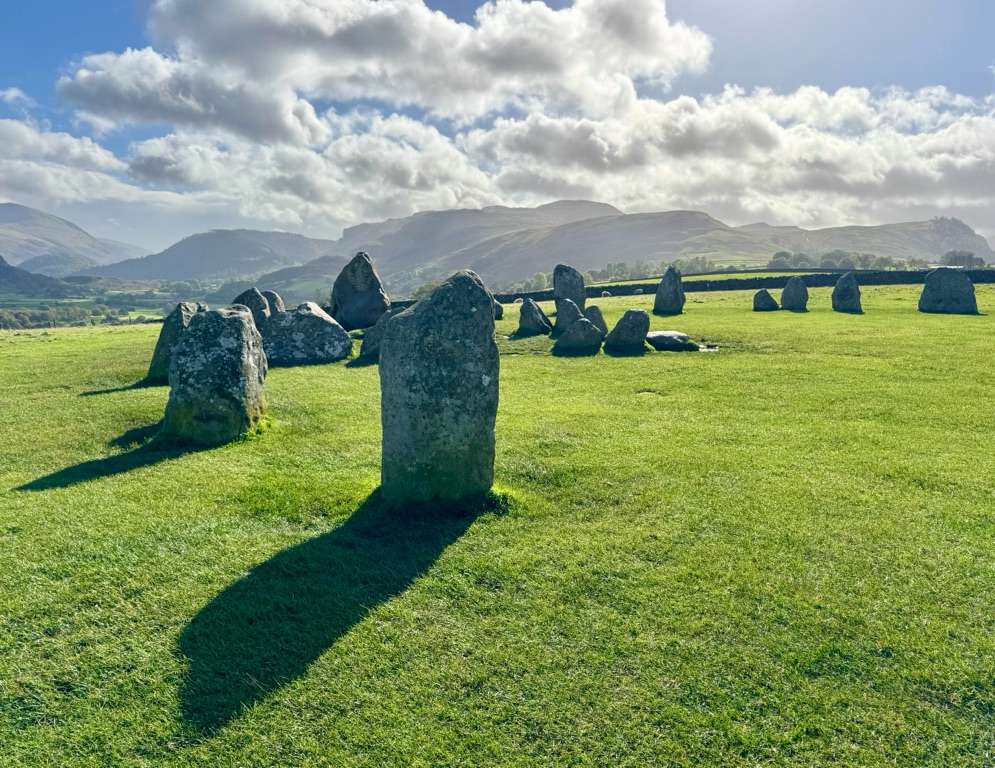
It originally had about 60 standing stones. 36 remain today.

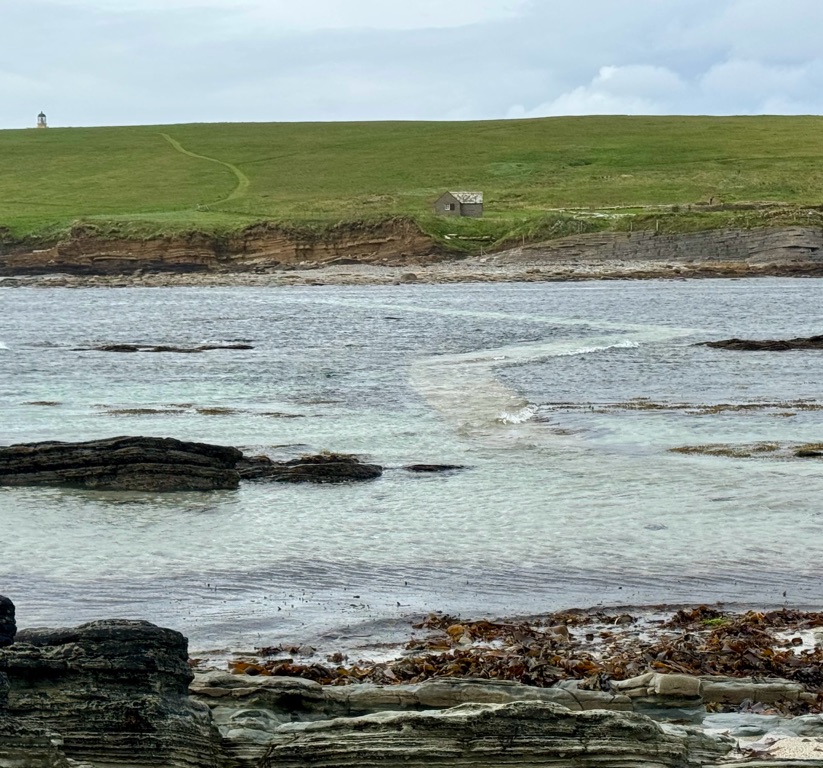
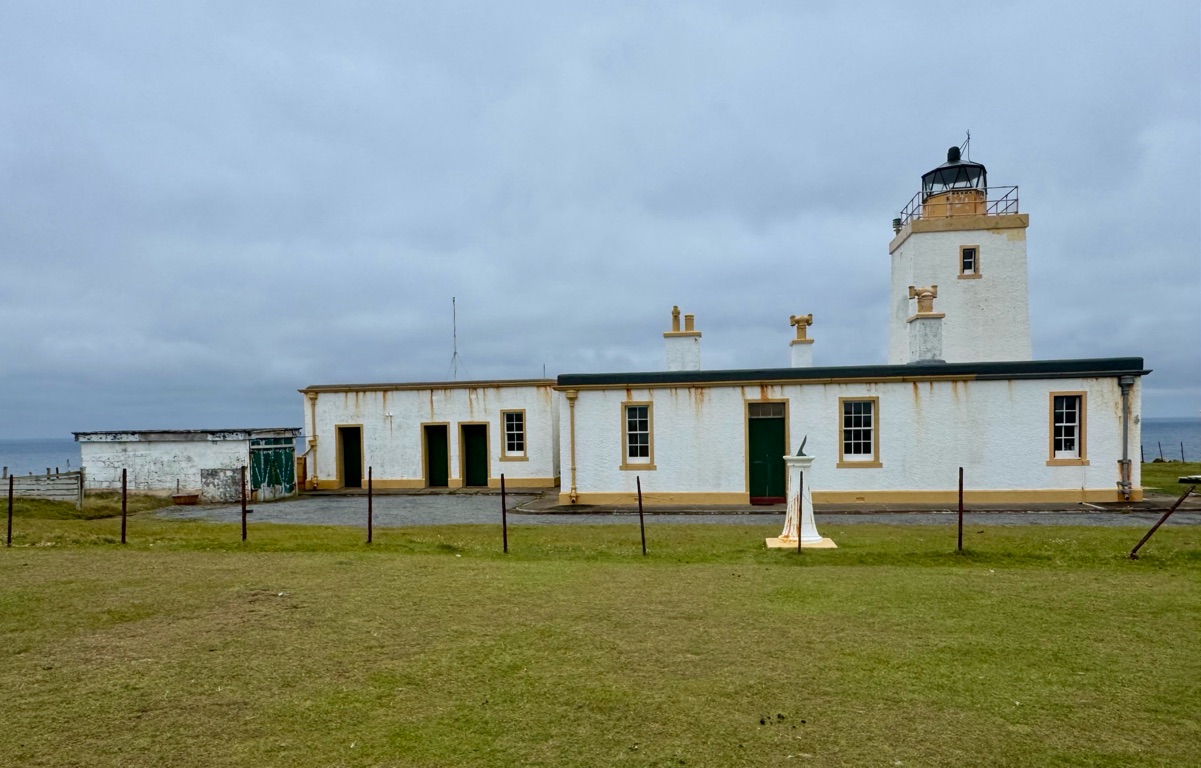
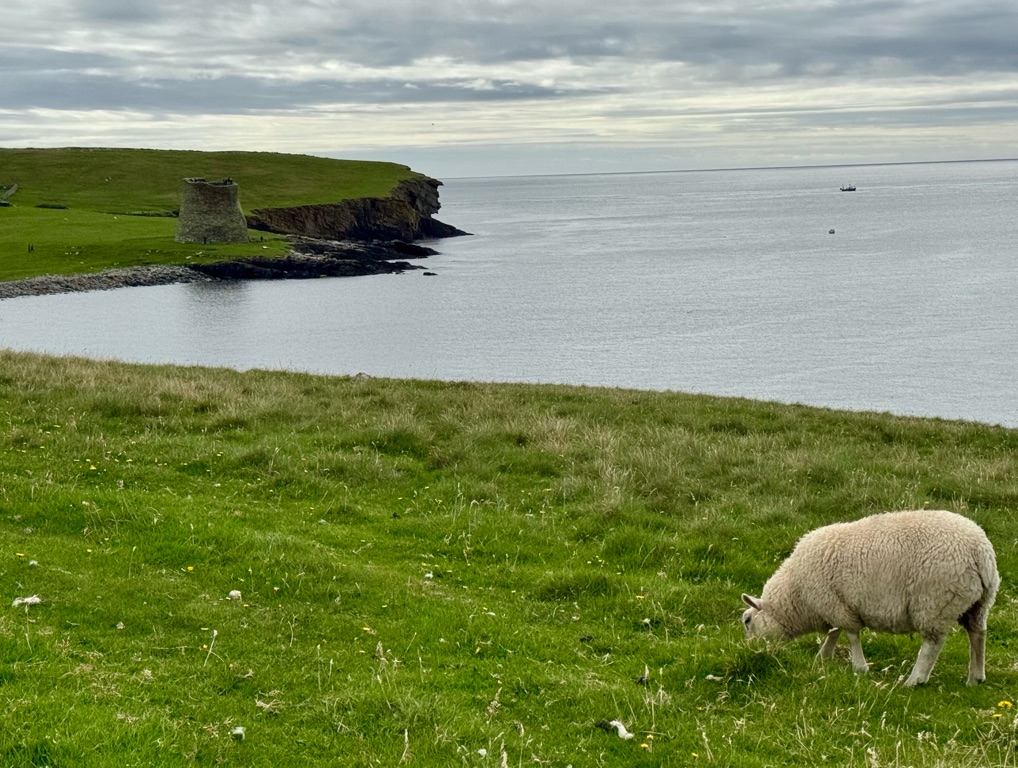
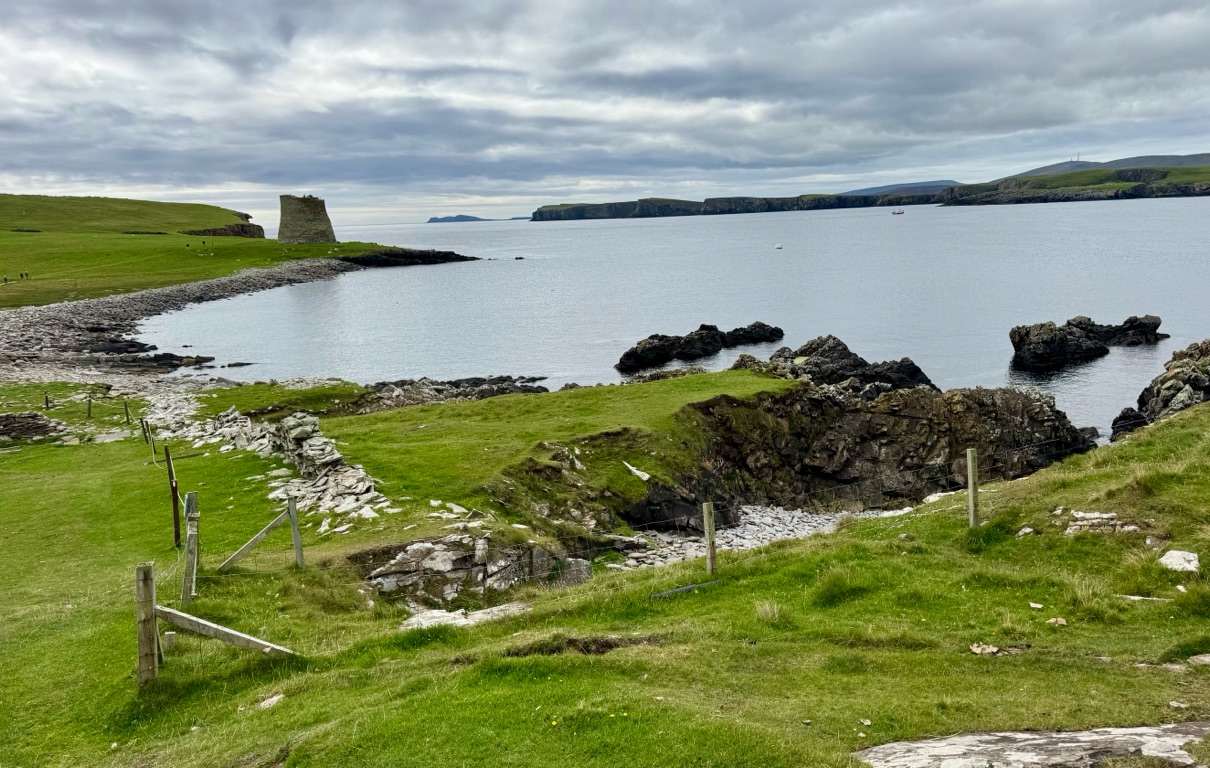
This is the Brough of Brisay. At low tide, people can walk across from the main Orkney island. There’s a lighthouse and both Pictish and Viking ruins. The tide didn’t get low enough today for us to try it.

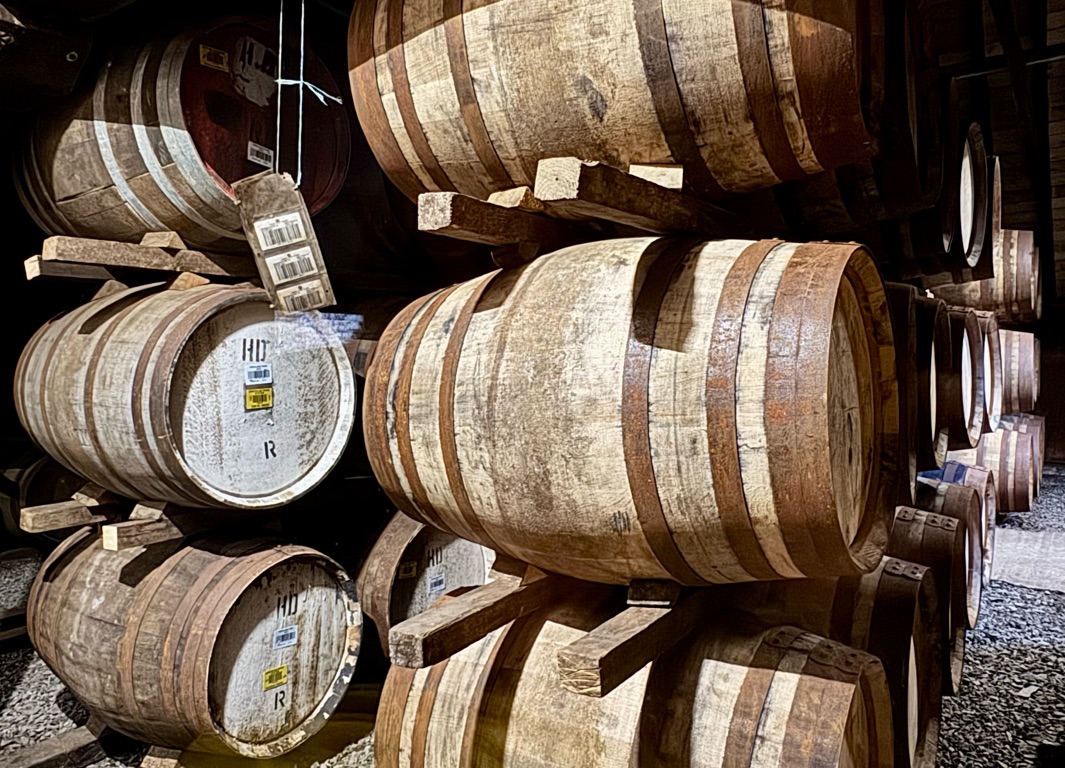
The Spanish and American oak sherry barrels that give whisky its color and much of its flavor. It has to be in the barrels for at least 3 years to qualify as whisky. This distillery leaves it in for a minimum of 12 years.

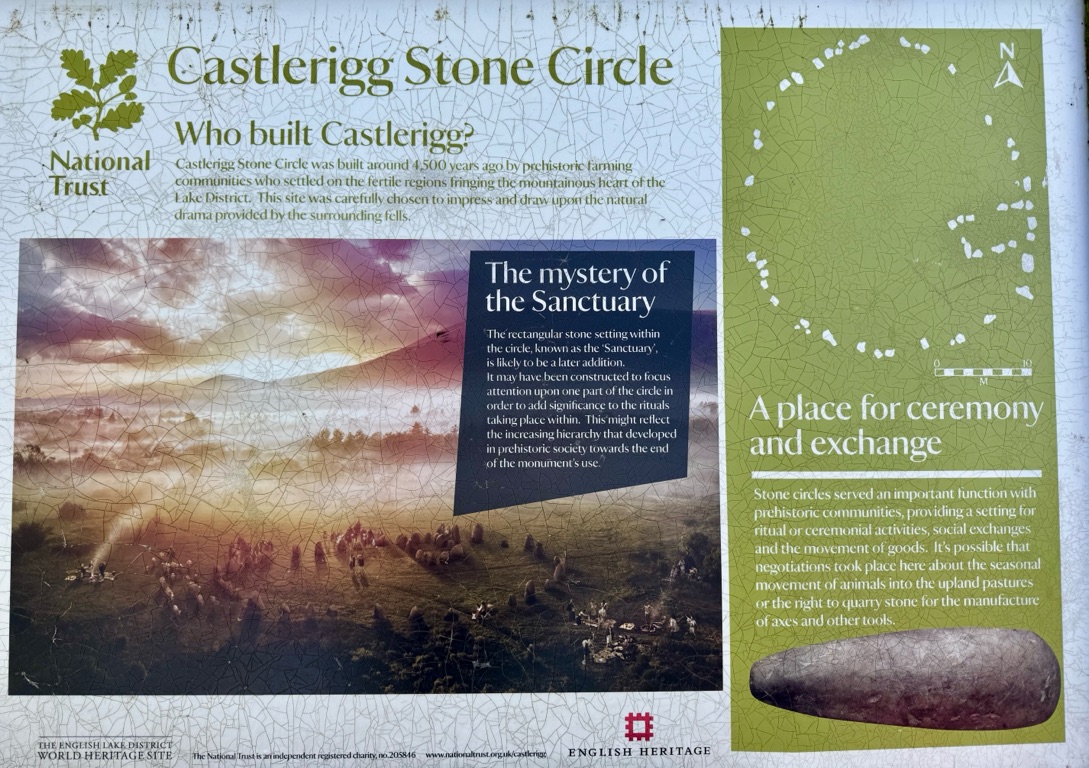
Lastly we visited one of the largest standing stone sites in Britain. The ring of Brodgar.

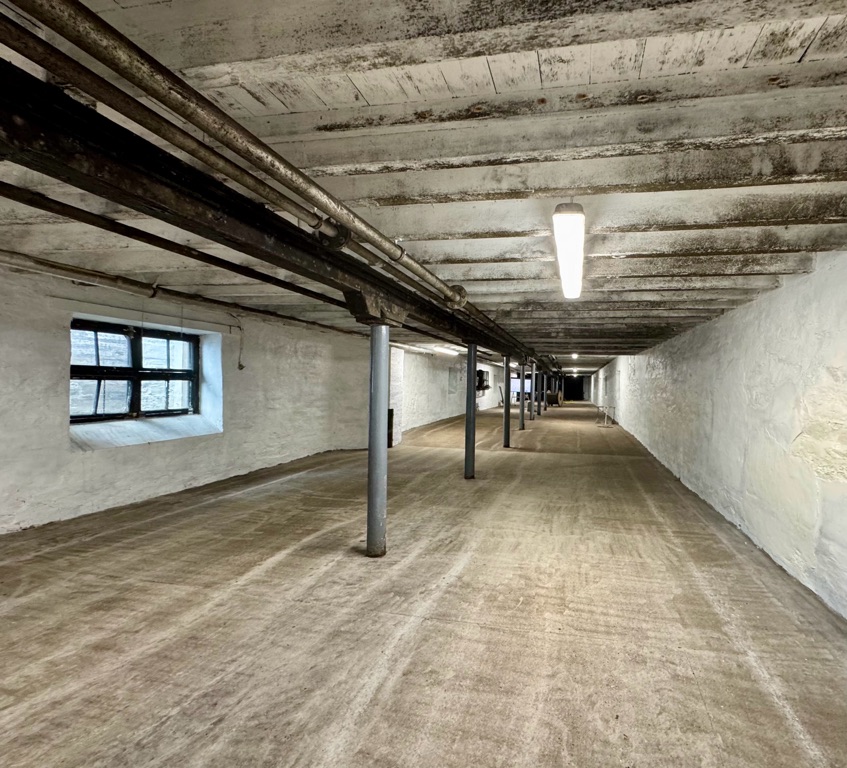
This floor is usually covered in barley about a foot deep.

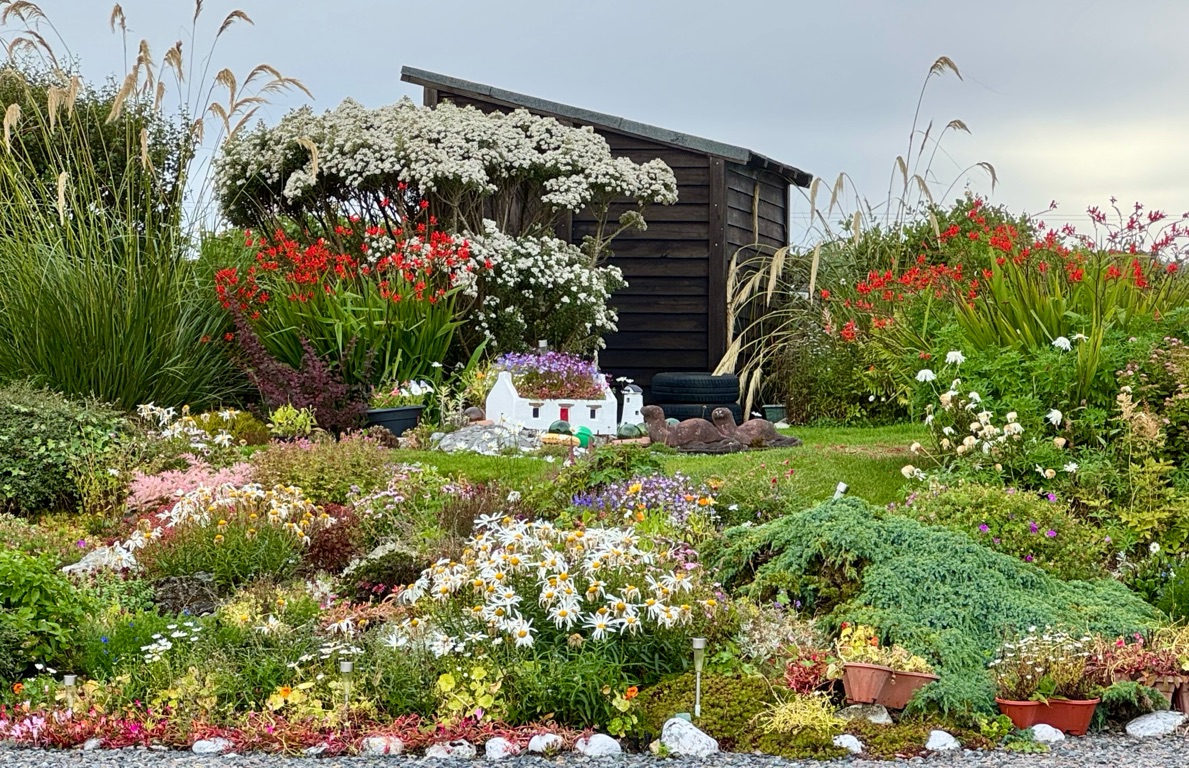
Garden with a view.

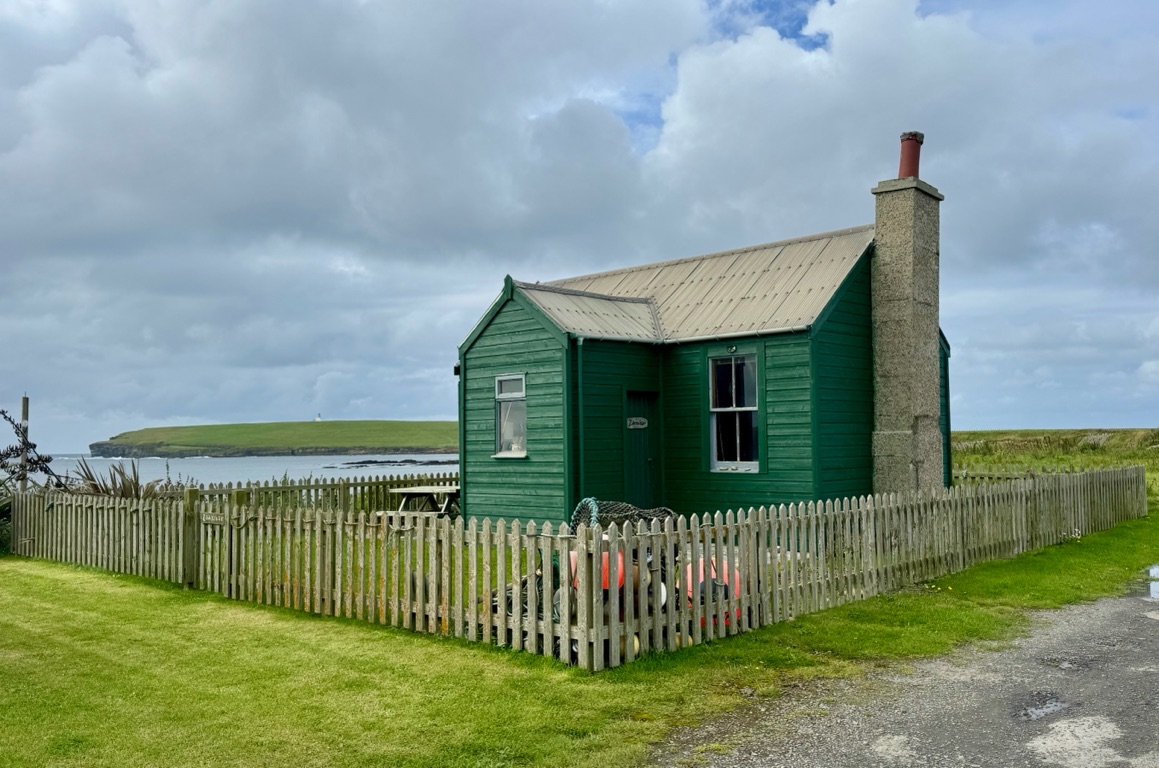
Such a cute house!

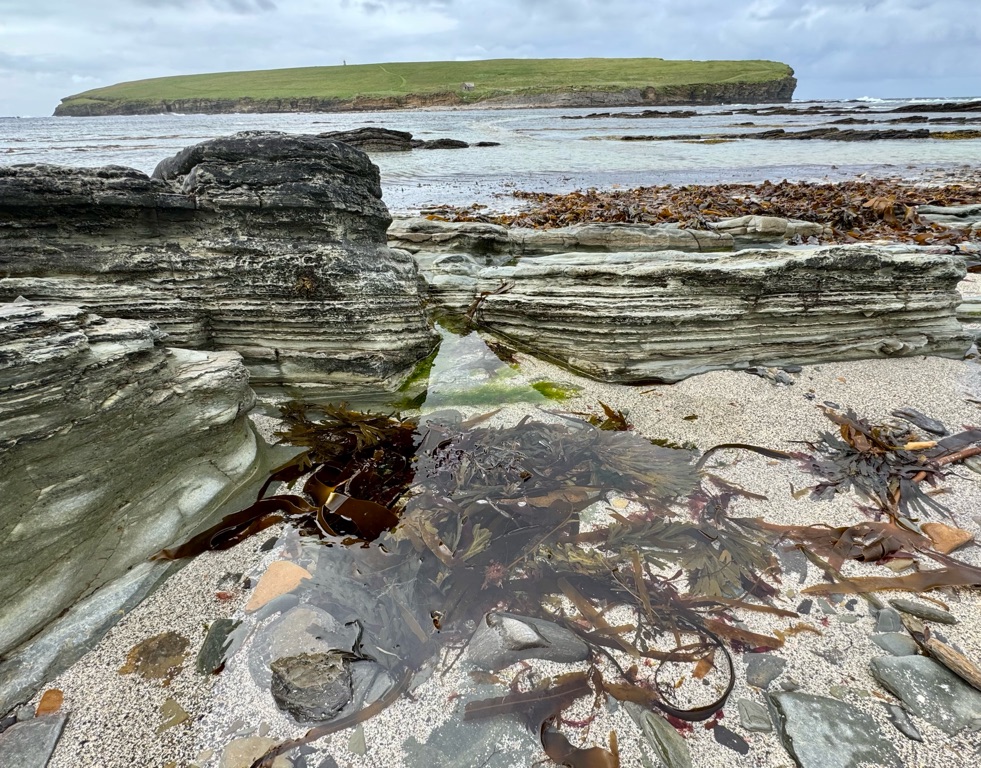
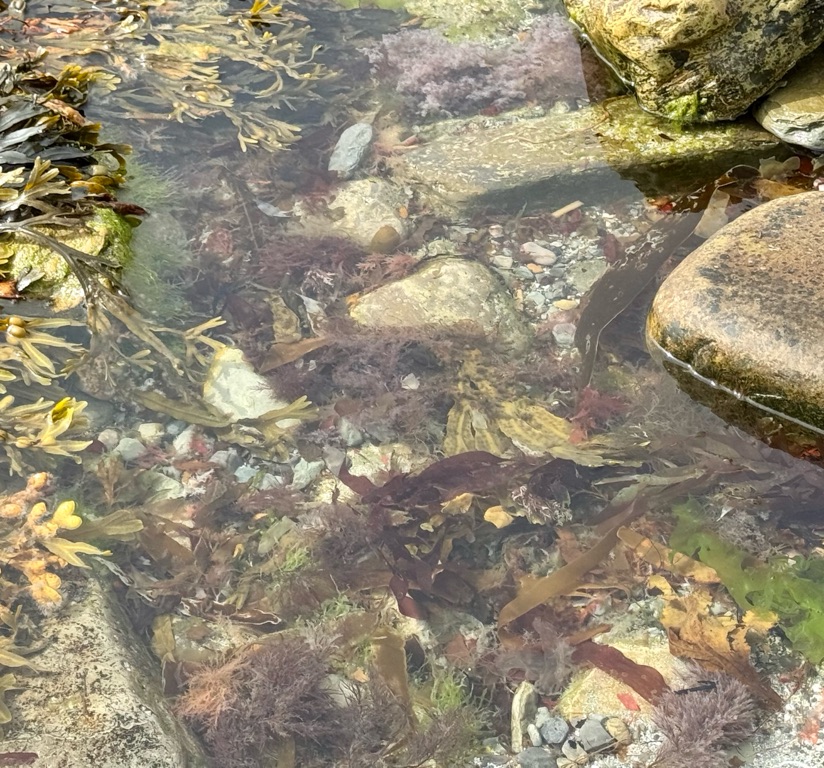
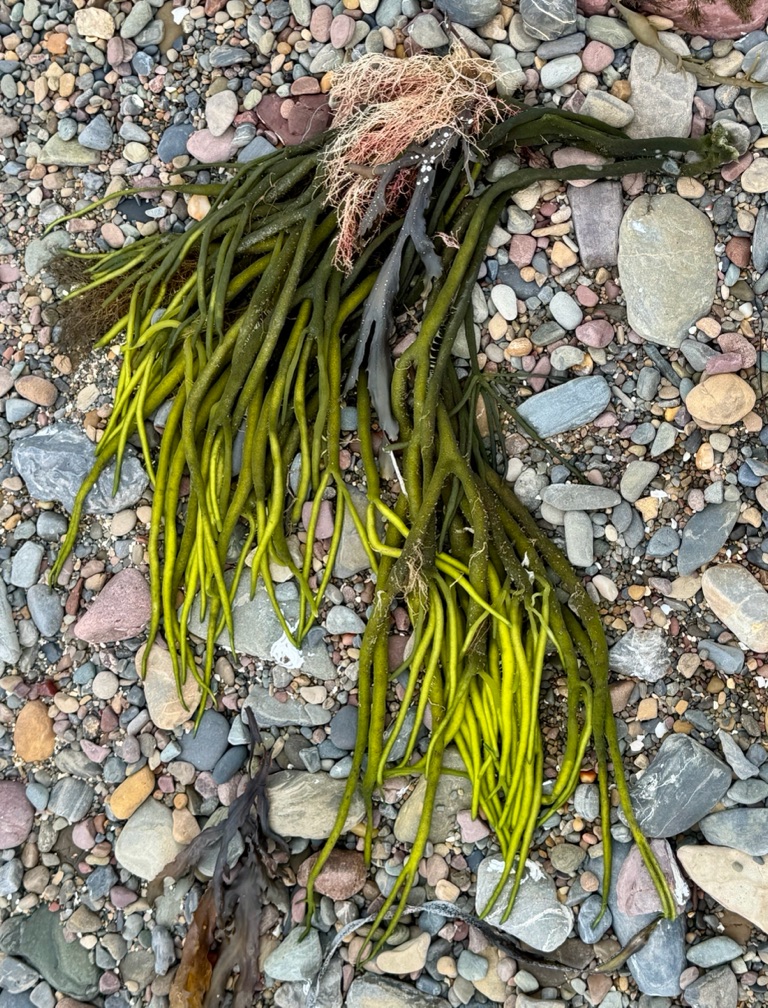
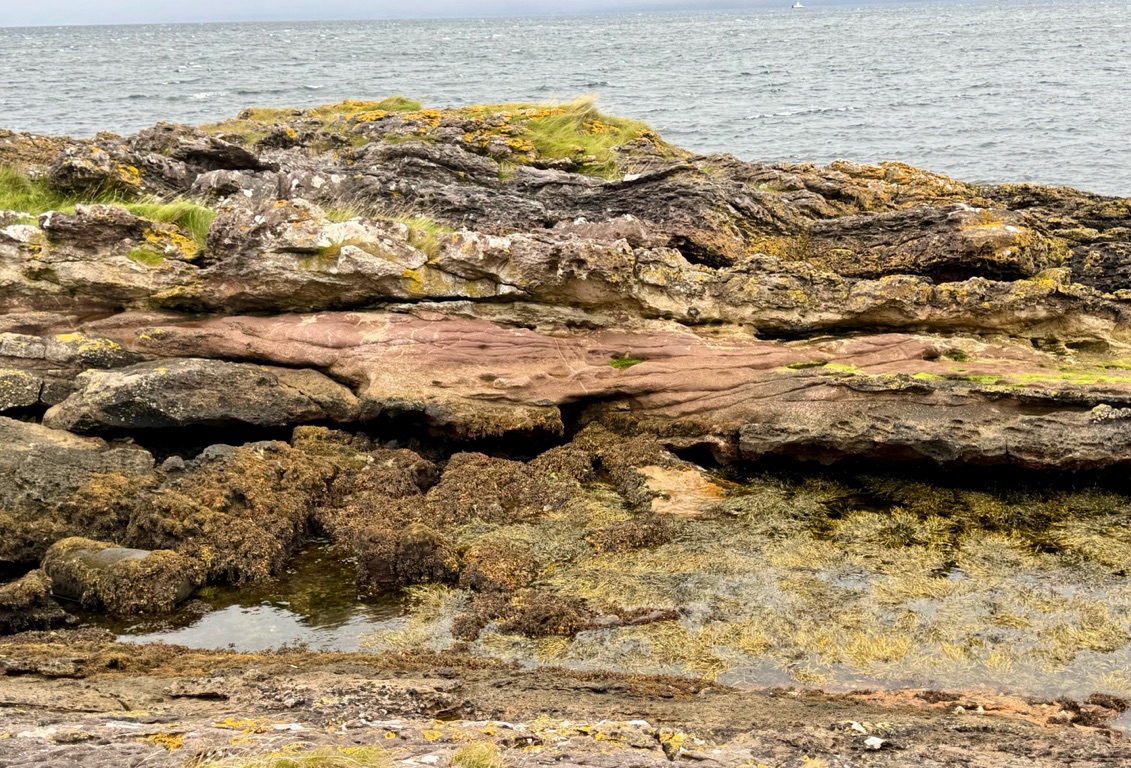
More types of seaweed than I’ve ever seen in one place.

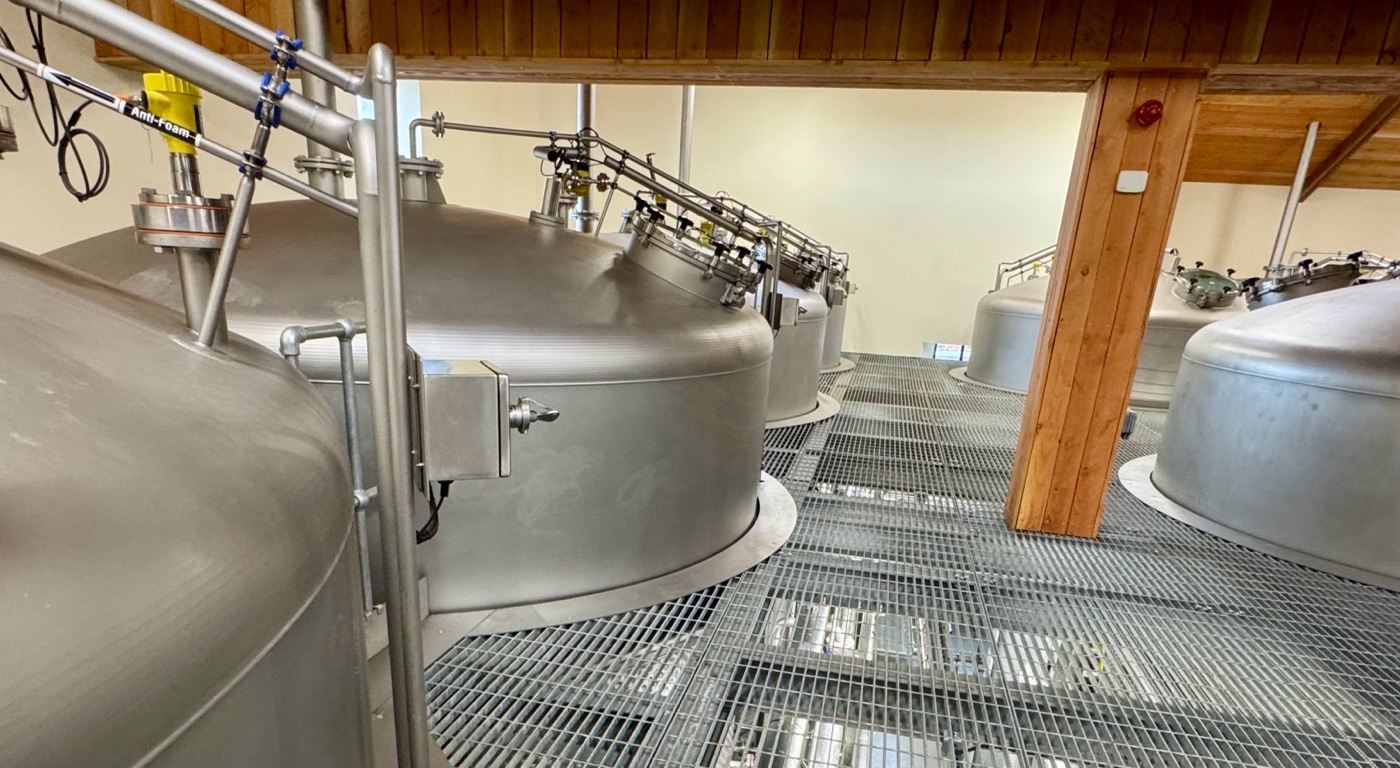
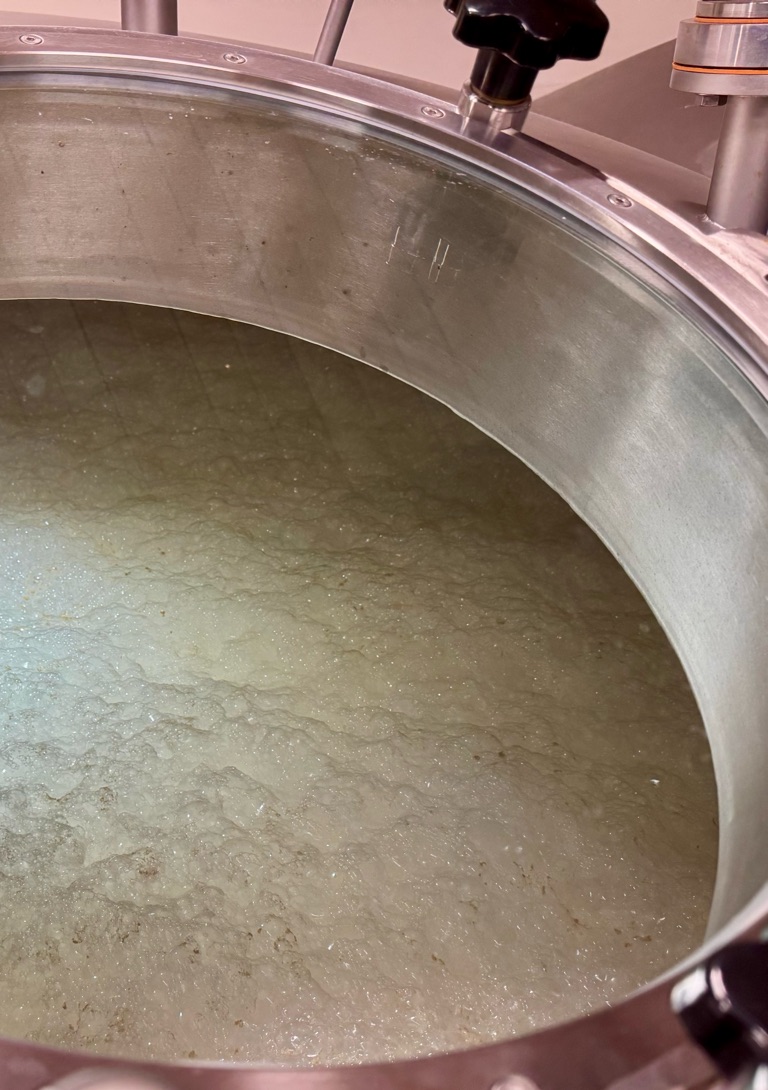
Mash tuns where the barley is added to water and yeast.

The distilling machinery where what was basically beer is distilled into liquor.

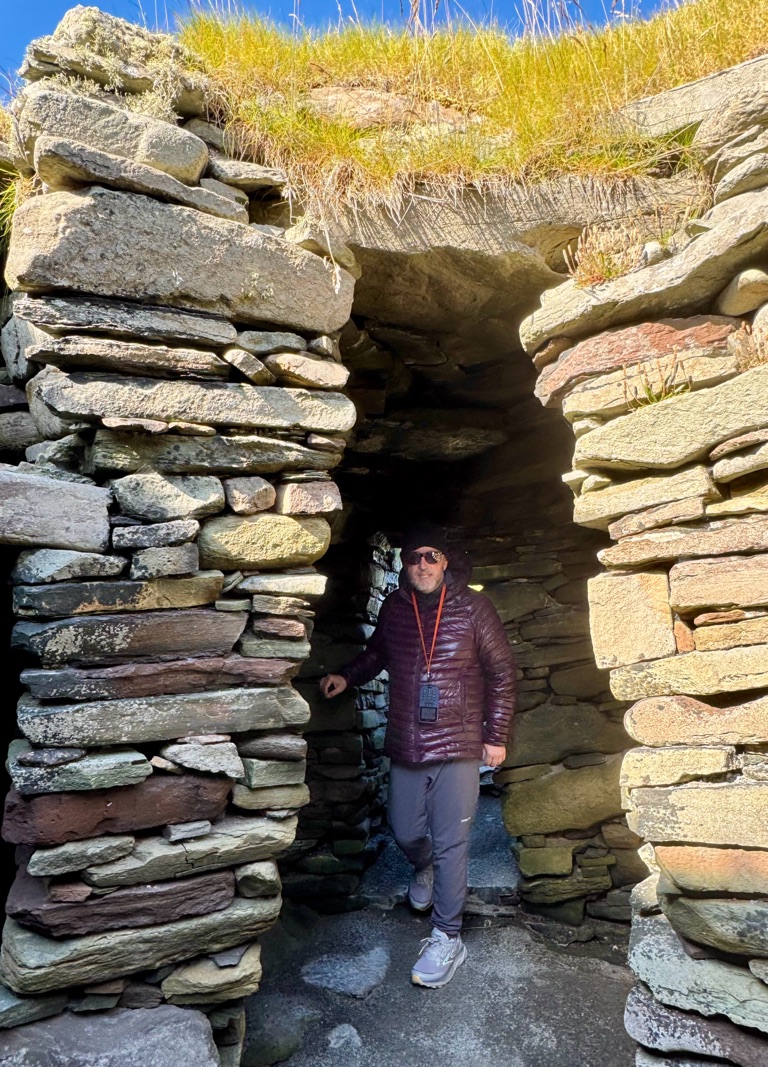
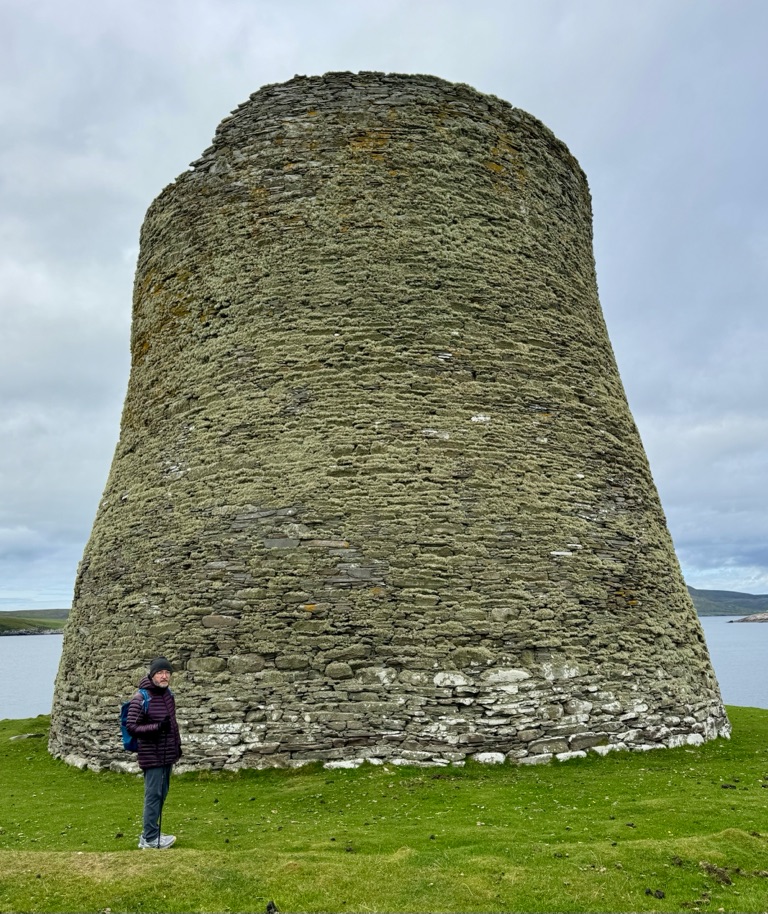
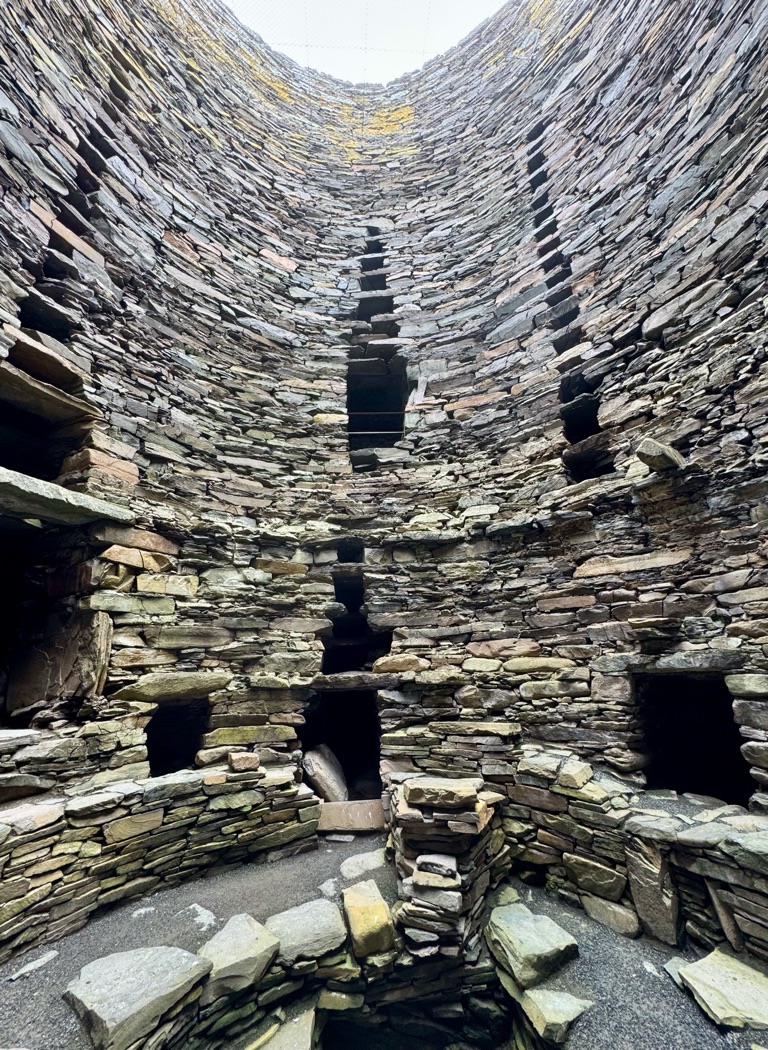
Jessee inside the tower remains.

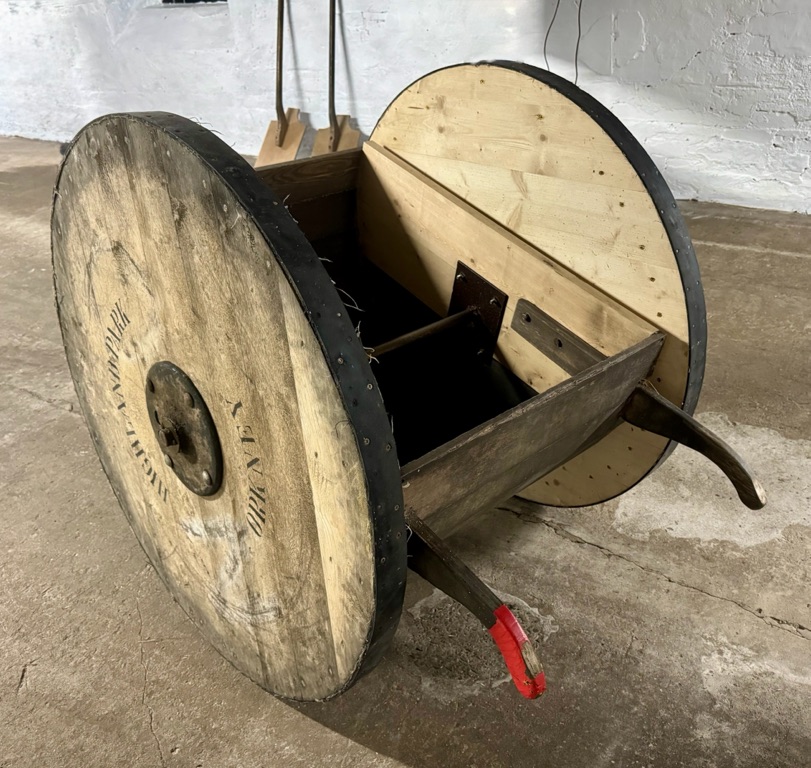
Wheelbarrow used to move the barley which was recently soaked in water to a long floor where it’s allowed to start sprouting for about a week.

Yeast doing its thing.

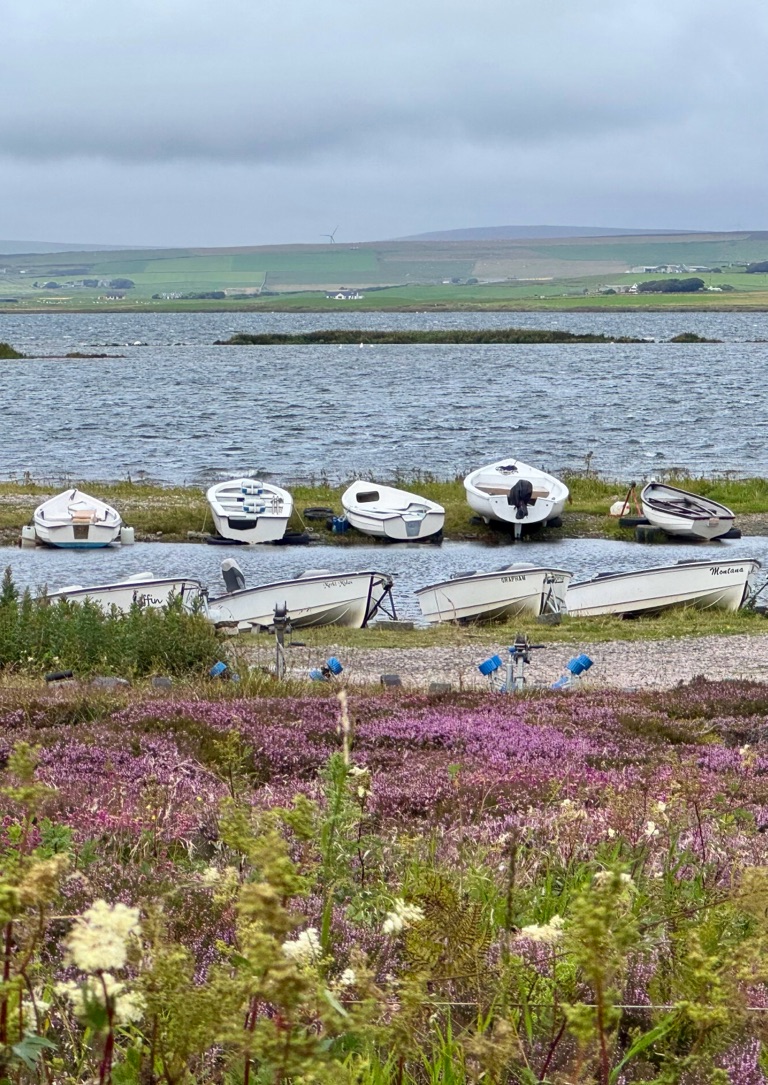
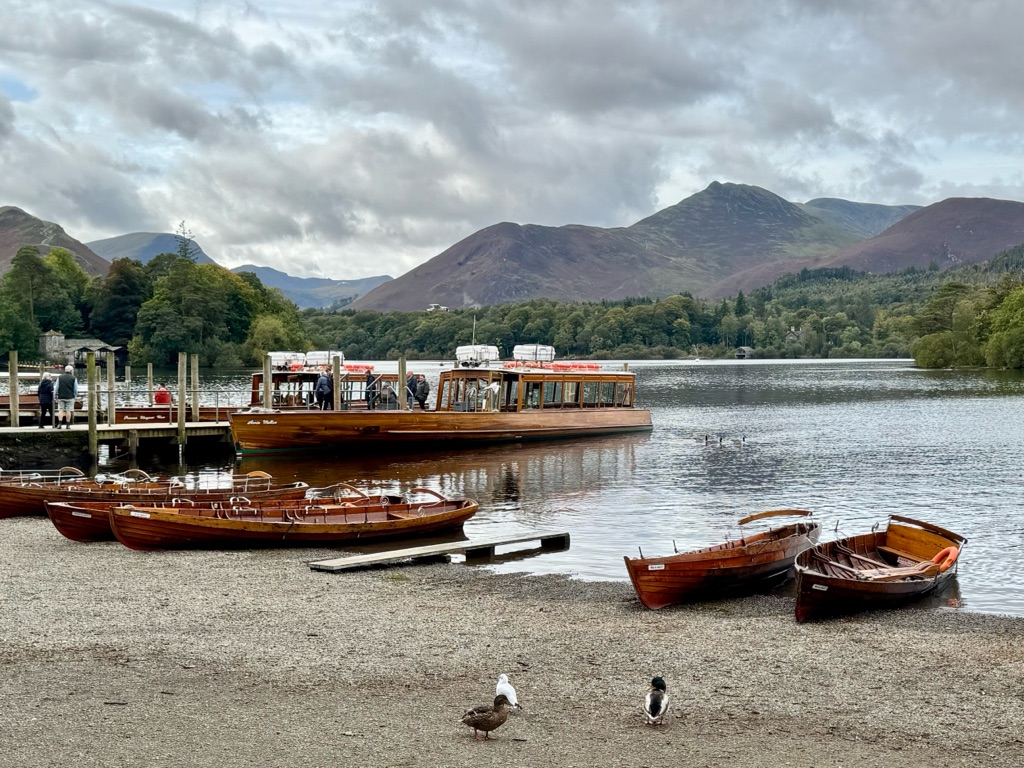
Boats used by a trout fishing club.

5
Tomb of the Eagles

Lots of weather blowing through on this outing to one of the southern islands connected to the main Orkney island.

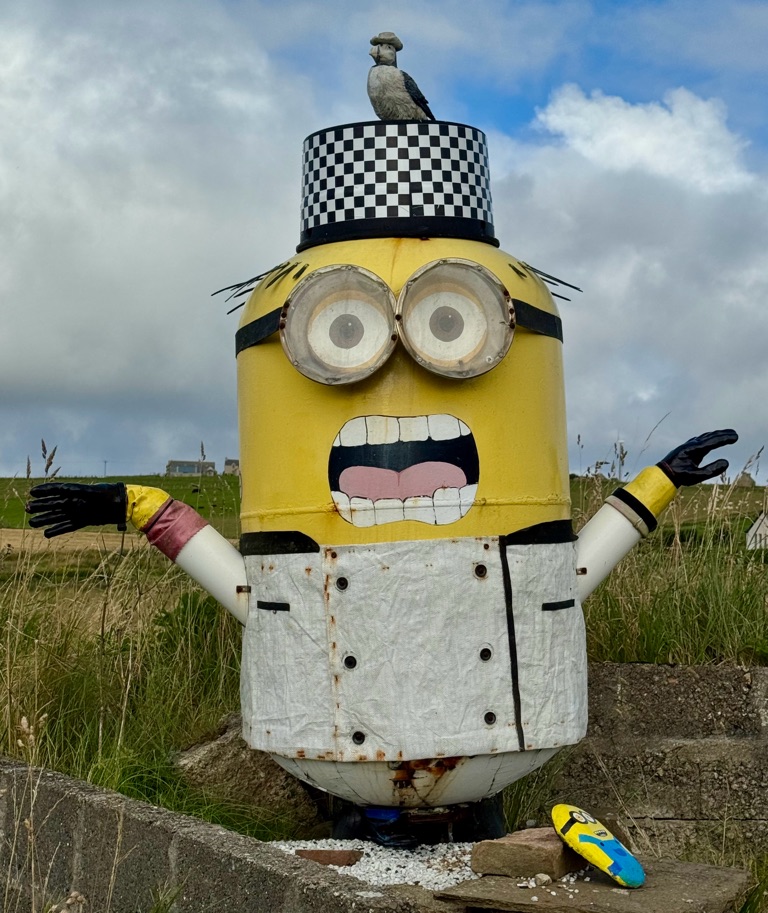
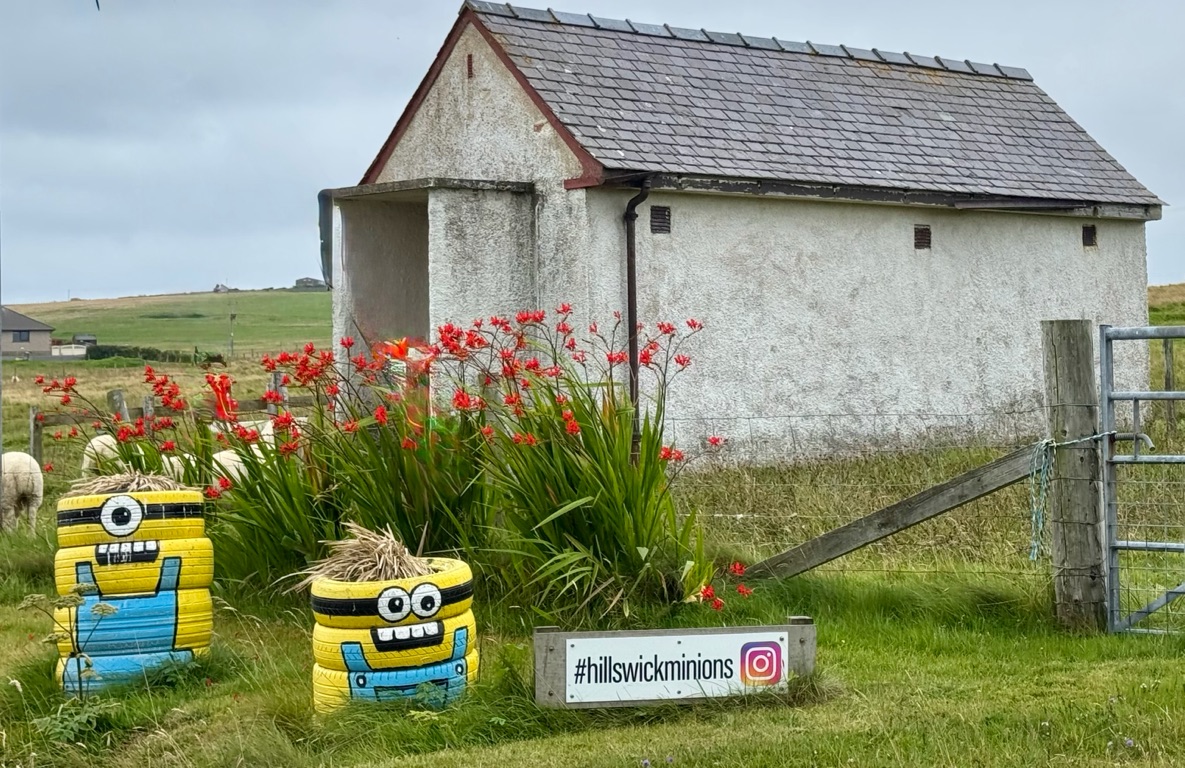
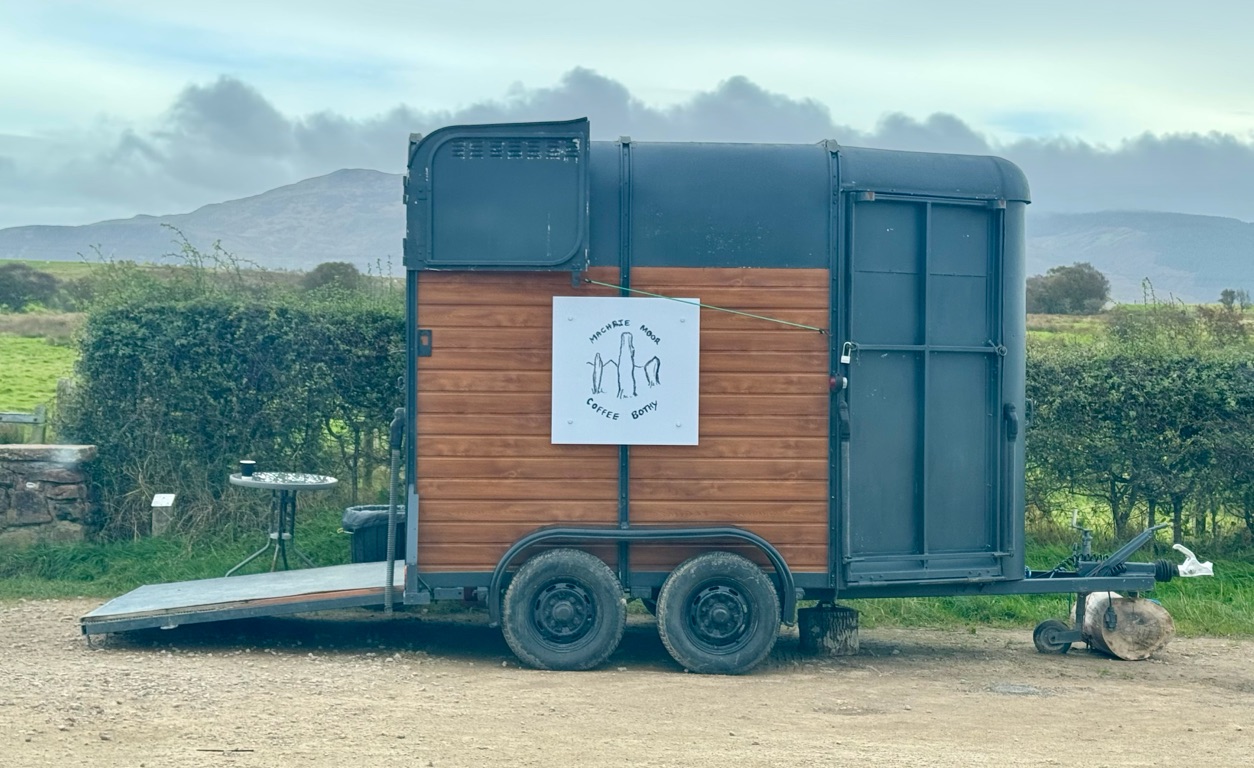
A minion advertising for a food truck.

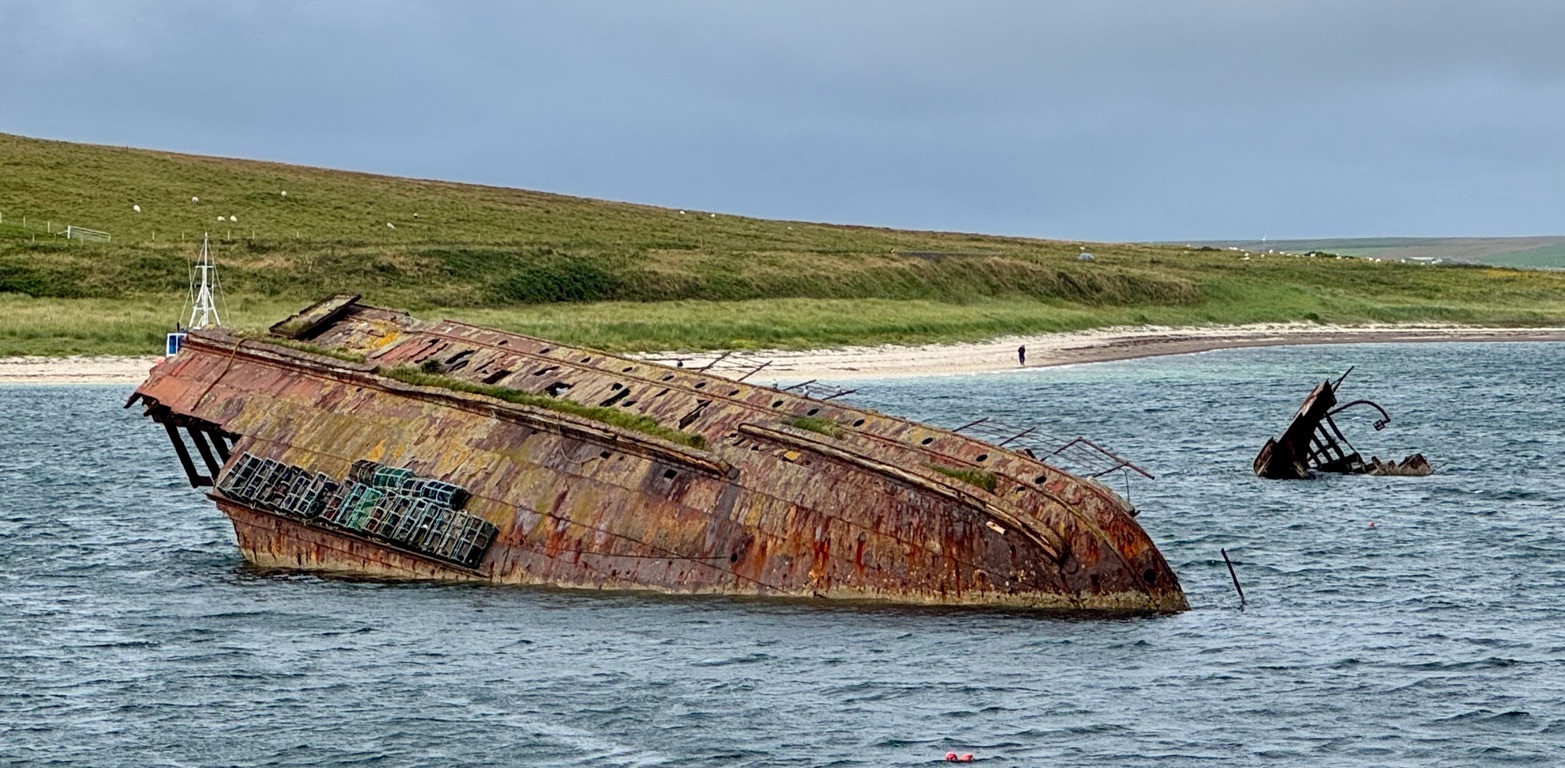
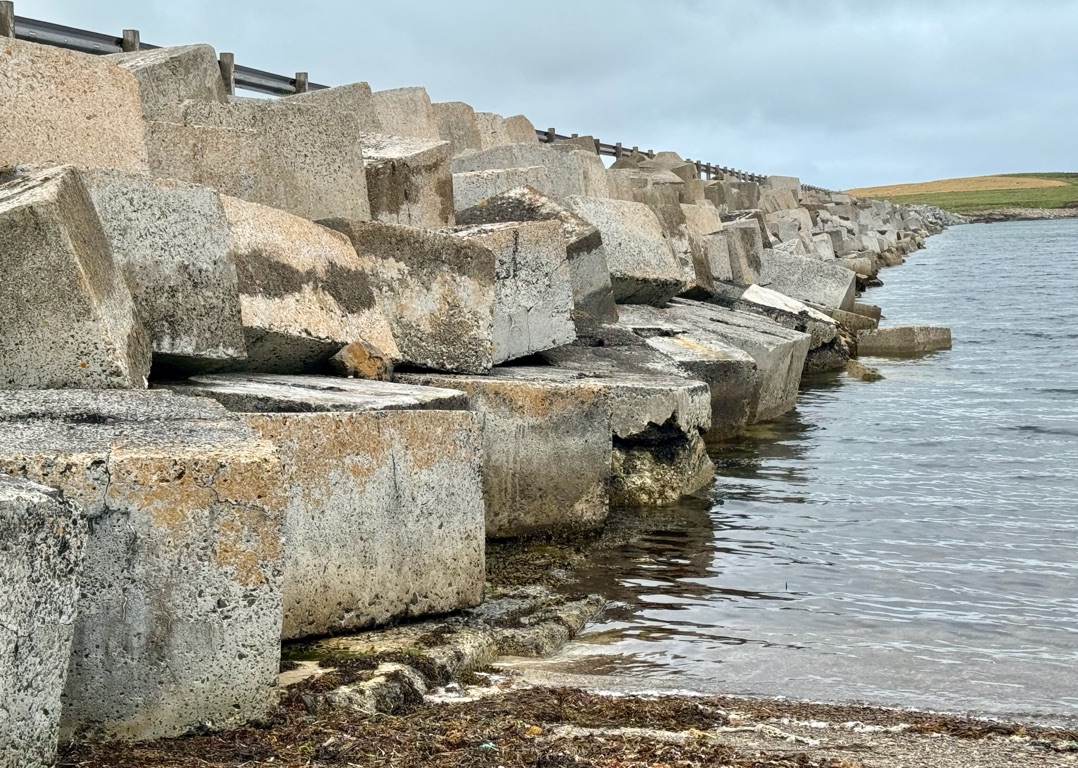
Sunken ship alongside one of the causeways. The causeways were originally built in WWII and called Churchills barriers. The intent was to block easy navigation for German boats and submarines to a nearby allied port. The long term benefit has been to make getting between the islands much easier.

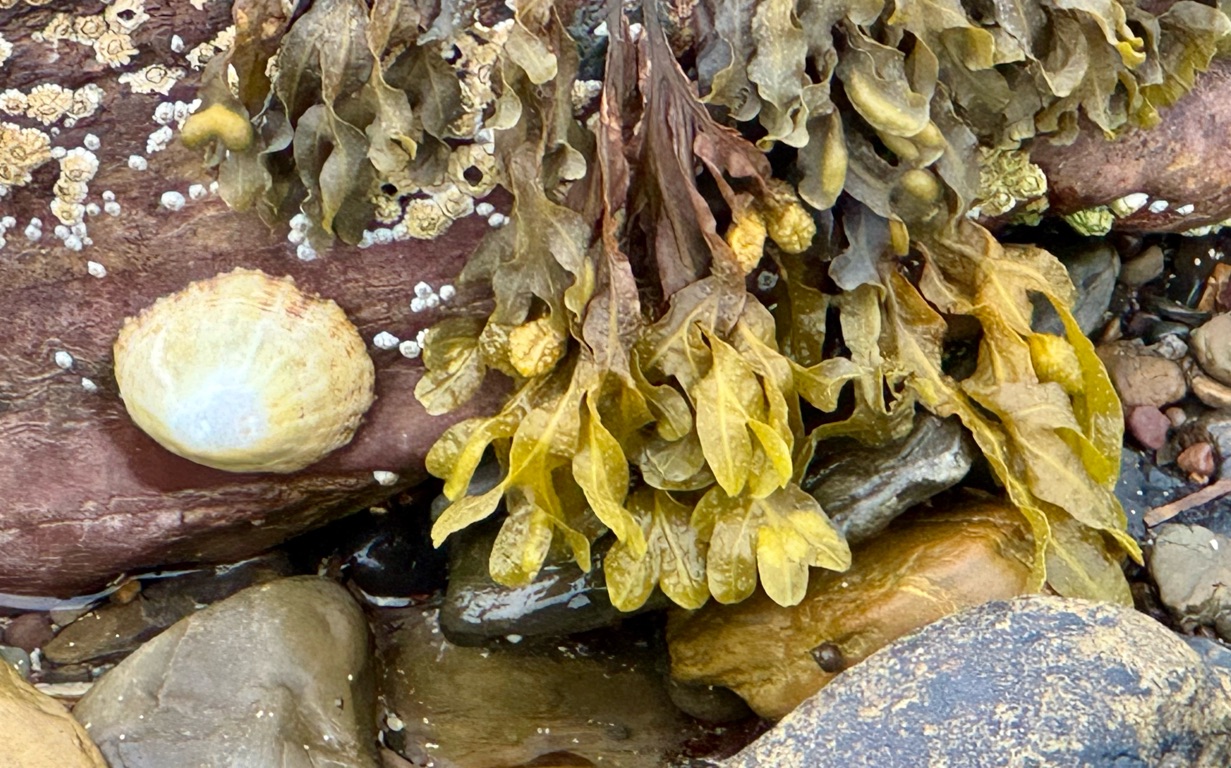
The seaweed here is beautiful.

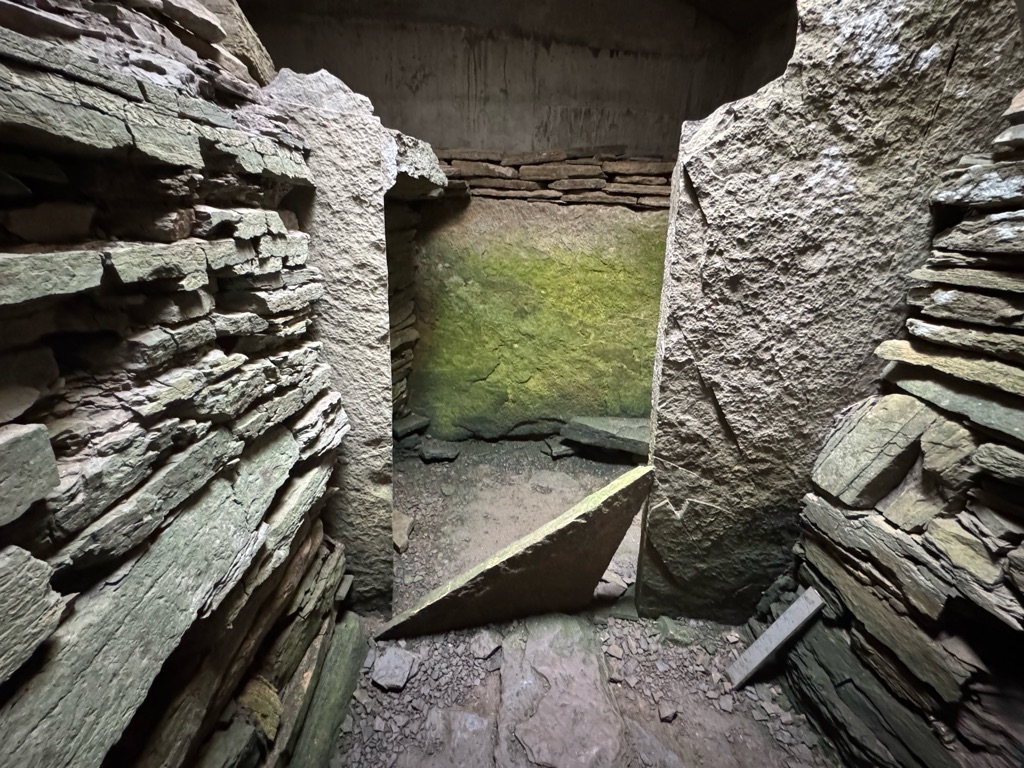
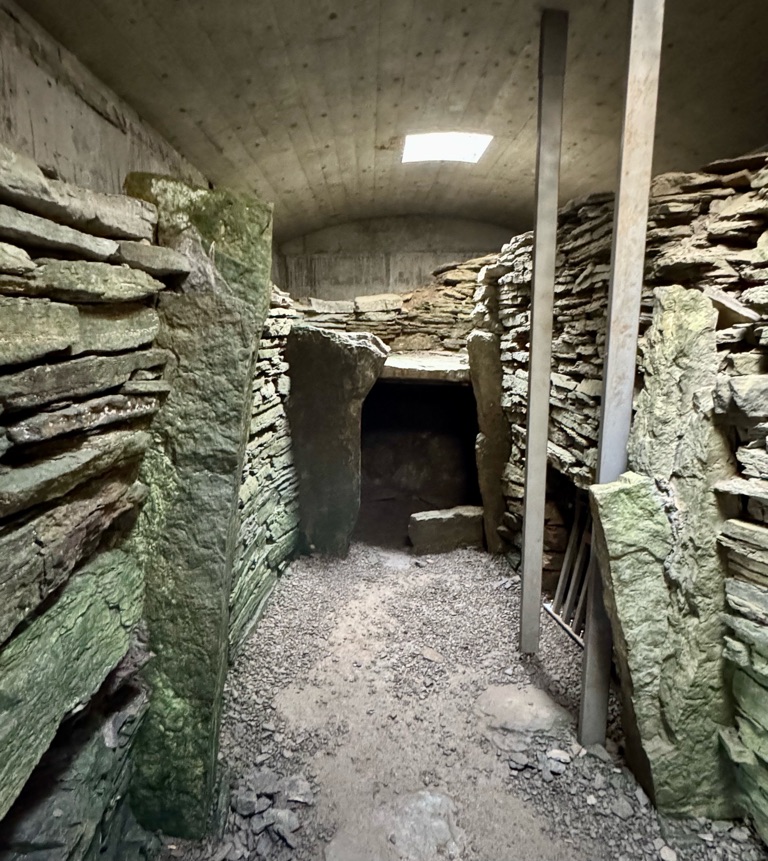
Inside the tomb. The roof stones were removed during the excavation and later replaced with more modern materials and skylights.

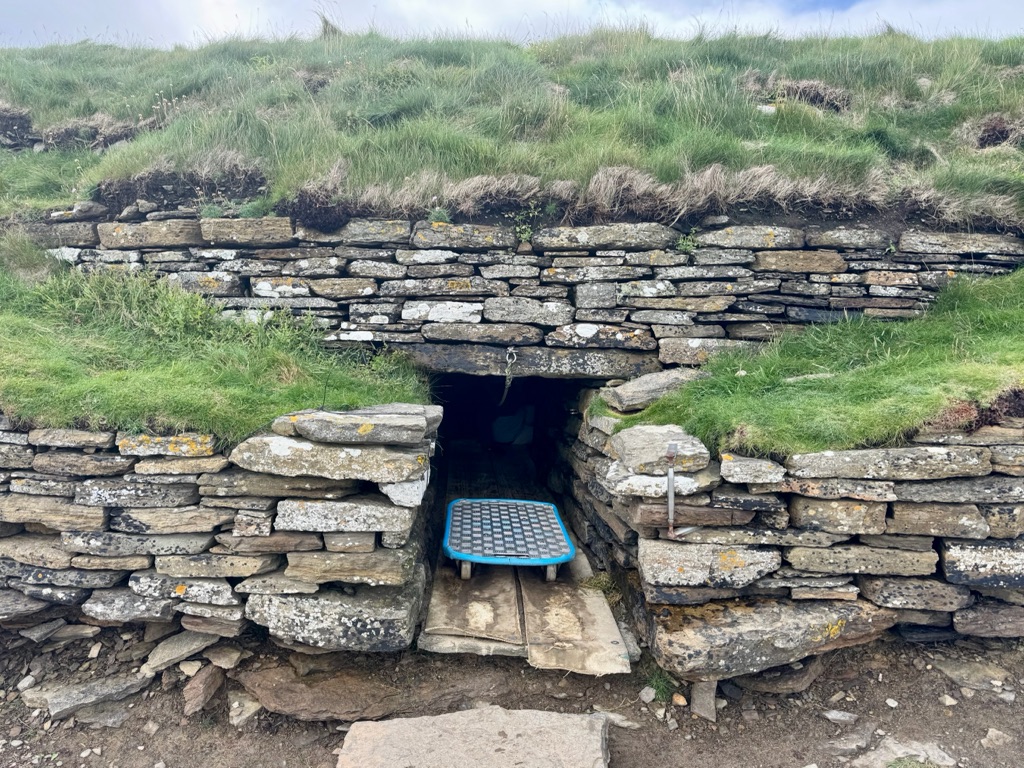
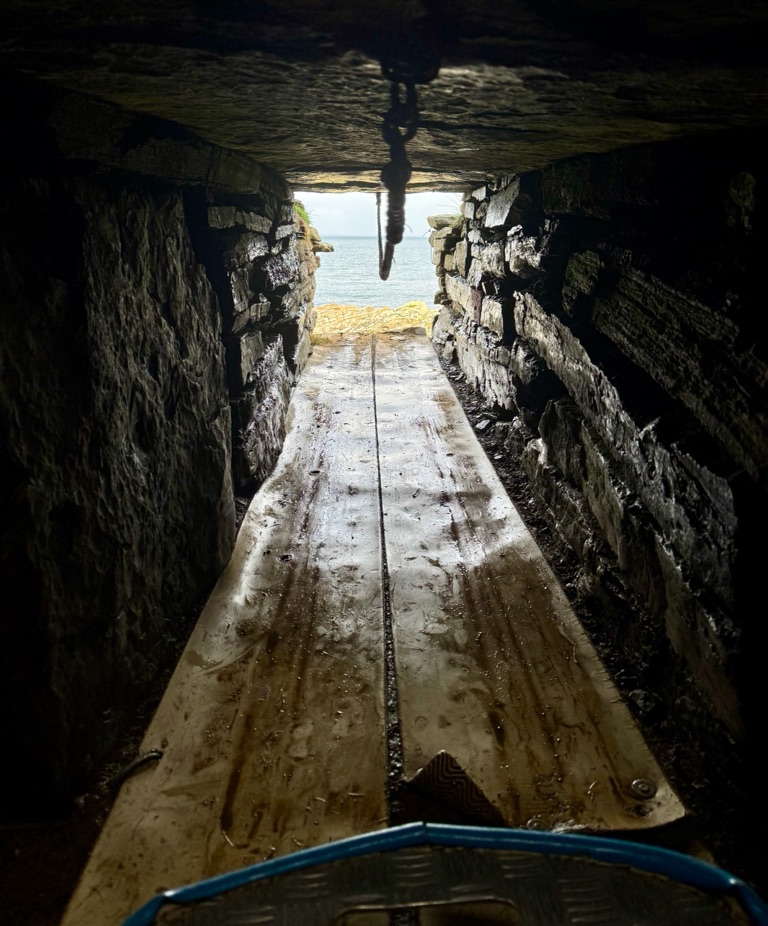
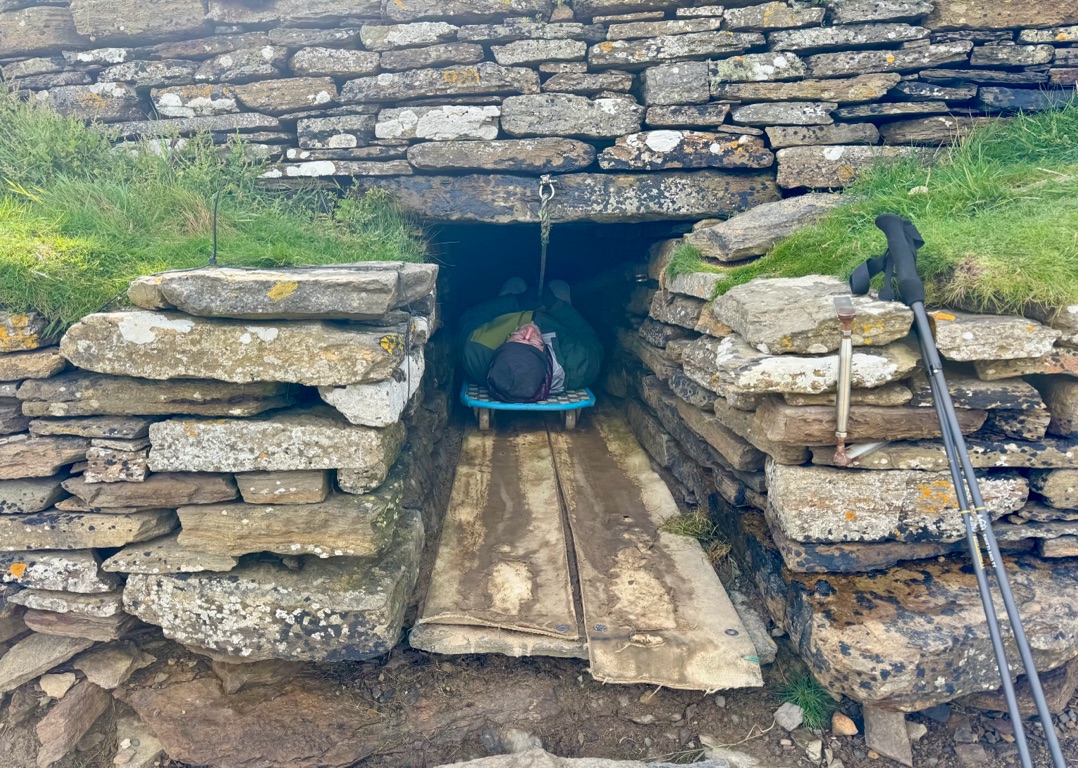
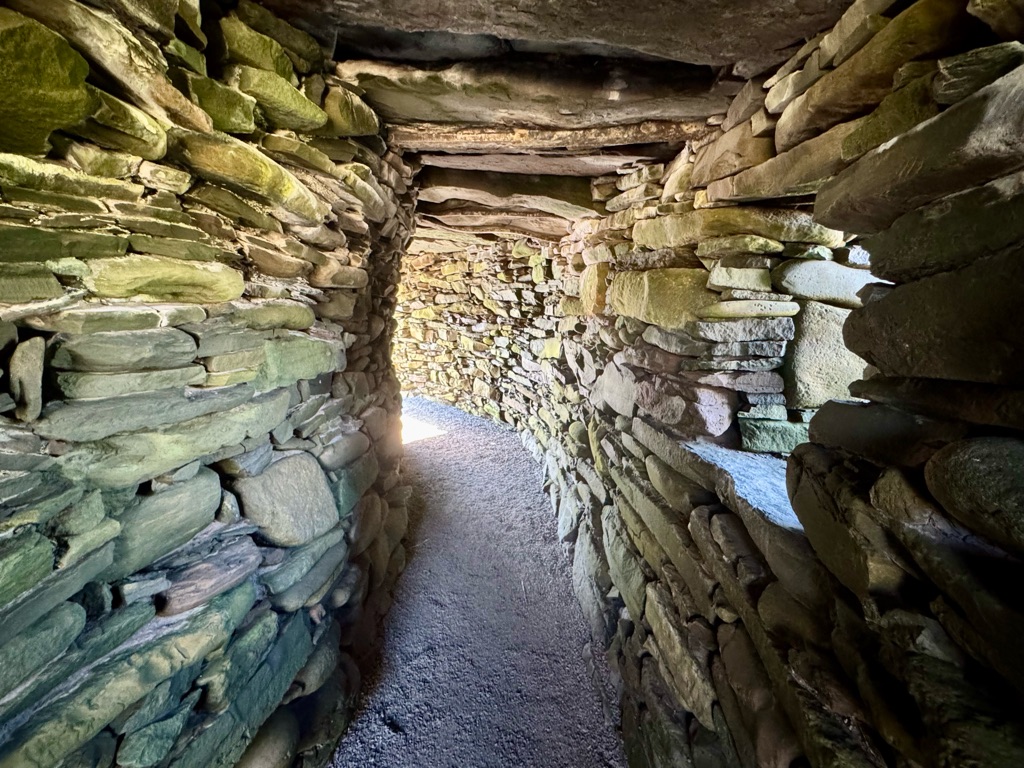
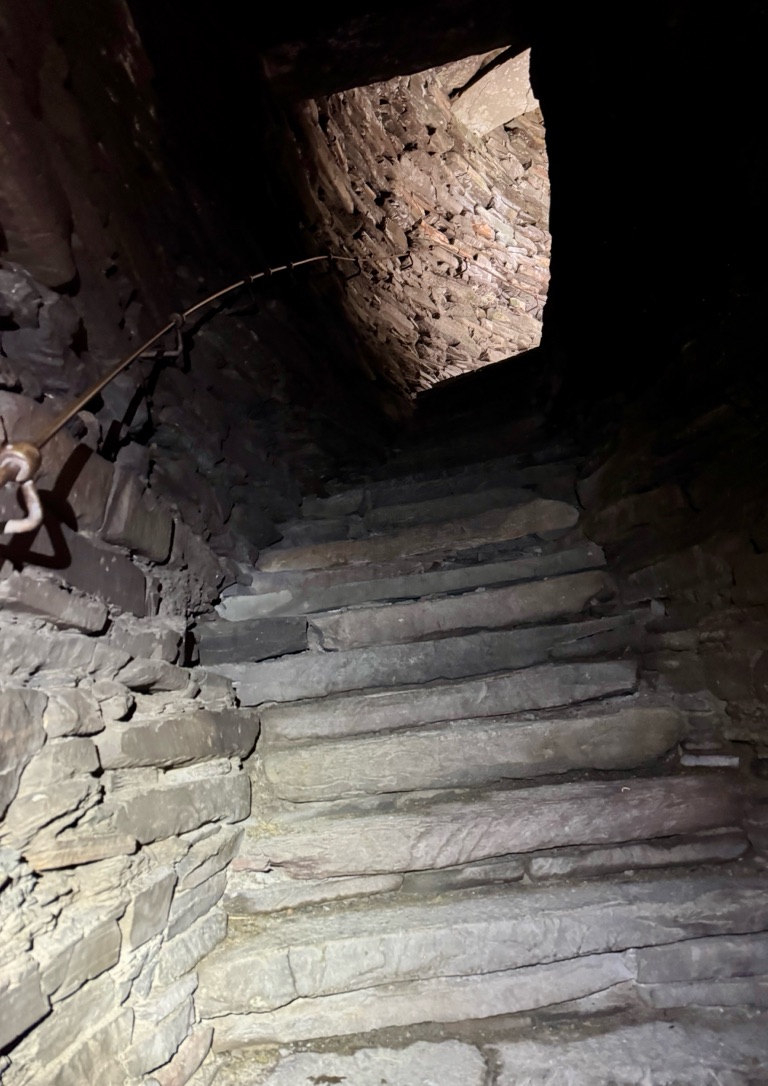
The entry to the tomb is quite low and narrow. Visitors can crawl in on hands and knees or lie down on what is essentially a big skateboard and use the rope along the ceiling to pull yourself through the tunnel.

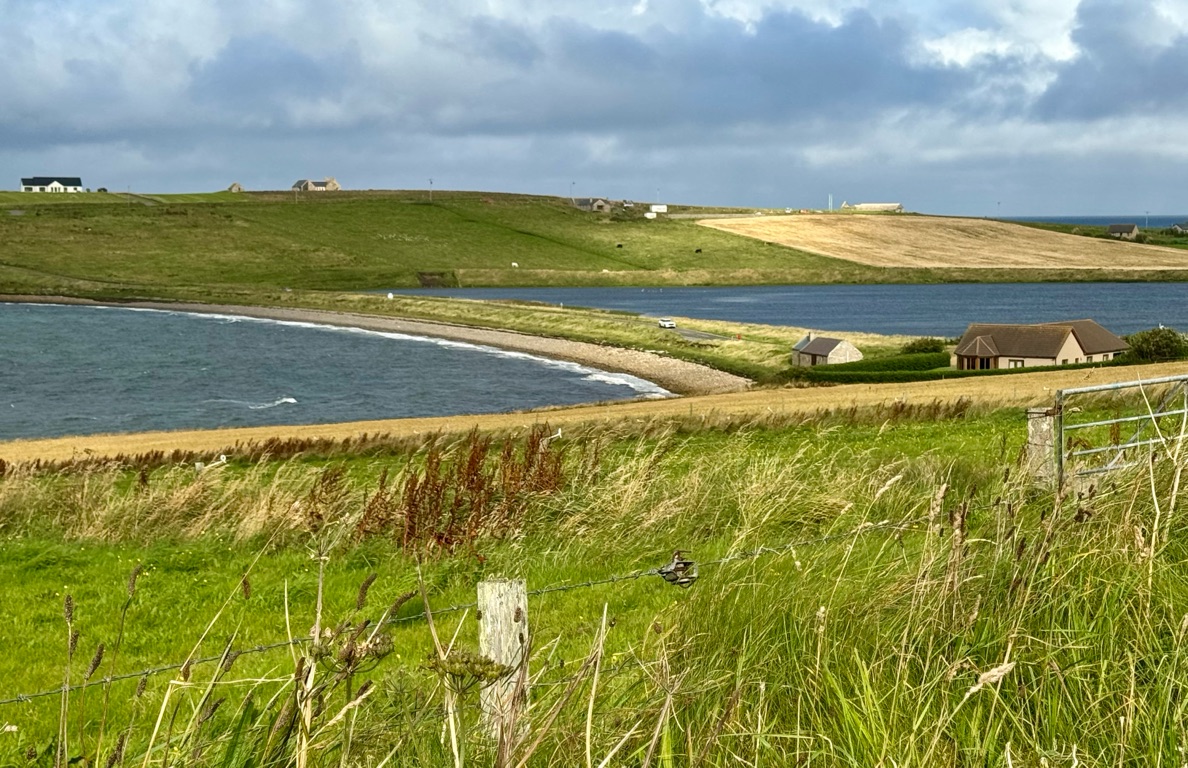
Causeway between islands.

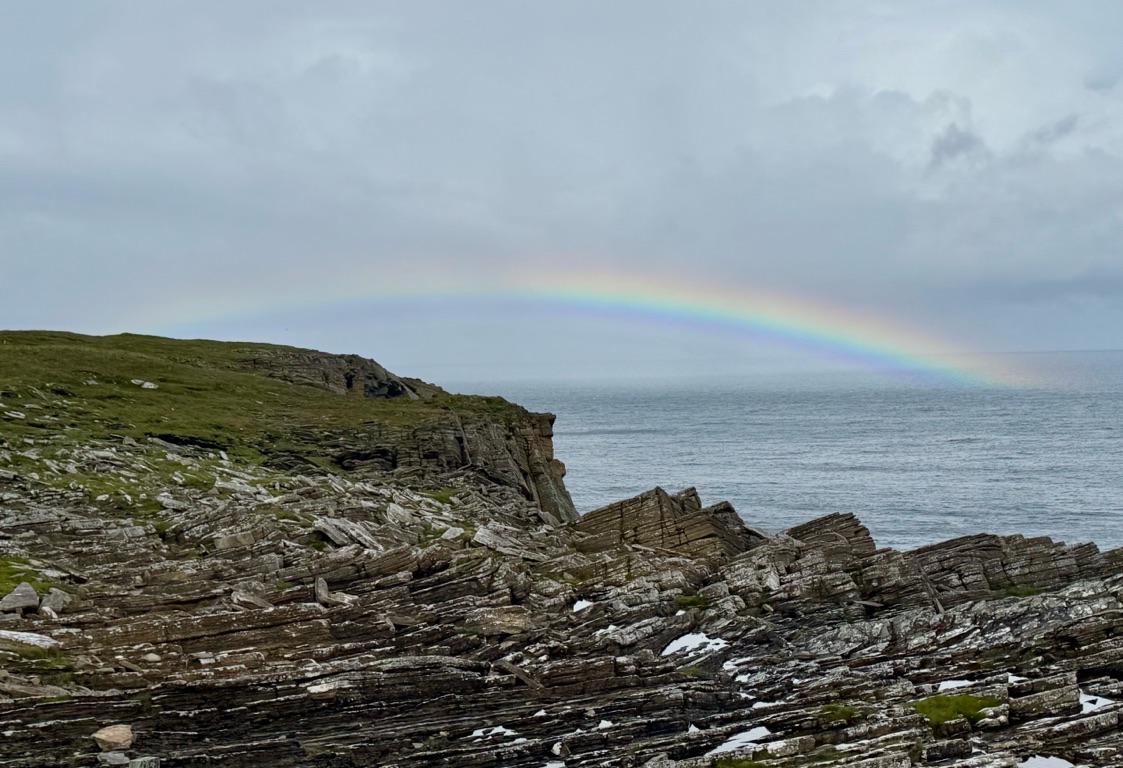
Lots of weather blowing through creating rainbows.

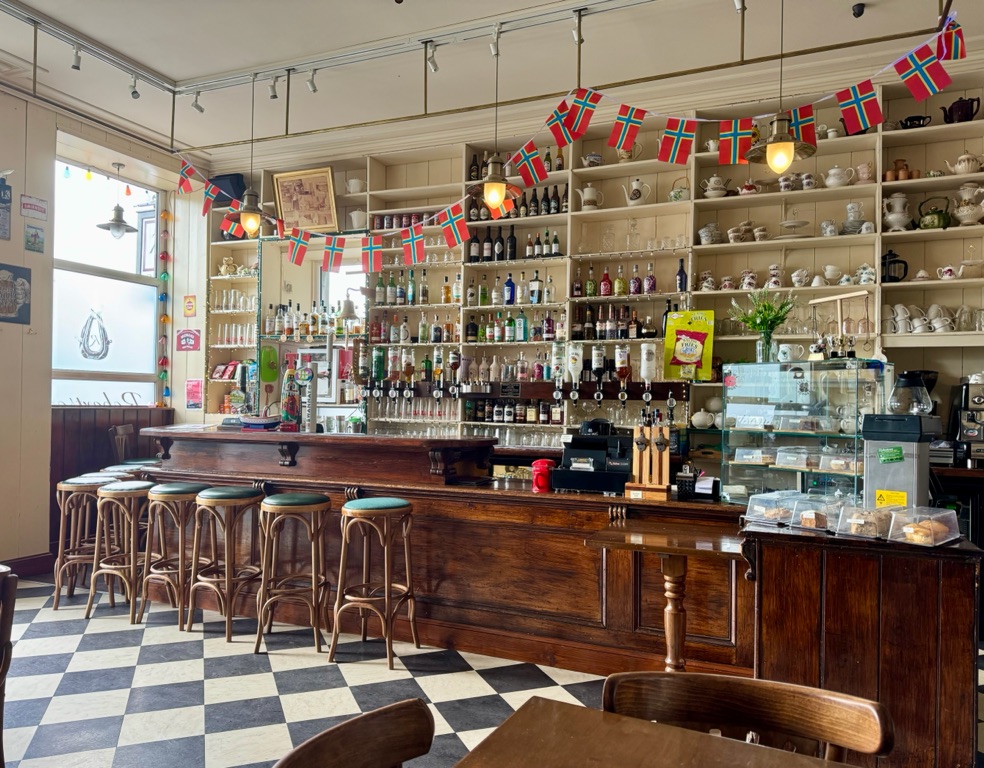
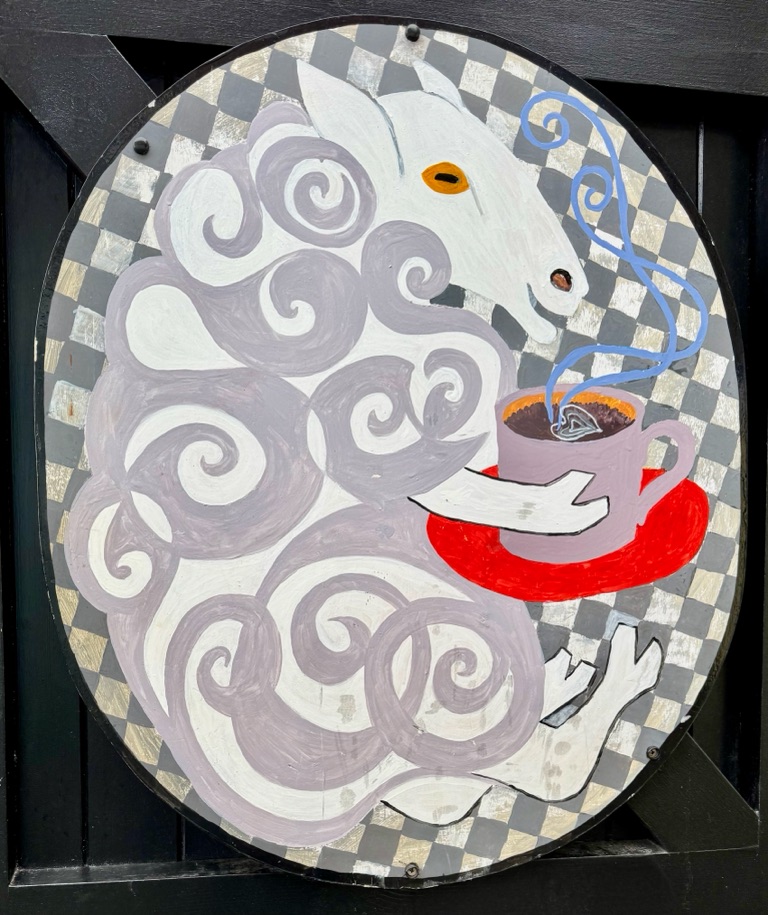
A cute coffee shop /bar in the town of St. Margaret’s Hope where we took a break after our walk.

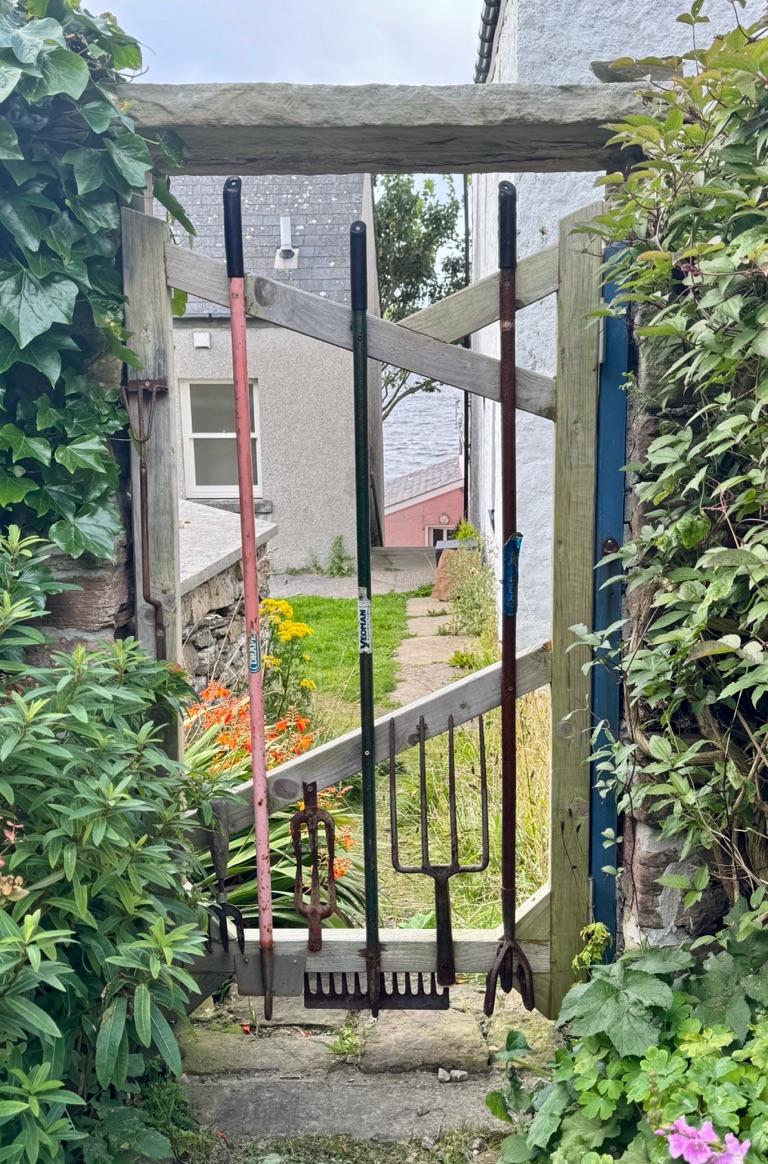
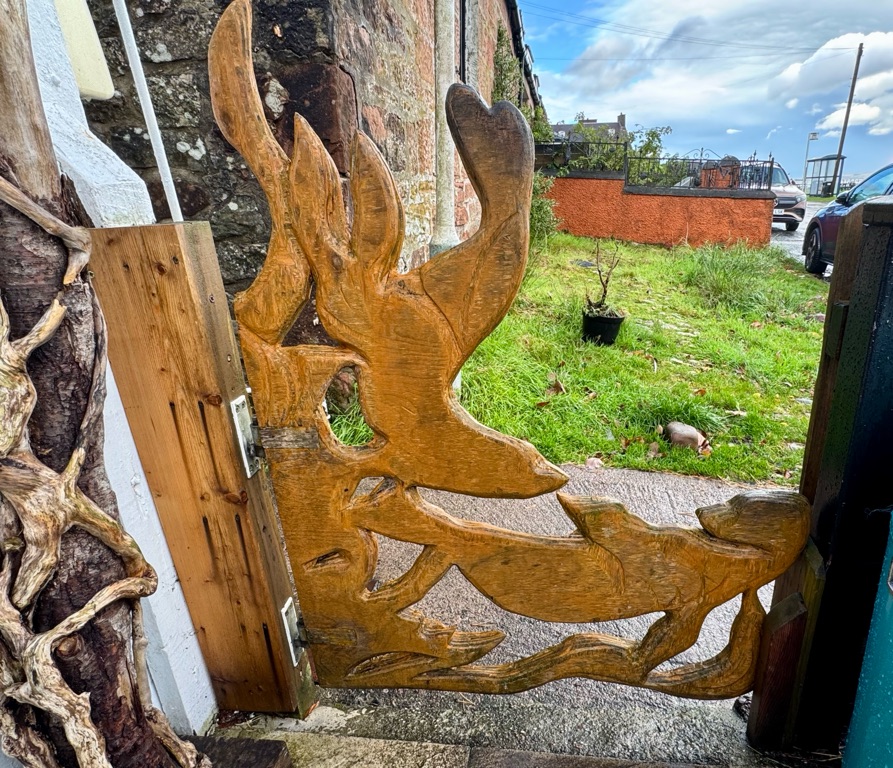
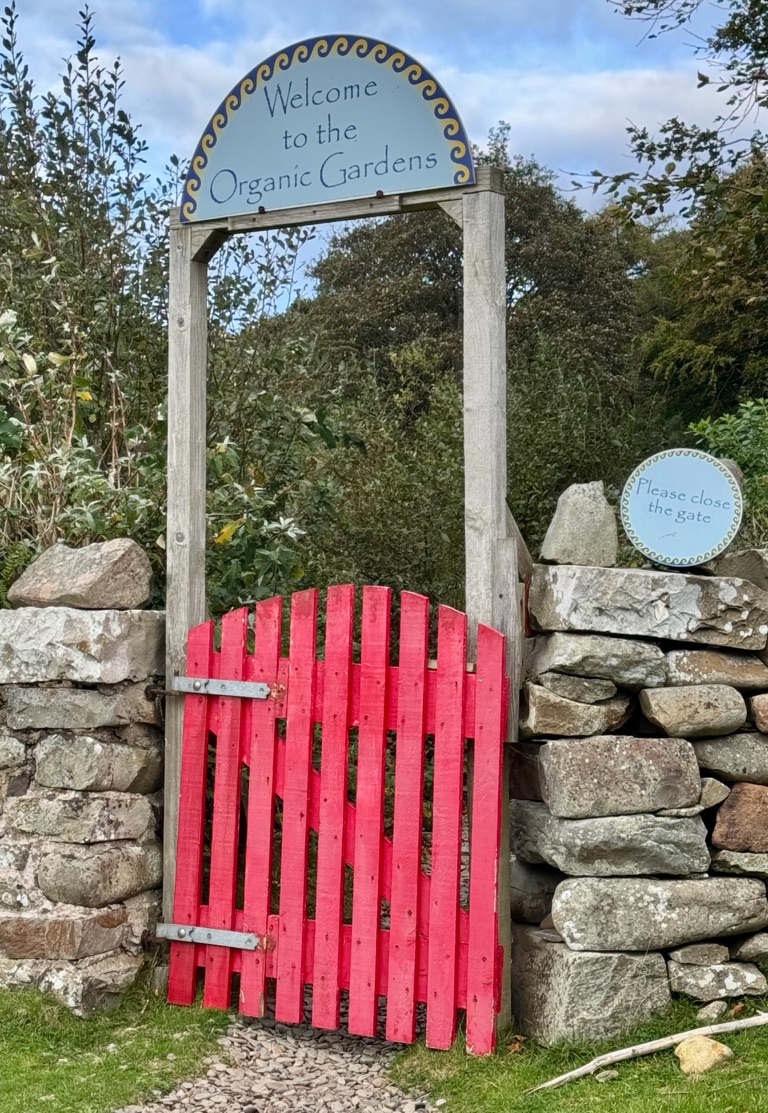
Creative gate.

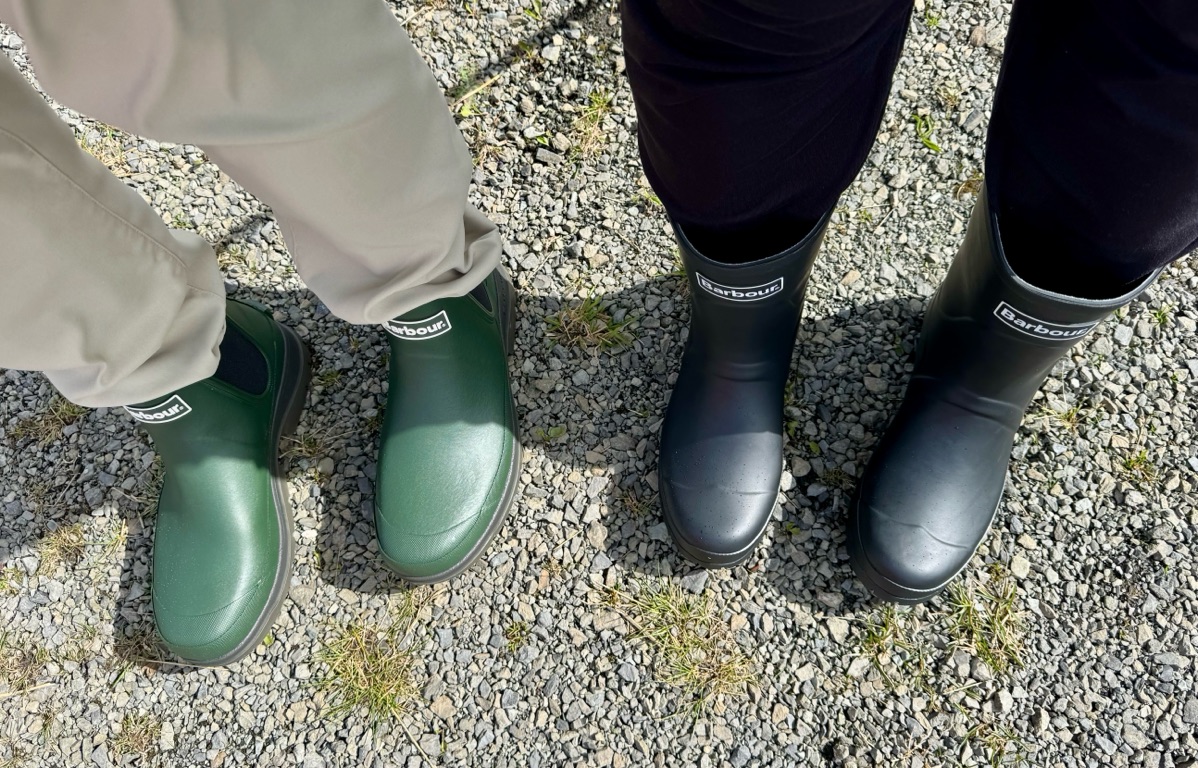
Our new and shiny wellies for walking in inclement weather.

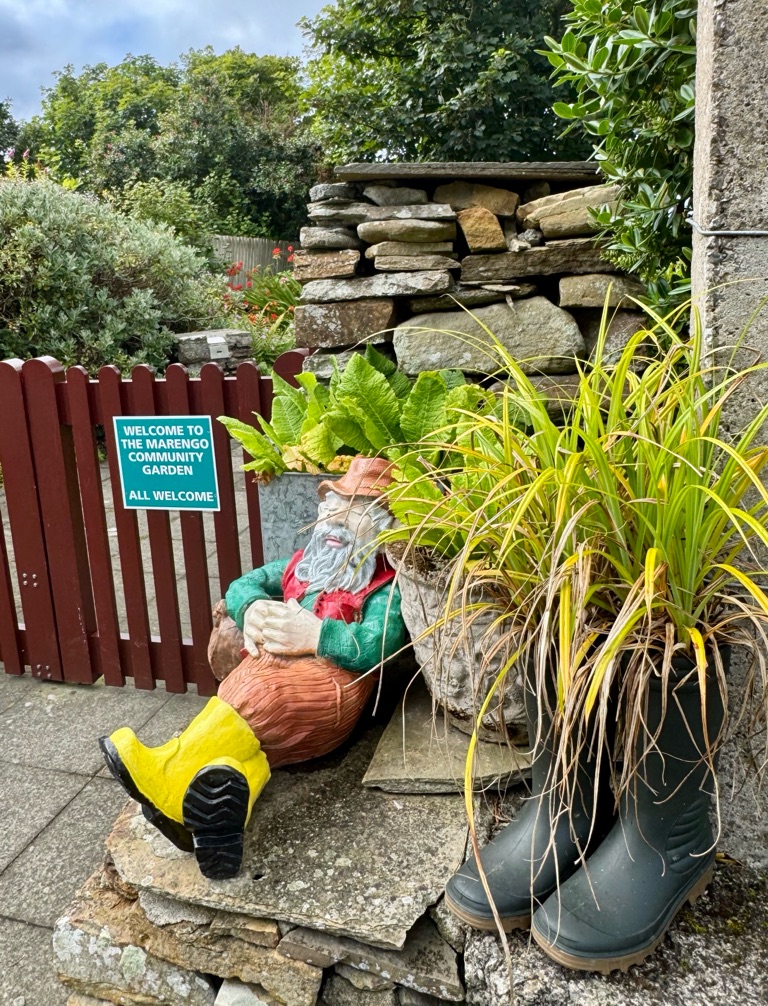
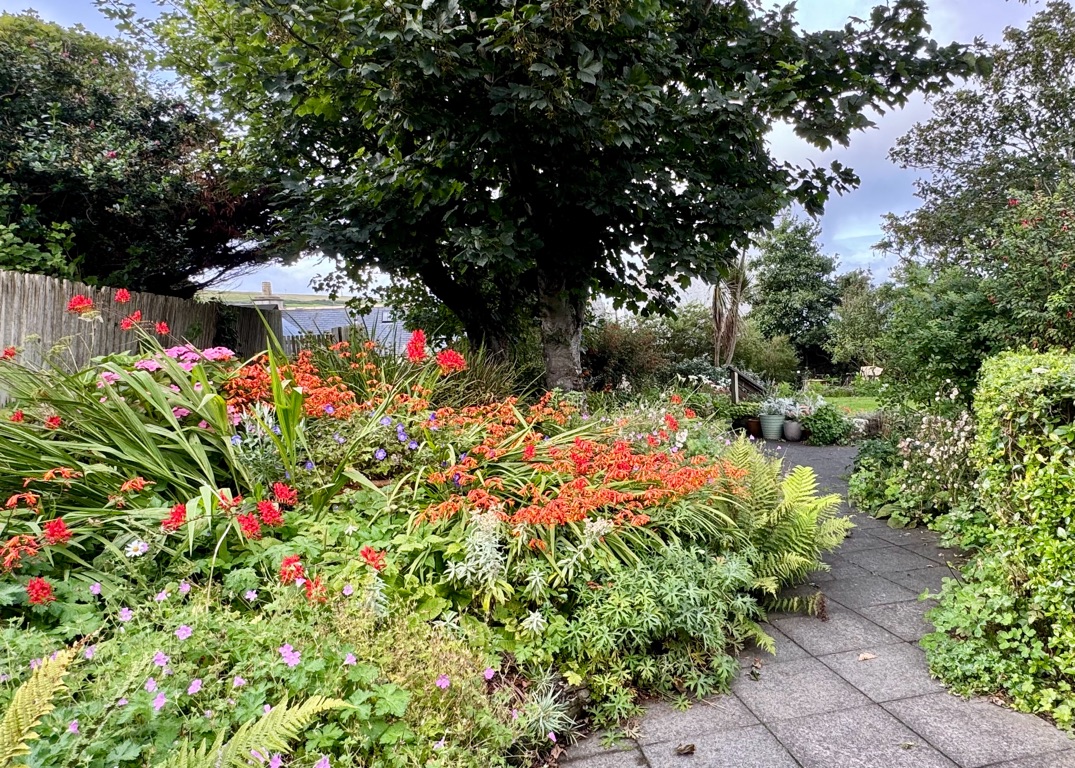
A lovely little community garden in the same town.

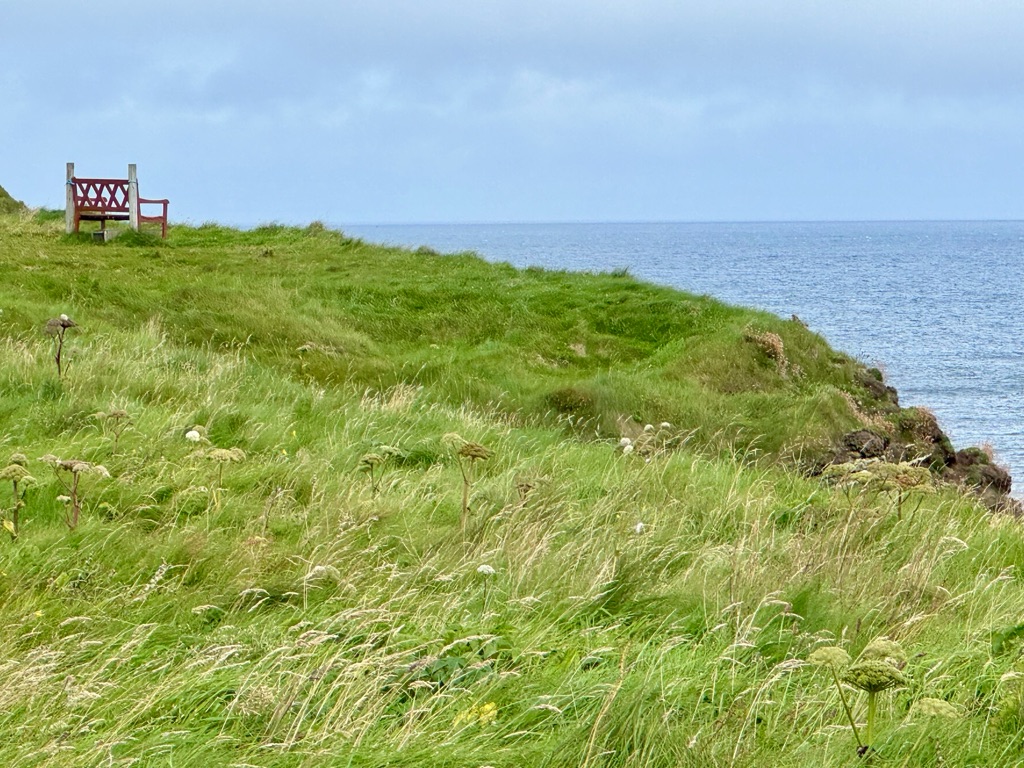
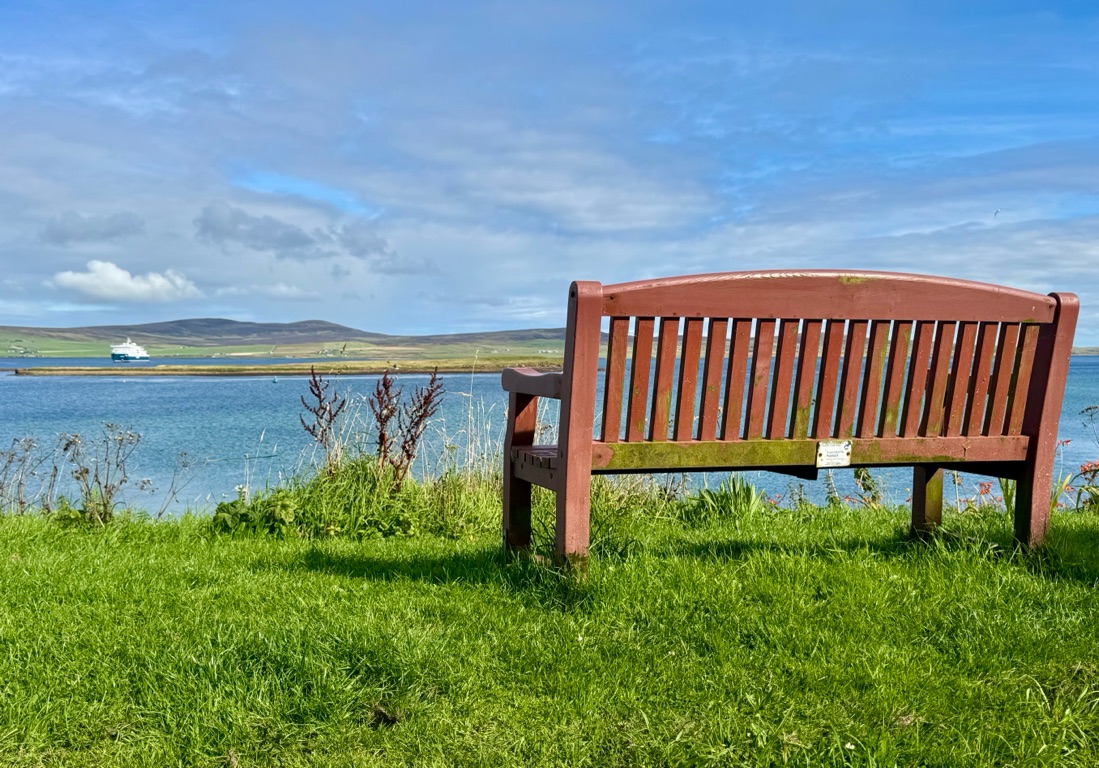
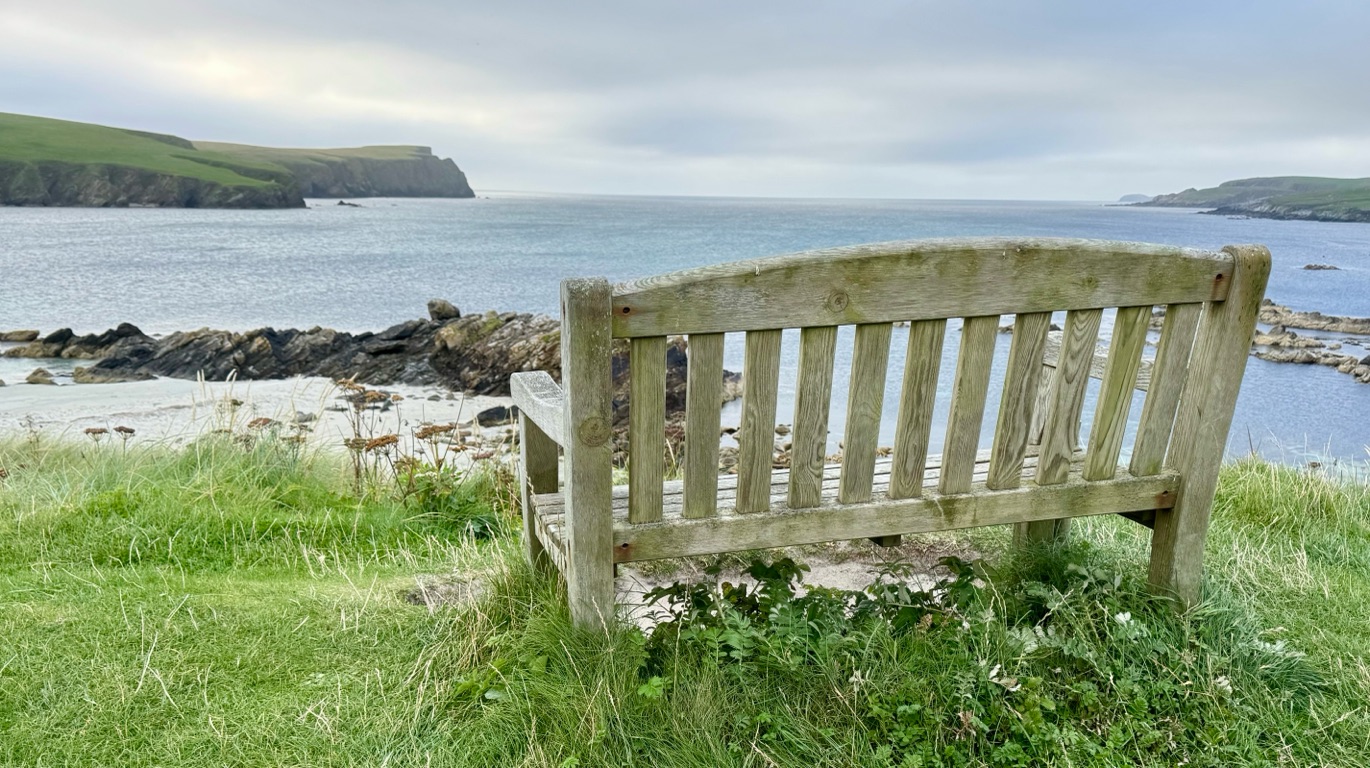
Bench with a view on the path back.

The way out.

Giant blocks creating the causeways.

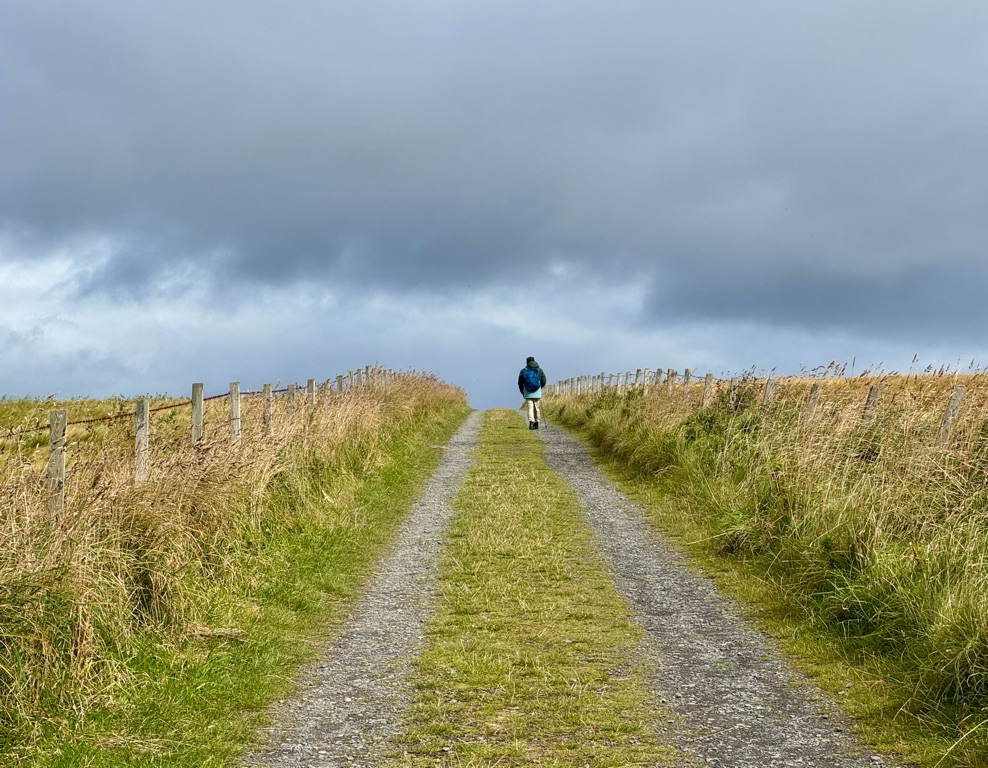
Jessee leading the way.

Jessee’s going in!

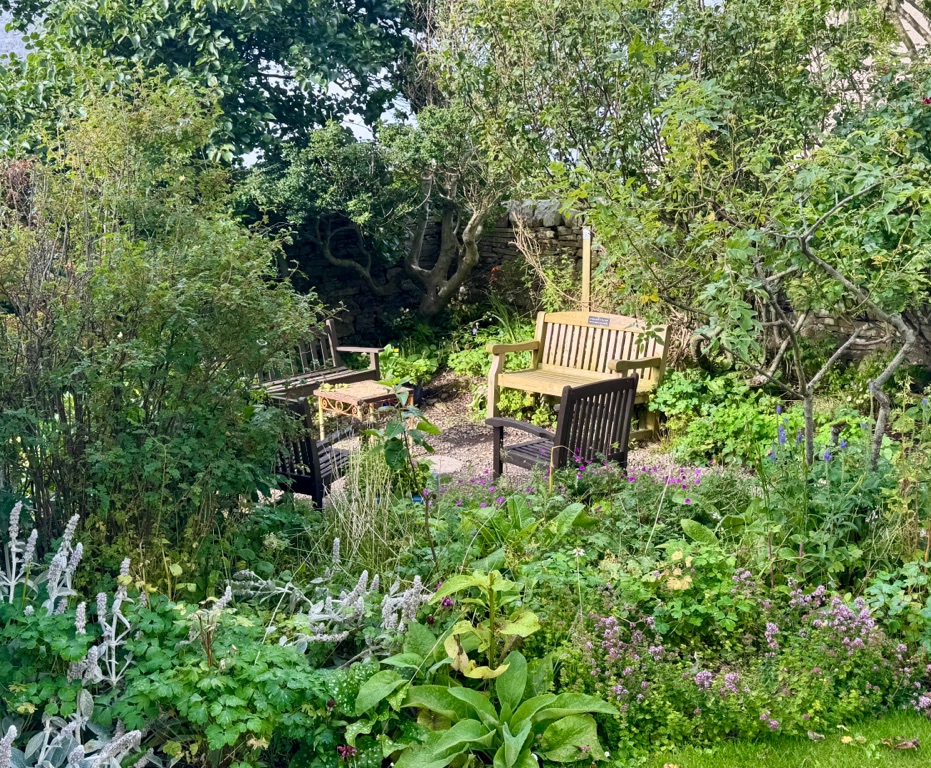
Gathering nook.

Our destination is the small hill to the left. It’s a Neolithic tomb named Tomb of the Eagles due to the quantity of sea eagle remains found alongside the 50 plus human skeleton remains. Quite an eternal view.

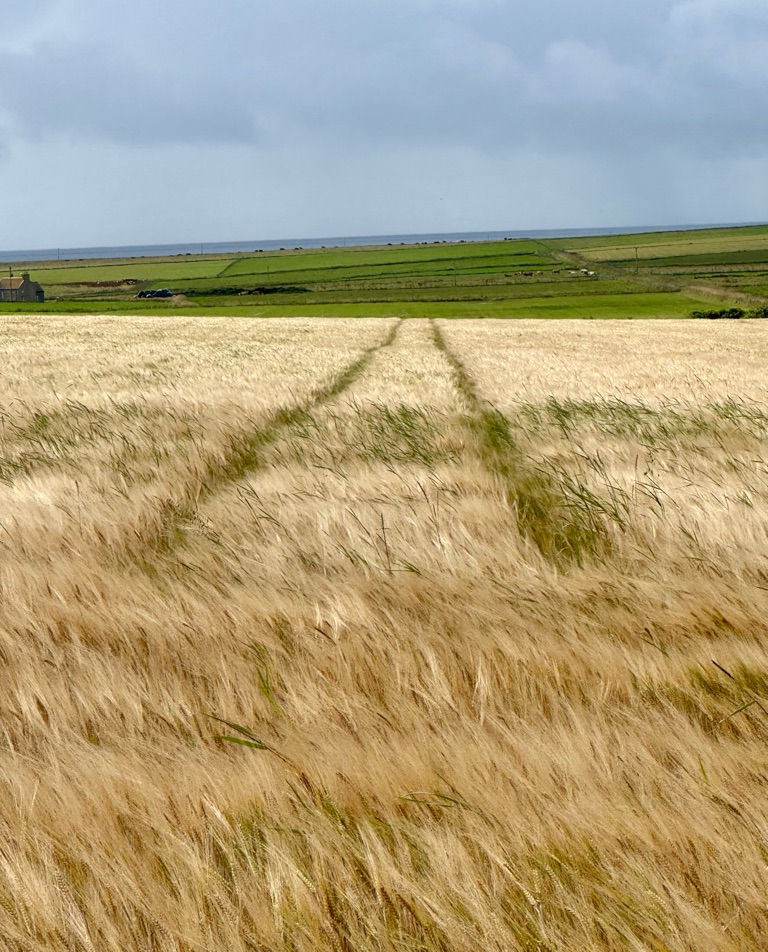
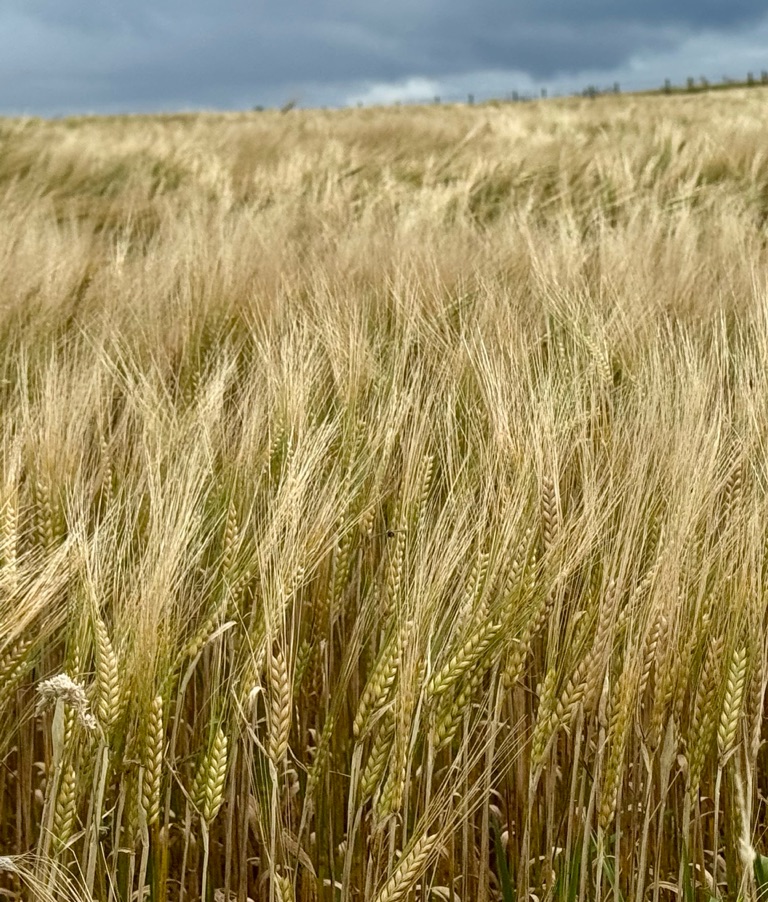
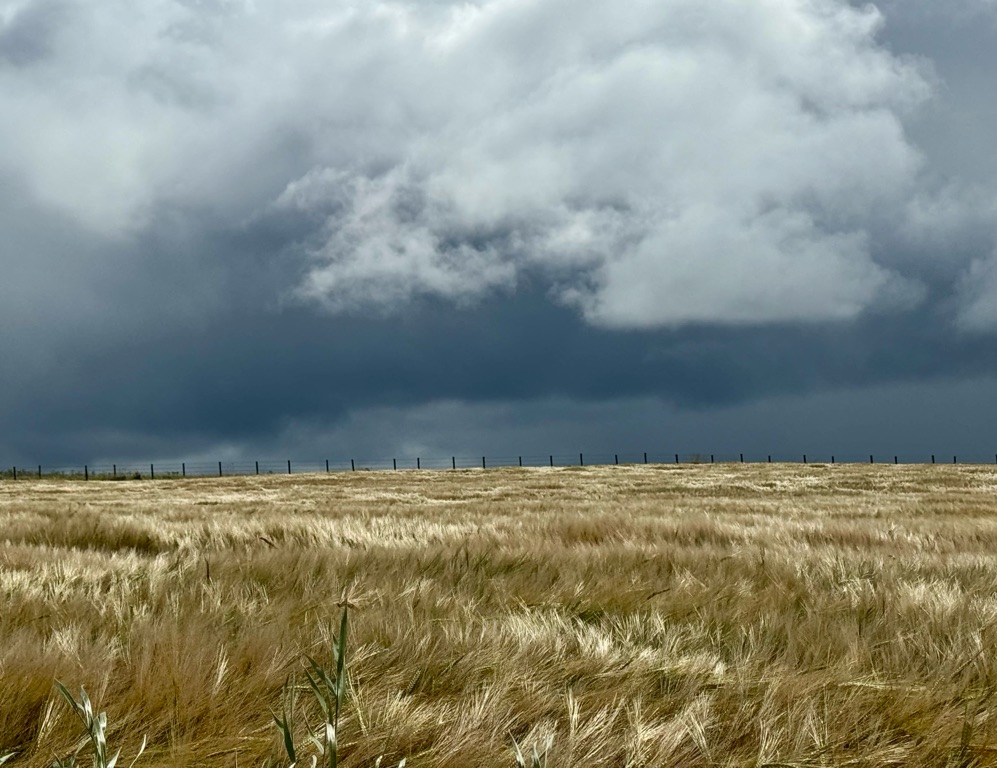
Barley and clouds.

6
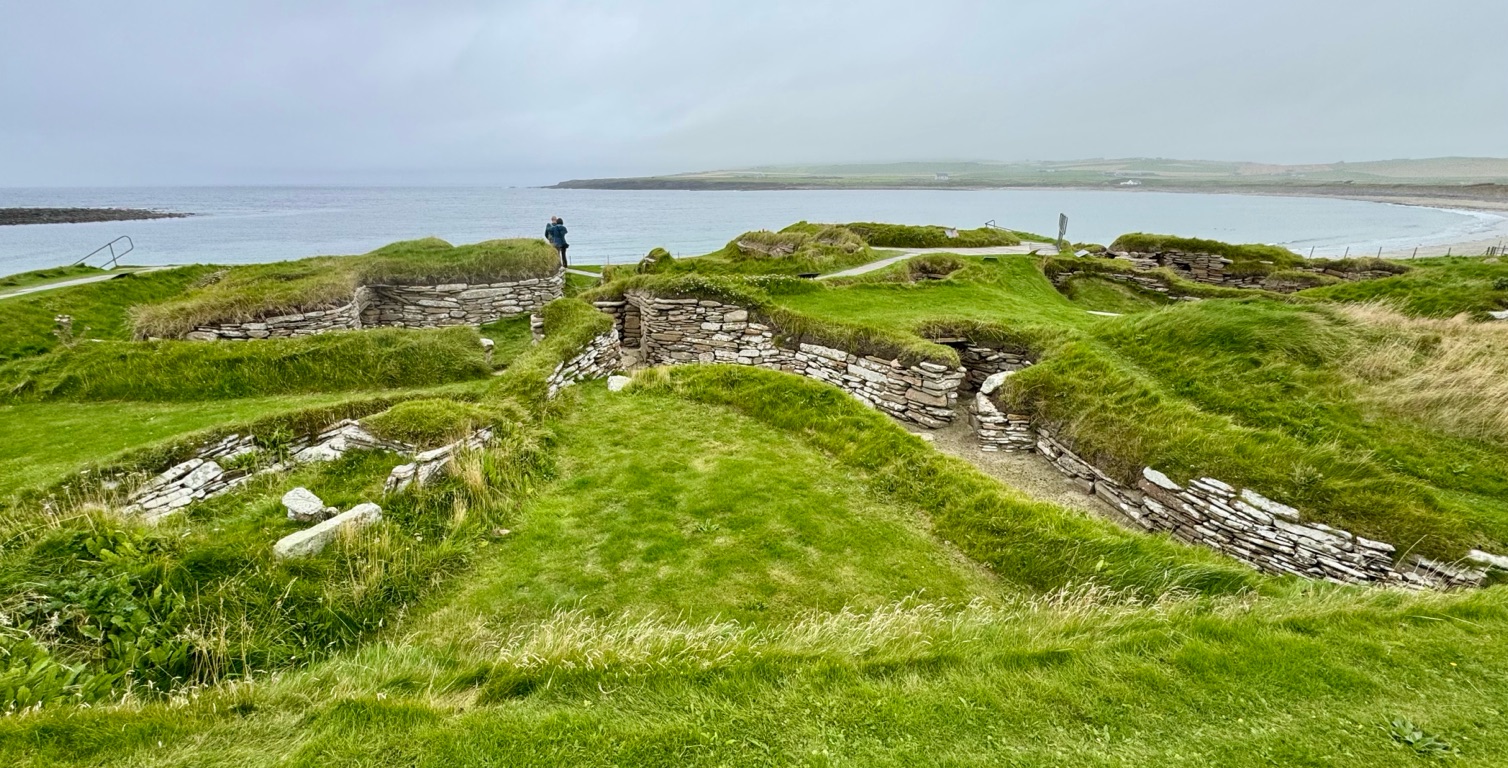
Skara Brae Prehistoric Village

There is a lot to see on the Orkney Islands!

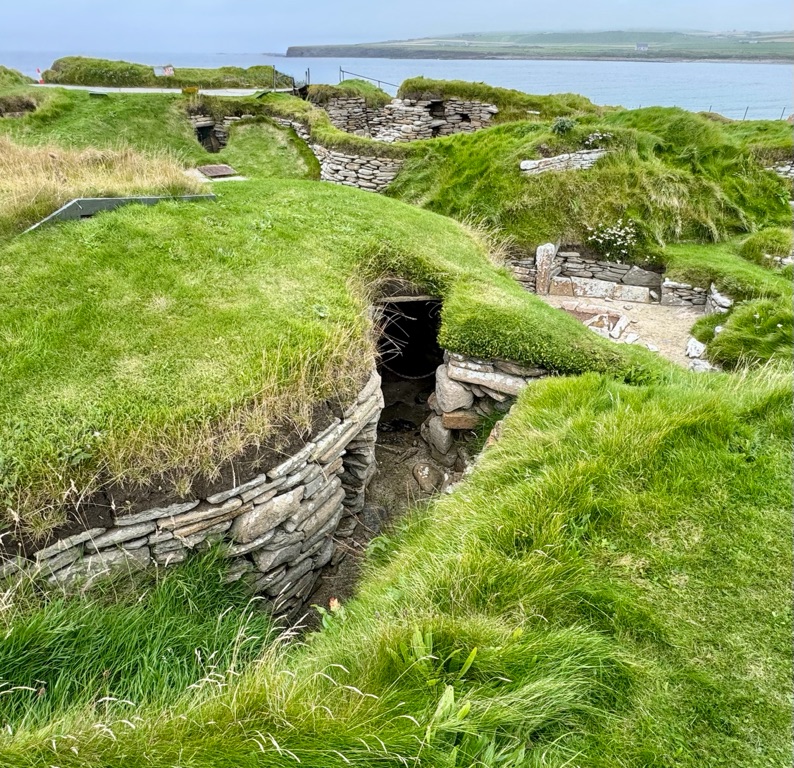
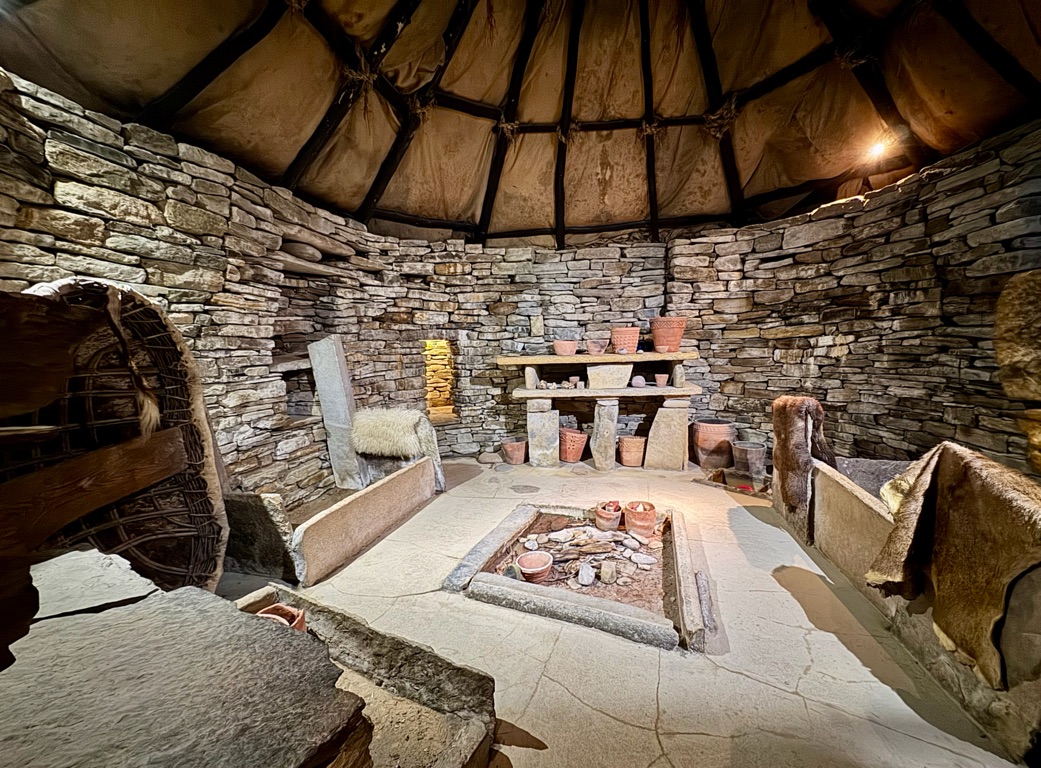
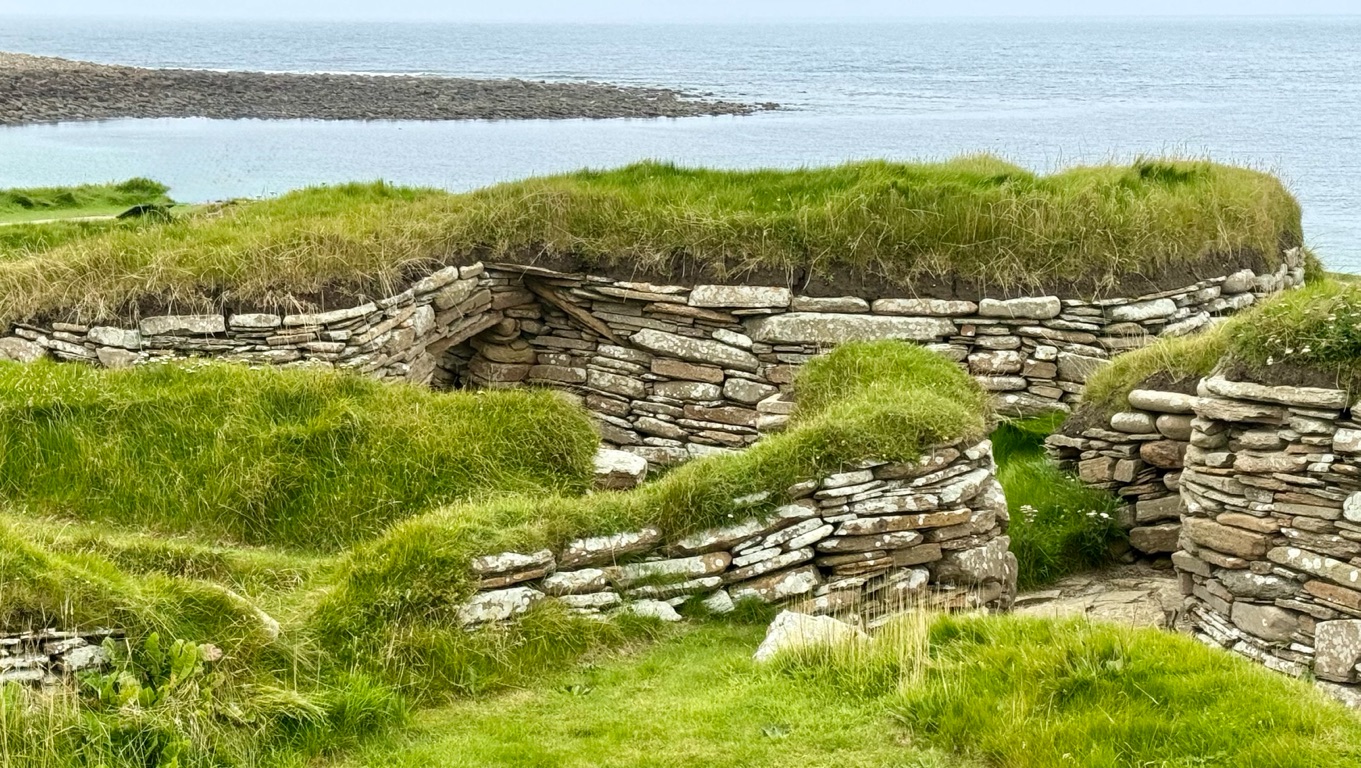
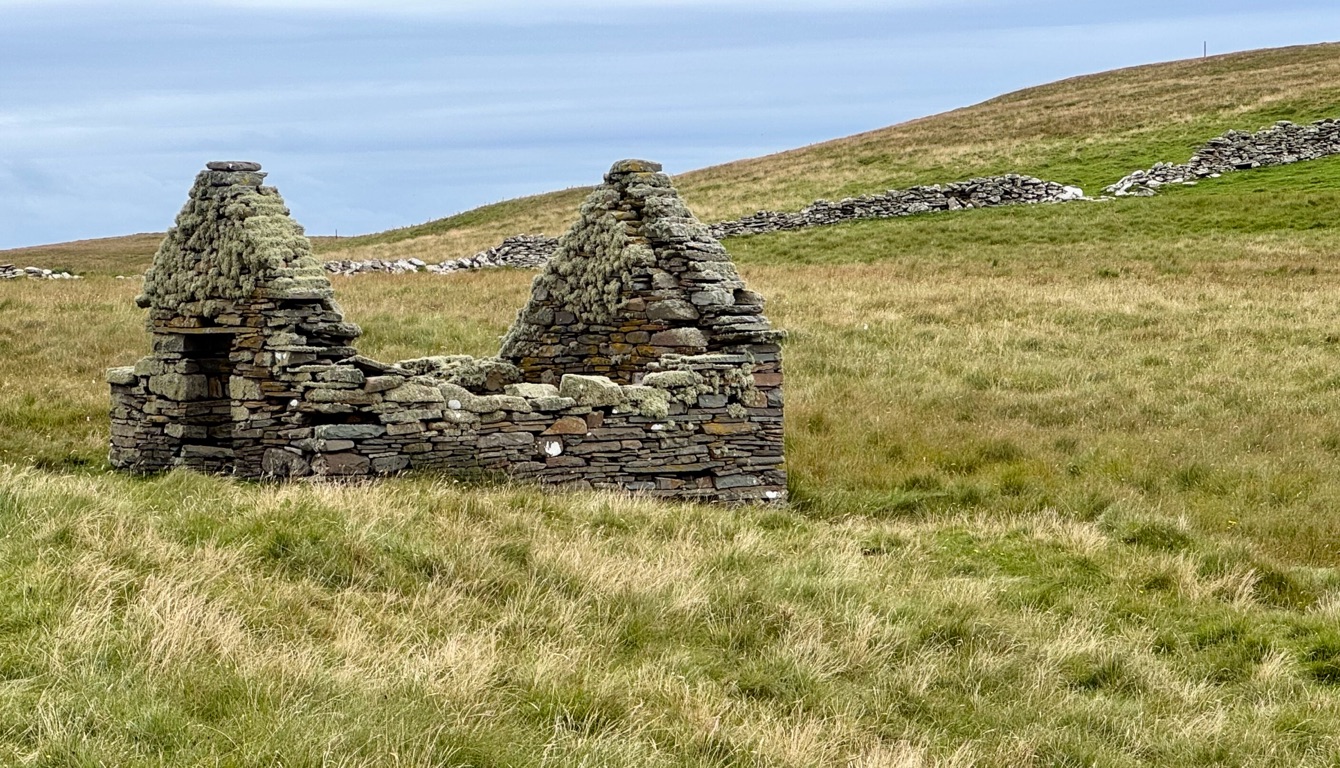
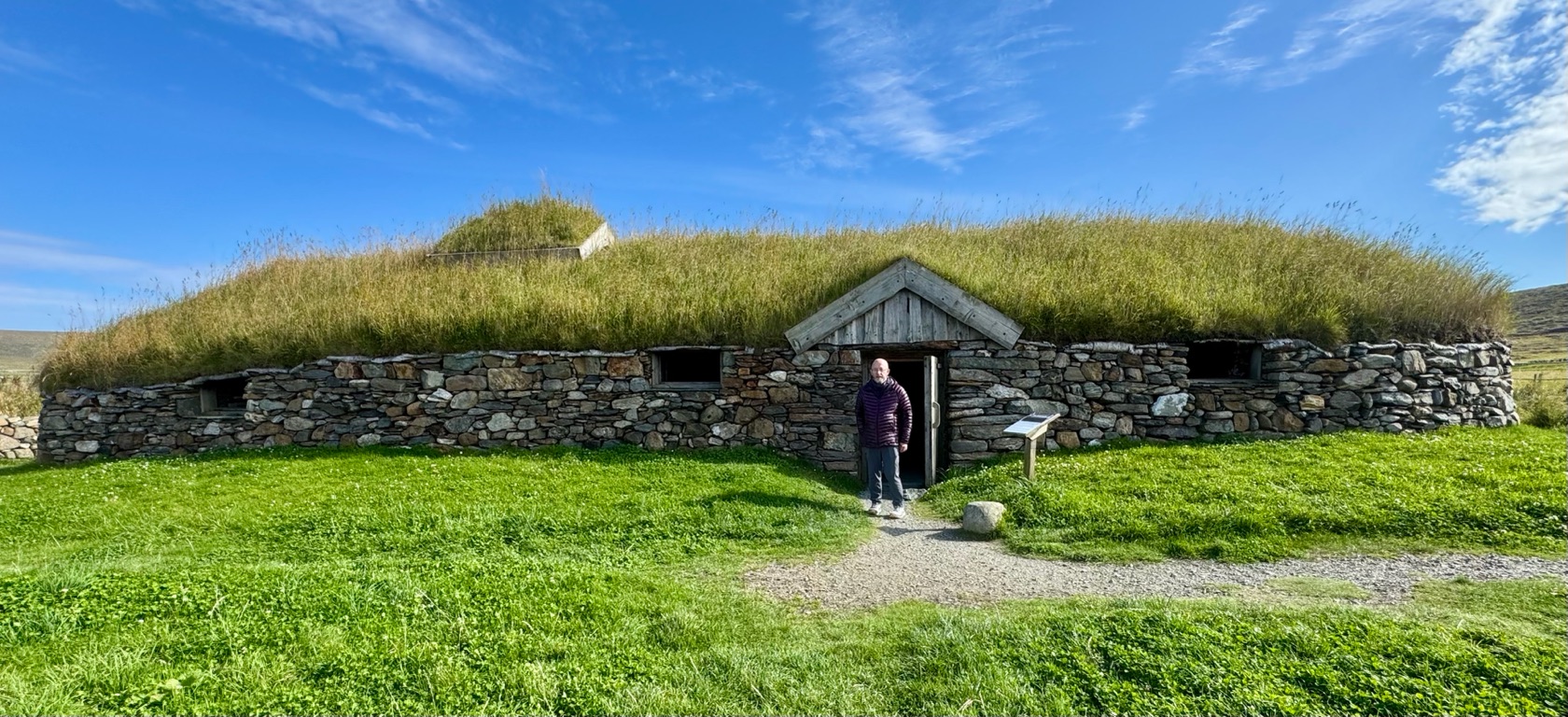
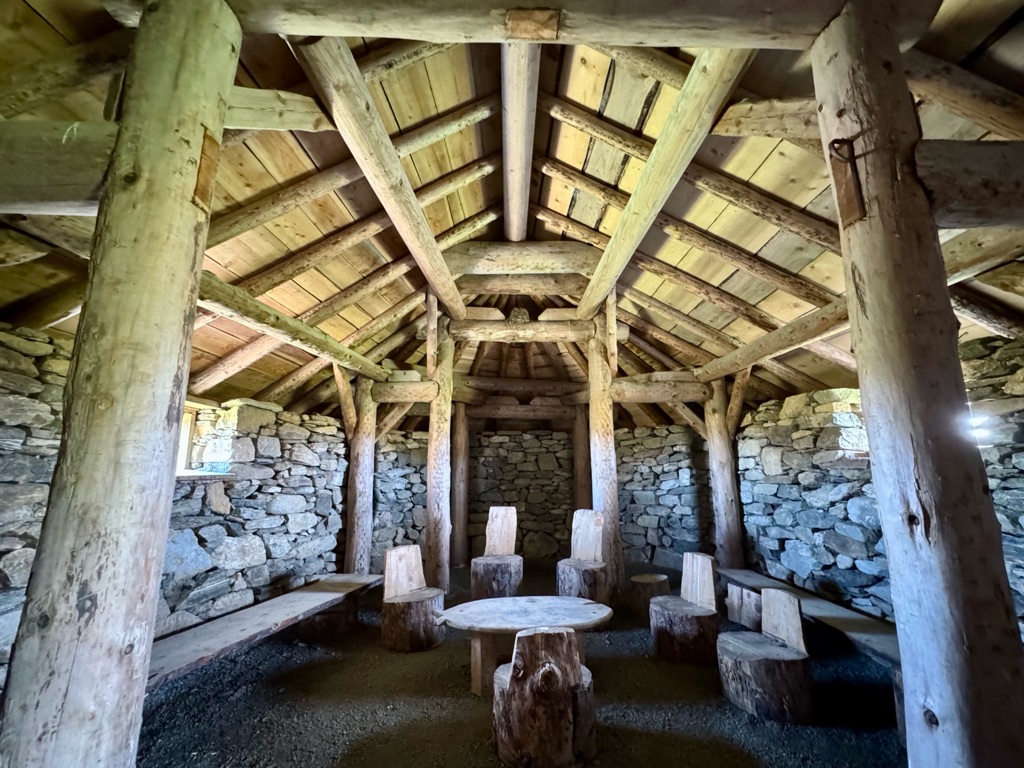
Archeologists aren’t sure if the roofs were sod or animal skins.

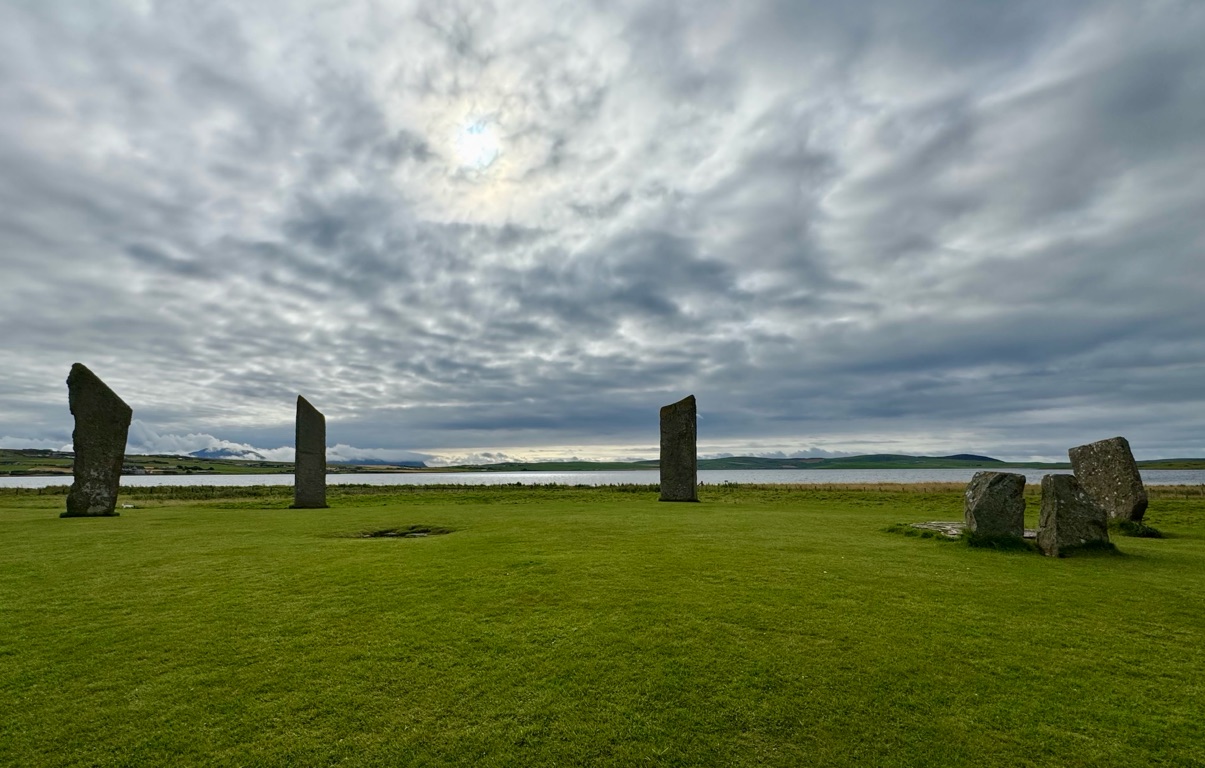
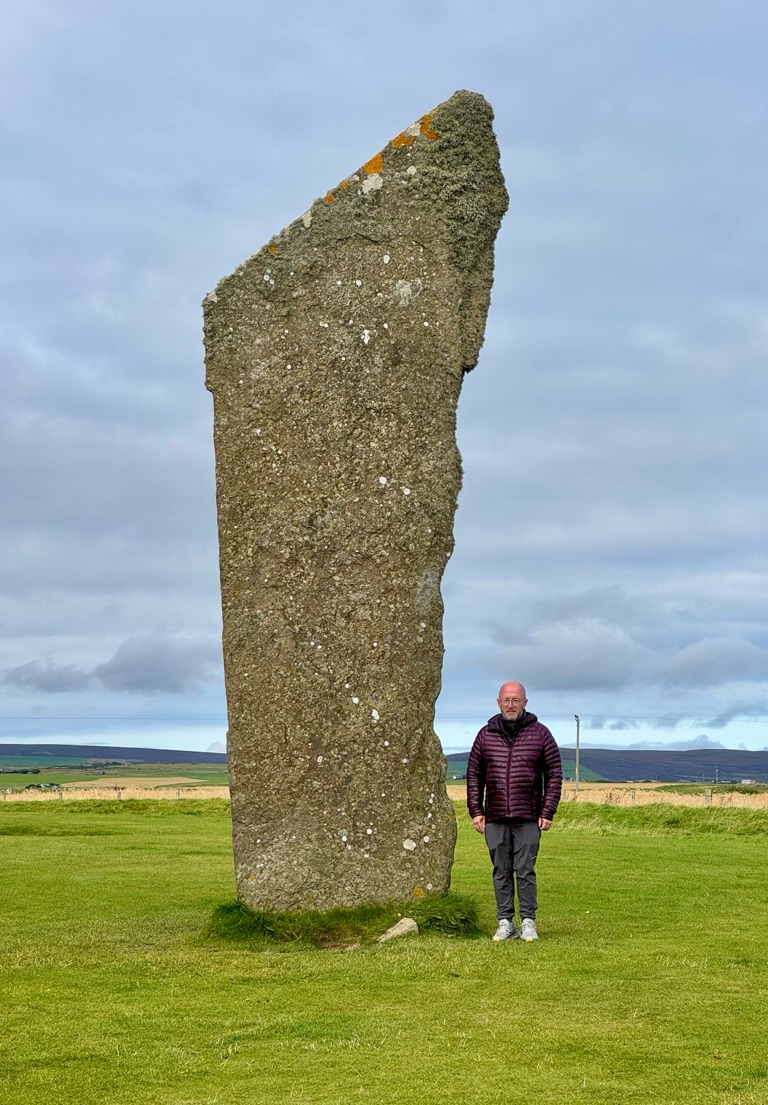
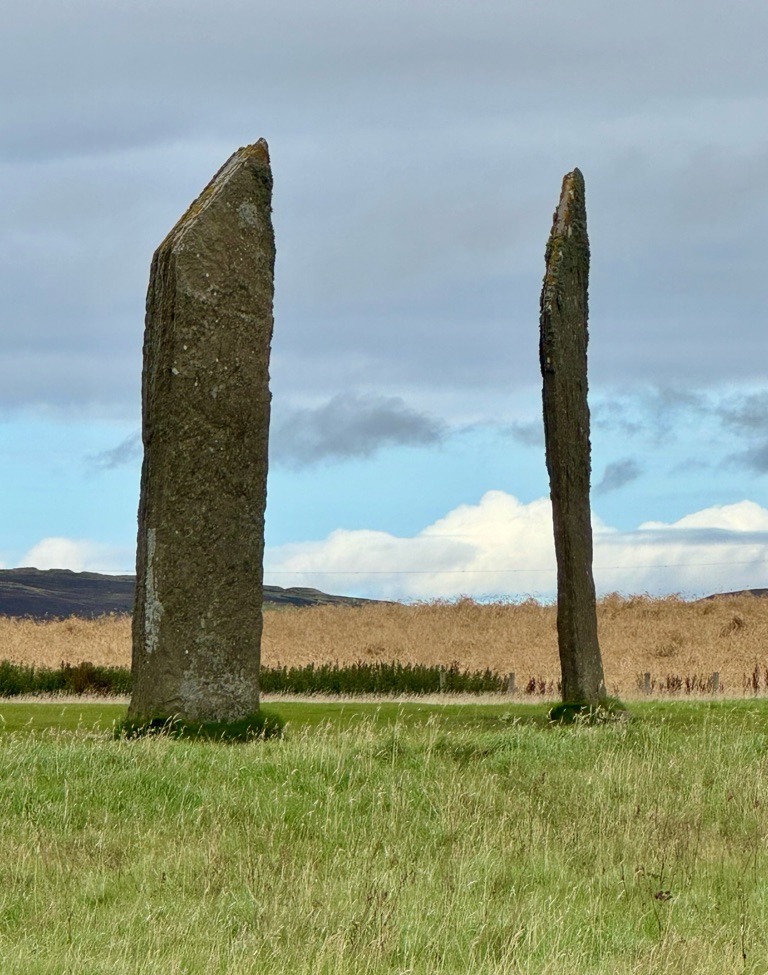
These are the standing stones of Stenness. They are within sight of the standing stones we visited the other day.

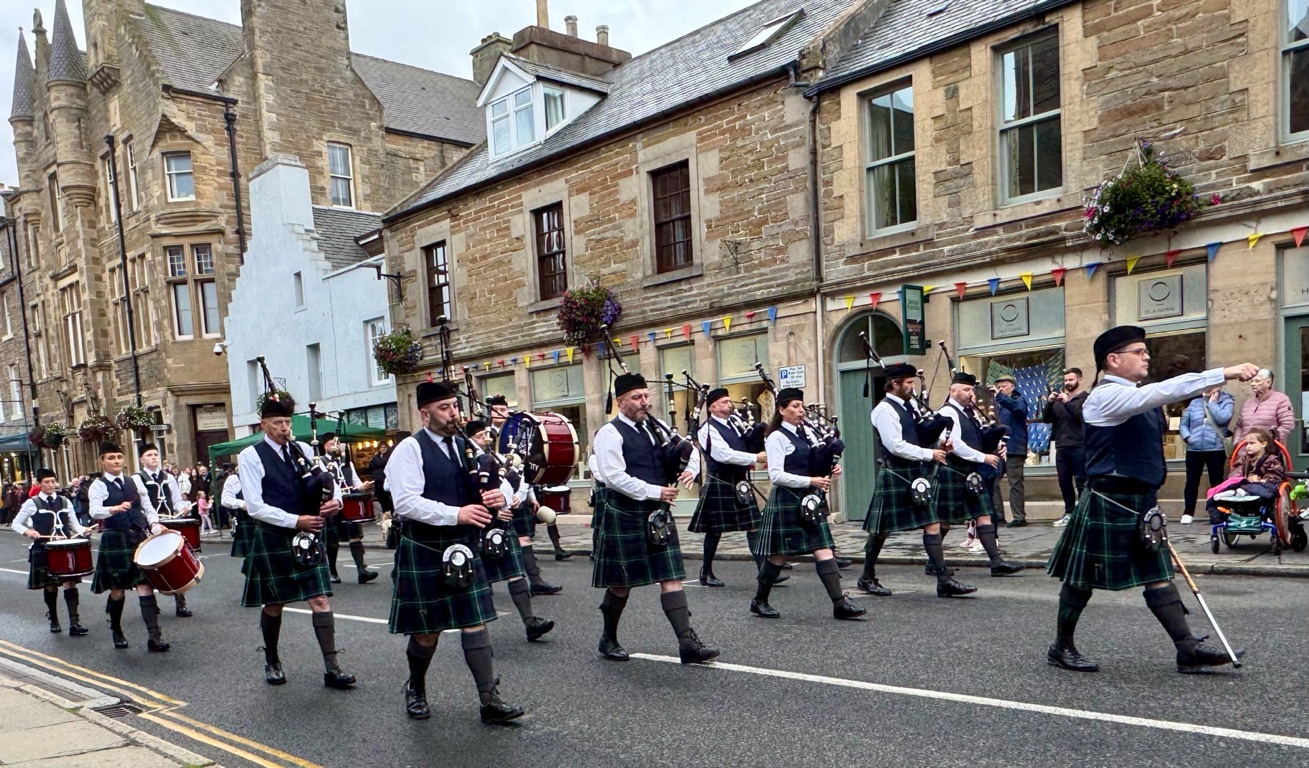
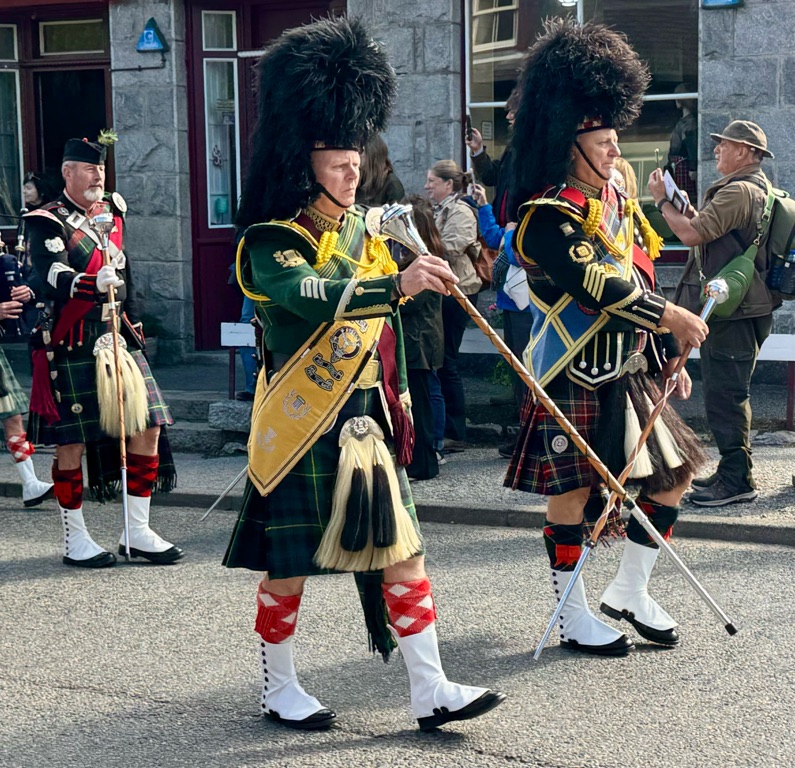
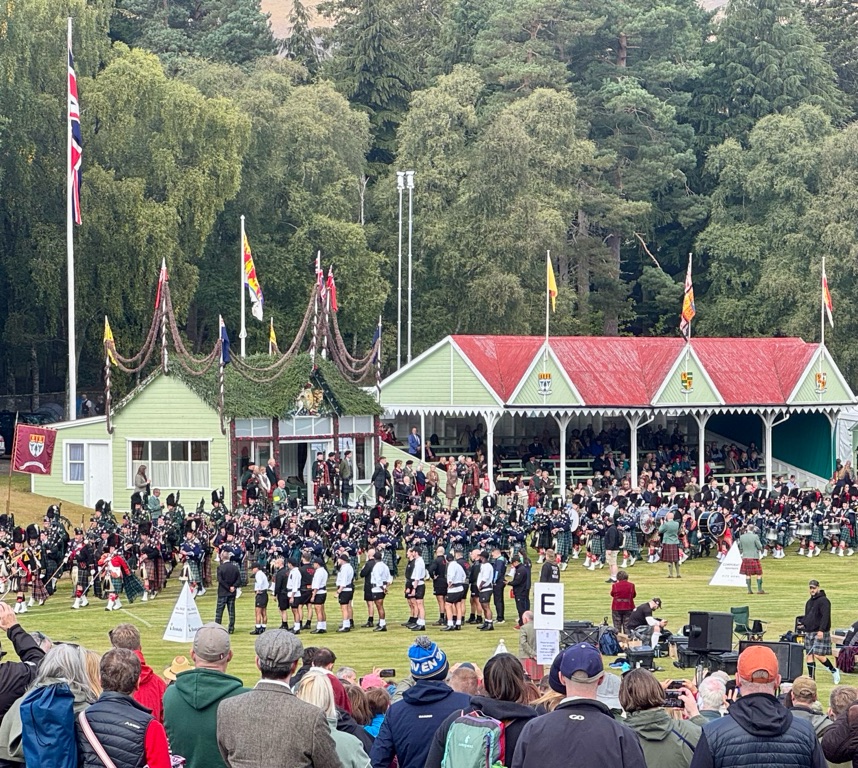
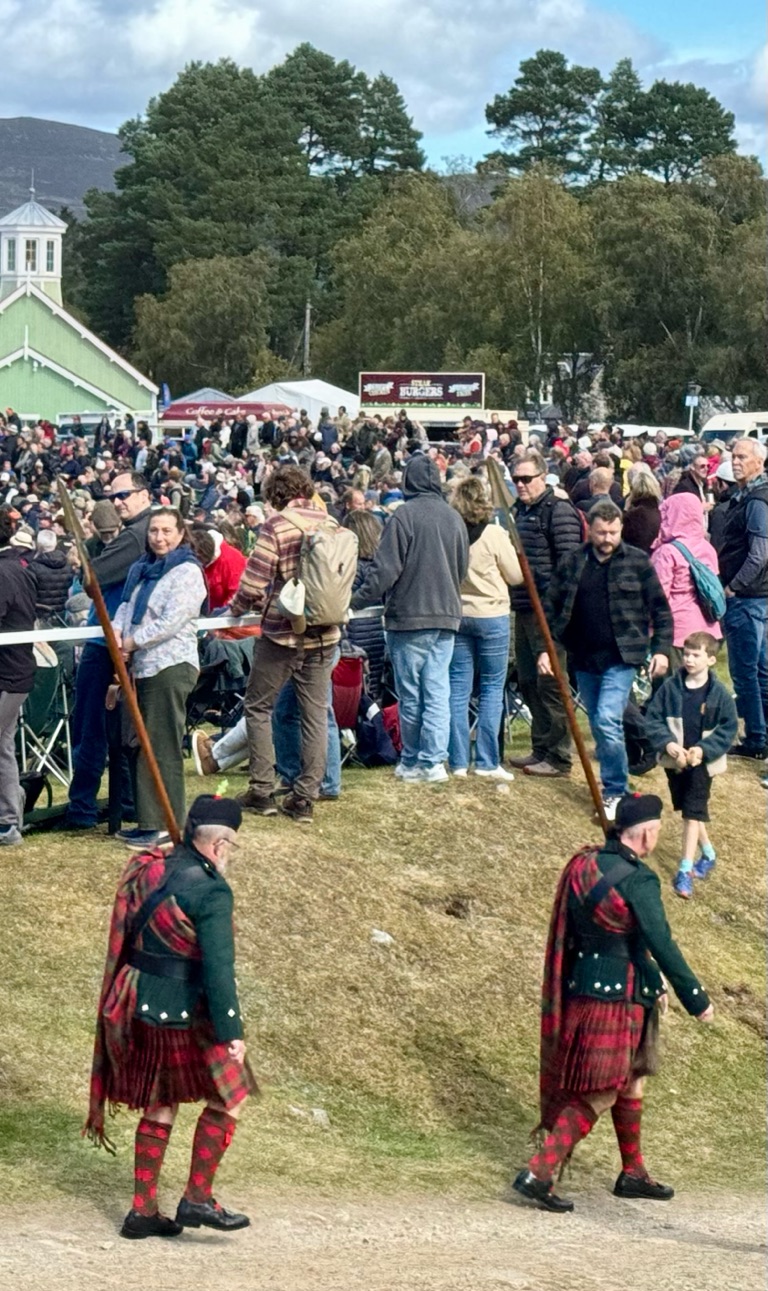
We capped off the day with a pipe band performance in Kirkwall.

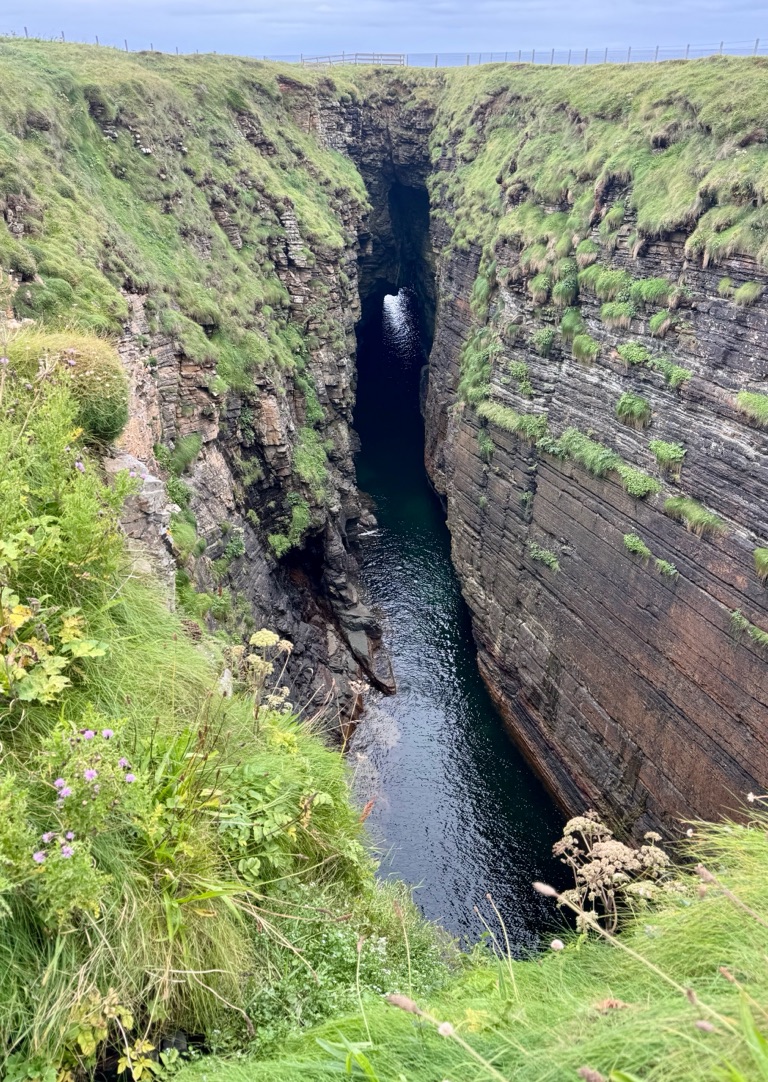
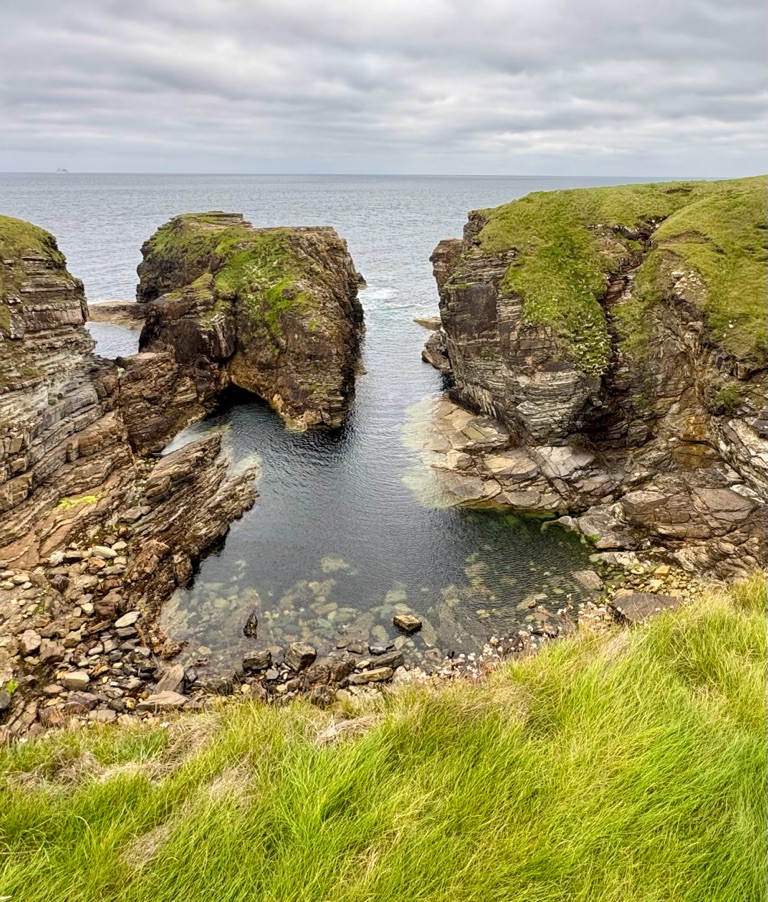
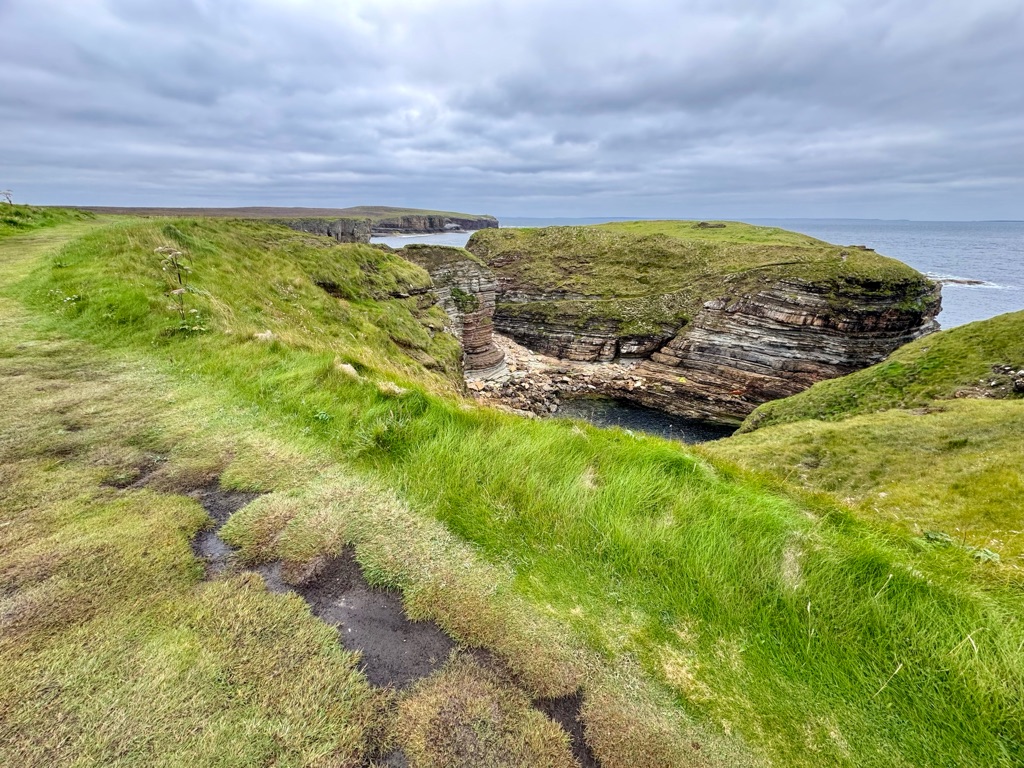
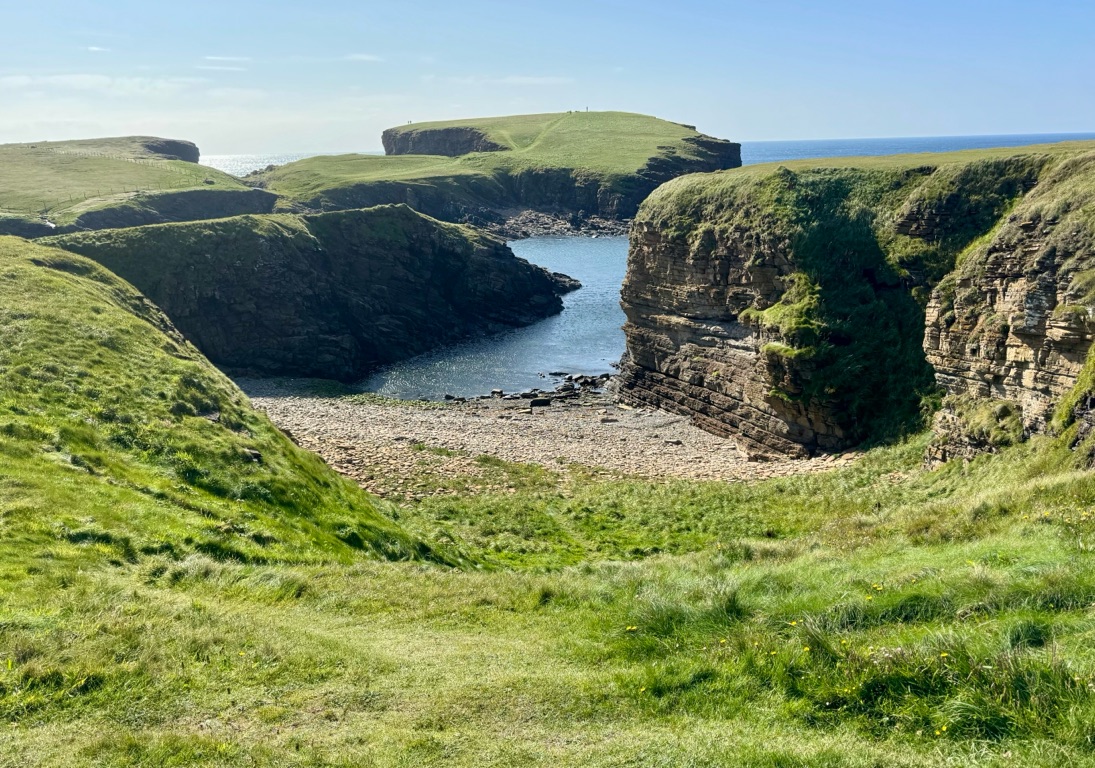
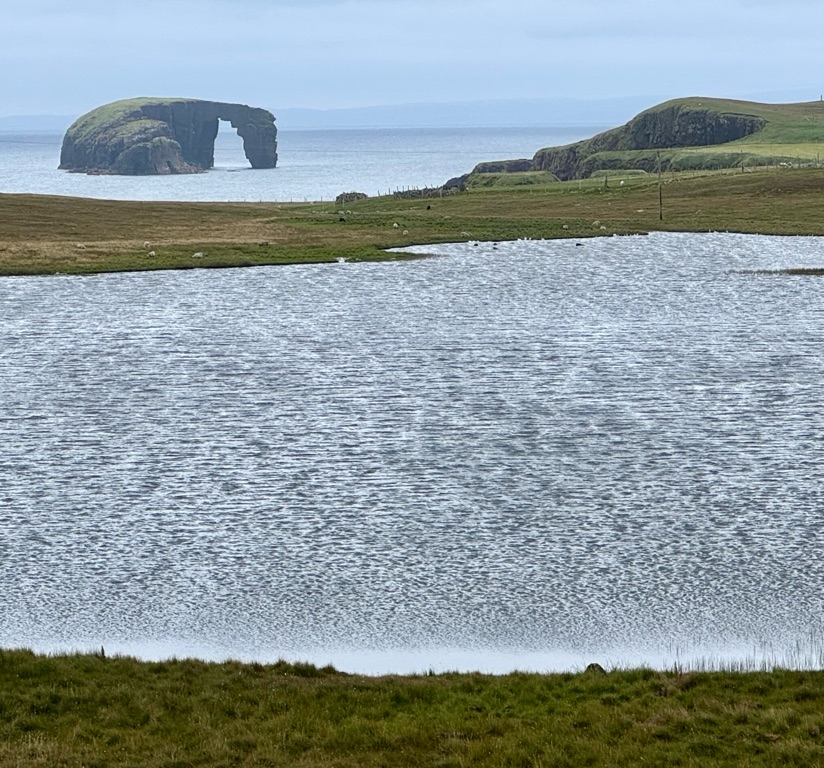
This is the Gloup. A sink hole that created a sea arch.

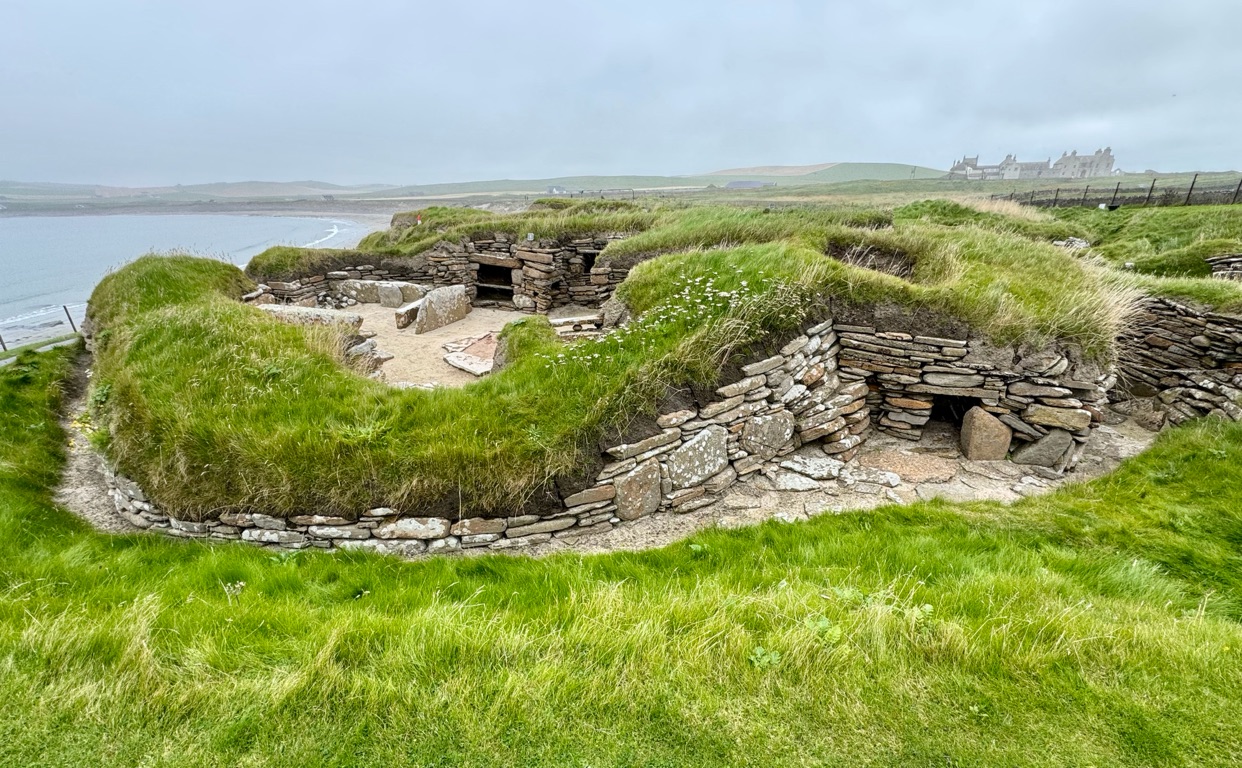
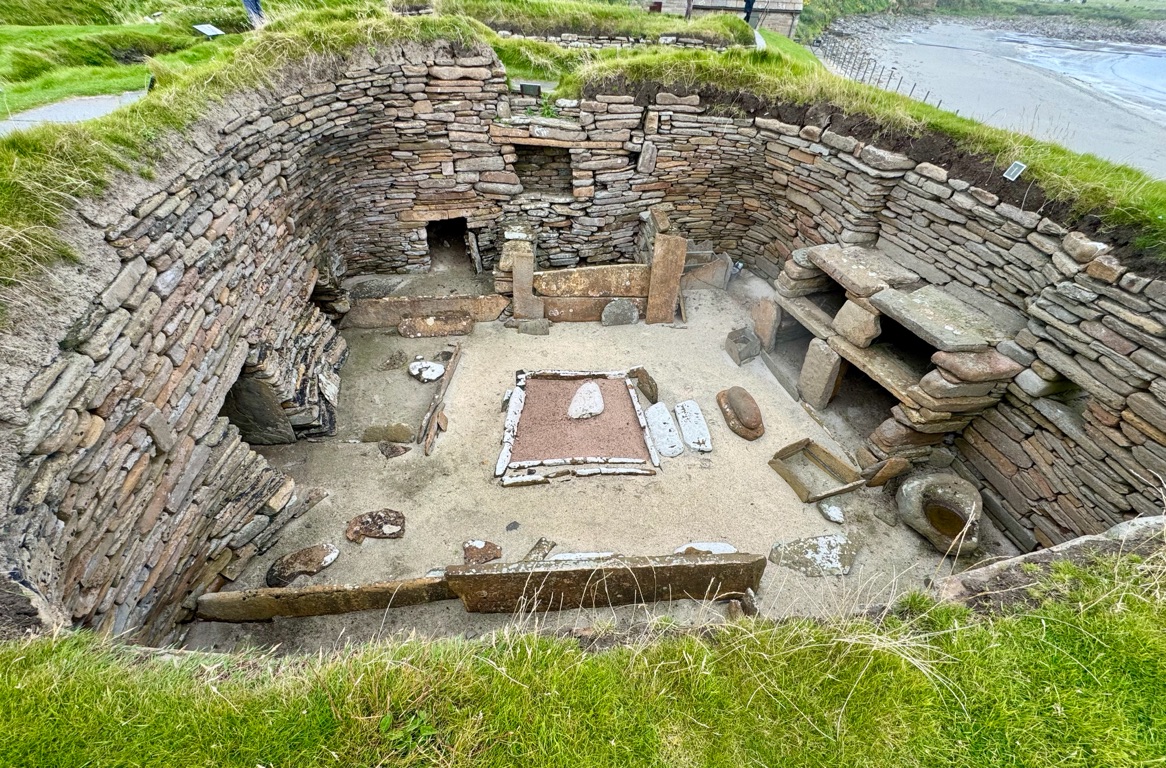
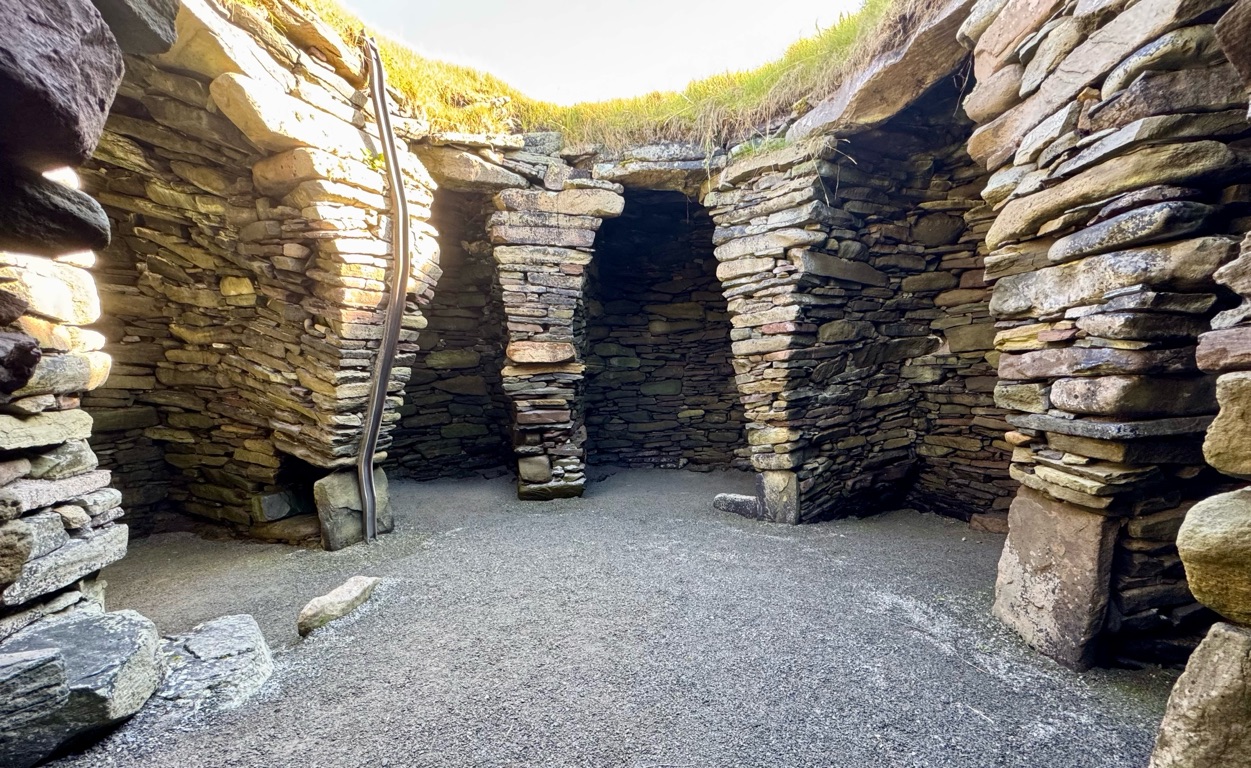
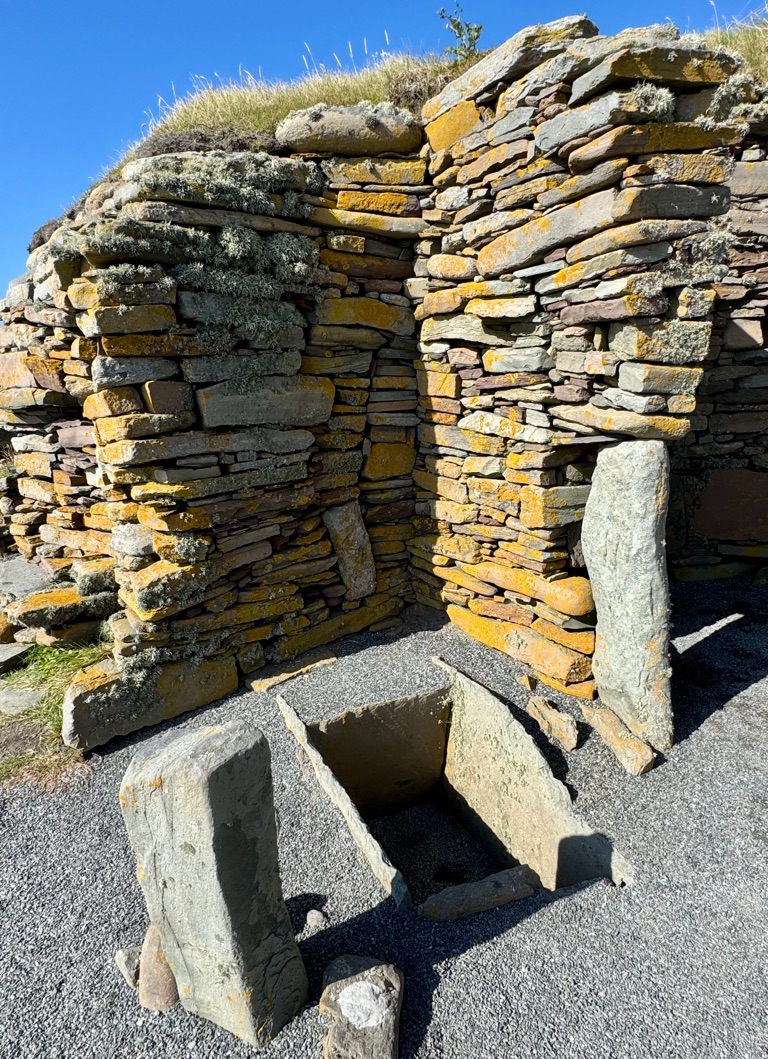
The dwellings had stone furniture like the shelves pictured here, bed alcoves, a hearth, jewelry, pottery, tools, etc.

There aren’t any square spaces or straight line walls. I love the curved organic structures.

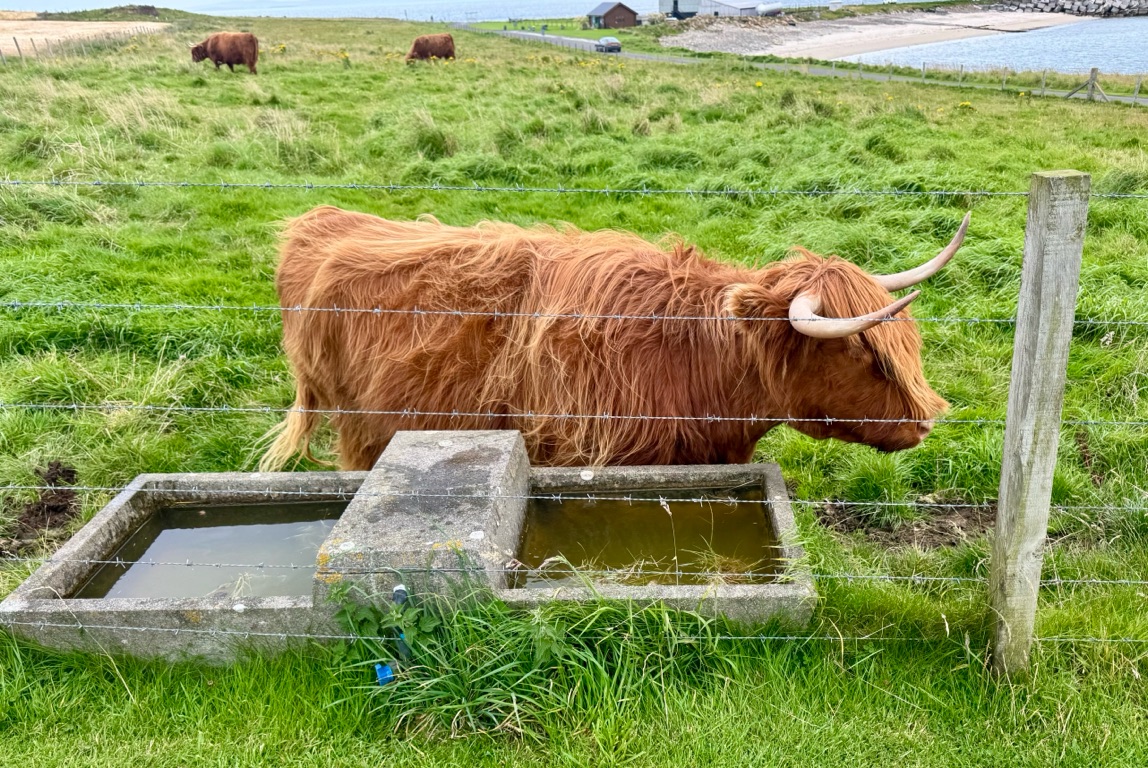
A highland coo.

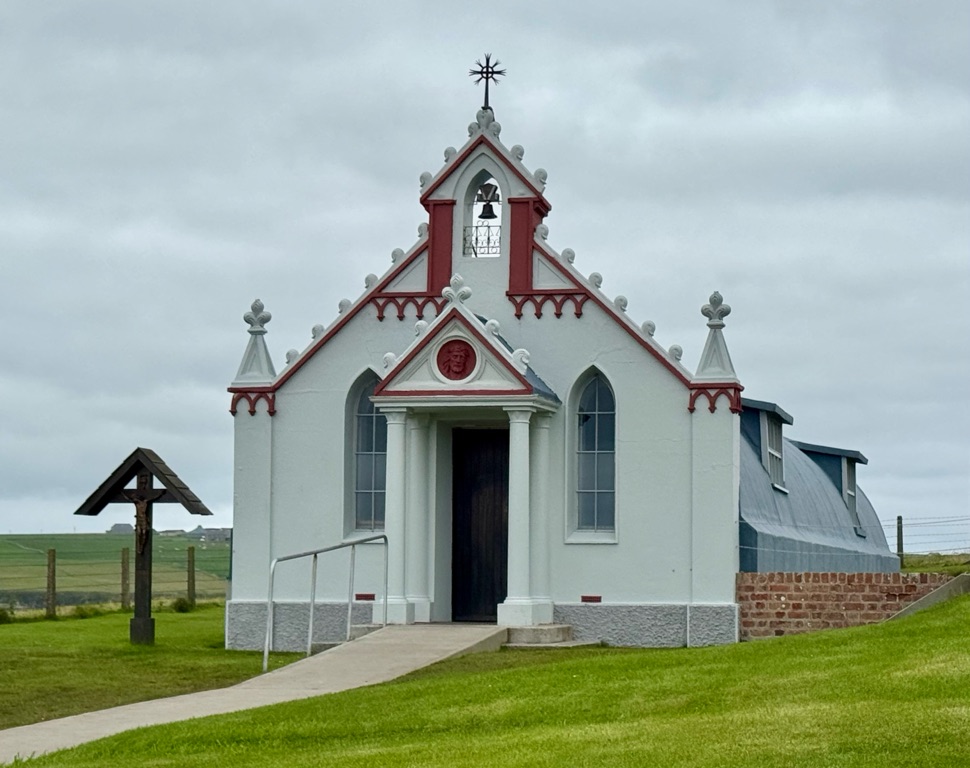
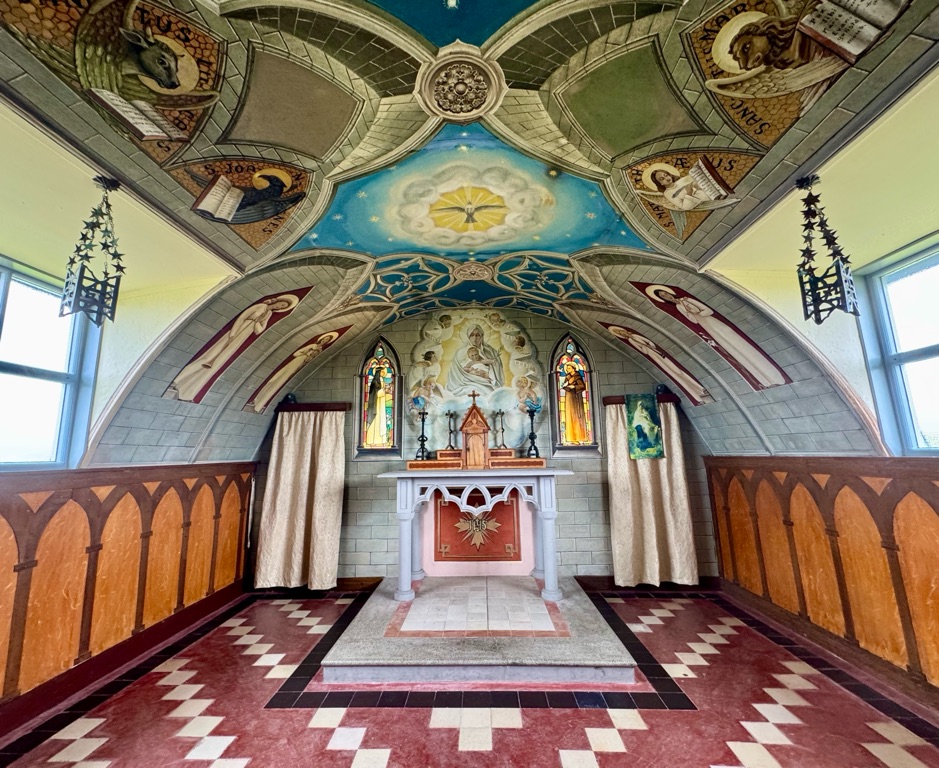
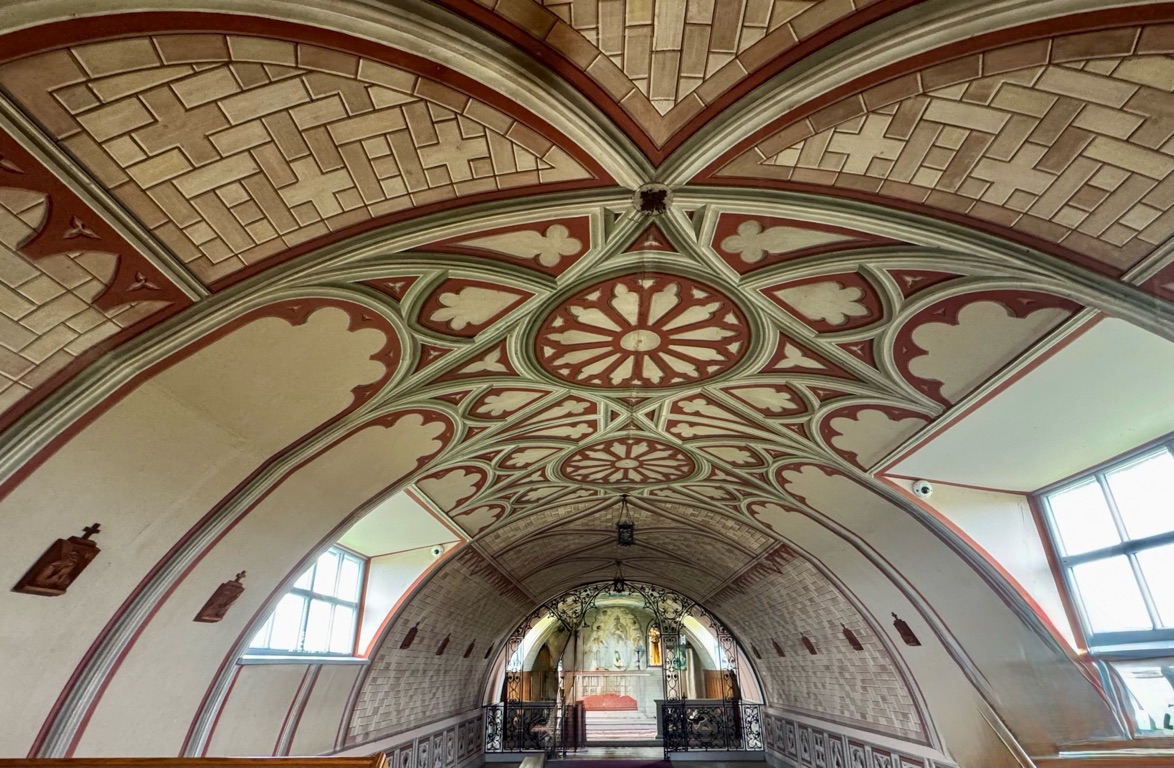
The Italian Chapel built by Italian prisoners of war during WWII. It’s made of two Quonset huts and a lot of artistry. The POW’s were here to build the Churchill barricades.

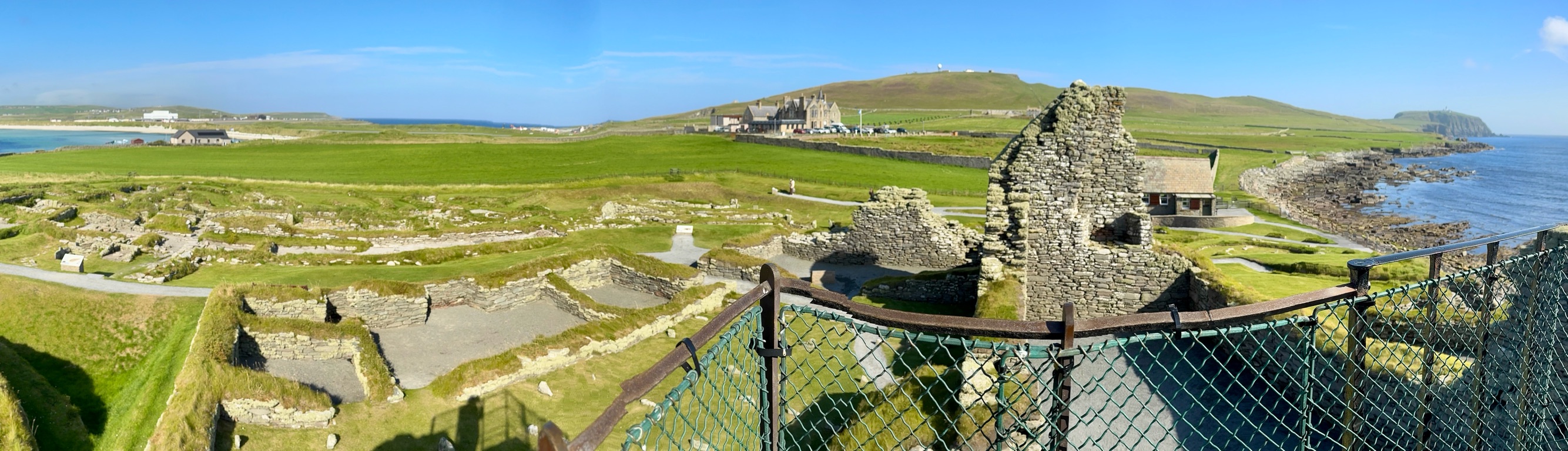
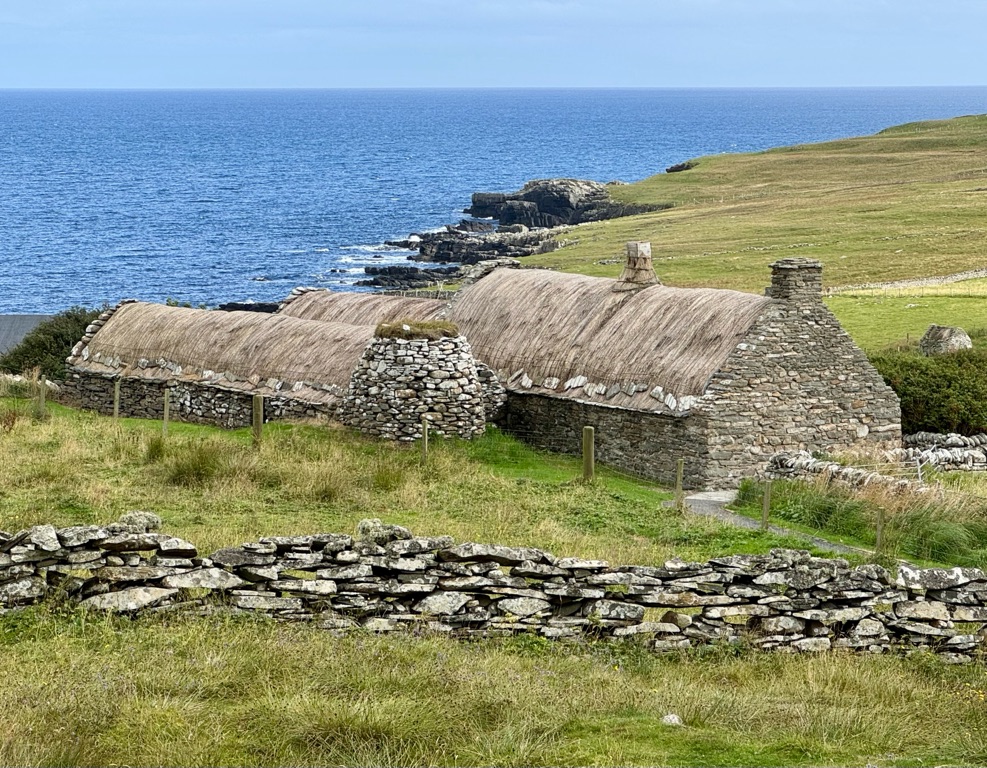
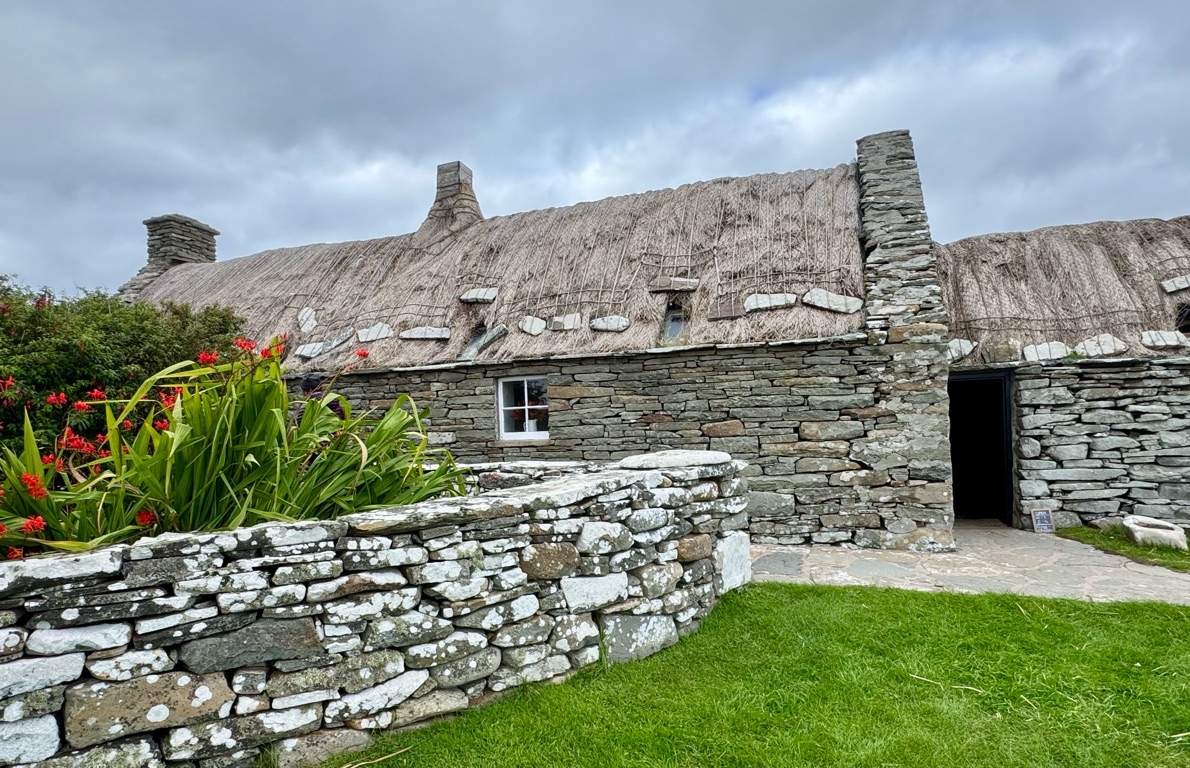
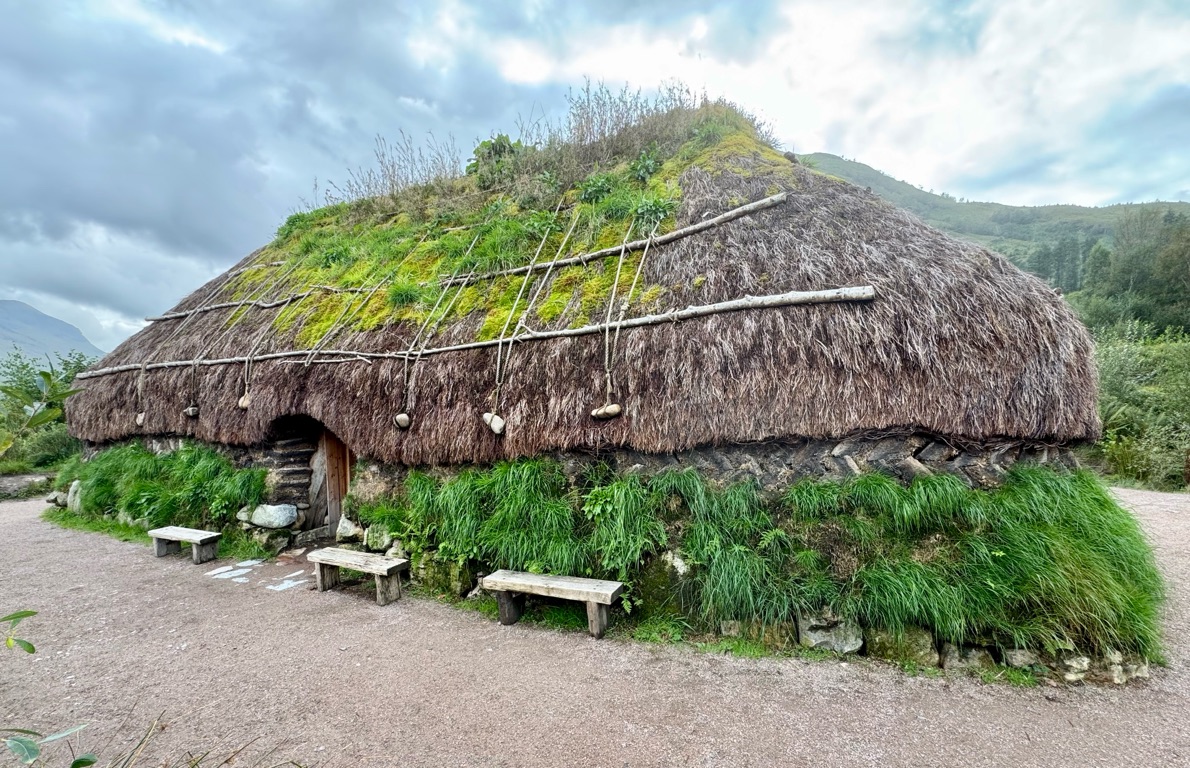
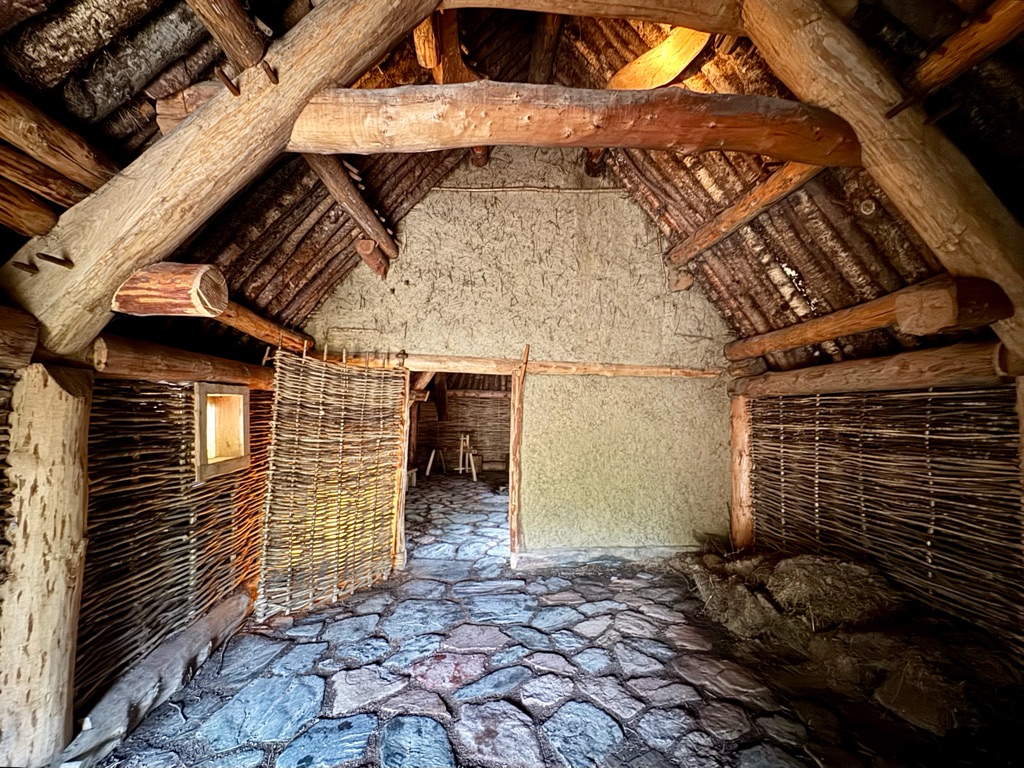
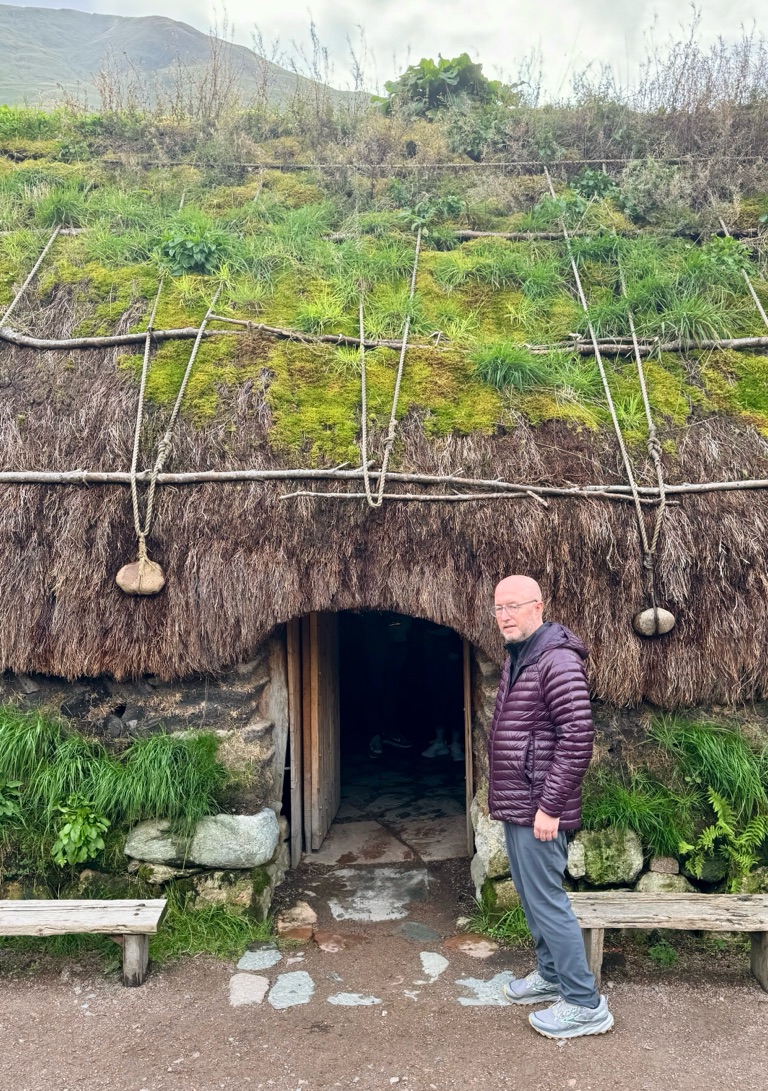
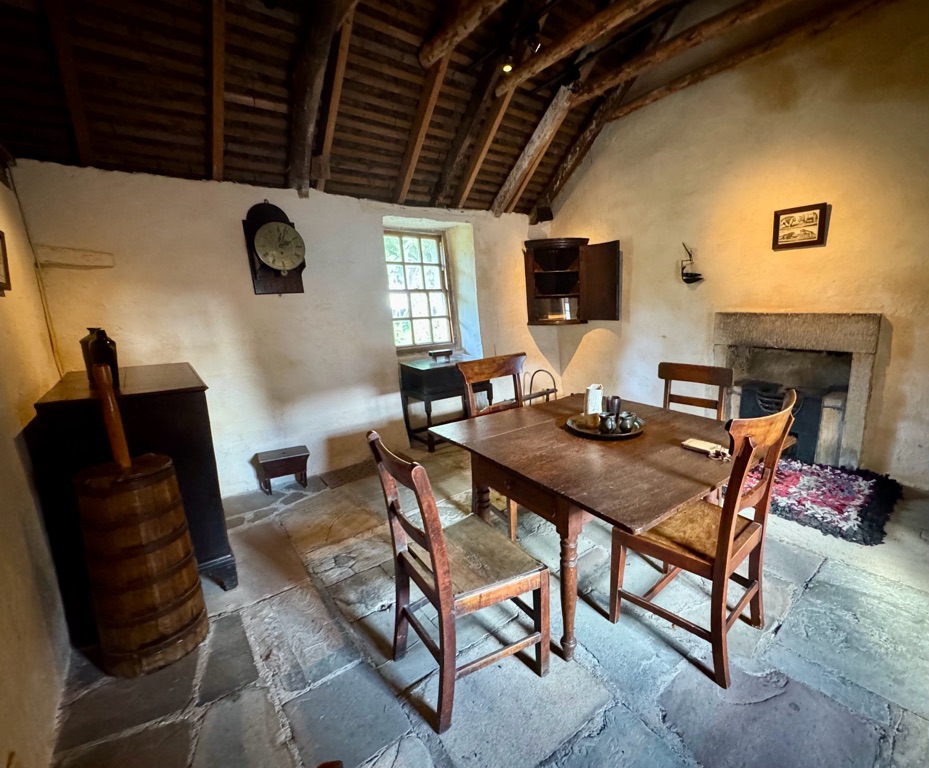
This is a reproduction of a dwelling at Skara Brae, a Neolithic Stone Age settlement exposed in sand dunes after a huge storm in the 1950’s.

Such clear water!

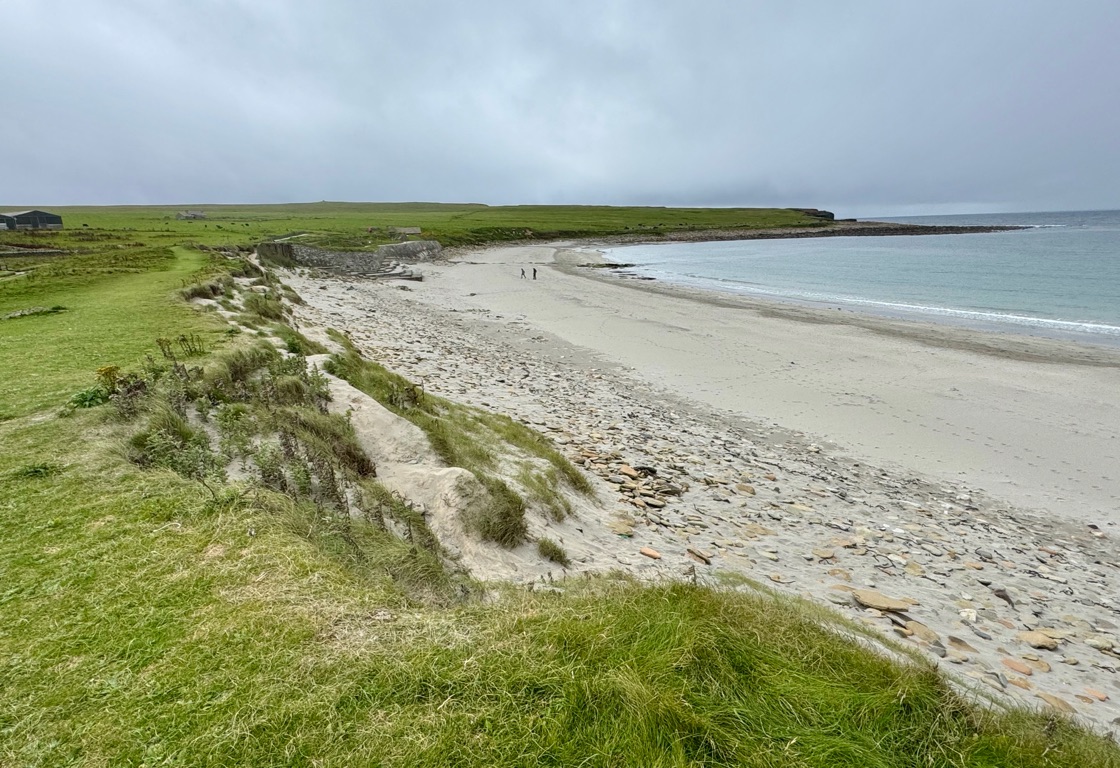
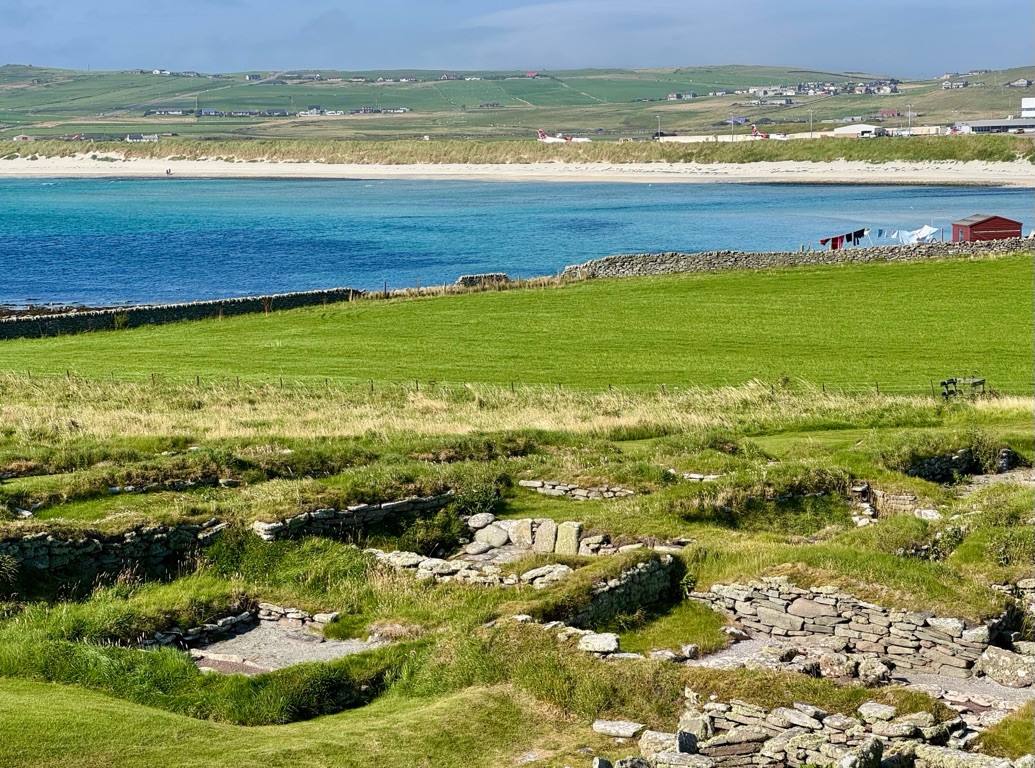
The settlement is along this beach about even with the people on the beach.

The hanging light fixtures were crafted from ration cans. The windows are painted glass.

The bricks are plaster painted to look 3-dimensional.

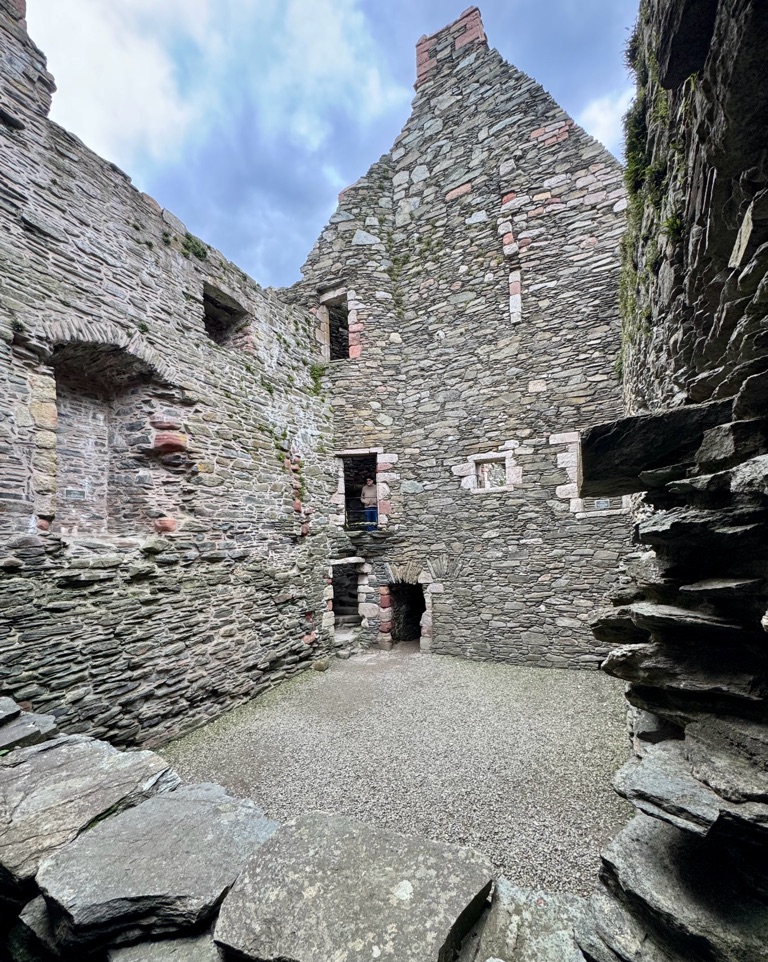
There are remains of an 11th century church on the promontory along with other structures. Not the most inviting place to live and tricky to get to up and down cliffs.

The dwelling the recreation was based on.

7
Maeshowe Chambered Cairn

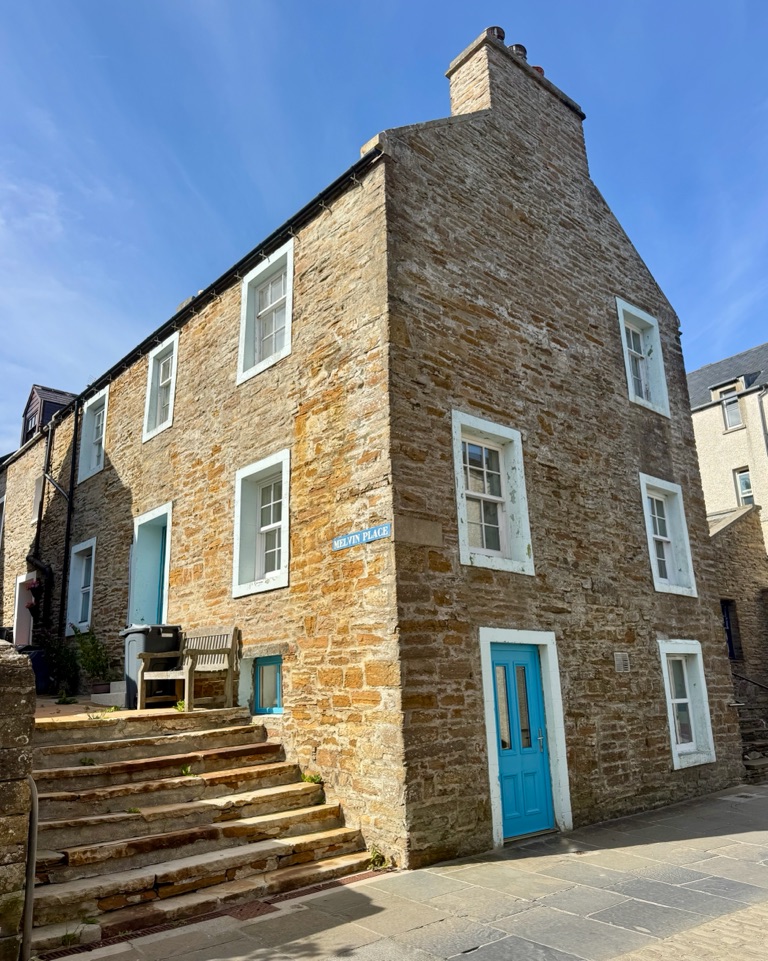
We spent a lovely afternoon walking around the town of Stromness. It’s a fishing town. It also had a Hudson’s Bay office which resulted in a lot of residents traveling to Canada in the 1800’s and early 1900’s.

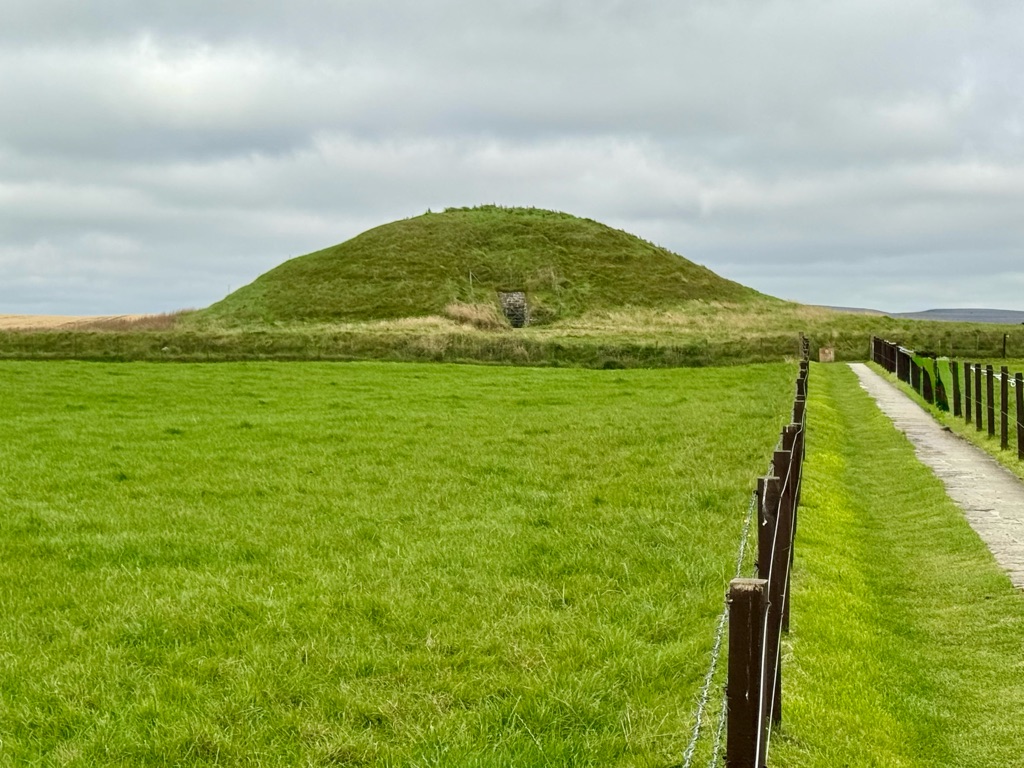
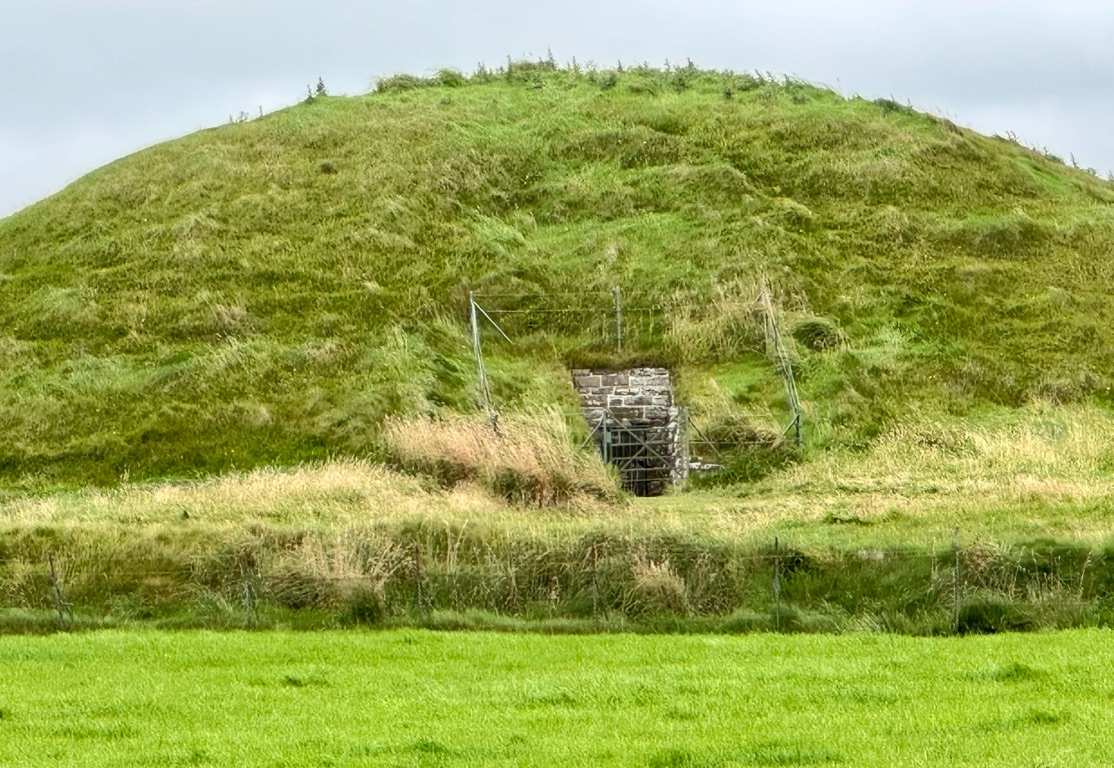
Walk to the cairn.

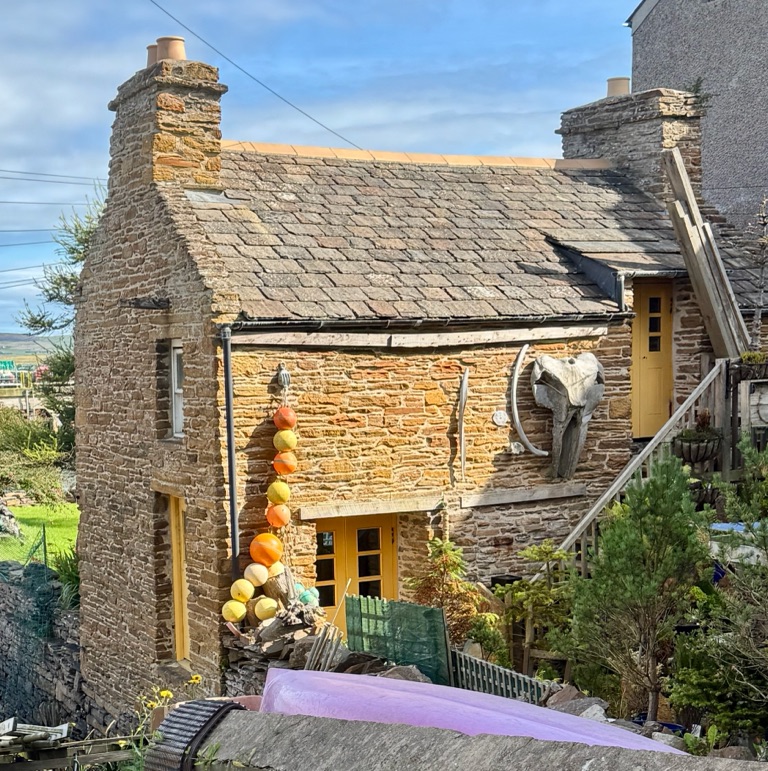
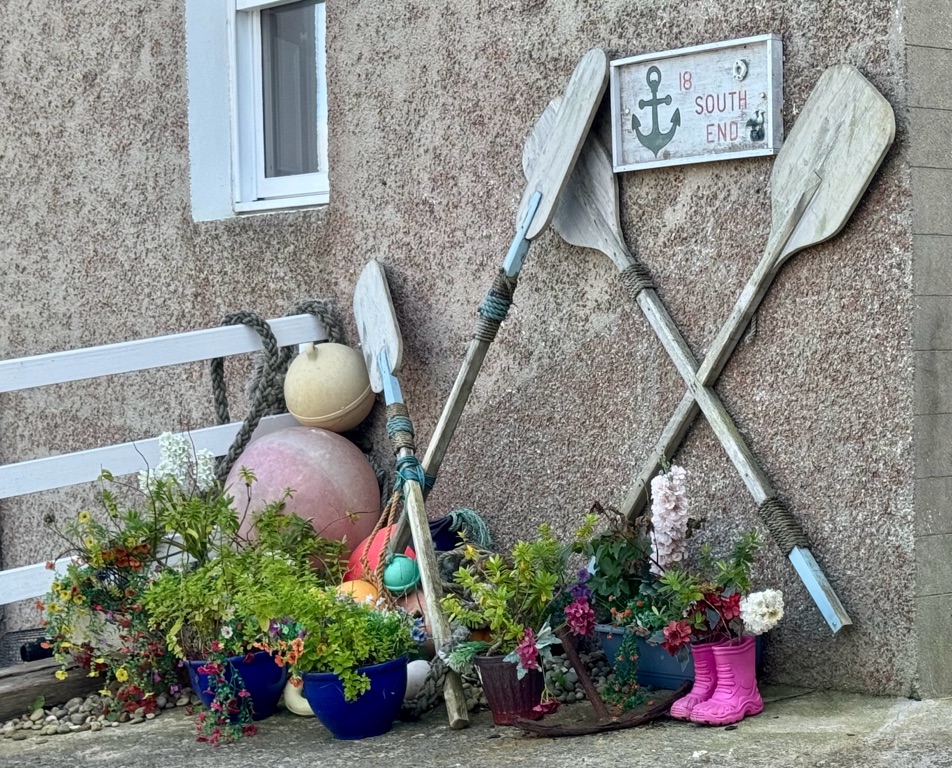
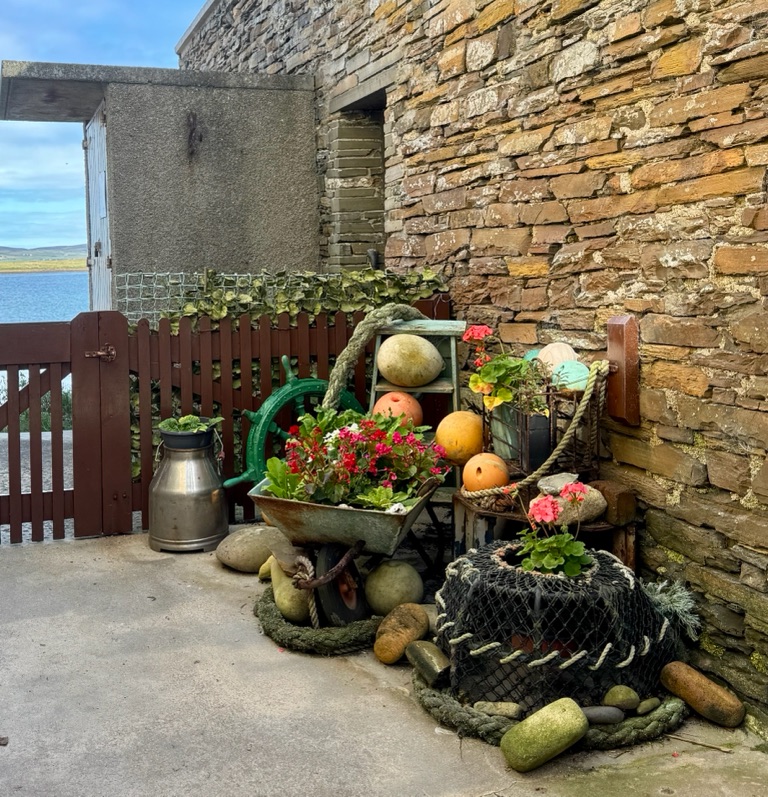
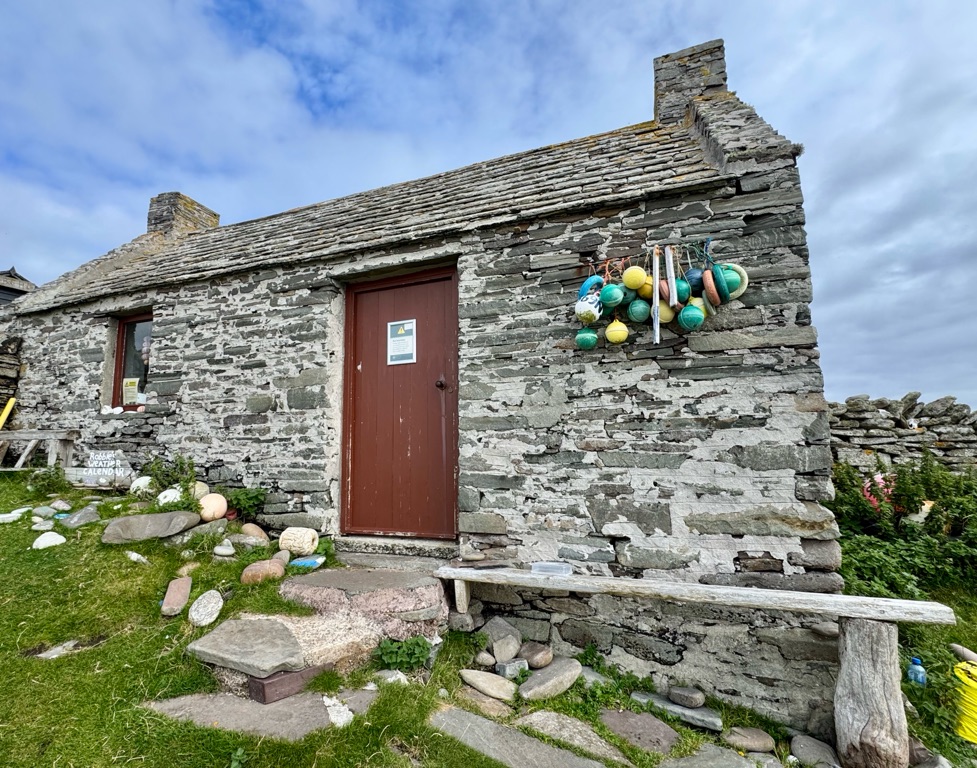
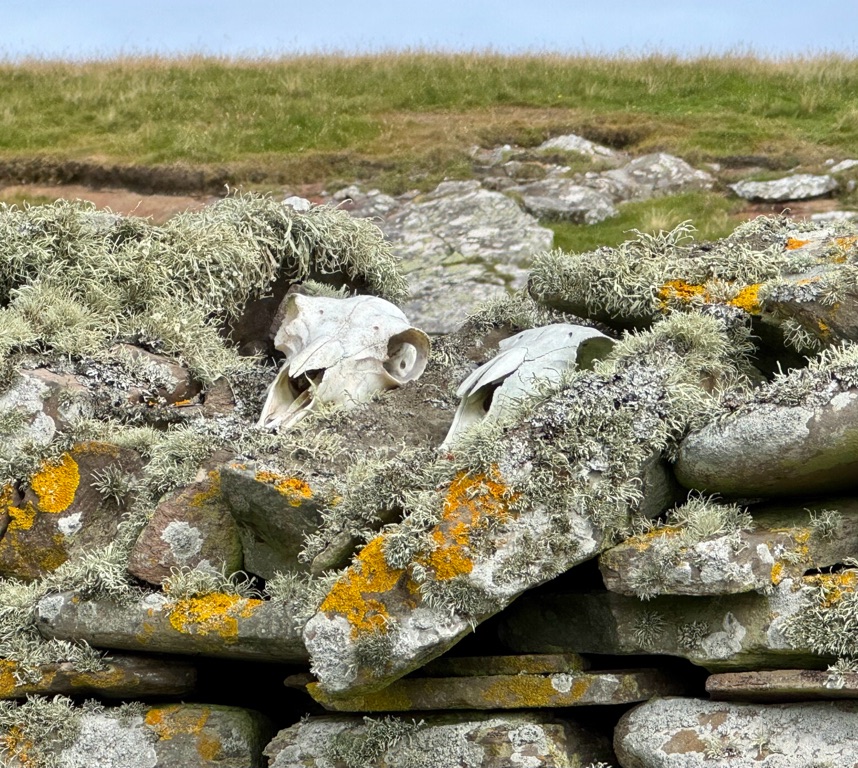
Also lots of nautical embellishments like bouys and whale skulls. I’d love to see the inside of this cottage!

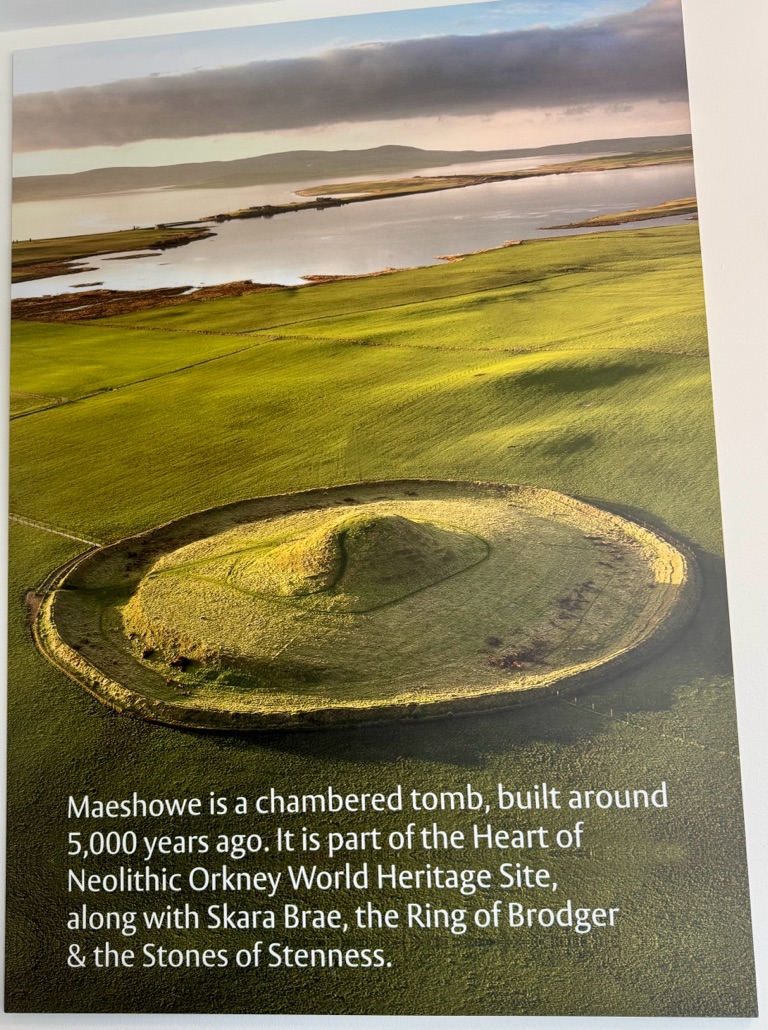
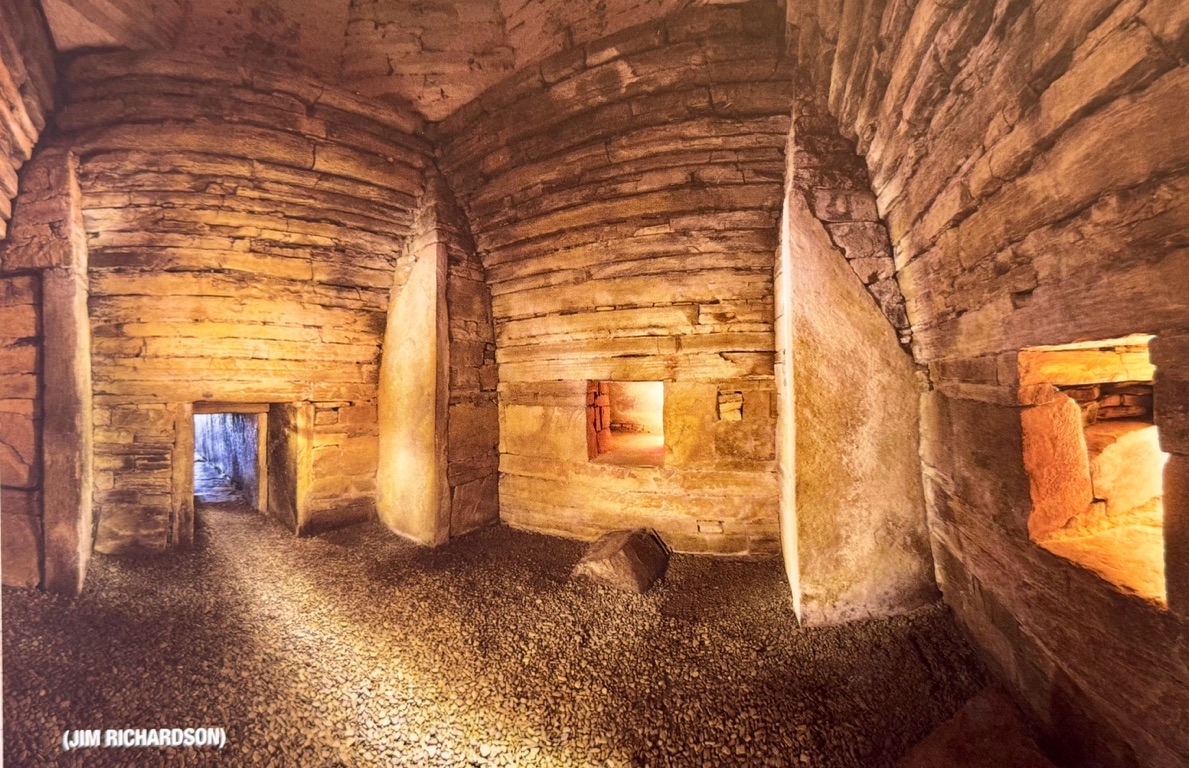
This poster in the visitors center shows it in a way I can’t capture. It refers to it as a tomb, but there’s debate about that and it may actually be the equivalent of a temple.

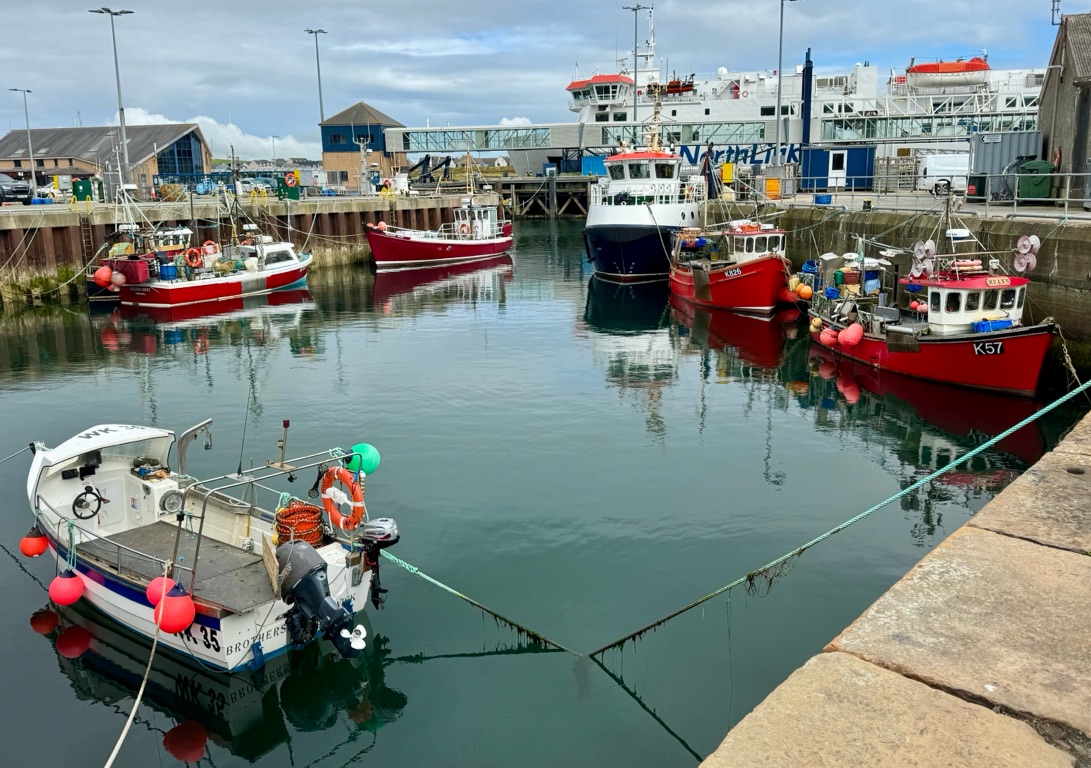
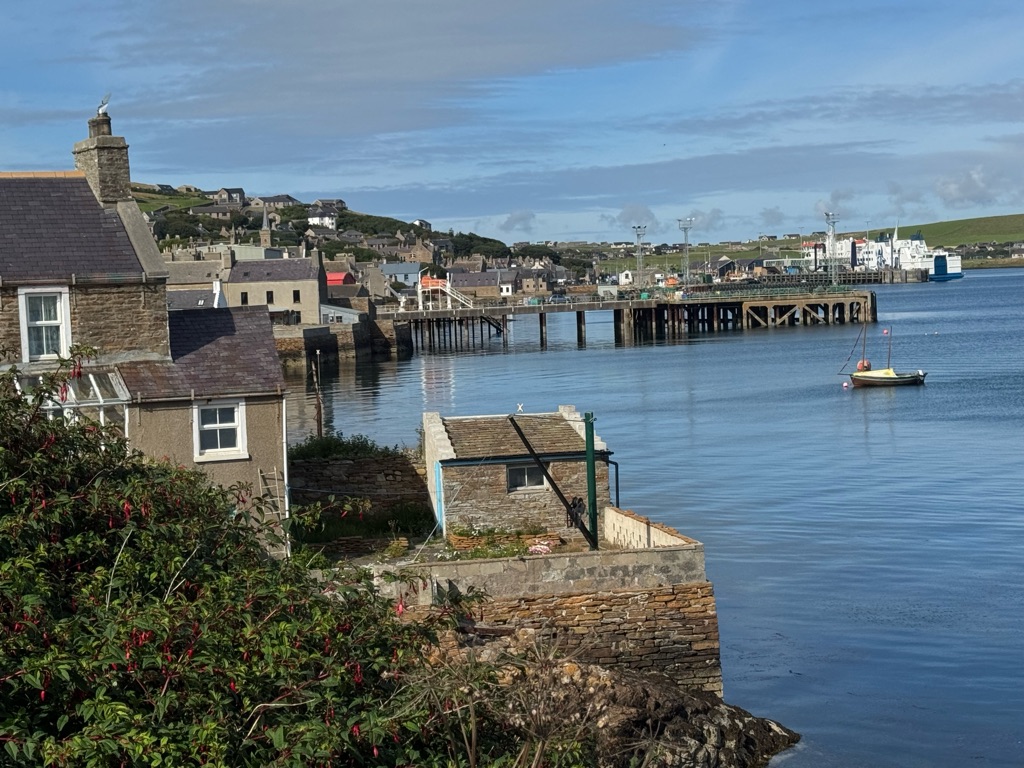
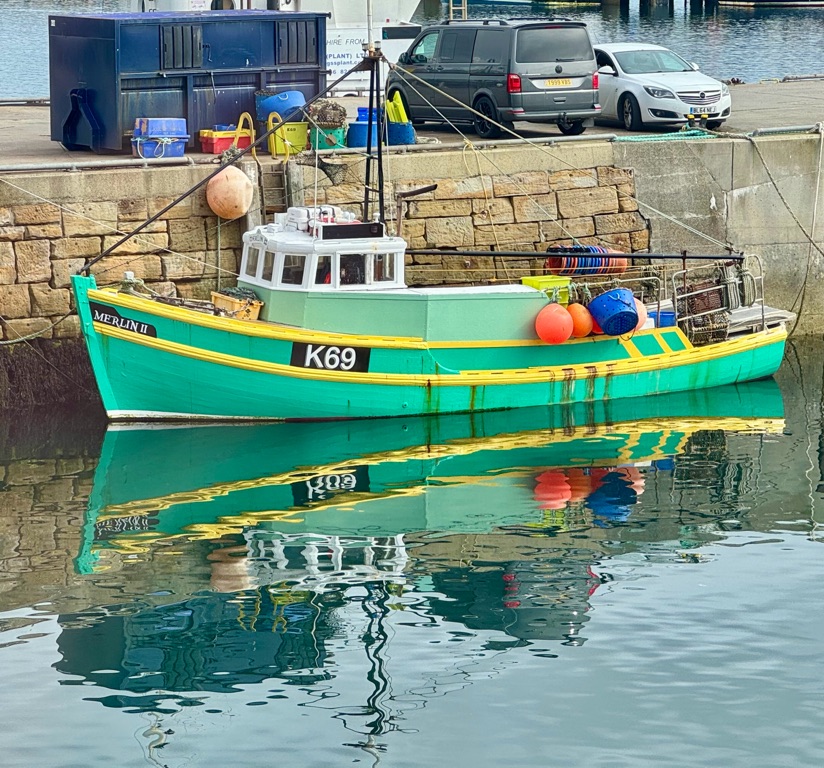
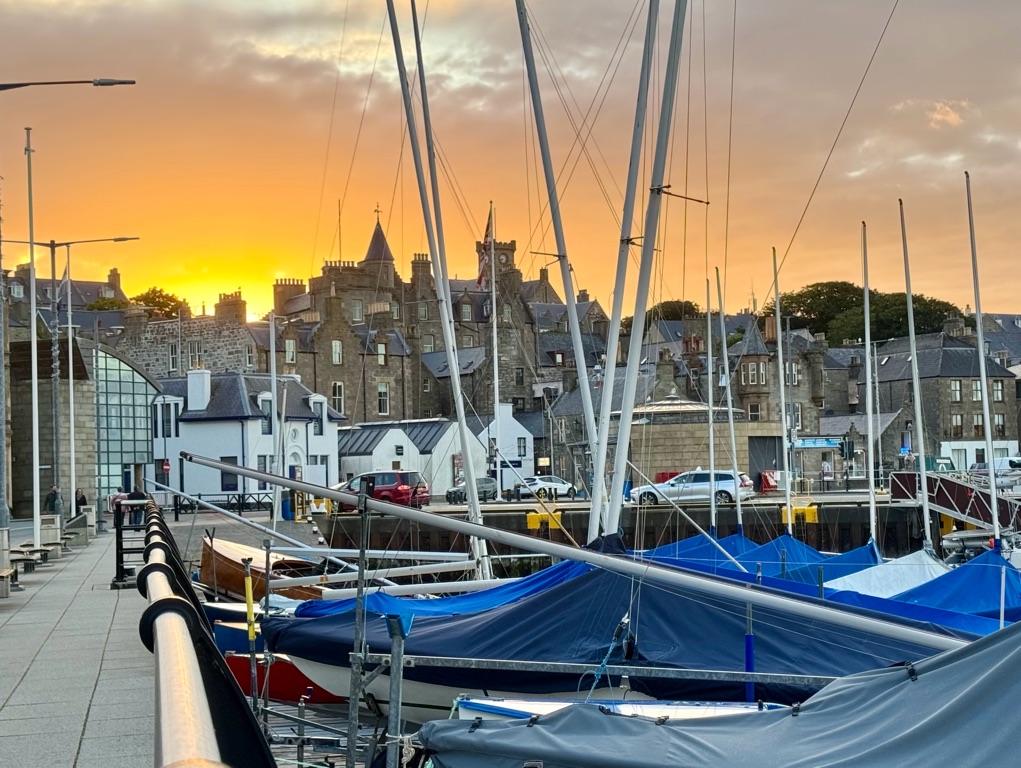
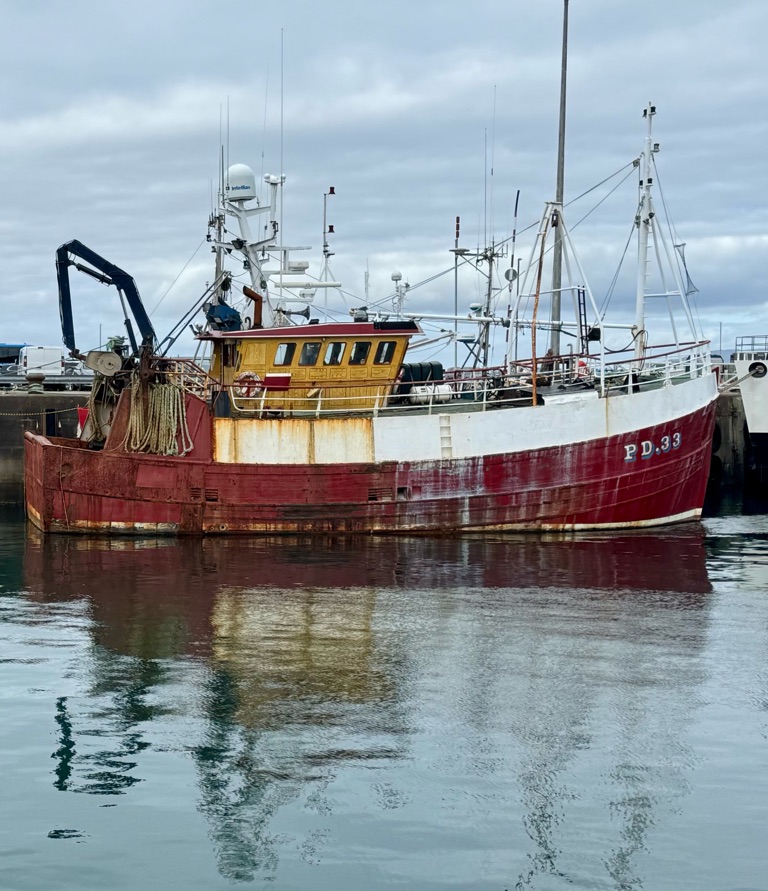
Lots of fishing boats and the ferry to mainland Scotland in the background.

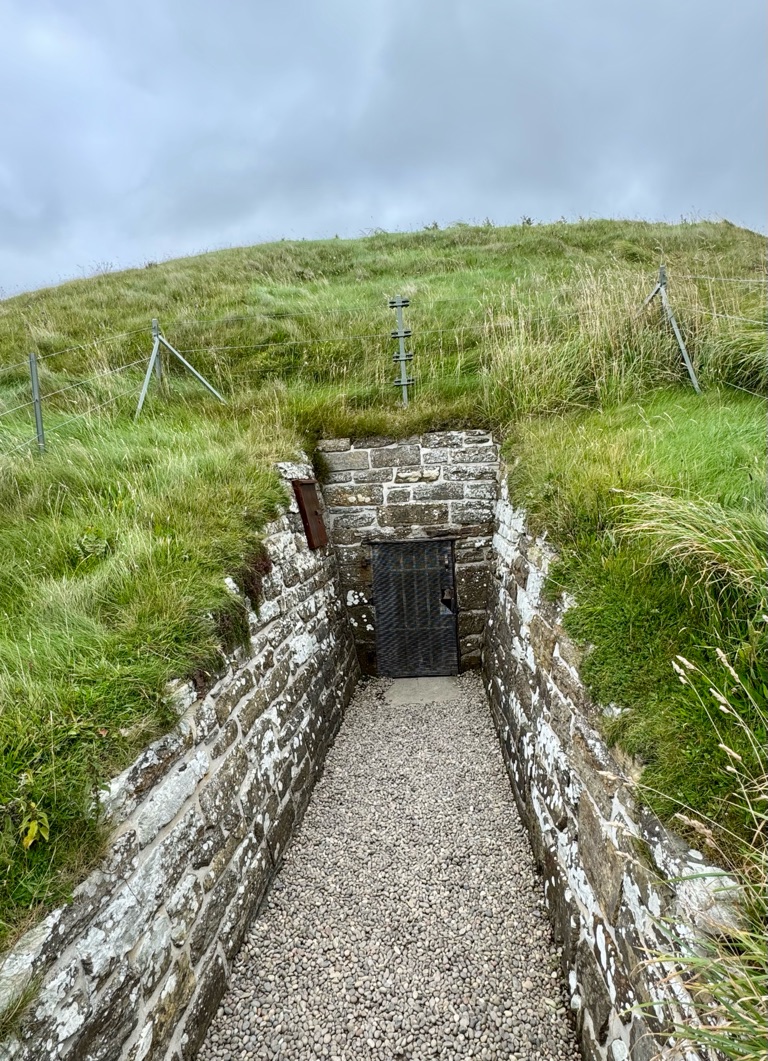
Entry.

Lots of stone construction.

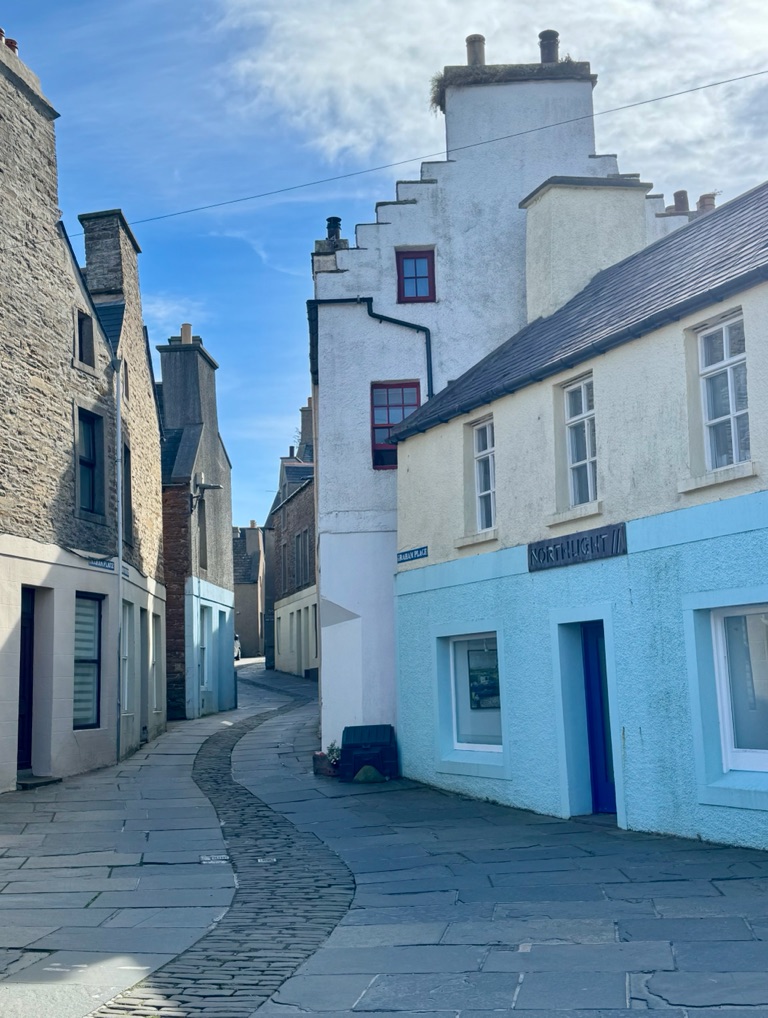
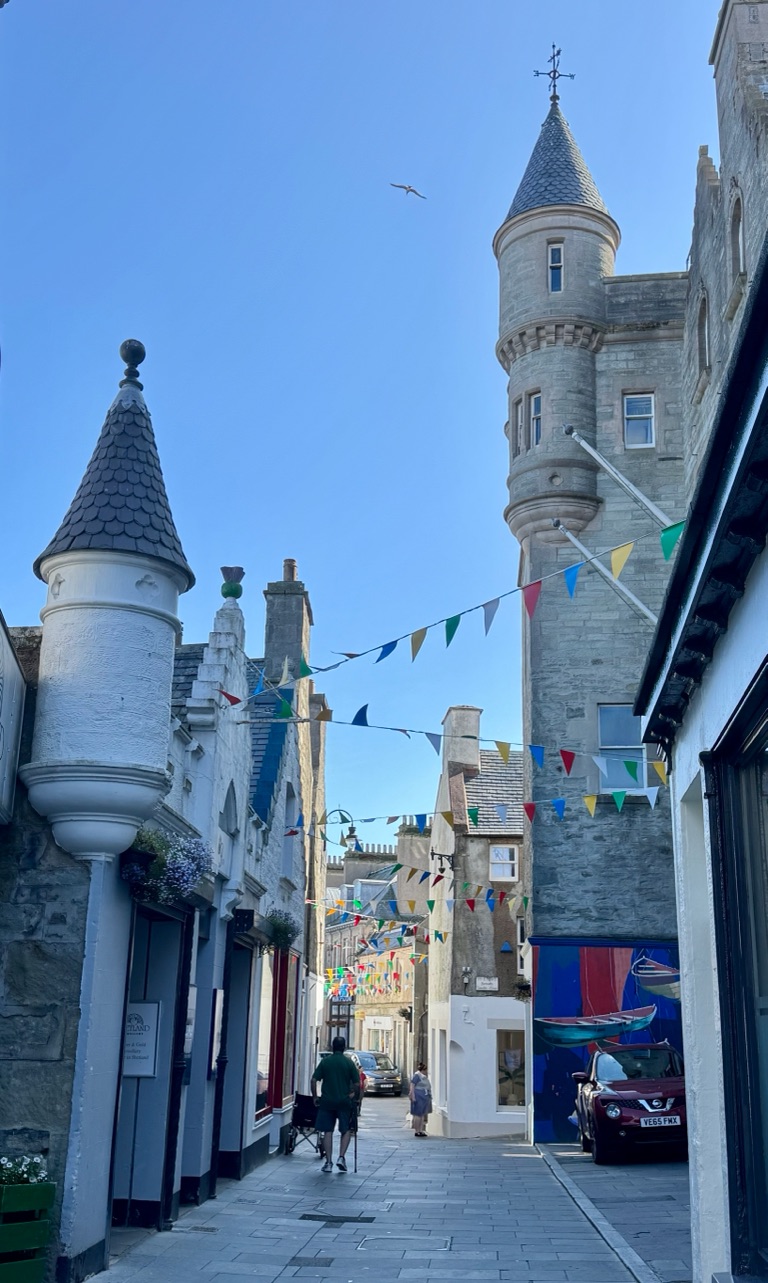
This is the main historic street where most of the business and many houses are located.

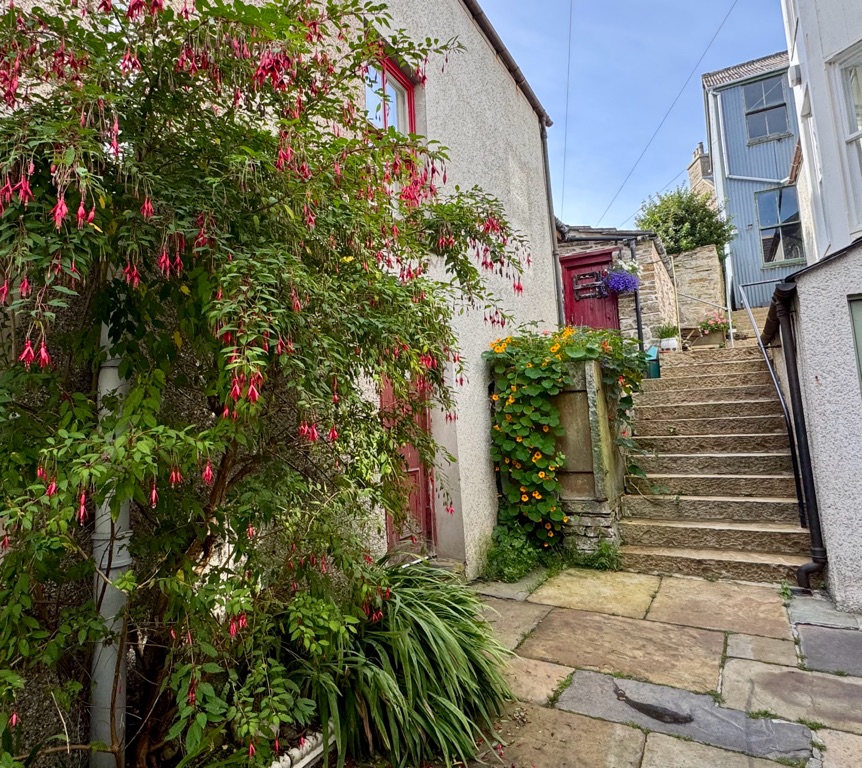
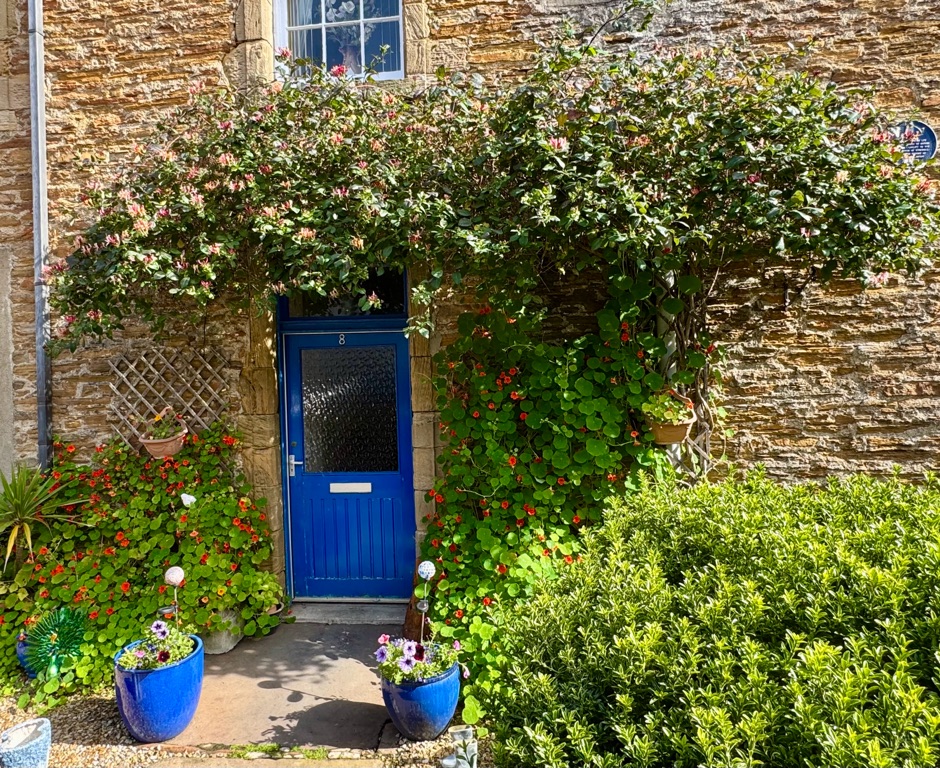
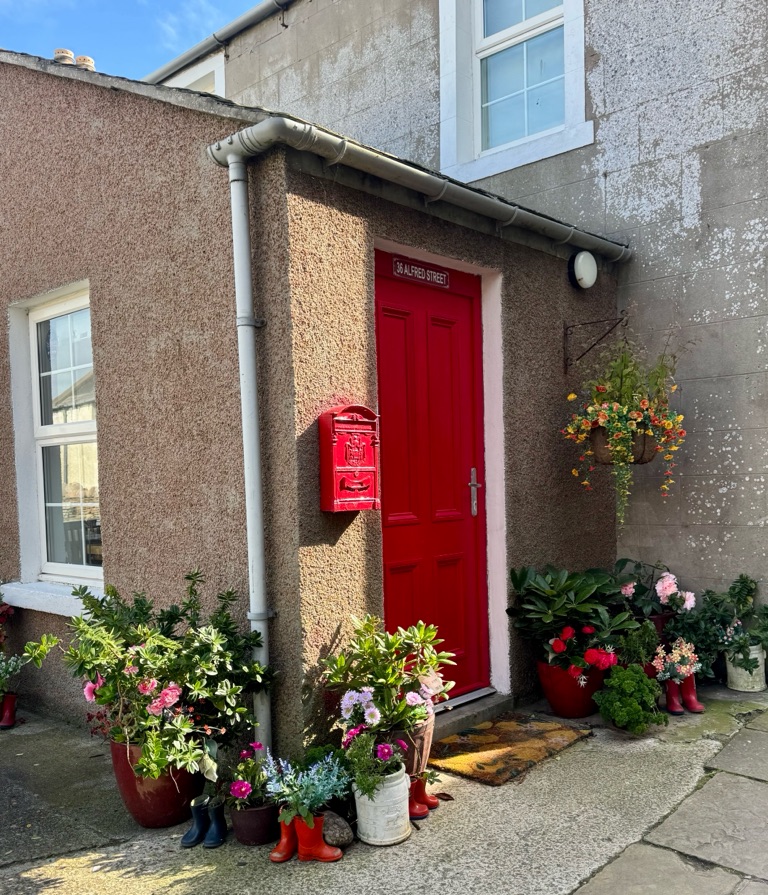
Many houses have colorful flowers at the front door.

Pocket park along the road with benches and a view.

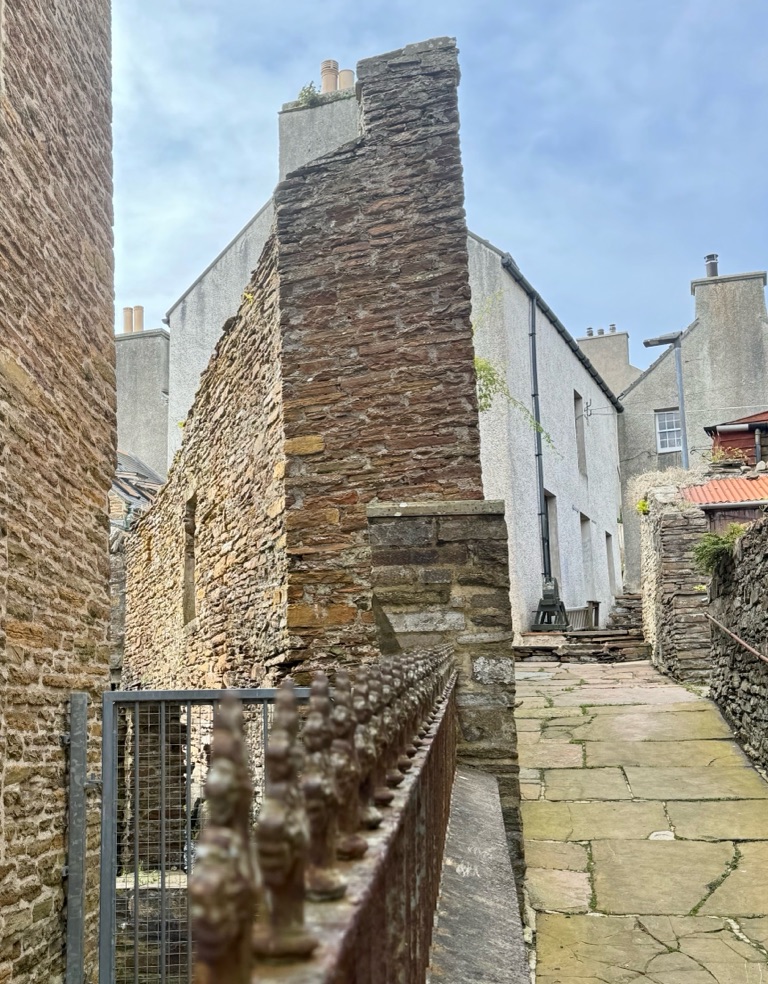
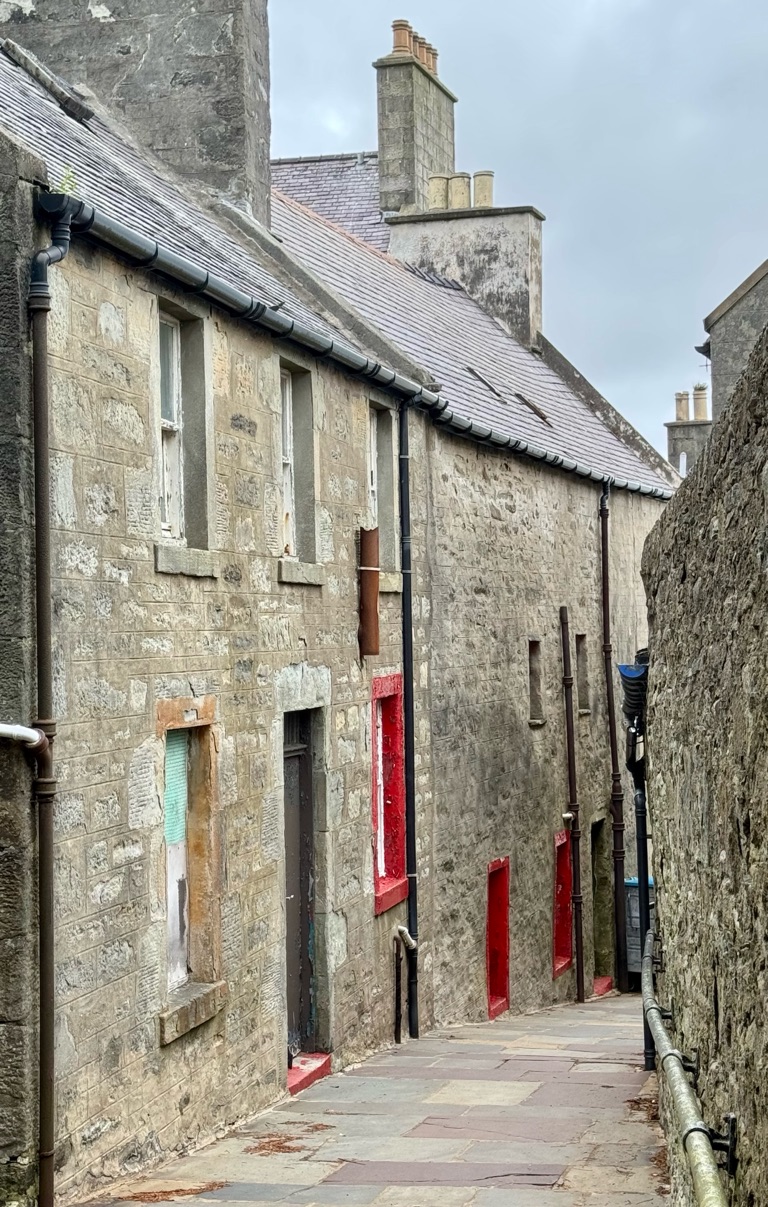
Narrow alleys run off the stree up the hill to more homes.

Houses built right on the water.

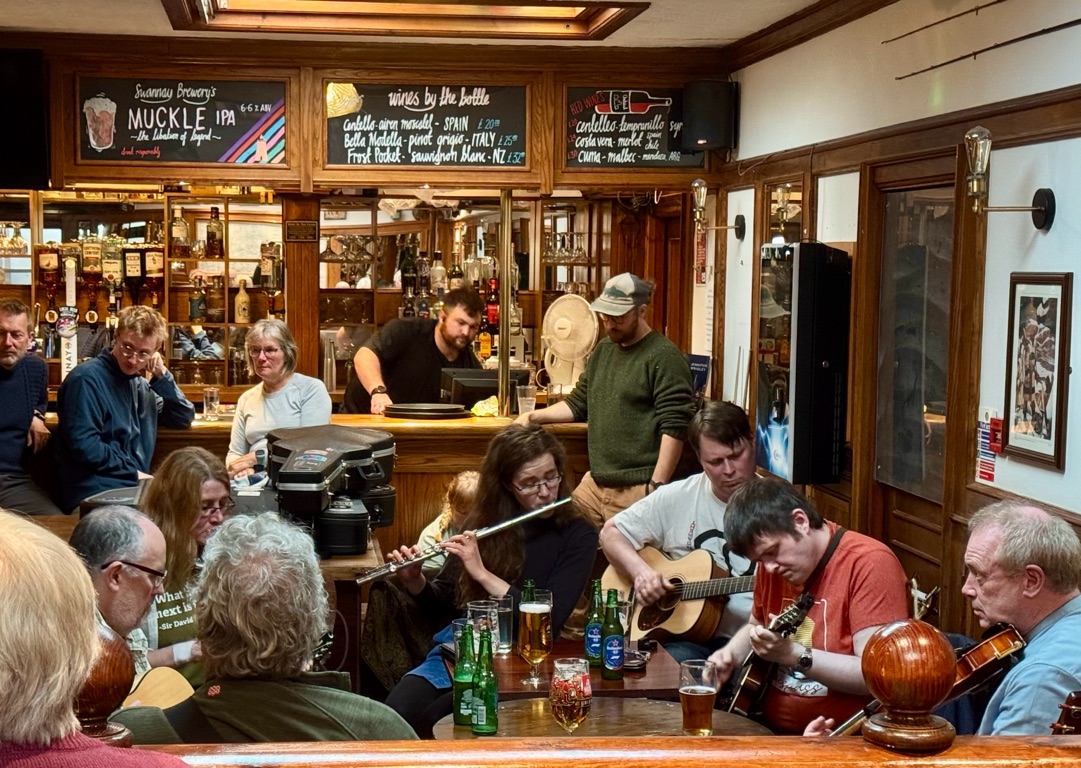
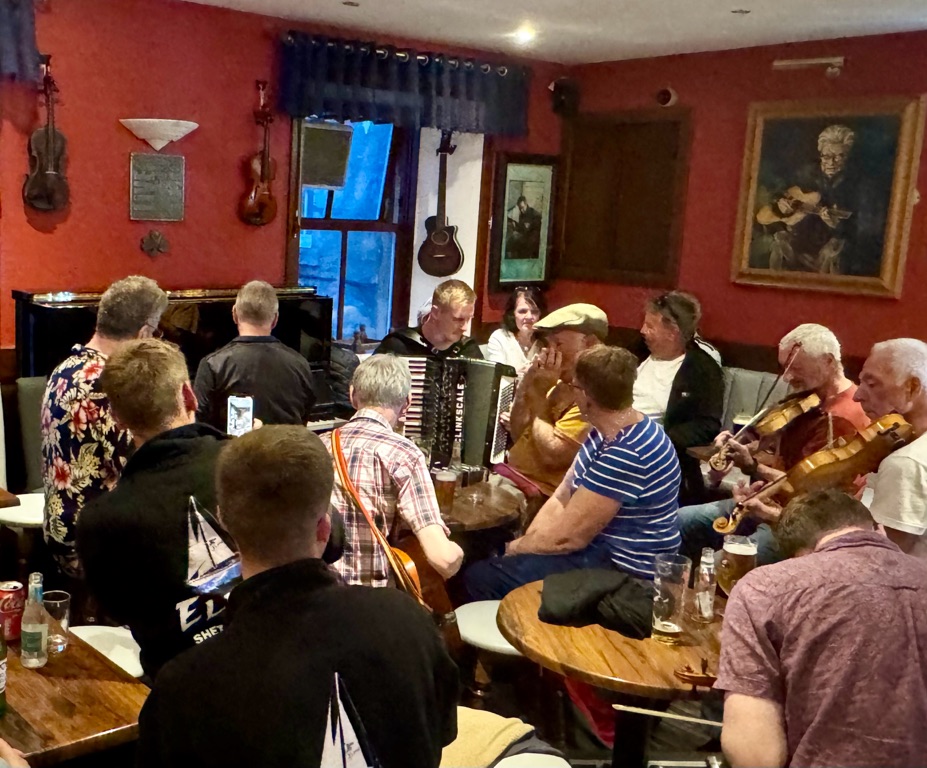
We were super lucky to come across a traditional music session in a cozy pub along the way.

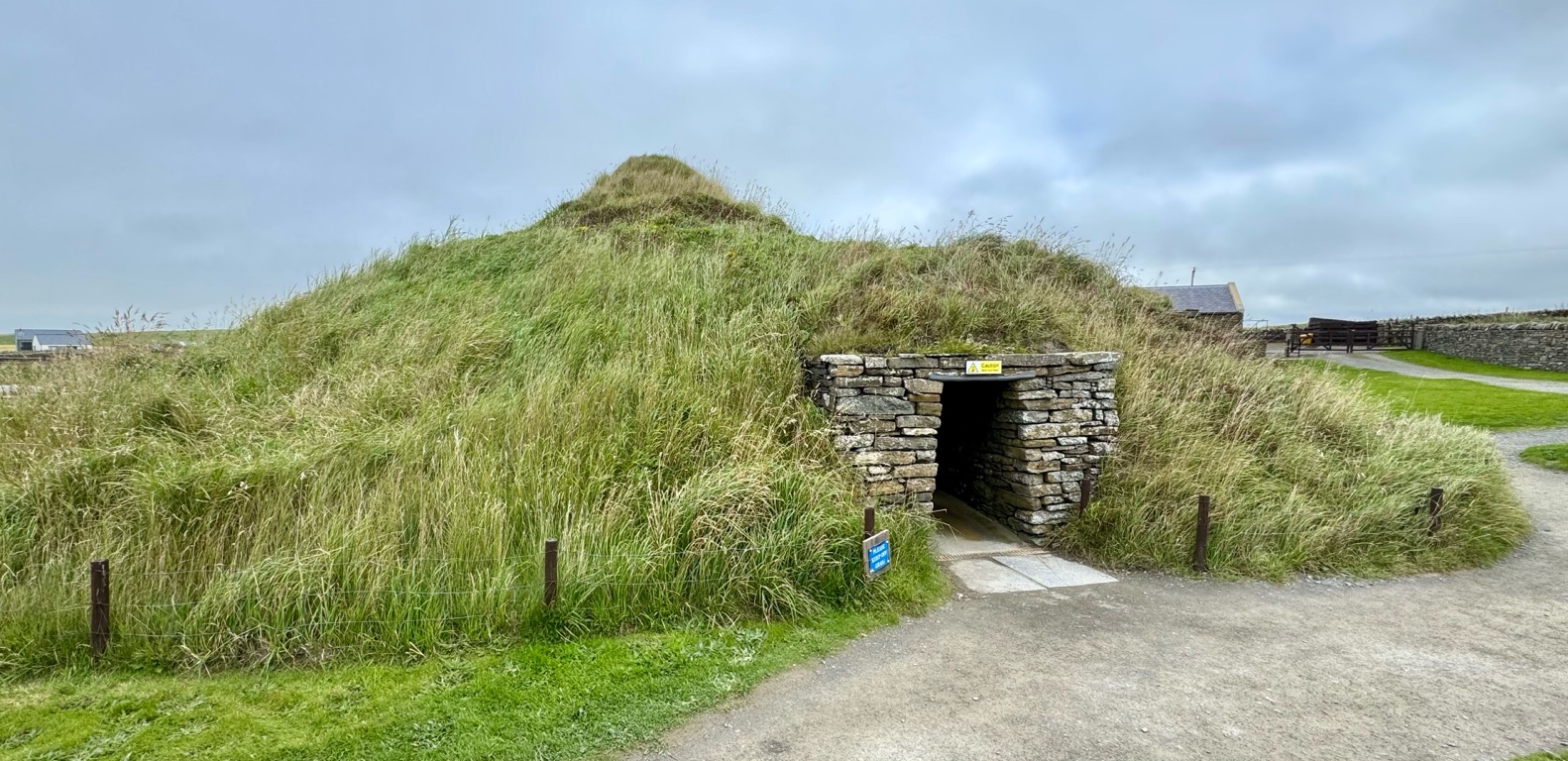
We’ve been fortunate in getting to see some of the most notable archeological sites and capped things off with the best one, the Maeshowe Chambered Cairn.

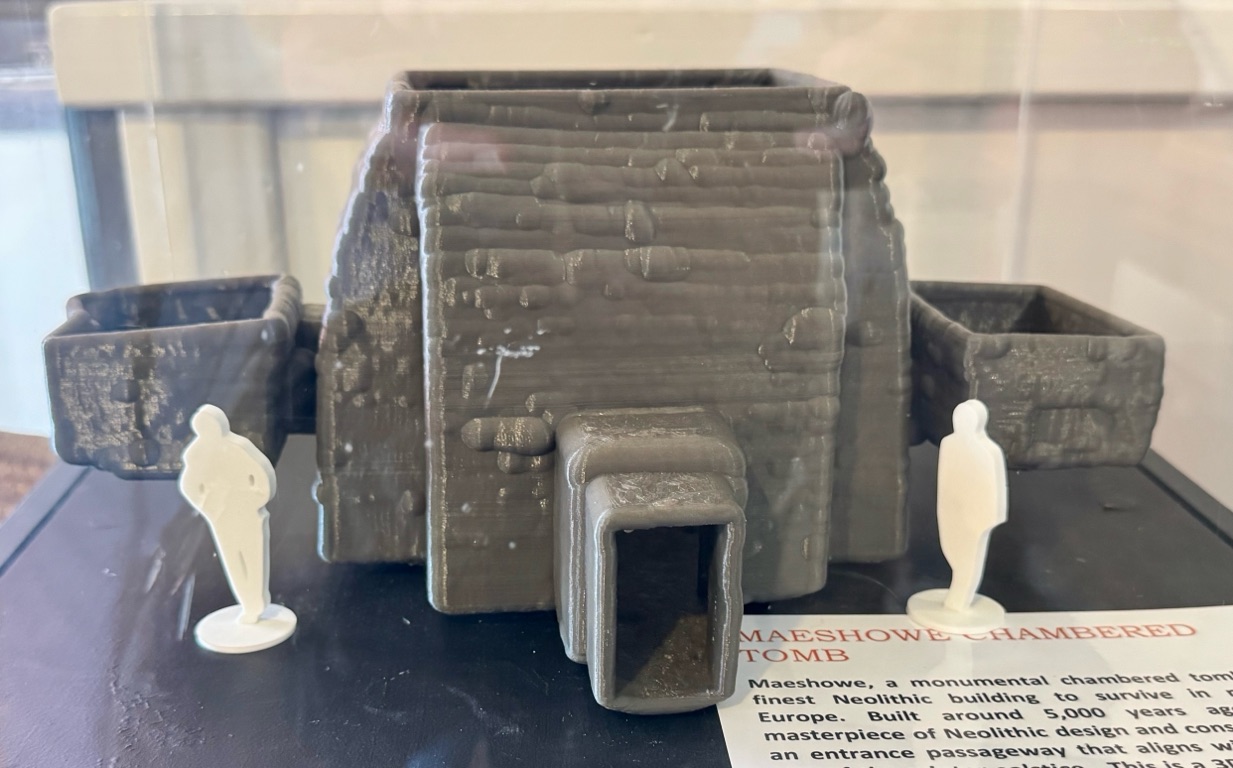
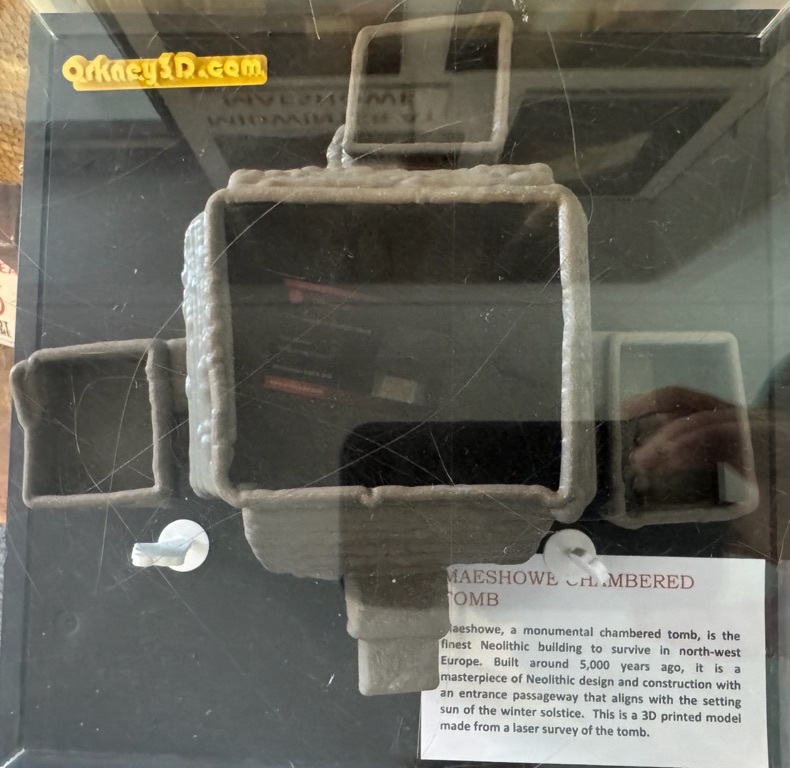
They didn’t allow us to take photos inside so this is a photo from the visitors center. The doorway aligns with the winter solstice sunset and the whole chamber is illuminated over a period of a week before and after solstice in December. Assuming the sun is visible, which in winter is not frequent.

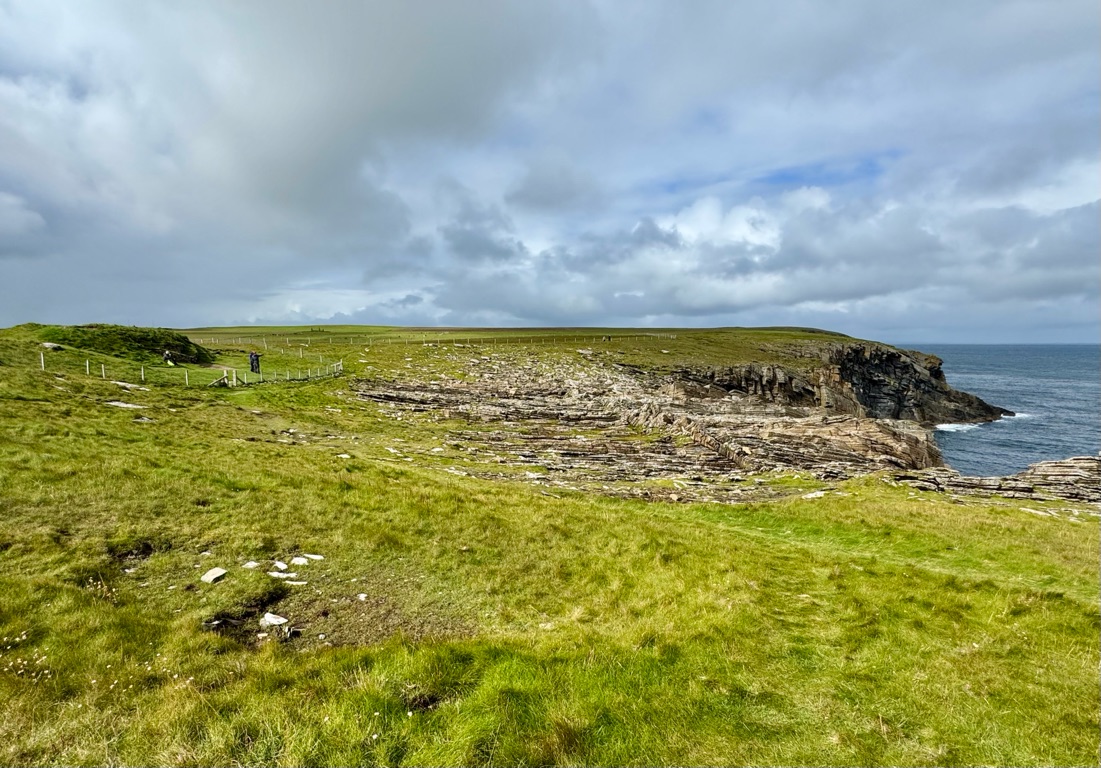
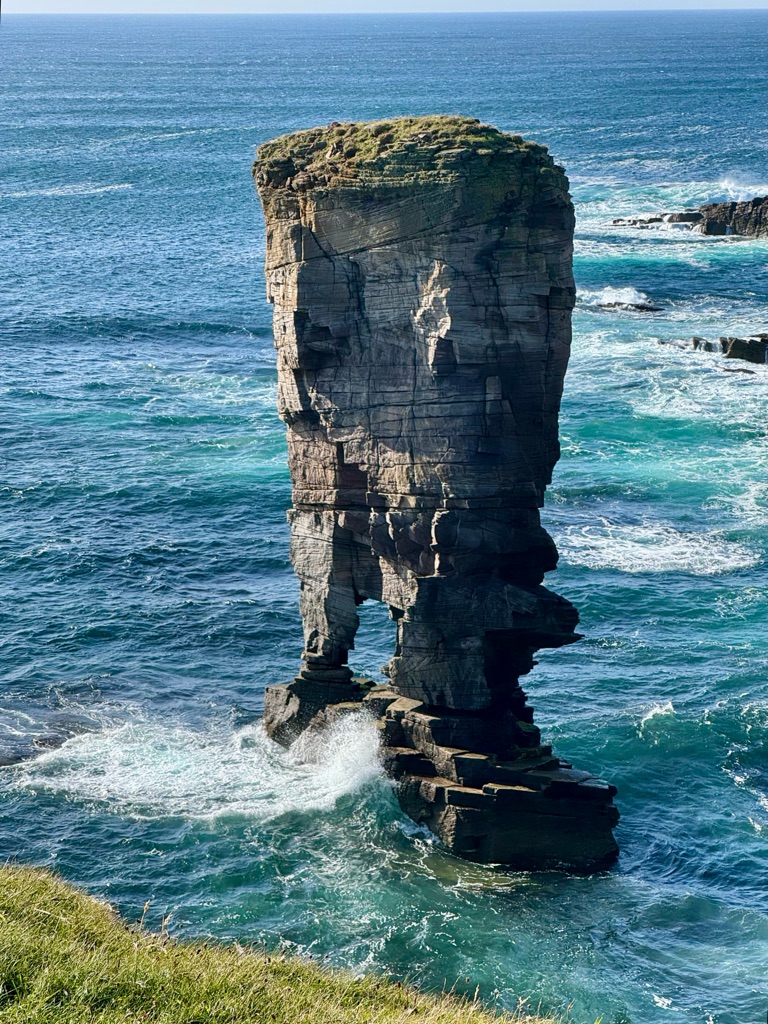
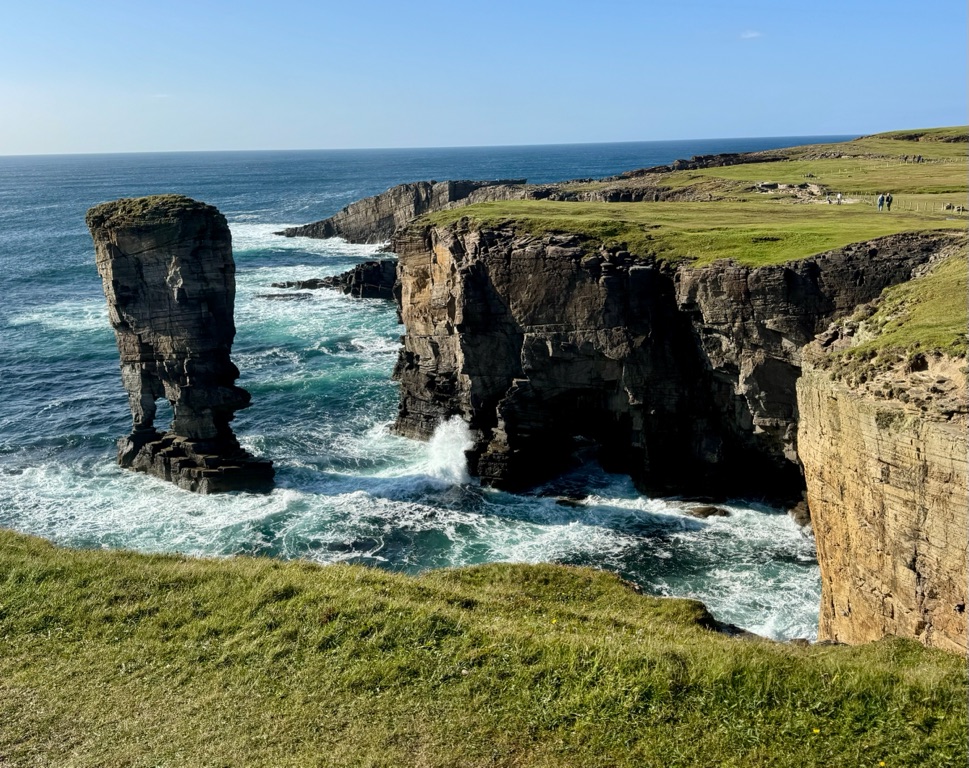
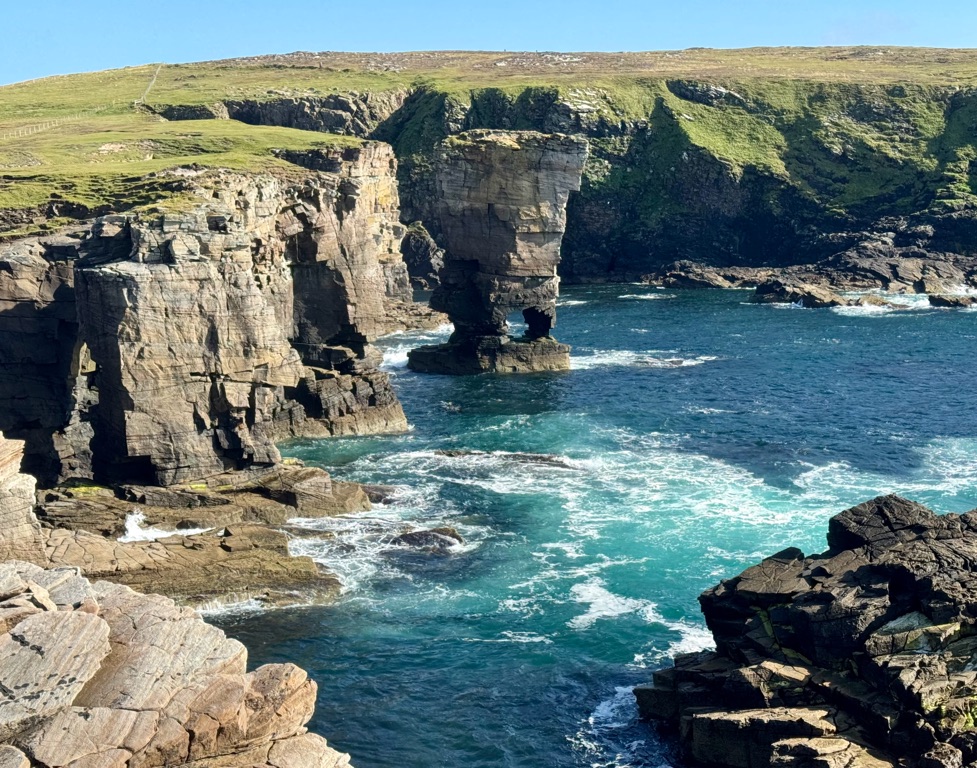
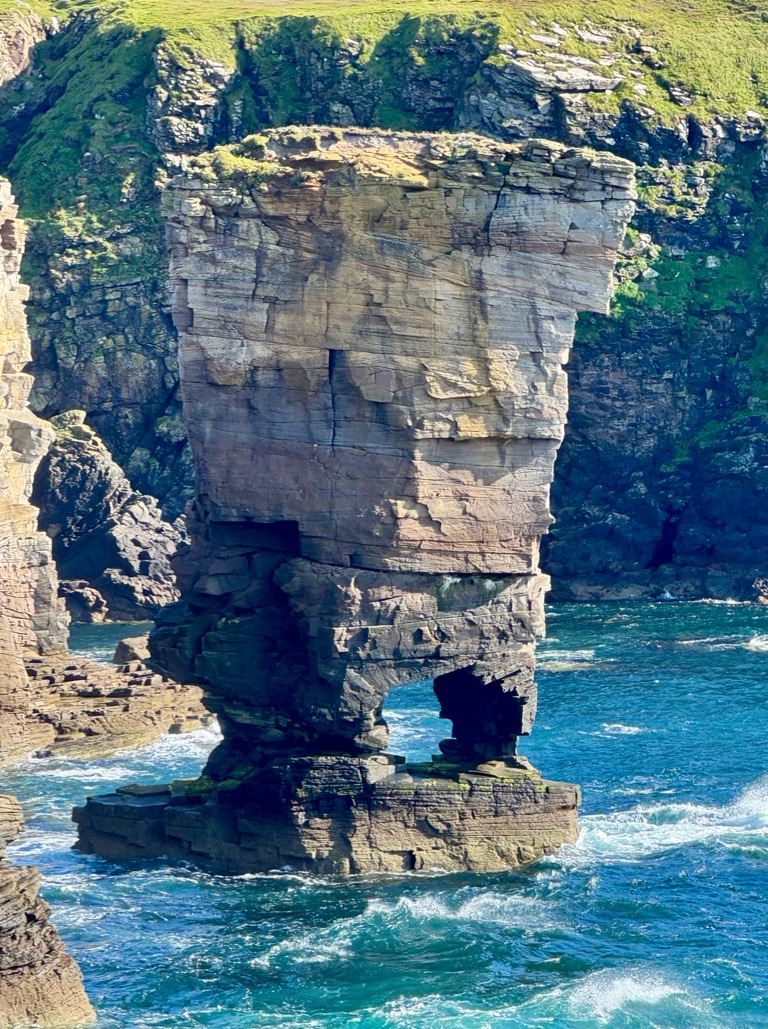
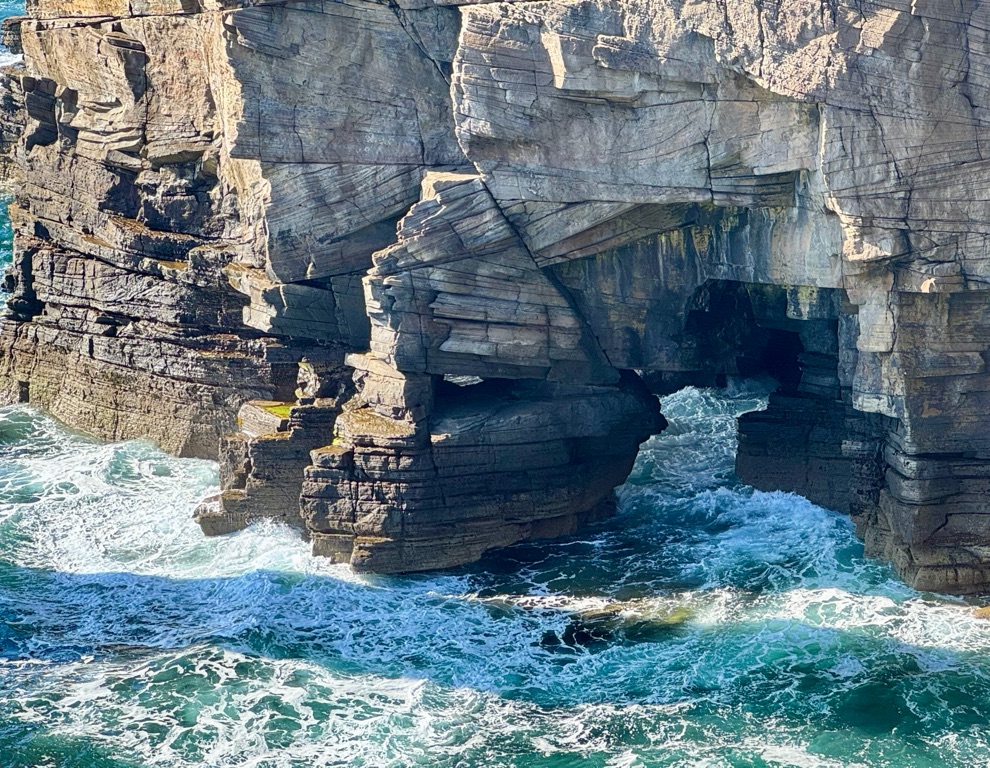
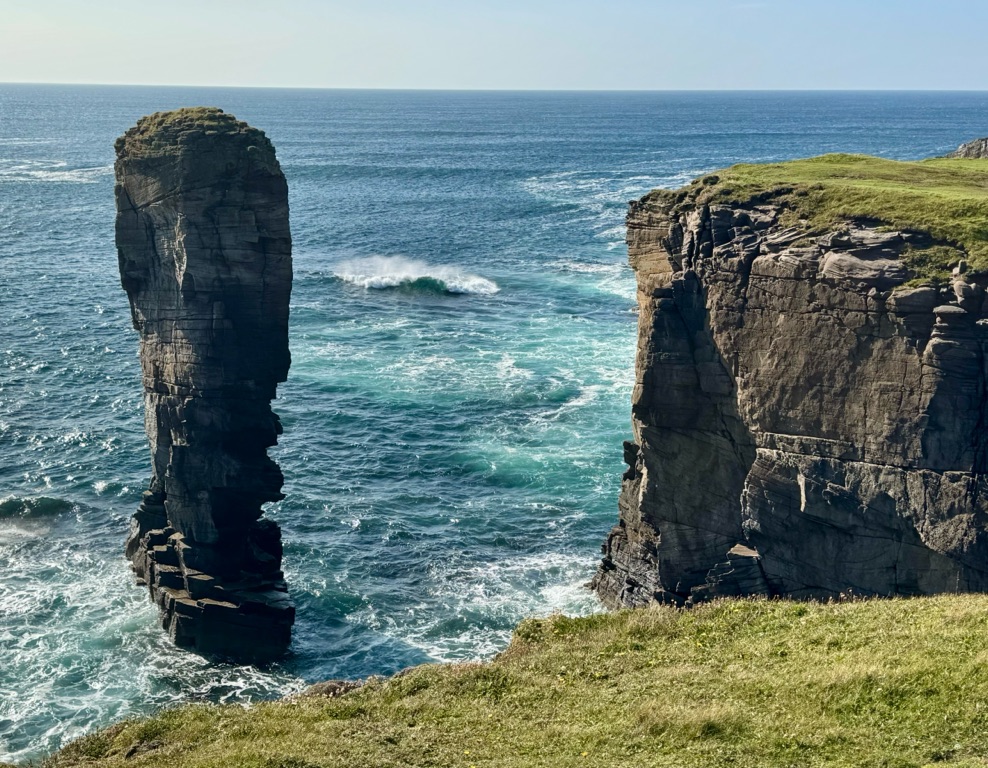
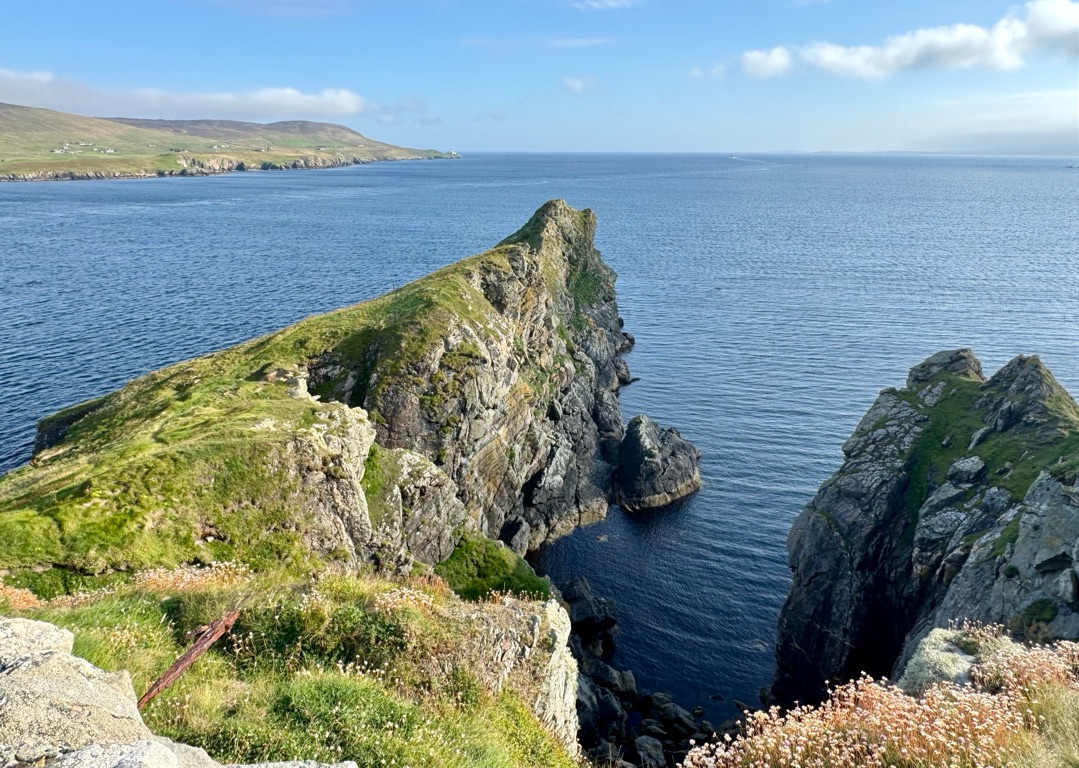
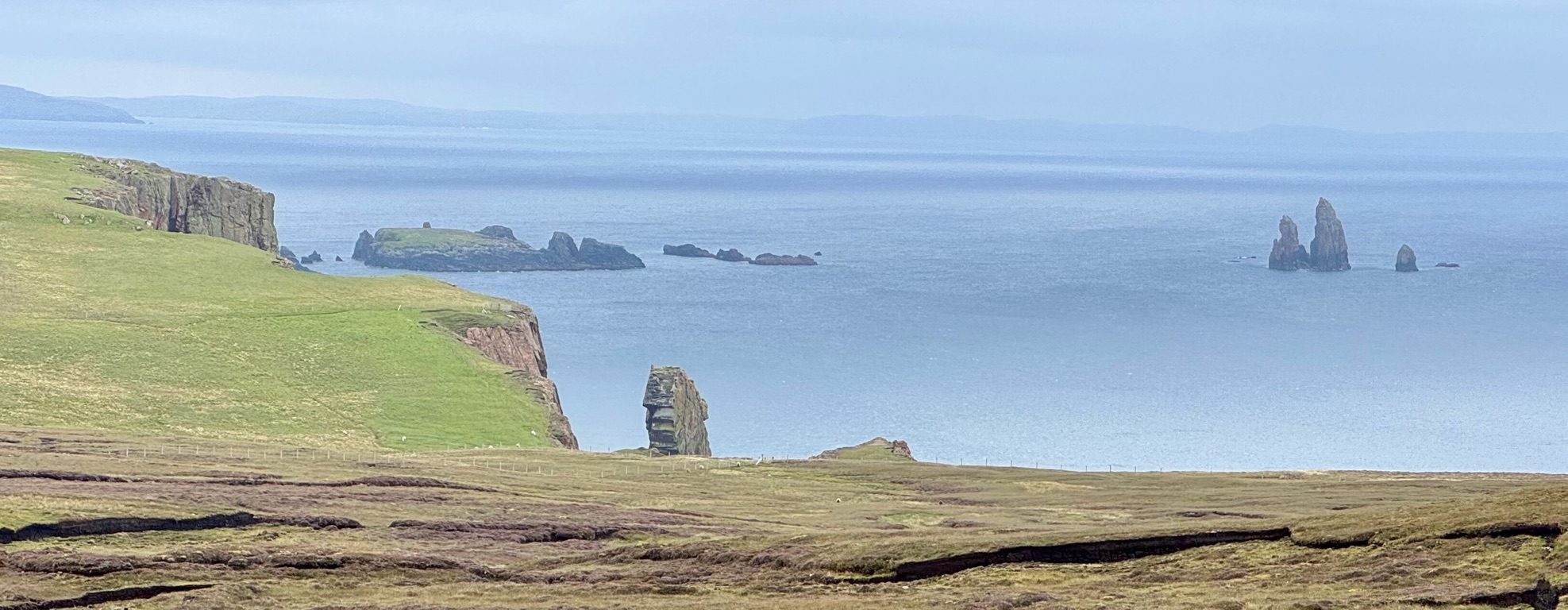
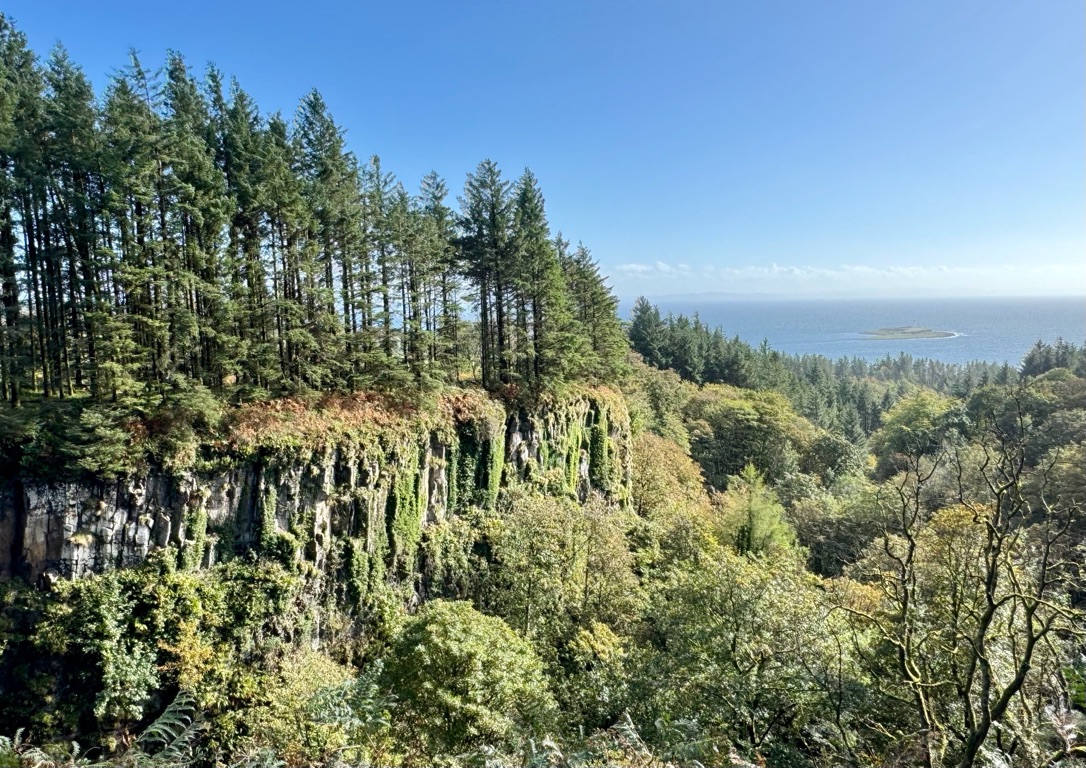
Finally, we visited some wild cliffs and an impressive rock column on the northwest of the island referred to as Yesnaby.

3-D printed replica of the layout.

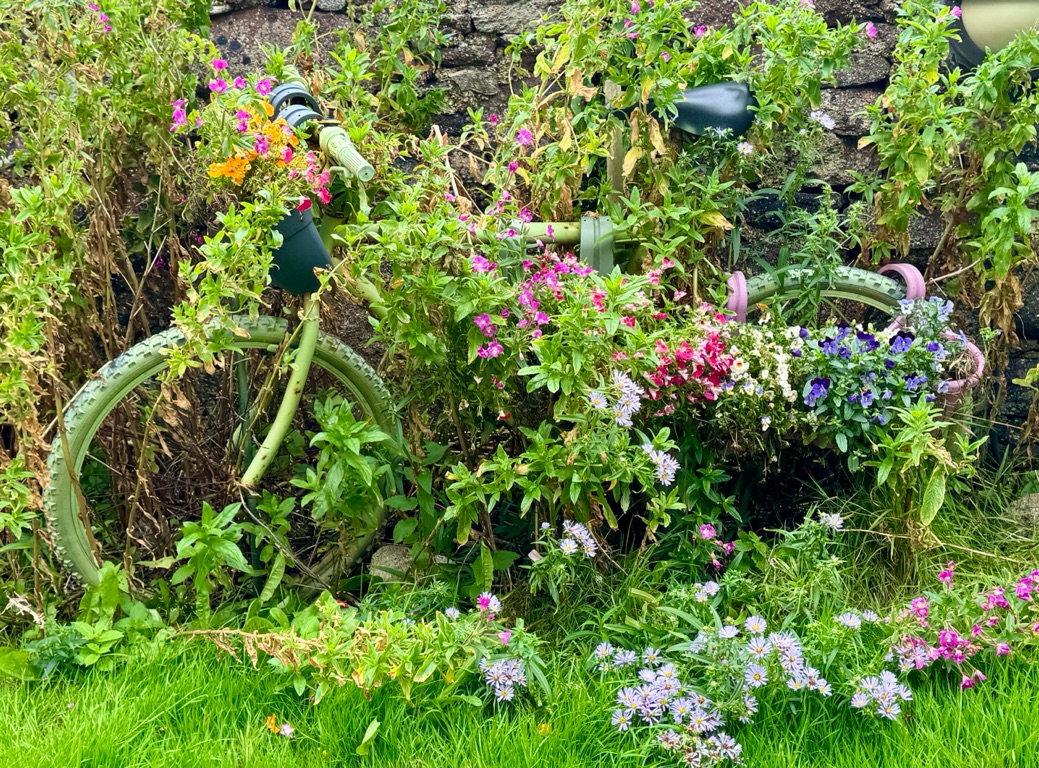
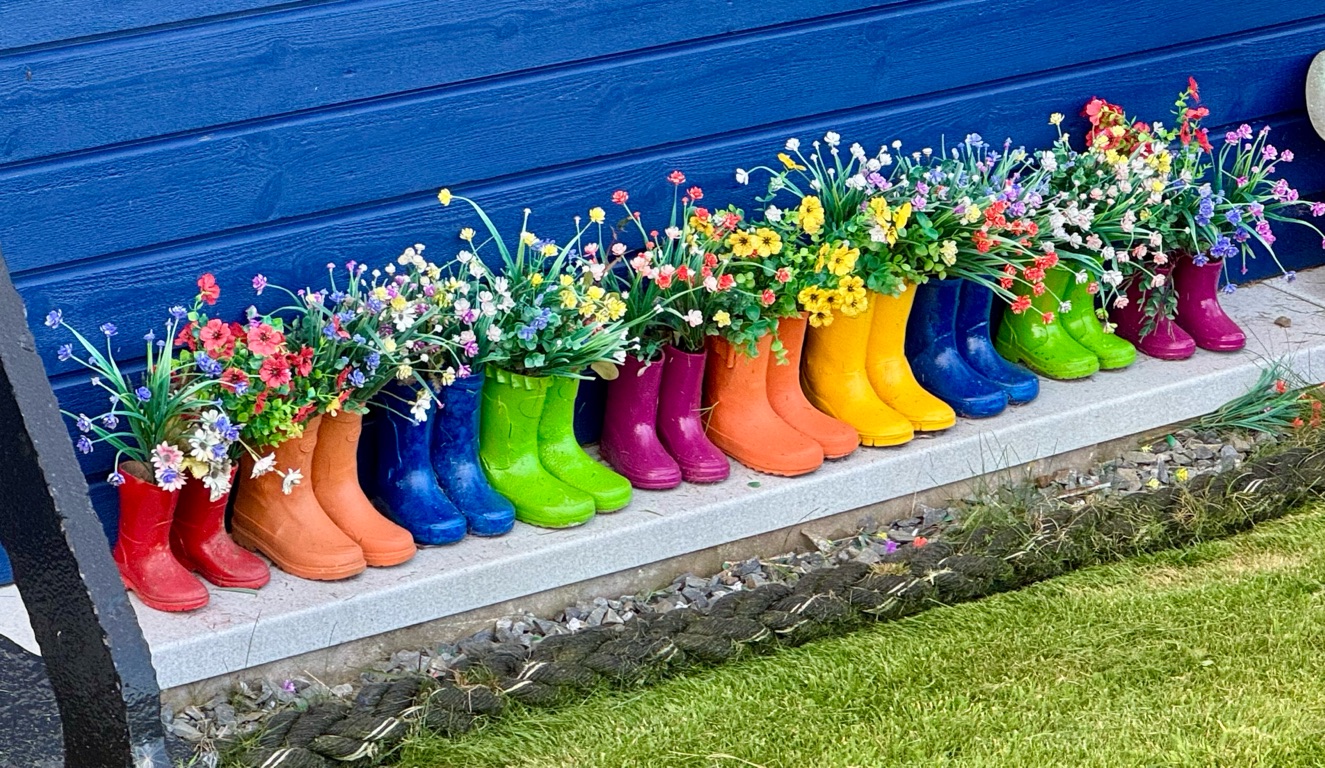
Rain boots are popular planters.

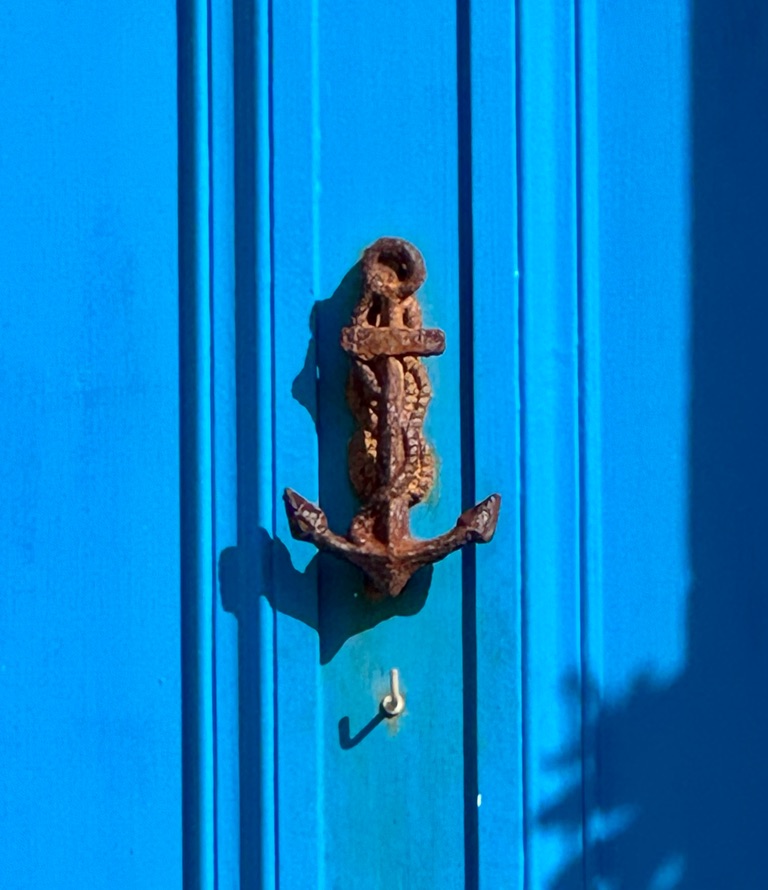
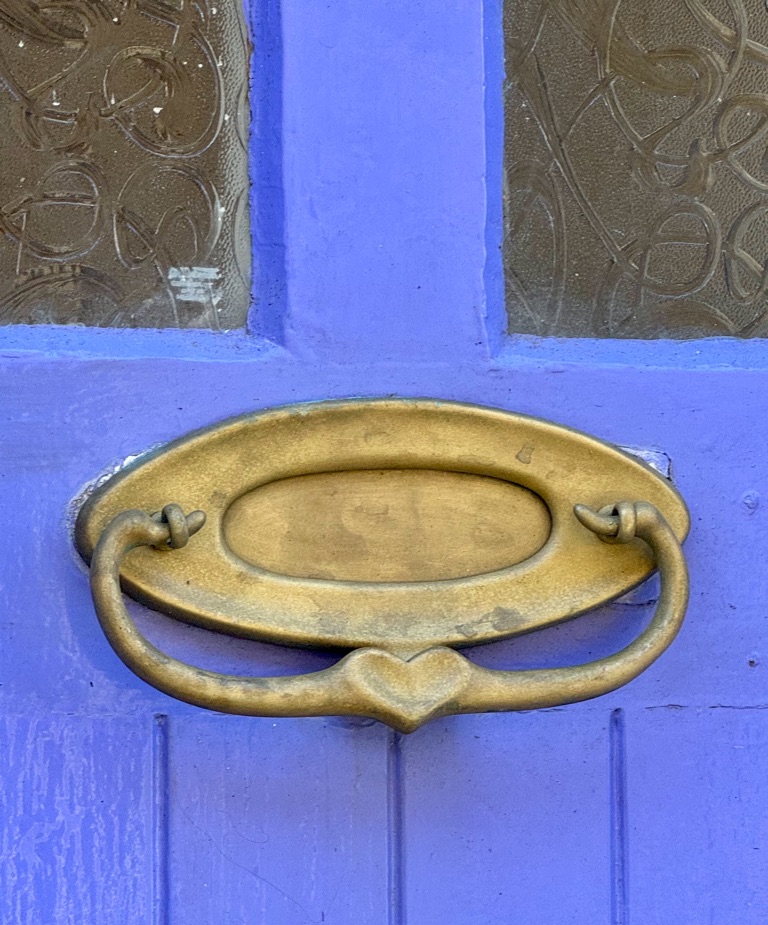
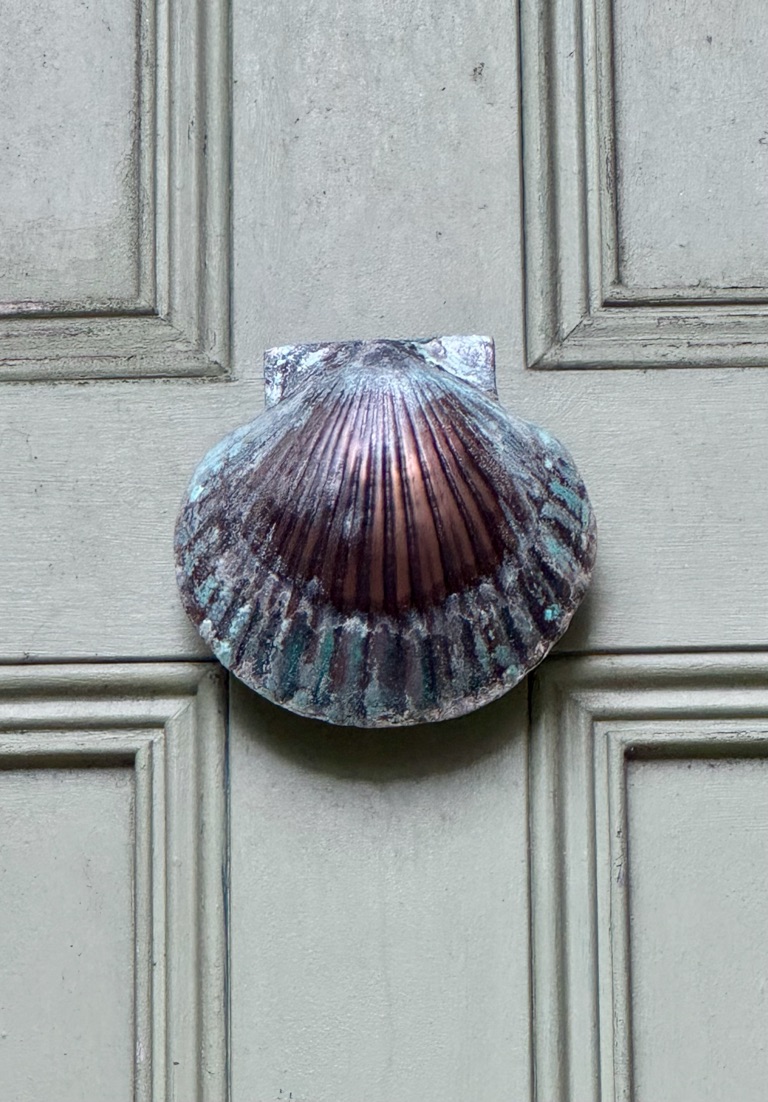
Fun door accessories.

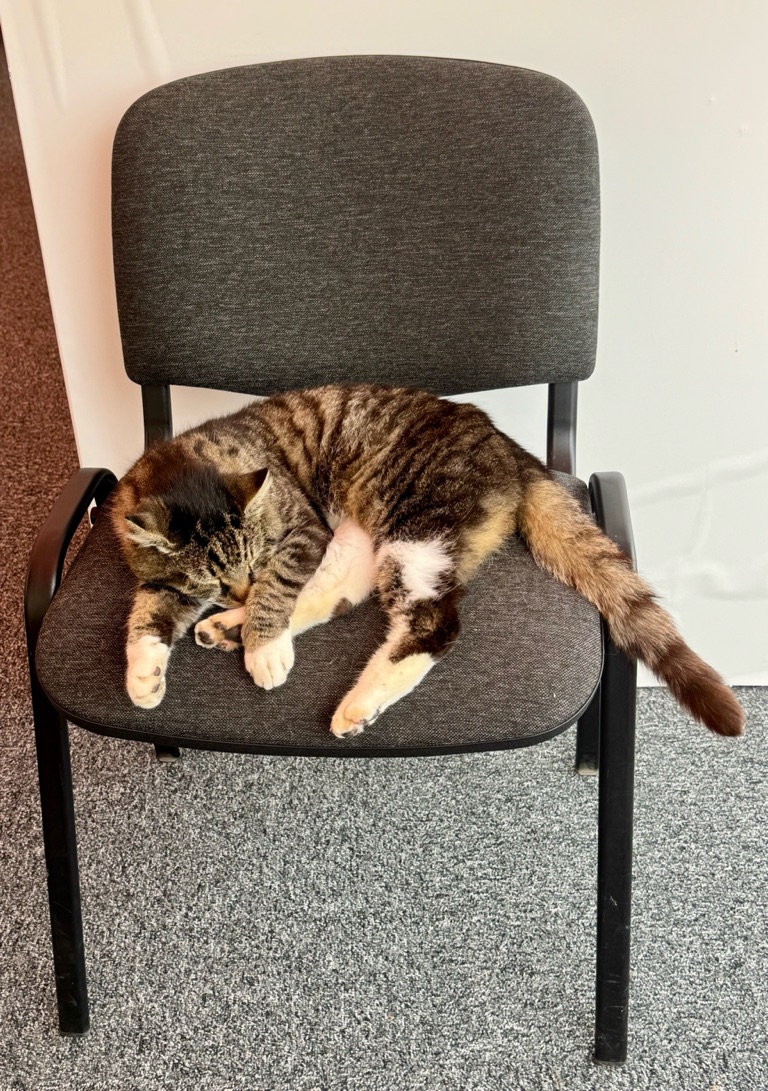
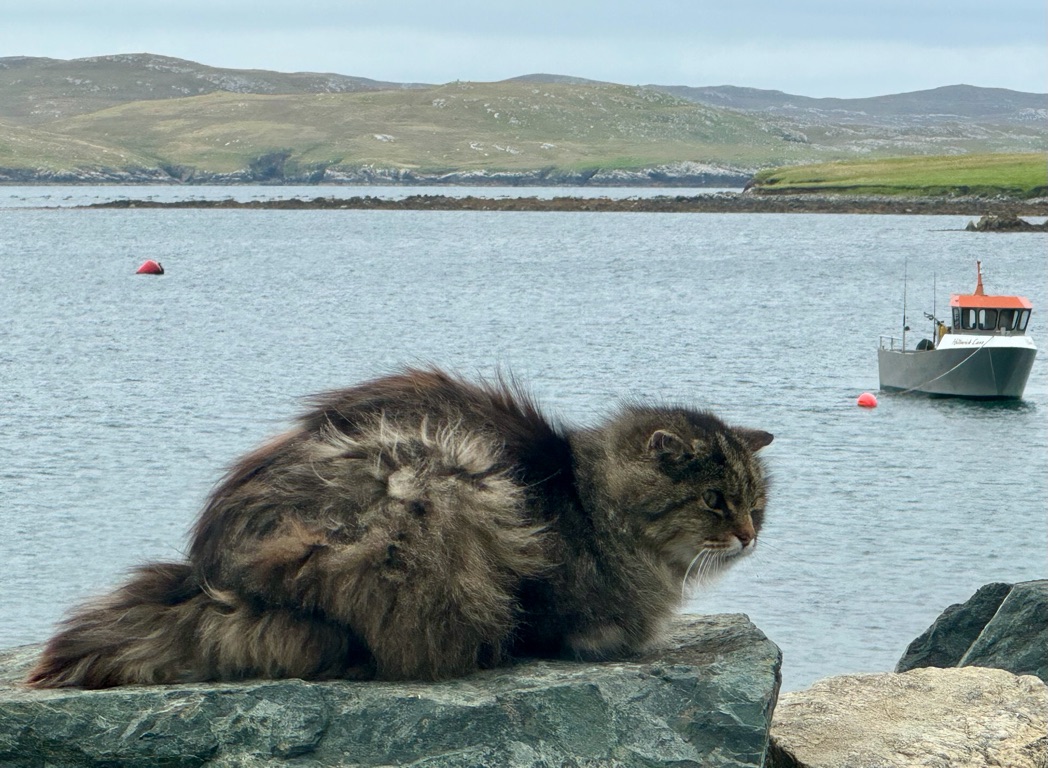
Visitor center cat 😀