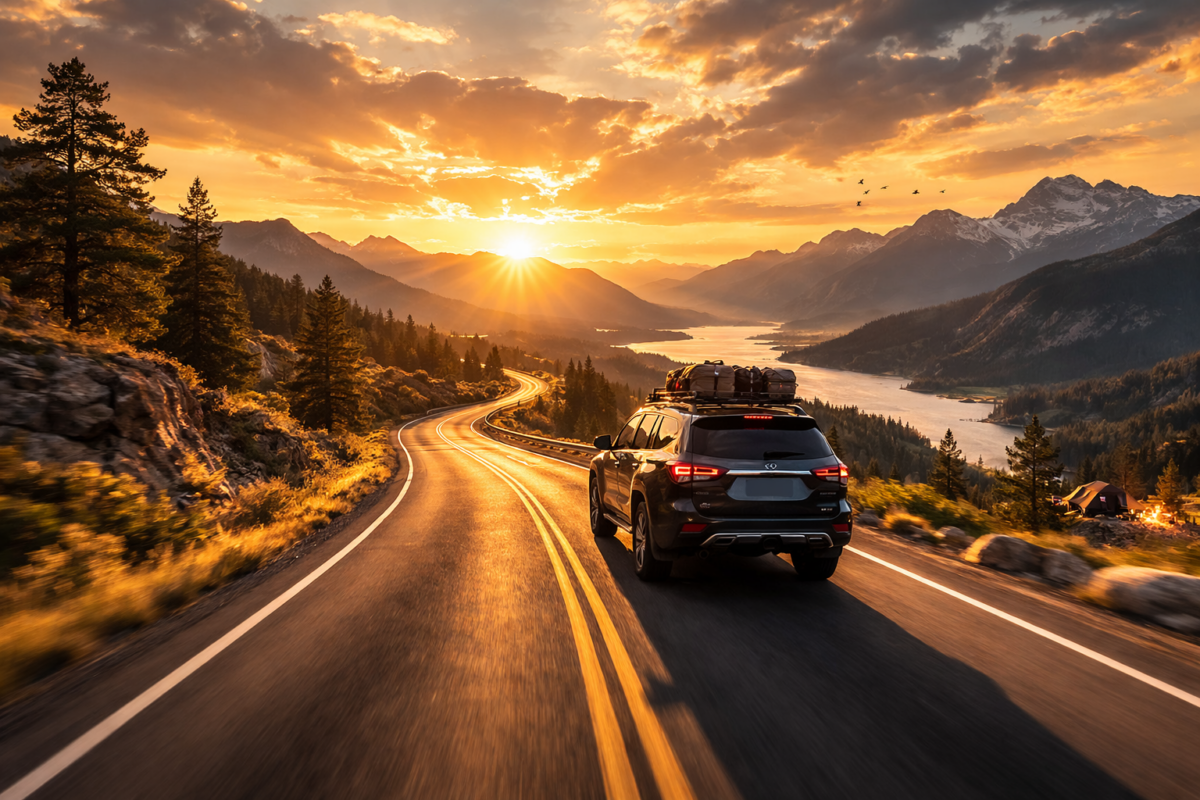
There’s something timeless about a road trip.
It isn’t just about getting from point A to point B. It’s about the quiet stretches of highway, the roadside diners, the unexpected detours, and the freedom to follow curiosity wherever it leads.
In recent years, travel has shifted. More travelers are choosing road-based adventures over airport terminals. RV travel is booming. National parks are seeing record attendance. Families are exploring closer to home — but with greater intention.
What many people don’t talk about, however, is this:
The adventure doesn’t begin when you turn the key.
It begins long before that — with preparation.
Building Confidence Before the Journey
Every memorable road trip starts with confidence behind the wheel.
Long hours on unfamiliar roads, changing weather conditions, mountain passes, and high-speed interstates demand skill and awareness. Whether it’s a teen preparing for their first highway drive or adults brushing up on long-distance driving techniques, preparation makes a measurable difference.
Today, many families explore flexible driver training programs that compare online and in-person instruction options. Understanding how different driver education formats work — and which suits your schedule and learning style — can help ensure everyone feels capable before setting off.
The rise of digital learning has made driver preparation more accessible than ever. For families balancing work, school, and travel plans, that flexibility can be invaluable.
Because when everyone feels prepared, the road feels far less intimidating — and far more exciting.
The New Era of Road-Based Travel
Road trips are no longer just about scenic highways.
They’re about access.
Access to hidden lakes, desert trails, forest service roads, and remote camping destinations that commercial flights simply cannot reach.
The growth of RV travel, van life, and overlanding reflects a deeper shift in how people want to experience travel. Instead of flying into a city and staying within walking distance of major attractions, more travelers are:
- Driving through national parks
- Camping off-grid
- Exploring state trail systems
- Traveling with pets and outdoor gear
- Planning multi-week scenic routes
This evolution in travel requires a different kind of preparation — not just driving skill, but the right equipment. Proper vehicle setup before departure plays a critical role in long-distance reliability and comfort.
When the Highway Ends and the Trail Begins
Some of the most unforgettable destinations begin where the pavement ends.
From the red rock landscapes of Utah to the mountain passes of Colorado and the dense forests of the Pacific Northwest, these environments demand vehicles designed for terrain — not traffic.
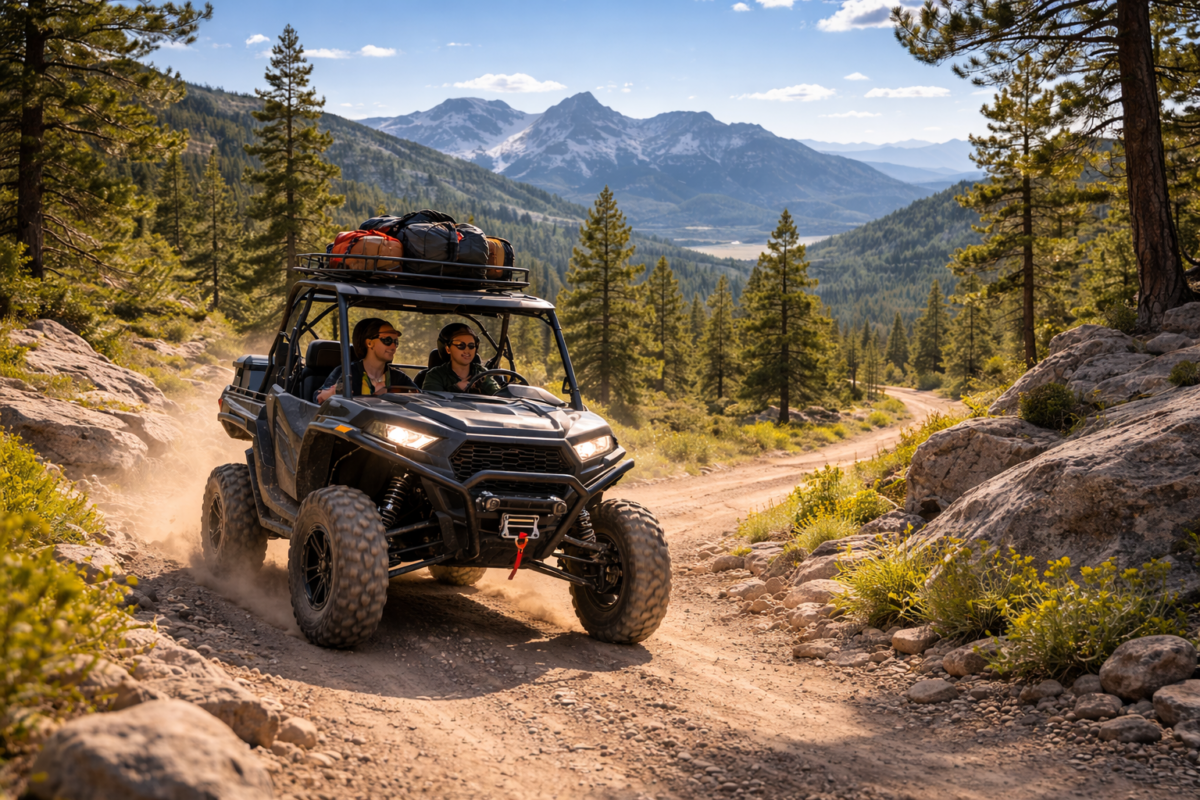
Side-by-sides and off-road utility vehicles (UTVs) have become increasingly popular for travelers seeking deeper access to rugged landscapes. Researching available UTV brands and comparing models based on terrain capabilities can help ensure the vehicle matches the adventure.
Different environments require different features:
- Suspension systems designed for rocky ground
- Engine power suited for steep inclines
- Storage capacity for gear and supplies
- Durability for unpredictable weather and trail conditions
Choosing the right vehicle is not simply about performance — it’s about safety, reliability, and enhancing the experience once you arrive.
Because after driving hundreds of miles to reach a remote destination, the goal is freedom — not limitation.
Safety, Skill, and Smart Travel Choices
Adventure travel does not mean reckless travel.
In fact, the rise of road-based exploration has brought renewed attention to responsible driving practices. Managing fatigue, understanding state-specific driving laws, preparing teens for highway conditions, and respecting environmental regulations all contribute to safer journeys.
- Skill behind the wheel
- Confidence in equipment
- Awareness of terrain
- Respect for the environment
This approach transforms travel from a one-time thrill into a sustainable lifestyle.
Why Preparation Expands Possibility
Spontaneity has its place in travel. The open road thrives on a little unpredictability.
But true freedom comes from knowing you are prepared.
Prepared drivers are calmer drivers.
Well-researched vehicles handle terrain more reliably.
Confident travelers make better decisions.
When families invest time in strengthening driving skills and researching the right equipment before departure, they aren’t restricting adventure — they’re expanding it.
Because preparation removes uncertainty.
And when uncertainty fades, possibility grows.
The Road Ahead
Travel continues to evolve. While air travel will always serve its purpose, road-based journeys offer something deeply personal: control over pace, stops, scenery, and experience.
From the first driver’s education lesson to the moment you steer onto a quiet trail at sunset, every step builds toward something greater than a destination.
It builds toward freedom.