
A trip to Tulum in July and a trip to Tulum in February are not the same trip. Same flights, same resort, same photos on the map. One is 94°F with matching humidity and a rebooked massage because the spa lost power in a storm. The other is 82°F, dry, and quiet enough to hear the ocean from the room. Deep rest is not a place. It is a place plus a window plus a plan — and most travelers only pick the place.
The best destinations for deep rest and warmth in 2026 are Riviera Maya, the Algarve, Zanzibar, and Hawaii’s Big Island — each timed to a specific window where temperatures hold 78–85°F, rainfall drops, and crowds thin out enough to actually rest.
This is where the Travel Decision Stack earns its keep. It is the 4-layer framework Operators run every destination through before booking anything: Experience, Real Cost, Timing, Execution. Skip a layer and the trip that looked restful on Instagram turns into three days of recovering from the trip itself.
Below are four destinations that consistently deliver deep rest and real warmth in 2026 — plus exactly when to go, what it actually costs, and the specific mistake most travelers make in each one.
- Deep rest depends more on timing than destination — the same location can be restorative or exhausting depending on the month you book.
- Riviera Maya, the Algarve, Zanzibar, and Hawaii’s Big Island each hit a distinct “rest window” where crowds, heat, and rain all cooperate at once.
- The Travel Decision Stack — Experience, Real Cost, Timing, Execution — is the fastest way to test whether a destination will actually deliver on rest.
- Rest-focused trips run $1,400–$4,800 per person depending on destination and season, with shoulder-season timing cutting costs 20–35%.
- The single biggest rest-killer isn’t the destination. It’s booking peak season because that’s when everyone else books.
Get $6,640 in travel gifts — just for saying “maybe”
Try Journo Insider today and unlock The Syndicate 7-week travel course ($899), the Insiders Exclusive Library ($1,337), the Supercharged Travel Fund Challenge ($3,600), and more — free for 14 days. Keep the gifts even if you cancel.
Claim your free gifts → Keep everything even if you cancel.What does “deep rest” actually require from a destination?
Deep rest requires three conditions at the same time: warmth without extremity, a low-friction environment, and enough days to actually downshift. A destination can nail one of these and still fail the trip. Bali in monsoon season is warm. It is not low-friction — afternoon downpours reroute entire days.
Most travelers evaluate a destination on vibe alone: does it look restful in photos. Operators evaluate it on three numbers — average daily temperature, rainfall days per month, and time-to-settle (how many days it takes to stop checking email and actually relax, typically 2–3 days minimum for a real reset).
The 82-degree rule
Operators use a simple filter: target destinations averaging 78–85°F during the visit window. Below that and you’re layering up in the evenings. Above that — especially with humidity — the body spends energy managing heat instead of recovering. This single number eliminates half of the “warm destination” options that actually work against rest.
How does the Travel Decision Stack apply to rest-focused trips?
The Travel Decision Stack has four layers, and skipping any one of them is how a “relaxing trip” becomes a stressful one.
What does rest actually mean for this trip? Total isolation, or warmth plus culture? A private villa with nothing planned solves for different needs than a walkable coastal town. Name the experience before naming the destination.
Not the flight price. The full number: flights, lodging, food, activities, and the points or cash required. A $2,200 all-in trip in shoulder season can outperform a $3,900 peak-season trip to the same hotel.
The layer most travelers skip. The same destination at two different times of year can be a completely different trip — different weather, different crowd density, different price. Timing is where rest is won or lost.
Booking sequence, points strategy, and logistics. This is where tools like the Goldilocks Booking Forecaster help identify the exact window where price and conditions overlap.
Where should you go for deep rest and warmth in 2026?
Four destinations consistently clear all four layers of the stack. Each has a specific window — outside of it, the same location stops delivering on rest.
Riviera Maya & Tulum, Mexico
Timing verdict: Late January through mid-March. Average highs sit at 82°F with under 4 rainy days a month — well inside the 82-degree rule. July through September climbs past 90°F with heavy humidity and hurricane risk.
Cost range: $1,400–$2,600 per person for 6 nights, including flights from most U.S. hub cities. Shoulder season (early January or late April) can shave 20% off peak-February pricing.
Operator tip: Fly into Tulum’s new airport (TQO) instead of Cancún — it cuts ground transfer time from roughly 90 minutes to under 20, which matters more for rest than almost any other single decision on this list.
The Algarve, Portugal
Timing verdict: Late May through mid-June, or mid-September through October. Peak July–August pushes coastal towns like Lagos and Albufeira into full crowd mode, undoing the low-friction condition entirely.
Cost range: $1,800–$3,200 per person for 7 nights. Algarve runs cheaper than most Mediterranean rest destinations because it’s still underpriced relative to its weather quality — a genuine value gap most travelers haven’t caught up to yet.
Operator tip: Base in Tavira instead of Albufeira. Same 80–84°F range, a fraction of the tourist density, and direct beach access without a strip of bars underneath the balcony.
Zanzibar, Tanzania
Timing verdict: June through early October — Zanzibar’s long dry season. Skip the “green season” (March–May) entirely; daily downpours cut into every planned rest day.
Cost range: $2,400–$4,800 per person for 8 nights, largely driven by the long-haul flight cost. This is the highest-cost destination on the list, but also the one with the fewest other Americans on the beach — a genuine seclusion premium.
Operator tip: Fly business class using transferred points rather than cash — a Doha or Addis Ababa connection in a lie-flat seat turns a grueling 18-hour routing into the first day of rest instead of the thing you need to recover from.
Big Island, Hawaii
Timing verdict: April–May or September–October. These shoulder windows keep the 78–85°F range intact on the Kona side while avoiding both the winter surf crowds and the peak summer family-travel rush.
Cost range: $2,600–$4,200 per person for 6 nights — the most expensive per-night destination here, offset by zero visa requirements, U.S. dollar pricing, and no international connection stress.
Operator tip: Stay on the Kona (west) side, not Hilo (east). Hilo receives roughly 10x the annual rainfall of Kona — a detail most first-time bookers miss entirely.
| Destination | Best window | Avg. temp | Cost range (per person) |
|---|---|---|---|
| Riviera Maya, Mexico | Late Jan–Mid Mar | 82°F | $1,400–$2,600 |
| Algarve, Portugal | Late May–Jun / Mid Sep–Oct | 80–84°F | $1,800–$3,200 |
| Zanzibar, Tanzania | Jun–Early Oct | 83°F | $2,400–$4,800 |
| Big Island, Hawaii | Apr–May / Sep–Oct | 78–83°F | $2,600–$4,200 |
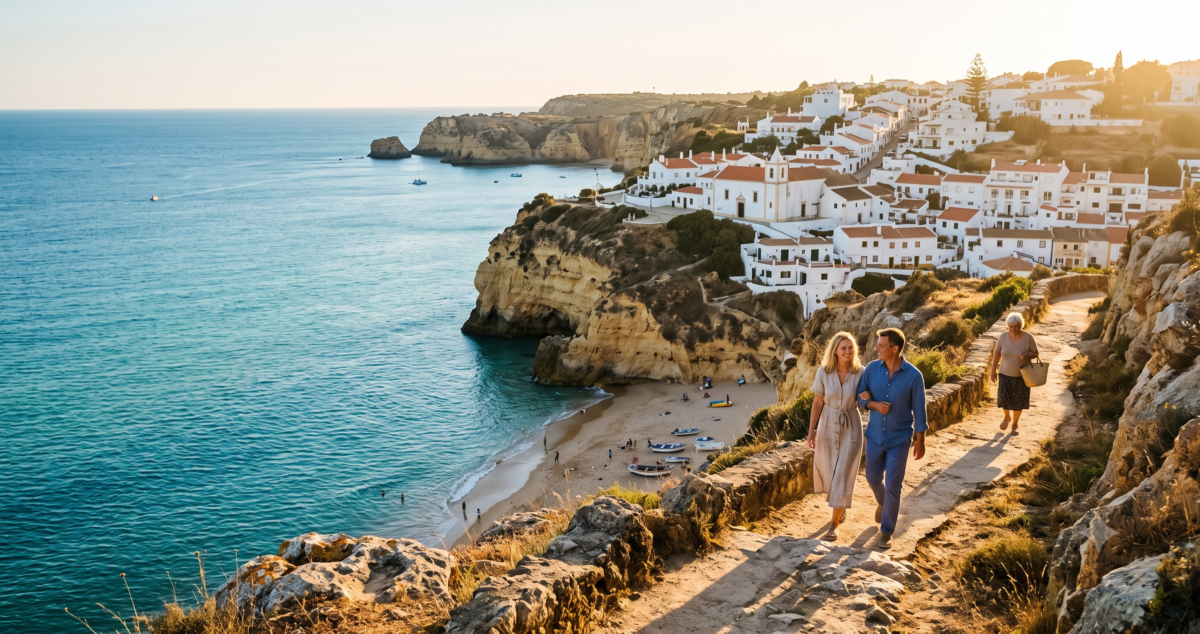
The destination doesn’t determine how rested you feel. The calendar does.
Not sure which window fits your dates?
The Destination Finder tool cross-references your available travel dates against the rest-window data for dozens of destinations — so you’re not guessing whether “next month” is a good idea or a mistake.
Try Journo Insider free for 14 days → Free for 14 days. Keep your gifts even if you cancel.How do you avoid picking a destination that looks restful but isn’t?
The mistake almost never shows up in the destination choice. It shows up in the date choice. A traveler picks Tulum, correctly, then books it for the second week of August because that’s when the calendar was free — and gets a hurricane-season trip instead of a rest trip.
In practice, the fix is sequencing the stack correctly: pick the experience first, then check the timing data before locking dates, then find the cost that fits inside that window. Most travelers do it backward — they lock dates around their calendar first and force the destination to cooperate. It rarely does.
How to apply the Travel Decision Stack to your next rest trip
- Define the experience layer. Write one sentence: what does rest look like for this specific trip? “Nothing planned for 6 days” is different from “warm and social for a long weekend.”
- Pull the timing data before anything else. Check average temperature and rainy-day counts for your candidate destinations across the months you could realistically travel — not just the one month you assumed.
- Price the real cost across two windows. Compare your target month against the shoulder month on either side. A one-month shift often changes the price by 20–35% without changing the experience at all.
- Book the execution layer last. Lock flights and lodging only once the timing and cost layers confirm the window works — not before.
Frequently asked questions
What’s the single biggest factor in whether a trip actually feels restful?
Timing outweighs destination choice. The same location can average 82°F and 3 rainy days one month, then 91°F and 14 rainy days two months later. Booking the wrong window undoes an otherwise good destination pick.
How many days does it actually take to feel rested on a trip?
Most travelers need 2–3 full days before the body and mind stop running on home-schedule mode. A 4-night trip often ends right as real rest would have started — 6–8 nights is the practical minimum for deep rest.
Is Riviera Maya or the Algarve better for a first rest-focused trip?
Riviera Maya has shorter flight times from most U.S. cities and a lower overall cost. The Algarve costs slightly more but delivers lower humidity and a more walkable, low-density coastal setting.
Why does Zanzibar cost more than the other destinations on this list?
The premium is almost entirely long-haul flight cost, not the destination itself. Ground costs in Zanzibar are comparable to or lower than the other three destinations — the flight is what drives the total up.
What’s the cheapest way to book a warm-weather rest trip without sacrificing comfort?
Shift the dates one month earlier or later than peak season. Shoulder-season timing typically cuts total trip cost 20–35% while keeping temperature and rainfall inside the same acceptable range.
Should I avoid Hawaii’s Big Island during hurricane season?
The Big Island’s hurricane risk is lower than the Caribbean or Mexico’s Pacific coast, but the summer months still bring higher humidity and denser family travel crowds. April–May and September–October remain the stronger windows.
How far in advance should I book a rest-focused trip to these destinations?
3–5 months out gives the widest flight and lodging selection, especially for shoulder-season windows that aren’t yet on most travelers’ radar. Zanzibar benefits from booking flights even earlier, given limited business-class award availability on long-haul routes.
What is the Travel Decision Stack?
The Travel Decision Stack is a 4-layer framework — Experience, Real Cost, Timing, Execution — used to evaluate any trip decision. Applied to rest-focused travel, it separates destinations that look restful from destinations that actually deliver on rest.
Try Journo Insider — keep the gifts no matter what
14 days free. Over $6,640 in travel resources including The Syndicate course, the Exclusives Library, and the Supercharged Travel Fund Challenge. Cancel and keep everything — no questions asked.
Say “maybe” and claim your gifts → Free for 14 days. Cancel anytime — gifts are yours to keep.