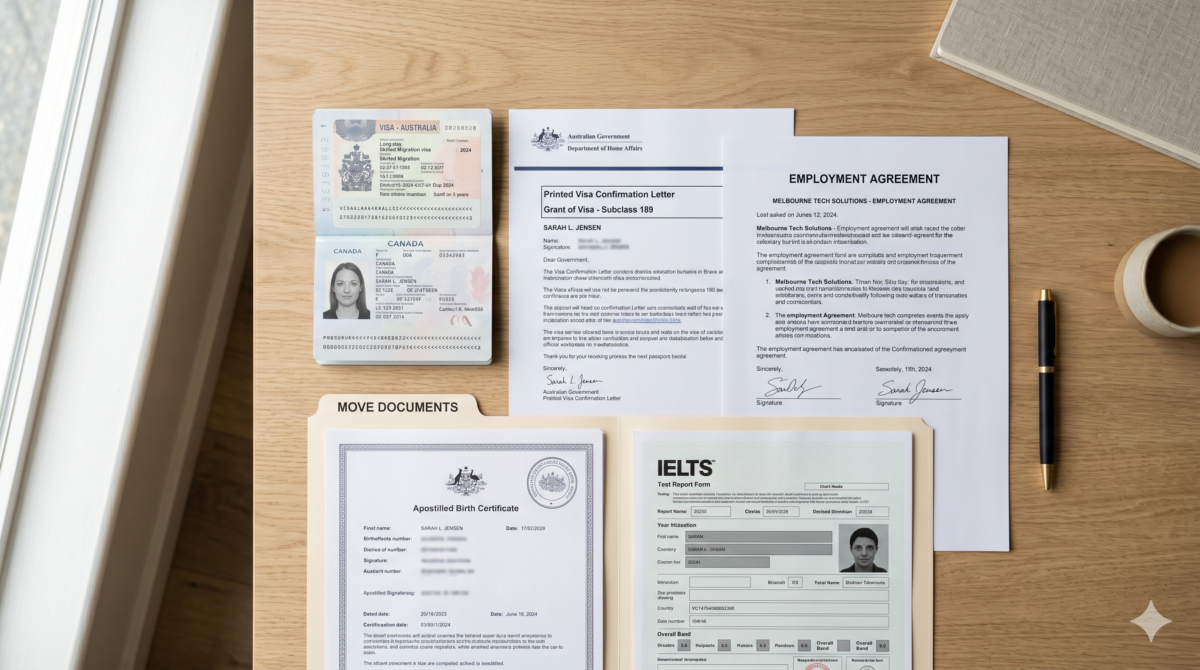
Moving abroad is exciting—but the paperwork can quickly become overwhelming. Whether you’re heading overseas for work, study, family, or a long-term adventure, having the right documents in place will save you time, stress, and potential delays. Here are the key documents you shouldn’t overlook—and why they matter.
1. A valid passport
Your passport is a must-have for any international trip, regardless of purpose. Immigration officers rely on it to confirm your identity, and you’ll need it for various official processes abroad. Most countries require your passport to be valid for at least six months beyond your planned return date and to have blank pages available. Always check the specific requirements of your destination in advance to avoid issues.
2. Visa or residence permit
A visa determines how long you can stay in a country and what activities you’re allowed to do. For instance, a short-stay visa may allow visits of up to 90 days, while a student visa typically covers the duration of your studies. Securing the correct visa or residence permit ensures your stay is legal and prevents restrictions that could disrupt your plans.
3. Certified translations of your official documents
If your documents are not in the official language of your destination country, you will likely need certified translations before they are accepted. Common documents include birth certificates, marriage certificates, academic transcripts, and diplomas. For example, if you’re moving to the United States, you’ll need USCIS certified translations that meet strict accuracy and formatting standards. Using uncertified translations can lead to delays or rejections.

4. Personal documents
In addition to your passport, you should bring important personal documents such as birth certificates, marriage certificates, driver’s licences, and any name change records. While these may not be necessary for short trips, they are often required for long-term stays when dealing with local authorities or legal processes. Many of these documents may also need to be apostilled or legalised to be recognised internationally, so it’s best to check requirements early.
5. Travel and health insurance
In many cases, proof of health insurance is required when applying for a visa. Beyond meeting requirements, having coverage protects you from high medical costs if something goes wrong abroad. Make sure your insurance policy covers the full duration of your stay and meets the minimum standards set by your destination country.
6. Medical records and prescriptions
If you take prescription medication, carrying proper documentation is essential. Having your prescriptions, vaccination history, recent medical records, and details of any allergies will help you continue treatment without interruption and avoid complications at customs when travelling with medication.
7. Financial documents and proof of funds
Financial documents are often required during visa applications to prove that you can support yourself while abroad. These may include bank statements, employment contracts, tax returns, and letters confirming scholarships or sponsorships. It’s also a good idea to keep digital copies accessible in case you need them during your stay.
Tips for preparing your documents
- Confirm document requirements through official sources or consult an expert to ensure you meet all criteria.
- Renew any expired documents early, especially those that take longer to process, such as visas or police certificates.
- Scan all important documents and store them securely in the cloud or on an encrypted device.
- Carry at least two copies of each document and keep them separate from the originals.
- Use professional certified translation services to avoid issues with immigration authorities.
Final thoughts
Long-term travel isn’t just about booking flights—it’s about getting your paperwork right. Once that’s sorted, you can focus on settling in and exploring your new home. Tools like Journo can help you keep your travel plans, documents, and experiences organized in one place while you’re on the move.
Planning your move abroad? Stay organized from day one and avoid costly mistakes.
FAQs
What documents are required for international travel on a long-term stay?
You will typically need a valid passport, visa or residence permit, proof of health insurance, and financial documents. Depending on your situation, you may also need translated documents, personal records, and medical documentation.
How early should I start gathering my travel documents?
It’s best to start as early as possible, ideally three to six months before departure. Some documents, such as apostilles and certified translations, can take several weeks to process.
Do I need translations of my documents for immigration?
Yes, if your documents are not in the official language of your destination country. Immigration authorities require certified translations that meet specific standards.
Can I use free or online translation services for immigration documents?
No. Immigration authorities require certified translations completed by qualified professionals. Free tools like Google Translate are not accepted and may result in rejected applications.