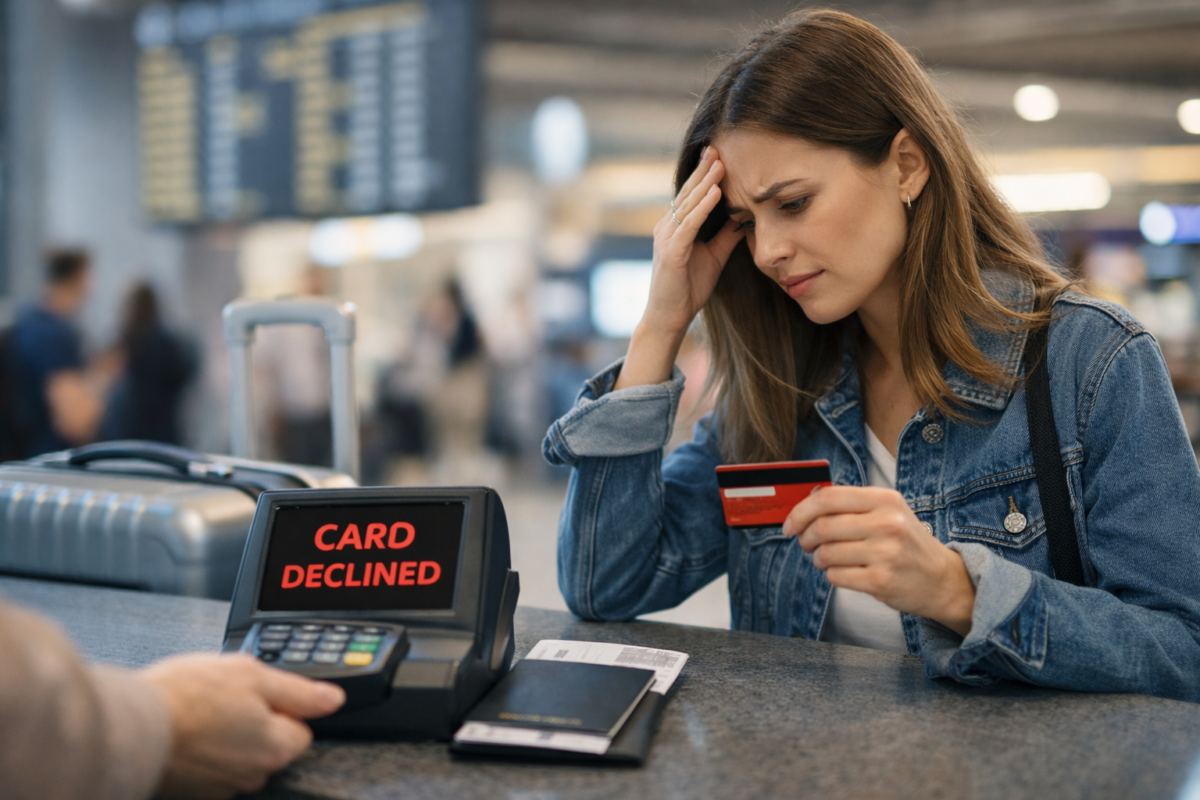
Traveling abroad is exciting—until your card suddenly stops working. It’s one of the fastest ways to turn a smooth trip into a stressful situation, especially when you rely on your card for everyday expenses.
The good news is that payment issues are more common than you think—and usually easier to fix than they feel at the moment. Once you understand what’s happening, it becomes much easier to deal with it quickly and move on with your trip.
Why Payment Issues Happen While Traveling Abroad
Most payment issues come down to how banks monitor activity. When your card is suddenly used in another country, it can look suspicious from their end, which can trigger a temporary block until the activity is confirmed.
Another common issue is card settings. Some cards don’t automatically work internationally, and if that setting isn’t enabled, your card can get declined even if your account is in good standing.
There’s also the reality that payment systems vary from place to place. A card that works perfectly at home might not be accepted everywhere abroad, especially in locations that rely on different networks. Most of the time, there’s a simple explanation—you just don’t see it right away.
What to Do When Your Card Stops Working Abroad
If your card stops working mid-trip, start by checking your account for any alerts or flagged transactions. In many cases, a debit card not working situation is simply your bank flagging unusual activity.
If everything looks normal, try the transaction again or use a different machine. Not all ATMs or payment terminals work the same way abroad, and sometimes the issue is with the device rather than your card.
It also helps to think about what changed. A new location, a different type of purchase, or a sudden increase in spending can all trigger security checks.
If the issue continues, contacting your bank is usually the fastest solution. In most cases, they simply need to confirm your identity before allowing transactions to go through again.
How to Access Money When Your Primary Payment Fails
If your main payment method stops working, having backup options can make a big difference. Carrying a second card from a different provider gives you immediate access to funds without relying on a single account.
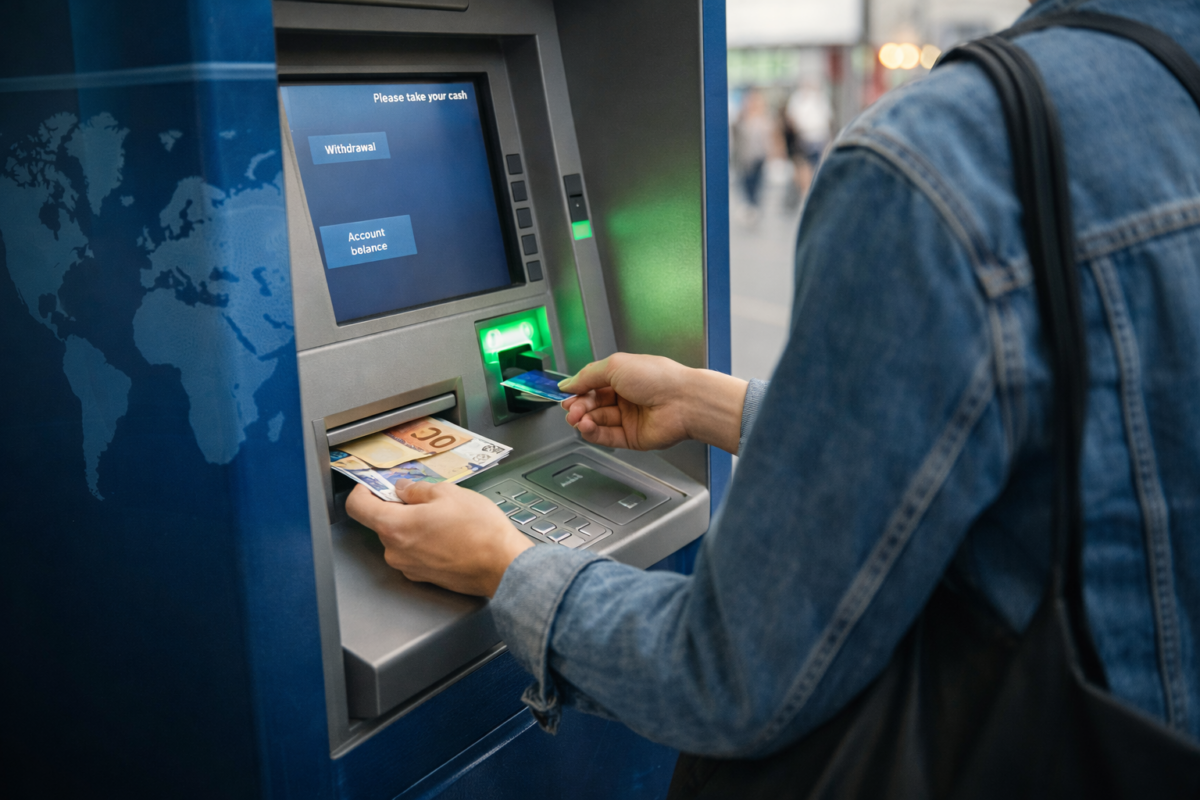
Cash is still widely used in many places, so withdrawing from an international ATM can be a practical fallback. Many ATMs support global card networks even when card payments are declined.
Digital wallets can also help in certain situations, particularly in areas where contactless payments are common. The key is to avoid relying on just one method so you always have alternatives available.
Ways to Prevent Payment Issues Before You Travel
A little preparation before you travel can go a long way in preventing issues. Most payment problems happen because something small was overlooked ahead of time.
- Tell your bank you’re traveling so your transactions aren’t flagged as unusual
- Confirm your card is enabled for international use
- Keep some local cash on hand for places that don’t accept cards
- Bring a second card and store it separately from your primary one
These small steps don’t take long but can save you a lot of hassle once you’re abroad.
Staying Financially Flexible During Unexpected Situations
Even with solid preparation, things can still go wrong. A card might stop working, or a payment might fail when you least expect it. When that happens, staying flexible with your finances makes it easier to manage the situation.
You may need to adjust your spending temporarily, move money between accounts, or rely on a backup option. It’s not ideal, but it helps you stay in control without adding unnecessary stress.
Most importantly, take a moment to slow down and assess the situation. In most cases, there’s a straightforward fix once you identify what’s causing the issue.
Staying Prepared While Traveling Abroad
Payment issues can be frustrating, especially when you’re far from home. However, understanding why they happen and knowing how to respond can make a big difference in how quickly you resolve them.
With a bit of preparation and a few backup options in place, you can travel with more confidence and handle unexpected situations without letting them disrupt your trip.
Want to travel with more confidence and fewer surprises? Start here.