Most travel packing checklists are either too generic to be useful or so long they get abandoned halfway through. What to pack for any trip comes down to one repeatable system — the PACK Method — plus a short base list you adapt per trip, not a fresh 80-item checklist every time you travel.
- Use a system, not a fresh checklist every trip: Plan the specifics, Assign categories and people, Cut ruthlessly, Keep the list for next time.
- Start from a short base list that covers every trip, then adapt it — don’t rebuild from zero each time.
- Pack for roughly three to four days of outfits if you’ll have laundry access, not one outfit per day of the trip.
- The list that survives contact with an actual trip is the one you can duplicate and refine, not the one that looked thorough on day one.
Packing well is one habit of an optimized traveler. Journo Insider is the toolkit behind the rest of it — booking forecasts, deal frameworks, and Operator playbooks. Start the 14-day free trial and claim $6,640+ in travel gifts.
Start your free trial Keep everything even if you cancel.Why do most packing lists fall apart?
Two failures account for almost every bad packing experience. Starting from nothing is the first — opening a blank note the night before and trying to remember everything at once, which guarantees you’ll forget something and over-pack the rest out of anxiety. The opposite problem is the second: a 100-item generic checklist that includes a dozen things you never actually use, so you stop trusting it and start winging it anyway. Neither extreme works. What works is a short list you actually built from real trips, kept and refined rather than rebuilt.

What is the PACK Method?
PACK is four moves that turn “what do I need to bring” into a five-minute task instead of a night-before scramble:
- Plan the specifics first. Know your dates, the weather at your destination, and what you’re actually doing before you touch a bag. A beach week and a ski week share almost nothing on the list, and guessing instead of checking is where over-packing starts.
- Assign categories and companions. Split the list into groups — clothing, toiletries, electronics, documents — and if you’re traveling with others, assign who’s responsible for what shared item. One missing charger is a minor annoyance; one missing set of travel documents is not.
- Cut ruthlessly. For every item you’re genuinely unsure about, the answer is leave it out. “Just in case” items are the ones that fill a bag without ever getting used — a real pattern behind most over-packing, not a myth.
- Keep it for next time. Don’t delete the list when the trip ends. Duplicate it, note what you didn’t use, and trim it before the next similar trip. A list refined over three or four trips is more accurate than any list built from scratch.
Pack This lets you build fully custom categories with nothing pre-filled, tag travel companions against specific items, and duplicate the finished list for your next trip — the Keep step in PACK, built into the app. It’s free to download, with optional one-time unlocks from $1.99 to $11.99 and no subscription at any tier.
Get Pack This on the App StoreWhat should you actually pack, no matter the trip?
When you’re unsure what belongs on a base list, start narrower than instinct suggests. Pack for roughly three to four days of outfits if you’ll have any access to laundry, not one outfit per day of the trip — this single adjustment cuts most people’s clothing volume by more than half. Keep one “just in case” category and cap it at two items, not ten; the discipline of a hard cap does more than any packing philosophy. Documents, chargers, and any daily medication go in a bag you carry on your body, not checked luggage, regardless of how short the trip is.

Packing well is a small part of traveling like an Operator. Journo Insider is the toolkit for the rest of it — booking forecasts, deal frameworks, and the playbooks that make every trip cheaper and smarter. Try it free for 14 days with $6,640+ in gifts.
Start your free trial Keep everything even if you cancel.How do you adapt the base list to your specific trip?
Once the base list exists, most trips only need a few additions and a few subtractions, not a rebuild:
| Trip type | Add to your base list | Usually skip |
|---|---|---|
| Business | One extra formal outfit per meeting day, portable charger, printed backup of key documents | Bulky casual layers |
| Beach / warm weather | Reef-safe sunscreen, one cover-up, a dry bag for wet items | Heavy toiletry kit — most resorts stock basics |
| Cold weather / ski | Base layers, hand warmers, a compact first-aid kit | Multiple bulky coats — one good shell beats three |
| Multi-city / backpacking | A packing cube per category, a lightweight day bag, laundry sheets | Anything you’re not willing to carry up three flights of stairs |
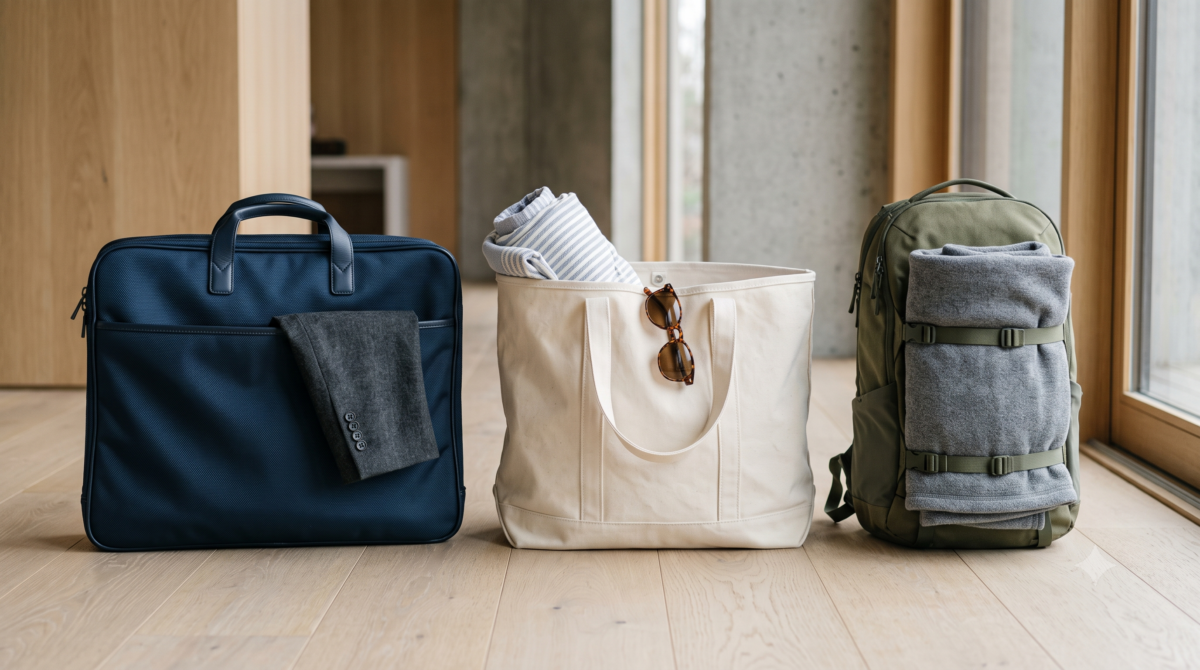
The base list stays the same across all four rows. What changes is a handful of additions specific to climate or purpose, and a specific thing to actively leave out — the second half of that table matters as much as the first.
You’ve got the system for what to pack. Now build the rest of it — Journo Insider hands you the booking forecasts, deal frameworks, and Operator playbooks that make every trip cheaper and smarter, free for 14 days with $6,640+ in travel gifts.
Start your free trial Keep everything even if you cancel.For help choosing the right app to run this system in, see our guide to how to choose a packing app, or the full scored comparison of the best packing list apps in 2026.
Frequently asked questions
What is the best way to pack for any trip?
Use a repeatable system rather than building a list from memory each time. The PACK Method works well: Plan the specifics of the trip first, Assign categories and companions, Cut anything you’re unsure about, and Keep the list to refine for next time. A short base list adapted per trip beats a generic checklist rebuilt from scratch.
How many outfits should I pack for a trip?
Roughly three to four days’ worth if you’ll have any access to laundry, regardless of how long the trip is. Packing one outfit per day is the single most common cause of over-packing, and cutting to this ratio typically reduces clothing volume by more than half.
What items do people always forget to pack?
Chargers, a portable battery, and daily medication are the most common misses, followed by weather-specific items like sunscreen or a compact first-aid kit. Assigning categories before you pack — the Assign step in the PACK Method — catches most of these before they become a problem at the destination.
Should I make a new packing list for every trip?
No. Building from a short, reused base list and adapting it per trip is faster and more accurate than starting over each time, since a list refined across several real trips reflects what you actually use rather than what you think you might need. Duplicating and trimming a previous list is the Keep step in the PACK Method.
What should I always pack in my carry-on instead of checked luggage?
Documents, chargers, and any daily medication belong in the bag you keep with you, not in checked luggage, on any trip regardless of length. This protects against the one failure mode — lost or delayed checked bags — that a good list can’t prevent on its own.
What app makes it easiest to pack for any trip?
An app that lets you build a fully custom list rather than starting from a forced template, and that makes duplicating a list for the next trip simple. Pack This does both — build once, refine it, and reuse it — and it’s free to download with no subscription required.