Under $2,500, the trips are short and the flights are cheap, so there is only so much to optimize. Above $10,000, money stops being the main constraint. However, in the middle, a long-haul flight, nine nights in a really good room and one big once-in-a-lifetime experience all compete for the same budget. That is where smart booking either pays for the whole upgrade or quietly disappears.
So this guide prices five full trips, flight included, and puts the two bills side by side in a ledger: what a Civilian usually pays, and what an Operator pays for the same trip. Our picks for the best travel destinations for $2500 to $5000 are Morocco, Sicily, Croatia’s Dalmatian Coast, Chilean Patagonia and New Zealand’s South Island. Then, below, choose what you would do with the money you save, and every ledger shows what its gap buys.
TL;DR: the best travel destinations for $2500 to $5000
- Five trips fit a $2,500 to $5,000 per-person budget for 9 nights, flights included: Morocco, Sicily, Croatia’s Dalmatian Coast, Torres del Paine in Chilean Patagonia and New Zealand’s South Island.
- Booked like a Civilian, they cost about $3,650 to $5,500 per person. Booked like an Operator, the same trips cost about $2,500 to $3,850.
- The Operator gap here is $1,150 to $1,650 per person, more than double the $480 to $660 gap on trips under $2,500. In other words, the mid-range budget is where optimization pays most.
- Most of the gap comes from two lines: the long-haul flight (points and timing) and the room (shoulder season and the right neighborhood).
- The Travel Decision Stack (Experience, Real Cost, Timing, Execution) is how to choose, and this guide starts from the Real Cost layer.
Journo Insider
Get $6,640 in travel gifts — just for saying “maybe”
Start the 14-day free trial and keep the gifts even if you cancel.
Claim your free gifts →No credit card required. Cancel any time.
What does a $2,500 to $5,000 trip buy in 2026?
It buys the trip most people actually dream about. At this level, the budget covers a long-haul flight, nine nights in a boutique hotel or riad rather than a guesthouse, and the one experience that makes the trip: a night in the Sahara, a boat day in the Adriatic, the W Trek in Patagonia. Every ledger below assumes:
- One traveler’s share of a double room, in a well-reviewed boutique hotel, riad or lodge.
- A round-trip economy flight from a major US hub, booked three to six months ahead.
- Nine nights, three good meals a day and a few memorable dinners.
- The signature experience of each place, plus every transfer, ferry, car and entry fee.
As a result, these are complete prices for the best travel destinations for $2500 to $5000, not the “from” price on a tour brochure. Our guide to the real cost of travel explains why that matters: the lines people forget, such as transfers and the “small” extras, are exactly where a mid-range budget leaks.
Why is the Operator gap biggest between $2,500 and $5,000?
Because every expensive line in the trip is also a flexible one. A Civilian books the obvious version: peak-season dates, the hotel inside the famous walls, a cash fare and the packaged tour. In contrast, an Operator books the same experience in a smarter order, which is the whole idea behind the Operator mindset. At this budget, each of those choices is worth hundreds of dollars, not tens.
$1,000 to $2,500
Gap: $480 to $660
Short flights and low daily costs leave less to optimize. See our best destinations for $1,000 to $2,500 trips.
$2,500 to $5,000
Gap: $1,150 to $1,650
Long-haul flights, better rooms and a big-ticket experience: every line can move. This guide.
$5,000 to $10,000
Gap: grows in dollars, shrinks in share
Points still help, but the hotel matters most. Coming next: our best destinations for $5,000 to $10,000 trips.
In practice, the gap comes from four levers. First, points cover the long-haul flight, the single biggest line. Second, shoulder season cuts the room rate by a third or more. Third, booking the scarce thing direct, such as a refugio bed or a desert camp, removes the reseller margin. Finally, sleeping one neighborhood over keeps the same views at a lower price.
How does the Travel Decision Stack apply to a $5,000 budget?
The Travel Decision Stack, starting from Real Cost
- Experience. First, name the one thing the trip is for. At this budget, it is usually a single big experience, so protect it and optimize everything around it.
- Real Cost. Next, price the full trip with both bills, Civilian and Operator, before you commit. If the Operator price lands under $2,500, our guide to the best travel destinations under $2,500 may stretch your money further.
- Timing. Then match the place to the month, because timing moves the room rate more than any deal. Our shoulder season guide covers the value windows, and our month-by-month 2026 travel calendar shows what peaks when.
- Execution. Finally, book in the right order. For example, the Goldilocks Booking Forecaster tells you whether to book the flight and hotel now, wait or keep watching.
Furthermore, all four layers sit inside the wider Travel Optimization System.

Marrakech, the Sahara and Fes, Morocco
First up, Morocco is the most different-feeling trip you can take on this budget. In nine nights you get the souks and riads of Marrakech, a night under the stars in the Sahara dunes and the medieval maze of Fes, one of the largest car-free urban areas in the world.
The experience in specific terms
Spend three nights in a Marrakech riad, with mornings in the Bahia Palace and the Jardin Majorelle and evenings in Jemaa el-Fnaa square. Then take the three-day desert route over the Atlas Mountains, through the Dades Gorge to the Erg Chebbi dunes near Merzouga, with a camel ride at sunset and a night in a desert camp. After that, finish with three nights in Fes, where a local guide is worth every dirham in the medina. Desert tour quality varies enormously, so paste the reviews into Review Genie before you book, to catch red flags such as surprise shopping stops or crowded camps.
Entry reality. US citizens do not need a visa for tourist stays of up to 90 days. Royal Air Maroc flies nonstop from New York and Washington to Casablanca, and many US travelers connect through Europe.
Real cost range
Booked like a Civilian, budget about $3,650 per person for 9 nights, flights included. Booked like an Operator, about $2,500, right at the bottom of this tier. The biggest lever is the room: riads booked direct, in a quiet lane a few minutes from the main square, cost far less than the big-name ones sold through booking sites.
Trip ledger: Morocco9 nights, per person
| Line item | Civilian | Operator | Saved |
|---|---|---|---|
| Round-trip flight from the US | $1,100 | $750 | $350 |
| 9 nights, shared room | $1,080 | $720 | $360 |
| Food and drinks | $450 | $280 | $170 |
| Desert tour, guides and entry fees | $650 | $480 | $170 |
| Transfers and trains | $370 | $270 | $100 |
| Total | $3,650 | $2,500 | $1,150 |
The Operator move: fly in November, book the riad direct, and take the train from Marrakech to Fes instead of a private driver.
Timing verdict: November, or late March to May
Spring and autumn bring warm days, cool nights and comfortable desert temperatures. In particular, November 2026 is a sweet spot, with lower fares and clear Atlas views. Then late March to May 2027 is excellent too, once Ramadan (roughly February 8 to March 9, 2027) has ended. Travel during Ramadan is possible, but many restaurants close by day. Meanwhile, June to August pushes the desert well past 100°F.
Operator tip
Book the desert camp, not the desert tour. Many camps at Erg Chebbi sell their own two- or three-day transfers from Marrakech, so you skip the reseller’s markup and know exactly which camp you sleep in. Also, ask for a tent on the edge of the camp facing east, because sunrise over the dunes is the moment you came for.
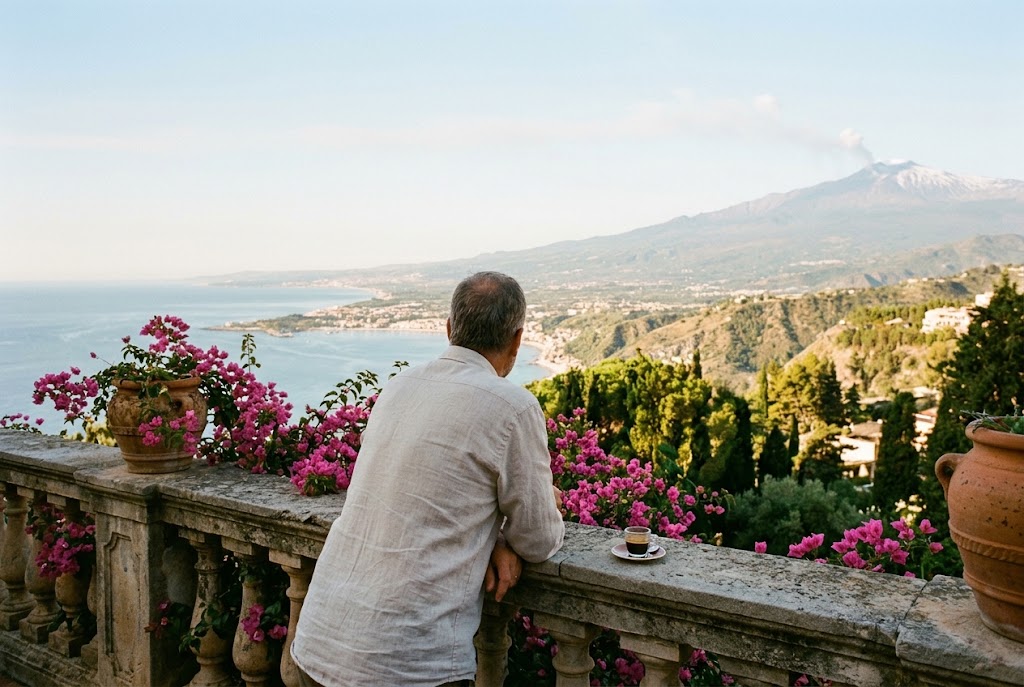
Palermo, Taormina and Syracuse, Sicily
Next, Sicily is Italy at its most generous: Greek temples, Baroque towns, an active volcano and some of the best food in the country, at prices well below Rome, Florence or the Amalfi Coast.
The experience in specific terms
Start with three nights in Palermo for the street markets, the gold mosaics of Monreale and an arancina on every corner. Then drive east along the coast to Taormina for three nights, with its Greek theater above the sea and a guided day on the slopes of Mount Etna. Finally, spend three nights in Ortigia, the island old town of Syracuse, and take a day trip to the Baroque hill towns of Noto and Modica. The Wobbly Pop Index shows how much cheaper an evening out is here than in northern Italy, using the price of a local beer.
Entry reality. US citizens can visit Italy without a visa for up to 90 days in any 180-day period in the Schengen area. The EU’s ETIAS travel authorization is not expected before 2027, so check its status before you book a spring trip.
Real cost range
Booked like a Civilian, budget about $4,100 per person for 9 nights, flights included. Booked like an Operator, about $2,820. The biggest lever is the flight: summer fares to Palermo or Catania usually connect through Rome or another European hub, while points can cover most of a shoulder-season ticket.
Trip ledger: Sicily9 nights, per person
| Line item | Civilian | Operator | Saved |
|---|---|---|---|
| Round-trip flight from the US | $1,200 | $720 | $480 |
| 9 nights, shared room | $1,350 | $900 | $450 |
| Food and drinks | $700 | $520 | $180 |
| Etna, sites and entry fees | $450 | $360 | $90 |
| Car rental, fuel and parking | $400 | $320 | $80 |
| Total | $4,100 | $2,820 | $1,280 |
The Operator move: cover the flight with points, fly into Palermo and out of Catania, and travel in May or October instead of July.
Timing verdict: late April to early June, or late September to October
Spring brings wildflowers and comfortable sightseeing weather, and the sea is warm enough to swim by June. Similarly, late September and October 2026 keep the warm water and lose the summer crowds. However, August is hot, packed and expensive, especially in Taormina. Holy Week (March 21 to 28, 2027) brings famous processions, but also higher prices in those towns. From November to March many seaside hotels close.
Operator tip
Book an open-jaw ticket: fly into Palermo and home from Catania. Most fares cost about the same as a round trip, yet you skip a three-hour drive back across the island and the one-way car drop fee usually costs less than a night’s hotel. As a result, you gain most of a day for Ortigia’s market and a long seafood lunch.
The long-haul flight is the biggest line on every ledger here. The Syndicate shows how Operators cover it with points and pay only the taxes.
Try Journo Insider free for 14 days →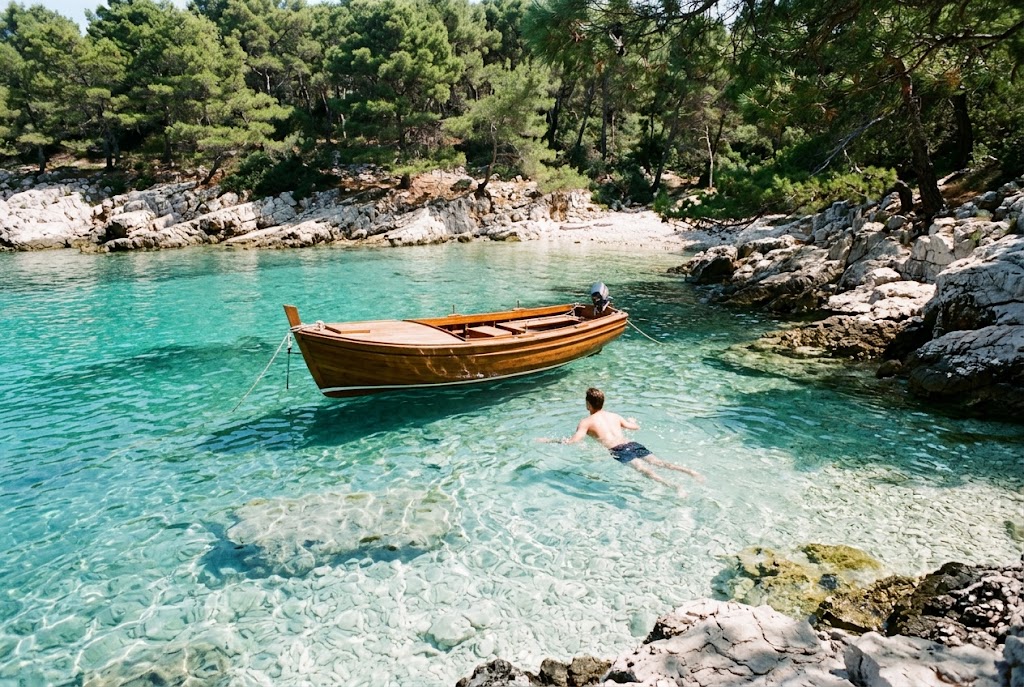
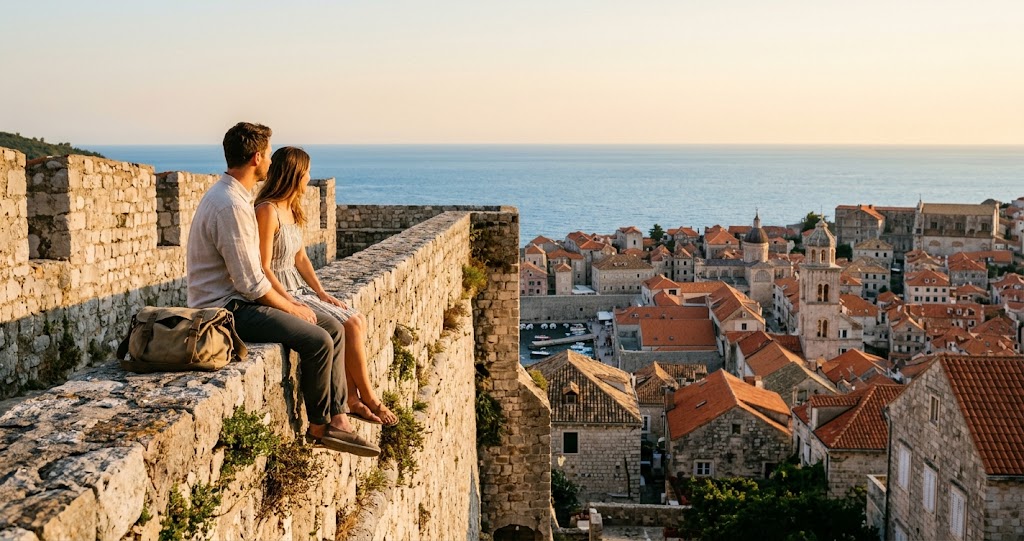
Dubrovnik, Hvar and Split, Croatia
Croatia’s Dalmatian Coast shows the timing lever better than anywhere else on this list. The same walled city, the same island coves and the same Roman palace can cost almost twice as much in July as in late September.
The experience in specific terms
Begin with three nights in Dubrovnik: walk the full circuit of the city walls early in the morning, kayak around the old town and take the cable car up for sunset. Next, take the catamaran up the coast to Hvar for three nights of swimming coves, lavender fields and a boat day around the Pakleni Islands. Finish with three nights in Split, where people still live and eat inside Diocletian’s Palace, with a day trip to the waterfalls of Krka National Park. The Walkable Route Designer links Dubrovnik’s gates, churches and viewpoints into one loop, so you see the old town before the cruise crowds arrive.
Entry reality. Croatia is in the Schengen area and uses the euro, so the same 90-in-180-day rule applies for US citizens. Seasonal nonstop flights to Dubrovnik run from the US in summer; otherwise, connect through a European hub.
Real cost range
Booked like a Civilian, budget about $4,400 per person for 9 nights, flights included. Booked like an Operator, about $2,950. The biggest lever is the room: a Dubrovnik hotel inside the walls in July can cost twice what a stylish apartment in Lapad or Ploče costs in September. A city walls ticket costs about €40.
Trip ledger: Croatia9 nights, per person
| Line item | Civilian | Operator | Saved |
|---|---|---|---|
| Round-trip flight from the US | $1,250 | $800 | $450 |
| 9 nights, shared room | $1,600 | $1,000 | $600 |
| Food and drinks | $750 | $580 | $170 |
| Walls, boat day, Krka and tours | $500 | $370 | $130 |
| Catamarans and transfers | $300 | $200 | $100 |
| Total | $4,400 | $2,950 | $1,450 |
The Operator move: go in late May or mid-September, stay in Lapad or Ploče instead of inside the walls, and book catamaran seats online in advance.
Timing verdict: late May to mid-June, or mid-September to mid-October
These windows have warm sea, long days and full ferry timetables, yet room rates sit well below July and August. By contrast, high summer brings heat, cruise-ship crowds in Dubrovnik and the highest prices of the year. Meanwhile, from November to March, many island hotels and catamaran routes shut down, so late 2026 is a weaker window for the islands; aim for late May 2027 instead.
Operator tip
Check the cruise schedule before you plan your Dubrovnik days. On days with several big ships in port, the old town fills from mid-morning to late afternoon. So walk the walls at opening time, spend the middle of the day on Lokrum island or a beach, and come back for the old town after the ships leave in the evening.
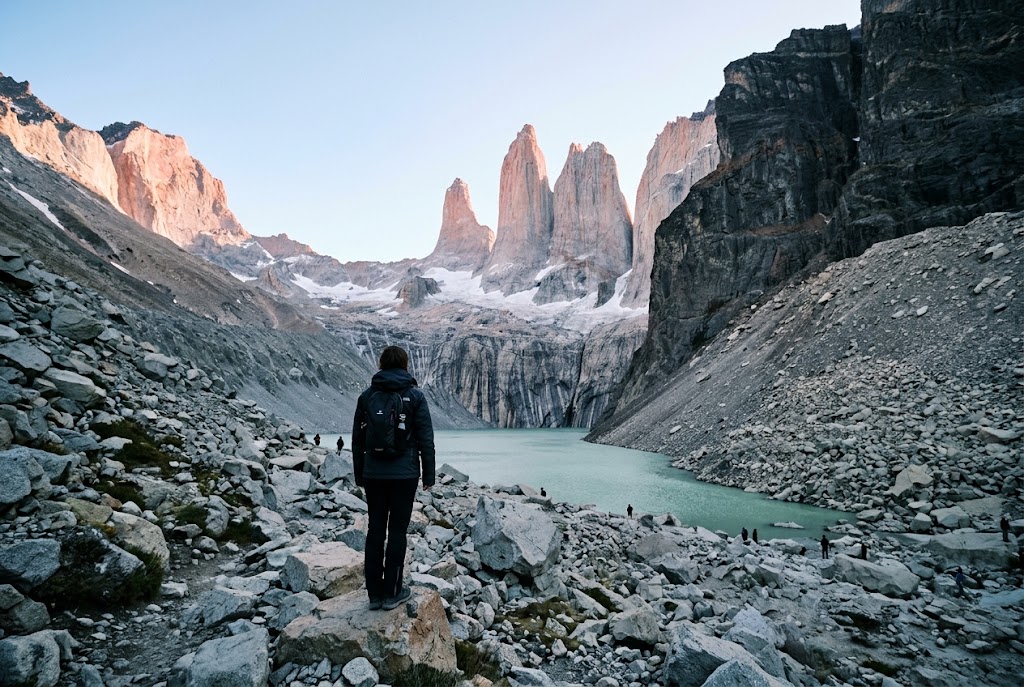
Torres del Paine, Chilean Patagonia
Patagonia is the big adventure on this list. Torres del Paine National Park in southern Chile has granite towers, turquoise lakes, hanging glaciers and the W Trek, one of the world’s great multi-day hikes, with beds and hot meals waiting at the end of each day.
The experience in specific terms
Fly to Santiago, then on to Punta Arenas or Puerto Natales, the gateway town for the park. Hike the W Trek over four nights, staying in mountain refugios: the climb to the base of the towers at sunrise, the French Valley between hanging glaciers, and the walk out to Grey Glacier. Then add three nights in Puerto Natales and two in Santiago or the Chilean wine country to rest. If your flight has a long connection in Santiago, the Layover Maximizer shows whether you can get into the city and back in time.
Entry reality. US citizens do not need a visa for tourist stays of up to 90 days. However, park entry for foreign adults rose to 80,900 Chilean pesos (about $85) in 2026, bought online in advance.
Real cost range
Booked like a Civilian, budget about $4,950 per person for 9 nights, flights included. Booked like an Operator, about $3,400. The biggest lever is the flight, because getting to the bottom of South America costs $1,200 to $1,800 round trip, and it is one of the best uses of airline points on this list.
Trip ledger: Patagonia9 nights, per person
| Line item | Civilian | Operator | Saved |
|---|---|---|---|
| Flights from the US, to Patagonia and back | $1,500 | $1,000 | $500 |
| Refugios and hotels, shared room | $1,500 | $1,050 | $450 |
| Food and drinks | $450 | $400 | $50 |
| Park entry, guide, boats and gear | $1,100 | $650 | $450 |
| Buses and transfers | $400 | $300 | $100 |
| Total | $4,950 | $3,400 | $1,550 |
The Operator move: book refugio beds direct with the park operators the moment they open, hike the well-marked W on your own, and cover the flight with points.
Timing verdict: November, or March
The trekking season runs roughly October to April. December to February is peak summer, with the longest days but also the strongest winds, the biggest crowds and the highest prices. Instead, November 2026 brings spring flowers and fewer hikers, while March 2027 brings autumn colors and calmer weather. From May to September, many refugios close and parts of the W need a guide.
Operator tip
Lock in the refugio beds before you buy the flight. The W Trek’s mountain huts book out months ahead for peak season, and without them you are stuck with a pricey guided package. So reserve the beds directly with the park’s two concession operators first, then book flights around the dates you got.
Queenstown, Milford Sound and Aoraki, New Zealand
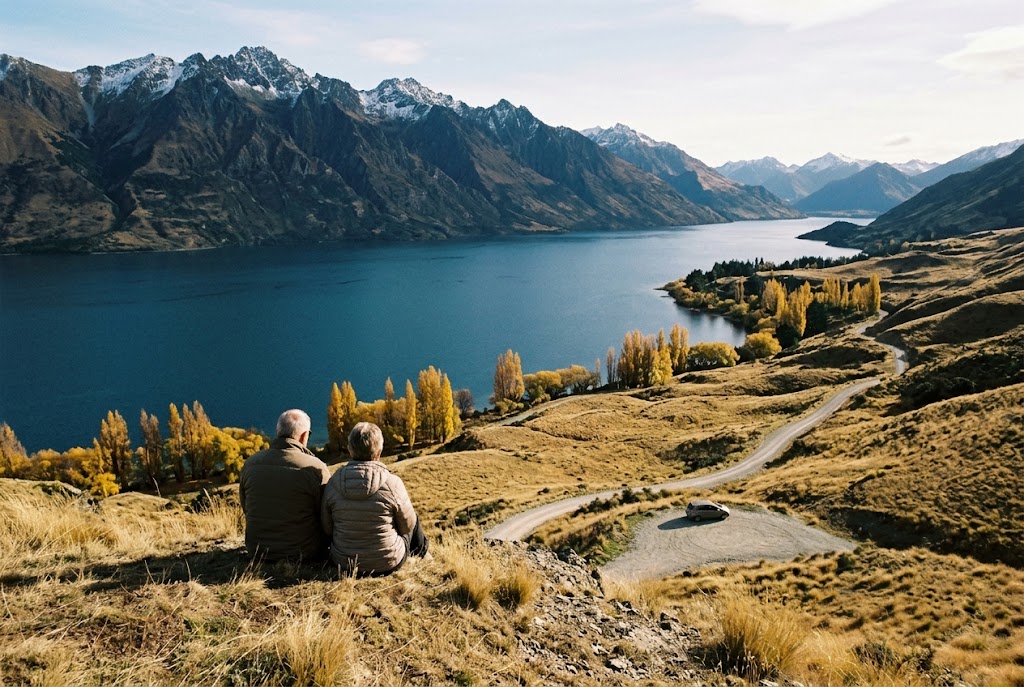
Finally, New Zealand’s South Island is the trip that shows the Operator gap most clearly. Booked like a Civilian, it breaks the $5,000 cap. Booked like an Operator, it fits with more than $1,000 to spare.
The experience in specific terms
Fly into Queenstown and spend three nights on Lake Wakatipu, with a jet boat, a wine afternoon in the Gibbston Valley and the drive to Glenorchy. Then base yourself in Te Anau for two nights and cruise Milford Sound, where waterfalls pour straight off the cliffs into the fiord. After that, drive north to Lake Tekapo and Aoraki/Mount Cook for two nights of glacier lakes and some of the darkest night skies on Earth, and finish with two nights in Wanaka. The Trip Day Optimizer helps you plan the long Milford day around the cruise times and the road.
Entry reality. US citizens need a New Zealand Electronic Travel Authority (NZeTA) before they fly, plus the International Visitor Conservation and Tourism Levy of NZ$100, paid with the NZeTA application.
Real cost range
Booked like a Civilian, budget about $5,500 per person for 9 nights, flights included. Booked like an Operator, about $3,850. The biggest lever is the flight: fares to Auckland or Queenstown swing by hundreds of dollars with the season, and a points booking on a partner airline can take the largest chunk out.
Trip ledger: New Zealand9 nights, per person
| Line item | Civilian | Operator | Saved |
|---|---|---|---|
| Round-trip flight from the US | $1,800 | $1,150 | $650 |
| 9 nights, shared room | $1,500 | $1,050 | $450 |
| Food and drinks | $800 | $600 | $200 |
| Milford cruise, activities and NZeTA | $900 | $650 | $250 |
| Rental car and fuel | $500 | $400 | $100 |
| Total | $5,500 | $3,850 | $1,650 |
The Operator move: travel in March or November, cover the long-haul flight with points, and book the rental car early as a round trip from Queenstown.
Timing verdict: March to April, or November
Autumn (March and April 2027) brings settled weather, golden trees around Wanaka and Arrowtown, and prices well below summer. Likewise, late spring in November 2026 has long days and snow still on the peaks. However, December to February is peak season, overlapping with New Zealand’s own summer school holidays, so cars and rooms cost the most. Winter (June to August) is for skiers.
Operator tip
Sleep in Te Anau, not Queenstown, the night before Milford Sound. The drive from Queenstown is about four hours each way, so most day tours spend eight hours on a bus. From Te Anau it is about two, which means you can take an early cruise before the tour buses arrive and stop at the viewpoints on your own schedule.
How do the best travel destinations for $2500 to $5000 compare?
Here are the best travel destinations for $2500 to $5000 side by side, per person for 9 nights, sharing a room, with the round-trip flight from the US included. The gap column is what booking like an Operator saves.
| Destination | Best for | Civilian total | Operator total | Operator gap | Best window |
|---|---|---|---|---|---|
| Morocco | Souks, riads and the Sahara | $3,650 | $2,500 | $1,150 | Nov; late Mar–May |
| Sicily, Italy | Food, ruins and a volcano | $4,100 | $2,820 | $1,280 | Late Apr–early Jun; late Sep–Oct |
| Dalmatian Coast, Croatia | Islands and old towns | $4,400 | $2,950 | $1,450 | Late May–mid Jun; mid Sep–mid Oct |
| Torres del Paine, Chile | A great multi-day hike | $4,950 | $3,400 | $1,550 | Nov; Mar |
| South Island, New Zealand | Fiords, lakes and road trips | $5,500 | $3,850 | $1,650 | Mar–Apr; Nov |
Civilians ask how much a trip costs. Operators ask how much of the bill is optional.
How do you plan a $5,000 trip like an Operator?
- Pick the experience, then protect it. Decide the one thing the trip is for, such as the W Trek or the Sahara night, and book it first. Everything else can flex around it.
- Price both bills. Next, write down the Civilian and the Operator price, flight included, using the ledgers above as a guide. If the Operator price drops under $2,500, compare it with our best trips for $1,000 to $2,500.
- Point your points at the long-haul flight. The flight is the biggest line on four of these five ledgers. Our guide to transferable points vs airline miles shows which points to collect, and our 12 award sweet spots show where they stretch furthest.
- Choose the shoulder window. Then pick a month from each timing verdict. Our Timing Optimization Framework explains why the same room can cost a third less a few weeks either side of peak.
- Run a ten-minute audit. Finally, before you pay, check timing, real cost and logistics with the Regret-Free Trip Audit. If you would rather spend the gap on a five-star room, our guide to luxury without luxury prices shows where it costs the least.
Quick answer
The best travel destinations for $2500 to $5000 per person, flights included, are Morocco (about $2,500 to $3,650 for 9 nights, best November or late March to May), Sicily ($2,820 to $4,100, late April to early June or late September to October), Croatia’s Dalmatian Coast ($2,950 to $4,400, late May to mid-June or mid-September to mid-October), Torres del Paine in Chilean Patagonia ($3,400 to $4,950, November or March) and New Zealand’s South Island ($3,850 to $5,500, March to April or November). The lower number is the Operator price, and the $1,150 to $1,650 gap is the biggest of any budget tier.Try Journo Insider — keep the gifts no matter what
Say “maybe” and claim your gifts →Frequently asked questions about $2,500 to $5,000 trips
What are the best travel destinations for $2500 to $5000?
The best travel destinations for $2500 to $5000 per person, including flights from the US, are Morocco, Sicily, Croatia’s Dalmatian Coast, Torres del Paine in Chilean Patagonia and New Zealand’s South Island. Each costs about $2,500 to $3,850 for 9 nights when booked like an Operator, and $3,650 to $5,500 at typical prices.
Where can I go on vacation for $5,000 per person?
Almost anywhere outside the most expensive luxury spots, if you book smartly. For example, $5,000 covers 9 nights in Patagonia or New Zealand’s South Island with flights, a good room and the big experience, and leaves room for a splurge in Morocco, Sicily or Croatia.
Is $5,000 enough for two weeks in Europe?
Yes, per person, in the shoulder season. Sicily and Croatia cost about $2,800 to $3,000 for 9 nights as an Operator, so five more nights at roughly $160 to $180 a night still lands well under $5,000. However, peak-summer trips to Paris, the Amalfi Coast or the Greek islands can pass it.
Is $3,000 enough for a 10-day international trip?
Yes. Morocco, Sicily and Croatia all come in under $3,000 per person for 9 nights when booked like an Operator, flights included. Add a tenth night for about $130 to $160, and Morocco and Sicily still stay under $3,000.
How do you save money on a mid-range trip?
Focus on the two biggest lines. Cover the long-haul flight with points and book the room in the shoulder season, one neighborhood away from the famous center. Together, those two moves make up most of the $1,150 to $1,650 gap in this guide.
When should I book a $2,500 to $5,000 trip?
Book flights three to six months ahead, and lock in the scarce things even earlier: W Trek refugios as soon as they open, desert camps for spring, and July rooms in Dubrovnik or Hvar. Award seats on long-haul routes often appear far in advance, so start looking as soon as your dates are firm.
In the end, a $5,000 trip and a $3,500 trip can be exactly the same trip. The difference is the order you book it in, and every one of the best travel destinations for $2500 to $5000 above rewards booking it like an Operator.