At this budget, money is no longer the main problem. You can already afford a good flight, a beautiful hotel and a private guide. However, the difference between a good trip and a transcendent one is rarely another $3,000. Instead, it is the order you book things in, and where you choose to spend.
So this guide takes five trips, prices each one twice and shows the move that changes it. First comes the “good trip,” booked like a Civilian with cash at peak dates. Then comes the “transcendent trip,” booked like an Operator with the Optimize, Convert, Redeem method. Our picks for the luxury travel destinations for $5000 to $10000 are Japan, the Amalfi Coast, Peru, French Polynesia and a Tanzania safari. In every case, the Operator version costs less cash and includes the upgrade the Civilian skipped.
TL;DR: luxury travel destinations for $5000 to $10000
- Five trips fit a $5,000 to $10,000 per-person budget for 10 nights, flights included: Japan, Italy’s Amalfi Coast, Peru, French Polynesia and a Tanzania safari with Zanzibar.
- Booked like a Civilian, they cost about $6,200 to $9,600 in cash. Booked like an Operator, they cost about $5,270 to $7,550 in cash, plus 90,000 to 180,000 points.
- Moreover, the Operator version is the better trip: business class or an overwater villa on points, plus one big upgrade such as a ryokan, the Hiram Bingham train or a balloon over the Serengeti.
- Premium spend pays off on long flights, rooms you spend your days in and scarce access. On the other hand, it is wasted on short flights, rooms you only sleep in and peak dates.
- The method is Optimize, Convert, Redeem, and the Travel Decision Stack (Experience, Real Cost, Timing, Execution) tells you which trip to aim it at.
Journo Insider
Get $6,640 in travel gifts — just for saying “maybe”
Start the 14-day free trial and keep the gifts even if you cancel.
Claim your free gifts →No credit card required. Cancel any time.
What does a $5,000 to $10,000 trip buy in 2026?
It buys the trip of a decade, if you spend it in the right places. In fact, at this level the budget covers a long-haul flight, ten nights in excellent hotels and the experience you have wanted for years. Every price below assumes:
- One traveler’s share of a double room in a five-star hotel, ryokan, safari camp or overwater bungalow.
- A round-trip flight from a major US hub: an economy cash fare for the Civilian, and points for the Operator.
- Ten nights, good restaurants and at least one memorable tasting menu.
- Private guides where they matter, plus every transfer, ferry, train and park fee.
If your real budget is lower, start with our best destinations for $2,500 to $5,000 trips. Meanwhile, if you have more than $10,000 per person, our guide to luxury trips over $10,000 covers suites in the sky and private expeditions.
Where is premium spend worth it, and where is it wasted?
Because the budget is big, it is easy to upgrade everything. As a result, most $10,000 trips spend thousands on things nobody remembers. Here is where luxury actually changes the trip.
Worth it
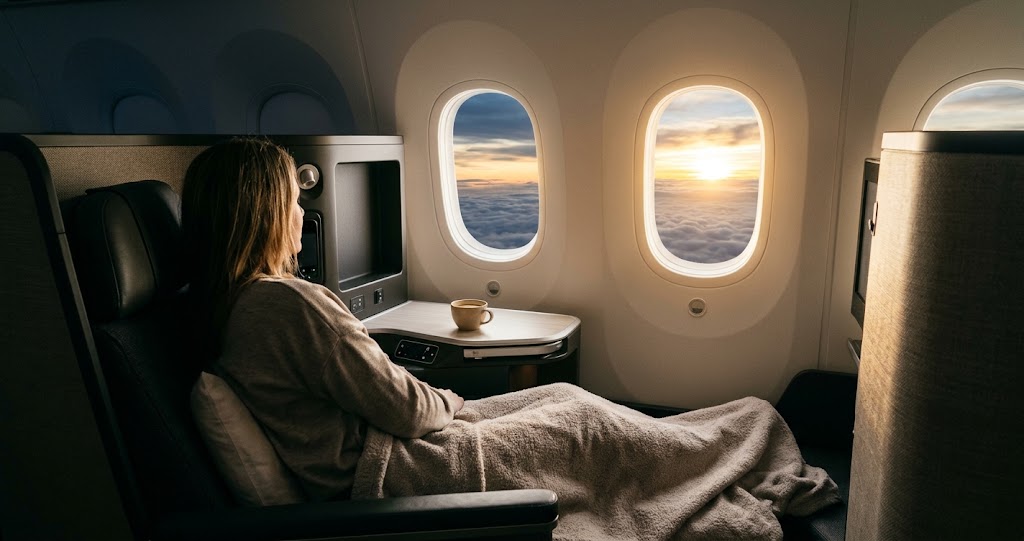
- The seat on a flight over 10 hours. Arriving rested gives you back the first two days.
- The room you spend daylight in. A ryokan, a safari tent or an overwater villa is the experience itself.
- Scarce access. A great guide, the first entry slot or a private boat changes what you see.
Usually wasted
- Business class on short hops. Under six hours, the extra cost rarely buys a better trip.
- A suite you only sleep in. In a city you explore all day, a good four-star does the job.
- Peak dates and private drivers. Two weeks either side of peak, and a fast train, often feel the same and cost far less.
How does Optimize, Convert, Redeem work on a $10,000 budget?
Optimize → Convert → Redeem
- Optimize. First, aim your everyday spending at one transferable points currency, so groceries, bills and travel all build the same balance. This is the first stage of the three-stage system behind luxury travel on a budget.
- Convert. Next, move the points to the airline or hotel program that prices your specific trip best, and only once you have found the seat or room. Our guide to transferable points vs airline miles explains why this order matters.
- Redeem. Finally, spend the points on the most expensive line of the trip, usually the long-haul seat or the signature room, and spend the cash you saved on the upgrade that makes the trip.
Then, to choose which trip to aim it at, run each one through the Travel Decision Stack. Experience: name the moment the trip is for. Real Cost: price both versions, cash and points. Timing: pick the shoulder window; our month-by-month 2026 travel calendar shows what peaks when. Execution: book in the right order, and the Goldilocks Booking Forecaster tells you whether to book the hotel now, wait or keep watching.
Tokyo, Hakone and Kyoto, Japan
First up, Japan is the trip where service, food and design are all at their peak, and where an Operator gains the most from one simple change: flying business class on points instead of economy on cash.
The experience in specific terms
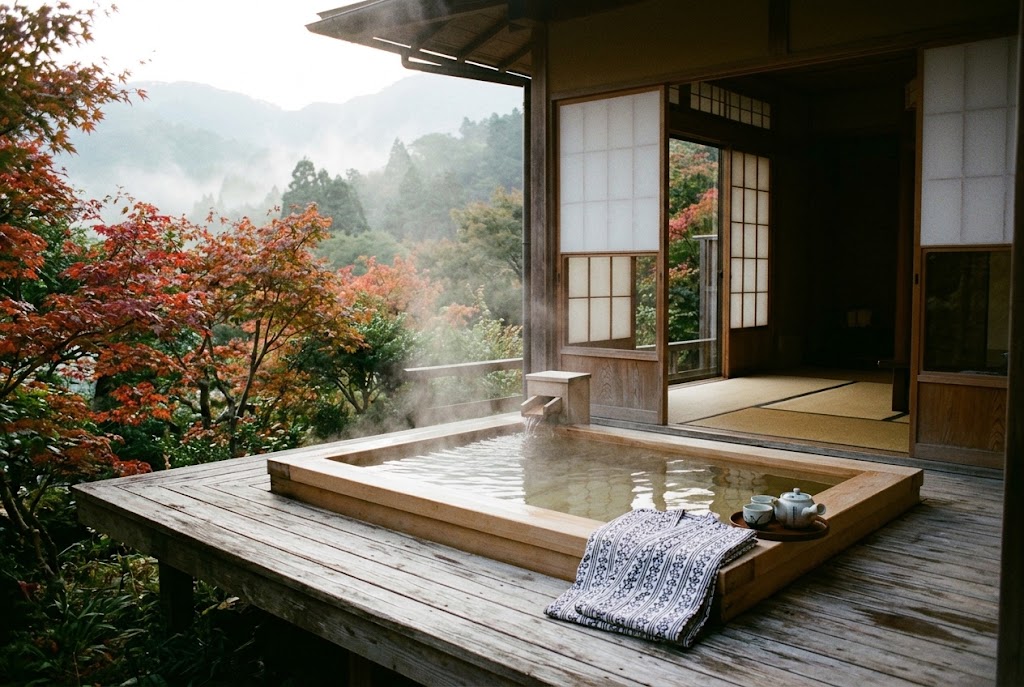
Start with four nights in Tokyo: a sushi counter in Ginza, the Tsukiji outer market at breakfast and an evening in the lanes of Shibuya and Shimokitazawa. Next, take the bullet train to Hakone for two nights in a ryokan with a private hot-spring bath, a twelve-course kaiseki dinner served in your room and views of Mount Fuji on a clear morning. Then finish with four nights in Kyoto, with Fushimi Inari at dawn and a private guide for the temples of the eastern hills. Ship your suitcases between hotels with a luggage-forwarding service, so you ride the train with just a daypack. The Trip Day Optimizer lines up Kyoto’s temples by opening time and crowd level, so you see the famous ones before the tour groups arrive.
Entry reality. US citizens do not need a visa for tourist stays of up to 90 days. Japan’s departure tax rose from 1,000 to 3,000 yen on July 1, 2026, and it is added to your airfare.
Real cost range
Booked like a Civilian, budget about $7,300 per person for 10 nights, flights included. Booked like an Operator, about $5,650 in cash plus 120,000 points, and that version includes business class and the ryokan. The biggest lever is the flight, because a round-trip business-class seat to Tokyo can sell for about $5,800 at peak.
The good trip Civilian
$7,300
- Economy flight, cash $1,600
- 10 nights, cherry blossom dates $3,000
- Food and drinks $1,100
- Guides and experiences $900
- Trains and transfers $700
The transcendent trip Operator
$5,650 + 120,000 points
- Business class on points, taxes $100
- 8 nights, early December or May $2,400
- 2 nights in a kaiseki ryokan $900
- Food and drinks $950
- Guides and experiences $800
- Trains and luggage forwarding $500
Optimize → Convert → Redeem: Japan
- OptimizeBuild 120,000 pointsOne transferable currency, everyday spending, about a year for most couples.
- ConvertBank to a Star Alliance partnerTransfer only after you find saver business space to Tokyo.
- RedeemBusiness class, round tripA seat worth about $5,800, for about $100 in taxes.
Timing verdict: early December, or mid-May to early June
Cherry blossom season (late March to early April) and the autumn leaves in Kyoto (mid to late November) are the most beautiful weeks, but also the most expensive and crowded. Instead, early December 2026 still has late maple color in Kyoto at lower prices. Similarly, mid-May to early June 2027 is green, mild and quiet, once Golden Week (around April 29 to May 5) is over. Meanwhile, July and August are hot and humid.
Operator tip
Book the ryokan for weeknights, not a Saturday. Many top ryokan charge far more for Saturday and holiday nights, yet the room, the bath and the kaiseki dinner are exactly the same on a Tuesday. So plan the Tokyo and Kyoto nights around the ryokan, not the other way round.
Praiano, Ravello and Capri, Amalfi Coast, Italy
Next, the Amalfi Coast is the classic luxury trip, and also the clearest example of premium spend wasted. Most Civilians pay top dollar for a room in Positano in July. In contrast, an Operator gets the same cliffs, the same sea and a better view from the next village along, for about a third less.
The experience in specific terms
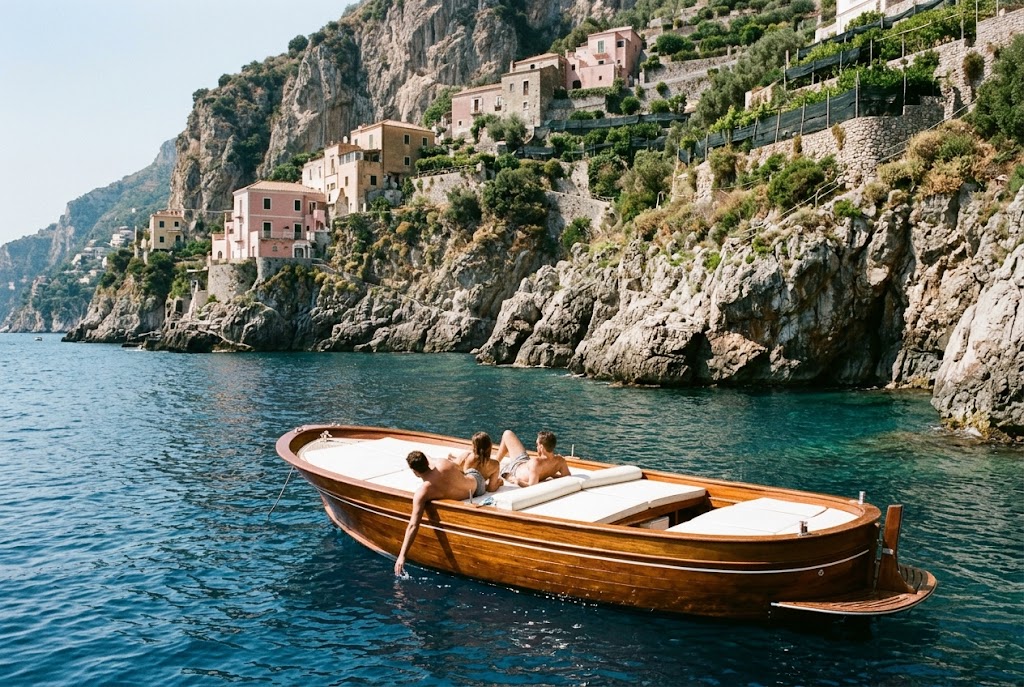
Fly into Naples and spend your first night there, for the pizza and the treasures of the National Archaeological Museum, with a morning at Pompeii on the way south. Then stay five nights in Praiano, between Positano and Amalfi, where the sunsets face the water. Hike the Path of the Gods from Bomerano down to Nocelle, and take a private boat to Capri and its sea caves. Finally, finish with four nights high above the sea in Ravello, with the gardens of Villa Rufolo and the Terrace of Infinity at Villa Cimbrone. The Walkable Route Designer links Ravello’s gardens, churches and viewpoints into one easy loop.
Entry reality. US citizens can visit Italy without a visa for up to 90 days in any 180-day period in the Schengen area. The EU’s ETIAS travel authorization is not expected before 2027, so check its status before you book.
Real cost range
Booked like a Civilian, budget about $8,500 per person for 10 nights, flights included. Booked like an Operator, about $6,000 in cash plus 130,000 points, including the private boat day. The biggest lever is the room: Praiano and Ravello cost far less than Positano for the same five-star standard, and May or late September costs less than July.
The good trip Civilian
$8,500
- Economy flight, cash $1,400
- 10 nights, Positano in July $3,900
- Food and drinks $1,500
- Group boat tour, Pompeii, Capri $900
- Private drivers $800
The transcendent trip Operator
$6,000 + 130,000 points
- Business class on points, taxes $300
- 10 nights, Praiano and Ravello in May $2,900
- Private boat day to Capri $650
- Food and drinks $1,300
- Pompeii guide and gardens $500
- Ferries, buses and one transfer $350
Optimize → Convert → Redeem: Amalfi Coast
- OptimizeBuild 130,000 pointsPut the big annual bills on the same card, and the balance grows fast.
- ConvertBank to a transatlantic partnerSearch Rome and Naples on the same dates, since one often prices lower.
- RedeemLie-flat seat across the AtlanticA seat worth about $5,500, for about $300 in taxes and fees.
Timing verdict: May, or late September to mid-October
May brings warm days, lemon blossom and full ferry timetables at shoulder prices. Likewise, late September to mid-October keeps the warm sea and loses the summer crowds. However, July and August are hot, packed and at their most expensive. Many hotels close from November to March, so the next good window is May 2027.
Operator tip
Book the Capri boat for a weekday and ask for an early start. Most boat days leave mid-morning, so the Blue Grotto and the Faraglioni rocks are busiest from late morning on. Leave Praiano or Amalfi at about 8:30, and you reach the grotto first, then swim in quiet coves while the day-trippers arrive.
Business class on every one of these trips starts with the Convert step. The Syndicate shows Operators which program to move points to, and when.
Try Journo Insider free for 14 days →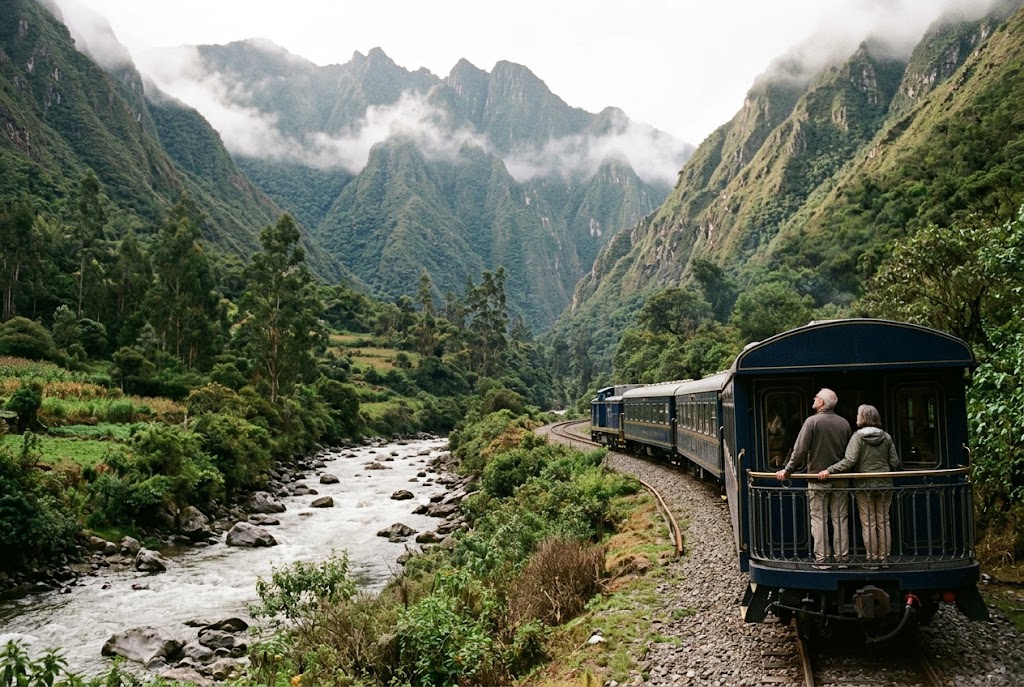
Lima, the Sacred Valley and Machu Picchu, Peru
Peru is the entry point to this tier, and the proof that a transcendent trip does not need to cost $10,000. In ten nights, it pairs one of the world’s great food cities with the Andes and Machu Picchu.
The experience in specific terms
Begin with two nights in Lima for a tasting menu at one of its celebrated restaurants and a walk along the cliffs of Miraflores and Barranco. Then fly to Cusco and go straight down to the Sacred Valley for three nights at a lodge among the fields, with the Pisac market and the salt pans of Maras. Next, ride the Hiram Bingham, a 1920s-style luxury train with brunch, live music and an observation car, to Machu Picchu. Sleep one night at the foot of the mountain so you can enter early the next morning. Finally, spend three nights in Cusco and a last night in Lima. The Local Language Helper gives you the Spanish, and a few words of Quechua, for the markets and villages.
Entry reality. US citizens do not need a visa for tourist stays. Machu Picchu entry is by timed ticket and a fixed circuit, with a daily cap, so buy tickets on the official site as soon as your dates are firm.
Real cost range
Booked like a Civilian, budget about $6,200 per person for 10 nights, flights included. Booked like an Operator, about $5,270 in cash plus 90,000 points, and that includes business class and the Hiram Bingham. The biggest lever is the upgrade itself: a one-way Hiram Bingham ride often costs $1,000 or more, so the cash saved on the flight is what pays for it.
The good trip Civilian
$6,200
- Economy flight, cash $1,000
- 10 nights, luxury hotels $2,800
- Food and drinks $900
- Machu Picchu, guides and tours $800
- Trains, flights and transfers $700
The transcendent trip Operator
$5,270 + 90,000 points
- Business class on points, taxes $120
- 10 nights, valley lodge first $2,200
- Hiram Bingham train, one way $1,200
- Food and drinks $800
- Machu Picchu, guides and tours $650
- Return train and transfers $300
Optimize → Convert → Redeem: Peru
- OptimizeBuild 90,000 pointsThe smallest target on this list, and reachable within a year for most travelers.
- ConvertBank to an airline partnerOvernight flights to Lima are where a flat bed matters most.
- RedeemBusiness class, round tripThen put the cash you saved straight into the Hiram Bingham.
Timing verdict: late April to May, or September
The dry season runs from about May to September, with clear mountain views and cold nights. In particular, late April and May 2027 are green after the rains and quieter than June to August, while September is dry and warm. However, December to March is the rainy season, and the Inca Trail closes every February for maintenance. Late 2026 is possible, but expect afternoon showers.
Operator tip
Sleep low first. Cusco sits at about 11,150 feet, but the Sacred Valley is roughly 2,000 feet lower. So go straight from the airport down to the valley, spend your first three nights there and visit Cusco at the end, when your body has adjusted. You will sleep better and enjoy the city far more.
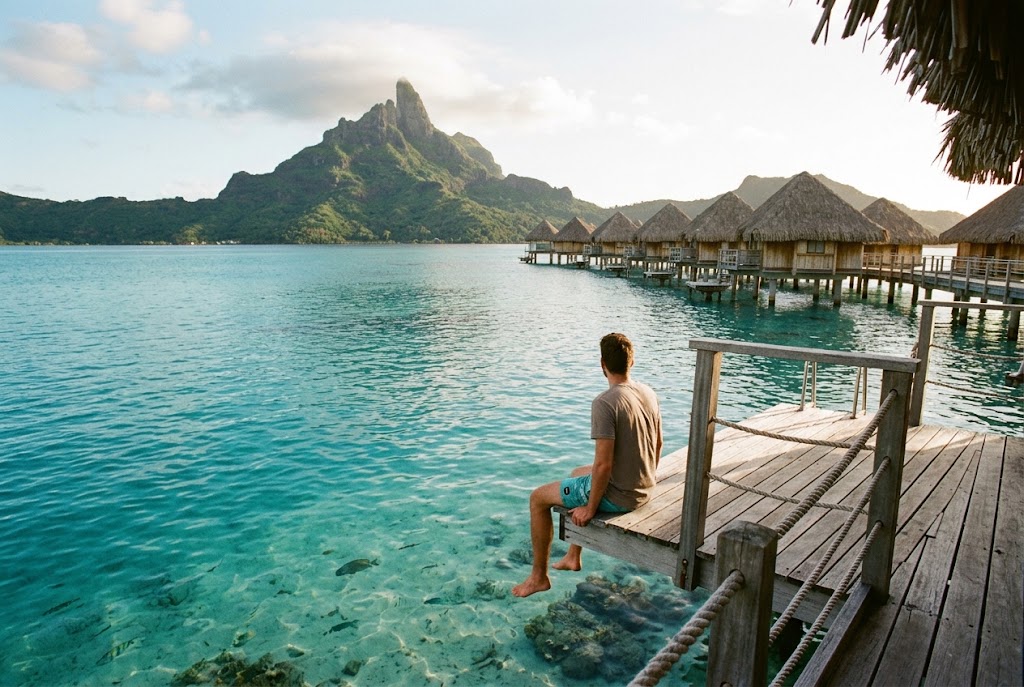
Tahiti, Moorea and Bora Bora, French Polynesia
French Polynesia is the dream trip that most people price once and give up on. That is a mistake, because it is also where hotel points do the most work: an overwater villa is the single most expensive line of the trip, and points can cover it.
The experience in specific terms
Fly overnight to Papeete, about eight hours nonstop from Los Angeles, and rest for a night on Tahiti. Then take the short ferry to Moorea for four nights of jagged green peaks, a lagoon with rays and reef sharks, and pineapple fields in the Opunohu Valley. Finally, fly to Bora Bora for five nights over the lagoon, with a private picnic on a motu, snorkeling in the coral gardens and Mount Otemanu from your deck. Before you budget the food line, the Wobbly Pop Index shows how expensive an evening out is here, using the price of a local beer.
Entry reality. French Polynesia is part of France but outside the Schengen area. US citizens do not need a visa for stays of up to 90 days.
Real cost range
Booked like a Civilian, budget about $9,300 per person for 10 nights, flights included. Booked like an Operator, about $5,850 in cash plus 180,000 points, and that includes four overwater nights and a private lagoon day. The biggest lever is the room: four overwater nights in Bora Bora can cost about $3,600 in cash, or roughly 180,000 points.
The good trip Civilian
$9,300
- Economy flight, cash $1,500
- 10 nights, all paid in cash $5,000
- Food and drinks $1,600
- Lagoon tours $700
- Inter-island flights and ferries $500
The transcendent trip Operator
$5,850 + 180,000 points
- Economy flight, shoulder season $1,100
- 6 cash nights, plus fees on 4 award nights $1,800
- Private motu picnic and lagoon day $500
- Food and drinks $1,400
- Snorkeling and Moorea tours $600
- Inter-island flights and ferries $450
Optimize → Convert → Redeem: French Polynesia
- OptimizeBuild 180,000 pointsA hotel goal this time, so pick a currency that transfers to hotel programs.
- ConvertBank to a hotel programCheck award nights at Bora Bora resorts before you move a single point.
- Redeem4 overwater nightsRooms worth about $3,600, for points plus resort fees.
Timing verdict: May to June, or September to October
The dry season runs from about May to October, with sunny days and lower humidity. In particular, May, June, September and October are the sweet spots, with good weather and shoulder prices, and humpback whales visit from about July to October. However, July and August are the busiest months. From November to April, the wet season brings heavy showers, although early November 2026 is often still pleasant and cheaper.
Operator tip
Spend points where cash rates are highest. Overwater villas on Moorea cost far less than on Bora Bora, so pay cash for the Moorea nights and use your points only for Bora Bora. In other words, the same balance buys the most expensive room of the trip, and you still sleep over the water on both islands.
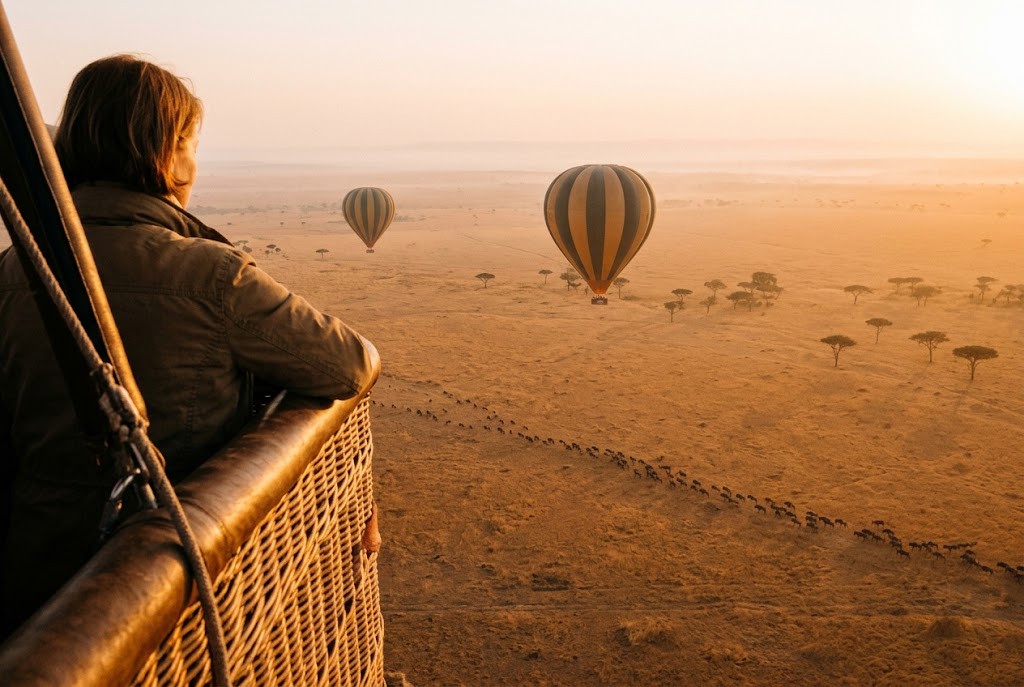
The Serengeti, Ngorongoro and Zanzibar, Tanzania
Finally, a Tanzania safari is the trip at the top of this tier, and the one most often called life-changing. It also shows the Operator approach most clearly, because timing and booking direct both change the price by thousands.
The experience in specific terms
Fly into Kilimanjaro and spend a night near Arusha. Then begin a six-night safari with a private guide and vehicle: elephants under the baobabs of Tarangire, a day inside the Ngorongoro Crater, and three nights in the Serengeti, with a dawn balloon flight over the plains and a champagne breakfast in the bush. After that, fly to Zanzibar for four nights on a white-sand beach, with a day in the old lanes of Stone Town. Safari quality varies enormously, so paste operator reviews into Review Genie before you pay a deposit. And if your flight connects through the Middle East or Europe, the Layover Maximizer shows whether a long connection is worth a few hours in the city.
Entry reality. US citizens need a visa, which you can apply for online; the fee is $100. Check the health requirements, including malaria prevention, with your doctor well before you travel.
Real cost range
Booked like a Civilian, budget about $9,600 per person for 10 nights, flights included. Booked like an Operator, about $7,550 in cash plus 160,000 points, and that includes business class and the balloon flight. The biggest lever is the safari itself: the same camps, booked direct with a well-reviewed Tanzanian operator in the green season, cost far less than a peak-season package from an overseas reseller.
The good trip Civilian
$9,600
- Economy flight, cash $1,900
- 6-night safari, peak package $6,000
- 4 nights on Zanzibar $900
- Food and drinks on Zanzibar $300
- Visa, tips and transfers $500
The transcendent trip Operator
$7,550 + 160,000 points
- Business class on points, taxes $500
- 6-night safari, booked direct $4,900
- Balloon flight over the Serengeti $650
- 4 nights on Zanzibar $750
- Food and drinks on Zanzibar $250
- Visa, tips and transfers $500
Optimize → Convert → Redeem: Tanzania
- OptimizeBuild 160,000 pointsThe biggest flight target here, so start a year or more ahead.
- ConvertBank to a Gulf or European partnerTwo long flights each way make a flat bed worth the most here.
- RedeemBusiness class, round tripA ticket worth about $7,000, for about $500 in taxes and fees.
Timing verdict: late January to February, or June
Late January and February 2027 bring the calving season to the southern Serengeti, when the herds give birth on the short-grass plains and the predators follow. Better still, many camps charge lower green-season rates then. Likewise, June is dry, with the herds moving north, before the July to September peak, when the river crossings bring the highest prices of the year. However, the long rains of April and May close some camps.
Operator tip
Follow the calving, not the crossing. Most people picture the river crossings and book July to September in the north, at peak prices with crowded sightings. In contrast, late January and February in the Ndutu area bring thousands of newborns and some of the best predator action of the year, often at green-season rates.
How do the luxury travel destinations for $5000 to $10000 compare?
Here are the luxury travel destinations for $5000 to $10000 side by side, per person for 10 nights, sharing a room, flights from the US included. The Operator column is cash out of pocket, and every Operator version includes its upgrade.
| Destination | The upgrade | Civilian cash | Operator cash | Points used | Best window |
|---|---|---|---|---|---|
| Japan | Kaiseki ryokan | $7,300 | $5,650 | 120,000 | Early Dec; mid May–early Jun |
| Amalfi Coast, Italy | Private boat to Capri | $8,500 | $6,000 | 130,000 | May; late Sep–mid Oct |
| Peru | Hiram Bingham train | $6,200 | $5,270 | 90,000 | Late Apr–May; Sep |
| French Polynesia | Overwater villa | $9,300 | $5,850 | 180,000 | May–Jun; Sep–Oct |
| Tanzania | Serengeti balloon | $9,600 | $7,550 | 160,000 | Late Jan–Feb; Jun |
Civilians upgrade everything a little. Operators upgrade one thing completely.
How do you plan a $10,000 trip like an Operator?
- Name the moment. Decide what the trip is for, such as the ryokan dinner or the balloon at dawn, and make that the upgrade you protect.
- Set one points target. Next, pick the trip’s most expensive line, usually the long-haul seat, and set a points number for it. Our 12 award sweet spots show where points stretch furthest.
- Choose your hotel program. If the room is the big line, as in French Polynesia, our guide to the best hotel loyalty program shows which one fits.
- Pick the shoulder window. Then choose a month from each timing verdict. Our Timing Optimization Framework explains why the same room can cost a third less a few weeks either side of peak.
- Audit before you pay. Finally, run the plan through the Regret-Free Trip Audit. And if you want five-star rooms for far less cash, our guide to luxury without luxury prices shows where they cost the least.
Quick answer
The best luxury travel destinations for $5000 to $10000 per person, flights included, are Japan (about $5,650 to $7,300 for 10 nights, best early December or mid-May to early June), the Amalfi Coast ($6,000 to $8,500, May or late September to mid-October), Peru ($5,270 to $6,200, late April to May or September), French Polynesia ($5,850 to $9,300, May to June or September to October) and a Tanzania safari with Zanzibar ($7,550 to $9,600, late January to February or June). The lower number is the Operator’s cash price, which also includes business class or an overwater villa on points and the trip’s big upgrade.Try Journo Insider — keep the gifts no matter what
Say “maybe” and claim your gifts →Frequently asked questions about $5,000 to $10,000 trips
What are the best luxury travel destinations for $5000 to $10000?
The best luxury travel destinations for $5000 to $10000 per person, including flights from the US, are Japan, Italy’s Amalfi Coast, Peru, French Polynesia and a Tanzania safari with Zanzibar. Each costs about $5,270 to $7,550 in cash for 10 nights when booked like an Operator with points, and $6,200 to $9,600 at typical cash prices.
Is $10,000 enough for a luxury vacation for two?
Yes, if you book like an Operator. That is $5,000 per person, and Peru and Japan both come in close to it for 10 nights with business class on points. For the Amalfi Coast, French Polynesia or Tanzania, plan on $6,000 to $7,500 per person instead.
How many points do you need to fly business class to Japan?
About 120,000 points for a round trip from the West Coast, plus roughly $100 in taxes, when saver award space is available on a Star Alliance partner. That seat can sell for about $5,800 at peak, which makes Japan one of the best uses of points on this list.
How much does a 10-day luxury trip to Japan cost?
About $7,300 per person at typical cash prices, flights included. Booked like an Operator, about $5,650 in cash plus 120,000 points, and that version adds business class and two nights in a kaiseki ryokan.
What is the Optimize, Convert, Redeem method?
It is the three-stage system Operators use for luxury travel. First, optimize everyday spending to earn one transferable points currency. Then convert those points to the airline or hotel program that prices your trip best. Finally, redeem them on the most expensive line of the trip and spend the cash you saved on the upgrade.
When should you book a $5,000 to $10,000 trip?
Look for award seats as soon as your dates are firm, often 9 to 11 months ahead, and book the scarce things early: ryokan weeknights, Machu Picchu tickets, overwater award nights and calving-season safari camps. Book the rest three to six months ahead.
In the end, the difference between a good $8,000 trip and a transcendent one is not more money. It is one upgrade, paid for by points and timing, and every one of the luxury travel destinations for $5000 to $10000 above rewards booking it like an Operator.